
Cooper County Jail
Cooper County Jail
Jail Phone Number
660-882-2771Cooper County Inmate Search: Finding and Contacting a Family Member
To find someone after a Cooper County arrest, open the Sheriff’s official website and choose Inmate Lookup. If the embedded roster is unavailable or a recent booking is unclear, call the jail at 660-882-6985. Give the full name, birth date and approximate arrest time, and ask staff to confirm present custody.
The jail contact is 200 Main Street, Boonville, MO 65233; Sheriff administration uses 660-882-2771. A state institution in or near Boonville is a separate operation. Keep the booking number and confirm current housing before planning a visit, funding an account or sending mail.
The questions below explain mugshots, warrants, calls, visits and the August 2026 change to digital delivery of personal letters. Our Bail guide covers release and payment questions, and the Court guide helps with Cooper County cases, clerk contacts and hearing locations.
Read inmate search answers
 Read inmate search answers
1. Where is Cooper County’s official inmate lookup?
Choose Inmate Lookup on the sheriff's website. The agency connects that page to its county roster service. Compare the identifying name with the date and circumstances of the arrest before relying on any related charge or release information.
For direct confirmation, call the jail at 660-882-6985, 200 Main Street, Boonville, MO 65233. Obtain the booking reference, current housing location and agency controlling the case. Keep those details with the court reference, so a family member can ask about the right record on a later call.
2. What if I cannot find a recent booking?
Ask the department that made the arrest which staff received the person. Intake and transport can leave a relative following the original arrest rather than the present detention. Provide accurate identifying information privately when staff need to distinguish two people.
Call 660-882-6985 for county jail assistance, 200 Main Street, Boonville, MO 65233. Establish whether booking is complete or another facility has taken custody. Write down the receiving agency's contact and the relevant reference. An online search that fails to resolve the location should be followed by that direct inquiry.
3. How do I distinguish the county jail from state prison custody?
The county jail contact is 200 Main Street, Boonville, MO 65233, 660-882-6985. Ask whether the person is physically held there. Sheriff administration is available at 660-882-2771 for other agency routing.
A state institution in or near Boonville is a separate operation from the county jail. Establish which authority currently has the person, then use that receiving facility's visitor and payment rules. The county jail overview helps with county services; DOC records help after a state-prison transfer.
4. How can I request a booking photograph?
Use the specific booking reference and date in a photograph inquiry. The same individual can have several detention events, so a picture from an older record does not establish the present situation. Ask which records request covers the photograph wanted.
Contact sheriff administration at 200 Main Street, Boonville, MO 65233, 660-882-2771. A city department can maintain a separate incident file or image. Determine the prosecution's outcome from court documents; the existence of a booking picture does not establish guilt or the final charge.
5. How can I receive custody alerts?
Use the state's MOVANS service to register for an available record. Compare the agency and identifying person before supplying the notification contact. Update the registration when your contact details change, and verify the receiving location after a movement alert.
Missouri began a new local-jail notification platform in May 2026. Prior users of the earlier local-jail service should follow the replacement registration instructions. Help is at 573-526-1929. Court appearance notices have a separate purpose and should continue to be followed for scheduling.
6. What should I confirm before paying bond?
Identify the issuing court and ask for the precise release order. Establish whether another case or agency hold remains, and have staff explain which obligation a payment would cover. Check the accepted method before buying a money order or travelling.
Use the bail guide and call jail staff at 660-882-6985, 200 Main Street, Boonville, MO 65233. The Circuit Court office is at that street address in Room 31, 660-882-2232. Request case-specific court payment directions and keep the receipt after any transaction.
7. Where can I read the charges filed in court?
Read the available public case in Case.net. Confirm the party and county, then compare the charging document with recent docket entries. A prosecutor's amendment or later judgment can differ from the initial booking label.
The county's Circuit Court contact is 200 Main Street, Room 31, Boonville, MO 65233, 660-882-2232. Specify the document needed for a copy request. Legal questions about the charge, plea or sentence belong with counsel; court staff handle record and procedural routing.
8. Which public defender office serves Cooper County?
The state assigns Cooper County to its District 15 trial office in Sedalia. Its address is 1807 West Broadway Boulevard, Sedalia, MO 65301, 660-530-5550. Provide the court reference, next appearance and current holding location when requesting help.
The state application page explains covered criminal matters and financial eligibility. Confirm whether a lawyer has been assigned rather than assuming submission establishes representation. Ask that lawyer how to arrange private discussion of evidence instead of using ordinary family communications.
9. How are jail visits scheduled?
The sheriff posts kiosk visiting on Saturday and Sunday, noon–4 p.m., with scheduling 24 hours ahead. Its rules require identification, adult accompaniment for minors and one visitor on the screen at a time. Review the visit directions and confirm eligibility.
Ask 660-882-6985 which arrangements apply before travelling to 200 Main Street, Boonville, MO 65233. Tell staff about any court-contact restriction or supervision status that might affect approval. Obtain the appointment and visitor instructions for the actual facility after a transfer.
10. Which service handles commissary deposits?
The sheriff directs deposits to JailATM using the inmate's name. Check the account page and confirm the facility and recipient before making a payment. A commissary deposit and a release bond serve different purposes.
For a custody or recipient question, call 660-882-6985, 200 Main Street, Boonville, MO 65233. Read the payment screen's charges and keep its reference. Ask about a disputed posting before submitting a duplicate. Establish whether a separate phone balance is needed for the intended use.
11. How do I establish a phone account?
The sheriff identifies CIDNET for inmate phone accounts, with service contact 888-984-1903. Use the phone instructions for the correct county facility and recipient. Check the selected service before purchasing credit.
Housing or urgent care questions should go to jail staff at 660-882-6985, 200 Main Street, Boonville, MO 65233. Have the attorney arrange a private legal channel. A routine family call should not be assumed to provide privacy for discussing witnesses or the defense strategy.
12. Where should I send personal letters now?
The sheriff's August 7, 2026 policy sends nonlegal letters for digital delivery to: inmate's full name and ID, Cooper County Detention Center Missouri, P.O. Box 247, Phoenix, MD 21131. Give the complete sender's name and return address and do not abbreviate the facility information.
Ordinary letters should not go to the jail's physical address. Review the mail page; legal mail and monetary items do not belong in that digital-mail envelope. Confirm a special mailing category at 660-882-6985 before posting it, particularly after the recipient moves to another facility.
13. How can I collect belongings after booking?
Locate the booking inventory or police incident reference and establish who has the item. Ask whether it is personal property stored for the detainee or evidence retained by an investigator. Those categories can require separate authorizations.
County jail routing is 660-882-6985, 200 Main Street, Boonville, MO 65233. Obtain the owner's permission requirements, pickup destination and identification instructions before a relative attends. Ask the investigating agency about an evidence item even if the person has left jail. A custody transfer does not itself determine who may collect the property.
14. How do I report an urgent medical concern?
Contact the holding staff with accurate identifying details and explain the symptoms, medication issue or immediate risk. Provide the treating professional's contact and request the process for sending the medical history. Ask for appropriate clinical or supervisory routing when the concern is urgent.
The jail's number is 660-882-6985, 200 Main Street, Boonville, MO 65233. Obtain staff instructions before bringing medication or care equipment. A family member may be able to supply useful information while confidentiality restricts the details staff can return. Direct the concern to the receiving institution if custody has changed.
15. How can I check a Cooper County warrant?
Ask the sheriff at 200 Main Street, Boonville, MO 65233, 660-882-2771, to identify the court and warrant reference. The defense lawyer can review the order and propose surrender or an appropriate court request. Compare the public record in Case.net. For a missed Cooper County date, contact the Circuit Court office at 200 Main Street, Room 31, Boonville, MO 65233, 660-882-2232, about procedural routing. An unrelated payment or dismissed case does not automatically settle a warrant issued by a different court.
16. Where can I find the next court date?
Follow the most recent court-issued notice and compare the public Case.net events for the matched case. Identify the division, time, location and required appearance method. Take conflicting details to the attorney and clerk before the scheduled proceeding.
The Circuit Court office is at 200 Main Street, Room 31, Boonville, MO 65233, 660-882-2232. The court overview explains the stages a family may encounter. The notice in the individual's case, rather than a general jail listing, establishes the attendance requirements for that hearing.
17. Where do I look after a federal arrest?
Cooper County is within the Western District of Missouri's Central Division. Court inquiries can go to 80 Lafayette Street, Jefferson City, MO 65101, 573-636-4015. Use the federal case reference to ask about a filing or hearing.
For U.S. Marshals custody routing, contact Suite 2300 at that address, 573-635-9708. Federal release is governed by the federal case's orders and the framework in 18 U.S.C. § 3142. The BOP locator serves federal prison records and is distinct from an inquiry about every pretrial contract facility.
18. How can I find someone transferred to ICE?
Obtain the receiving authority and any available A-number for follow-up. An ICE detainer asks for custody up to 48 hours after they would otherwise be released. The attorney can evaluate the request alongside the criminal court's release conditions.
Use the ICE lookup with its required identifiers. Its Kansas City office contact is 11125 North Ambassador Drive, Suite 100, Kansas City, MO 64153, 816-880-5000. Follow the ICE document-request directions for records.
19. How do I find someone in a Missouri state prison?
Use the identifying name or DOC reference in the Missouri offender search. Read the reported institution and status, including whether the result concerns supervision rather than prison housing. Compare the identifiers before selecting an institution's family services.
The state prison directory helps once the receiving location is established. Keep the corrections identifier and sentencing case together for later contact. Recheck the current assignment before arranging funds, a visit or mail because classification and subsequent movements can change the responsible institution.
20. How can a parent locate a detained child?
The county's Juvenile Office is listed at 200 Main Street, Boonville, MO 65233, 660-882-7472. Establish the assigned officer and the child's current placement. The office address should not be treated as proof of where a child is detained.
Ask about the next proceeding, representation and permitted parent contact. Youth-case access differs from public adult custody information. Obtain the receiving facility's own visitor and mail instructions before taking documents, sending property or making a payment. A supervision order and a detention placement require different family arrangements.
21. Which local police department should I contact?
- Cooper County Sheriff: 200 Main Street, Boonville, MO 65233; 660-882-2771. Jail: 660-882-6985.
- Boonville Police: 401 East Morgan Street, Boonville, MO 65233; 660-882-2727.
- Otterville Police: City Hall mailing contact, P.O. Box 58, Otterville, MO 65348; 660-366-4613.
- Pilot Grove Police: 213 College Street, Pilot Grove, MO 65276; 660-834-4300.
- Prairie Home Police: 416 Highway Drive, Prairie Home, MO 65068; 660-841-5524.
Use the investigating department to request its report and the holding staff to establish custody. Keep the police incident reference, county booking identifier and court case number for their separate purposes. Ask the arresting department which staff received the person if the present holding location remains unclear.
Cooper County Bail and Bond: Helping a Relative Get Released
To help someone get released on a Cooper County case, confirm the bond order, permitted payment type and other holds before paying. Call the Sheriff at 660-882-6985 to ask where the person is held and which office receives the particular bond. The questions below explain payment, surety contracts and requests for conditions the defendant can meet.
The Circuit Clerk is at 200 Main Street, Room 31, Boonville, MO 65233, 660-882-2232. A judge decides release conditions; jail staff carry out the order. Keep the current court order, case number and booking identifier together before arranging payment.
The Sheriff's contact address is 200 Main Street, Boonville, MO 65233. Confirm the actual detention and payment location before traveling, especially if another county is involved. Our Inmate Search guide helps locate someone, the Court guide explains hearings, and the Missouri Bail guide covers statewide release rules.
1. Where do I start if I need to post bond?
Call the Sheriff at 660-882-6985 and ask for current custody, actual housing, the release order, permitted bond type and any other holds. The Sheriff's published contact address is 200 Main Street, Boonville, MO 65233. Ask which office receives payment for the particular case before traveling or sending money.
2. Which office can explain the court's order?
The Circuit Clerk is at 200 Main Street, Room 31, Boonville, MO 65233, 660-882-2232. Ask which order is current, what it allows and which office receives the payment. Staff explain procedure, while counsel advises the defendant about legal choices.
3. How do I confirm the person is still in custody?
Call 660-882-6985 and provide the full legal name, date of birth and arrest details if known. Ask for the booking identifier and actual detention facility. A court file or old photograph does not establish present custody. The Inmate Search guide explains further checks and family contact.
4. What should I ask before spending money?
Ask which case the payment covers, the exact amount and permitted type, the current payment location and method, and whether another hold would prevent release. Keep the booking and case numbers separate. Money for commissary or video contact is not a bond payment.
5. Why might a person have no bond amount yet?
The person may be in booking, awaiting a charging decision or waiting for the judge's order. Missouri § 544.170 generally requires discharge within 24 hours after warrantless arrest unless a charge and warrant provide continued custody as stated there. Another lawful basis for detention may apply. Ask counsel about the facts rather than assuming automatic release.
6. Which court decides release on a state charge?
Cooper County shares Missouri’s 18th Judicial Circuit with Pettis County. The judge handling the case decides release terms; jail staff carry out the order. A cashier cannot reduce the amount. Check the county and case number before choosing a receiving court or jail office.
7. Does every case require cash bail?
No. Missouri Rule 33.01 calls for an individual assessment of appearance and safety, considering nonmonetary conditions before financial ones when appropriate and taking ability to pay into account. Detention is possible when legal requirements are met. The Missouri Bail guide explains the statewide rules.
8. What does release on recognizance mean?
The defendant promises in writing to appear and obey the order, potentially without an upfront deposit. There may still be restrictions on contact, travel, alcohol, weapons or reporting. Read the actual conditions before making family or work plans. Recognizance does not dismiss the charge.
9. What kinds of bond might be permitted?
The order may allow full cash, an authorized percentage deposit, a licensed surety or approved property security, or release on a promise with conditions. Ask which alternatives are written into the order. A court-authorized 10% deposit is different from a commercial premium, and neither is available automatically.
10. When can an unaffordable condition be reviewed?
Counsel can ask about release review and modification under Rules 33.05 and 33.06. Explain what cannot be met and provide financial, housing and appearance information. Ask about the scheduled hearing rather than assuming a weekend arrest has a fixed outcome. The present order remains in force unless changed.
11. What should I check before hiring a bail agent?
Check the Missouri license and get a written contract showing the premium, collateral, payment terms and co-signer obligations. Ask what happens if the person misses court or the surety surrenders them. A service fee generally is not refundable court cash. Do not sign based only on a quoted percentage.
12. Can a home or land be used for bond?
The court must authorize and approve property security. Ask which ownership, lien and valuation documents are needed. Understand the risk of forfeiture before pledging a home or farm. A relative's willingness to help does not require the judge to accept the proposed property.
13. What should I bring to post an approved bond?
Bring identification, the defendant's full name and the booking or case number. First confirm the receiving office, street address, available hours and accepted payment. Get a receipt naming the payer and case. Ask how payment confirmation and the release order reach the jail.
14. Can I use a card or pay bond online?
Ask jail or court staff about that specific order and provider. A website accepting commissary money, phone credit or fines is not automatically a bond service. Confirm the payee and fee before entering card details. Do not buy a money order until the receiving office confirms the method.
15. Who can post money for a family member?
An adult payer should be at least 18 and bring government-issued identification. Ask about additional requirements for this bond. Check the depositor name on the receipt and ask how an eventual refund is issued. Private arrangements among relatives do not automatically alter the court record.
16. How long will release take after payment?
The receiving office must process payment and release authority, and jail staff must address other lawful holds. Ask what remains before arranging pickup. There is no release-time guarantee for every case. A receipt does not prove that discharge is finished; confirm the pickup location with staff.
17. How can relatives living elsewhere help?
Start with the actual detention facility, case number and current release order. Ask the receiving office what a payer living elsewhere must do before sending funds. Family can help contact counsel and organize records without promising a release time or signing an agent's contract before reading it.
18. What if a traveler is arrested in Cooper County?
Ask which agency made the arrest, which facility received the person and which county filed the charge. Tell counsel about out-of-town housing, work and transportation needs. A lawyer can request workable conditions. Returning home does not excuse a required hearing or travel restriction.
19. What should I ask after an arrest away from home?
Get the exact location, arresting agency, receiving facility and case number. The name of a nearby town or recreation area is not enough to identify the court. Confirm which order and payment office apply before sending money, and explain travel needs to counsel.
20. Can another county prevent release?
A separate valid warrant or hold may remain after the local bond is satisfied. Ask which county and case need action and whether a transfer is expected. One receipt covers the stated order, not every other matter. Have the lawyer review the remaining basis for custody.
21. What if an out-of-state warrant is found?
It can create a separate hold and extradition proceeding. Ask which state and agency requested custody and notify counsel. The defendant should understand the consequences before signing a waiver. Paying a local bond does not resolve the other state's court order.
22. How do probation, parole or immigration matters affect release?
Ask staff to identify every separate basis for custody. Another supervising agency or court may need to act. An ICE detainer requests a hold of up to 48 hours after they would otherwise be released. Counsel should review the actual request and orders; the criminal bond does not decide an immigration case.
23. Where do Boonville ordinance cases go?
Read the named court on a Boonville, Pilot Grove, Otterville or other city citation before paying. A state charge and a municipal ordinance matter can have different files and hearing arrangements. The Cooper County Circuit Court office is at 200 Main Street, Room 31, Boonville, MO 65233, 660-882-2232. Confirm the actual court, next date and whether a payment is bond or a fine involving a plea. Ask the court to identify the order and whether a proposed payment is bond or a fine involving a plea.
24. What paperwork should the family keep?
Save the full release order, receipt and next court notice. Check dates, restrictions, case number and payer details. Make copies available to the defendant and lawyer. Update contact information as required. A reminder from a relative helps, but the defendant remains responsible for compliance.
25. What if the release order is unclear or difficult to follow?
Ask counsel before acting on a guess. Work, childcare, housing or treatment needs may support a request for change, but the judge must approve it. A protected person's invitation does not cancel a no-contact order. Violations can lead to a warrant, stricter conditions or detention.
26. Can an agent return the defendant to custody?
A surety may have surrender rights and duties under Missouri law and the contract. Ask counsel and the agent which procedure applies and whether a new order is needed. Review additional charges in writing. Surrender does not end the criminal prosecution or cancel its hearings.
27. What information helps a request for different conditions?
Give counsel a realistic account of income, necessary expenses, housing, work, treatment and transportation to court. Explain the particular condition that cannot be met and propose an alternative. The court decides the request; submitting it alone does not lower the amount or excuse the existing terms.
28. How do I check the most recent bond entry?
Find the correct Cooper County file on Missouri Case.net. Other counties share the 18th Circuit, so match the county and case number. Read later entries that may replace an older amount. Ask the clerk or lawyer to explain any uncertainty before paying based on a docket screenshot.
29. How can I check whether cash bond is refundable?
Call the Circuit Clerk at 660-882-2232 with the receipt and case number. Ask whether the court released the deposit, who is recorded to receive it and whether lawful deductions apply. Keep the mailing address current. Do not assume full repayment or a fixed date before processing is complete.
31. Does dismissal mean the person leaves immediately?
Ask the lawyer what the dismissal changes and whether any other cases remain. The jail needs appropriate release authority and may still have a separate lawful hold. Check bond discharge and refund paperwork separately. One closed case does not establish that every warrant or order has ended.
32. What should someone do after missing a hearing?
Contact the lawyer promptly and explain the reason. The court may issue a warrant and begin forfeiture. Ask which filing or appearance is needed; a relative's call does not automatically excuse the absence. A commercial contract may also expose a co-signer to costs.
33. Do children use adult bond procedures?
Juvenile matters generally have different detention and release rules. Ask the Circuit Clerk at 660-882-2232 for the juvenile office. A parent needs the child's actual placement, assigned officer, lawyer and next hearing. Do not assume a child is in the adult jail or send adult bond funds without directions.
34. Who helps someone who cannot afford a lawyer?
The Sedalia public defender office serving Cooper County is at 1807 West Broadway Boulevard, Sedalia, MO 65301, 660-530-5550. Use the application for services and ask how the defendant can apply from jail. The program reviews finances and qualifying state charges; ordinary municipal, traffic, civil and family matters are excluded.
35. Who decides release on a federal charge?
Cooper County is in the Central Division of the U.S. District Court for the Western District of Missouri. The federal courthouse is at 80 Lafayette Street, Jefferson City, MO 65101, 573-636-4015. Follow the current federal notice for the courtroom and attendance instructions. A county bond and the state court calendar do not control a separate federal proceeding. Follow federal counsel's directions; paying a state bond does not satisfy a separate federal order.
36. Can the defendant travel to work after release?
Read the actual travel and reporting terms before crossing a restricted boundary or leaving Missouri. Counsel can request approval or a modification if work requires travel. Explain the schedule and route and obtain required permission. Employment alone does not change a release condition.
37. What if the case involves an order of protection?
Read both the protective order and criminal release conditions with counsel. They may restrict direct contact, messages, third-party contact or access to a shared home. Arrange housing and any permitted property pickup without violating the order. A private agreement between the people involved does not change the court's terms.
38. What should a family do after a holiday arrest?
Call 660-882-6985 to ask whether an existing warrant or order already sets release conditions and where an authorized payment is accepted. If terms have not been entered, ask counsel about the initial appearance and review. Do not rely on an assumed holiday delay or a promise that staff can set a bond themselves.
39. What is the final check before traveling to Boonville?
Confirm custody, the current amount and permitted bond type, other holds, the payment counter and accepted method at 660-882-6985. Bring identification and the booking number. For court records call 660-882-2232. Our Court guide explains the next hearing after release.
Weekend video kiosk visits at Cooper County Jail
Cooper County Detention Center offers monitored video visits by kiosk on Saturdays and Sundays, noon–4 p.m. Central, for both men and women. Schedule at least 24 hours ahead by calling the jail at 660-882-6985. The jail allows one visit per person in custody on each visiting day, up to 30 minutes, and can shorten or cancel it.
Bring identification. Visitors under 18 must be accompanied by an adult, and only one visitor can appear on the kiosk screen at a time. Co-defendants and people held at Cooper County Detention Center in the prior 12 months need written approval from the Sheriff or designee. Visitors on probation or parole need authorization from their supervising officer.
Ask the jail where to check in when you book. The Sheriff lists CIDNET for telephone accounts but does not give separate public home-video instructions. Do not buy credits for a home visit without confirming the option.

CIDNET Video Visitation allows families to conduct live, face-to-face video visits with incarcerated loved ones from home. Using an internet-connected smartphone, tablet, or personal computer equipped with a webcam, visitors connect directly through housing-unit video stations or handheld tablets without traveling to the facility or waiting in jail visitor lobbies.
Important: Advance Registration and Visitor Clearance Required
Detention centers do not permit unscheduled or unverified video sessions. Correctional facilities require prospective visitors to submit government-issued photo identification and receive administrative clearance before booking an appointment, an approval process that can take up to 48 hours depending on facility staffing. You should verify your visitor approval status with the facility prior to scheduling. If you do not register well in advance, you will miss your loved one's scheduled visiting window for the week.
Step-by-Step Instructions to Register and Schedule a Video Visit
- Visit customer.cidnet.net or launch the CIDNET app.
- Register your visitor profile and upload a clear photograph of your government-issued ID and a verification photo.
- Wait for email notification confirming institutional visitor approval.
- Ensure your account has sufficient Data Points to cover the duration of the visit.
- Select Video Visitation, select the detention facility, and pick an available calendar time slot.
- Log into the website or mobile app 10 minutes prior to the start time on a device with a functioning camera, microphone, and stable high-speed internet connection.
What the Inmate Needs to Do
The inmate receives a schedule notification on their housing unit video kiosk or tablet. At the appointed time, they log in with their PIN and sit before the screen. Inmates and visitors must strictly observe jail dress and conduct rules; sessions are monitored by staff and will terminate immediately upon any violation.
Official Provider: CIDNET Customer Portal | Encartele Corporate
Customer Service Telephone: 1-888-984-1903
Support Hours: Monday – Friday, 8:00 AM – 5:00 PM CST
Supported Languages: English and Spanish
Other Services Provided by CIDNET
In addition to Remote Video Visitation, CIDNET provides several other communication channels:
- Data Points (Unified Funding): Purchase the central credits that power video visitation, calling, and messaging.
• Learn more on our website: CIDNET Data Points Guide | • Visit official vendor page: Buy CIDNET Data - Inmate Messaging & Digital Mail: Send electronic text messages and digital photo attachments directly to an inmate's terminal.
• Learn more on our website: CIDNET Messaging Guide | • Visit official vendor page: CIDNET Messaging Portal - Phone PINs & Voice Calling: Fund prepaid telephone calling so your loved one can call your mobile device.
• Learn more on our website: CIDNET Phone Calling Guide | • Visit official vendor page: CIDNET Voice Calling
Cooper County Court Guide: Case Searches, Locations and Family Help
For Cooper County criminal court information, call the Circuit Clerk at 660-882-2232. The courthouse office is at 200 Main Street, Room 31, Boonville, MO 65233. Search Missouri Case.net for public case records and hearing entries. Match the county, case number and division before deciding where to appear.
The Circuit Court office is in Room 31 at the courthouse. Read the named court on a Boonville, Pilot Grove or other city citation before paying or traveling; a city arrest does not by itself establish the filing court or hearing location. Cooper County shares Missouri’s 18th Judicial Circuit with Pettis County. The court named on the notice determines where the defendant must attend.
For custody and the actual detention facility, call the Sheriff at 660-882-6985. The Sheriff's contact address is 200 Main Street, Boonville, MO 65233; a jail address is not a substitute for a hearing location. Our Inmate Search guide helps locate someone, and our Bail guide explains release.
1. Which court handles a Cooper County criminal case?
Cooper County shares Missouri’s 18th Judicial Circuit with Pettis County. The Circuit Clerk is at 200 Main Street, Room 31, Boonville, MO 65233, 660-882-2232. Circuit and associate circuit proceedings are parts of Missouri's trial-court system. Read the notice for the assigned division, judge and courtroom.
Associate circuit judges handle many misdemeanors and early felony matters. An ordinance case can belong to a municipal division. The prosecutor represents the government; a defendant needs separate defense counsel. Clerk staff help explain records and procedures but cannot advise a defendant how to plead.
2. What should a family expect after an arrest in Cooper County?
Being booked is not the same as being found guilty. The booking process is administrative; a court later decides the criminal accusation.
A release order may involve conditions such as avoiding contact with a named person, reporting to supervision, or posting security.
The first court hearing deals with the accusation, the person’s rights, and whether release is allowed while the case is pending. A judge can set restrictions on contact, travel, weapons, or reporting. Failing to return to court may result in a warrant and new consequences.
For a worried family, the useful facts are the person’s complete name, date of birth, booking agency, whether a bond was ordered, and the next hearing date. A jail phone operator cannot give legal advice and a bond amount should not be mistaken for a criminal fine.
3. How are misdemeanors handled in Cooper County?
A misdemeanor does not always produce a jail stay. An officer may issue a summons directing the person to court.
At an arraignment or initial court date, the accused learns the charge and can enter an authorized plea. The prosecutor and defense may exchange information or discuss an agreement. If there is no agreement, the court schedules a contested hearing or trial.
Missouri law, § 558.011, permits at most one year for a Class A misdemeanor, six months for Class B, and 15 days for Class C. Under § 558.002, ordinary maximum fines are $2,000, $1,000, and $750 respectively, unless a more specific rule controls.
A judge can consider probation or a suspended sentence when allowed. A traffic ticket or city ordinance charge may follow its own fine schedule; it should not automatically be treated as a Class A misdemeanor.
4. What happens when the charge is a felony in Cooper County?
A felony allegation can first appear before an associate circuit judge to address counsel, bond, and probable cause.
The prosecutor may seek an indictment from a grand jury. A case may also proceed through an information after the legally required steps.
A judge deciding probable cause is not deciding whether the defendant is guilty. If charges go forward, both sides have opportunities for motions, disclosure of evidence, and plea discussions. A criminal conviction at trial requires proof beyond a reasonable doubt.
Counsel matters early: statements, searches, identification issues, and detention orders can shape the defense. A plea may avoid trial but can also create a lasting record or prison sentence, so the person should understand the terms before agreeing.
5. How does the court handle a serious violent felony in Cooper County?
Serious violent accusations usually bring closer attention to release conditions and victim safety.
A major violent prosecution may need forensic testing, expert witnesses, and several pretrial hearings.
Missouri defines “dangerous felonies” by statute. Certain convictions carry an 85% minimum service requirement before parole eligibility. That is not a rule for every charge involving violence; it depends on the precise conviction and statute.
In homicide and other extremely serious cases, the lawyer may address expert evidence, mental-state disputes, and sentencing issues long before trial. Families should not assume that a high bond means guilt or that a dismissed charge guarantees immediate release when other warrants exist.
6. What happens if someone under 18 is accused in Cooper County?
A youth accused of wrongdoing generally goes through the circuit court’s juvenile division, not the adult criminal calendar.
A child may be released to family with rules to follow, supervised at home, or held in an authorized youth facility when legally justified.
The juvenile division considers the child’s age, the allegation, family situation, and safety needs. A formal petition, if filed, is different from an adult criminal information or indictment. Some youth matters may be diverted from full court processing.
Parents or guardians should ask who is assigned to the child, where the youth is being held if detained, and when the next hearing will occur. Transfer to adult criminal court is possible only under specific legal procedures; it is not automatic for every serious accusation.
7. What are the jail terms, prison sentences and fines in Cooper County?
Sentencing depends on the offense class, any special penalty statute, the record, and the judge’s lawful options.
- Class A felony: 10–30 years or life.
- Class B felony: 5–15 years.
- Class C felony: 3–10 years.
- Class D felony: up to 7 years.
- Class E felony: up to 4 years.
- Class A misdemeanor: up to one year; normally up to $2,000 fine.
- Class B misdemeanor: up to six months; normally up to $1,000 fine.
- Class C misdemeanor: up to 15 days; normally up to $750 fine.
- Class D misdemeanor: no ordinary jail term; normally up to $500 fine.
Missouri Revised Statutes §§ 558.011 and 558.002 set these general ranges and fines. Standard felony fines can reach $10,000 for Classes C, D, or E. Some individual crimes have different rules, special minimums, or sentencing enhancements. A prior felony can also affect the authorized punishment.
For Class D or E felonies, Missouri law can permit a special county-jail term of up to one year instead of a longer state prison term. Probation, treatment court, and suspended sentences are possible in eligible cases; none is promised simply because a person has no record.
Parole eligibility is not the same as an automatic release date. The date can change with the charge, sentencing law, and Department of Corrections decisions. These figures state the general law in force in October 2026, not legislation scheduled to take effect in 2028.
What changes under Missouri sentencing law on January 1, 2028?
For families in Cooper County, the difference between current law and the scheduled 2028 law matters. Missouri Revised Statutes § 558.011 has a new version scheduled to take effect January 1, 2028. The percentages below describe when someone may first qualify for parole consideration, not a promised release date. They do not replace special rules that demand a longer time in prison.
- Class A felony: 10 to 30 years or life; generally 70% of the sentence before parole eligibility.
- Class B felony: 5 to 15 years; generally 50% before parole eligibility.
- Class C felony: 3 to 10 years; generally 30% for a first conviction, 35% for a second and 50% for a third or later conviction. Certain offenses requiring sex-offender registration carry 40%.
- Class D felony: up to 7 years; generally 20% for a first conviction, 25% for a second and 50% for a third or later conviction. Certain registrable offenses carry 25%.
- Class E felony: up to 4 years; generally 15% for a first conviction, 20% for a second and 50% for a third or later conviction. Certain registrable offenses carry 25%.
- Dangerous felonies: the law requires 85% of the sentence before parole eligibility.
For Class A and B felonies and certain crimes requiring sex-offender registration committed on or after January 1, 2028, the law also removes eligibility for conditional release. Parole and conditional release are not the same. Whether the new law applies to a particular person depends on the offense date, the final charges, earlier convictions and other sentencing laws. Until the effective date, the existing statute remains controlling. Source: Missouri Revised Statutes § 558.011.
8. Which federal court handles charges from Cooper County?
Cooper County is in the Central Division of the U.S. District Court for the Western District of Missouri. The federal courthouse is at 80 Lafayette Street, Jefferson City, MO 65101, 573-636-4015. Follow the current federal notice for the courtroom and attendance instructions. A county bond and the state court calendar do not control a separate federal proceeding.
Federal charges require a basis in federal law, such as qualifying firearms, bank robbery, fraud or interstate drug offenses. A state accusation does not become federal simply because someone crosses a county line. Federal authorities decide federal release. Pretrial detainees can be held in contract jails and may not immediately appear in the BOP locator.
9. How do I find the case number and next hearing?
Search Missouri Case.net by name or case number and match Cooper County and the person. Read recent docket entries and hearing information. Match the person and case number rather than relying on a similar name.
Call 660-882-2232 if the notice and online entry are unclear. A new or restricted matter may not be publicly visible. Counsel explains the legal effect of a court entry.
10. Where do I ask about a Boonville municipal ticket?
Read the named court on a Boonville, Pilot Grove, Otterville or other city citation before paying. A state charge and a municipal ordinance matter can have different files and hearing arrangements. The Cooper County Circuit Court office is at 200 Main Street, Room 31, Boonville, MO 65233, 660-882-2232. Confirm the actual court, next date and whether a payment is bond or a fine involving a plea.
A city officer can issue a state charge or an ordinance allegation. The department alone does not establish the case type. Keep the ticket and read the named court, response instructions and next date before paying or traveling. A fine involving a plea is different from posting bond.
11. How can someone apply for a public defender?
The Sedalia public defender office serving Cooper County is at 1807 West Broadway Boulevard, Sedalia, MO 65301, 660-530-5550. Use the application for services and ask how the defendant can apply from jail. The program reviews finances and qualifying state charges; ordinary municipal, traffic, civil and family matters are excluded.
Family can help gather financial and case information, but an application does not automatically appoint a lawyer or postpone a hearing. Give staff the next court date. Ask the appropriate court about representation for a proceeding outside the state program.
12. Does detention in another county move the Cooper County case?
A detention location and a filing court are different things. Ask the Sheriff for the actual jail and counsel or the clerk for the active court file. Housing elsewhere does not by itself establish that the case moved; a change of venue is a separate court matter.
Use 660-882-6985 for custody questions and 660-882-2232 for a Cooper County criminal file. Keep the receiving jail's booking identifier and court case number separately. Do not choose a hearing location from a jail address alone.
13. How can I check a warrant or missed hearing?
Search the correct Cooper County file on Missouri Case.net and call the criminal clerk at 660-882-2232. The courthouse office is at 200 Main Street, Room 31, Boonville, MO 65233. Ask staff to clarify an entry you do not understand. A missing public result does not prove that no warrant exists. Ask the Sheriff at 660-882-6985 about its current inquiry and surrender procedure, and discuss the proper court response with counsel. Keep any order resolving the warrant. Do not assume a private payment to an unknown caller cancels it or that paying one bond resolves every separate order.
14. How can relatives help prepare for a hearing?
Keep the current notice, case number, lawyer's contact and release conditions together. Confirm the courthouse entrance, courtroom and security rules and arrange a reliable ride. Tell counsel promptly about a medical, work or transportation problem affecting attendance.
Our Bail guide explains release conditions and requests for change. A relative's call does not excuse a hearing. Respect contact restrictions while helping; a protected person's invitation does not cancel a court order.


JailATM Commissary Ordering allows family members to purchase pre-approved snack boxes, meat and cheese selections, hygiene bundles, and seasonal gift care packages sent directly to an incarcerated loved one. Each package is tailored to comply with local facility security rules, ensuring items clear intake smoothly without being rejected at the loading dock.
Important: Package Deadlines and Delivery Windows Vary
Detention centers do not all follow identical package distribution schedules. Some facilities allow weekly orders while others restrict shipments to bi-weekly or monthly windows, and spending limits differ widely across institutions. You should confirm the facility's active cutoff schedule and order allowances by calling them directly. If an order is placed after the weekly processing deadline, it will be held until the following distribution cycle, leaving your loved one waiting an extra cycle for fresh supplies.
Step-by-Step Instructions to Place a Commissary Package Order
- Confirm the inmate's legal first and last name, date of birth, and assigned booking identification number.
- Navigate to deposits.jailatm.com/webdeposits/ and sign into your account.
- Select Commissary Packs or Gift Packs from the service menu.
- Choose your state and detention center to open the jail's authorized product catalog.
- Search for the inmate to link the order to their active housing record.
- Browse available food bundles, hygiene kits, and clothing options, adding items up to the facility's allowed spending limit.
- Enter your billing details, complete checkout with a credit or debit card, and save your confirmation receipt.
What the Inmate Needs to Do
The inmate does not need an active online account to receive care packages. JailATM fulfills the order in tamper-evident security containers and delivers it directly to the facility commissary department. Jail staff inspect the shipment and deliver the items during regular housing unit commissary distribution, where the inmate signs for receipt.
Official Provider: JailATM Official Website
Customer Service Telephone: 1-877-810-0614
Support Hours: Monday – Friday, 8:00 AM – 5:00 PM CST
Supported Languages: English and Spanish
Other Services Provided by JailATM
In addition to Commissary Gift Packs, JailATM provides several other communication, financial, and visitation services at participating facilities:
- Inmate Trust & Commissary Money Deposits: Send money directly into an inmate's jail trust account for independent commissary spending.
• Learn more on our website: Inmate Trust Deposits Guide | • Visit official vendor page: JailATM Trust Deposits - Digital Messaging & Picture Sharing: Send electronic messages and photos directly to an inmate's housing unit kiosk.
• Learn more on our website: Digital Messaging Guide | • Visit official vendor page: JailATM Messaging - Remote Video Visitation: Schedule and join live video visits from home using your computer or smartphone.
• Learn more on our website: Video Visitation Guide | • Visit official vendor page: JailATM Video Visits
Buy Commissary for an Inmate in the Cooper County Jail
Cooper County Jail Inmate Commissary - Sending Money or Purchasing Commissary for an Inmate
Cooper County Jail allows inmates to purchase commissary. This can be snacks, hygiene products, stamps, stationary, clothing and even electronics.
You can buy commissary for an inmate using an online service called Jail ATM.
Questions? Call Jail ATM at 877-810-0914.
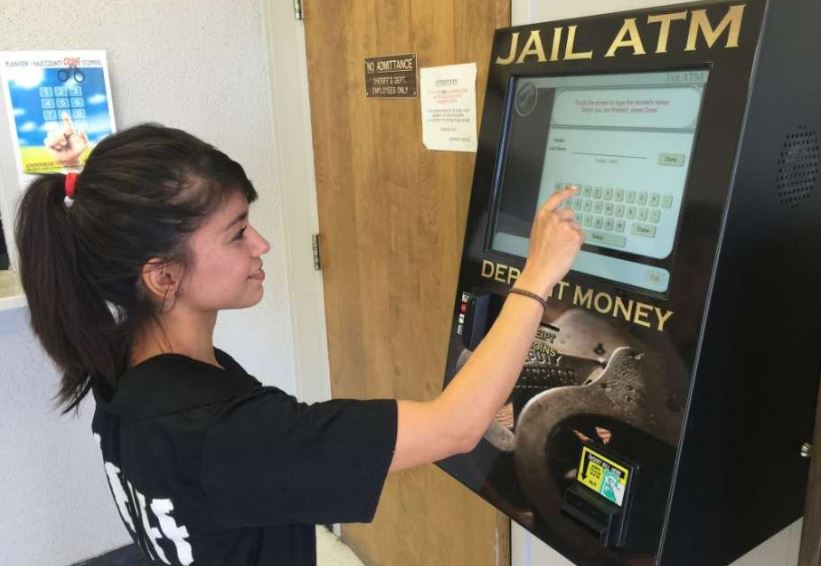
There is a monthly limit of $200-300 on how much inmates can spend on commissary items.
This amount is subject to change so call the facility at 660-882-2771 in order to confirm the amount that cannot be exceeded.
Inmates have access to both an in-house commissary store, and commissary packages that can be purchased and shipped to the inmate by friends and family.
Scroll down for information on the Cooper County Jail's service they use for you being able to purchase commissary items online and have them shipped directly to the inmate.
You can also go to our Inmate Money page for information on how to send money to an inmate.
JailATM provides a secure electronic payment portal that allows friends and family members to deposit funds directly into an incarcerated person's jail trust and commissary account. Deposited money provides the financial balance needed for your loved one to purchase personal hygiene items, snacks, over-the-counter medical sundries, and correspondence supplies from the facility commissary.
Important: Facility Deposit Rules and Window Intake Vary
Once a person is booked and moved to a housing unit, facilities do not always allow cash drop-offs or phone payments directly to the jail window. Some might and you should confirm this by calling the facility and asking. But if you do not register online and fund your loved one's trust account immediately, they may be forced to wait days or weeks for standard paper processing, leaving them without essential soap, clean undergarments, basic medical sundries or snacks.
Step-by-Step Instructions to Register and Deposit Funds
- Obtain the inmate's legal first and last name, date of birth, and assigned facility booking ID number.
- Navigate to deposits.jailatm.com/webdeposits/ on your computer or mobile device.
- Click Sign In or Register to set up your verified user account using your email address and password.
- Select the state and the detention facility where the inmate is currently housed.
- Search for the inmate using their ID number or legal last name to confirm an exact roster match.
- Enter your desired deposit dollar amount and review the calculated transaction and convenience fees.
- Input your debit or credit card billing details, complete payment authorization, and save your digital receipt.
What the Inmate Needs to Do
The inmate does not need an internet account to receive funds. Once the electronic transaction clears, the balance posts directly to their jail trust ledger according to facility accounting schedules. The inmate can review their updated balance at a dayroom pod kiosk or on their weekly trust statement and place orders on their regular commissary day.
Official Provider: JailATM Official Website
Customer Service Telephone: 1-877-810-0614
Support Hours: Monday – Friday, 8:00 AM – 5:00 PM CST
Supported Languages: English and Spanish
Other Services Provided by JailATM
In addition to Trust & Commissary Money Deposits, JailATM provides several other communication, store, and visitation services at participating facilities:
- Commissary Gift Packs & Store Ordering: Order pre-approved snack boxes, food packages, and hygiene bundles sent directly to the jail.
• Learn more on our website: Commissary Gift Packs Guide | • Visit official vendor page: JailATM Store Orders - Digital Messaging & Picture Sharing: Send electronic messages and photos directly to an inmate's housing unit kiosk.
• Learn more on our website: Digital Messaging Guide | • Visit official vendor page: JailATM Messaging - Remote Video Visitation: Schedule and join live video visits from home using your computer or smartphone.
• Learn more on our website: Video Visitation Guide | • Visit official vendor page: JailATM Video Visits
Deposit Money for an Inmate in the Cooper County Jail
Cash, gift cards, personal checks, money orders: put any of them in a letter to the Cooper County Jail in Boonville and the Sheriff mails the whole thing back to you.
The web is the route that works. Go to JailATM; the person's name is all you need to make a deposit. If the site acts up, the Sheriff gives 1-866-933-6386 as the number to try.
Paying in person at the jail, 200 Main Street, is not something the jail has addressed publicly. Find out by calling 660-882-6985 with the person's name and birth date handy.
Keep in mind that calls are paid from a separate phone account, not from this money.
Since August 7, 2026, the Cooper County Jail in Boonville no longer hands out paper letters from family and friends. Personal mail now goes to a post office box run by a mail-scanning service, which copies each letter so the inmate can read it on a screen. Many jails made this switch because people were soaking paper in drugs such as meth or heroin, letting it dry and mailing it in. A personal letter mailed to the Main Street building will not be delivered.
Letters and cards from family (scanned):
Inmate's Full Name & Inmate ID #
Cooper County Detention Center Missouri
P.O. Box 247
Phoenix, MD 21131
Legal mail and publications (jail address):
Inmate's Full Name & Inmate ID #
Cooper County Jail
200 Main Street
Boonville, MO 65233
- Addressing the envelope: Spell everything out with no shortcuts. Write your full name, street address, city, state and ZIP, then the inmate's full name and their inmate ID above the box address. The sheriff says an envelope missing any of this is thrown away, with no exceptions.
- What not to put in a letter: Money orders, personal checks, gift cards, cash and legal papers sent to the scanning box come back to you. Lawyers and courts use the jail address instead.
- Pens and decoration: Blue or black ink only. Skip colored ink, felt markers, crayons, lipstick, perfume, glitter, confetti and doodles on the envelope.
- Books and magazines: They have to be new and mailed by the publisher or a store to the Boonville address. Magazines with swearing, weapons or adult content are taken, and books full of violence or sex are thrown out.
- Money: Deposits are made online using just the inmate's name. Nothing with money in it should go in the mail.
- Stamps and packages: You can't mail stamps or boxes. Inmates buy stamps and other items through the commissary.
- Who may write: Inmates can't trade letters with co-defendants, people held in any jail or prison, or anyone under a no-contact order.
- Think before you write: Staff can read everything, and what you say about the case can be used in court.
Look up the inmate ID on the jail roster. For faster back-and-forth, try electronic messages, or call the jail at 660-882-6985.
CIDNET Phone Calling enables incarcerated individuals to place outbound voice calls from housing-unit wall phones or handheld tablets directly to approved cell phones and landlines. Because jail phone systems cannot accept incoming calls, setting up a CIDNET account and purchasing Data Points ensures outbound calls connect immediately without wireless carrier collect blocks.
Important: Mobile Networks Block Inmate Calls Without Data Points
Wireless cellular carriers automatically block collect calls originating from jail telecommunications systems. While some traditional landline telephone providers may support monthly operator billing, mobile smartphones and VoIP numbers require an active prepaid CIDNET balance, which you can verify with your provider. If you do not register your 10-digit number online and purchase Data Points immediately, your loved one will hear an automated operator recording stating that your phone number cannot accept calls.
Step-by-Step Instructions to Set Up and Fund Voice Calling
- Go to customer.cidnet.net or launch the CIDNET Customer mobile app.
- Register your account using the primary 10-digit telephone number where you want to receive calls.
- Upload your driver's license or state ID for identity verification.
- Select the detention center where the inmate is held and link them to your contact profile.
- Purchase Data Points using a debit or credit card to cover per-minute calling rates.
- Confirm your mobile phone allows calls from automated or unknown correctional numbers and does not send them to spam.
What the Inmate Needs to Do
The inmate approaches a pod wall phone or opens the phone app on their tablet, enters their assigned inmate PIN, and dials your 10-digit number. CIDNET's automated system verifies that your account has sufficient Data Points and connects the call once you accept the automated prompt. All non-privileged conversations are recorded and monitored by the facility.
Official Provider: CIDNET Customer Portal | Encartele Corporate
Customer Service Telephone: 1-888-984-1903
Support Hours: Monday – Friday, 8:00 AM – 5:00 PM CST
Supported Languages: English and Spanish
Other Services Provided by CIDNET
In addition to Phone Calling, CIDNET operates messaging and video visitation services:
- Data Points (Unified Funding): Purchase the central credits used to pay for telephone talk time.
• Learn more on our website: CIDNET Data Points Guide | • Visit official vendor page: Buy CIDNET Data - Remote Video Visitation: Schedule and join live video visits from home using your computer or smartphone.
• Learn more on our website: CIDNET Video Visits Guide | • Visit official vendor page: CIDNET Video Visitation - Inmate Messaging & Digital Mail: Send text messages and digital photo attachments directly to an inmate's terminal.
• Learn more on our website: CIDNET Messaging Guide | • Visit official vendor page: CIDNET Messaging Portal
CIDNET Inmate Messaging provides a secure digital messaging and picture-sharing service for families of incarcerated individuals. Powered by CIDNET Data Points, outside contacts can compose electronic letters and upload JPEG photographs directly through the CIDNET web app, delivering correspondence to inmate screens within hours and avoiding paper mail sorting delays.
Important: Postal Mail Transition and Screening Rules Vary
Inmates cannot receive incoming phone calls, and physical postal mail policies differ across jurisdictions. While some detention centers accept handwritten envelopes, many facilities contracting with CIDNET have prohibited physical paper mail in favor of electronic mail scanning and direct digital messaging, which you can verify by checking facility rules. If you do not register online and purchase Data Points immediately, your loved one may face lengthy periods without direct written communication from family.
Step-by-Step Instructions to Register and Message an Inmate
- Log into your account at customer.cidnet.net or launch the CIDNET app.
- Ensure your identity verification (photo ID and selfie) is approved by the facility.
- Confirm your account has an active Data Point balance; purchase additional points if needed.
- Select Messages from your navigation menu and click on your linked contact.
- Type your message in the text editor and attach clear JPEG photo files if authorized by the facility's media rules.
- Review the estimated Data Point cost for the message length and image attachments.
- Click Send to submit your transmission to the institutional mailroom screening queue.
What the Inmate Needs to Do
All messages and photographs pass through facility screening filters. Once approved, the message arrives in the inmate's inbox on their housing unit kiosk or assigned tablet. The inmate opens the message, views the images, and types a digital response, which draws against available account points.
Official Provider: CIDNET Customer Portal | Encartele Corporate
Customer Service Telephone: 1-888-984-1903
Support Hours: Monday – Friday, 8:00 AM – 5:00 PM CST
Supported Languages: English and Spanish
Other Services Provided by CIDNET
In addition to Inmate Messaging, CIDNET provides several other communication and visitation options:
- Data Points (Unified Funding): Purchase universal credits that power voice calling, messaging, and video visits.
• Learn more on our website: CIDNET Data Points Guide | • Visit official vendor page: Buy CIDNET Data - Remote Video Visitation: Schedule and join live video visits from home using your computer or smartphone.
• Learn more on our website: CIDNET Video Visits Guide | • Visit official vendor page: CIDNET Video Visitation - Phone PINs & Voice Calling: Fund outbound voice telephone calls so your loved one can call your telephone directly.
• Learn more on our website: CIDNET Phone Calling Guide | • Visit official vendor page: CIDNET Voice Calling
CIDNET provides secure handheld wireless tablets designed specifically for correctional housing units. Operating over a private, encrypted facility network, these devices allow incarcerated individuals to exchange messages, place voice calls, conduct remote video visits, read approved digital books, access law library materials, and complete rehabilitative courses directly from their cells.
Important: Tablet Hardware Deployment and Rental Rules Vary
Detention centers do not manage tablet distribution identically. While some agencies issue individual personal tablets to every detainee at booking, others utilize shared pod docking stations or restrict tablet use to specific dayroom hours, which you should confirm with the facility directly. Although core educational and legal resources are generally provided free of charge, sending messages or making calls from the tablet requires an active balance of Data Points funded by friends or family.
Step-by-Step Instructions to Support Tablet Use
- Confirm that CIDNET handheld tablets are active and deployed at your loved one's specific detention facility.
- Register your verified user account at customer.cidnet.net.
- Complete identity verification by uploading your government photo ID.
- Link the inmate to your profile and purchase a reserve of CIDNET Data Points.
- Notify your loved one that funds are available so they can open the communication apps on their tablet.
What the Inmate Needs to Do
The inmate unlocks their assigned tablet using biometric verification or their unique facility PIN. Once logged on, they can browse institutional announcements, access educational materials, or select approved outside contacts to read messages and start calls. When quiet hours begin or tablets require recharging, inmates return devices to designated pod docking carts.
Official Provider: CIDNET Customer Portal | Encartele Corporate
Customer Service Telephone: 1-888-984-1903
Support Hours: Monday – Friday, 8:00 AM – 5:00 PM CST
Supported Languages: English and Spanish
Other Services Provided by CIDNET
In addition to Inmate Tablet Services, CIDNET provides several core communication channels:
- Data Points (Unified Funding): Purchase the digital currency required to power all tablet communications.
• Learn more on our website: CIDNET Data Points Guide | • Visit official vendor page: Buy CIDNET Data - Inmate Messaging & Digital Mail: Send text messages and photos directly to an inmate's tablet screen.
• Learn more on our website: CIDNET Messaging Guide | • Visit official vendor page: CIDNET Messaging Portal - Remote Video Visitation: Conduct scheduled live video calls directly to their tablet or pod kiosk.
• Learn more on our website: CIDNET Video Visits Guide | • Visit official vendor page: CIDNET Video Visitation
Cooper County Juvenile Facilities
Nearby counties
- Jail (Main): 660-882-2771
The Cooper County Jail serves the following cities and towns of Cooper County: Boonville, Bunceton, Clifton City, Kemper, Pilot Grove and Tipton.