
Skagit County Jail
Skagit County Jail
Jail Phone Number
360-416-1911Skagit County Inmate Search: Track Down a Person Held in Mount Vernon
Adults picked up by deputies or city officers end up at the Skagit County Jail, 600 South 3rd Street, Mount Vernon, WA 98273. A work release program runs from the same office. Read on for photo rules, charges, free lawyers, visiting, mail, deposits and hearing rooms.
Open the Sheriff's online roster first. Its report is rebuilt roughly every 15 minutes and leaves out juveniles. Type a last name, then glance at the report time, since someone booked moments ago could still be missing.
Then dial 360-416-1911 and ask for Booking. Read out the legal name and birthday. Learn the charges, what bail is set, and which day the judge first sees them. Release steps are on our bail guide, and hearing locations are on our court guide.
Read inmate search answers
 Read inmate search answers
1. How do I read the jail roster?
The roster is a report, not a database you can sort. Try this routine:
- Go to the roster from any phone or laptop.
- Put in the family name. If thousands share it, add a first name.
- Check when the report was made. New data lands about every 15 minutes.
- Copy any booking details shown beside the person.
- Read those details to the desk at 360-416-1911 if you need more. They speed up the lookup.
Juveniles are left off. A separate answer below covers young people.
↑ Back to the question list2. No match on the Skagit County roster?
An empty search has a short list of likely reasons:
- Still processing. Intake can run for hours.
- Back home already. Release can come through a signed promise, a posted bond or a judge's order.
- Cited and sent home. For lesser offenses, officers often hand over a summons instead of booking anyone.
- Different name. The booking may use a nickname, middle name or former surname.
- Another agency. The person may sit in a police holding cell, a jail in a nearby county, federal custody or a state facility.
- A minor. Under-18 cases never show here.
Ask the desk at 360-416-1911 whether anyone with that name is in custody and which spelling got typed.
↑ Back to the question list3. Which lockup might hold my person?
Only one adult lockup shows up in our records for this area, plus a program that runs from the same campus:
- Skagit County Jail (jail details), 600 South 3rd Street, Mount Vernon, WA 98273, 360-416-1911. It never closes. It holds men and women, both pretrial and sentenced. Parts of the building are called the Community Justice Center.
- Jail Alternatives Program, 600 South 3rd Street, Mount Vernon, WA 98273, 360-416-1940. Qualifying people serve time through work release, community service crews or electronic home monitoring. New arrests do not come here.
City police, deputies, troopers and tribal officers all drop adult arrestees at the county jail, and no city here runs its own. For an arrest across the county line, try that Sheriff's Office. Federal, ICE and state cases are covered later.
↑ Back to the question list4. Will I see Skagit County mugshots online?
Washington keeps jail booking photos out of public view. RCW 70.48.100 makes them confidential, though detectives may use them. Booking photos of anyone convicted of a sex crime can be released. So Washington rosters rarely carry mugshots.
To seek a photo, put the question to the arresting agency. For deputies, the number is 360-416-1911. The Public Records Act (chapter 42.56 RCW) governs such requests.
- For photos held by ICE, file a records request here: ICE records page.
- Federal agencies keep their photos closed. One agency, the U.S. Marshals Service, can choose to publish a photo, as it might for someone on the run.
5. Will someone alert me if they are freed?
Yes, through Washington VINE. It is free, runs around the clock and watches all city and county jails plus the Department of Corrections. Data updates every 15 to 30 minutes.
- Register through VINELink or ring 877-846-3492.
- VINE tracks no juvenile detention and no hearings.
- For a live voice, the jail answers at 360-416-1911.
RCW 70.48.100 also says each jail keeps a public register of who is held, why, and when they come and go.
↑ Back to the question list6. How does getting out work in Skagit County?
Judges here begin with recognizance release, which means the person simply promises to return. Judges add terms such as no contact, check-ins or a bond only when real danger exists. Terms should be as light as will work, and what the person can pay matters. See Washington bail laws.
- Timing: The jail says the first appearance comes on the first working day after the arrest. The judge rules on release then.
- Family violence: Officers must arrest in some cases. Release waits on a judge, a bond or a signed promise (RCW 10.31.100). A no-contact order can come along.
- Cash: The whole sum goes in at the lobby kiosk. Personal checks bounce back. The court keeps the money until the case ends.
- Bond: If the roster calls bail bondable, a bond company may post it. Jail staff will not name one.
- No bail: Judges refuse it only in rare, very grave cases, after a hearing.
Anyone who posts bonds must hold a state license. Verify it at the license search page or ring the Department of Licensing at 360-664-6611. Demand every fee in writing. Our bail guide has more steps.
↑ Back to the question list7. Where are the exact charges listed?
Ask the desk at 360-416-1911 which charge was booked and which court owns it. Then check the file. The free Washington Courts case search points to the court holding each case.
- District Court, misdemeanors outside city limits: 600 S 3rd St, Mount Vernon, WA 98273, 360-416-1250.
- County Clerk, keeper of felony files: 205 W Kincaid St, Room 103, Mount Vernon, WA 98273, 360-416-1800.
- Prosecuting Attorney, who files final charges: 700 S 2nd St, Suite 300, Mount Vernon, WA 98273, 360-416-1600.
A case from inside a city belongs to that city's court, shown in the hearing answer.
↑ Back to the question list8. Can someone without money get a free lawyer?
Yes. The defendant asks at the first hearing. A person can qualify through public aid, a low household income (federal poverty level times 1.25 or less), or simply being unable to afford a likely legal fee (RCW 10.101.010).
- Office of Assigned Counsel screens applicants: 205 W Kincaid St, Suite 301, Mount Vernon, WA 98273, 360-416-1690.
- Public Defender, 605 S 3rd St, Mount Vernon, WA 98273, 360-416-1650, takes District and Superior Court cases.
Each city arranges its own defenders for its municipal court, so contact that court. Hiring a private attorney works too. For background, see opd.wa.gov, the state's public defense office.
↑ Back to the question list9. What are the Skagit County jail's visiting hours?
The visit schedule lives on its own jail page and may shift. Ring 360-416-1911 before driving to get today's days and hours.
- Follow the rules posted at the jail.
- Visitors who are minors come with a parent or guardian.
- A warrant or no-contact order bars a visitor.
- Carry photo ID, and ask which items may go inside.
Our visitation guide describes a first trip.
↑ Back to the question list10. What are the ways to send an inmate money?
Funds on an account cover snacks, toiletries and phone time. The jail accepts them these ways:
- A lobby kiosk at 600 South 3rd Street, Mount Vernon, WA 98273, takes cash and cards twenty-four hours a day.
- Mail a money order made out to "Skagit County Jail". Personal checks are turned down.
- Online deposits exist. Ask staff how to start one.
An outside vendor handles commissary. For more, read the deposit guide and then the commissary guide. Deposits do not buy release. Questions go to 360-416-1911. Never mail bills or coins.
↑ Back to the question list11. How do jail calls and video work?
The jail picks the calling service. Ask at 360-416-1911 about opening an account, rates, and whether texting or video exists. Ask if talks are recorded. A visit with an attorney should stay private.
Save case details for the lawyer. For choices, see the phone guide, and for email and texts, the email guide.
↑ Back to the question list12. What are the rules for mailing letters?
Get the exact mailing address and name style from 360-416-1911 first. Envelopes holding writing supplies, clothing or food are rejected. Books are taken only when new and sent by a publisher or store.
The inmate's complete name belongs on the envelope, and so does where it came from. More rules are in the mail guide. Skip the cash.
↑ Back to the question list13. Who gives back clothing and other property?
Your loved one's belongings are held in storage until the day they leave. To leave items or collect them, ring 360-416-1911. Ask which hours work, what is accepted and what ID you need. Office hours run Monday through Friday, 8:30 a.m. to 4:30 p.m., at 600 South 3rd Street, Mount Vernon, WA 98273.
↑ Back to the question list14. What if an inmate is ill or injured?
Reach the medical unit through 360-416-1911. Share the medicine name, strength and prescriber's number. The inmate can also write out a health request while inside.
In a true emergency, dial 911. If the person may self-harm, say that right away.
↑ Back to the question list15. How do I learn whether Skagit County has a warrant out?
Warrants inside a town are the city police's job, and warrants elsewhere in the county are the deputies' job. The Sheriff's Office answers at 360-416-1911, and its Most Wanted page is online. To check a case, use the statewide court lookup or ask the District Court clerk at 360-416-1250, or the County Clerk for felonies. A lawyer can help you clear one, and the court that issued it makes the final call. The County Clerk sits at 205 W Kincaid St, Room 103, Mount Vernon, WA 98273, 360-416-1800.
↑ Back to the question list16. Where will the hearing take place?
Each court sets its own dates. To see how a case moves along, read our court guide. Local courts:
- Superior Court, for felonies: 205 W Kincaid St, Room 202, Mount Vernon, WA 98273, 360-416-1200. The County Clerk is nearby in Room 103 at 360-416-1800.
- District Court: 600 S 3rd St, Mount Vernon, WA 98273, 360-416-1250.
- Mount Vernon Municipal Court: 1805 Continental Pl, Mount Vernon, WA 98273, 360-336-6205.
- Burlington Municipal Court: 311 Cedar St, Suite A, Burlington, WA 98233, 360-755-0492.
- Anacortes Municipal Court: 1218 24th St, Anacortes, WA 98221, 360-293-1913.
- Sedro-Woolley Municipal Court: 325 Metcalf St, Sedro-Woolley, WA 98284, 360-855-0366.
The state's Find My Court Date tool may help too. Ask the clerk when arraignment is scheduled. Newer court rules move it up for people held in jail.
↑ Back to the question list17. Which federal court covers this area?
Federal cases from here go to the Seattle Division of the Western District, at 700 Stewart Street, Suite 2310, Seattle, WA 98101, and the clerk answers at 206-370-8400.
- At an early federal hearing, a judge picks custody or home until trial (18 U.S.C. 3142).
- Before trial, the U.S. Marshals Service acts as the jailer. Ask its Seattle office, 700 Stewart Street, Suite 9000, Seattle, WA 98101, 206-370-8600, where the person is held.
- When a federal term begins, the BOP inmate locator can find them by name.
18. Could immigration agents take over the case?
Possibly. A common path:
- It starts when ICE files Form I-247A (8 CFR 287.7(d)) with the jail.
- It requests a hold lasting up to 48 hours after they would otherwise be released.
- The Keep Washington Working Act limits what a jail may do (see RCW 10.93.160). By itself, a civil immigration warrant or detainer is not enough to hold someone in a Washington jail, and no one may be held just to check status. Local 287(g) partnerships with ICE are barred in Washington.
- Try the ICE Online Detainee Locator or ring the Seattle Field Office, 12500 Tukwila International Boulevard, Seattle, WA 98168, 206-277-2000.
The Northwest ICE Processing Center is at 1623 E J St SE, Tacoma, WA 98421, 253-396-1611.
↑ Back to the question list19. Might the person be in state prison?
Anyone sentenced to prison reports first to a Department of Corrections reception unit. Ask at 360-416-1911.
- Open the DOC incarcerated individual search. It gives a DOC number, a location and housing details, but shows no photo.
- The department's office is 7345 Linderson Way SW, Tumwater, WA 98501, 360-725-8213, weekdays 8 a.m. to 5 p.m.
- Our Washington state prisons page has more.
20. Where are Skagit County teens taken after an arrest?
Anyone under 18 goes through Juvenile Court, a Superior Court division, at 611 S 2nd St, Mount Vernon, WA 98273, 360-416-1230. The staff there can say where the child sleeps and what comes next.
Without a filed charge, a judge must review the hold in three days, and weekends and court holidays do not count toward it (JuCR 7.3). If the judge misses it, the child is released.
↑ Back to the question list21. Which officers made this arrest?
Each roster row names the agency behind the arrest. These agencies work here:
- Sheriff's Office, 600 South 3rd Street, Mount Vernon, WA 98273. The 24-hour non-emergency line is 360-428-3211. Deputies cover land outside city limits, including Bow, Alger, Big Lake and Marblemount.
- City police from Anacortes, Burlington, Mount Vernon and Sedro-Woolley. Use the 24-hour line above and ask to be connected to the right department.
- Tribal police for the Swinomish and Upper Skagit tribes. The Swinomish Tribal Court is at 17337 Reservation Rd, La Conner, WA 98257, 360-466-7217.
- State troopers come from Washington State Patrol. Its contact page names the district office nearest you.
Skagit County bail and bond: the Mount Vernon jail, the lobby kiosk, and the next-day hearing
Adults arrested in Skagit County are booked into the Skagit County Jail, 600 South Third Street, Mount Vernon, WA 98273. It never closes. The Sheriff's Office runs it, and this page explains cash bail, bonds and what happens next.
Look up your person on the Skagit County Inmate Search, a roster that updates about every 15 minutes. Someone booked minutes ago might not show yet. On our Inmate Lists page you can also read about warrants, what people are charged with and public defender contacts.
Dial the jail desk at 360-416-1911. Have the full name ready, and ask how much bail is and what the lobby takes. Cash bail is paid in full at the lobby kiosk, and personal checks are refused. First hearings are explained on our court page.
1. How do I see what bail was set on my brother?
Open Skagit County Inmate Search and search by name. Each booking shows the charges, the court that owns each charge, the bail amount, and a bail type such as cash or bond accepted, or release on his own promise. It also shows the arresting agency and where he is housed in the jail.
Someone booked in the last few hours may not show yet. Call 360-416-1960 at night or 360-416-1911 on weekdays between 8:30 and 4:30.
↑ Back to the question list2. When does he go before a judge?
The jail says the first appearance is the first working day after arrest. At that hearing the judge decides on release, reads the charges, advises of rights, and appoints a lawyer if needed. No plea is taken yet.
An arrest on a Friday night therefore usually means Monday, but Washington still requires a probable-cause finding within 48 hours of a warrantless arrest, with weekends counted.
↑ Back to the question list3. What is an investigative hold?
It is also called a 72-hour hold. It gives the arresting agency time to send the case to the Prosecutor's Office. Bail and a filing deadline are set at the first appearance, and if charges are not filed by then, the person is released.
The roster shows this arrest type, so you can tell if the hold is why there is no bail yet.
↑ Back to the question list4. Where do I pay cash bail, and what is accepted?
Cash bail must be paid in full at the kiosk in the jail lobby. Personal checks are not accepted. If the roster says the bail is bondable, a bail bond agency can post it instead, and agency fees vary.
The jail cannot recommend a bondsman or advise you which to choose. Read more in the county bail and bond guide.
↑ Back to the question list5. Which bail bond companies are approved here?
Skagit County Superior Court keeps a table of bail bond companies with each company's license number, posting limit and expiration date. Use it to confirm that the company you call can post a bond as large as the one you need.
The Department of Licensing Bail Bond Program, 360-664-6611, checks agents statewide.
↑ Back to the question list6. What happens to bail money after I pay it?
The court holds bail until the case is over. If the defendant misses a hearing, the court may forfeit it. The jail does not control what the court does with the money, so questions about refunds go to the court named on the roster.
↑ Back to the question list7. Is the money I put on his account the same as bail?
No. The jail has deposit kiosks in the outer lobby, open 24 hours a day, and another in the District Court building during business hours. Money added there is spent on phone time, food and hygiene items. It does not buy release.
↑ Back to the question list8. What do I do about a missed hearing?
Missing any hearing, including arraignment, forfeits bail and brings a bench warrant. To get a new court date you can post bail equal to the warrant amount, turn yourself in at the Skagit jail, or, if you qualify, go to the District Court office and pay the bench warrant fees.
District Court is at 600 S. Third Street. Call 360-416-1250 or email dccriminal@skagitcountywa.gov for criminal matters.
↑ Back to the question list9. Which court handles a misdemeanor, and what does it accept?
Skagit County District Court handles misdemeanors and gross misdemeanors. Fines can be paid online with Visa or Mastercard, and in person with cash or check; cards are not taken at the counter. Mail payments go to PO Box 340, Mount Vernon, WA 98273.
Cities such as Mount Vernon, Burlington and Anacortes have municipal courts of their own.
↑ Back to the question list10. What does the arrest-to-arraignment path look like?
After the first appearance, the arraignment comes within two weeks. The charges are read again, the defendant almost always pleads not guilty, and the court sets dates for an omnibus hearing and trial. The judge may also set no-contact orders or other conditions.
↑ Back to the question list11. Can the judge refuse bail altogether?
Only in the narrow cases the Washington Constitution allows, such as capital offenses and offenses that carry a possible life sentence. For those, the prosecutor must request a hearing and prove by clear and convincing evidence a propensity for violence that makes release dangerous.
The same hearing is usually held at the first appearance, and the person stays in custody while any short delay runs.
↑ Back to the question list12. Do the courts take property instead of cash?
Washington licenses property bond agents, and the state requires them to list the courts that approved their property bonds. Ask the agent which Skagit court approved it before you sign. Questions about posting limits go to the Superior Court table of approved companies.
↑ Back to the question list13. Who is my lawyer if I cannot afford one?
Tell the judge at the first appearance or arraignment. Skagit County sends you to the Office of Assigned Counsel at 205 W. Kincaid, Suite 301, Mount Vernon, for a financial check, 360-416-1690. If you qualify, the Public Defender Office at 605 S. 3rd Street takes the case; its director's line is 360-416-1650.
↑ Back to the question list14. Where are Skagit teens held?
Skagit County Juvenile Detention, 605 S. Third Street, Mount Vernon, holds people under 18 who were arrested for a crime, held for investigation, or brought in by court order. The line is 360-416-1230. Parents and guardians may visit on Monday, Wednesday, Saturday and Sunday from 5:30 to 7:00 p.m. for the higher levels.
↑ Back to the question list15. Does the jail offer anything besides detention?
Yes. The Jail Alternatives Program offers work release, community service work and electronic home monitoring for people who qualify. It is at 600 South 3rd Street and answers at 360-416-1940 on weekdays.
↑ Back to the question list16. How do I spot a bail scam?
Real bail is paid at the jail lobby kiosk or to a licensed agent. Anyone demanding gift cards, an app payment or a wire to "release" someone is a scammer. Look up the jail yourself at 360-416-1960.
↑ Back to the question list17. Key contacts
- County jail: Skagit County Jail, 600 South Third Street, Mount Vernon, WA 98273; after hours 360-416-1960
- Bond instructions: Jail bail and bond guide
- Custody lookup: Skagit County Inmate Search
- Sheriff's Office: 600 South Third Street; 360-416-1911; non-emergency line 360-428-3211
- District Court: 600 S. Third, Mount Vernon; 360-416-1250; PO Box 340, Mount Vernon, WA 98273
- Public defense: Office of Assigned Counsel, 360-416-1690; Public Defender Office, 360-416-1650
- Juvenile: Juvenile Detention, 605 S. Third Street; 360-416-1230
- Jail alternatives: 360-416-1940
- Bail bond licensing: Department of Licensing, 360-664-6611
Kiosk rules, hours, and fees can change, so verify with the jail before you carry cash to Mount Vernon. This guide explains the process in plain words and is not legal advice.
↑ Back to the question listSkagit County Jail Inmate Visitation Schedules
IMPORTANT!!!
- These are the times that inmates are allowed out of their cells.
- If you schedule a time in which your inmate is not out of their cell, your inmate will NOT be allowed to have the visit and you will forfeit the money you paid for the visit.
- The schedules below the following times are the overall general allowed visitation times only.
- The only times you should pay attention to, are these times!!
| HOUSING | DAYS | TIMES |
| K, Q, P pods (101-104) |
ALL DAYS EXCEPT Thursday |
9:30-11:30AM |
| K, Q, P pods (101-104) |
Thursday | 7:00-8:00PM |
| K, Q, P pods (105-108) |
ALL DAYS EXCEPT Thursday |
1:00-3:00PM |
| K, Q, P pods (105-108) |
Thursday | 8:00-9:00PM |
| K, Q, P pods (201-208) |
ALL DAYS EXCEPT Thursday |
3:15-5:15PM |
| K, Q, P pods (201-208) |
Thursday | 9:00-10:00PM |
| N Pod 101-107 & 206 |
ALL DAYS EXCEPT Thursday |
9:30-11:30AM |
| N Pod 101-107 & 206 |
Thursday | 7:00-8:00PM |
| N Pod 207 & 208 |
ALL DAYS EXCEPT Thursday |
1:00-3:00PM |
| N Pod 207 & 208 |
Thursday | 8:00-9:00PM |
| N Pod 201-205 & 108 |
ALL DAYS EXCEPT Thursday |
3:00-9:00PM |
| N Pod 201-205 & 108 |
Thursday | 6:00AM-NOON 9:00-11:00PM |
| R Pod 101-104 |
ALL DAYS EXCEPT Thursday |
5:00-9:00AM |
| R Pod 101-104 |
Thursday | 5:00-9:00AM |
| R Pod 105-111 |
ALL DAYS EXCEPT Thursday |
1:00-3:00PM |
| R Pod 105-111 |
Thursday | 6:00-7:00PM |
| R Pod 201-204 |
ALL DAYS EXCEPT Thursday |
6:00-10:00PM |
| R Pod 201-204 |
Thursday | 8:00pm-Midnite |
| R Pod 205-211 |
ALL DAYS EXCEPT Thursday |
9:30-11:30AM |
| R Pod 205-211 |
Thursday | 7:00-8:00PM |
Skagit County Jail ON-SITE (at the jail) VIDEO VISITATION TIMES
600 South 3rd Street
Mount Vernon, WA 98273
360-416-1911
Schedule Video Visits online with Securus

- You can schedule an appointment on-line with Securus, or at the SCCJC lobby.
- On-site Visits are free.
- Visits are 30 minutes.
- Visitation schedule subject to change.
- Inmates are allowed one on-site visit per week.
- A maximum of 2 guests are allowed per an on-site video session.
- All visits must be made at least 24 hours in advance.
ON SITE VISITATION TIMES
| DAY | TIME |
| SUNDAY | 8:00 AM - 12:00 PM 1:30 PM - 4:00 PM 5:30 PM - 6:00 PM |
| MONDAY | 8:00 AM - 12:00 PM 1:30 PM - 4:00 PM 5:30 PM - 6:00 PM |
| TUESDAY | 8:00 AM - 12:00 PM 1:30 PM - 4:00 PM 5:30 PM - 6:00 PM |
| WEDNESDAY | 8:00 AM - 12:00 PM 1:30 PM - 4:00 PM 5:30 PM - 6:00 PM |
| THURSDAY | 8:00 AM - 12:00 PM 1:30 PM - 4:00 PM 5:30 PM - 6:00 PM |
| FRIDAY | 8:00 AM - 12:00 PM 1:30 PM - 4:00 PM 5:30 PM - 6:00 PM |
| SATURDAY | 8:00 AM - 12:00 PM 1:30 PM - 4:00 PM 5:30 PM - 6:00 PM |
Skagit County Jail REMOTE (at home) VIDEO VISITATION TIMES
Schedule Video Visits online with Securus
- All visits must be scheduled at least 24 hours in advance.
- Remote visits are charged a fee of $5.00 for a 20 minutes visit or $10.00 for a 40-minute visit.
- Visitation Schedule subject to change.
REMOTE VISITATION TIMES
| DAY | TIME |
| SUNDAY | 7:00 AM - 12:00 PM 1:30 PM - 4:00 PM 5:30 PM - 10:00 PM |
| MONDAY | 7:00 AM - 12:00 PM 1:30 PM - 4:00 PM 5:30 PM - 10:00 PM |
| TUESDAY | 7:00 AM - 12:00 PM 1:30 PM - 4:00 PM 5:30 PM - 10:00 PM |
| WEDNESDAY | 7:00 AM - 12:00 PM 1:30 PM - 4:00 PM 5:30 PM - 10:00 PM |
| THURSDAY | 7:00 AM - 12:00 PM 1:30 PM - 4:00 PM 5:30 PM - 10:00 PM |
| FRIDAY | 7:00 AM - 12:00 PM 1:30 PM - 4:00 PM 5:30 PM - 10:00 PM |
| SATURDAY | 7:00 AM - 12:00 PM 1:30 PM - 4:00 PM 5:30 PM - 10:00 PM |
Attorneys have access to their clients during the following times:
7:00 AM - 12:00 PM
1:30 PM - 4:00 PM
5:30 PM - 10:00 PM
- Inmates cannot be seen during mealtimes, lockdowns and emergency situations.
- Attorneys may call 360-416-1911 for questions or appointments.

Securus Video Connect allows families to conduct scheduled face-to-face video visits with incarcerated loved ones from home. Using a computer with a webcam or the Securus mobile app, visitors can join live video sessions without traveling to the facility or waiting in jail visitor lobbies.
Important: Advance Registration and Visitor Clearance Required
Detention centers do not permit unscheduled or unverified video sessions. Correctional facilities require prospective visitors to submit government-issued photo identification and receive administrative clearance before booking an appointment, an approval process that can take up to 48 hours depending on facility staffing. You should verify your visitor approval status with the facility prior to scheduling. If you do not register well in advance, you will miss your loved one's scheduled visiting window for the week.
Step-by-Step Instructions to Register and Schedule a Video Visit
- Visit securustech.online or open the Securus mobile app.
- Register your account and upload a clear photograph of your government-issued ID (driver's license or passport) for facility background review.
- Wait for email confirmation indicating that facility administration has granted visitor approval.
- Select Schedule a Visit, choose your detention facility, and select the inmate.
- Browse the available schedule calendar, select an open 20- or 30-minute time slot, and pay the fee using a credit or debit card.
- Log into the website or app 10 minutes prior to the start time on a device with a functioning camera, microphone, and reliable high-speed internet connection.
What the Inmate Needs to Do
The inmate receives an alert on their housing unit video kiosk or personal tablet. At the scheduled time, they log in with their PIN and sit in front of the terminal. Inmates and visitors must strictly observe jail dress and conduct rules; sessions are monitored by staff and will terminate immediately upon any violation.
Official Provider: Securus Technologies Official Website
Customer Service Telephone: 1-800-844-6591
Support Hours: 24 hours a day, 7 days a week, 365 days a year
Supported Languages: English and Spanish
Other Services Provided by Securus Technologies
In addition to Securus Video Connect, Securus and its subsidiary JPay offer several other communication, financial, and visitation services:
- AdvanceConnect Prepaid Calling: Prepay for phone calling credits so your loved one can call your mobile phone directly.
• Learn more on our website: AdvanceConnect Calling Guide | • Visit official vendor page: Securus AdvanceConnect - Direct Bill Phone Calling: Establish an invoiced monthly billing account for qualified residential landlines.
• Learn more on our website: Direct Bill Phone Calling Guide | • Visit official vendor page: Securus Direct Bill - JPay Money Deposits (Trust & Canteen): Send money directly into an inmate's jail trust account for commissary store purchases.
• Learn more on our website: Money Deposits Guide | • Visit official vendor page: JPay Money Transfers - JPay Email Messaging & Photos: Send electronic letters, photos, and VideoGrams directly to their tablet or kiosk.
• Learn more on our website: Email Messaging Guide | • Visit official vendor page: JPay Email Services
Skagit County Courts: Mount Vernon, Burlington, Anacortes and Sedro-Woolley
Felonies go to Superior Court, 205 W. Kincaid Street, Mount Vernon, WA 98273. Smaller crimes go to District Court in Mount Vernon or to a city court in Mount Vernon, Burlington, Anacortes or Sedro-Woolley. Adults arrested here are held at the Skagit County Jail in Mount Vernon.
Is your family member locked up? Check the Skagit County Inmate Search roster. Our Recent Arrests page also has charges, warrants and help finding a lawyer.
For case questions, phone the County Clerk at 360-416-1800. Request the court name, the case number and your hearing date. Trying to free someone? Read our bail page for the steps.
1. Local courts in Skagit County (Superior, District, Mount Vernon, Burlington, Anacortes, Sedro-Woolley)
Skagit County's courts are concentrated in Mount Vernon, the county seat. Skagit County Superior Court at 205 W. Kincaid Street takes every felony and juvenile offense, while Skagit County District Court on South Third Street handles misdemeanors from unincorporated areas and the smaller towns. Mount Vernon, Burlington, Anacortes and Sedro-Woolley run their own municipal courts. The Skagit County Prosecuting Attorney brings felony and county misdemeanor charges, and adults arrested here are booked into the Skagit County Jail at the Community Justice Center on Suzanne Lane, where a judge sets release conditions or bail on the first working day after arrest.
- Skagit County Superior Court, 205 W. Kincaid St., Room 202, Mount Vernon, WA 98273, (360) 416-1200
- Skagit County Clerk, 205 W. Kincaid St., Room 103, Mount Vernon, WA 98273, (360) 416-1800
- Skagit County District Court, 600 S. 3rd St., Mount Vernon, WA 98273, (360) 416-1250
- Skagit County Prosecuting Attorney, Courthouse Annex, 700 S. 2nd St., Suite 300, Mount Vernon, WA 98273, (360) 416-1600
- Skagit County Public Defender, 605 S. 3rd St., Mount Vernon, WA 98273, (360) 416-1650
- Office of Assigned Counsel (applications for appointed lawyers), 205 W. Kincaid St., Suite 301, Mount Vernon, WA 98273, (360) 416-1690
- Skagit County Sheriff's Office, 600 S. 3rd St., Mount Vernon, WA 98273, (360) 416-1911; 24-hour non-emergency (360) 428-3211
- Skagit County Jail (Community Justice Center), 600 South 3rd Street, Mount Vernon, WA 98273, (360) 416-1960
- Skagit County Juvenile Court and Detention, 611 S. 2nd St., Mount Vernon, WA 98273, (360) 416-1230
Which court hears your case. The place where the offense happened controls the court for a misdemeanor, gross misdemeanor or traffic ticket. Inside Mount Vernon, Burlington, Anacortes or Sedro-Woolley, the city's own municipal court takes it. Arrests in unincorporated areas such as Bow, Alger, Big Lake, Marblemount or the county parts of Fidalgo Island go to District Court. Felonies go to Superior Court no matter which agency arrested the person. Anyone under 18 is handled by the Juvenile Court division of Superior Court, except for the serious violent charges state law automatically sends to adult court.
Where pretrial inmates are held. All adult arrestees in the county, whether picked up by city police, deputies, the State Patrol or tribal officers, go to the Skagit County Jail inside the Community Justice Center at 600 South 3rd Street in Mount Vernon. The building opened in 2017, replacing the old downtown jail beside the Sheriff's Office. No city in Skagit County operates its own jail. The Sheriff also runs a Jail Alternatives Program (electronic home monitoring, work release and community work crews) for people who qualify. Juveniles are held at Skagit County Juvenile Detention in downtown Mount Vernon.
The four largest cities keep their own municipal courts. La Conner, Concrete, Hamilton and Lyman do not appear in the state court directory as having courts of their own, so their misdemeanors are typically heard in Skagit County District Court or in another court under an interlocal agreement. The court named on the ticket or release paperwork is the one that controls.
County courts in Mount Vernon
- Superior Court, 205 W. Kincaid St., Room 202, (360) 416-1200. Felonies, the Juvenile Court division, and appeals from the lower courts. The Superior Court's Adult Drug Court stopped taking new participants and is scheduled to close by the end of 2026; its Family Recovery Court continues.
- District Court, 600 S. 3rd St., (360) 416-1250. Staffing shortages have led the court to ask the public to reach clerks by email for now, since phone calls may go unanswered. District Court Probation is at 1700 E. College Way.
- Skagit County Community Court sessions are run through the District Court and municipal courts in Mount Vernon, Anacortes, Burlington and Sedro-Woolley for lower-level offenses tied to housing, addiction or mental health needs.
Municipal courts
- Mount Vernon Municipal Court, 1805 Continental Place, Mount Vernon, WA 98273, (360) 336-6205
- Burlington Municipal Court, 311 Cedar St., Suite A, Burlington, WA 98233, (360) 755-0492
- Anacortes Municipal Court, 1218 24th St., Anacortes, WA 98221, (360) 293-1913
- Sedro-Woolley Municipal Court, 325 Metcalf St., Sedro-Woolley, WA 98284, (360) 855-0366
Prosecution, defense, law enforcement and youth intake
- Skagit County Prosecuting Attorney, (360) 416-1600. City prosecutors handle cases in the four municipal courts.
- Skagit County Public Defender, (360) 416-1650, represents clients only in District and Superior Court. Each city arranges its own appointed counsel for municipal court, so call that court for help. Eligibility is screened through the Office of Assigned Counsel, (360) 416-1690.
- Skagit County Sheriff's Office, (360) 416-1911; police departments in Mount Vernon, Burlington, Anacortes and Sedro-Woolley; Washington State Patrol.
- Tribal courts: Swinomish Tribal Court, 17337 Reservation Rd., La Conner, WA 98257, (360) 466-7217; Upper Skagit Tribal Court, 25933 Community Plaza Way, Sedro-Woolley; and Sauk-Suiattle Tribal Court, based near Darrington, (360) 436-0131. Swinomish and Upper Skagit have their own police. The Samish Indian Nation, headquartered in Anacortes, has no reservation criminal court listed in the state directory.
- Juvenile Court intake, probation and diversion, 611 S. 2nd St., (360) 416-1230.
No tribe in Skagit County is confirmed to operate its own jail; adults arrested on tribal charges are generally housed under contract, and the Sheriff's Office can tell families where someone is held.
↑ Back to the question list2. Misdemeanor (for example, reckless driving, harassment, shoplifting, first-offense DUI)
For many low-level offenses in Skagit County, officers write a citation and let the person go with a court date. Domestic violence suspects, people with outstanding warrants and most DUI arrestees are booked into the Skagit County Jail. Jail policy keeps anyone booked for DUI or physical control in custody until their blood alcohol drops below 0.08, even if release has otherwise been approved.
Release and bail
The first court appearance is set for the first working day after arrest. A District Court or municipal judge may release the person on their own recognizance, impose conditions such as a no-contact order, alcohol monitoring or no driving without an interlock, or set bail. Families can post cash bail in full at the kiosk in the jail lobby, which does not accept personal checks, or hire a licensed bonding company for a nonrefundable fee. Cash posted is held by the court until the case ends and can be forfeited if the defendant skips a hearing. Jail staff will not recommend a bondsman.
From arraignment to resolution
- At arraignment the defendant enters a plea and asks for appointed counsel. In District Court that means the Skagit County Public Defender; in city courts it means the city's contract defender.
- Pretrial conferences follow. Common outcomes include amended charges, stipulated orders of continuance, deferred prosecution for alcohol or drug problems, or a Community Court referral.
- Trials go to a jury of six. The rule-based deadline is 60 days after arraignment if the defendant is jailed and 90 days if released.
Sentences in Skagit County: up to 90 days and $1,000 for a simple misdemeanor; up to 364 days and $5,000 for a gross misdemeanor such as DUI, hit-and-run attended or knowing drug possession. DUI brings mandatory jail or home monitoring and an ignition interlock. Judges often let people serve time through the Jail Alternatives Program, (360) 416-1940, if they qualify.
↑ Back to the question list3. Felony (for example, vehicle prowling turned burglary, methamphetamine delivery, felony DUI, forgery)
A felony arrest leads to booking at the Skagit County Jail on Suzanne Lane. If there was no warrant, a judge must review probable cause within 48 hours. At the preliminary appearance, normally the next court day, a Superior Court judge decides whether to release the person, impose conditions or set bail; a public defender is usually present to argue for release. A jailed person who has not been formally charged within about 72 hours is generally entitled to release.
Charges, arraignment and trial timing
The Skagit County Prosecuting Attorney files an information listing the charges. A defendant held in jail is arraigned within three days of filing, while a released defendant is arraigned within 14 days of the next court date. If the defendant is held in jail, trial must start within 60 days of arraignment; if released, the limit is 90 days. Both deadlines are often extended by agreement or for good cause. Superior Court juries have 12 members and must agree unanimously. Felony DUI, which applies after several prior impaired-driving offenses within the lookback period, is a common Skagit charge because of the I-5 and Highway 20 corridors.
Possible sentences
- Class C felony (forgery, third-degree assault): up to 5 years and $10,000.
- Class B felony (residential burglary, most methamphetamine delivery): up to 10 years and $20,000.
- A Skagit County judge uses the state sentencing grid, which crosses offense seriousness with the defendant's prior record. A sentence of a year or less stays in the county jail or an alternative; a longer one is served with the Department of Corrections, followed by community custody.
- Sentencing alternatives such as DOSA, the First-Time Offender Waiver and the Parenting Sentencing Alternative can replace or shorten prison time. There is no discretionary parole board for ordinary felonies.
The Skagit County Public Defender handles most felony appointments, with conflict cases going to contract attorneys through the Office of Assigned Counsel.
↑ Back to the question list4. Violent felony (for example, first-degree assault, home-invasion robbery, first-degree rape, homicide)
Cases involving serious violence move more slowly through Skagit County Superior Court. At the preliminary appearance prosecutors commonly argue that the defendant is a danger to the community, and bail may be set in the hundreds of thousands or more. Those who cannot post it stay at the Skagit County Jail, sometimes for more than a year while forensic testing, expert evaluations and motions are completed. Victims and surviving family members have a constitutional right to be informed and to speak at sentencing.
What a conviction can mean
- Class A felonies, including first-degree assault, first-degree robbery and first-degree rape, carry a maximum of life in prison and a $50,000 fine.
- Deadly weapon and firearm enhancements add mandatory flat time that is served consecutively and without early-release credit.
- A third "most serious offense" conviction requires life without release under the Persistent Offender Accountability Act; certain repeat sex offenses do as well.
- Washington no longer has a death penalty. For an adult convicted of aggravated first-degree murder in Skagit County, the sentence is life without release, though people 18 to 20 at the time of the offense are entitled to an individualized hearing under the state Supreme Court's 2021 Monschke decision.
- Many sex offense sentences are indeterminate, so release decisions rest with the Indeterminate Sentence Review Board.
The Skagit County Public Defender assigns its most experienced lawyers to these cases, and the court can appoint outside counsel if there is a conflict.
↑ Back to the question list5. Juveniles (under 18) arrested in Skagit County
Skagit County runs its own juvenile court and detention center in downtown Mount Vernon. A youth who is not released to a parent goes to Skagit County Juvenile Detention, a secure facility for people under 18; court and detention staff can be reached at (360) 416-1230. A judge must hold a detention hearing within 72 hours to decide whether the young person can go home, perhaps with electronic monitoring or a curfew. Money bail is seldom used for juveniles. The Skagit County Public Defender represents youth at no cost to the family.
Possible outcomes
- Diversion through Juvenile Court for many first or minor offenses, with community service, restitution or classes instead of a conviction.
- Local sanctions after a finding of guilt: probation, community restitution, treatment and up to 30 days in county detention.
- For the most serious or repeat offenses, a commitment to Juvenile Rehabilitation under the Department of Children, Youth, and Families. Boys typically go to Green Hill School in Chehalis or a community facility, while girls and younger youth often go to Echo Glen Children's Center in Snoqualmie. JR custody can extend to age 25.
State law places 16- and 17-year-olds charged with serious violent offenses (such as first-degree murder, first-degree assault, first-degree kidnapping or first-degree rape) directly in adult Superior Court. For other cases, the prosecutor can request a decline hearing, and a judge decides whether the youth should be tried as an adult.
↑ Back to the question list6. Federal cases (U.S. District Court) from Skagit County
Federal charges from Skagit County are filed in the U.S. District Court for the Western District of Washington and heard at its Seattle courthouse, 700 Stewart Street. The U.S. Attorney's Office in Seattle handles prosecution, (206) 553-7970. A defendant who qualifies for appointed counsel gets the Federal Public Defender's Office or a private lawyer from the court's CJA panel.
When a Skagit case becomes federal
Federal agencies usually take over drug-trafficking cases along I-5, gun charges against people barred from having firearms, bank robbery, child exploitation and large fraud schemes. Location also matters: offenses inside North Cascades National Park, whose headquarters is in Sedro-Woolley, the Ross Lake National Recreation Area, or the Mount Baker-Snoqualmie National Forest can be federal. On the Swinomish, Upper Skagit and Sauk-Suiattle reservations, jurisdiction is split among tribal, state and federal authorities depending on who was involved and what was charged, and serious crimes involving tribal members can go to federal court.
The federal process
- The first stop is an initial appearance before a magistrate judge. Release is decided at a bail and detention hearing under the federal Bail Reform Act, and no bondsman is involved.
- People held before trial usually go to Federal Detention Center SeaTac. Because the U.S. Marshals also rent beds in county jails, a federal detainee can sometimes be found on the Skagit County Jail roster.
- A grand jury indictment is due within 30 days of arrest, and the Speedy Trial Act calls for trial within 70 days, though exclusions push most cases longer.
- Judges consult the advisory Sentencing Guidelines. Federal prisoners have no parole and serve roughly 85 percent of their sentence in the Bureau of Prisons before supervised release.
- Any appeal is taken to the San Francisco-based Ninth Circuit, whose judges also hear argument in Seattle.
Search for a federal prisoner with the Federal Bureau of Prisons inmate locator.
This Skagit County summary offers general information and is not legal advice; and court schedules, programs and contact numbers change. Talk with a Washington-licensed defense lawyer about any specific case. For appointed counsel in District or Superior Court, call the Skagit County Public Defender at (360) 416-1650; for questions about someone in custody, call the Skagit County Jail at (360) 416-1960 or the Sheriff's Office at (360) 416-1911.
↑ Back to the question list
Outside Inside provides secure commissary and care package ordering services for county jails and regional detention facilities. Friends and family members can purchase pre-approved snack boxes, confectionery items, personal hygiene products, stationery, and approved clothing delivered directly to an incarcerated loved one. Every package is packed to adhere strictly to facility security regulations, ensuring items pass institutional intake without being rejected at the loading dock.
Important: Package Deadlines and Spending Limits Vary
Detention centers do not all follow identical package distribution schedules. Some facilities allow weekly orders while others restrict care package shipments to bi-weekly or monthly windows, and spending limits differ widely across institutions. You should confirm the facility's active cutoff schedule and order allowances by calling them directly. If an order is placed after the weekly processing deadline, delivery will be held until the following distribution cycle, leaving your loved one waiting an extra cycle for fresh supplies and personal toiletries.
Step-by-Step Instructions to Place a Commissary Package Order
- Confirm the inmate's legal first and last name, date of birth, and assigned booking or inmate ID number.
- Navigate to www.outsideinside.com on your computer or mobile device.
- Select your state and detention center from the facility directory.
- Search for the inmate to unlock the jail's approved product catalog and view active ordering balances.
- Select allowable food packs, snack items, personal hygiene products, and apparel up to the facility's order limit.
- Proceed to checkout, enter your debit or credit card billing details, and submit payment.
- Save your digital receipt and confirmation tracking number for your records.
What the Inmate Needs to Do
The inmate does not need an internet account to receive care packages. Outside Inside prepares the order in secure, tamper-evident packaging and delivers it directly to the jail commissary department. Facility staff inspect the shipment and deliver the items during regular housing unit commissary distribution, where the inmate signs the delivery roster.
Official Provider: Outside Inside Official Website
Customer Service Telephone: Refer to facility listing on portal or contact local jail administration
Support Hours: Monday – Friday, 8:00 AM – 5:00 PM EST
Supported Languages: English and Spanish
Other Services Associated with Outside Inside
Depending on facility contracts, additional trust banking and telephone services may be coordinated with partner vendors:
- Inmate Trust Money Deposits: Send funds directly to an inmate's personal trust account for independent commissary spending.
• Learn more on our website: Inmate Trust Deposits Guide - Inmate Phone Calling: Prepay for phone calling credits so your loved one can call your mobile device directly.
• Learn more on our website: Phone Calling Accounts Guide
Buy Commissary for an Inmate in the Skagit County Jail
Skagit County Jail Inmate Commissary - Sending Money or Purchasing Commissary for an Inmate
Skagit County Jail allows inmates to purchase commissary. This can be snacks, hygiene products, stamps, stationary, clothing and even electronics.
You can buy commissary for an inmate using an online service called Jail ATM.
Questions? Call Jail ATM at 877-810-0914.
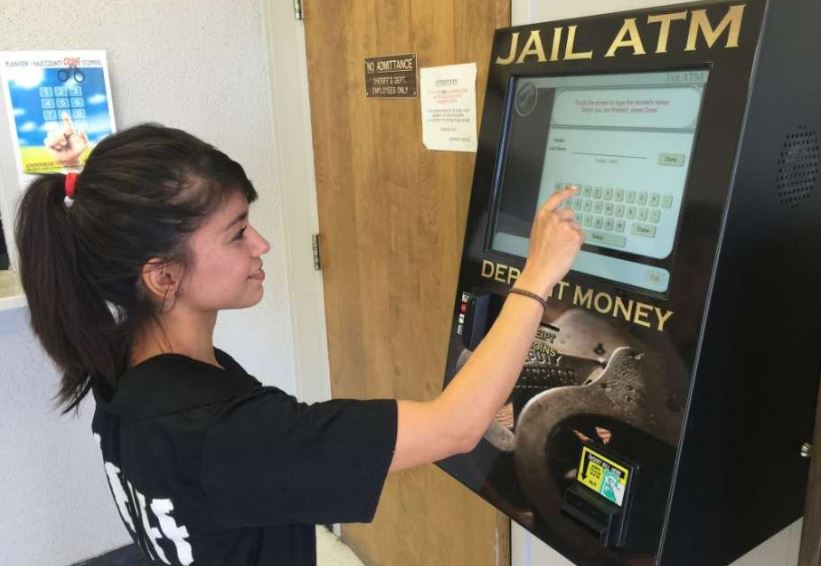
There is a monthly limit of $200-300 on how much inmates can spend on commissary items.
This amount is subject to change so call the facility at 360-416-1911 in order to confirm the amount that cannot be exceeded.
Inmates have access to both an in-house commissary store, and commissary packages that can be purchased and shipped to the inmate by friends and family.
Scroll down for information on the Skagit County Jail's service they use for you being able to purchase commissary items online and have them shipped directly to the inmate.
You can also go to our Inmate Money page for information on how to send money to an inmate.

JailATM provides a secure electronic payment portal that allows friends and family members to deposit funds directly into an incarcerated person's jail trust and commissary account. Deposited money provides the financial balance needed for your loved one to purchase personal hygiene items, snacks, over-the-counter medical sundries, and correspondence supplies from the facility commissary.
Important: Facility Deposit Rules and Window Intake Vary
Once a person is booked and moved to a housing unit, facilities do not always allow cash drop-offs or phone payments directly to the jail window. Some might and you should confirm this by calling the facility and asking. But if you do not register online and fund your loved one's trust account immediately, they may be forced to wait days or weeks for standard paper processing, leaving them without essential soap, clean undergarments, basic medical sundries or snacks.
Step-by-Step Instructions to Register and Deposit Funds
- Obtain the inmate's legal first and last name, date of birth, and assigned facility booking ID number.
- Navigate to deposits.jailatm.com/webdeposits/ on your computer or mobile device.
- Click Sign In or Register to set up your verified user account using your email address and password.
- Select the state and the detention facility where the inmate is currently housed.
- Search for the inmate using their ID number or legal last name to confirm an exact roster match.
- Enter your desired deposit dollar amount and review the calculated transaction and convenience fees.
- Input your debit or credit card billing details, complete payment authorization, and save your digital receipt.
What the Inmate Needs to Do
The inmate does not need an internet account to receive funds. Once the electronic transaction clears, the balance posts directly to their jail trust ledger according to facility accounting schedules. The inmate can review their updated balance at a dayroom pod kiosk or on their weekly trust statement and place orders on their regular commissary day.
Official Provider: JailATM Official Website
Customer Service Telephone: 1-877-810-0614
Support Hours: Monday – Friday, 8:00 AM – 5:00 PM CST
Supported Languages: English and Spanish
Other Services Provided by JailATM
In addition to Trust & Commissary Money Deposits, JailATM provides several other communication, store, and visitation services at participating facilities:
- Commissary Gift Packs & Store Ordering: Order pre-approved snack boxes, food packages, and hygiene bundles sent directly to the jail.
• Learn more on our website: Commissary Gift Packs Guide | • Visit official vendor page: JailATM Store Orders - Digital Messaging & Picture Sharing: Send electronic messages and photos directly to an inmate's housing unit kiosk.
• Learn more on our website: Digital Messaging Guide | • Visit official vendor page: JailATM Messaging - Remote Video Visitation: Schedule and join live video visits from home using your computer or smartphone.
• Learn more on our website: Video Visitation Guide | • Visit official vendor page: JailATM Video Visits
Deposit Money for an Inmate in the Skagit County Jail
201 Suzanne Lane, Mount Vernon, is where the Skagit County Jail takes mailed money orders, but the payee line matters more than the address. Write "Skagit County Jail" there. One made out to the person inside comes back to you.
Address the envelope this way: (Name of the person), c/o Skagit County Jail, 201 Suzanne Lane, Mount Vernon, WA 98273.
Two other options skip the mail:
- Website: open JailATM, choose "Send money now" and sign up for an account.
- Kiosks: the one in the jail's outer lobby accepts cash, credit and debit at every hour of the day. Another sits in the District Court building and runs during business hours.
Balances go toward phone time, food, hygiene and entertainment items. They can't be used for bail. Personal checks are refused, and when the person has a debt to the jail, 40% of each fresh deposit is applied to it.
The Skagit County Jail on Suzanne Lane in Mount Vernon still delivers paper letters, and jail staff look through each one before it is handed out. Photos, greeting cards and legal papers all come to the same address. Items like writing paper, underwear and hygiene supplies can't be mailed in, because people buy them through the jail commissary.
Letters, photos, legal mail and books:
Inmate's Full Name
Skagit County Jail
201 Suzanne Lane
Mount Vernon, WA 98273
- Photos: Two pictures per envelope at most. No Polaroids, and nothing taped or glued to a picture. Photos showing nudity, gang signs or hateful images are refused.
- Envelope size: Nothing bigger than a legal-size envelope will be accepted.
- What sends a letter back: Glitter, stickers, perfume, lipstick or tape. Paint and crayon are not allowed either, so write in blue or black ink.
- Cards: Simple greeting cards get through. Cards with glitter, stickers or a sound chip are returned to you.
- Books: New paperbacks only, mailed by the publisher, a book club or an online bookseller through the Postal Service, UPS or FedEx. Used books are refused. A person may keep one book in the cell, and the rest wait in their property to swap out.
- Banned topics: Sexually explicit material, crime how-to guides, fighting or martial arts lessons, weapon instructions, and writing that pushes violence or hate against a group.
- Money orders: Make a money order or cashier's check out to "Skagit County Jail." One made out to the inmate is sent back, and personal checks are never taken. Online deposits are another choice: add funds here.
- Your name and address: Put them in the top left corner, or the letter will most likely be thrown away.
- Who can't write: Co-defendants, other inmates and anyone under a no-contact order with the person.
Check the Skagit County jail roster before you mail anything, and call 360-416-1911 with other questions.
Securus AdvanceConnect is a prepaid calling account that links directly to your mobile phone or landline number, allowing you to receive outbound calls from an incarcerated individual. Because correctional phone systems never allow incoming calls, funding an AdvanceConnect balance ensures calls are accepted immediately without being blocked by cell carriers.
Important: Mobile Networks Block Inmate Calls Without Prepaid Funds
Correctional facilities do not allow collect billing to cell phones, and mobile carriers automatically block incoming collect calls from detention centers. While some residential landlines may allow direct billing, mobile phones and VoIP services require an active prepaid AdvanceConnect balance, which you can verify with your phone provider. If you do not register online and fund your account right away, your loved one will hear an automated error message stating that your number cannot accept calls.
Step-by-Step Instructions to Register and Fund AdvanceConnect
- Go to securustech.online or open the Securus mobile app.
- Select Sign Up and create your account using your 10-digit telephone number and email address.
- Search for your facility by state and agency name, then add the inmate using their full legal name or booking ID.
- Select AdvanceConnect under calling accounts.
- Choose your deposit amount, review convenience and transaction fees, and enter your credit or debit card billing details.
- Authorize payment and confirm that your mobile phone allows calls from automated or unknown correctional numbers.
What the Inmate Needs to Do
The inmate picks up any dayroom phone or logs onto their handheld tablet, dials your 10-digit number, and enters their assigned PIN. The automated system verifies that your AdvanceConnect account has an active balance and connects the call. All calls are subject to recording and monitoring by facility staff.
Official Provider: Securus Technologies Official Website
Customer Service Telephone: 1-800-844-6591
Support Hours: 24 hours a day, 7 days a week, 365 days a year
Supported Languages: English and Spanish
Other Services Provided by Securus Technologies
In addition to AdvanceConnect Prepaid Calling, Securus Technologies and its subsidiary JPay provide several other communication, financial, and visitation services:
- Direct Bill Phone Calling: Establish a monthly billed calling account for verified landline numbers.
• Learn more on our website: Direct Bill Phone Calling Guide | • Visit official vendor page: Securus Direct Bill - Securus Video Connect: Schedule and join live video visits from home using your computer or smartphone.
• Learn more on our website: Video Visitation Guide | • Visit official vendor page: Securus Video Connect - JPay Money Deposits (Trust & Canteen): Send money directly into an inmate's jail trust account for commissary store purchases.
• Learn more on our website: Money Deposits Guide | • Visit official vendor page: JPay Money Transfers - JPay Email Messaging & Photos: Send electronic messages, photo attachments, and VideoGrams directly to their tablet or kiosk.
• Learn more on our website: Email Messaging Guide | • Visit official vendor page: JPay Email Services
Securus Direct Bill is an invoiced telephone calling service designed for approved residential landlines, law offices, and commercial businesses. Instead of prepaying funds in advance, calls received from an incarcerated individual are billed directly to your account on a monthly itemized billing invoice.
Important: Direct Bill Requires Credit Approval and Qualifying Lines
Direct Bill is not available for mobile cell phones, internet VoIP numbers, or customers with poor or unestablished telephone credit history. Correctional facilities enforce strict telecommunications billing rules, which you can verify by calling Securus customer care. If your line does not meet credit approval standards, you must open an AdvanceConnect prepaid account instead to receive incoming calls from your loved one.
Step-by-Step Instructions to Set Up a Direct Bill Account
- Contact Securus customer service at 1-800-844-6591 or submit an application via securustech.net.
- Provide your billing name, service address, and qualifying residential or business landline telephone number.
- Submit to a standard credit evaluation performed by Securus to determine billing eligibility.
- Establish your authorized monthly credit limit upon approval.
- When your phone rings with a call from the detention center, follow the recorded operator instructions and press the requested key to accept charges.
- Pay your monthly billing invoice online, by phone, or through the mail.
What the Inmate Needs to Do
The inmate dials your phone number from any dayroom telephone and keys in their assigned PIN. The automated system verifies that your account is in good standing and has not exceeded its monthly spending ceiling before connecting the call. All non-privileged conversations are recorded and monitored.
Official Provider: Securus Technologies Official Website
Customer Service Telephone: 1-800-844-6591
Support Hours: 24 hours a day, 7 days a week, 365 days a year
Supported Languages: English and Spanish
Other Services Provided by Securus Technologies
In addition to Direct Bill Calling, Securus and its subsidiary JPay offer several other communication, financial, and visitation services:
- AdvanceConnect Prepaid Calling: Fund a prepaid calling account tied to your mobile phone number.
• Learn more on our website: AdvanceConnect Calling Guide | • Visit official vendor page: Securus AdvanceConnect - Securus Video Connect: Schedule and join live video visits from home using your computer or smartphone.
• Learn more on our website: Video Visitation Guide | • Visit official vendor page: Securus Video Connect - JPay Money Deposits (Trust & Canteen): Send money directly into an inmate's jail trust account for commissary store purchases.
• Learn more on our website: Money Deposits Guide | • Visit official vendor page: JPay Money Transfers - JPay Email Messaging & Photos: Send electronic letters, photos, and VideoGrams directly to their tablet or kiosk.
• Learn more on our website: Email Messaging Guide | • Visit official vendor page: JPay Email Services
Information for this service is currently unavailable.
Securus Technologies (Aventiv) deploys secure, corrections-grade community tablets to incarcerated individuals across state prison systems and county jails. Operating over a private, encrypted facility network, these devices provide access to digital messaging (eMessaging), phone calls, educational courses, job search tools, eBooks, podcasts, and streaming music directly from housing units.
Important: Tablet Hardware Deployment and Rental Rules Vary
Detention centers do not manage tablet distribution identically. While some agencies issue individual personal tablets to every detainee at booking, others utilize shared pod docking stations or restrict tablet use to specific dayroom hours, which you should confirm with the facility directly. Although core educational and legal resources are generally provided free of charge, sending messages, listening to music, or making phone calls from the tablet requires an active balance funded by outside contacts.
Step-by-Step Instructions to Support and Fund Securus Tablets
- Verify that Securus handheld tablets are deployed at your loved one's specific facility.
- Log into your account at securustech.online or launch the Securus mobile app.
- Ensure the inmate is linked to your contact list using their legal name and booking ID number.
- Purchase eMessaging Stamps for digital messaging, fund an AdvanceConnect account for phone calls, or deposit funds into their Inmate Debit account for music and media.
- Review all transaction charges, complete payment with a credit or debit card, and save your confirmation receipt.
- Notify your loved one that funds have posted so they can access their media and communication apps.
What the Inmate Needs to Do
The inmate unlocks their assigned tablet using their facility PIN or biometric verification. They can access free rehabilitative and educational materials at no charge, or open communication and media applications to draft messages, place phone calls, or stream music using available balances. Devices are docked during quiet hours and shift changes for secure recharging and data synchronization.
Official Provider: Securus Technologies Official Website
Customer Service Telephone: 1-800-844-6591
Support Hours: 24 hours a day, 7 days a week, 365 days a year
Supported Languages: English and Spanish
Other Services Provided by Securus Technologies
In addition to Tablet Services, Securus provides calling, messaging, video visitation, and trust money transfers:
- eMessaging & Digital Mail: Send electronic messages, photo attachments, and eCards directly to an inmate's tablet.
• Learn more on our website: eMessaging Guide | • Visit official vendor page: Securus eMessaging - AdvanceConnect Prepaid Calling: Prepay for phone calling credits so your loved one can call your telephone directly.
• Learn more on our website: AdvanceConnect Calling Guide | • Visit official vendor page: Securus AdvanceConnect - Securus Video Connect: Schedule and join live video visits from home using your computer or smartphone.
• Learn more on our website: Video Visitation Guide | • Visit official vendor page: Securus Video Connect - JPay Money Deposits (Partner Trust Transfers): Send money directly into an inmate's jail trust account for commissary shopping.
• Learn more on our website: Money Deposits Guide | • Visit official vendor page: JPay Money Transfers
Skagit County Juvenile Facilities
Nearby counties
- Jail (Main): 360-416-1911
- Adult Probation: 360-416-1275
- District Court: 360-416-1250
- Mt. Vernon Police: 360-336-6271
- Prosecutor: 360-416-1600
- Public Defender: 360-416-1650
- Sheriff: 360-416-1911
- Superior Court: 360-416-1200
The Skagit County Jail serves the following cities and towns of Skagit County: Anacortes, Burlington, Concrete, Hamilton, La Conner, Lyman, Mount Vernon and Sedro-Woolley.