
Chatham County Detention Center
Chatham County Detention Center
Jail Phone Number
912-652-7700Chatham County Detention Center in Savannah: finding an inmate, video visits, mail, deposits, holds and transfers
Every adult arrest in Savannah, Pooler, Garden City, Tybee Island and the rest of the county ends at 1050 Carl Griffin Drive, Savannah, GA 31405. The complex dates to 1988, gained its main building in 1993, and is rated for 2,433 beds. Families can start with our inmate search once intake posts.
Type the legal name exactly as it would appear on a license; the lookup and jail clerks key on that plus birth date. Sections ahead cover the lobby, video visits from home, scanned mail, kiosk deposits, first appearances, warrants, lawyers, youth custody, medicine, immigration referrals, federal cases, prison moves and booking photos. A police directory closes the page.
Corrections staff answer 912-652-7700 at any hour, and booking has its own line at 912-651-3700. Bond and the cashier are explained on our bail page, and hearings appear on our court page. Our Georgia bail laws guide covers statewide items such as the surety premium cap and first-appearance clocks.
Read inmate search answers
 Read inmate search answers
1. Where is the Chatham County Detention Center?
The detention center stands at 1050 Carl Griffin Drive, Savannah, GA 31405, inside the sheriff's complex off Chatham Parkway on the city's west side. Visitors use the front lobby, and the lobby desk answers 912-652-7785 during business hours. After hours, press the intercom in the inner vestibule and an officer responds.
Leave weapons of any kind at home; hiding items in the bushes outside can bring a criminal charge. Bring a government, state or school picture ID showing birth date and current address. Urgent trouble at any hour goes to the shift commander, 912-652-7710. Parking is on site, and the courthouse is a separate trip downtown.
↑ Back to the question list2. How do I find out whether someone is in custody?
Search our inmate lookup by last name, then check the match against first name and age. The sheriff also posts a public list of bookings from the past 24 or 72 hours, naming the arresting agency, each charge and the bond.
Fingerprinting, photos and a nurse's screening delay fresh entries for several hours. A name that never appears may mean a citation release, a bond already posted, or a hospital stop before booking. The receiving and discharge unit answers 912-651-3700 around the clock, and the jail records office at 912-652-7734 handles release dates and paperwork.
↑ Back to the question list3. How do calls, video visits, deposits and mail work?
Outside providers run calls, video visits, messages, deposits and commissary at this jail. Each has a separate guide on this site: screen visits, calling plans, scanned letters, account funding and the jail store.
The on-site visitors center remains closed, so visits happen by video from home at 11 cents a minute, $2.20 for 20 minutes, on set days by housing unit between 9 a.m. and 6 p.m. Personal mail goes to the scanning address the sheriff lists in Greensboro, North Carolina, and arrives on tablets. Deposit kiosks in the lobby run 24 hours, with a $2.50 fee and a $300 daily limit per visitor per inmate.
↑ Back to the question list4. What can be mailed directly to the jail?
Soft-cover books shipped by a commercial seller, magazine subscriptions, legal mail and religious material go straight to the jail at 1074 Carl Griffin Drive, Savannah, GA 31405, marked with the person's DIN and complete name. Staff open legal and religious mail in front of the inmate.
Money orders and certified checks for an account go to Finance and Accounting Services at 1050 Carl Griffin Drive, Savannah, GA 31405, with the ID number written on them. Inmates may keep only four paperbacks or magazines at a time. Anything else mailed to the building is treated as contraband and destroyed, so families should never send clothing, food or photos there.
↑ Back to the question list5. How soon will someone see a judge, and how do they get out?
State law gives jailers two days to present a warrantless arrestee to a judge, or three after a warrant arrest. First appearances run daily by video from the jail courtrooms, where a magistrate sets bond on most charges and explains how to request a lawyer.
Release follows payment at the cashier, a bonding company's surety bond, a property bond or a judge's order of release on recognizance. A $20 fee applies to every bond. Holds from probation, another county or immigration authorities can keep someone inside after bond is paid. Corrections staff at 912-652-7700 know when discharge has begun; each path is detailed on our bail page.
↑ Back to the question list6. How can I check for an outstanding warrant?
The sheriff's street operations criminal unit takes weekday calls about warrants at 912-652-7624. Savannah or county police can also say whether their officers hold a warrant. Clerks on Montgomery Street can search their dockets too.
Hearing about a warrant is the moment to hire counsel, not to drive to the jail. Counsel can often arrange a time to turn in, a bond amount in advance or a quick hearing, which shortens the stay. Surrendering on a weekday morning usually means a first appearance the same or next day, while a Friday night surrender can stretch into the weekend.
↑ Back to the question list7. Who represents inmates who cannot pay a lawyer?
After a judge finds someone cannot afford counsel, the Eastern Judicial Circuit Public Defender takes felony cases from its office at 222 West Oglethorpe Avenue, Suite 130, Savannah, GA 31401, 912-447-4901. Misdemeanors go to the county's misdemeanor defense office, and conflicts go to appointed private lawyers.
Applications start at the Indigent Defense Unit on the fifth floor of 133 Montgomery Street, Savannah, GA 31401, 912-652-3091, and take at least five business days. A $50 fee may be charged unless a judge waives it. Relatives can pull together wage stubs, diplomas and character letters even though privilege keeps strategy talk private.
↑ Back to the question list8. Where are juveniles from the county held?
Kids ordered held are placed at the youth detention center the state runs on the same road, 191 Carl Griffin Drive, Savannah, GA 31405, 912-652-3878, run by the Department of Juvenile Justice. Juvenile Court sits next door at 197 Carl Griffin Drive.
A detention hearing follows quickly, and parents should attend with school records, medical details and a list of relatives who could supervise the child. Juvenile files are confidential, so youth do not appear on the adult booking list. Teens accused of the most serious violent felonies may be charged in Superior Court and held in the adult jail instead.
↑ Back to the question list9. What should I do if an inmate has a medical problem?
Phone 912-652-7700 right away if the person has epilepsy, diabetes needing insulin, heart disease, pregnancy, or has talked about suicide. Ask the officer to pass the details to the medical unit, including drug names, doses and the prescribing doctor.
Medical staff cannot discuss treatment with relatives, but they do accept information. Mention allergies, recent surgery and mental health history. A defense lawyer can ask the court for medical records or an order for specific care. For an urgent problem after hours, ask for the shift commander at 912-652-7710, who can reach the medical unit.
↑ Back to the question list10. What happens when ICE lodges a detainer at the jail?
An immigration request at Carl Griffin Drive usually moves through six steps.
- Fingerprints taken at booking are shared with federal databases that immigration agents can search.
- Intake officers follow section 42-4-14: they ask about citizenship and alert federal officials whenever lawful presence remains unproven.
- Agents can reply with an I-247A detainer seeking up to 48 extra hours past the scheduled discharge, Saturday, Sunday and holiday hours excluded, under 8 CFR 287.7(d).
- The sheriff posts monthly figures; in September 2026, 76 bookings were referred, 23 cleared and 36 detained.
- If agents do not arrive within that window, the request alone does not justify further custody.
- Once moved, the person can be traced in the ICE detainee locator.
Families may still post state bond, knowing agents could be waiting at release. ICE's Atlanta office, Suite 522 of 180 Ted Turner Drive SW, Atlanta, GA 30303, takes calls at 404-893-1290, and an immigration lawyer should be contacted before any plea or payment.
↑ Back to the question list11. What happens if a case becomes federal?
Federal charges go to the Southern District of Georgia courthouse in Savannah, 8 Southern Oaks Court, Savannah, GA 31405, 912-650-4020. Whether the accused goes home before trial is a federal magistrate's call under 18 U.S.C. 3142.
Marshals keep custody of these defendants, frequently renting beds in nearby county lockups and moving people unannounced. Ask the defense lawyer for the current location before driving anywhere. The federal defender or appointed panel lawyers represent those who cannot pay. After sentencing, the BOP inmate locator shows the assigned prison and release date.
↑ Back to the question list12. Where does an inmate go after a state prison sentence?
A state sentence means more time at Carl Griffin Drive until a corrections bus has a seat. Testing and classification at a diagnostic prison come next, then the long-term facility.
The wait can range from days to weeks, and move dates are not announced for security reasons. Track progress through the state corrections offender search; our Georgia state prisons guide lists visiting and mail practice prison by prison. Any balance left on the jail account is loaded onto a release debit card rather than paid out in cash.
↑ Back to the question list13. Can I get a mugshot or booking photo?
Georgia's section 35-1-19 forbids sheriffs and police from displaying mugshots on agency websites. Those pictures stay public records all the same, and Savannah's sheriff takes requests through administration at 912-652-7634.
Expect to sign a statement that no pay-for-removal publisher will receive the image. Section 10-1-393.5 makes such publishers erase it at no charge within 30 days after dismissal or acquittal. For immigration paperwork, use the ICE FOIA request page, while pictures taken after a federal arrest are requested from the U.S. Marshals Service directly.
↑ Back to the question list14. Which law enforcement agencies serve the county?
Eleven agencies account for nearly every person brought to Carl Griffin Drive; dial 911 whenever lives are at risk.
- Sheriff's Office, which runs the detention center and courthouse security: 1050 Carl Griffin Drive, Savannah, GA 31405; corrections line 912-652-7700; administration 912-652-7634.
- Chatham County Police Department, patrolling unincorporated areas and handling non-emergency calls for Thunderbolt: 295 Police Memorial Drive, Savannah, GA 31405; headquarters 912-652-6920; 24-hour non-emergency 912-652-6500.
- Savannah Police Department: 201 Habersham Street, Savannah, GA 31401; information desk 912-651-6675.
- Garden City Police Department: 100 Central Avenue, Garden City, GA 31405; 912-966-7770.
- Pooler Police Department: 100 US Highway 80 SW, Pooler, GA 31322; 912-748-7333.
- Port Wentworth Police Department: 323 Cantyre Street, Port Wentworth, GA 31407; 912-964-4360.
- Tybee Island Police Department: 78 Van Horne Avenue, Tybee Island, GA 31328; 912-786-5600.
- Thunderbolt Police Department: 2821 River Drive, Thunderbolt, GA 31404; weekday office 912-354-3818.
- Bloomingdale Police Department: 6 Adams Road, Bloomingdale, GA 31302; 912-748-8302.
- Georgia State Patrol Post 42, covering Bryan, Chatham and Effingham: 2792 Highway 21 South, Rincon, GA 31326; 912-754-1180.
- Immigration removal officers for Savannah work out of ICE's Atlanta field office, Suite 522 at 180 Ted Turner Drive SW, Atlanta, GA 30303; 404-893-1290.
Every adult arrest from these departments is booked at the same detention center, and the public booking list names the arresting agency beside each person. Incident reports, towed vehicles and seized property stay with the department that made the stop, so request paperwork there rather than at the jail.
↑ Back to the question listSavannah jail and court contacts
- Inmate search
- Chatham County Inmate Search
- Carl Griffin Drive jail
- 1050 Carl Griffin Drive, Savannah, GA 31405; 912-652-7700
- Receiving and discharge
- 912-651-3700
- Bond cashier
- 912-652-7769
Chatham County bail in Savannah: the Carl Griffin Drive cashier, fees, bondsmen, property bonds and refunds
Savannah officers, county police, troopers and seven smaller departments all drive adult arrestees out to 1050 Carl Griffin Drive, Savannah, GA 31405, home of the Chatham County Detention Center. Release money is handled at the cashier inside that complex off Chatham Parkway, several miles from the downtown courthouse where judges sit, so a family may need both addresses.
Open our inmate search first to see the booking, the counts and any amount already set. Screens, tablets and kiosk deposits get their own walkthrough on our inmate page. That 15 percent surety ceiling and other Georgia-wide rules sit in our Georgia bail laws guide; this page sticks to how Savannah's window actually runs.
The cashier answers 912-652-7769 on weekdays, and the corrections desk takes 912-652-7700 around the clock. Hearings, prosecutors and appointed counsel for every Savannah bench are laid out on our court page, including the city courts that keep their own refunds.
1. How can I tell whether someone was booked at Carl Griffin Drive?
Search the surname in our inmate lookup, then narrow by first name. Intake involves fingerprints, photographs, a medical screening and a property inventory, so a person picked up in the evening may not show until hours later.
The sheriff also publishes a public list of everyone booked in the last 24 or 72 hours, showing the arresting agency, each charge and the amount set. Still blank? Receiving and discharge, staffed day and night at 912-651-3700, knows whether processing wrapped up. Keep the spelling and birth date handy, because common names produce many matches.
↑ Back to the question list2. Where and when are bonds paid?
Bonds are paid at the cashier inside the detention complex, 1050 Carl Griffin Drive, Savannah, GA 31405. Clerks staff that window Monday through Friday from eight in the morning until five, and nobody posts without government picture identification. A quick ring to 912-652-7769 tells you each count's figure so you arrive with enough.
After the booth closes, a kiosk in the front lobby accepts card payments for bonds. The lobby itself has no staff overnight, so press the intercom in the inner vestibule and an officer will come out. Release paperwork takes time after payment clears, because staff must check for holds and return property before the door opens.
↑ Back to the question list3. What does the $20 bonding fee cost, and what do cards add?
Twenty dollars rides along with every Savannah bond as a sheriff's processing charge, and it never comes back. Cash, money orders and cashier's checks avoid any surcharge, which matters on a large amount.
Visa and Mastercard are the only cards taken, and the card must belong to the person posting. Company cards are refused. Using a card for the fee alone adds $2.50; putting both the bond and the fee on one card costs 10 percent of the combined total. On a large bond that surcharge adds up quickly, so many families bring a cashier's check instead.
↑ Back to the question list4. Can a bond be paid online or by phone?
Straight cash bonds may go through the internet payment portal that the sheriff's bonding procedures page links; nothing else moves that way. Property bonds and surety bonds from bonding companies still require a trip to the cashier at Carl Griffin Drive.
Detention center staff never take payments over the phone. Money placed on an inmate's commissary account is a separate thing: it buys snacks, hygiene items and calls, and it never counts toward release. Look-alike payment sites exist, so start from the link on the sheriff's own page rather than a search result. Questions about the online option go to the cashier at 912-652-7769.
↑ Back to the question list5. How do bonding companies work in Savannah?
Surety work at Carl Griffin Drive is limited to firms on the sheriff's roster, and the sheriff's bonding procedures page lists five approved companies: A Brighter Day Bail Bonding, 912-233-1007; Alexander Bonding, 912-233-4472; Payless Bonding, 912-233-9190; Saseen Bonding, 912-233-4551; and Savannah Bail Bonds, 912-964-7688. The family signs with the company first; the agent then carries the bond to the cashier with photo identification and the $20 fee.
Section 17-6-30 holds a surety's premium to 15 percent of face value, though each count may still cost $50 at minimum. Whatever premium is paid stays with the company, even after the case ends. Insist on paper showing premium, collateral and indemnity duties before any signature goes down.
↑ Back to the question list6. Can real estate secure a release?
Yes. Land offered for a property bond must sit inside the county and carry no liens. An attorney has to run a title search, the value must equal or exceed the bond, and the owner brings a copy of the current year's paid property tax bill.
Staff at the detention center then prepare the bond and place a lien on the parcel. That lien stays until the case ends and the owner returns with the court's disposition to have it released. A skipped hearing can cost the owner that parcel. Questions about the paperwork go to 912-652-7738 before anyone schedules the title work.
↑ Back to the question list7. Who decides the bond amount?
Judges set bond, not jailers or bondsmen. For most arrests a magistrate fixes the amount at first appearance, held by video from the jail courtrooms. The sheriff may apply standard amounts for some low-level offenses when the person has no record, and those figures appear beside the charges in our inmate search.
Anyone held on a misdemeanor may ask for bail, and Georgia law bars courts from relying only on a fixed schedule. Magistrates ask whether the accused might run, hurt someone, reoffend or lean on witnesses. Savannah release orders frequently tack on a stay-away from the complainant, a curfew or an ankle monitor.
↑ Back to the question list8. How fast must a judge see someone after arrest?
Two Georgia statutes run this clock: 17-4-26 allows 72 hours when a warrant preceded the arrest, while 17-4-62 trims that to 48 for warrantless pickups, during which a judge must find probable cause.
Hearings run every day from the detention center, so most people see a magistrate the next morning. At that session the judge reviews the charge, sets or denies bond and explains how to request a lawyer. Write down the arrest time; if a deadline seems to have slipped, the defense lawyer can press the issue. The cashier at 912-652-7769 can tell you once an amount exists.
↑ Back to the question list9. Why does the record show $0 or no bond?
A zero or blank amount usually means a hold rather than a free release. Probation violations, state custody and out-of-county paper all print that way on the sheriff's list, and paying on one charge will not open the door while another agency still claims the person.
Some charges simply have no amount yet because the person has not reached first appearance. Others belong to Superior Court, covered in the next answer. The jail records unit at 912-652-7734 can explain which agency placed a hold, and the lawyer handling the case can ask that agency to lift or transfer it.
↑ Back to the question list10. Which charges need a Superior Court judge for bond?
Under section 17-6-1, release on the gravest accusations, including murder, rape, armed robbery, kidnapping, aggravated child molestation, certain drug trafficking counts and several others, rests solely with Superior Court. Magistrates on the jail video calendar lack power to price those counts.
A lawyer petitions for a hearing, which the statute expects promptly, generally inside ten days. The Superior Court clerk sits at 400 West Oglethorpe Avenue, Suite 178, Savannah, GA 31401, 912-434-8920. The District Attorney may oppose release, and the judge can set strict conditions if bond is granted.
↑ Back to the question list11. What if a city officer made the arrest?
Adults arrested by Savannah, Pooler, Garden City, Port Wentworth, Tybee Island, Thunderbolt or Bloomingdale officers are all booked at Carl Griffin Drive, and bonds are paid at the same cashier no matter who made the arrest.
City ordinance and traffic cases may then go to that town's own municipal court, while Savannah citations land in Recorder's Court on the first floor of 133 Montgomery Street, Savannah, GA 31401, 912-652-7425. Refunds differ too: when a case ends in Bloomingdale, Garden City, Pooler, Port Wentworth or Tybee Island, the cash bond comes back from that city, not from the sheriff. Keep the receipt either way.
↑ Back to the question list12. Can an immigration detainer stop a release?
It can. Money on the state count may still be posted, but section 42-4-14 obliges jailers to check the nationality of people booked and to tell federal authorities when lawful status cannot be established. The sheriff posts monthly referral counts; in September 2026, 76 bookings were referred, 23 cleared and 36 detained.
Federal rule 8 CFR 287.7(d) lets agents request up to 48 more hours of custody beyond release, skipping Saturday, Sunday and holiday hours in that tally. Paying could simply move the person into an ICE van. An immigration attorney should weigh in first; afterward, the ICE detainee locator shows where someone went.
↑ Back to the question list13. How do we get an appointed lawyer?
People who cannot afford counsel apply in person at the Indigent Defense Unit, 133 Montgomery Street, Savannah, GA 31401, Suite 505 on the fifth floor, 912-652-3091. Processing takes at least five business days, so apply as soon as possible, ideally right after first appearance.
Felony cases go to the Eastern Judicial Circuit Public Defender at 222 West Oglethorpe Avenue, Suite 130, Savannah, GA 31401, 912-447-4901. Misdemeanor defendants are handled by the county's own misdemeanor defense office, and conflict cases are assigned to private lawyers. Bring pay stubs, benefits letters and a list of household expenses to speed the screening.
↑ Back to the question list14. Where are teenagers held?
Detained minors are taken to the state-run Savannah Regional Youth Detention Center, 191 Carl Griffin Drive, Savannah, GA 31405, 912-652-3878, a Department of Juvenile Justice site; the county's Juvenile Court is two doors down at 197 Carl Griffin Drive.
Because youth records stay sealed, teenagers never surface on the adult roster. Parents should expect a detention hearing quickly and should bring a birth certificate, school records and contact details for relatives. Youth charged with certain serious violent felonies can be prosecuted as adults in Superior Court and held at the adult jail instead.
↑ Back to the question list15. What happens after a missed court date?
Savannah judges often sign a bench warrant before the calendar ends and start forfeiture on the posted money. Bondsmen send recovery agents, and pledged land faces seizure.
Act fast. Phone counsel and whichever clerk appears on the bond sheet, and alert any surety involved. A voluntary walk-in with proof, like discharge papers from Memorial or Candler hospital or a notice mailed to an old address, sometimes persuades the bench to lift the warrant. Waiting usually makes the outcome worse, including a new failure-to-appear charge.
↑ Back to the question list16. How is a cash bond refunded?
Only the person who paid can collect. Refund paperwork is taken Monday through Friday in two windows, eight until noon and one until four. Bring current photo ID and a certified copy of the final disposition signed by the judge or clerk of Recorder's, State, Superior or Magistrate Court.
Mail works too: send the notarized refund affidavit from the sheriff's bonding page, a copy of your ID and the certified disposition to Cash Bond Return, 1050 Carl Griffin Drive, Savannah, GA 31405. Checks are ready two business days after the originals are validated. Section 17-6-4 sends cash nobody claims within two years into county coffers; the refund desk at 912-652-7792 handles questions.
↑ Back to the question list17. What about a bond written in another county?
Bonds from other counties are accepted when the sheriff of that county approves them. They arrive in a sealed envelope and are processed at the detention center like any other paperwork.
The other county may collect its own bonding fee first. If so, bring proof of payment along with the sealed bond so staff do not charge twice. Allow extra time, because staff must check that the paperwork matches each charge and that no other county or federal agency holds the person. If a Savannah warrant is also outstanding, it will need its own bond before release can happen at Carl Griffin Drive.
↑ Back to the question list18. How can families avoid bond scams?
The sheriff never takes bond money over the phone and never asks for gift cards, cryptocurrency or wire transfers to a private person. Callers who claim a relative will stay locked up unless money is sent right away are almost always fraudsters.
Hang up and call the detention center directly using a number from the sheriff's website, or check the booking yourself in our inmate search. Use only the online cash-bond address linked from the sheriff's page. Callers posing as deputies demanding fines for missed jury duty are another common trick. Report suspicious calls to Savannah police at 912-651-6675.
↑ Back to the question list19. What if the charge is federal?
Federal prosecutions land in the Southern District's Savannah Division courthouse, 8 Southern Oaks Court, Savannah, GA 31405, where the clerk picks up 912-650-4020 and mail is sent to 124 Barnard Street instead. Release there turns on the Bail Reform Act and a federal magistrate's ruling.
State bondsmen and the sheriff's cashier play no part. The magistrate may order release on conditions, require a secured bond, or detain the person until trial. Prisoners stay in U.S. Marshals custody, often in a county jail that rents beds. A federal defender or appointed panel attorney represents those who qualify, and sentenced people appear in the BOP inmate locator.
↑ Back to the question list20. Which law enforcement agencies serve the county?
Eleven agencies account for nearly every person brought to Carl Griffin Drive; dial 911 whenever lives are at risk.
- Sheriff's Office, which runs the detention center and courthouse security: 1050 Carl Griffin Drive, Savannah, GA 31405; corrections line 912-652-7700; administration 912-652-7634.
- Chatham County Police Department, patrolling unincorporated areas and handling non-emergency calls for Thunderbolt: 295 Police Memorial Drive, Savannah, GA 31405; headquarters 912-652-6920; 24-hour non-emergency 912-652-6500.
- Savannah Police Department: 201 Habersham Street, Savannah, GA 31401; information desk 912-651-6675.
- Garden City Police Department: 100 Central Avenue, Garden City, GA 31405; 912-966-7770.
- Pooler Police Department: 100 US Highway 80 SW, Pooler, GA 31322; 912-748-7333.
- Port Wentworth Police Department: 323 Cantyre Street, Port Wentworth, GA 31407; 912-964-4360.
- Tybee Island Police Department: 78 Van Horne Avenue, Tybee Island, GA 31328; 912-786-5600.
- Thunderbolt Police Department: 2821 River Drive, Thunderbolt, GA 31404; weekday office 912-354-3818.
- Bloomingdale Police Department: 6 Adams Road, Bloomingdale, GA 31302; 912-748-8302.
- Georgia State Patrol Post 42, covering Bryan, Chatham and Effingham: 2792 Highway 21 South, Rincon, GA 31326; 912-754-1180.
- Immigration removal officers for Savannah work out of ICE's Atlanta field office, Suite 522 at 180 Ted Turner Drive SW, Atlanta, GA 30303; 404-893-1290.
Every adult arrest from these departments is booked at the same detention center, and the public booking list names the arresting agency beside each person. Incident reports, towed vehicles and seized property stay with the department that made the stop, so request paperwork there rather than at the jail.
↑ Back to the question listInstructions on How to Post Bond Online in Chatham County

CASH BOND ONLINE provides a secure, 24/7 web portal that allows families to post full cash appearance bonds online using a debit or credit card, avoiding the delay of traveling to a courthouse or jail booking window with large amounts of cash.
Important: Verify Magistration and Bond Eligibility First
Not every facility accepts cash bonds through an online portal around the clock, and court hours vary. Call the booking desk to verify that intake is completed, that the magistrate has officially set the bail amount, and that the person has no additional hold orders before paying. Once an electronic bond is processed, administrative transaction fees cannot be refunded.
Step-by-Step Instructions to Register and Access Service
- Contact the jail booking desk to confirm the defendant is cleared for bond release and obtain the exact dollar amount required.
- Open your web browser and navigate to www.cashbondonline.com.
- Select the participating state, county, or municipality.
- Type in the defendant's full legal name, date of birth, and booking or case number.
- Enter your debit or credit card payment information, review the processing charge, and authorize the transaction.
- Print the electronic confirmation receipt and notify the booking desk with your confirmation number.
What the Inmate Needs to Do
The booking officer receives the electronic payment confirmation, prepares the release paperwork, and has the defendant sign the court appearance bond agreement before initiating their discharge.
Official Provider: CASH BOND ONLINE Official Website
Customer Service Telephone: 1-888-474-0610
Support Hours: 24/7/365
Supported Languages: English and Spanish
Other Services Provided by CASH BOND ONLINE
In addition to CASH BOND ONLINE Bail Services, CASH BOND ONLINE provides several other communication, financial, and visitation services at participating correctional facilities:
- Inmate Trust Money Deposits: Deposit funds into an inmate's personal trust account for canteen and phone usage.
• Learn more on our website: Inmate Trust Money Deposits Guide | • Visit official vendor page: CASH BOND ONLINE Inmate Trust Money Deposits
Visiting someone at Chatham County Detention Center
In-person visits: Call the visitation office at 912-644-5120 before traveling to arrange a visit and confirm the detainee's eligibility, visiting time, entrance and visitor limits. The Sheriff's Office has announced the return of in-person visitation. Do not treat the remote-video hours below as an in-person appointment. Have the person's name and housing unit ready. For 24-hour assistance, the front lobby is 912-652-7785.
Remote video through JailATM
Create and activate an account at JailATM. The Sheriff's Office lists home video at 11 cents per minute, or $2.20 for 20 minutes. Use a camera-equipped device, headset and reliable internet connection. The following housing-unit windows are all 9:00 a.m. to 6:00 p.m.:
- Units 1 and 4: Monday and Thursday.
- Units 2A, 2B, 2C and 6: Tuesday and Thursday.
- Unit 5: Wednesday and Friday.
- Units 7 and 9: Monday and Wednesday.
- Unit 8: Monday and Friday.
- Medical: Tuesday and Friday.
Choose the correct detainee and follow the available visit options in your account. Staff monitor ordinary video visits; inappropriate behavior can end the session.
Preparing for an in-person visit
Bring a valid government, state or school photo ID showing your birth date and current address. Visitors under 17 must be accompanied by an adult, and children must remain supervised. Take only ID and necessary keys into the visitation area; ask ahead about essential medication or disability accommodations. Do not bring weapons, illegal drugs or other contraband onto jail grounds, including in a parked vehicle.
Wear modest, opaque clothing covering shoulders, midriff and underwear. Avoid torn clothing, revealing outfits and offensive designs. Phones, food and drinks are not allowed in the visiting area. Visits can be canceled by the facility.
Attorneys: Call 912-644-5120 for privileged video access. JailATM professional approval under Chatham Attorney, GA is required before relying on an unmonitored attorney session.

JailATM Video Visitation allows families to conduct scheduled face-to-face video visits with incarcerated loved ones from home. Using an internet-connected personal computer equipped with a webcam or a compatible mobile device, visitors can join live video calls without traveling to the detention center.
Important: Advance Registration and Visitor Clearance Required
Detention centers do not permit unscheduled or unverified video sessions. Correctional facilities require prospective visitors to submit government-issued photo identification and receive administrative clearance before booking an appointment, an approval process that can take up to 48 hours depending on facility staffing. You should verify your visitor approval status with the facility prior to scheduling. If you do not register well in advance, you will miss your loved one's scheduled visiting window for the week.
Step-by-Step Instructions to Register and Schedule a Video Visit
- Visit deposits.jailatm.com/webdeposits/ and sign into your account.
- Register your visitor profile and upload a clear photograph of your government-issued ID (driver's license or passport) for facility background review.
- Wait for email notification confirming facility visitor approval.
- Select Video Visitation, choose the detention facility, and select the inmate.
- Browse the available schedule calendar, select an open time slot, and pay the visitation fee using a credit or debit card.
- Log into the website 10 minutes prior to the start time on a device with a functioning camera, microphone, and reliable high-speed internet connection.
What the Inmate Needs to Do
The inmate receives a visitation notification on their housing unit JailATM kiosk. At the appointed time, they log in with their PIN and sit before the terminal. Inmates and visitors must strictly observe jail dress and conduct rules; sessions are monitored by staff and will terminate immediately upon any violation.
Official Provider: JailATM Official Website
Customer Service Telephone: 1-877-810-0614
Support Hours: Monday – Friday, 8:00 AM – 5:00 PM CST
Supported Languages: English and Spanish
Other Services Provided by JailATM
In addition to Remote Video Visitation, JailATM provides several other communication, financial, and commissary services at participating facilities:
- Inmate Trust & Commissary Money Deposits: Send money directly into an inmate's jail trust account for independent commissary spending.
• Learn more on our website: Inmate Trust Deposits Guide | • Visit official vendor page: JailATM Trust Deposits - Commissary Gift Packs & Store Ordering: Order pre-approved snack boxes, food packages, and clothing directly to the jail.
• Learn more on our website: Commissary Orders Guide | • Visit official vendor page: JailATM Store Orders - Digital Messaging & Picture Sharing: Send electronic messages and photos directly to an inmate's housing unit kiosk.
• Learn more on our website: Digital Messaging Guide | • Visit official vendor page: JailATM Messaging
Chatham County courts in Savannah: Superior, State, Magistrate, Recorder's, Juvenile, city courts and federal court
Georgia's oldest city anchors a coastal county of about 300,000 residents that makes up the Eastern Judicial Circuit alone. Its felony judges, prosecutors and circuit defenders handle nothing but local files as a result. Most benches share the judicial complex at 133 Montgomery Street, Savannah, GA 31401, a short walk from Forsyth Park.
People kept after arrest usually turn up in our inmate search by the end of intake. Video visits, mail and deposits for those people are explained on our inmate page. Sections below follow each kind of charge from warrant to sentence and point out which office prosecutes it.
Custody questions go to the jail at 912-652-7700; settings and files belong to the clerk of the court named on the paperwork. The cashier, fees and refunds are on our bail page. Our Georgia bail laws guide names every accusation reserved to Superior Court for bond, plus deadlines binding all Georgia courts.
1. Which courts handle cases from the county?
A Savannah-area arrest might end up before any of these ten benches.
- Superior Court for felony indictments, twelve-person trials and reserved bonds, with its clerk at 400 West Oglethorpe Avenue, Suite 178, Savannah, GA 31401; 912-434-8920.
- State Court (misdemeanors, prosecuted by the Solicitor-General), clerk in the judicial complex at 133 Montgomery Street, Savannah, GA 31401; 912-652-7224.
- Magistrate Court (warrants, first appearances, preliminary hearings), third floor of 133 Montgomery Street, Savannah, GA 31401; 912-652-7181.
- Recorder's Court (Savannah traffic, ordinance and many citations), first floor of 133 Montgomery Street, Savannah, GA 31401; 912-652-7425.
- Juvenile Court: 197 Carl Griffin Drive, Savannah, GA 31405; 912-652-6700.
- Pooler Municipal Court: 100 US Highway 80 SW, Pooler, GA 31322; 912-748-7333.
- Garden City Municipal Court: 100 Central Avenue, Garden City, GA 31405; 912-963-2708.
- Tybee Island Municipal Court: 78 Van Horne Avenue, Tybee Island, GA 31328; 912-786-5635.
- Thunderbolt Municipal Court clerk: 2821 River Drive, Thunderbolt, GA 31404; 912-629-4667.
- Federal district court, Savannah Division: 8 Southern Oaks Court, Savannah, GA 31405; 912-650-4020.
Port Wentworth and Bloomingdale also run city courts for their own tickets. Look at the ticket, warrant or bond form: the court, courtroom and date printed there decide where to show up.
↑ Back to the question list2. What should I know before going to the Montgomery Street courthouse?
Enter on the Montgomery Street side of 133 Montgomery Street, Savannah, GA 31401. Deputies screen every visitor with x-ray belts and metal detectors, and knives of any size, scissors, nail clippers, aerosol sprays, tools and firearms are refused. Confiscated items are not returned, so leave them in the car.
Cameras and recording devices are barred, and phones must be off in courtrooms; one that rings can be seized. A screen past security lists the courts in session that day. Magistrate Court is on the third floor, the Recorder's Court cashier on the first, and jury assembly on the second. Arrive early, because security lines grow before morning calendars.
↑ Back to the question list3. What does Magistrate Court handle?
This bench signs arrest and search warrants, runs the daily video first-appearance calendar from Carl Griffin Drive and prices bond on most counts. At a defendant's request, a magistrate also holds a commitment hearing, where prosecutors must show probable cause before a felony moves up to Superior Court.
The office sits on the third floor of 133 Montgomery Street, Savannah, GA 31401 and answers 912-652-7181. It also issues good-behavior and dispossessory warrants and hears small civil claims. When a grand jury indicts first, the commitment hearing is usually skipped. Bring the case number when calling, because the clerk handles a heavy daily docket and searches go faster with it.
↑ Back to the question list4. Where do misdemeanor and traffic charges go?
Savannah tickets and ordinance citations usually start in Recorder's Court, first floor of 133 Montgomery Street, Savannah, GA 31401, 912-652-7425. Pooler, Garden City and the other towns keep their own tickets in their own courts. A misdemeanor that is formally charged moves to State Court, where the elected Solicitor-General files an accusation rather than seeking an indictment.
Neither Recorder's nor the city courts empanel jurors, so a jury demand ships the case over to State Court. Paying a traffic fine counts as a guilty plea, which can add points or affect a commercial license, so read the citation carefully before paying in person or online.
↑ Back to the question list5. How does a misdemeanor case move from arrest to sentence?
Many misdemeanor defendants leave within hours on a citation or posted bond. Anybody kept after a warrantless pickup faces a magistrate inside two days. At arraignment in State Court the accusation is read and a plea entered, and most cases are then negotiated with the Solicitor-General.
Newcomers to the system may get diversion, a lesser count, or First Offender status, under which finishing every term leaves no conviction behind. State Court also runs a DUI Court for repeat impaired drivers. Trials use six jurors. Punishment tops out at a year in custody and $1,000, or $5,000 for a high and aggravated misdemeanor.
↑ Back to the question list6. How do felony cases move through Superior Court?
Felony files pass from the jail calendar to the circuit District Attorney, whose office is on the sixth floor of 133 Montgomery Street, Savannah, GA 31401, 912-652-7308. Grand jurors normally indict, yet negotiated pleas often skip that step through a waiver and an accusation.
Someone held 90 days with no indictment becomes entitled to have bond set. After indictment, arraignment brings a plea and the exchange of discovery. Pleas resolve most of these, frequently mixing time in custody with probation. A unanimous panel of twelve decides any trial, and half a year to a year and a half is a normal span.
↑ Back to the question list7. Why are violent felony charges handled differently?
Georgia reserves its serious violent felony label for seven offenses; besides murder, the list holds kidnapping, rape, armed robbery and three aggravated sex crimes (sodomy, child molestation and sexual battery). Bond on these rests with Superior Court alone, so many accused people wait out the case at Carl Griffin Drive.
Penalties are steep. Other than murder, each brings ten flat years with no parole or First Offender relief, and a repeat conviction means life without parole. A murder conviction yields life, life without parole or a death sentence. Marsy's Law guarantees victims notice and a voice at each stage. These cases often run one to three years.
↑ Back to the question list8. How do I get a lawyer for a case here?
Indigent felony clients get the Eastern Judicial Circuit Public Defender, 222 West Oglethorpe Avenue, Suite 130, Savannah, GA 31401, 912-447-4901. Its juvenile division at 197 Carl Griffin Drive answers 912-652-6904. Misdemeanor cases go to the county misdemeanor defense office.
Applications are taken by the Indigent Defense Unit, 133 Montgomery Street, Savannah, GA 31401, Suite 505, 912-652-3091, and processing takes at least five business days. A $50 application fee may apply, though a judge can waive it. When a conflict arises, such as co-defendants, private counsel is appointed. Once prosecutors seek death, Georgia's Capital Defender Division generally steps in.
↑ Back to the question list9. What treatment courts are available?
Superior Court runs a Drug Court, an Adult Mental Health Court and a Veterans Treatment Court, each pairing close supervision with treatment instead of a standard prison or probation term. State Court adds a DUI Court for repeat impaired-driving cases. The Drug Court office answers 912-652-7128.
Admission hinges on the offense, prior record and a clinical assessment, and the District Attorney or Solicitor-General usually must agree. Participants attend frequent hearings, submit to drug testing and complete counseling. Graduates may see charges reduced or dismissed, while those who fail can be sentenced on the original plea. Ask the defense lawyer early, since referrals take time.
↑ Back to the question list10. Which court hears juvenile cases?
Juvenile Court, 197 Carl Griffin Drive, Savannah, GA 31405, 912-652-6700, handles delinquency for children under 17 and dependency matters. A detained youth goes to the regional detention center next door, and a detention hearing must follow promptly.
Hearings are closed to the public and records are sealed, so outside callers get little information. Parents should attend every setting and bring school and medical records. For serious violent felonies, teens 13 and older can be charged in Superior Court instead. The public defender's juvenile division in the same complex represents children whose families cannot afford a lawyer.
↑ Back to the question list11. Where are federal cases from the county heard?
The Southern District of Georgia hears federal cases in its Savannah Division courthouse, 8 Southern Oaks Court, Savannah, GA 31405. The clerk's office answers 912-650-4020, and the court asks that mail go to 124 Barnard Street, Savannah, GA 31401. A federal magistrate judge handles the initial appearance and any detention hearing.
Detention rulings there apply 18 U.S.C. 3142, the Bail Reform Act, instead of state bond statutes. Prosecutors come from the U.S. Attorney's Office, and the federal defender or a panel attorney represents those who qualify. Defendants held before trial stay in U.S. Marshals custody, often in rented county beds. Sentences are served under the Federal Bureau of Prisons.
↑ Back to the question list12. How can immigration status affect a criminal case?
Noncitizens keep the right to a lawyer and a bond hearing, but even a small plea can trigger removal. Defense lawyers owe a Sixth Amendment duty to explain deportation fallout ahead of a plea, which is why status should come up at the first interview.
Intake staff ask the nationality question that section 42-4-14 demands, and the sheriff posts month-by-month referral tallies online. A detainer under 8 CFR 287.7(d) can extend custody by 48 hours, with Saturday, Sunday and holiday time excluded from the count. Reach ICE Atlanta at 404-893-1290; the ICE detainee locator follows anyone moved.
↑ Back to the question list13. What happens after sentencing?
A probation sentence starts with a report to the supervising office named in the order. A prison sentence means the person stays at the detention center until state corrections has room, then goes to a diagnostic center before a permanent placement. Track that move in the state corrections offender search.
Release-date and parole questions belong with Georgia's parole board, 2 Martin Luther King Jr. Drive SE, Atlanta, GA 30334, 404-657-9450. Fines, fees and restitution are paid through the clerk of the sentencing court. Windows for appeal or a new-trial motion close fast, frequently after 30 days, so raise them with counsel the day of sentencing.
↑ Back to the question list14. Which law enforcement agencies serve the county?
Eleven agencies account for nearly every person brought to Carl Griffin Drive; dial 911 whenever lives are at risk.
- Sheriff's Office, which runs the detention center and courthouse security: 1050 Carl Griffin Drive, Savannah, GA 31405; corrections line 912-652-7700; administration 912-652-7634.
- Chatham County Police Department, patrolling unincorporated areas and handling non-emergency calls for Thunderbolt: 295 Police Memorial Drive, Savannah, GA 31405; headquarters 912-652-6920; 24-hour non-emergency 912-652-6500.
- Savannah Police Department: 201 Habersham Street, Savannah, GA 31401; information desk 912-651-6675.
- Garden City Police Department: 100 Central Avenue, Garden City, GA 31405; 912-966-7770.
- Pooler Police Department: 100 US Highway 80 SW, Pooler, GA 31322; 912-748-7333.
- Port Wentworth Police Department: 323 Cantyre Street, Port Wentworth, GA 31407; 912-964-4360.
- Tybee Island Police Department: 78 Van Horne Avenue, Tybee Island, GA 31328; 912-786-5600.
- Thunderbolt Police Department: 2821 River Drive, Thunderbolt, GA 31404; weekday office 912-354-3818.
- Bloomingdale Police Department: 6 Adams Road, Bloomingdale, GA 31302; 912-748-8302.
- Georgia State Patrol Post 42, covering Bryan, Chatham and Effingham: 2792 Highway 21 South, Rincon, GA 31326; 912-754-1180.
- Immigration removal officers for Savannah work out of ICE's Atlanta field office, Suite 522 at 180 Ted Turner Drive SW, Atlanta, GA 30303; 404-893-1290.
Every adult arrest from these departments is booked at the same detention center, and the public booking list names the arresting agency beside each person. Incident reports, towed vehicles and seized property stay with the department that made the stop, so request paperwork there rather than at the jail.
↑ Back to the question list
JailATM Commissary Ordering allows family members to purchase pre-approved snack boxes, meat and cheese selections, hygiene bundles, and seasonal gift care packages sent directly to an incarcerated loved one. Each package is tailored to comply with local facility security rules, ensuring items clear intake smoothly without being rejected at the loading dock.
Important: Package Deadlines and Delivery Windows Vary
Detention centers do not all follow identical package distribution schedules. Some facilities allow weekly orders while others restrict shipments to bi-weekly or monthly windows, and spending limits differ widely across institutions. You should confirm the facility's active cutoff schedule and order allowances by calling them directly. If an order is placed after the weekly processing deadline, it will be held until the following distribution cycle, leaving your loved one waiting an extra cycle for fresh supplies.
Step-by-Step Instructions to Place a Commissary Package Order
- Confirm the inmate's legal first and last name, date of birth, and assigned booking identification number.
- Navigate to deposits.jailatm.com/webdeposits/ and sign into your account.
- Select Commissary Packs or Gift Packs from the service menu.
- Choose your state and detention center to open the jail's authorized product catalog.
- Search for the inmate to link the order to their active housing record.
- Browse available food bundles, hygiene kits, and clothing options, adding items up to the facility's allowed spending limit.
- Enter your billing details, complete checkout with a credit or debit card, and save your confirmation receipt.
What the Inmate Needs to Do
The inmate does not need an active online account to receive care packages. JailATM fulfills the order in tamper-evident security containers and delivers it directly to the facility commissary department. Jail staff inspect the shipment and deliver the items during regular housing unit commissary distribution, where the inmate signs for receipt.
Official Provider: JailATM Official Website
Customer Service Telephone: 1-877-810-0914
Support Hours: Monday – Friday, 8:00 AM – 5:00 PM CST
Supported Languages: English and Spanish
Other Services Provided by JailATM
In addition to Commissary Gift Packs, JailATM provides several other communication, financial, and visitation services at participating facilities:
- Inmate Trust & Commissary Money Deposits: Send money directly into an inmate's jail trust account for independent commissary spending.
• Learn more on our website: Inmate Trust Deposits Guide | • Visit official vendor page: JailATM Trust Deposits - Digital Messaging & Picture Sharing: Send electronic messages and photos directly to an inmate's housing unit kiosk.
• Learn more on our website: Digital Messaging Guide | • Visit official vendor page: JailATM Messaging - Remote Video Visitation: Schedule and join live video visits from home using your computer or smartphone.
• Learn more on our website: Video Visitation Guide | • Visit official vendor page: JailATM Video Visits
Buy Commissary for an Inmate in the Chatham County Detention Center
Chatham County Detention Center Inmate Commissary - Sending Money or Purchasing Commissary for an Inmate
Chatham County Detention Center allows inmates to purchase commissary. This can be snacks, hygiene products, stamps, stationary, clothing and even electronics.
You can buy commissary for an inmate using an online service called Jail ATM.
Questions? Call Jail ATM at 877-810-0914.
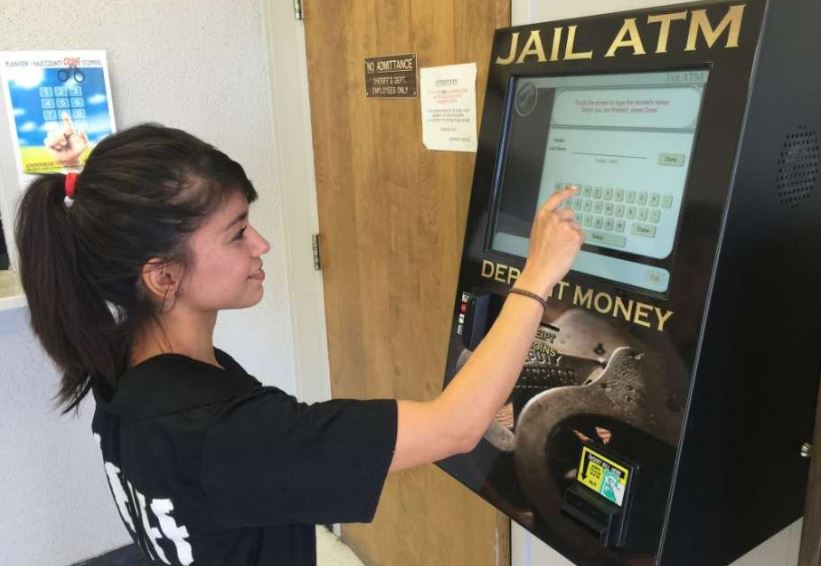
There is a monthly limit of $200-300 on how much inmates can spend on commissary items.
This amount is subject to change so call the facility at 912-652-7700 in order to confirm the amount that cannot be exceeded.
Inmates have access to both an in-house commissary store, and commissary packages that can be purchased and shipped to the inmate by friends and family.
Scroll down for information on the Chatham County Detention Center's service they use for you being able to purchase commissary items online and have them shipped directly to the inmate.
You can also go to our Inmate Money page for information on how to send money to an inmate.
JailATM provides a secure electronic payment portal that allows friends and family members to deposit funds directly into an incarcerated person's jail trust and commissary account. Deposited money provides the financial balance needed for your loved one to purchase personal hygiene items, snacks, over-the-counter medical sundries, and correspondence supplies from the facility commissary.
Important: Facility Deposit Rules and Window Intake Vary
Once a person is booked and moved to a housing unit, facilities do not always allow cash drop-offs or phone payments directly to the jail window. Some might and you should confirm this by calling the facility and asking. But if you do not register online and fund your loved one's trust account immediately, they may be forced to wait days or weeks for standard paper processing, leaving them without essential soap, clean undergarments, basic medical sundries or snacks.
Step-by-Step Instructions to Register and Deposit Funds
- Obtain the inmate's legal first and last name, date of birth, and assigned facility booking ID number.
- Navigate to deposits.jailatm.com/webdeposits/ on your computer or mobile device.
- Click Sign In or Register to set up your verified user account using your email address and password.
- Select the state and the detention facility where the inmate is currently housed.
- Search for the inmate using their ID number or legal last name to confirm an exact roster match.
- Enter your desired deposit dollar amount and review the calculated transaction and convenience fees.
- Input your debit or credit card billing details, complete payment authorization, and save your digital receipt.
What the Inmate Needs to Do
The inmate does not need an internet account to receive funds. Once the electronic transaction clears, the balance posts directly to their jail trust ledger according to facility accounting schedules. The inmate can review their updated balance at a dayroom pod kiosk or on their weekly trust statement and place orders on their regular commissary day.
Official Provider: JailATM Official Website
Customer Service Telephone: 1-877-810-0914
Support Hours: Monday – Friday, 8:00 AM – 5:00 PM CST
Supported Languages: English and Spanish
Other Services Provided by JailATM
In addition to Trust & Commissary Money Deposits, JailATM provides several other communication, store, and visitation services at participating facilities:
- Commissary Gift Packs & Store Ordering: Order pre-approved snack boxes, food packages, and hygiene bundles sent directly to the jail.
• Learn more on our website: Commissary Gift Packs Guide | • Visit official vendor page: JailATM Store Orders - Digital Messaging & Picture Sharing: Send electronic messages and photos directly to an inmate's housing unit kiosk.
• Learn more on our website: Digital Messaging Guide | • Visit official vendor page: JailATM Messaging - Remote Video Visitation: Schedule and join live video visits from home using your computer or smartphone.
• Learn more on our website: Video Visitation Guide | • Visit official vendor page: JailATM Video Visits
Deposit Money for an Inmate in the Chatham County Detention Center
Commissary money for a person at the Chatham County Detention Center in Savannah pays for snacks and personal items. The Chatham County Sheriff's Office takes deposits online, at kiosks and by mailed money order.
- Online: Go to JailATM and pay with a credit card, debit card or bank account. Each deposit costs $2.50.
- Kiosks for cash or card: There are machines in the Video Visitation Center (Monday to Friday, 9 a.m. to 6 p.m.) and in the Sheriff's Office main lobby (weeknights from 6 p.m. to 9 a.m., and from Friday 6 p.m. to Monday 9 a.m.). The fee is also $2.50. After hours the lobby has no staff; press the intercom in the inner vestibule to reach an officer.
- Money order by mail: Mail it to Chatham County Sheriff's Office, Finance and Accounting Services, with the person's inmate ID and full name, 1050 Carl Griffin Drive, Savannah, GA 31405. The Sheriff's Office doesn't publish who the money order should be made out to, so call 912-652-7700 and ask before you mail it. Never mail cash or a personal check.
One visitor can put in up to $300 a day for one person, and a mailed money order is capped at $300, unless it is for a bond, fine, child support or work release and you include papers for it. Letters go to a different address in Atlanta, so never send a money order there. When someone is released, their leftover balance is put on a debit card they can use anywhere cards are taken. Tech Friends, the company behind JailATM, answers questions at 870-627-5476, Monday to Friday, 9 a.m. to 5 p.m. Eastern.
The Chatham County Detention Center on Carl Griffin Drive in Savannah is run by the Chatham County Sheriff's Office. Personal letters and photos are not mailed to the jail. They go to a mail-scanning service that opens them, scans them and posts the pages to kiosks and tablets inside, and then shreds the originals. This keeps out paper soaked in drugs such as meth or heroin. Legal mail, books and money orders still go to the sheriff's own addresses in Savannah.
Personal letters and photos (scanned):
Inmate's Full Name & DIN #
JailATM.com - Chatham County Jail
925B Peachtree St. NE, Box 2062
Atlanta, GA 30309
Legal mail and books, and the separate money order address:
Inmate's Full Name & DIN #
Chatham County Detention Center
1074 Carl Griffin Drive
Savannah, GA 31405
(legal mail, books and publications)
Chatham County Sheriff's Office
Financial Services
1050 Carl Griffin Drive
Savannah, GA 31405
(money orders)
- DIN: Every piece of mail needs the inmate's full first, middle and last name, any alias, and their Detainee Identification Number (DIN). Personal mail that is not addressed this way is returned or thrown away.
- Return address: Include your complete return address. Publications without one are treated as undeliverable.
- Length: One letter can be no longer than 100 pages.
- Photos: Mail photos to the scanning address. They are reviewed and scanned, and photos with nudity, bullying, hate or violence are destroyed.
- Legal mail: It is opened, checked for contraband and copied while the inmate watches. It is not read, and the inmate gets the copy.
- Books and magazines: Send paperbacks only, mailed from a publisher or a store. An inmate may have four books, magazines or other publications at a time, and family may set up as many as four subscriptions. Items sent the wrong way are returned at the inmate's cost.
- Money orders: Mail money orders and certified checks to the sheriff's Financial Services address with the inmate's DIN and full name. Mailed money orders are capped at $300 unless you include paperwork for a fine, child support or bond.
- Other deposits: Use the lobby kiosks or send money online. Each deposit has a $2.50 fee.
- Never mail: Cash, personal checks, stamps, blank envelopes or bookmarks. They are destroyed.
- Inmate to inmate: Inmates may not write to or get mail from other inmates.
Drugs or other contraband found in the mail are investigated, and the sender can be charged. For quick notes, use electronic messages.

PayTel Communications provides telecommunications services that allow incarcerated individuals to place outbound calls from housing units to family and friends. Because correctional facilities do not accept incoming calls, establishing a PayTel prepaid account links calling funds directly to your 10-digit telephone number so calls connect without carrier restrictions.
Important: Mobile Phones Automatically Block Inmate Calls
Mobile cellular carriers automatically block collect calls originating from jail phone systems. While some residential landlines might allow direct monthly billing, mobile phones and internet-based lines require an active prepaid balance, which you can verify by checking with your provider. If you do not register online and fund your account right away, your loved one will receive an automated operator message stating that your number cannot accept calls.
Step-by-Step Instructions to Register and Fund a Phone Account
- Visit www.paytel.com or call PayTel customer service at 1-800-729-8355.
- Click Open an Account and register using your primary 10-digit telephone number and email address.
- Select the state and facility where the inmate is currently detained.
- Link the inmate to your profile using their full legal name and booking ID number.
- Select your deposit dollar amount and complete payment using a credit or debit card.
- Confirm that your mobile phone allows calls from automated or unknown correctional numbers.
What the Inmate Needs to Do
The inmate dials your 10-digit number from any dayroom phone and enters their assigned PIN. The automated system verifies that your phone number has an active prepaid balance and prompts you to accept the call. All non-privileged conversations are recorded and monitored by facility staff.
Official Provider: PayTel Official Website
Customer Service Telephone: 1-800-729-8355
Support Hours: Monday – Friday, 8:00 AM – 9:00 PM EST; Saturday, 9:00 AM – 6:00 PM EST
Supported Languages: English and Spanish
Other Services Provided by PayTel Communications
In addition to Prepaid Phone Calling Accounts, PayTel provides digital communications at participating facilities:
- Inmate Messaging & Digital Communications: Send electronic messages and photos directly to an inmate's terminal.
• Learn more on our website: Inmate Messaging Guide | • Visit official vendor page: PayTel Messaging
PayTel Inmate Messaging provides a two-way digital communication platform that allows families to exchange electronic text messages and digital photo attachments with an incarcerated loved one. Messages are delivered directly to the inmate's terminal or tablet screen within hours, bypassing long postal mail processing times.
Important: Digital Mail Screening Rules Vary by Facility
Inmates cannot receive incoming phone calls, and traditional postal mail rules differ across jurisdictions. While some detention centers still allow regular handwritten letters, many facilities now restrict physical paper mail or mandate electronic messaging, which you can verify by checking facility rules. If you do not register online and set up message credits immediately, your loved one may face lengthy periods without direct written contact from family.
Step-by-Step Instructions to Register and Send Messages
- Go to www.paytel.com or launch the PayTel mobile app.
- Register your account, complete identity verification, and link your incarcerated contact.
- Navigate to the Messaging section of your dashboard.
- Purchase messaging credits using a credit or debit card.
- Type your message and attach approved JPEG photos if permitted by facility guidelines.
- Send your message to the facility's screening queue.
What the Inmate Needs to Do
All electronic correspondence is screened by correctional staff before delivery. Once approved, messages appear in the inmate's inbox on their housing unit terminal or tablet. The inmate opens the message, reads your note, and types an electronic reply using available account credits.
Official Provider: PayTel Official Website
Customer Service Telephone: 1-800-729-8355
Support Hours: Monday – Friday, 8:00 AM – 9:00 PM EST; Saturday, 9:00 AM – 6:00 PM EST
Supported Languages: English and Spanish
Other Services Provided by PayTel Communications
In addition to Inmate Messaging, PayTel provides telephone calling accounts at participating facilities:
- Prepaid Phone Calling Accounts: Prepay for telephone calling minutes so your loved one can call your mobile phone directly.
• Learn more on our website: Prepaid Calling Accounts Guide | • Visit official vendor page: PayTel Prepaid Calling
PayTel Communications provides secure handheld wireless tablets designed specifically for correctional housing units. Operating over a private, encrypted facility network, these devices allow incarcerated individuals to make phone calls, exchange digital messages, access legal research materials, complete rehabilitative courses, stream approved media, and submit facility requests directly from their cells.
Important: Tablet Hardware Deployment and Rental Rules Vary
Detention centers do not manage tablet distribution identically. While some agencies issue individual personal tablets to every detainee at booking, others utilize shared pod docking stations or restrict tablet use to specific dayroom hours, which you should confirm with the facility directly. Although core educational and legal resources are generally provided free of charge, sending messages, listening to music, or making phone calls from the tablet requires an active balance funded by outside contacts.
Step-by-Step Instructions to Support and Fund PayTel Tablets
- Confirm that PayTel handheld tablets are active at your loved one's specific detention facility.
- Navigate to www.paytel.com or launch the PayTel mobile app.
- Sign into your verified user profile and link the inmate's legal name and booking ID number.
- Select Tablet Services / Messaging or Inmate PIN Debit to add funds.
- Specify your deposit dollar amount, review convenience fees, and enter your credit or debit card billing details.
- Submit payment, save your confirmation receipt, and notify your loved one that their device balance is available.
What the Inmate Needs to Do
The inmate unlocks their assigned tablet using their PIN. Their available balance appears on the screen, allowing them to download songs, read digital books, write messages, and place outbound telephone calls to approved contacts. Devices are docked during quiet hours and shift changes for secure recharging and data synchronization.
Official Provider: PayTel Official Website
Customer Service Telephone: 1-800-729-8355
Support Hours: Monday – Friday, 8:00 AM – 9:00 PM EST; Saturday, 9:00 AM – 6:00 PM EST
Supported Languages: English and Spanish
Other Services Provided by PayTel Communications
In addition to Tablet Services, PayTel provides calling and digital messaging options:
- Prepaid Phone Calling Accounts: Prepay for telephone calling minutes so your loved one can call your mobile phone directly.
• Learn more on our website: Prepaid Calling Accounts Guide | • Visit official vendor page: PayTel Prepaid Calling - Inmate Messaging & Digital Communications: Send electronic messages and photos directly to an inmate's terminal.
• Learn more on our website: Inmate Messaging Guide | • Visit official vendor page: PayTel Messaging
Nearby counties
- Jail (Main): 912-652-7700
- Administration: 912-652-7734
- Adult Probation: 912-356-0041
- Booking: 912-652-7700
- Chatham Magistrate Court: 912-652-7181
- Chatham Superior Court: 912-652-7179
- District Attorney: 912-652-7308
- Drug Court: 912-652-7128
- Inmate Info: 912-652-7700
- Juvenile: 912-652-3878
- Juvenile Court: 912-652-6700
- Parole Office: 912-651-2001
- Police: 912-651-6675
- Police Tips: 912-234-2020
- Public Defender - Adult: 912-447-4901
- Public Defender - Juvenile: 912-652-6904
- Records: 912-652-7734
- Sheriff: 912-652-7600
- Superior Court Clerk: 912-652-7200
- Victims Help: 912-652-7330
- Visitation: 912-644-5120
The Chatham County Detention Center serves the following cities and towns of Chatham County: Bloomingdale, Garden City, Pooler, Port Wentworth, Savannah, Thunderbolt and Tybee Island.