
John Paul Taylor Center
John Paul Taylor Center
Juvenile
575-526-5900What Families Need to Know at John Paul Taylor Center
What kind of facility is this? This is a state committed treatment center (long-term), not a detention center for youth awaiting court. It is operated by the New Mexico Children, Youth and Families Department. Youth can be placed here from any county in the state.
Information for families of youth at John Paul Taylor Center (10015 Robert Larson Blvd, Las Cruces, NM 88007), phone 575-526-5900.
In-person visits: JPTC is a CYFD juvenile corrections facility for committed youth, not the Doña Ana County Juvenile Detention Center on Copper Loop. Call the center and ask how to apply to visit, who can be approved, and what ID to bring. Ask whether visits must be scheduled, how long they last, and whether a holiday schedule is in use.
Read inmate search answers
 Read inmate search answers
1. How do I find out if my child is here?
A juvenile won't appear in the county jail's inmate search; call the facility at 575-526-5900. Because it is kept private to protect the minor, staff will discuss it only with a parent or legal guardian.
↑ Return to the question list2. What if I am worried about my child's safety?
To report suspected child abuse or neglect in New Mexico, call official CYFD Statewide Central Intake at 1-855-333-SAFE (1-855-333-7233), or #SAFE from a cell phone. The official CYFD page says the line is staffed 24 hours a day, seven days a week; in an emergency call 911.
You can also ask for the facility director or your child's case manager.
↑ Return to the question list3. What are the mail rules?
Address letters to the youth's full name at the official Robert Larson Boulevard address. Include a full return address.
Ask staff how privileged legal mail should be labeled, and whether books must be sent by a publisher or vendor.
Do not mail cash. Ask how stamps and funds are handled.
Letters reach John Paul Taylor Center faster when the envelope shows your child's full name on the top line.
Call 575-526-5900 to ask who can write, how often letters are allowed, whether stamps can be sent, and before mailing books or photos.
Address for letters
Resident's Full Name
John Paul Taylor Center
R
e
s
i
d
e
n
t
'
s
F
u
l
l
N
a
m
e
J
o
h
n
P
a
u
l
T
a
y
l
o
r
C
e
n
t
e
r
1
0
0
1
5
R
o
b
e
r
t
L
a
r
s
o
n
B
l
v
d
L
a
s
C
r
u
c
e
s
,
N
M
8
8
0
0
7
4. Should I send money or items?
Ask 575-526-5900 what, if anything, you may bring or send. Because it is kept private to protect the minor, staff will discuss it only with a parent or legal guardian.
↑ Return to the question list5. What else should I know about this facility?
The John Paul Taylor Center is the official CYFD juvenile corrections facility in Las Cruces for males up to age 21. Official capacity is 48 beds. It is not the Doña Ana County Juvenile Detention Center and not an adult prison. The official CYFD Facilities page traces the center to 2002 (formerly the Juvenile Justice Rehabilitation Center) and says CYFD has operated it since 2003. On-campus schooling is described as Aztec Youth Academy, with later vocational buildings for woodworking, welding, and automotive mechanics. Youth may be placed here from any New Mexico county after a court commitment. Official gender is Male.
↑ Return to the question list6. Can my child call home?
Ask staff how youth place outgoing calls and who may be on an approved list. An adult-detention or county-jail calling account does not apply to a youth committed here.
Call rules are kept private to protect the minor and are given to a parent or legal guardian.
↑ Return to the question list7. When can I visit?
JPTC is a CYFD juvenile corrections facility for committed youth, not the Doña Ana County Juvenile Detention Center on Copper Loop. Call the center and ask how to apply to visit, who can be approved, and what ID to bring.
Ask whether visits must be scheduled, how long they last, and whether a holiday schedule is in use.
Staff share visit rules with a parent or legal guardian. Such details are kept private to protect the minor.
Schedules can change, so check with 575-526-5900 first.
↑ Return to the question list8. Who do I call about my child?
Start with 575-526-5900 and ask to be connected to the case manager or the unit supervisor.
↑ Return to the question list9. What happens if adult charges are filed?
Facility staff cannot certify or transfer a juvenile case to adult court; that is a question for your child's lawyer.
A juvenile case does not automatically become an adult case. Under official NMSA 1978, 32A-2-20, the children's court has the discretion to invoke either an adult sentence or juvenile sanctions on a youthful offender. The children's court attorney must file a notice of intent to invoke an adult sentence within ten working days of the filing of the petition, unless the court extends that time for good cause before the adjudicatory hearing (official Children's Code compilation).
Ask the lawyer right away how an adult-court filing would affect release and housing.
↑ Return to the question listInformation for this service is currently unavailable.
Juvenile Court Questions for John Paul Taylor Center Families
Short-term or long-term? Long-term placement, not detention. Youth arrive after a court commitment for treatment. It is operated by the New Mexico Children, Youth and Families Department. Youth can be placed here from any county in the state.
Staff run the facility, while the court decides the case.
1. What kind of case is this?
This is a juvenile court case, not an adult criminal case, unless the court has certified or transferred it.
↑ Back to the questions2. Can the facility release my child?
Facility staff carry out the placement; they do not set the commitment term.
↑ Back to the questions3. Does a detention hearing still apply?
Ask the lawyer about review hearings and any conditions of the commitment. A first detention hearing describes a short-term hold, not this placement.
↑ Back to the questions4. What if the case is treated as an adult case?
Ask your child's lawyer whether certification or transfer has been filed and what it would mean for housing and release.
Ask the lawyer whether a notice of intent to invoke an adult sentence under 32A-2-20 has been filed, whether a preliminary or grand-jury probable-cause hearing has been set, and what that would mean for housing and release.
If the case goes to adult court, ask the lawyer about release and where your child will be housed. Get in touch with your child's lawyer right away.
↑ Back to the questions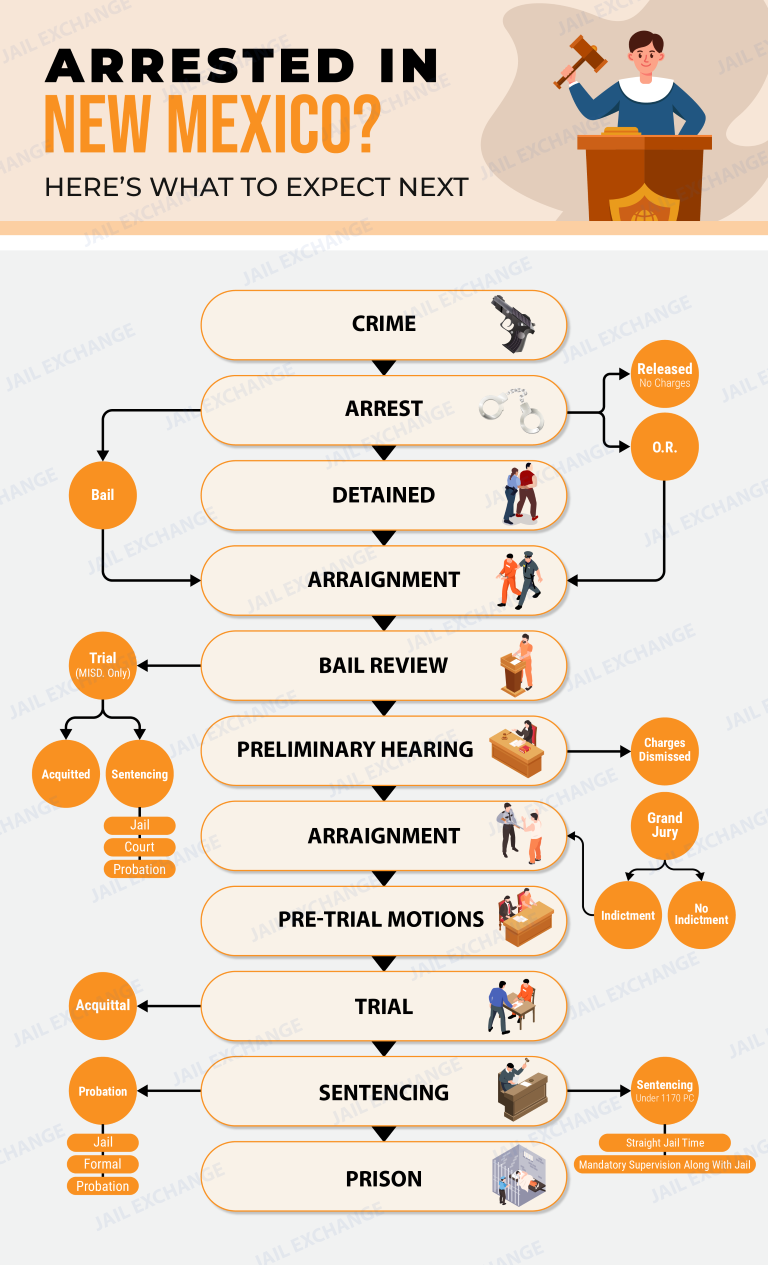
Information for this service is currently unavailable.
Information for this service is currently unavailable.
Information for this service is currently unavailable.
Information for this service is currently unavailable.
Information for this service is currently unavailable.
Information for this service is currently unavailable.
Doña Ana County County Jails
Doña Ana County Juvenile Facilities
- Juvenile: 575-526-5900
At times this facility may also house inmates arrested in the following counties: Bernalillo County, Catron County, Chaves County, Cibola County, Colfax County, Curry County, De Baca County, Eddy County, Grant County, Guadalupe County, Harding County, Hidalgo County, Lea County, Lincoln County, Los Alamos County, Luna County, McKinley County, Mora County, Otero County, Quay County, Rio Arriba County, Roosevelt County, Sandoval County, San Juan County, San Miguel County, Santa Fe County, Sierra County, Socorro County, Taos County, Torrance County, Union County and Valencia County.