
Williams County Correctional Center
Williams County Correctional Center
Jail Phone Number
701-577-4585Williams County Inmate Search and Custody Information
Start with the correctional center’s official page or call its desk. For a recent Williston booking, give the name and date of birth and ask whether intake has finished. This is the starting point for finding a person at Williams County Correctional Center.
Williams County Correctional Center is listed at 223 East Broadway, Williston, ND 58801. Call 701-577-4585 for the current booking status or before visiting.
If the arrest happened recently, ask which agency booked the person and whether intake is complete. Keep the booking details available when you ask about calls, court or release in Williams County.
Read inmate search answers
 Read inmate search answers
1. How do I check who is in custody?
Start with the correctional center’s official page or call its desk. For a recent Williston booking, give the name and date of birth and ask whether intake has finished. Official custody resource
↑ Back to the question list2. What can the Williams booking desk tell me?
Call 701-577-4585 with the full name, date of birth and arresting agency. Ask whether the person is physically at this facility, whether a transfer has been recorded and what identifying number to use in a follow-up.
↑ Back to the question list3. What can I do if the booking is missing?
Ask the agency involved in the Williams County arrest whether the person was released, is still awaiting intake or was moved. A dated list can lag a new booking. Use the facility telephone for the current status.
↑ Back to the question list4. Can I view a mugshot or charge?
Check the records made available by the responsible county or facility. A booking photograph may be unavailable. Use the court record and clerk to confirm filed charges, hearing dates and case outcomes.
↑ Back to the question list5. Who can confirm a warrant?
Ask the issuing court or law enforcement agency. For a Williams County arrest, start with the agency that took the person into custody and ask for the proper contact. The jail can tell you what it is able to share about holds attached to a booking.
↑ Back to the question list6. What if another jail has the person?
For a Divide County arrest, start with the Crosby sheriff to confirm whether the person went to Williston. Ask the jail for the booking and use the charging county for the case lookup.
↑ Back to the question list7. How do I arrange contact or a visit?
Ask the desk for the official contact and visitation service before opening an account. Confirm the lobby location and visit eligibility with the jail. Official contact information
↑ Back to the question list8. Can I put money on an account or pay bond?
Confirm the person’s location with 701-577-4585 before paying. A deposit for personal purchases is different from bail. The Williams County bail guide covers release and payment questions.
↑ Back to the question list9. How can I check the next hearing?
Find the case through North Dakota court records. Check the county and case number, then use the court guide to identify the clerk who can confirm the date.
↑ Back to the question list10. Can I receive a custody alert?
Use North Dakota SAVIN / VINELink to look for a matching record and register for available notices. For a time-sensitive custody change in Williams County, confirm directly with staff.
↑ Back to the question list11. Where do I search after a transfer to prison?
Use the North Dakota DOCR resident lookup for eligible state records and the Bureau of Prisons locator for federal prison custody. If a recent federal arrest does not show up there, ask the lawyer which facility is holding the person before trial.
↑ Back to the question listWilliams County bail and bond: paying at the Williston Law Enforcement Center
People arrested in Williams County are booked into the Williams County Correctional Center inside the Law Enforcement Center at 223 E Broadway in Williston.
Look the person up with Williams County Inmate Search to see whether they are in custody, which charges are on the record and what the bail is. The jail answers at 701-577-4585.
Bail is paid at the court-specific window or kiosk described below, and a kiosk in the entryway takes cash or card at any hour of the day or night. Read the answers to see how to post bail step by step.
1. Is my family member inside the Williston Law Enforcement Center?
Start with Williams County Inmate Search. It shows whether the person is booked into the Williams County Correctional Center and what the bail amount is. Fresh bookings can take a little while to appear, so check again later in the day.
The jail sits inside the Law Enforcement Center at 223 E Broadway, Williston, ND 58801. For a question the search cannot answer, the jail desk is at 701-577-4585.
2. Where do I pay bail on a weekday in Williston?
It depends on which court filed the charge. For a charge from the Northwest District court, a credit card payment goes to the Clerk of District Court on the first floor of the courthouse at 205 E Broadway. Cash or a surety bond goes to the Sheriff's Office on the third floor of the Law Enforcement Center, 223 E Broadway. Both are open weekdays from 8 a.m. to 5 p.m.
The clerk's line is 701-774-4374 if you want to confirm the court before you leave home.
3. Can I pay at night, on a weekend or on a holiday?
Yes. After the offices close, bail is taken at the correctional center through the Public Access door on the northwest side of the Law Enforcement Center. A kiosk in the main entryway on the E Broadway side takes cash or a credit card around the clock.
You can also pay by credit card at JailATM.com at any hour. Keep the receipt, since it shows which charge the money was applied to.
4. Why does the court that filed the charge matter?
Williams County takes the position that bond is posted with the court that filed the charges. A district court charge and a city charge can sit side by side on one arrest, and each has its own bond. Paying one does not release the person from the other.
Look at the record on Williams County Inmate Search. If it shows more than one charge, plan to pay each one.
5. My relative was arrested by Williston police for a city offense. Where does that bond go?
City charges go through the Williston Municipal Court. On weekdays from 8 a.m. to 5 p.m. pay the Municipal Clerk of Court on the first floor of the courthouse at 205 E Broadway.
Outside those hours, pay at the Williston Police Department on the second floor of the Law Enforcement Center. Its number is 701-577-1212.
6. What if Ray or Tioga police made the arrest?
Contact the arresting department directly about how its bond is paid. Ask the officer for the charge, the court and the case number, then check Williams County Inmate Search to see whether the person has been moved to the county jail in Williston.
The Sheriff's Office takes calls on its non-emergency line, 701-577-7700, for anything about where the person is being held.
7. Who decides how much bail should be?
A judge sets conditions at the first court appearance under North Dakota Rule of Criminal Procedure 46. The rule starts from release on a promise to appear or an unsecured bond. Money or a surety is required only when the judge decides lesser terms will not bring the person back to court.
The judge weighs the charge, the evidence, family ties, work, finances, past record and any danger to others. Rule 46 puts no fixed dollar figure on any offense, so the amount differs from case to case.
8. Can I pay only a part of the bond?
Only when the judge allows a deposit bond. Under Rule 46, a cash or security deposit on an appearance bond cannot be more than ten percent of the bond amount, and it is returned once the release conditions are met. The judge decides whether that option exists in a given case.
If the order calls for the full amount, the full amount is due.
9. What does a bail bond agent do here?
A licensed bail agent signs a surety bond so the person can leave jail, and the agent answers to the court if the person misses a hearing. Agents are licensed under chapter 26.1-26.6 of the North Dakota Century Code. Check the license with the Insurance Department at 701-328-2440.
Get the terms and the receipt in writing.
10. Can a house, land or vehicle secure the bond?
A surety who offers property must describe it and file a declaration showing enough assets, and the court has to approve the bond. The clerk of court is named as the surety's agent for legal papers.
The court, not the jail, approves a property bond, so start with the Clerk of District Court at 701-774-4374 before you gather deeds.
11. When will the person see a judge?
North Dakota Rule 5 requires an officer to bring an arrested person before a judge without unnecessary delay. Under the Supreme Court's Administrative Rule 63, every effort is made for that appearance to happen within 48 hours of arrest.
Someone still held 48 hours after the hearing because they cannot meet the conditions can ask the judge to review them.
12. Can a person be kept in jail with no chance to post anything?
Rule 63 lets deputies hold a person until a judge sees them if the arrest was for a Class AA, A, B or C felony, for certain misdemeanors involving violence, abuse, threats, domestic violence or protection orders, or on a warrant. That is a hold before the first hearing, not a permanent ban on bail.
Rule 46 has no list of offenses that cannot get bail. The judge makes the call at the first appearance.
13. What happens to a teenager who is arrested?
Youth cases are handled in juvenile court, and the adult jail search will not list a child. The Sheriff's Office at 701-577-7700 can tell a parent where a juvenile in custody is being held, and the clerk at 701-774-4374 gives the hearing time.
14. Who is the free lawyer if we cannot afford one?
The state Commission on Legal Counsel for Indigent Defense appoints lawyers in Williams County when a judge finds the person qualifies. Its office is at 701-845-8632. Ask the judge for a lawyer at the first hearing, and a lawyer can ask the court to lower the conditions.
15. What if the person misses court after bail is paid?
The judge must declare the bail forfeited. The clerk notifies the surety, who then has 90 days to pay or to ask the court to set the forfeiture aside. A surety that does not pay within that window is suspended from writing bonds.
Return the person to court quickly and tell the lawyer and the bail agent the same day.
16. Does the money come back?
Cash posted as bail is the property of the defendant, even when someone else pays it. State law (Century Code 29-08-28) says the clerk holds it until the case ends, and the judge may apply it to fines, costs or restitution before the rest goes to the defendant.
Bail money is protected from garnishment. The refund goes to the defendant, so a family member who paid should arrange the return with the person. Questions go to 701-774-4374.
Williams County bail contacts
- Jail
- Williams County Correctional Center, 223 E Broadway, Williston, ND 58801, 701-577-4585
- Custody lookup
- Williams County Inmate Search
- Bail and bond
- Williams County bail and bond help
- Sheriff's Office
- Third floor, Law Enforcement Center, 701-577-7700
- Clerk of District Court
- Courthouse, 205 E Broadway, Williston, ND 58802; 701-774-4374
- After-hours bail
- Public Access door, northwest side of the Law Enforcement Center; entryway kiosk and JailATM.com around the clock
- City charges
- Williston Municipal Court clerk, courthouse first floor; Williston Police, 701-577-1212
- Public defense
- Commission on Legal Counsel for Indigent Defense, 701-845-8632
- Bail agents
- North Dakota Insurance Department, 701-328-2440
Payment points and hours can change, and each judge writes the actual conditions for each case. Call before you travel with money. This page is a general guide and does not give legal advice.
Depositing Money in an Inmate's Account so that they can Self Bail

Inmate Canteen (TurnKey Corrections) allows families and approved guarantors to pay court appearance bonds, cash bail, and booking discharge fees online using a credit or debit card. By processing payments remotely, you eliminate the need to obtain cashier's checks or deliver physical cash directly to the detention facility booking window.
Important: Verify Bond Status Before Processing Bail Payments
Bail posting procedures are not uniform across all municipal courts and county detention facilities. While many jails accept card payments around the clock, some require magistrate confirmation or impose physical intake processing periods. Always call the booking desk to verify that booking is complete, an exact cash bond amount has been set, and no additional holds or warrants exist from other jurisdictions, as credit card transaction fees cannot be refunded once authorized.
Step-by-Step Instructions to Pay Cash Bail Online
- Call the jail booking window to confirm the exact dollar amount of the bond and verify that online bail payments are accepted for the defendant.
- Navigate to www.inmatecanteen.com on your computer or mobile device.
- Select Pay Bond / Bail from the main service directory.
- Select the state and facility where the individual is currently detained.
- Search for the defendant using their legal first and last name or assigned booking number.
- Review the active bond requirements, enter your card billing details, and review the non-refundable processing charge.
- Authorize payment, save your confirmation number, and immediately call the booking desk to notify deputies so release paperwork can begin.
What the Inmate Needs to Do
The booking officer verifies payment confirmation in the facility's TurnKey Corrections management terminal. Staff print the official appearance bond and conditions of release. The inmate signs the release paperwork, after which staff complete property return and physical discharge according to facility staffing.
Official Provider: Inmate Canteen Official Website
Customer Service Telephone: 1-715-690-2965
Support Hours: Monday – Friday, 8:00 AM – 5:00 PM CST
Supported Languages: English and Spanish
Other Services Provided by Inmate Canteen (TurnKey Corrections)
In addition to Cash Bail & Bond Payments, Inmate Canteen provides several other communication, financial, and commissary services:
- Trust & Phone Deposits: Deposit money directly into an inmate's jail trust account or phone calling balance.
• Learn more on our website: Trust & Phone Deposits Guide | • Visit official vendor page: Inmate Canteen Deposits - Commissary & Care Packages: Order pre-approved snack boxes, food packages, and clothing directly to the jail.
• Learn more on our website: Commissary Orders Guide | • Visit official vendor page: Inmate Canteen Commissary - Remote Video Visitation: Schedule and join live face-to-face video visits from your computer or smartphone.
• Learn more on our website: Video Visitation Guide | • Visit official vendor page: Inmate Canteen Video Visits - Inmate Tablets & Chirp Units: Learn how handheld devices provide access to messaging, phone calls, and media.
• Learn more on our website: Tablet Programs Guide | • Visit official vendor page: Inmate Canteen Devices
Arrange a visit at the Williams County Correctional Center
Call the correctional center at 701-577-4585 with the person’s full name. Ask staff to confirm they are held in Williston, which visiting options they can use, and how to book.
The correctional center is inside the Law Enforcement Center at 223 East Broadway, Suite 302, Williston, ND 58801. Confirm your visiting entrance and appointment before going. If you plan to visit by video, ask which account to use and check the fee before paying.

HomeWav provides secure, pay-per-minute remote video visitation that allows friends and family members to connect with an incarcerated loved one from home. Using a computer with a webcam or the HomeWav mobile app, visitors can hold live, face-to-face video sessions without traveling to the detention center or sitting in jail waiting areas.
Important: Advance Account Approval and Visiting Hours Differ
Detention centers do not permit instant or unvetted video calls. All prospective visitors must register an account, upload government-issued photo identification, and await facility review before any session can take place, an approval process that can take up to 48 hours depending on the jail. Some facilities allow on-demand video calls when the inmate is logged into the kiosk, while others require scheduling appointments in advance, which you should confirm by calling the facility directly. If you delay setting up your account, you risk missing your loved one's designated visiting window.
Step-by-Step Instructions to Register and Set Up Video Visitation
- Visit www.homewav.com or download the HomeWav mobile app for iOS or Android.
- Click Sign Up and create your user account using your primary email address and phone number.
- Upload a clear photo of your valid government ID (driver's license or passport) and take a live selfie for identity verification.
- Search for the facility and select your incarcerated loved one by legal name or booking ID.
- Wait for email notification confirming that facility administration has approved your visitor profile.
- Add funds to your HomeWav account balance using a major credit or debit card to cover pay-per-minute video call fees.
- Depending on the jail's system, schedule an upcoming visit time or remain logged into the app to receive video calls initiated directly by the inmate.
What the Inmate Needs to Do
The inmate logs onto the HomeWav kiosk or wall terminal in their housing unit using their assigned PIN. If you have an active balance and approved status, your name appears in their directory. The inmate selects your name to initiate the video call or joins the appointment at the pre-scheduled time. Inmates and visitors must strictly observe jail conduct and dress codes, as sessions are monitored by staff and will disconnect immediately upon any infraction.
Official Provider: HomeWav Official Website
Customer Service Telephone: 1-844-394-6639
Support Hours: Monday – Friday, 8:00 AM – 5:00 PM CST
Supported Languages: English and Spanish
Other Services Provided by HomeWav
In addition to Remote Video Visitation, HomeWav offers several other communication services at participating correctional facilities:
- Voice Calling Accounts: Fund calling minutes so your loved one can call your telephone directly from the HomeWav unit.
• Learn more on our website: Voice Calling Accounts Guide | • Visit official vendor page: HomeWav Voice Calls - Inmate Text Messaging: Exchange quick electronic text messages and digital photos through the HomeWav app.
• Learn more on our website: Inmate Text Messaging Guide | • Visit official vendor page: HomeWav Text Messaging
Williams County Criminal Court Guide
Williams County criminal court guide. A traffic-related accusation and a major felony can begin very differently, even though both appear in court records.
Below are explanations of jail intake, bond decisions, serious charges, juvenile cases, statutory fines, and U.S. District Court proceedings. The penalty figures are legal limits, not a prediction about any particular defendant.
Cases arising in Williams County ordinarily go through the Northwest Judicial District. The District Court hears criminal matters at the county courthouse in Williston. A municipal ordinance accusation, if one applies, may be handled by a separate city court.
1. Where are the criminal courts, and how do I contact them?
Williams County District Court and Clerk: 205 E Broadway, Williston, ND 58802. Telephone: 701-774-4374. The county belongs to the Northwest Judicial District. Call the published clerk number about filing questions or a listed hearing; the clerk cannot provide legal advice.
District Courts in North Dakota hear both misdemeanors and felonies. State law does not divide these cases between a county District Court and a separate state Circuit Court. The judge handling a case can be assigned from elsewhere in the judicial district.
Some cities handle ordinance violations in municipal court. The county District Court contact above is for state criminal charges; a municipal ticket identifies the separate city court if one is involved. No unverified municipal street address or phone number has been inserted here.
↑ Back to the question list2. What happens immediately after an arrest?
When police take someone into custody in Williams County, staff record identity information, check warrants, collect fingerprints and photographs, and arrange a health and safety screening. A person may be released after a citation or arrest, or may be held until the next judicial decision.
For a Williams County arrest, the charging paperwork and initial judicial order control the next hearing. The courthouse in Williston can explain its public filing and calendar procedures, but it does not operate as a jail. When someone is not released after arrest, they may be held in a jail in the county or a neighboring county’s jail, depending on the local custody arrangements. The courthouse handles the criminal case; it is not the jail.
↑ Back to the question list3. Can someone get out of jail before trial, and how does bond work?
North Dakota release decisions focus on whether the person will return to court and whether conditions can protect others. A judge may permit release on a promise to appear, set conditions, or require a financial bond. A bond amount is not a finding of guilt.
Conditions can include returning for every hearing, avoiding contact with a named person, reporting to a supervising agency, or obeying travel limits. If the bond involves money, ask for the actual written order before paying anyone; release and refunds depend on the terms set by the court.
↑ Back to the question list4. How does a misdemeanor case move through court?
A misdemeanor generally proceeds in state District Court. The accused is told the charge and rights, enters a plea, and may later have a hearing or trial; many cases resolve through a negotiated plea.
The two ordinary misdemeanor classes have different limits: a Class B misdemeanor permits no more than 30 days and $1,500, while a Class A misdemeanor permits up to 360 days and $3,000. Some crimes carry extra rules, court costs or treatment requirements. A conviction is not automatic simply because police wrote a report.
↑ Back to the question list5. What happens if the charge is a felony?
Felonies are prosecuted in North Dakota District Court, not in a separate statewide circuit court. The case may involve an initial appearance, a probable-cause step, arraignment, evidence disclosure, motions, and either plea or trial.
Sentencing starts with the statute that defines the convicted offense. North Dakota uses Classes C, B, A, and AA for felonies; prior convictions, mandatory provisions, restitution, and the judge’s orders may affect the result. A case can be resolved by dismissal, plea, or trial, and the sentence cannot be predicted just from the original arrest accusation.
↑ Back to the question list6. What changes when the accusation involves violence?
A charge involving death, serious injury, a weapon, or sexual violence may lead prosecutors to seek stricter release conditions. The case can also require forensic testing and expert witnesses, making the timetable less predictable.
Under N.D.C.C. § 12.1-32-02.1, certain qualifying felonies involving a firearm or dangerous weapon can require mandatory imprisonment, including four years for specified Class AA, A or B felonies and two years for qualifying Class C felonies. The facts and exact charges must meet the statute; the rule is not automatic for every violent accusation.
↑ Back to the question list7. What happens when someone under 18 is accused?
Juvenile cases are usually handled through North Dakota’s juvenile court system, which looks at the young person’s needs, family situation, and community safety. Possible outcomes include diversion, supervision, services, or placement under a court order.
A youth’s hearing may be confidential, and information available to the public can be narrower than in an adult case. Parents should ask counsel about detention review, school needs, appropriate services and whether a juvenile petition has actually been filed.
↑ Back to the question list8. What fines and jail or prison sentences are possible?
North Dakota Century Code § 12.1-32-01 sets the standard punishment ceilings below. These are maximum legal limits for the class, not typical sentences handed out in Williams County. The exact offense may require a different minimum or special sentence.
| Offense class | Maximum ordinary penalty |
|---|---|
| Infraction | No ordinary jail term; fine up to $1,000. |
| Class B misdemeanor | Up to 30 days in jail, a fine up to $1,500, or both. |
| Class A misdemeanor | Up to 360 days in jail, a fine up to $3,000, or both. |
| Class C felony | Up to 5 years in prison, a fine up to $10,000, or both. |
| Class B felony | Up to 10 years in prison, a fine up to $20,000, or both. |
| Class A felony | Up to 20 years in prison, a fine up to $20,000, or both. |
| Class AA felony | Life imprisonment, with or without the possibility of parole as provided by law. |
A judge may consider probation, imprisonment, restitution, a fine, treatment, or a lawful combination of penalties. Previous convictions, weapon allegations, and special laws can change the sentencing calculation. An infraction generally means a fine rather than jail, except the statute includes special treatment for certain repeat infractions.
↑ Back to the question list9. What if the charge is a federal crime?
Federal prosecutions from Williams County are handled by the U.S. District Court for the District of North Dakota, not by the county District Court. Federal jurisdiction can arise from federal drug trafficking, crimes involving federal property, qualifying interstate fraud, immigration offenses, and certain firearm laws. A crime is not federal merely because it is serious.
The federal district has staffed offices in Bismarck and Fargo and additional courthouses in Minot and Grand Forks. One useful staffed federal contact is the William L. Guy Federal Building and U.S. Courthouse, 220 E Rosser Ave, Suite 476, Bismarck, ND 58501, telephone 701-530-2300. The particular case docket or summons—not the county alone—determines where a person must appear.
Federal courthouse directory
- Bismarck — William L. Guy Federal Building and U.S. Courthouse: 220 E Rosser Ave, Suite 476, Bismarck, ND 58501; 701-530-2300
- Fargo — Quentin N. Burdick U.S. Courthouse: 655 1st Ave N, Suite 130, Fargo, ND 58102; 701-297-7000
- Minot — Bruce M. Van Sickle U.S. Courthouse: 100 1st St SW, Minot, ND 58701; 701-530-2300 (telephone reaches staffed Bismarck or Fargo office)
- Grand Forks — Ronald N. Davies U.S. Courthouse: 102 N 4th St, Grand Forks, ND 58203; 701-297-7000 (telephone reaches staffed Bismarck or Fargo office)
A federal defendant may appear before a U.S. magistrate judge, receive a detention hearing, be formally charged by indictment or another permitted procedure, and later enter a plea or go to trial. Federal sentencing uses statutes and federal guidelines; any prison sentence is generally administered by the Federal Bureau of Prisons.
↑ Back to the question listGeneral public information about criminal courts, not individual legal advice. A defense attorney can explain the exact charges, possible punishment, court order, and available defenses.


JailATM Commissary Ordering allows family members to purchase pre-approved snack boxes, meat and cheese selections, hygiene bundles, and seasonal gift care packages sent directly to an incarcerated loved one. Each package is tailored to comply with local facility security rules, ensuring items clear intake smoothly without being rejected at the loading dock.
Important: Package Deadlines and Delivery Windows Vary
Detention centers do not all follow identical package distribution schedules. Some facilities allow weekly orders while others restrict shipments to bi-weekly or monthly windows, and spending limits differ widely across institutions. You should confirm the facility's active cutoff schedule and order allowances by calling them directly. If an order is placed after the weekly processing deadline, it will be held until the following distribution cycle, leaving your loved one waiting an extra cycle for fresh supplies.
Step-by-Step Instructions to Place a Commissary Package Order
- Confirm the inmate's legal first and last name, date of birth, and assigned booking identification number.
- Navigate to deposits.jailatm.com/webdeposits/ and sign into your account.
- Select Commissary Packs or Gift Packs from the service menu.
- Choose your state and detention center to open the jail's authorized product catalog.
- Search for the inmate to link the order to their active housing record.
- Browse available food bundles, hygiene kits, and clothing options, adding items up to the facility's allowed spending limit.
- Enter your billing details, complete checkout with a credit or debit card, and save your confirmation receipt.
What the Inmate Needs to Do
The inmate does not need an active online account to receive care packages. JailATM fulfills the order in tamper-evident security containers and delivers it directly to the facility commissary department. Jail staff inspect the shipment and deliver the items during regular housing unit commissary distribution, where the inmate signs for receipt.
Official Provider: JailATM Official Website
Customer Service Telephone: 1-877-810-0614
Support Hours: Monday – Friday, 8:00 AM – 5:00 PM CST
Supported Languages: English and Spanish
Other Services Provided by JailATM
In addition to Commissary Gift Packs, JailATM provides several other communication, financial, and visitation services at participating facilities:
- Inmate Trust & Commissary Money Deposits: Send money directly into an inmate's jail trust account for independent commissary spending.
• Learn more on our website: Inmate Trust Deposits Guide | • Visit official vendor page: JailATM Trust Deposits - Digital Messaging & Picture Sharing: Send electronic messages and photos directly to an inmate's housing unit kiosk.
• Learn more on our website: Digital Messaging Guide | • Visit official vendor page: JailATM Messaging - Remote Video Visitation: Schedule and join live video visits from home using your computer or smartphone.
• Learn more on our website: Video Visitation Guide | • Visit official vendor page: JailATM Video Visits
Buy Commissary for an Inmate in the Williams County Correctional Center
Williams County Correctional Center Inmate Commissary - Sending Money or Purchasing Commissary for an Inmate
Williams County Correctional Center allows inmates to purchase commissary. This can be snacks, hygiene products, stamps, stationary, clothing and even electronics.
You can buy commissary for an inmate using an online service called Jail ATM.
Questions? Call Jail ATM at 877-810-0914.
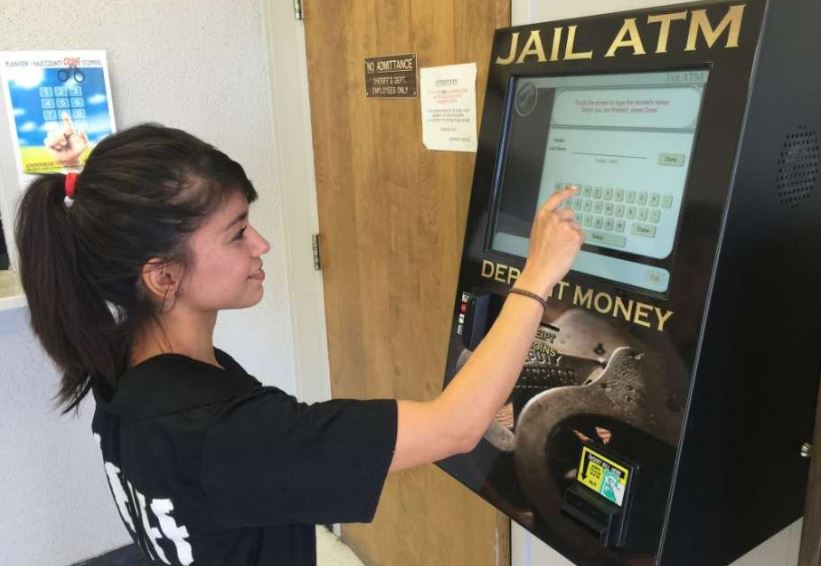
There is a monthly limit of $200-300 on how much inmates can spend on commissary items.
This amount is subject to change so call the facility at 701-577-4585 in order to confirm the amount that cannot be exceeded.
Inmates have access to both an in-house commissary store, and commissary packages that can be purchased and shipped to the inmate by friends and family.
Scroll down for information on the Williams County Correctional Center's service they use for you being able to purchase commissary items online and have them shipped directly to the inmate.
You can also go to our Inmate Money page for information on how to send money to an inmate.
JailATM provides a secure electronic payment portal that allows friends and family members to deposit funds directly into an incarcerated person's jail trust and commissary account. Deposited money provides the financial balance needed for your loved one to purchase personal hygiene items, snacks, over-the-counter medical sundries, and correspondence supplies from the facility commissary.
Important: Facility Deposit Rules and Window Intake Vary
Once a person is booked and moved to a housing unit, facilities do not always allow cash drop-offs or phone payments directly to the jail window. Some might and you should confirm this by calling the facility and asking. But if you do not register online and fund your loved one's trust account immediately, they may be forced to wait days or weeks for standard paper processing, leaving them without essential soap, clean undergarments, basic medical sundries or snacks.
Step-by-Step Instructions to Register and Deposit Funds
- Obtain the inmate's legal first and last name, date of birth, and assigned facility booking ID number.
- Navigate to deposits.jailatm.com/webdeposits/ on your computer or mobile device.
- Click Sign In or Register to set up your verified user account using your email address and password.
- Select the state and the detention facility where the inmate is currently housed.
- Search for the inmate using their ID number or legal last name to confirm an exact roster match.
- Enter your desired deposit dollar amount and review the calculated transaction and convenience fees.
- Input your debit or credit card billing details, complete payment authorization, and save your digital receipt.
What the Inmate Needs to Do
The inmate does not need an internet account to receive funds. Once the electronic transaction clears, the balance posts directly to their jail trust ledger according to facility accounting schedules. The inmate can review their updated balance at a dayroom pod kiosk or on their weekly trust statement and place orders on their regular commissary day.
Official Provider: JailATM Official Website
Customer Service Telephone: 1-877-810-0614
Support Hours: Monday – Friday, 8:00 AM – 5:00 PM CST
Supported Languages: English and Spanish
Other Services Provided by JailATM
In addition to Trust & Commissary Money Deposits, JailATM provides several other communication, store, and visitation services at participating facilities:
- Commissary Gift Packs & Store Ordering: Order pre-approved snack boxes, food packages, and hygiene bundles sent directly to the jail.
• Learn more on our website: Commissary Gift Packs Guide | • Visit official vendor page: JailATM Store Orders - Digital Messaging & Picture Sharing: Send electronic messages and photos directly to an inmate's housing unit kiosk.
• Learn more on our website: Digital Messaging Guide | • Visit official vendor page: JailATM Messaging - Remote Video Visitation: Schedule and join live video visits from home using your computer or smartphone.
• Learn more on our website: Video Visitation Guide | • Visit official vendor page: JailATM Video Visits
Deposit Money for an Inmate in the Williams County Correctional Center
Hygiene supplies, snacks and drinks: that is what canteen money buys at Williston's Williams County Correctional Center. Four ways to add it exist: online, at the lobby kiosk, by phone or with a mailed money order.
Online with JailATM, the county's company for deposits and canteen:
- Set up an account.
- Choose Send Money.
- Select North Dakota, then Williams County Correctional Center.
- Search for the person by last name or inmate ID.
JailATM adds a small fee to every deposit. That same account buys gift packs and can pay bond.
- Kiosk: in the Law Enforcement Center lobby at 223 E. Broadway sits a JailATM self-serve kiosk for cash, debit or credit. Jail staff can also take an account payment in person. The lobby's hours aren't made public; ask at 701-577-4585.
- Phone: deposits can be made by calling JailATM too. Before you dial, have the person's full legal name and inmate ID number written down.
- Money order: pick one up at a post office, bank or Western Union. Payee: the inmate's name. Memo: the inmate ID number. Mail it to the inmate's full name and ID number, c/o WCCC, 223 East Broadway, Suite 302, Williston, ND 58801. Cash and two-party checks stay out of the mail.
The jail may cap how much you can send at once and doesn't publish the figure. 701-577-4585 is where to ask.
The Williams County Correctional Center is the jail inside the Williams County Law Enforcement Center on East Broadway in downtown Williston. The Williams County Sheriff's Office runs it, and besides local arrests it houses people for Divide and McKenzie counties, the City of Williston, the state and the U.S. Marshals. Letters arrive as regular paper mail at the jail's own suite in the building.
Letters, legal mail, books and magazines:
Inmate's Full Name & Inmate ID #
c/o WCCC
223 East Broadway, Suite 302
Williston, ND 58801
- Who it's from: In the upper left corner of the envelope, write your full name and the address where you get mail. A letter with no return address will most likely be thrown away instead of delivered.
- Cash and checks: Never mail cash or a two-party check. To put money on the person's account, send money online.
- Care packages: The county does not take care packages in the mail. Gift packs are bought through the jail's commissary provider instead.
- Things that aren't approved: Anything that comes in but is not allowed goes into the person's stored property, and they get it back when they are released.
- Pen and paper: Letters in Williston should be written in blue or black ink. Leave out felt markers, crayons, colored ink and drawings, and don't draw on the envelope either.
- Add nothing: No glitter, confetti, lipstick marks or perfume, and nothing else tucked in with the letter.
- Cards: Send a plain greeting card rather than one with a sound chip.
- Reading material: Books, newspapers and magazines have to be new and shipped straight from the publisher. Hardcover editions are refused.
- Who may write: Relatives and friends may send letters. Co-defendants, people locked up in any jail or prison, and anyone with a no-contact order against them cannot.
- Stamps: Don't mail stamps. People inside buy them from commissary, and those with no money get a few stamps, envelopes and sheets of paper each week.
People move in and out of Williston often, so check the jail roster before you mail a letter.
HomeWav Voice Calling allows incarcerated individuals to place outbound voice calls from housing-unit terminals directly to approved outside phone numbers. Because correctional facilities do not permit incoming phone calls, opening and funding a HomeWav voice account provides the prepaid balance required to connect calls without relying on traditional collect billing.
Important: Mobile Phones Require an Active Balance to Receive Calls
Mobile cellular carriers automatically block collect calls originating from jail phone systems. While select traditional residential landlines might allow direct operator billing, cellular and internet-based phone numbers require an active HomeWav prepaid account, which you can verify by checking with your provider. If you do not register online and fund your phone balance immediately, your loved one will hear an automated operator recording stating that your phone number cannot accept calls.
Step-by-Step Instructions to Set Up and Fund Voice Calling
- Go to www.homewav.com or open the HomeWav mobile app.
- Register your account using the primary 10-digit cellphone number where you want your loved one to call.
- Select the detention center where the inmate is currently located.
- Search for and add the inmate to your approved contact list by full legal name or booking ID.
- Deposit funds into your account balance using a Visa, MasterCard, or Discover card.
- Ensure your mobile device has third-party spam call blockers disabled so automated jail connection alerts ring through properly.
What the Inmate Needs to Do
The inmate logs onto the housing unit HomeWav terminal using their PIN, selects your contact name or dials your 10-digit number, and initiates the call. HomeWav's automated operator verifies that your account has available funds and connects the call. All personal telephone calls are recorded and subject to facility monitoring.
Official Provider: HomeWav Official Website
Customer Service Telephone: 1-844-394-6639
Support Hours: Monday – Friday, 8:00 AM – 5:00 PM CST
Supported Languages: English and Spanish
Other Services Provided by HomeWav
In addition to Voice Calling, HomeWav offers video visitation and messaging at participating facilities:
- Remote Video Visitation: Hold live, face-to-face video visits from home using a smartphone or computer webcam.
• Learn more on our website: Video Visitation Guide | • Visit official vendor page: HomeWav Video Visits - Inmate Text Messaging: Send two-way digital text messages and photos through the mobile app.
• Learn more on our website: Inmate Text Messaging Guide | • Visit official vendor page: HomeWav Text Messaging
HomeWav Inmate Text Messaging provides a fast, two-way digital communication platform that allows families to exchange text messages and photo attachments with an incarcerated loved one. Messages are delivered directly to the inmate's terminal or tablet screen within hours, bypassing long postal mail processing times.
Important: Digital Mail Screening Rules Vary by Facility
Inmates cannot receive incoming phone calls, and traditional postal mail rules differ across jurisdictions. While some detention centers still allow regular handwritten letters, many facilities now restrict physical paper mail or mandate electronic messaging, which you can verify by checking facility rules. If you do not register online and set up message credits immediately, your loved one may face lengthy periods without direct written contact from family.
Step-by-Step Instructions to Register and Send Text Messages
- Download the HomeWav mobile app on your smartphone or go to www.homewav.com.
- Register your account, complete identity verification, and link your incarcerated contact.
- Navigate to the Text Messaging section of the app.
- Purchase messaging credits using a credit or debit card.
- Type your message and attach approved JPEG photos if permitted by facility guidelines.
- Send your message to the facility's automated and manual screening queue.
What the Inmate Needs to Do
All electronic correspondence is screened by correctional staff before delivery. Once approved, messages appear in the inmate's inbox on their housing unit HomeWav kiosk or tablet. The inmate opens the message, reads your note, and types an electronic reply using available account credits.
Official Provider: HomeWav Official Website
Customer Service Telephone: 1-844-394-6639
Support Hours: Monday – Friday, 8:00 AM – 5:00 PM CST
Supported Languages: English and Spanish
Other Services Provided by HomeWav
In addition to Inmate Text Messaging, HomeWav offers video visitation and voice calling services:
- Remote Video Visitation: Schedule and join live video visits from home using your phone or computer.
• Learn more on our website: Video Visitation Guide | • Visit official vendor page: HomeWav Video Visits - Voice Calling Accounts: Prepay for voice calling minutes so your loved one can call your telephone directly.
• Learn more on our website: Voice Calling Accounts Guide | • Visit official vendor page: HomeWav Voice Calls
HomeWAV provides secure handheld wireless tablets designed specifically for county jails and regional detention facilities. Through HomeWAV's closed facility network, these mobile tablets grant incarcerated individuals direct access to on-demand video calls, voice calling, two-way text messaging, digital educational programs, and institutional grievances directly from their living areas.
Important: Tablet Access Hours and Account Balances Vary
Detention centers do not manage tablet distribution identically. While some agencies issue individual personal tablets to every detainee at booking, others utilize shared pod docking stations or restrict tablet use to specific dayroom hours, which you should confirm with the facility directly. Although core educational and legal resources are generally provided free of charge, sending messages, initiating video calls, or making phone calls from the tablet requires an active prepaid HomeWAV balance funded by outside contacts.
Step-by-Step Instructions to Support HomeWAV Tablet Use
- Visit www.homewav.com or download the HomeWAV mobile app.
- Register your account and complete identity verification by uploading your government-issued ID.
- Search for your facility by state and add your incarcerated loved one by legal name or booking ID.
- Select Add Funds and deposit money into your HomeWAV account balance.
- Review transaction fees, complete payment using a credit or debit card, and record your confirmation receipt.
- Inform your loved one that calling, messaging, and video minutes are funded on their device.
What the Inmate Needs to Do
The inmate unlocks their assigned HomeWAV tablet using their individual PIN. When funds are present in your account, they can select your name from their approved contacts to initiate an on-demand video session, place a voice call, or draft a text message. Devices must be placed on docking charging carts during institutional count times and night lockup.
Official Provider: HomeWAV Official Website
Customer Service Telephone: 1-844-394-6639
Support Hours: Monday – Friday, 8:00 AM – 5:00 PM CST
Supported Languages: English and Spanish
Other Services Provided by HomeWAV
In addition to Tablet Services, HomeWAV provides several direct communication solutions:
- Remote Video Visits: Meet face-to-face over secure live video from home on your schedule.
• Learn more on our website: Video Visitation Guide | • Visit official vendor page: HomeWAV Video Visits - Prepaid Phone Calling: Prepay for voice calling minutes so your loved one can call your telephone directly.
• Learn more on our website: Phone Calling Guide | • Visit official vendor page: HomeWAV Voice Services - Digital Inmate Messaging: Send electronic messages and photos directly to an inmate's device.
• Learn more on our website: Digital Messaging Guide | • Visit official vendor page: HomeWAV Messaging
Williams County Juvenile Facilities
- Jail (Main): 701-577-4585
- Sheriff: 701-577-7700
The Williams County Correctional Center serves the following cities and towns of Williams County: Alamo, Appam, Arnegard, Epping, Grenora, Keene, Tioga, Ray and Williston. At times this facility may also house inmates arrested in the following counties: Divide County.