
Delaware County Jail
Delaware County Jail
Physical Address
844 US 42 NorthDelaware, OH 43015
Jail Phone Number
740-833-2840Delaware County Inmate Search: Track Down a Loved One in the U.S. 42 Jail
Local police and deputies bring adults to the Delaware County Jail, 844 US 42 North, Delaware, OH 43015. Further down: how to locate the person, whether mugshots exist, and answers on lawyers, visiting, funds, letters and hearings.
Visit the Sheriff's current inmate list. Put in a surname and read each row that appears. New bookings need a little time to appear, so look again later today.
In a hurry? Ring the jail at 740-833-2840 and give the full name plus birthday. Ask about the bond, the housing spot and the first hearing date. After that, use our bail help and court help pages.
Read inmate search answers
 Read inmate search answers
1. How does the Delaware County roster work?
Deputies maintain this roster. Do this:
- Go to the current inmate listing from any phone or computer.
- Scan for the surname. A common surname calls for a first-name check too.
- Compare each possible match against what you know, such as age.
- Note the charge and the bond so you can tell the lawyer.
- Come back later if nothing matches.
Staff at the jail, 740-833-2840, can confirm what the page says.
↑ Back to the question list2. Why does the roster show no match for my loved one?
No match does not always mean the person is out of reach. Common causes:
- New arrest. Paperwork takes hours.
- Police station. A town department may keep a person at its station before the jail takes custody.
- Citation. Some are cited and sent home with a court date.
- Bond paid. A judge or a payment may already have opened the door.
- Transfer. The person may be in a jail elsewhere, or in state care.
- Spelling. Search by a nickname, or by only part of a long name.
Phone 740-833-2840 and read the name exactly as printed on a driver license.
↑ Back to the question list3. What other lockups might hold someone arrested here?
The county directory names one adult jail. The Sheriff's jail, 844 US 42 North, Delaware, OH 43015, 740-833-2840, sits north of the city. Men and women who wait on a case or serve a short local sentence stay there. No work release center or city-run jail is listed, so ask the jail if you think the person is in one.
Think about where the arrest happened:
- Arrested along the southern edge of the county, in a part of Columbus, Dublin or Westerville? The person may be in a Franklin County jail. Ask the arresting police department.
- Arrested in neighboring Union County? Their people go to Tri-County Regional Jail, 4099 State Route 559, Mechanicsburg, OH 43044, 937-834-5000. That jail also serves Champaign and Madison counties.
- Taken by federal agents, ICE or the state? The answers further down cover those.
4. Does the Delaware County list show mugshots?
Open one row on the Sheriff's list to see whether a photo is attached. If you find no mugshots, call the jail at 740-833-2840 or the Sheriff's Office at 740-833-2800 and ask whether the Sheriff can release a booking picture to you.
- Records requests under R.C. 149.43 are open to anyone, and some sheriffs hand over photos.
- Anyone who posts arrest photos may not take payment to delete them. A harmed person can sue for $10,000 or more (R.C. 2927.22).
- A picture held by ICE has to be asked for through its records form.
- Federal booking photos are not for the public. The U.S. Marshals Service alone may release one, such as a wanted person's.
5. Is there a free alert if my person walks out or is moved?
Yes, through Ohio VINE, an Attorney General program. It watches county jail rosters, state prison rolls and state youth centers. You choose a call, text or email. Messages go out for releases, transfers, escapes and deaths.
- Register at VINELink or phone 800-770-0192. Someone answers at any hour.
- VINE can also tell you who is in custody now, so use it as a second search.
Alerts can lag. Call the jail to be sure.
↑ Back to the question list6. How do I bail someone out in Delaware County?
Small charges often come with a set bail amount from the court's schedule, which can be used before any hearing. Serious felony bail comes only from a judge or magistrate. Cash is not always the answer. Judges are told to use the gentlest release terms that will still keep the person coming to court (R.C. 2937.011). See our Ohio bail laws page.
- Bail is paid at Delaware Municipal Court, 70 North Union Street, Delaware, OH 43015. Call 740-203-1550 for hours.
- The person appears by video at 10 a.m. on weekdays. Release can take up to four hours after that hearing.
- Another way is to leave one tenth of the bond amount as a cash deposit. When the person keeps all the rules, you get 90 percent of that back.
- Surety bonds come from agents licensed by the state insurance department. Such an agent cannot seek you out at the jail or court to sell one.
Be wary of anyone who wants money for an "electronic monitoring" release. That is a scam. Our bail page has more.
↑ Back to the question list7. What did the police say they did?
The roster may name a charge. Court records give the full picture.
- Misdemeanors and traffic: Delaware Municipal Court, 70 North Union Street, Delaware, OH 43015. Same phone as above, 740-203-1550.
- Felonies: the Clerk of Courts at the courthouse, 117 North Union Street, Delaware, OH 43015, 740-833-2500.
- Final felony charges: the Prosecuting Attorney, 145 North Union Street, Third Floor, Delaware, OH 43015, 740-833-2690.
Have the full name and birthday ready. Clerks can name the court with the file and give the next date.
↑ Back to the question list8. Does the county give a lawyer to people with no money?
A person who may be locked up has a right to counsel. When money is short, the court can appoint one at public cost. They ask the judge at the first court date and fill out a form about money. The court then decides who qualifies.
The county Public Defender's Office is at 109 North Sandusky Street, Delaware, OH 43015, 740-833-2780. Call to learn how it works for your family member. The judge may also name a private lawyer from the court's list.
A family with the money can hire a private lawyer, who can argue for a smaller bond or for release with conditions.
↑ Back to the question list9. What days can I visit a person held in Delaware County?
Each person gets one free onsite visit of 25 minutes every week. The details:
- Up to two adults and three children may come in together.
- Book a day ahead. Bring photo ID.
- Onsite times: Tuesday and Thursday, 6:30 to 8:30 p.m.; Saturday, 9:00 a.m. to 1:30 p.m. and 6:30 to 9:30 p.m.; Sunday, 9:00 a.m. to 1:30 p.m. and 6:30 to 8:30 p.m.
- One extra video visit a day is allowed through ICSolutions, the service the Sheriff's page names.
Confirm at 740-833-2840 before you drive over. Our visiting guide adds tips.
↑ Back to the question list10. What are the ways to load cash onto an inmate's account?
The Sheriff's jail page lists these ways to add money:
- The kiosk in the jail lobby.
- A phone call to 866-345-1884.
- The website accesscorrections.com.
- A signed money order sent by mail.
Know the person's full name first, and never put cash in an envelope. To see what the funds buy, read our commissary guide. Our money guide covers the deposit steps.
↑ Back to the question list11. Can I talk to someone in the jail by phone?
Calls run on prepaid accounts with ICSolutions. Phone 888-506-8407 to start one. Messages and photos go through GettingOut.com, which the Sheriff's page gives to families.
Assume every jail call is recorded. Save case talk for the lawyer's ears. The phone page and email page carry the fine print.
↑ Back to the question list12. How should a letter to the Delaware County Jail look?
On the envelope, write the person's first and last name, then 844 U.S. 42 North, Delaware, Ohio 43015. Add your own return address, which the jail requires.
Skip any inmate number, since the Sheriff's page does not use one. Unsure what is allowed? Call 740-833-2840. The mail guide lists common rules. Never send cash.
↑ Back to the question list13. What items will the jail accept, and who returns their clothes?
The jail takes only a short list at the door: eyeglasses or contacts, commissary money, prescriptions in their original containers and insurance cards. Anything else is turned away.
Personal items taken in at booking are kept until release day. To collect it, call 740-833-2840 and ask for Records or Booking. Bring photo ID to 844 US 42 North, Delaware, OH 43015.
↑ Back to the question list14. Who looks after a relative with a health problem?
Phone 740-833-2840 and tell the nurse's office what is wrong. Give the full name, medicines, doses and the doctor who treats them. The person should file a request form inside as well.
For an emergency, dial 911. Mental health crisis? Say so to the dispatcher.
↑ Back to the question list15. Can I learn whether a warrant has been issued?
Warrants outside town limits are served by deputies. Inside town limits, city and village officers serve them. Call the Sheriff's warrants line at 740-833-2890, or the town's police department. The Sheriff's Office is at 1776 State Route 521, Delaware, OH 43015. To find a case, dial the Municipal Court clerk at 740-203-1550 or the Clerk of Courts at 740-833-2500, with a name and birthday. To settle a warrant, see a lawyer, then go back to the court of origin. The Clerk of Courts works from 117 North Union Street, Delaware, OH 43015.
↑ Back to the question list16. Which office knows the hearing date?
Every court runs its own schedule:
- Misdemeanors, traffic and early felony hearings: Delaware Municipal Court, 70 North Union Street, Delaware, OH 43015, number above.
- Felonies after an indictment: Court of Common Pleas, 117 North Union Street, Delaware, OH 43015. The clerk is above too.
- Small ordinance and traffic tickets: some are heard in a mayor's court. Sunbury's is at 91 East Granville Street, Sunbury, OH 43074, 740-965-2684.
Our court help page shows how a case moves.
↑ Back to the question list17. Might federal officers have the person?
Cases from here are heard by the federal Southern District of Ohio, at a courthouse in Columbus. Look for the federal courthouse at 85 Marconi Boulevard, Columbus, OH 43215, 614-719-3000.
- In federal court, the first hearing decides detention or release (18 U.S.C. 3142).
- Until trial, the Marshals keep custody. Their office, Room 460 in the same building, answers at 614-469-5540.
- For a free federal lawyer, go to the Federal Public Defender, 10 West Broad Street, Suite 1020, Columbus, OH 43215, 614-469-2999.
- When a sentence is final, try the Bureau of Prisons locator.
18. Might immigration agents come for my relative?
Here is how it usually goes:
- A detainer, Form I-247A, may come from ICE (8 CFR 287.7(d)).
- The jail may hold the person up to 48 hours after they would otherwise be released.
- Search the ICE Online Detainee Locator with a name and country of birth.
- Call ICE's Detroit Field Office, 985 Michigan Avenue, Suite 207, Detroit, MI 48226, 313-771-6601. The closest ICE office is 675 Brooksedge Boulevard, Westerville, OH 43081, 614-948-4100.
No Ohio law on detainers has been signed. Families who wonder if the Sheriff has an ICE agreement can put that question to the Sheriff's Office.
↑ Back to the question list19. Where do I check if the person went to a state prison?
Prison time begins at an intake center run by the state's corrections agency, ODRC. The person can wait here for a transfer, so phone the jail first.
- Search the ODRC offender search by name.
- Read our Ohio state prisons page for visiting and mail rules.
20. Where does a teen arrested in Delaware County go?
Children are not held in the adult jail. The Juvenile Court hears their cases at the Hayes Building, 145 North Union Street, Delaware, OH 43015, 740-833-2600. Call that office to learn the child's location and the court date.
The county directory shows no youth detention center, so a held child may be placed at a youth center in another county. Under Juv.R. 7, a judge reviews the detention by hour 72, or at the next opening of court, whichever is earlier. Without that, the child is sent home.
↑ Back to the question list21. Which police departments work in the county?
Get a report number from the officers who made the arrest. Then check the roster or phone the jail.
- Sheriff's Office, 1776 State Route 521, Delaware, OH 43015, 740-833-2800. Covers the townships and areas without a town police department. Administration: 740-833-2810.
- City and village police. Delaware, Powell and Sunbury have departments. Call the Sheriff's line above if you need help finding the right one.
- Ohio State Highway Patrol. The post for this county is listed on the local post page.
Delaware County bail and bond: the 24-hour kiosk and Municipal Court
The Delaware County Jail, 844 US Highway 42 North, Delaware, OH 43015, holds adults arrested here. It is run by the Sheriff. This guide covers bond rules, payment spots and warning signs of scams.
Type the last name into the current inmate listing to see who is in custody. Our Delaware County Inmate Search page lists fresh bookings, charges and property pickup.
Call the jail at 740-833-2840 and ask if the person is booked in. Bond is paid at Delaware Municipal Court, 70 North Union Street, Delaware, OH 43015, so keep our court page handy. That office answers at 740-203-1550.
1. How do I find out if someone is inside the Delaware County Jail?
Use Delaware County Inmate Search. A search by last name shows the booking and, in most cases, the bond. The Delaware County Jail belongs to the Delaware County Sheriff's Office, which is at 1776 State Route 521, Delaware, OH 43015. The office number is 740-833-2810.
If the person was arrested only hours ago, the record may need time to appear.
↑ Back to the question list2. Can I pay a bond at any hour in Delaware?
Yes, for many cases. Delaware Municipal Court and the jail put in a bond kiosk that runs around the clock, 24 hours a day, seven days a week. The clerk introduced it with the jail. Ask the court at 740-203-1550 which cases the kiosk covers, and bring photo ID.
↑ Back to the question list3. What are the court's regular hours?
Delaware Municipal Court, 70 North Union Street, Delaware, OH 43015, is open Monday through Friday, 8:00 a.m. to 4:00 p.m. Those hours took effect on January 2, 2025. The court's phone is 740-203-1550. Outside those hours the kiosk is the option for bonds it covers.
↑ Back to the question list4. Which court handles which case?
Delaware Municipal Court hears misdemeanors that occur in its territory. Felonies go to the Delaware County Court of Common Pleas. The two courts keep separate files, so give the person's full name and birth date when you call. A misdemeanor bond posted in the wrong court does not help a felony hold.
↑ Back to the question list5. Is there a bond schedule I can read?
Delaware Municipal Court publishes a Court Costs and Bond Schedules page on the city's court website. Ohio law requires each court to keep a misdemeanor schedule for release before the first appearance and to update it on a two-year cycle starting in 2024 (R.C. 2937.011(I)). Once a judge sets a number, the judge's number applies.
↑ Back to the question list6. Which kinds of bond can I use?
Ohio law lets the defendant choose among an unsecured bond, a bond with a ten percent cash deposit, and a surety bond, a real-estate bond or a cash deposit in the amount the court sets (R.C. 2937.011(C)). A judge can also release on personal recognizance, which costs nothing.
↑ Back to the question list7. How much of a ten percent deposit is refunded?
Ninety percent comes back after the defendant meets every condition. Court fees set by the state are separate. If your family paid for someone else, the court cannot take the deposit toward the defendant's costs without your approval (R.C. 2937.40).
↑ Back to the question list8. What does a bail agent charge?
Agents must charge the premium rate the state approved and must disclose any expense fee in advance (R.C. 3905.93). The statute sets no single fixed percentage. Hold the contract and receipt, and ask to see the license issued by the Department of Insurance. Agents cannot approach people at the jail or courthouse to sign them up.
↑ Back to the question list9. Can property be used for bail?
Yes. A bond may be secured by real estate or securities. The owner swears to the property, its debts and any other bonds signed, and the court must see enough value to cover the whole bond (R.C. 2937.011(L)). A bail agent may not demand a deed as a condition of the bond.
↑ Back to the question list10. How fast does a judge look at the case?
The first bail hearing happens no later than the second court day after arrest (R.C. 2937.011(J)). If the person is still jailed with no lawyer, a second hearing is held two court days after that, and a lawyer is appointed at public cost for those who cannot pay.
↑ Back to the question list11. Are there people who cannot get a bond?
Capital cases and certain felonies can bring a no-bail hold. The judge must find the proof evident or the presumption great and a substantial risk of serious physical harm (Ohio Const. art. I, sec. 9), after a hearing with clear and convincing evidence (R.C. 2937.222).
↑ Back to the question list12. What if the arrest was made by a city police department?
Delaware, Powell, Sunbury and other local departments arrest people inside Delaware County. Ask the arresting department where the person is held and the report number, then search the county records. If a local lockup holds the person briefly, the department can tell you.
↑ Back to the question list13. Who defends someone who cannot afford a lawyer?
Request an appointed lawyer when the judge first sees the case. The county court system can also tell you the next step through the municipal court at 740-203-1550. A defense lawyer can ask for a lower bond, a no-money release or conditions such as monitoring.
↑ Back to the question list14. What happens when the arrested person is a minor?
Juvenile cases are heard in the juvenile division of the Common Pleas Court and are private, so they are not on the adult search. Phone the court at the Delaware County courthouse or the Sheriff's Office at 740-833-2810 for guidance on where a child is held.
↑ Back to the question list15. Where do I search for a federal inmate?
Use the Bureau of Prisons inmate locator if the person is held by the federal government. State prison inmates are on Ohio Department of Rehabilitation and Correction records, not in the county jail search.
↑ Back to the question list16. What if the person misses a hearing?
The judge may forfeit bail and issue a warrant (R.C. 2937.011(K)). A surety or depositor is discharged by surrendering the person early, by the defendant appearing, or by paying after default (R.C. 2937.40). Contact the lawyer and the clerk at once.
↑ Back to the question list17. How do I steer clear of bond scams?
Only the court and the jail take bond money, in person or at the kiosk. A real official never asks for gift cards or an app transfer. If a caller claims to be a clerk, end the call and dial 740-203-1550.
↑ Back to the question list18. Delaware County bail contacts
- Jail: Delaware County Jail; Sheriff's Office, 1776 State Route 521, Delaware, OH 43015; 740-833-2810
- Bail guide: Delaware County bail and bond instructions
- Custody lookup: Delaware County Inmate Search
- Municipal court: 70 North Union St., Delaware, OH 43015; Monday to Friday, 8:00 a.m. to 4:00 p.m.; 740-203-1550
- 24-hour kiosk: Bond kiosk run by the Municipal Court Clerk and the jail; call 740-203-1550 for details
- Federal: Bureau of Prisons inmate locator
Please verify hours, kiosk coverage and amounts with the court before you pay. A judge can set a different bond than you expect, and this page is not legal advice.
↑ Back to the question listThe Delaware County Sheriff recommends that you might want to use a bail bond agent licensed to do business in Delaware County.
However if you don't want to use a bail bond agent:
- You can always pay a cash bond yourself, or use your home in Delaware County, or in some cases the state of Ohio, but the benefit of using a bail bond agent is that they take responsibility for making sure the inmate shows up for court in Delaware County, and if they don't, then they take the financial responsibility.
- The typical fee for a bond in Ohio is between 10-20% of the bail amount; usually 15% or less. So if an offender has a bail of $10,000.00, their bond will be $1,500.00.
- Pay by cash, cashier's check, money order or credit card at the Delaware County Jail, or the courthouse in Delaware County where the offense took place.
Call 740-833-2840 to find out the exact bond (plus other fees) amount, or look it up online by looking up the information on the Delaware County inmate locator.

Delaware County Jail Inmate Visitation Schedule

844 US 42 North
Delaware, OH 43015
740-833-2840
- First, you must register an account with IC Solutions, then add Delaware County Jail, then your inmate.
- Second, you can choose a time to visit.
- Offsite Video Visits can be done on Android, IOS (Apple) or Windows devices
- ONSITE: Each inmate is allowed one 25-minute onsite visit per week at the jail (free of charge). The onsite visit may consist of up to two adults and three children under the age of 18.
- OFFSITE: One additional offsite visit may be scheduled for each inmate, per day (at the standard fee). Offsite visits take place on a computer or smartphone app from the visitor’s home.
- There is no charge for Onsite Video Visits.
- Offsite Video Visits are at a cost of $7.50 for 30 minutes.
- All visits must be scheduled 24 hours prior to the appointment or up to 1 weeks in advance.
- CHECK-IN: 10 minutes prior to scheduled visit.
- Valid picture identification (e.g., driver’s license, State I.D., or Military I.D.) is required at Check-In.
- Visitors under the age of 17 must be listed as an additional visitor and accompanied and supervised by an authorized visitor over the age of 18.
- If a visitor loses internet connection during an offsite video visitation session, no refund will be issued.
ON-SITE VISITATION SCHEDULE
| DAY | TIME |
| SUNDAY | 9:00 AM – 1:30 PM 6:30 PM – 8:30 PM |
| MONDAY | No on-site Visits |
| TUESDAY | 6:30 PM – 8:30 PM |
| WEDNESDAY | No on-site Visits |
| THURSDAY | 6:30 PM – 8:30 PM |
| FRIDAY | No on-site Visits |
| SATURDAY | 9:00 AM – 1:30 PM 6:30 PM – 9:30 PM |
OFF-SITE REMOTE VISITATION SCHEDULE
| DAY | TIME |
| SUNDAY | 9:00 AM – 1:30 PM 6:30 PM – 8:30 PM |
| MONDAY | 10:00 AM – 1:30 PM 6:30 PM – 8:30 PM |
| TUESDAY | 10:00 AM – 1:30 PM 6:30 PM – 8:30 PM |
| WEDNESDAY | 10:00 AM – 1:30 PM 6:30 PM – 8:30 PM |
| THURSDAY | 10:00 AM – 1:30 PM 6:30 PM – 8:30 PM |
| FRIDAY | 10:00 AM – 1:30 PM 6:30 PM – 8:30 PM |
| SATURDAY | 9:00 AM – 1:30 PM 6:30 PM – 9:30 PM |

ICSolutions Video Visitation provides a secure online platform that enables families to conduct scheduled face-to-face video visits with incarcerated loved ones from home using an internet-connected smartphone, tablet, or personal computer equipped with a webcam.
Important: Advance Registration and Visitor Clearance Required
Detention centers do not permit unscheduled or unverified video sessions. Correctional facilities require prospective visitors to submit government-issued photo identification and receive administrative clearance before booking an appointment, an approval process that can take up to 48 hours depending on facility staffing. You should verify your visitor approval status with the facility prior to scheduling. If you do not register well in advance, you will miss your loved one's scheduled visiting window for the week.
Step-by-Step Instructions to Register and Schedule a Video Visit
- Visit www.icsolutions.com and sign into your account.
- Register your visitor profile and upload a clear photo of your government-issued ID (driver's license or passport) for facility background review.
- Wait for email notification confirming facility visitor approval.
- Select Schedule Visit, choose the detention facility, and select the inmate.
- Browse the available schedule calendar, select a time slot, and pay the visitation fee using a credit or debit card.
- Log into the website or app 10 minutes prior to the start time on a device with a functioning camera, microphone, and reliable high-speed internet connection.
What the Inmate Needs to Do
The inmate receives a visitation notification on their housing unit video kiosk or terminal. At the appointed time, they log in with their PIN and sit before the terminal. Inmates and visitors must strictly observe jail dress and conduct rules; sessions are monitored by staff and will terminate immediately upon any violation.
Official Provider: ICSolutions Official Website
Customer Service Telephone: 1-888-506-8407
Support Hours: 24 hours a day, 7 days a week, 365 days a year
Supported Languages: English and Spanish
Other Services Provided by ICSolutions
In addition to Remote Video Visitation, ICSolutions provides calling and voicemail services at participating correctional facilities:
- AdvancePay Prepaid Calling Accounts: Prepay for phone calling minutes so your loved one can call your telephone directly.
• Learn more on our website: AdvancePay Calling Guide | • Visit official vendor page: ICSolutions Prepaid Calling - Inmate Voicemail Services: Leave recorded voice messages that your loved one can listen to on dayroom phones.
• Learn more on our website: Inmate Voicemail Guide | • Visit official vendor page: ICSolutions Voicemail - Access Secure Deposits (Partner Trust Transfers): Deposit trust money into an inmate's account via Keefe Group partner networks.
• Learn more on our website: Inmate Trust Deposits Guide | • Visit official vendor page: Access Corrections Trust Deposits
Delaware Municipal Court and Common Pleas Court in Delaware County
Delaware Municipal Court, 70 North Union Street, Delaware, OH 43015, hears misdemeanors and traffic tickets. Felony cases go to the Delaware County Common Pleas Court at the courthouse, 117 North Union Street, Delaware, OH 43015. People who are held stay at the Delaware County Jail, 844 US Highway 42 North, Delaware, OH 43015.
Open the sheriff's inmate list to check if your person is in the jail. Our Recent Arrests page shows new bookings, warrants and public defender contacts.
Ask the municipal court for hearing dates at 740-203-1550. The Common Pleas clerk handles felonies at 740-833-2500. When bond money is needed, see our bail page first.
1. Local courts in Delaware County (municipal, county and mayor's courts)
Delaware County, directly north of Columbus, is one of Ohio's fastest-growing counties, and the city of Delaware is its county seat. The Delaware Municipal Court on North Union Street takes misdemeanor, OVI and traffic cases from most of the county along with the early stages of felonies, and mayor's courts operate in Sunbury, Ashley and the Delaware County sections of Dublin and Westerville. Felonies are tried after indictment in the Delaware County Court of Common Pleas, also on North Union Street, and the elected Delaware County Prosecuting Attorney handles them. Adults held after arrest are booked into the Sheriff's Delaware County Jail on U.S. Route 42 north of the city.
- Delaware County Court of Common Pleas (General Division), 117 North Union Street, Delaware, OH 43015; Clerk of Courts (740) 833-2500
- Delaware Municipal Court, Delaware Justice Center, 70 North Union Street, Delaware, OH 43015; criminal and traffic (740) 203-1550
- Delaware County Juvenile Court (Probate and Juvenile Division of Common Pleas), 145 North Union Street, Delaware, OH 43015, (740) 833-2600
- Delaware County Prosecuting Attorney, 145 N. Union St., Third Floor, Delaware, OH 43015, (740) 833-2690 (felonies and juvenile cases)
- Delaware County Jail (Delaware County Sheriff's Office), 844 U.S. Route 42 North, Delaware, OH 43015; Sheriff's Office (740) 833-2800
- Appointed counsel: the judge assigned to the case appoints a lawyer for anyone who qualifies financially; the Ohio Public Defender, which oversees Ohio's county indigent-defense systems, can be reached at (614) 466-5394
Which court hears your case. For a misdemeanor, OVI or traffic charge, the Delaware Municipal Court is the starting point for the city of Delaware, Powell, Sunbury, Galena, Ashley, Shawnee Hills and the townships, from Liberty and Orange in the south to Harlem and Kingston in the east. Certain ordinance and traffic tickets in Sunbury and Ashley, and in the Delaware County parts of Dublin and Westerville, may be heard in those communities' mayor's courts, where there is no jury and a defendant may request transfer to the municipal court. Charges arising inside the Delaware County portion of the city of Columbus are generally handled by the Franklin County Municipal Court in downtown Columbus, so check the citation. Felonies begin with an initial appearance and preliminary hearing in the municipal court and then move to the Common Pleas General Division after a grand jury indictment or a bill of information. Appeals from Delaware County courts go to the Fifth District Court of Appeals.
Where pretrial detainees are held. Arrests by the Sheriff's Office, Delaware and Powell police, township and village departments, the Highway Patrol and suburban agencies in the county's southern edge are booked at the Delaware County Jail, 844 U.S. Route 42 North. People who are not released stay there until their case ends or they post bond. Call the Sheriff's Office at (740) 833-2800 to confirm custody, bond and visitation rules; someone arrested by Columbus police in the city's Delaware County neighborhoods may instead be taken to a Franklin County Sheriff's facility.
Delaware County has one municipal court, no county court and a small group of mayor's courts. Because Columbus, Dublin and Westerville reach north across the county line, a few Delaware County addresses are served by courts based in Franklin County.
Municipal courts
- Delaware Municipal Court — Delaware Justice Center, 70 North Union Street, Delaware, OH 43015; criminal and traffic (740) 203-1550, civil and small claims (740) 203-1560. Territory: Delaware County, including the city of Delaware, Powell, Sunbury, Galena, Ashley, Ostrander, Shawnee Hills and all townships. Handles misdemeanors, OVI and traffic, felony first appearances and preliminary hearings, civil cases within its limit and small claims.
- Franklin County Municipal Court — 375 South High Street, Columbus, OH 43215, (614) 645-8186. Generally hears cases from the parts of the city of Columbus that lie in Delaware County.
County courts
There is no county court in Delaware County.
Mayor's courts
- Sunbury Mayor's Court — clerk's office 91 East Granville Street (P.O. Box 508), Sunbury, OH 43074; court sessions at 51 East Cherry Street; (740) 965-2684
- Ashley Mayor's Court — Village of Ashley, northern Delaware County; the village offices can confirm session dates
- Dublin Mayor's Court (for the Delaware County section of Dublin) — Dublin Justice Center, 6565 Commerce Parkway, Dublin, OH 43017, (614) 410-4920
- Westerville Mayor's Court (for the Delaware County section of Westerville) — 21 South State Street, Westerville, OH 43081, (614) 901-6419
A mayor's court can hear only ordinance and traffic matters within its own community, holds no jury trials and has limited sentencing power. Any defendant there can ask to move the case to the municipal court.
↑ Back to the question list2. Courthouses on North Union Street
Nearly every courtroom involved in a Delaware County criminal case is within a short walk along North Union Street in downtown Delaware:
- Delaware Justice Center, 70 North Union Street — home of the Delaware Municipal Court, which holds arraignments, misdemeanor trials, OVI cases and felony preliminary hearings.
- 117 North Union Street — the Common Pleas General Division, where felony arraignments, pretrials, trials and sentencings take place, along with the Domestic Relations Division (Level 400). The Clerk of Courts handles felony filings and records.
- 145 North Union Street — the Probate and Juvenile Division, which hears delinquency cases.
Parking downtown is limited during busy court mornings, so arrive early, bring the case number and expect a security screening at each entrance. Phones and bags may be restricted in some courtrooms.
↑ Back to the question list3. What happens after an arrest in Delaware County
Booking
An arrested adult is fingerprinted, photographed and screened at the jail on U.S. Route 42. Officers file a complaint with the Delaware Municipal Court, or with a mayor's court for some ordinance violations.
Bond
For many misdemeanors, bond can be posted under the municipal court's bond schedule right after booking. More serious charges, domestic violence cases and OVI arrests with aggravating factors usually wait for a judge. In setting bail, Ohio judges must weigh public safety, the defendant's criminal record, the seriousness of the offense and the likelihood the person will appear, a requirement added to the Ohio Constitution in 2022. A judge can grant a recognizance bond, require a 10 percent deposit, or set a cash or surety bond, and commercial bail bond agents are permitted. Conditions such as no-contact orders, alcohol monitoring or GPS supervision may be added.
First appearance
People who remain in custody see a municipal court judge or magistrate without unnecessary delay, normally the next business day and often by video from the jail. The court explains the charges, reviews bond and addresses counsel. Misdemeanor defendants enter a plea; felony defendants do not plead until the case reaches Common Pleas.
What follows
Misdemeanor cases go to pretrial conferences and, if needed, trial in the municipal court. Felony cases get a preliminary hearing or go straight to the grand jury, then to arraignment, pretrials and trial or plea in the Common Pleas Court. The sections below describe each path.
↑ Back to the question list4. The Delaware County Jail
The Delaware County Sheriff operates the county jail at 844 U.S. Route 42 North, just north of the city of Delaware. It houses people awaiting trial on Delaware County charges, people serving local jail sentences and people held on warrants or holds from other jurisdictions.
- Contact: Sheriff's Office, (740) 833-2800.
- Bond: Ask the jail what bond is set and what forms of payment it accepts; surety bonds are posted through licensed bail agents.
- Court appearances: Detainees are transported to the North Union Street courts or appear by video.
- Visits, phones and money: The jail sets its own visitation schedule and uses contracted phone, messaging and commissary services; rules change, so confirm before visiting.
5. Public defense in Delaware County
Anyone charged with an offense that could bring jail time has a right to a lawyer, and one is provided at public expense to those who cannot afford one. In Delaware County, a defendant asks for appointed counsel at the first court appearance (or through the clerk beforehand) and completes a financial affidavit listing income, assets and expenses. If the court finds the person eligible, it appoints a lawyer from the county's indigent-defense system, and that attorney represents the defendant through the case. A small application fee, no more than $25, may be charged but cannot be a reason to deny counsel.
The Ohio Public Defender sets standards for these programs and reimburses counties for part of the cost; questions about how the system works can go to the state office at (614) 466-5394. Defendants who are not eligible should contact a private criminal defense lawyer before the first pretrial.
↑ Back to the question list6. Prosecutors, diversion and victims
Who prosecutes. The elected Delaware County Prosecuting Attorney presents felony cases to the grand jury, tries them in the Common Pleas Court and files juvenile delinquency complaints. In the municipal court, misdemeanors are prosecuted by the City of Delaware's prosecutor, who also handles many township and village cases under agreements; mayor's courts use their own municipal prosecutors.
Diversion. First-time, lower-level defendants may be offered diversion, which typically requires completing classes, counseling, restitution or community service in exchange for dismissal. For felony defendants whose offenses are linked to drug or alcohol dependence or mental illness, Ohio's intervention in lieu of conviction statute lets the court hold a guilty plea in abeyance during treatment and dismiss the charge if the defendant succeeds. Eligibility depends on the charge and record, and the prosecutor's position often matters.
Victims. Marsy's Law, part of the Ohio Constitution since 2017, gives crime victims the right to be notified of proceedings, to attend, to be heard at bond, plea and sentencing, and to seek restitution. Victim advocates in the Prosecuting Attorney's office and the city prosecutor's office help victims use these rights.
↑ Back to the question list7. Specialized dockets
Ohio courts may run specialized dockets, certified by the Supreme Court of Ohio, that replace ordinary probation with close judicial supervision, frequent court appearances, testing and treatment. Courts around central Ohio use this model for defendants with substance use disorders, repeat OVI offenders, people with serious mental illness and veterans, and the Delaware County courts may offer one or more of these tracks at any given time. Entry usually requires a referral, a screening and the agreement of the judge and prosecutor, and successful participants may see charges reduced or dismissed or receive community control instead of jail or prison. Defense counsel can say which programs are currently accepting participants and whether a particular charge qualifies.
↑ Back to the question list8. Misdemeanor (for example, petty theft, a first OVI, assault, criminal trespass)
Retail theft at stores along U.S. 23 and Sawmill Parkway, OVI stops on U.S. 23 and U.S. 36, domestic disputes and trespass complaints make up much of the Delaware Municipal Court's criminal docket. Lower-level charges often begin with a citation and summons rather than an arrest.
Court steps
At arraignment, the defendant pleads guilty, no contest or not guilty, and the court addresses bond and counsel. A not-guilty plea leads to one or more pretrial conferences, where discovery is exchanged and many cases settle. If the defense files a written jury demand, the case is tried to eight jurors who must be unanimous; otherwise the judge decides it. Ohio's speedy-trial law sets 90 days for first- and second-degree misdemeanors and 45 days for third- and fourth-degree misdemeanors, extended by defense continuances and waivers.
Sentencing limits
- M1 — a jail term as long as 180 days and a fine as high as $1,000; examples are petty theft under $1,000, assault and aggravated trespass.
- M2 — up to 90 days and $750.
- M3 — up to 60 days and $500.
- M4 — up to 30 days and $250; criminal trespass is an M4.
- Minor misdemeanor — a fine of no more than $150; jail is not allowed.
First OVI
A first OVI is charged as an M1. The court must order three consecutive days in jail or a 72-hour driver intervention program, or six days for a high test of .17 or above or for certain refusal situations. Fines range from $375 to $1,075, and a court suspension of one to three years follows an administrative suspension that usually begins at arrest. Judges can grant limited driving privileges, and an ignition interlock can allow unlimited privileges in some cases. An alcohol and drug assessment and recommended treatment are standard.
Results
Charges may be dismissed, reduced or resolved through diversion; convictions bring fines, community control, jail or a combination. Many misdemeanor records can be sealed later. Expect one to four months from arraignment to resolution.
↑ Back to the question list9. Felony (for example, burglary, felony theft, drug trafficking, felonious assault)
From the Justice Center to Common Pleas
- Initial appearance in the Delaware Municipal Court: the judge reviews the felony complaint, sets bond and arranges counsel.
- Preliminary hearing, also in municipal court: within 10 consecutive days for a defendant in jail or 15 days for one released, under Criminal Rule 5(B), unless the defendant is indicted first. The only question at this hearing is whether there is probable cause.
- Grand jury: the Prosecuting Attorney presents evidence, and the grand jury votes whether to indict. Defendants who waive indictment proceed on a bill of information.
- Arraignment at 117 North Union Street: the defendant pleads to the indictment, and the Common Pleas judge reviews bond.
- Pretrials and motions: discovery, plea negotiations and motions to suppress evidence. Most cases end with a plea.
- Trial: a unanimous 12-person jury, or a bench trial if the defendant waives a jury.
- Sentencing: usually after a presentence investigation by the adult court services department.
Ohio's speedy-trial statute requires a felony trial within 270 days of arrest, and each day in jail held only on that charge counts as three. A Delaware County felony usually takes somewhere between four months and a year from arrest to sentencing.
Ranges by degree
- F5 — 6 to 12 months; theft of $1,000 to $7,500. Community control is presumed for many first-time nonviolent offenders at the F4 and F5 levels.
- F4 — 6 to 18 months; theft of $7,500 to $150,000.
- F3 — 9 to 36 months, or 12 to 60 months for certain crimes; many burglaries.
- F2 — 2 to 8 years; examples include felonious assault and burglary of an occupied home when someone is likely there.
- F1 — 3 to 11 years; aggravated burglary and major trafficking.
The Reagan Tokes Law makes sentences indefinite for F1 and F2 offenses committed on or after March 22, 2019: a minimum term chosen by the judge, plus a potential maximum up to 50 percent longer. Drug trafficking is graded from F5 to F1 by the type and amount of drug. A firearm specification adds mandatory prison time served before the underlying sentence. Intervention in lieu of conviction and the specialized dockets described above are possible alternatives for eligible defendants.
↑ Back to the question list10. Violent felony (for example, murder, rape, aggravated robbery)
Homicide, sexual assault and armed robbery cases in Delaware County are investigated by the Sheriff's Office or city police and often with the Ohio Bureau of Criminal Investigation's agents and crime lab. The Prosecuting Attorney's most experienced assistants take these cases to the grand jury, often within days. After the municipal court's first appearance, bond is typically very high, and prosecutors may request a hearing to hold the defendant without bail.
- Aggravated murder: life without parole, or life with parole eligibility after 20, 25 or 30 years; death is a possible penalty in a capital case, though no Ohio execution has been carried out since 2018.
- Murder: 15 years to life.
- Rape: a first-degree felony with an indefinite Reagan Tokes sentence, and life imprisonment possible in certain cases involving children under 13.
- Aggravated robbery: a first-degree felony, frequently with a firearm specification.
A violent felony case commonly takes one to two years, and longer when DNA, digital evidence or expert testimony is contested. Victims have Marsy's Law rights to notice, presence and a voice at key hearings. Defendants who cannot afford a lawyer receive appointed counsel who meets the state's standards for serious felony and capital cases.
↑ Back to the question list11. Juveniles (under 18) arrested in Delaware County
Cases against Delaware County youths under 18 are heard by the Probate and Juvenile Division of the Common Pleas Court at 145 North Union Street, (740) 833-2600. The Prosecuting Attorney files delinquency complaints on the state's behalf.
Intake
Court intake staff screen police and school referrals. Many first offenses and lower-level cases are handled unofficially or through diversion, with requirements such as community service, restitution, counseling, education programs or a behavior contract, and no formal adjudication once those are completed.
Detention
Police and the court send the large majority of Delaware County youths home with a parent or guardian. Delaware County does not operate its own juvenile detention center, so a youth the court orders held is typically placed at a regional juvenile detention facility outside the county, such as the multi-county Central Ohio Youth Center near Marysville; the Juvenile Court can confirm the placement. Youths are not held in the adult jail. Any youth who is held gets a detention hearing quickly, ordinarily inside 72 hours or by the next day court is in session.
Dispositions
A delinquency finding can lead to probation, treatment, community service, restitution, electronic monitoring or a short detention stay. For felony-level offenses, a youth may be committed to the Ohio Department of Youth Services.
Bindover and blended sentences
Ohio law requires transfer to adult court for some 16- and 17-year-olds, and in limited circumstances 14- and 15-year-olds, charged with the most serious offenses. For other felonies, the juvenile judge may transfer a youth 14 or older after an amenability hearing. A Serious Youthful Offender disposition can pair a juvenile sanction with an adult sentence that is stayed while the youth complies.
Juvenile records are generally confidential, and many can be sealed. Youths are entitled to a lawyer, and the court appoints counsel for families who qualify.
↑ Back to the question list12. Federal cases (U.S. District Court) from Delaware County
Federal prosecutions arising in Delaware County belong to the Southern District of Ohio's Eastern Division and are generally heard about 25 miles south at the Joseph P. Kinneary U.S. Courthouse, 85 Marconi Boulevard, Columbus, OH 43215.
Key federal offices
- U.S. Attorney, Southern District of Ohio — 303 Marconi Boulevard, Suite 200, Columbus, OH 43215, (614) 469-5715
- Federal Public Defender — Columbus office, 10 West Broad Street, Suite 1020, Columbus, OH 43215, (614) 469-2999
- U.S. Marshals Service — Columbus headquarters in Room 460 of the Kinneary building, (614) 469-5540
What brings a Delaware County case to federal court
Federal agencies such as the FBI, DEA, ATF, HSI, the Secret Service and IRS Criminal Investigation investigate violations of federal law and refer them to the U.S. Attorney. With its affluent suburbs, office parks and major highways, Delaware County generates federal cases involving securities, wire and health care fraud, identity theft, online child exploitation, drug distribution and illegal firearm possession. Some conduct can be charged in either state or federal court, and prosecutors decide where it goes.
Federal procedure
An arrested defendant first appears before a magistrate judge in Columbus, who explains the charges and appoints the Federal Public Defender or a CJA panel attorney if needed. If prosecutors move for detention, the hearing is usually held within three court days. The Bail Reform Act allows release on conditions supervised by U.S. Pretrial Services or detention pending trial; a bail bondsman cannot buy a federal defendant's release. A defendant charged by complaint must be indicted within 30 days, and the Speedy Trial Act requires trial within 70 days of indictment, subject to frequent exclusions for discovery and motions. Plea agreements resolve most cases; a federal jury of 12 must reach a unanimous verdict.
U.S. Probation prepares a presentence report, and the judge considers the advisory Sentencing Guidelines along with any mandatory minimum, which cannot be reduced except in narrow circumstances. The federal system has no parole, so defendants typically serve about 85 percent of the sentence in the Bureau of Prisons before supervised release. Appeals go to the U.S. Court of Appeals for the Sixth Circuit.
Custody and juveniles
Federal pretrial detainees from Delaware County are held by the U.S. Marshals in jails and detention facilities that contract with the Marshals Service; relatives back home in Delaware should search the Federal Bureau of Prisons inmate locator for a person from Delaware County with a name or register number. Someone from Delaware still awaiting trial in a Marshals-contract jail can also appear on the facility's roster. Federal prosecution of people under 18 is rare.
This guide to Delaware County criminal courts is general information, not legal advice, and court locations, schedules and programs can change. Anyone charged in Delaware, Powell, Sunbury or elsewhere in the county should speak with a criminal defense attorney; if you cannot afford one, ask the court for appointed counsel or call the Ohio Public Defender at (614) 466-5394.
↑ Back to the question list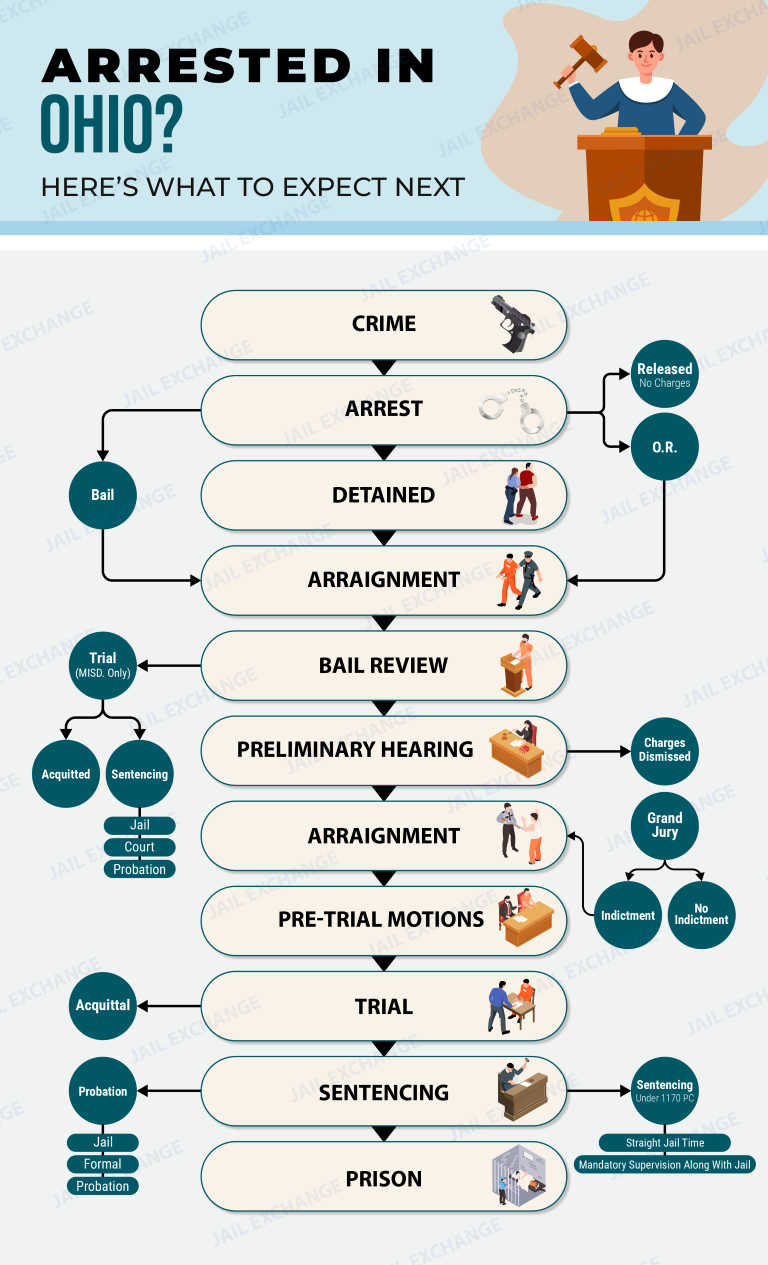
Information for this service is currently unavailable.

Access Secure Deposits (Smart Deposit) allows families and friends to securely transfer money directly into an incarcerated person's jail trust account using a debit or credit card. Deposited funds become immediately available for your loved one to purchase essential hygiene goods, over-the-counter medication, food items, and writing materials from the facility commissary.
Important: Inmate Banking Policies Vary by Facility
Once a person is booked and moved to a cell, facilities do not always allow cash drop-offs or phone payments directly to the jail. Some might and you should confirm this by calling the facility and asking. But if you do not register online and fund your loved one's trust account immediately, they may be forced to wait days or weeks for standard paper processing, leaving them without essential soap, clean undergarments, basic medical sundries or snacks.
Step-by-Step Instructions to Register and Access Service
- Obtain the inmate's legal first and last name, date of birth, and official six- to ten-digit Booking or Inmate ID number.
- Visit the official Access Corrections portal at www.accesscorrections.com or download the Access Corrections mobile app.
- Select the state and the exact detention facility or county jail where the inmate is currently housed.
- Add the inmate as a contact and confirm their identity from the facility roster.
- Enter your debit or credit card billing information, choose your deposit amount, review the facility processing fee, and submit your payment.
- Save and print your transaction confirmation number for verification.
What the Inmate Needs to Do
The inmate does not need internet access to receive your deposit. Once approved, the funds post directly to their facility account balance. The inmate can verify their balance at the dayroom kiosk or on their trust statement and start ordering items on the next designated commissary day.
Official Provider: Access Corrections / Keefe Group Official Website
Customer Service Telephone: 1-866-345-1884
Support Hours: 24/7/365
Supported Languages: English and Spanish
Other Services Provided by Access Corrections / Keefe Group
In addition to Access Secure Deposits (Trust Money), Access Corrections / Keefe Group provides several other communication, financial, and visitation services at participating correctional facilities:
- Digital Messaging & Photos: Send digital letters and pictures straight to the inmate's kiosk or tablet.
• Learn more on our website: Digital Messaging & Photos Guide | • Visit official vendor page: Access Corrections / Keefe Group Digital Messaging & Photos - Commissary Care Packages: Order pre-approved food boxes, thermal clothes, and snack bundles directly to the jail.
• Learn more on our website: Commissary Care Packages Guide | • Visit official vendor page: Access Corrections / Keefe Group Commissary Care Packages
Deposit Money for an Inmate in the Delaware County Jail
The Easiest and Securest Way of Depositing Money for an Inmate
There are several methods for depositing money on an inmate's account:
1. To send money online to an inmate in the Delaware County Jail use Access Corrections.

2. If you prefer to use your credit or debit card and deposit money over the phone, you can call them at 866-345-1884.
3. Some jails have an Access Corrections kiosk for cash or card deposits. Call the Delaware County Jail to ask whether it has one and where it is.
4. Access Corrections also has Kiosk machines that you can find in check cashing stores and retail outlets across the country.
5. The Delaware County Jail may also allow you to *mail an inmate a money order or cashier’s check from a trusted source such as the Post Office, a local bank, or Western Union. Ask the jail who the money order should be made out to and what to write on it. To confirm this option call the facility at 740-833-2840.
*When mailing a money order or cashier’s check, send it an envelope by itself. Never send it with a letter or photos for your inmate, unless the facility allows it. Never send personal checks or cash.
6. To ask whether the Delaware County Jail takes deposits in person, and when, call 740-833-2840.
The Delaware County Jail on U.S. 42 North in Delaware is run by the Delaware County Sheriff's Office. Mail still goes to the jail, but approved letters and photos are scanned on site and uploaded so the inmate reads them on the housing unit kiosks and tablets. The paper originals go into the inmate's property and are given back at release or transfer. Many jails now scan mail because some people mail in paper soaked with drugs that have dried on it.
Letters, photos, publications, legal mail and money orders:
Inmate's Full Name & Inmate ID#
Delaware County Jail
844 U.S. 42 North
Delaware, OH 43015
- The envelope: Use the inmate's first and last name. Your own name and return address must be on it, or the mail is not delivered.
- Photos: Up to 10 pictures per envelope, one envelope a day. Inappropriate photos are sent back.
- Articles: You may include up to 10 pages of magazine or news articles per envelope, per day.
- Cards and postcards: Fine as long as nothing is glued or attached and there is no glitter.
- Publications: Magazines and national newspapers must be mailed by the publisher to a named inmate. Local daily papers are not allowed, and a publication that arrives after the inmate leaves is thrown out.
- Books: Books, including spiral-bound ones, are not accepted and are returned to the sender.
- Returned to you: Packages, blank paper or envelopes, stamps, puzzle pages, notebooks, folders, painted, laminated or plastic items, gang material, soiled mail, cash and personal checks.
- Money orders: Mail one to the jail with the inmate's first and last name on it, and sign it as the sender. If you are unsure, call 740-833-2840 to confirm. You can also use an online deposit.
Electronic messages with photos are another option, and staff review them within about 48 hours.
ICSolutions provides secure inmate telecommunications systems that allow incarcerated individuals to place outbound telephone calls from housing pods to friends and family. Because correctional facilities do not accept incoming calls, establishing an AdvancePay prepaid account links funds directly to your 10-digit phone number so calls connect without carrier restrictions.
Important: Wireless Carriers Restrict Inmate Calls by Default
Major mobile cellular carriers do not permit traditional collect calls originating from correctional facilities. While some landlines might support direct monthly billing, mobile devices and internet-based telephone numbers require an active prepaid balance or funded debit account, which you can verify by checking with your provider. If you do not register online and fund an account right away, incoming calls from your loved one will automatically fail to ring through to your phone.
Step-by-Step Instructions to Register and Fund an Account
- Visit www.icsolutions.com or call customer support at 1-888-506-8407.
- Click Create an Account and register using your primary 10-digit telephone number and email address.
- Select the state and facility where the inmate is currently detained.
- Link the inmate to your profile using their full legal name and booking ID number.
- Select Prepaid Collect to link funds to your phone number, or choose Debit Telephone to provide the inmate funds to call any approved number.
- Select your deposit amount and complete payment using a credit or debit card.
- Check your mobile phone settings to ensure unknown or automated numbers are not routed directly to spam.
What the Inmate Needs to Do
The inmate dials your 10-digit number from any dayroom phone and enters their assigned PIN. The automated system verifies that your phone number has an active prepaid balance and prompts you to accept the call. All non-privileged conversations are recorded and monitored by the facility.
Official Provider: ICSolutions Official Website
Customer Service Telephone: 1-888-506-8407
Support Hours: 24 hours a day, 7 days a week, 365 days a year
Supported Languages: English and Spanish
Other Services Provided by ICSolutions
In addition to AdvancePay Prepaid Calling Accounts, ICSolutions provides voicemail and video visitation services at participating facilities:
- Inmate Voicemail Services: Leave one-way voice messages that your loved one can listen to on dayroom phones.
• Learn more on our website: Inmate Voicemail Guide | • Visit official vendor page: ICSolutions Voicemail - Remote Video Visitation: Schedule and join live video visits from home using your computer or smartphone.
• Learn more on our website: Video Visitation Guide | • Visit official vendor page: ICSolutions Video Visits - Access Secure Deposits (Partner Trust Transfers): Deposit trust money into an inmate's account via Keefe Group partner networks.
• Learn more on our website: Inmate Trust Deposits Guide | • Visit official vendor page: Access Corrections Trust Deposits
ICSolutions Inmate Voicemail allows family members and approved contacts to leave a private, recorded voice message for an incarcerated individual. Because outside callers cannot phone an inmate directly, this one-way voice messaging feature ensures critical family updates and legal news reach your loved one even when you cannot be near your telephone to answer live calls.
Important: Voicemail Feature Availability Varies by Facility
Inmate voicemail is not enabled at every correctional facility contracted with ICSolutions. Jails determine whether to offer voicemail services based on local security protocols and monitoring capabilities, which you should confirm with the facility directly. If your loved one's detention center does not support voicemail, you must set up an AdvancePay calling account so they can reach you directly during dayroom phone hours.
Step-by-Step Instructions to Leave an Inmate Voicemail
- Log into your existing profile at www.icsolutions.com or dial 1-888-506-8407.
- Confirm that your loved one's detention facility supports the voicemail feature.
- Dial the facility's dedicated ICSolutions voicemail access telephone number provided on your dashboard.
- Follow the automated voice prompts and enter the inmate's booking identification number.
- Record your personal voice message (typically up to 3 minutes in length).
- Accept the call charges using funds from your prepaid account balance or a credit card.
What the Inmate Needs to Do
When the inmate logs onto any housing unit telephone using their assigned PIN, the automated system notifies them that a new voicemail is waiting in their queue. The inmate follows the audio prompts to play the recording. All messages are subject to monitoring and recording by correctional staff.
Official Provider: ICSolutions Official Website
Customer Service Telephone: 1-888-506-8407
Support Hours: 24 hours a day, 7 days a week, 365 days a year
Supported Languages: English and Spanish
Other Services Provided by ICSolutions
In addition to Inmate Voicemail Services, ICSolutions operates live calling and video visitation options:
- AdvancePay Prepaid Calling Accounts: Prepay for phone calling minutes so your loved one can call your telephone directly.
• Learn more on our website: AdvancePay Calling Guide | • Visit official vendor page: ICSolutions Prepaid Calling - Remote Video Visitation: Schedule and join live video visits from home using your computer or smartphone.
• Learn more on our website: Video Visitation Guide | • Visit official vendor page: ICSolutions Video Visits - Access Secure Deposits (Partner Trust Transfers): Deposit trust money into an inmate's account via Keefe Group partner networks.
• Learn more on our website: Inmate Trust Deposits Guide | • Visit official vendor page: Access Corrections Trust Deposits
GettingOut / ViaPath Inmate Messaging
Provider: GettingOut (Telmate) • Rebranding as ViaPath Technologies (myViaPath)

GettingOut (a service of Global Tel*Link / Telmate) provides an instant two-way digital messaging and photo-sharing platform connecting families with incarcerated individuals via housing-unit kiosks and handheld tablets. The provider is actively rebranding as ViaPath Technologies (under the myViaPath platform); depending on the facility contract, local booking sheets and tablets may still refer to the service as GettingOut, GTL, or ViaPath, but both brand portals grant access to the same centralized messaging balance.
Important: Contact Authorization and Digital Mail Rules Vary
Inmate digital messaging rules are not uniform across all county detention centers. While some jails allow immediate two-way messaging upon registration, others require initial contact invitations or administrative ID verification, which you should verify directly with the facility. If you delay setting up an online profile and funding your Friends & Family messaging account, your loved one may face lengthy periods without direct family communication.
Step-by-Step Instructions to Register and Message an Inmate
- Visit www.gettingout.com or the newly branded my.viapath.com portal, or install the GettingOut / myViaPath mobile app.
- Create a user profile using your primary email address and 10-digit mobile phone number.
- Complete identity verification by uploading a clear photo of your government-issued driver's license or state ID and taking a verification selfie if requested.
- Search for the inmate by selecting the state, correctional facility, and their legal name or booking ID.
- Send an outside contact connection request to link your account to their tablet profile.
- Deposit funds into your 'Friends & Family Account' using a debit or credit card to cover message and photo-sharing costs.
- Compose your text message in the chat box, attach approved photos, and submit it for jail screening.
What the Inmate Needs to Do
The inmate powers on their assigned pod tablet or approaches a housing-unit kiosk and logs into the messaging application with their PIN. They accept your incoming contact invitation on the screen. Once approved by institutional monitors, incoming messages appear in their inbox, and the inmate types a reply directly on the screen.
Official Providers: GettingOut Website | myViaPath Portal
Customer Service Telephone: 1-866-516-0115 (GettingOut Support) • 1-877-650-4249 (ViaPath Support)
Support Hours: Monday – Friday, 7:00 AM – 11:00 PM CST; Saturday – Sunday, 8:00 AM – 7:00 PM CST
Supported Languages: English and Spanish
Other Services Provided by GettingOut / ViaPath
In addition to Two-Way Text Messaging, GettingOut and ViaPath provide several other communications and visitation options:
- Remote Video Visits: Schedule and join live web-based video visits from your computer or smartphone.
• Learn more on our website: Video Visitation Guide | • Visit official vendor page: GettingOut Video Visits - Inmate Tablet Rentals & Media: Fund tablet entertainment, music streaming, games, and news modules.
• Learn more on our website: Tablet Rentals & Content Guide | • Visit official vendor page: GettingOut Tablets - AdvancePay Phone Calling: Prepay for telephone calls so your loved one can dial your mobile phone directly.
• Learn more on our website: AdvancePay Phone Calling Guide | • Visit official vendor page: ViaPath ConnectNetwork Calling - Inmate Trust Deposits: Transfer funds directly into their jail trust account for commissary store purchases.
• Learn more on our website: Inmate Trust Deposits Guide | • Visit official vendor page: ViaPath Trust Deposits
GettingOut / ViaPath Inmate Tablets & Media
Provider: GettingOut (Telmate) • Rebranding as ViaPath Technologies (myViaPath)GettingOut provides specialized, secure handheld tablets for county jail inmates, offering access to messaging apps, telephone calling, legal research tools, eBooks, vocational training, and premium entertainment rentals. As part of GTL and Telmate's transition to ViaPath Technologies, tablet firmware and management platforms are moving to the myViaPath system.
Important: Tablet Feature Availability Varies by Facility
Jails manage tablet distribution according to individual facility contracts. While basic educational and legal materials are often provided without cost, access to music streaming, games, podcasts, and premium movies requires an active funded account. You should confirm the tablet rules with the facility directly. Registering and funding their media balance right away ensures your loved one has productive resources and recreation during their stay.
Step-by-Step Instructions to Fund Inmate Tablet Services
- Confirm that GettingOut / ViaPath handheld tablets are active at your loved one's specific detention facility.
- Navigate to www.gettingout.com or my.viapath.com.
- Sign into your verified user profile and link the inmate's legal name and booking ID number.
- Select Make a Deposit and choose either your Friends & Family Account (for messaging) or the inmate's personal Inmate Account (for entertainment and song rentals).
- Choose your deposit amount, review convenience fees, and complete payment with a credit or debit card.
- Notify your loved one that their tablet account balance has been funded.
What the Inmate Needs to Do
The inmate unlocks their assigned tablet or signs one out from the pod charging station using their biometric verification or PIN. Once logged in, their available balance appears on the screen, allowing them to download songs, stream educational content, and communicate with approved family members.
Official Providers: GettingOut Website | myViaPath Portal
Customer Service Telephone: 1-866-516-0115 (GettingOut) • 1-877-650-4249 (ViaPath)
Support Hours: Monday – Friday, 7:00 AM – 11:00 PM CST; Saturday – Sunday, 8:00 AM – 7:00 PM CST
Supported Languages: English and Spanish
Other Services Provided by GettingOut / ViaPath
In addition to Tablet Media & Rentals, GettingOut and ViaPath provide several other communication and account services:
- Two-Way Text Messaging: Send electronic letters and photos straight to the inmate's screen.
• Learn more on our website: Two-Way Text Messaging Guide | • Visit official vendor page: GettingOut Messaging - Remote Video Visits: Meet face-to-face over secure live video from home.
• Learn more on our website: Video Visitation Guide | • Visit official vendor page: GettingOut Video Visits - AdvancePay Phone Calling: Prepay for phone calling credits so your loved one can call your telephone directly.
• Learn more on our website: AdvancePay Phone Calling Guide | • Visit official vendor page: ViaPath ConnectNetwork Calling - Inmate Trust Deposits: Transfer cash directly into an inmate's jail ledger for commissary purchases.
• Learn more on our website: Inmate Trust Deposits Guide | • Visit official vendor page: ViaPath Trust Deposits
Nearby counties
- Jail (Main): 740-833-2840
- Court of Common Pleas: 740-833-2530
- Municipal Court: 740-203-1550
- Sheriff: 740-833-2800
The Delaware County Jail serves the following cities and towns of Delaware County: Delaware, Dublin, Galena, Lewis Center, Ostrander, Powell, Sunbury and Westerville.