
Lake County Adult Detention Facility
Lake County Adult Detention Facility
Jail Phone Number
440-350-5601Lake County Inmate Search: Locating Someone Held on East Erie Street
After an arrest in Mentor, Eastlake, Madison or any other town here, adults who are not released go to the Lake County Adult Detention Facility, 104 East Erie Street, Painesville, OH 44077. The Sheriff runs it. Both men and women are held there, and the work release program is based in the same building. Mentor police also run a city holding jail. Read on to find a person, check mugshots, post bond, visit, write and send money.
The Sheriff's jail roster is a set of files you download and open. The daily list is a big PDF that is refreshed each morning around 7 a.m. Open it, then search it for the last name with your phone or computer's find tool. Release lists for this year and past years sit on the same page, which helps if you think the person is already home.
Call the jail at 440-350-5601. Read the last name slowly, letter by letter, then give the birth date. Then ask: is the person on Erie Street, what charge was logged at booking, and has any bond been set so far? Our bail and bond guide covers each way to get someone out, and our court guide explains which of the county's three municipal courts takes the case.
Read inmate search answers
 Read inmate search answers
1. Lake County roster PDFs: how do I search them?
The roster comes as files, so finding a name takes a few taps. Here is the quick route:
- Open the Sheriff's jail roster page.
- Tap the newest daily file. These PDFs are large, so Wi-Fi loads them faster. Some lists also come as Excel sheets.
- On a laptop, hold Ctrl and tap F. Phones keep the same tool in the browser's menu, usually under Find in Page.
- Search the surname first. No hit? Search a first name, an old married name or a nickname instead.
- Think they were let out? Open this year's release file and search it the same way.
Someone booked after the morning refresh may not show until the next day. For a fresh arrest, phone Jail Records at 440-350-5509 and ask if the person came in.
↑ Back to the question list2. No match on the daily list: what next?
An empty search is normal in a few cases:
- Booked after 7 a.m. The daily file only shows people who were inside when it was made.
- Still with city police. A department may hold someone in its own cells for a short time. Mentor runs a city jail at 8500 Civic Center Boulevard, Mentor, OH 44060, 440-974-5757.
- Already out. They may have left with a ticket, posted bond, or been released on their own word to show up for court.
- Arrested in a neighboring county. That county's own Sheriff will most likely have custody.
- Under 18. Teens go to the juvenile detention center, never the adult jail.
Jail Records can sort it out at 440-350-5509. Its alternative number is 440-350-5956.
↑ Back to the question list3. Which lockup is holding my loved one?
Two adult jails work inside the county. Each one has a different job:
- Adult Detention Facility, 104 East Erie Street, Painesville, OH 44077, 440-350-5601. This is the main jail, run by the Sheriff's Corrections Division. It opened in 1990 with room for 353 beds. It holds men and women (about 95 women on an average day) who are waiting for court, serving a local sentence or waiting for a ride to state prison. Its work release program is run from inside this building too.
- Mentor City Jail, 8500 Civic Center Boulevard, Mentor, OH 44060, 440-974-5757. The Corrections Unit of Mentor police runs this holding jail for the city.
Other city departments may keep a new arrest in a holding cell briefly. Anyone who stays in custody is then moved to Erie Street in the county seat.
↑ Back to the question list4. Are Lake County mugshots on the roster?
The roster files are big, and staff can tell you if a booking photo may be shared. For mugshots from the county jail, phone the Sheriff's Office at 440-350-5620. If Mentor officers made the arrest, ask Mentor police at 440-255-1234 as well.
- A request for jail paperwork from the Painesville jail goes by the state's open-records law (R.C. 149.43).
- A site that charges to pull a mugshot down commits a first-degree misdemeanor, and the person in the photo can sue for no less than $10,000 (R.C. 2927.22).
- ICE booking photos go through a FOIA request on the agency's records request page.
- The FBI and other federal agencies do not hand out booking pictures. The U.S. Marshals Service is the exception, and it may put one out while it hunts a fugitive.
5. Can VINE text me when they're released?
Ohio VINE is free, from the state Attorney General. Type a name and it shows custody status plus the facility's name. Coverage spans Ohio's county jails, plus ODRC prisons and DYS youth centers. Once you enroll, VINE contacts you (voice, text or email) when the person is freed or transferred, and also after an escape or a death.
- Go to VINELink or phone 800-770-0192, open day and night.
- Search by name and choose the right person.
- Add your contact details to start alerts. Nothing arrives unless you enroll.
Alerts can lag a little. Before you drive to Painesville for a pickup, ring the jail at 440-350-5601 to make sure.
↑ Back to the question list6. Bond after a Lake County arrest: who sets it?
Ohio's release statute, R.C. 2937.011, has the judge choose the mildest rules that bring the person back for each hearing, guard public safety and keep the case from being blocked. Here is how that plays out locally:
- Misdemeanors. Each court keeps a bail schedule. Mentor and Painesville share one list. Willoughby's list starts most misdemeanors at release on a written promise.
- Paying at the jail. This works only for a brand-new misdemeanor arrest in a Painesville or Willoughby Municipal Court case, or a Timberlake police arrest, when an officer set a cash bond. Call the bond line at 440-350-5602 before you go to 104 East Erie Street, Painesville, OH 44077.
- After a judge sees them. Bond is then paid at the court. Willoughby Municipal Court, 4000 Erie Street, Willoughby, OH 44094, 440-953-4150, takes cash or a credit card from 8 a.m. to 4 p.m. After 4 p.m., its bonds go to the arresting police department.
- Felonies. A judge or magistrate always decides felony bail. That happens at a hearing held within two court days.
- 10 percent bond. Put down a tenth of the bail in cash. Keep every condition until the case is over, and the court hands back nine-tenths of that deposit.
- Bail agents. Ohio's Department of Insurance must license any surety agent who writes the bond, and the agent can charge only a premium the state okayed. Questions about an agent go to 800-686-1526.
Our bail guide has the schedule amounts and each bond type. For Ohio's rules in general, see our state bail law page.
↑ Back to the question list7. Who can tell me the full list of charges?
Erie Street jail staff can name the booking charge. For the official wording, go to the court file, and pick the office by the level of the case:
- Misdemeanor files and early felony hearings belong to the municipal court that covers the arrest location. Painesville Municipal Court, 7 Richmond Street, Painesville, OH 44077, 440-392-5900. Mentor Municipal Court, 8500 Civic Center Boulevard, Mentor, OH 44060, 440-974-5744 (choose option 4). Willoughby Municipal Court, 4000 Erie Street, Willoughby, OH 44094, 440-953-4150.
- Felonies after indictment go up to Common Pleas. For those files, call the Clerk of Courts and ask for Legal: Courthouse West Annex, 25 North Park Place, Painesville, OH 44077, 440-350-2657, open weekdays 8 a.m. to 4:30 p.m.
- Who decides the felony charges is the Prosecuting Attorney, 105 Main Street, Suite C104, Painesville, OH 44077, 440-350-2683. City prosecutors handle most misdemeanors.
8. Can the county Public Defender take the case?
The county's Public Defender office takes cases for adults who can't pay and who face possible jail or prison time. It also helps eligible teens in Juvenile Court.
- Office: 100 West Erie Street, Painesville, OH 44077, 440-350-3200. Callers from the Cleveland area can use the alternative number 440-918-3200.
- Speak up at arraignment. The person tells the judge, in plain words, that they need a free lawyer. Next comes a sworn financial affidavit listing income and assets.
- Who qualifies is the court's call. It looks at income, household size and property. Ohio allows a fee of up to $25, which the court can waive.
- A conflict, like already representing a co-defendant, means the court appoints a private attorney instead.
Asking early matters. A lawyer at the bond hearing can argue for lower bail or release.
↑ Back to the question list9. Which days are visits for men and for women?
In-person visits happen at 104 East Erie Street, Painesville, OH 44077. Men and women have different days:
- Men: Monday, Tuesday, Thursday and Friday from 1 to 2:30 p.m. and 6 to 8 p.m. Sunday from 8 to 10:30 a.m., 1 to 2:30 p.m. and 6 to 8 p.m.
- Women: Wednesday from 1 to 2:30 p.m. and 6 to 8 p.m. Saturday from 8 to 10:30 a.m., 1 to 2:30 p.m. and 6 to 8 p.m.
- A visit lasts 15 minutes, and each person inside gets two a week.
- Visitors show a driver's license or a state ID. Passports are refused.
- Visitors must be 18 or older. Kids need an adult with them. Minor children may visit after the person has been held 60 days, on Saturdays from 8 a.m. to noon.
Video visits run daily from 8 to 10 a.m., 11 a.m. to 2:45 p.m. and 4 to 11:30 p.m. through GTL ConnectNetwork, on its website or app. Its help line is 800-483-8314. Questions about a visit go to the jail at 440-350-5503, weekdays 7 a.m. to 4 p.m. First-time visitors may find our visiting guide useful.
↑ Back to the question list10. Kiosk or money order: how is money added?
Money on an account lets the person order from commissary on a jail tablet. There are two ways to add it:
- Lobby kiosk. Kiosks sit in the front lobby of the jail at 104 East Erie Street, Painesville, OH 44077.
- Money order by mail. Mail it to that same Erie Street address, never to the Florida mail box. Personal checks are turned back.
The tablet also shows the balance. For limits or fees, call 440-350-5503. For deposit options in general, open our money guide. Snack and supply buying is explained in our commissary guide. Cash should never travel by mail to Erie Street.
↑ Back to the question list11. Collect calls, prepaid calls and tablets: what works?
People inside can make collect calls from 8 a.m. to 10:45 p.m. Families can also open a prepaid account. The jail's family FAQ points to GTL for prepaid calls (800-483-8314), while the corrections page names SmartInmate as the phone service. Ask the jail which one to use today.
- Tablets carry scanned mail, account balances and commissary orders.
- Staff will not pass along messages unless there is an emergency they can check.
- To block calls from the jail, call 440-350-5602.
Expect calls to be recorded, and save case details for private time with the defense lawyer. Our jail calls guide and our inmate texting guide cover the basics.
↑ Back to the question list12. Where do letters and postcards get mailed?
Personal letters and postcards are scanned and shown on the jail tablets. Do not send them to Painesville. Use this address:
- Person's full name and ID number
- The Lake County Adult Detention Facility, PO Box 9137, Seminole, FL 33775-9137
Legal mail, court papers and commissary money orders go to the jail itself at 104 East Erie Street, Painesville, OH 44077. If you need the ID number, phone 440-350-5503. Put your return address on every envelope. Our mail guide has wider tips.
↑ Back to the question list13. How is their property released to family?
Belongings logged at booking are boxed up on Erie Street until the person leaves. For a relative to pick it up, the person inside must name them on an Inmate Transaction and Request Form. Phone 440-350-5601 to ask when to come to 104 East Erie Street, Painesville, OH 44077.
- When someone heads to state prison, their things have to be collected within 30 days.
- The jail takes in only two things from families: prescription medicine in its original bottle, and one set of clothes for trial.
14. Health worries: how do I reach jail medical staff?
Ring the jail at 440-350-5601 and say you need to reach medical. Explain the condition. List every prescription and dose. Have the prescribing doctor's office number handy too.
- Medicine from home is taken only as a prescription in its original bottle.
- Urge the person to send a written medical request from inside.
- Mention any suicide risk or mental health crisis before anything else.
For a life-threatening emergency, dial 911.
↑ Back to the question list15. Is a Lake County warrant out for someone?
Countywide, Sheriff's deputies handle warrant arrests, and Mentor or other city officers may also pick people up inside their limits. The Sheriff's Warrant Division answers 24 hours at 440-350-5620, and Mentor police take calls at 440-255-1234. Browse the Sheriff's Most Wanted page, or ask at the jail's Information window, 104 East Erie Street, Painesville, OH 44077, with a photo ID. To check a felony case, call the Clerk of Courts at 440-350-2657. For a misdemeanor, call the municipal court for the town. Clearing a warrant? Bring in a defense lawyer, and then phone the issuing court to sort out a surrender or a new hearing. The Clerk's office sits at 25 North Park Place, Painesville, OH 44077.
↑ Back to the question list16. Which clerk can give the next court date?
Each case gets its dates from its own court. Phone that court's clerk:
- Painesville Municipal Court, 7 Richmond Street, Painesville, OH 44077, 440-392-5900. It serves the east side: Painesville city and township, Concord Township, Leroy Township, Madison Township and Perry Township, plus the villages of Grand River, Perry, North Perry, Madison and Fairport Harbor.
- Mentor Municipal Court, 8500 Civic Center Boulevard, Mentor, OH 44060, 440-974-5744, for arrests in Mentor-on-the-Lake or Mentor.
- Willoughby Municipal Court, 4000 Erie Street, Willoughby, OH 44094, 440-953-4150. Its area is Willoughby, Eastlake, Wickliffe, Willowick, Willoughby Hills, Kirtland, Kirtland Hills, Lakeline, Timberlake and Waite Hill.
- Court of Common Pleas (General Division), 47 North Park Place, Painesville, OH 44077, 440-350-2720. Felony dates come from the Clerk of Courts, 440-350-2657.
A local ticket in Fairport Harbor, Grand River, Madison village or Willoughby Hills may go to a mayor's court instead. Our court guide lists those courts and walks through each step.
↑ Back to the question list17. Where does a federal case from Lake County go?
Federal charges from Painesville, Mentor or any other town here are filed in Ohio's Northern District federal court. Painesville-area cases go to Carl B. Stokes U.S. Court House, 801 West Superior Avenue, Cleveland, OH 44113, 216-357-7000.
- A detention hearing comes early (18 U.S.C. 3142). There, a magistrate judge chooses between pretrial release with conditions and staying locked up.
- While the case is open, custody belongs to the U.S. Marshals Service, which houses people in jails under contract with it. The Marshals office can say which jail: 801 West Superior Avenue, Suite 1200, Cleveland, OH 44113, 216-522-2150.
- With no money for counsel, the person may get the Federal Public Defender, 1660 West Second Street, Suite 750, Cleveland, OH 44113, 216-522-4856.
- After a sentence, search the BOP's federal inmate locator. Entering the register number is the fastest way.
18. ICE filed a detainer at Erie Street. Now what?
An immigration hold usually unfolds in four steps:
- The process starts when ICE serves the Erie Street jail with Form I-247A, its detainer.
- Jail staff may then hold someone for up to 48 hours after they would otherwise be released (8 CFR 287.7(d)). That gives ICE time to take custody.
- ICE's Detroit Field Office covers Ohio: 985 Michigan Avenue, Suite 207, Detroit, MI 48226, 313-771-6601. The nearest ICE office is 925 Keynote Circle, Brooklyn Heights, OH 44131, 216-749-9200.
- Look the person up on the ICE Online Detainee Locator. Type an A-number there, or else the person's full name and the nation of birth.
The Sheriff's Office has had a 287(g) agreement with ICE since 2025, under the task force model. For what that means in one case, ask the Sheriff's Office at 440-350-5620.
↑ Back to the question list19. Was the person moved to an Ohio prison?
The move to state prison may not happen right away. Until then, the person may stay in the Painesville jail. Ohio's Department of Rehabilitation and Correction (ODRC) first places new arrivals in a reception center. Staff there decide the security level and then send the person to a prison that fits.
- Type a last name into the ODRC offender search. Results include people inside state prisons and people under ODRC supervision.
- Each prison's visit and mail rules: see the Ohio state prisons guide on our site.
- To learn when the transfer is planned, call the jail at 440-350-5601.
20. What if a teenager was arrested in Lake County?
Anyone under 18 is held on the youth side, run by the Juvenile Court, and never with adults. For a teen kept in detention, the court must act fast. Ohio gives the court 72 hours at most. If a court session falls before the 72 hours run out, the hearing happens by that session. With no hearing, the teen is released to a parent (Juv.R. 7; R.C. 2151.314).
- Juvenile Detention Center, 53 East Erie Street, Painesville, OH 44077, 440-350-3120.
- The Juvenile Court shares that building. Its main line is 440-350-3000.
- Family visits are Wednesday 6 to 7:30 p.m., Saturday 9 to 10:30 a.m. and Sunday 6 to 7:30 p.m., once the probation officer approves.
The county Public Defender can represent a teen whose family qualifies.
↑ Back to the question list21. Which town's police department arrested them?
First get the case number from whoever made the arrest. Here are the agencies and their non-emergency lines:
- Sheriff's Office, 104 East Erie Street, Painesville, OH 44077. General office and road patrol, 24 hours: 440-350-5620. Non-emergency dispatch: 440-354-4317.
- Eastlake Police (also serves Lakeline), 35150 Lakeshore Boulevard, Eastlake, OH 44095, 440-951-1400
- Fairport Harbor Police, 220 Third Street, Fairport Harbor, OH 44077, 440-352-3620, alternative number 440-352-3150
- Grand River Police, 205 Singer Avenue, Grand River, OH 44045, 440-352-1287
- Kirtland Police, 9301 Chillicothe Road, Kirtland, OH 44094, 440-256-3336
- Kirtland Hills Police, 8026 Chillicothe Road, Kirtland Hills, OH 44060, 440-974-9090
- Madison Township Police, 2065 Hubbard Road, Madison, OH 44057, 440-428-2116
- Madison Village Police, 440-428-3421
- Mentor Police, 8500 Civic Center Boulevard, Mentor, OH 44060, non-emergency 440-255-1234, records 440-974-5762
For an arrest in Willoughby, Painesville, Wickliffe, Willowick, Willoughby Hills, Mentor-on-the-Lake, Perry, North Perry, Timberlake or Waite Hill, call Sheriff's dispatch and ask to be put through to that town's police. A trooper arrest comes from the Ohio State Highway Patrol post for the county. Pick it from the patrol post finder.
↑ Back to the question listLake County bail and bond: Painesville jail, three municipal courts and a published bond schedule
Most adults picked up in Lake County end up at the Lake County Adult Detention Facility, 104 East Erie Street, Painesville, OH 44077. The Sheriff runs it, and the front desk number is 440-350-5601. Mentor officers may keep someone at the Mentor Municipal Jail for a short stay first. Read on to see how the Mentor, Painesville and Willoughby courts set bond amounts.
Wondering whether your relative is inside? Open the Sheriff's jail roster. It is a set of files that gets refreshed early each morning, so check the newest one for the full name. Our Lake County Inmate Search page also covers fresh arrests, charges and how to collect personal items.
Next, ring the jail's bond line at 440-350-5602. Ask how much the bond is and whether you can pay it at the jail or must go to a court. Once a judge has seen the case, the money is usually paid at that court's window. Our guide to the local courts shows where each one sits.
1. Is my person at the Lake County detention facility?
Search the name on Lake County Inmate Search. A record there means the person was booked, and it shows the bond when one is set.
For anything the search leaves open, call the detention facility at 440-350-5601. The jail records office, at 440-350-5509, can help with booking paperwork and with which court has the case.
↑ Back to the question list2. Where is the jail and who runs it?
The facility is at 104 E. Erie Street, Painesville, OH 44077, in the same complex as the Sheriff's headquarters. The Sheriff's Office runs both. The Sheriff's main office line is 440-350-5620.
The Warrant Division answers that same number around the clock, which helps if you need to ask about a warrant at night.
↑ Back to the question list3. What if city police arrested my son in Mentor or Willoughby?
Ask the arresting department where he is being held and for the case number. Lake County has several city departments, and a person can be moved from a city station to the county facility in Painesville.
Once he is booked there, Lake County Inmate Search shows him. If the charge is a misdemeanor, the Mentor, Painesville or Willoughby Municipal Court will handle it.
↑ Back to the question list4. Which court has my case?
Lake County has three municipal courts: Mentor, Painesville and Willoughby. Misdemeanors and traffic charges go to the court that covers the place of the arrest. Felonies go to the Lake County Common Pleas Court in Painesville.
If you do not know which court has the case, ask the jail records office at 440-350-5509. The Clerk of Courts, at 440-350-2657, can help with felony files.
↑ Back to the question list5. Is there a bond schedule, and what are the amounts?
Yes. The Mentor and Painesville Municipal Courts publish a uniform bond schedule. Personal bail is the default rule for ordinary misdemeanors. Where an officer or prosecutor thinks a personal bond is not enough, the schedule sets money bail by degree of offense.
For a Lake, Cuyahoga, Geauga or Ashtabula County resident, a first-degree misdemeanor is $5,000 and a second-degree misdemeanor $3,500, with 10 percent, cash or surety allowed. Third- and fourth-degree misdemeanors are $1,750 and $1,500 on personal recognizance. People from other Ohio counties face $5,000, $5,000, $3,500 and $2,500 for the four degrees, and out-of-state residents face $10,000, $7,500, $5,000 and $5,000.
↑ Back to the question list6. What is bail for drunk driving here?
The Mentor and Painesville schedule sets OVI bail by number of offenses. A first offense is $5,500, a second $7,500 and a third $10,000. A fourth offense is $10,000 unless it is a felony within ten years, and a fifth is $20,000 on the same felony exception.
Each can be met with a 10 percent deposit, cash or a surety bond, and a judge may order something else.
↑ Back to the question list7. Which charges never get the schedule amount?
A judge or magistrate sets bail for all felonies, domestic violence and other violent offenses against a family or household member, violations of a protection order, failure to appear and bench warrants. The same goes for menacing and stalking-type offenses when there is a protection order or a prior conviction involving the same victim.
In those cases the person stays in custody until a judge acts, usually within two court days (R.C. 2937.011).
↑ Back to the question list8. How does Willoughby Municipal Court handle bail?
Willoughby adopted a schedule with no money amounts. Its default for misdemeanors, including misdemeanor OVI, physical control and driving under suspension, is release on personal recognizance, though a monitor such as SCRAM may be ordered at arraignment.
It holds people for bond on felonies, domestic violence, protection order violations and cases with no-contact conditions. Warrants and probation violations are sent to the warrant process.
↑ Back to the question list9. Where do I actually pay bond?
Pay through the court that set the bond. The Mentor and Painesville schedule allows a surety bond in place of cash only when the court's clerk has approved the surety.
Before you travel, ask the jail records office at 440-350-5509 which court office takes the payment and what hours it keeps. Ohio municipal and county courts must allow bail by credit card (R.C. 2937.011).
↑ Back to the question list10. How do 10 percent and surety bonds differ?
Under Ohio law (R.C. 2937.011), the defendant may post a bond secured by a cash deposit of 10 percent of the amount, and the court returns 90 percent when all conditions are met. A surety bond is posted by a licensed bail agent for a fee.
Ohio agents must charge the rate filed with the state (R.C. 3905.93), cannot demand a deed to your property, and cannot solicit at courthouses or the jail.
↑ Back to the question list11. How soon will a judge hear my person's case?
Expect the first bail hearing within two court days of the arrest (R.C. 2937.011). A person with no lawyer who is still held gets a second hearing two court days later, with appointed counsel for those who cannot pay.
A person arrested on a Friday may wait until Tuesday if Monday is a court holiday.
↑ Back to the question list12. Can bail be denied altogether?
Yes, in a narrow set of cases. Article I, section 9 of the Ohio Constitution permits it for a capital offense, or for a felony with strong proof where the person is a substantial risk of serious physical harm.
A hearing under R.C. 2937.222 comes first, and the proof must be clear and convincing that no release terms would protect the public.
↑ Back to the question list13. Where do I find a free lawyer?
The Lake County Public Defender is at 100 W. Erie Street, Painesville, OH 44077. The local number is 440-350-3200, and the toll-free line is 800-899-5253, then extension 13283.
Ask for appointed counsel at the first hearing if the family cannot afford a lawyer.
↑ Back to the question list14. What if the person arrested is a juvenile?
Lake County runs its own juvenile detention center, and the juvenile court decides whether a young person is held.
To find out whether a child is held, call the Sheriff's Office at 440-350-5620. The Juvenile Court can then give you the hearing date.
↑ Back to the question list15. What happens when someone skips court?
The judge can forfeit the bond and issue a warrant. A person who skips court can face added punishment under Ohio law (R.C. 2937.011).
A family member who posted the money keeps a say: R.C. 2937.40 bars the court from applying it to the defendant's costs without that approval.
↑ Back to the question list16. Can a federal arrest be found on the county search?
Not there. Federal custody is searchable through the Bureau of Prisons locator.
Anyone serving a state prison term is in Ohio Department of Rehabilitation and Correction records, not the county jail's.
↑ Back to the question list17. Lake County bail contacts
- Jail: Lake County Adult Detention Facility, 104 E. Erie Street, Painesville, OH 44077; 440-350-5601; jails and bond help
- Bond guide: Lake County bail and bond instructions
- Custody lookup: Lake County Inmate Search
- Jail records: 440-350-5509
- Sheriff's office: Main line and Warrant Division, 24 hours: 440-350-5620
- Municipal courts: Mentor, Painesville and Willoughby Municipal Courts; ask jail records which court has the case
- Clerk of Courts: Common Pleas, 440-350-2657
- Public defender: 100 W. Erie Street, Painesville, OH 44077; 440-350-3200
Schedule amounts, fees and hours can change, and a judge can order a different bond. Contact the jail or the court before you send money. Treat this page as general information. It is not legal advice.
↑ Back to the question listLake County Bail & Bond Information

- Bonds are set by the court.
- Call 440-350-5602 to find out a particular bond amount and if it may be posted at the jail.
- You may be directed to the court or the arresting agency.
- You can only bond out an inmate that has been arrested on a fresh charge of a Misdemeanor through Painesville Muni, Willoughby Muni or Timberlake Police Department f a cash bond has been set by the arresting officer.
- Once an inmate appears before the Judge of the said courts you must pay the bond at the courthouse that is handling the case.
Click here for The Painesville Municipal Court Bond Amounts
Click here for the Case Search
Visit someone at the Lake County Adult Detention Facility
Visits at the jail
Go to 104 East Erie Street, Painesville, OH 44077. Call 440-350-5601 to confirm the person's visiting schedule before traveling. Bring a driver's license or state ID; the jail does not accept passports. Check in at least 15 minutes before the window closes.
- Men, Monday, Tuesday, Thursday and Friday: 1–2:30 p.m. and 6–8 p.m.
- Men, Sunday: 8–10:30 a.m., 1–2:30 p.m. and 6–8 p.m.
- Women, Wednesday: 1–2:30 p.m. and 6–8 p.m.
- Women, Saturday: 8–10:30 a.m., 1–2:30 p.m. and 6–8 p.m.
All times are Eastern. The Sheriff allows two 15-minute visits per week, or one 30-minute visit if the person in custody combines them. Regular visitors must be 18 or older. The jail may approve a separate non-contact visit for a person's minor child after 60 consecutive days in custody, normally on Saturday from 8 a.m. to noon with an adult immediate family member accompanying the child. Call first to arrange it.
Video from home
The Sheriff's corrections report identifies SmartInmate for video through tablets in the housing units. Ask the jail which remote option applies before adding funds and check any price in the service you use. The on-site hours above do not set the home-video schedule.
See the Sheriff’s visiting rules.
GettingOut / ViaPath Remote Video Visits
Provider: GettingOut (Telmate) • Rebranding as ViaPath Technologies (myViaPath Visits)

GettingOut Video Visitation allows friends and family members to conduct live, face-to-face video visits with incarcerated loved ones using a personal computer, laptop webcam, or the mobile application. Telmate and GTL operate under ViaPath Technologies, and the visiting service is transitioning from GettingOut Visits to myViaPath Visits; users may encounter either brand name depending on whether their county jail has completed the platform update.
Important: Advance Background Clearance Required
Detention centers do not permit unapproved drop-in video visitation. All visitors must submit valid government photo identification and pass administrative screening before an appointment can be booked, a review that can take up to 48 hours depending on facility staffing. You should verify your visitor approval status with the facility in advance. If you do not register ahead of time, you will miss your loved one's scheduled visiting slots for the week.
Step-by-Step Instructions to Schedule a Video Visit
- Open the GettingOut / myViaPath Visits app or go to www.gettingout.com / my.viapath.com.
- Register your profile and upload clear photographs of your government ID and a verification photo.
- Wait for the facility to issue visitor approval (you will receive an email confirmation).
- Select Schedule Visit, pick your detention facility, and select the inmate.
- Choose an available 25- or 30-minute time slot from the calendar and pay the visitation fee using a credit or debit card.
- Sign into the app or website 10 minutes prior to the start time on a device with a functioning camera, microphone, and stable internet connection.
What the Inmate Needs to Do
The inmate receives a schedule alert on their housing unit video kiosk or personal tablet. At the appointed time, they log in with their PIN and sit in front of the terminal. Inmates must follow institutional dress and conduct rules; corrections staff actively monitor sessions and will terminate any call immediately if rules are broken.
Official Providers: GettingOut Visits | myViaPath Visits
Customer Service Telephone: 1-866-516-0115 (GettingOut) • 1-877-650-4249 (ViaPath)
Support Hours: Monday – Friday, 7:00 AM – 11:00 PM CST; Saturday – Sunday, 8:00 AM – 7:00 PM CST
Supported Languages: English and Spanish
Other Services Provided by GettingOut / ViaPath
In addition to Remote Video Visits, GettingOut and ViaPath provide several other communication and financial options:
- Two-Way Text Messaging: Send electronic messages and photos straight to the inmate's screen.
• Learn more on our website: Two-Way Text Messaging Guide | • Visit official vendor page: GettingOut Messaging - Inmate Tablet Rentals & Content: Provide funds for educational modules, music streaming, and news.
• Learn more on our website: Tablet Rentals & Content Guide | • Visit official vendor page: GettingOut Tablets - AdvancePay Phone Calling: Keep a funded prepaid balance to receive calls directly on your phone.
• Learn more on our website: AdvancePay Phone Calling Guide | • Visit official vendor page: ViaPath ConnectNetwork Calling - Inmate Trust Deposits: Transfer money directly into their jail trust account for canteen goods.
• Learn more on our website: Inmate Trust Deposits Guide | • Visit official vendor page: ViaPath Trust Deposits
Lake County Criminal Courts: Painesville, Mentor, Willoughby and Common Pleas
Three city courts, in Painesville, Mentor and Willoughby, take misdemeanors and the first hearing in felony cases. Felony cases then climb to Common Pleas, which meets inside the Lake County Courthouse, 47 North Park Place, Painesville, OH 44077. While a case waits, adults are kept at the Lake County Adult Detention Facility, 104 East Erie Street, Painesville, OH 44077.
First, make sure your family member was booked by checking the jail roster. Open the most recent file and scan it for the last name. Then try our Inmates in Custody page to learn who sits in jail today, plus new arrests and help finding a free lawyer.
Each city court covers its own group of towns, so the arrest spot picks the court. When the charge is a felony, phone the Clerk of Courts at 440-350-2657 on a weekday. Get the case number from them, then ask when the next felony hearing is set. Money and release questions are covered in our bail help page.
1. Local courts in Lake County (municipal, county and mayor's courts)
Lake County stretches along Lake Erie east of Cleveland, and Painesville is its county seat. Misdemeanors, OVI and traffic cases, and the first hearings in felony cases, are handled by three municipal courts (Painesville, Mentor and Willoughby), while four villages and cities keep mayor's courts for local tickets. Felonies go to the Lake County Court of Common Pleas on North Park Place, prosecuted by the elected Lake County Prosecuting Attorney; city prosecutors handle most municipal-court misdemeanors, and appeals go to Ohio's Eleventh District Court of Appeals. Adults held after arrest are kept at the Sheriff's Lake County Adult Detention Facility on East Erie Street in Painesville.
- Lake County Court of Common Pleas, General Division, Lake County Courthouse, 47 North Park Place, Painesville, OH 44077, (440) 350-2720; Clerk of Courts, West Annex, 25 North Park Place, (440) 350-2657
- Lake County Court of Common Pleas, Juvenile Division, Juvenile Justice Center, 53 East Erie Street, Painesville, OH 44077, (440) 350-3000
- Painesville Municipal Court, 7 Richmond Street, Painesville, OH 44077, (440) 392-5900
- Mentor Municipal Court, 8500 Civic Center Boulevard, Mentor, OH 44060, (440) 974-5744
- Willoughby Municipal Court, 4000 Erie Street, Willoughby, OH 44094, (440) 953-4150
- Lake County Prosecuting Attorney, Lake County Administration Building, 105 Main Street, Painesville, OH 44077, (440) 350-2683
- Lake County Public Defender, 100 West Erie Street, Painesville, OH 44077, (440) 350-3200
- Lake County Adult Detention Facility (Lake County Sheriff's Office), 104 East Erie Street, Painesville, OH 44077, (440) 350-5601; Sheriff's general office (440) 350-5620
Which court hears your case. The municipal court is chosen by where the offense took place. Painesville Municipal Court covers the city of Painesville; Painesville, Concord, Leroy, Madison and Perry townships; and the villages of Fairport Harbor, Grand River, Madison, North Perry and Perry. Mentor Municipal Court covers Mentor and Mentor-on-the-Lake. Willoughby Municipal Court covers Willoughby, Eastlake, Wickliffe, Willowick, Willoughby Hills and Kirtland, the villages of Kirtland Hills, Lakeline, Timberlake and Waite Hill, and Kirtland Township. Lake has no county court. In Fairport Harbor, Grand River, Madison village and Willoughby Hills, an ordinance or traffic ticket may be filed in the local mayor's court instead; there is no jury there, and the defendant can ask to move the case to the municipal court. A felony also starts in the municipal court for the place of arrest, which handles the first appearance, bond and any preliminary hearing, and then moves to the Common Pleas Court, General Division, after a Lake County grand jury indictment or a bill of information.
Where pretrial detainees are held. Lake County's police departments may hold a new arrestee briefly in a city jail, but anyone who stays in custody on county charges is generally transferred to the Lake County Adult Detention Facility at 104 East Erie Street, run by the Lake County Sheriff, next to the courthouse complex in downtown Painesville. Call the facility at (440) 350-5601 or jail records at (440) 350-5503 for custody status and bond questions.
Lake County's three municipal courts divide the county east to west, with Willoughby serving the western suburbs, Mentor its own two cities, and Painesville the county seat and the rural east. Four mayor's courts operate on top of that system.
Municipal courts
- Painesville Municipal Court — 7 Richmond Street, Painesville, OH 44077 (mail: P.O. Box 601), (440) 392-5900. Territory: the city of Painesville; Concord, Leroy, Madison, Painesville and Perry townships; and the villages of Fairport Harbor, Grand River, Madison, North Perry and Perry.
- Mentor Municipal Court — 8500 Civic Center Boulevard, Mentor, OH 44060, (440) 974-5744. Territory: the cities of Mentor and Mentor-on-the-Lake.
- Willoughby Municipal Court — 4000 Erie Street, Willoughby, OH 44094, (440) 953-4150. Territory: the cities of Willoughby, Eastlake, Wickliffe, Willowick, Willoughby Hills and Kirtland; the villages of Kirtland Hills, Lakeline, Timberlake and Waite Hill; and Kirtland Township.
County courts
None. The three municipal courts together cover the entire county.
Mayor's courts
- Fairport Harbor Mayor's Court — 220 Third Street, Fairport Harbor, OH 44077, (440) 352-3620, ext. 118
- Grand River Mayor's Court — 205 Singer Avenue, Grand River, OH 44045 (mail: P.O. Box 216), (440) 352-1287
- Madison Village Mayor's Court — 126 West Main Street, Madison, OH 44057, (440) 428-3522
- Willoughby Hills Mayor's Court — 35405 Chardon Road, Willoughby Hills, OH 44094, (440) 942-5050
Cases transferred out of the Fairport Harbor, Grand River or Madison mayor's courts go to Painesville Municipal Court; transfers from Willoughby Hills go to Willoughby Municipal Court. Perry village, which once ran a mayor's court, now sends its cases to Painesville Municipal Court.
↑ Back to the question list2. Lake County courthouses and offices
Most of the county's justice buildings cluster within a few blocks of the old courthouse square in downtown Painesville, while the Mentor and Willoughby municipal courts sit in their own city complexes.
- Lake County Courthouse, 47 North Park Place, Painesville — courtrooms of the Common Pleas General and Domestic Relations Divisions.
- Courthouse West Annex, 25 North Park Place — the Clerk of Courts, where felony case files, bonds and filings are handled, (440) 350-2657, and the Probate Division, (440) 350-2626.
- Juvenile Justice Center, 53 East Erie Street — the Juvenile Division.
- Administration Building, 105 Main Street — the Prosecuting Attorney's office.
- Sheriff's Office and Adult Detention Facility, 104 East Erie Street.
- Public Defender, 100 West Erie Street; callers from the Cleveland area can use (440) 918-3200.
Appeals from all of these courts go to the Eleventh District Court of Appeals, which hears cases from Lake and several other northeast Ohio counties. Parking downtown can be tight on busy mornings, so allow extra time before a hearing and expect a security screening at each entrance.
↑ Back to the question list3. What happens after an arrest in Lake County
- Booking. The arresting agency (a city police department, the Sheriff's Office or the State Highway Patrol) photographs and fingerprints the person and checks for warrants. Some departments use their own holding cells for a short time before transferring the person to the county facility on East Erie Street.
- Bond by schedule. Each municipal court publishes a bond schedule for common misdemeanors, and many people are released within hours after posting it. Charges such as domestic violence or OVI with a high test frequently require a judge to set bond.
- First appearance. Those still in custody see a municipal-court judge, typically the next business day and often by video from the jail. The judge considers the factors in the 2022 amendment to the Ohio Constitution, namely public safety, the seriousness of the offense, the person's criminal record and the likelihood of appearance, and may order a recognizance bond, a 10 percent deposit, cash, or a surety bond from a commercial bail agent. Conditions like no-contact orders, alcohol monitoring or GPS can be added.
- Counsel. The judge asks whether the person has a lawyer. Those who cannot afford one fill out a financial affidavit and are referred to the Lake County Public Defender.
- Next steps. A misdemeanor moves to pretrial and, if necessary, trial in the same municipal court. A felony moves toward a preliminary hearing or grand jury indictment and then to the Common Pleas Court.
4. The Lake County Adult Detention Facility
The Lake County Sheriff runs the Adult Detention Facility at 104 East Erie Street in Painesville. It holds people awaiting trial on municipal and Common Pleas charges, those serving local jail sentences, and some inmates waiting for transport to state prison.
- Detention facility: (440) 350-5601
- Jail records (weekdays, 7:00 a.m. to 4:00 p.m.): (440) 350-5503
- Sheriff's general office and 24-hour warrant division: (440) 350-5620
Bond for a Common Pleas case is posted through the Clerk of Courts or at the facility, depending on the time of day and the type of bond; municipal-court bonds follow that court's rules. Ask the facility staff which method applies before bringing money. The Sheriff's office also publishes a jail roster and handles questions about visits, mail and inmate accounts.
↑ Back to the question list5. The Lake County Public Defender
Lake County operates a county public defender office at 100 West Erie Street in Painesville, (440) 350-3200 (or (440) 918-3200 from the Cleveland exchange). The office represents eligible adults charged with crimes that can lead to jail or prison, along with eligible youths in Juvenile Court. If the office cannot take a case because of a conflict, such as an existing client who is a co-defendant, a private lawyer is appointed.
Eligibility is based on income, household size and assets, reported on a sworn financial affidavit. Ohio law allows an application fee of up to $25, which the court can waive for those who cannot pay. Apply as early as possible, ideally at the first appearance, so that the lawyer can attend the bond hearing or preliminary hearing. The same office generally continues with a felony case after it moves from the municipal court to Common Pleas.
↑ Back to the question list6. Prosecutors and diversion
Two kinds of prosecutors handle Lake County cases. The elected Lake County Prosecuting Attorney, at 105 Main Street, (440) 350-2683, presents felonies to the grand jury, tries them in Common Pleas, and handles delinquency complaints in Juvenile Court through a juvenile division. Misdemeanors in the three municipal courts are prosecuted by the law director or prosecutor of the city where the offense occurred, and many townships and villages contract with a city prosecutor for the same service.
Diversion lets some first-time or low-risk defendants avoid a conviction by completing conditions such as restitution, counseling, community service, drug testing or classes; when the program is finished, the charge is dismissed. Municipal-court prosecutors offer diversion on many minor misdemeanors, and the County Prosecuting Attorney considers felony diversion for qualifying nonviolent cases. Separately, Ohio's intervention in lieu of conviction statute lets a judge hold a guilty plea in abeyance while a defendant whose drug or alcohol use, or mental illness, contributed to the offense completes treatment. Ask your lawyer early which option might fit, since some programs must be requested before a plea.
↑ Back to the question list7. Specialty dockets
Ohio courts may run specialized dockets certified by the Supreme Court of Ohio, which combine judicial supervision with treatment for defendants whose offenses are linked to addiction, mental illness or military service. In Lake County, such dockets operate in the Common Pleas Court and in the municipal courts, and they can include:
- Drug court for defendants with substance-use disorders, usually felony offenders, with frequent testing, treatment and regular appearances before the judge
- OVI court for repeat impaired drivers, combining treatment, monitoring and license-related incentives
- Mental health court for defendants whose untreated illness contributed to the offense
- Veterans treatment court pairing veterans with mentors and VA services
- Human trafficking (CATCH-style) dockets, modeled on the program started in Franklin County, for people charged with offenses connected to their own exploitation
Which dockets are active, and who is eligible, changes over time and varies by court. A defense lawyer or the probation department can request a screening. Successful completion often leads to a reduced charge, dismissal or a shortened sentence.
↑ Back to the question list8. Misdemeanor (for example, petty theft, a first OVI, assault, criminal trespass)
Shoplifting at Great Lakes Mall in Mentor, a fight in a Willoughby bar district, an OVI stop on Route 2 or a trespass complaint in Madison Township: each of these would be filed in the municipal court for that location, or in a mayor's court if the village ticket qualifies.
Arraignment and pleas
A defendant cited and released appears on the date shown on the ticket; one held in jail appears at the next arraignment session. The judge explains the charge and possible penalties, confirms counsel, sets or reviews bond, and takes a plea. A not-guilty plea leads to a pretrial conference with the city prosecutor, where discovery such as police reports, body-camera footage and breath-test records is exchanged.
Common results
Many cases close with dismissal after diversion, an amended charge (for example, OVI reduced to reckless operation when the evidence is weak), or a plea to a fine, court costs, community control and classes. Jail is reserved mostly for repeat offenders, domestic violence cases and probation violations. A jury requires a timely written demand; an Ohio misdemeanor jury seats eight people, and their decision must be unanimous. The state must bring an M1 or M2 case to trial within 90 days and an M3 or M4 case within 45 days, though continuances often extend that. Most Lake County misdemeanors are resolved in one to four months.
Penalty levels
- M1 (petty theft under $1,000; assault): up to 180 days and $1,000
- M2: up to 90 days and $750
- M3: up to 60 days and $500
- M4 (criminal trespass): up to 30 days and $250
- Minor misdemeanor: fine up to $150, no jail
First OVI
A first OVI conviction is an M1 that requires three consecutive days in jail or a 72-hour driver intervention program, or six days when the test result is .17 or higher or certain refusal conditions apply. The fine ranges from $375 to $1,075, and the court imposes a license suspension of one to three years; limited driving privileges are usually available, and some offenders can obtain unlimited privileges with an ignition interlock. The administrative license suspension that begins at arrest is a separate matter that can be appealed at arraignment. Many non-OVI misdemeanor convictions can later be sealed.
↑ Back to the question list9. Felony (for example, burglary, felony theft, drug trafficking, felonious assault)
A Lake County felony moves from one of the municipal courts to the Common Pleas Court in Painesville. The timeline below reflects the usual pattern.
Week one
The municipal-court judge sets bond at the first appearance and refers the case to the Public Defender if the defendant qualifies. Criminal Rule 5(B) schedules a preliminary hearing within 10 consecutive days for a jailed defendant, or 15 days for one who posted bond. That hearing tests probable cause only, and many cases never reach it because the Prosecuting Attorney obtains an indictment first, or because the defense waives it and the case is bound over to the grand jury.
Indictment and arraignment
The Lake County grand jury meets regularly and hears evidence in private. After an indictment is returned, the defendant is arraigned in the Common Pleas Court, General Division, and assigned to one of its judges. A defendant who has already reached an agreement may waive indictment and plead to a bill of information.
Pretrials and resolution
Discovery, plea negotiations, motions and pretrial conferences follow. Ohio's speedy-trial statute requires trial within 270 days of arrest, and each day spent in jail on the charge counts three times, so a defendant who stays in custody must generally be tried within about 90 days unless the defense agrees to more time. Most cases end in a plea; the alternative is a trial to 12 jurors, who must reach a unanimous verdict. After a conviction, the Adult Probation Department usually completes a presentence investigation before sentencing.
Sentencing ranges
Prison ranges by degree: F5, 6 to 12 months; F4, 6 to 18 months; F3, 9 to 36 months (certain listed F3 crimes run 12 to 60); F2, 2 to 8 years; F1, 3 to 11 years. The Reagan Tokes Law applies to F1 and F2 offenses committed on or after March 22, 2019, so the judge imposes a minimum term and the law adds a maximum up to 50 percent longer, with release at the minimum unless the prison system shows cause to hold the person longer. Ohio presumes community control for many first-time nonviolent F4 and F5 defendants.
- Theft: $1,000 to $7,500 is an F5; $7,500 to $150,000 is an F4; higher amounts raise the degree further.
- Burglary: an F2 when a person is likely to be present in the occupied structure; most others are F3; aggravated burglary is an F1.
- Felonious assault: an F2.
- Drug trafficking: from F5 to F1, depending on the drug and the quantity, sometimes with mandatory prison terms at the higher levels.
A firearm specification adds a mandatory prison term served before the underlying sentence. Typical Lake County felonies take four months to a year from arrest to sentencing.
↑ Back to the question list10. Violent felony (for example, murder, rape, aggravated robbery)
In Lake County, homicide and serious violent felony cases are investigated by city police and the Sheriff's detectives with support from forensic laboratories, and they are tried by experienced assistant prosecutors in the Common Pleas Court. Bond is usually very high, or denied after a detention hearing, so most defendants remain at the Adult Detention Facility while the case is pending.
Penalties
- Aggravated murder: if death is not sought, life without parole or life with parole eligibility after 20, 25 or 30 years. Capital cases remain legally possible in Ohio, but the state has not carried out an execution since 2018 because of repeated reprieves.
- Murder: 15 years to life in prison.
- Rape: sentenced as an F1 under the Reagan Tokes indefinite system; life imprisonment is possible when the victim is younger than 13 and force or other aggravating elements are present.
- Aggravated robbery: an F1, frequently with a firearm specification that adds mandatory prison years.
How long these cases take
DNA analysis, digital forensics, autopsy findings, expert witnesses and competency or sanity evaluations all take time. Defense lawyers usually waive the speedy-trial limit to prepare properly, and a capital indictment brings additional requirements, including certified defense counsel and a separate mitigation phase. One to two years, sometimes more, is common from indictment to verdict.
Victims' rights
Marsy's Law, added to the Ohio Constitution in 2017, gives victims the right to timely notice of proceedings, to be present, to be heard at bond, plea and sentencing hearings, to privacy, and to restitution. The Prosecuting Attorney's victim-witness staff helps victims exercise those rights.
↑ Back to the question list11. Juveniles (under 18) arrested in Lake County
Lake County has a stand-alone Juvenile Division of the Court of Common Pleas, housed in the Juvenile Justice Center at 53 East Erie Street, Painesville, (440) 350-3000. It hears every delinquency case from the county, whether the arrest happened in Wickliffe or Madison Township. The Prosecuting Attorney's juvenile division files the complaints, and the Lake County Public Defender represents eligible youths.
Intake and unofficial cases
Each complaint passes through court intake, where staff decide whether it should be handled officially. Many first-time or minor matters, such as petty theft, curfew or school-related incidents, are diverted to unofficial handling. The youth completes conditions like restitution, community service, counseling or a skills program, and the complaint is closed without an adjudication. Other cases go to an adjudicatory hearing before a judge or magistrate, without a jury.
Detention
Lake County operates its own juvenile detention center under the Juvenile Court in Painesville, so local youths who must be held stay in the county rather than in the adult facility. A detention hearing must be held promptly, no later than 72 hours after the youth is detained or the next court day, to decide whether continued detention is necessary. Many youths are released to a parent with conditions such as house arrest or electronic monitoring.
Possible dispositions
The court can order probation, treatment, community service, restitution, out-of-home placement, or commitment to the Ohio Department of Youth Services (DYS) for felony-level conduct. Some 16- and 17-year-olds charged with the gravest offenses, and some 14- and 15-year-olds in certain cases, must be transferred to the adult General Division through mandatory bindover. For other youths 14 and older, the judge may order discretionary bindover after an amenability hearing that looks at maturity, history and the chance of rehabilitation. A Serious Youthful Offender case combines a juvenile disposition with a suspended adult sentence that can be imposed only if the youth fails. Juvenile records are generally confidential and most are eligible for sealing.
↑ Back to the question list12. Federal cases (U.S. District Court) from Lake County
Federal crimes from Lake County are prosecuted in the U.S. District Court for the Northern District of Ohio, Eastern Division, and are generally heard at the Carl B. Stokes U.S. Court House in downtown Cleveland, about 30 miles west of Painesville. Because the district's main U.S. Attorney's and Federal Public Defender offices are in Cleveland, all of the key players are in one city.
- Carl B. Stokes U.S. Court House, 801 West Superior Avenue, Cleveland, OH 44113, clerk (216) 357-7000
- U.S. Attorney's Office, Northern District of Ohio, 801 West Superior Avenue, Suite 400, Cleveland, OH 44113, (216) 622-3600
- Federal Public Defender for the Northern District, headquartered in downtown Cleveland
- U.S. Marshals Service, Stokes Court House, 801 West Superior Avenue, Suite 1200, Cleveland, OH 44113, (216) 522-2150
Which cases go federal
Cases are charged federally when they involve federal crimes and are brought by federal agents or joint task forces that include Lake County officers. Typical Lake County examples include fentanyl and cocaine distribution, guns possessed by people with disqualifying convictions, bank robbery, child exploitation, and fraud schemes such as health care, wire or identity fraud.
Initial appearance and detention
A person arrested on a federal charge is taken before a U.S. magistrate judge in Cleveland, who advises the defendant of the charge and appoints the Federal Public Defender or a Criminal Justice Act panel attorney if needed. When prosecutors seek detention, the hearing usually takes place within three court days. The Bail Reform Act gives the Cleveland magistrate a choice: freedom pending trial under Pretrial Services oversight, such as reporting, travel limits or location monitoring, or detention. Federal court does not use commercial bail bonds.
Indictment through sentencing
If the case began with a complaint, the government has 30 days to obtain an indictment from a federal grand jury. The Speedy Trial Act then requires trial within 70 days, a deadline that judges commonly extend for discovery and motions. Plea agreements resolve the great majority of cases. Federal trials use 12 jurors and require unanimity. After a conviction, U.S. Probation prepares a presentence report; the judge calculates the advisory Sentencing Guidelines, considers the statutory sentencing factors, and must impose any mandatory minimum term required by statute. Since the federal system has no parole, defendants serve about 85 percent of their prison term in the Bureau of Prisons, followed by supervised release. Federal appeals from Lake County cases go to the Sixth Circuit court of appeals.
Custody
Pretrial federal detainees are in U.S. Marshals custody and are housed in jails that contract with the Marshals Service; the location can change during the case. The Federal Bureau of Prisons inmate locator gives families around Painesville a way to find a Lake County prisoner by name or by register number. People from Lake County awaiting trial at a Marshals-contract jail can also appear in the jail's listing. Only in rare cases are juveniles prosecuted federally.
This Lake County page gives a general, plain-language picture of local criminal courts and is not legal advice; procedures in Painesville, Mentor, Willoughby and the mayor's courts can change. If you are facing charges, contact a defense attorney or apply for representation through the Lake County Public Defender at (440) 350-3200.
↑ Back to the question list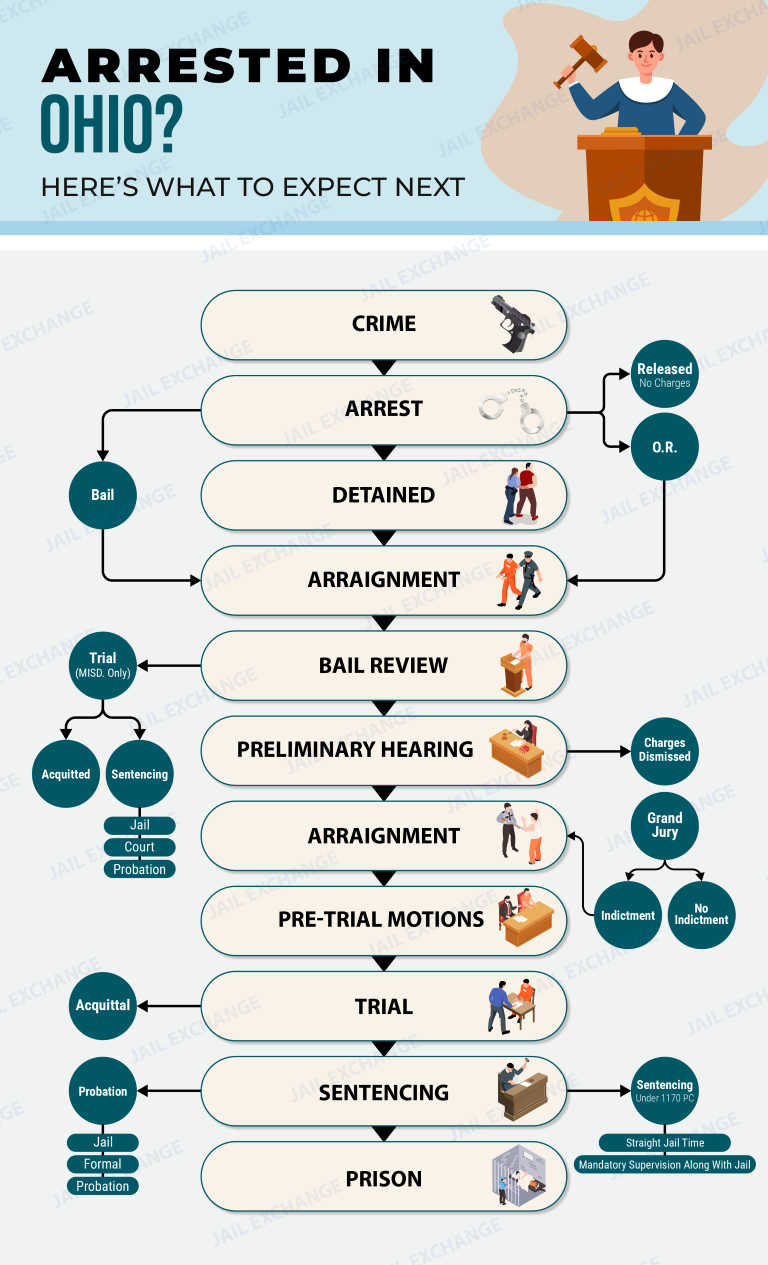
How commissary works at the Lake County jail
At the Lake County Adult Detention Facility in Painesville, people use their jail account balance to buy approved items such as snacks and hygiene supplies. Adding money funds their account; it does not place an order for them.
Families can use a deposit kiosk in the jail lobby at 104 East Erie Street. The Sheriff directs mailed postal money orders to the jail at 104 East Erie Street, Painesville, OH 44077, not the Florida address used to scan personal letters. Before mailing a money order, call 440-350-5601 to confirm how to make it out.
See the Lake County deposit guide for the available funding options.

JailATM provides a secure electronic payment portal that allows friends and family members to deposit funds directly into an incarcerated person's jail trust and commissary account. Deposited money provides the financial balance needed for your loved one to purchase personal hygiene items, snacks, over-the-counter medical sundries, and correspondence supplies from the facility commissary.
Important: Facility Deposit Rules and Window Intake Vary
Once a person is booked and moved to a housing unit, facilities do not always allow cash drop-offs or phone payments directly to the jail window. Some might and you should confirm this by calling the facility and asking. But if you do not register online and fund your loved one's trust account immediately, they may be forced to wait days or weeks for standard paper processing, leaving them without essential soap, clean undergarments, basic medical sundries or snacks.
Step-by-Step Instructions to Register and Deposit Funds
- Obtain the inmate's legal first and last name, date of birth, and assigned facility booking ID number.
- Navigate to deposits.jailatm.com/webdeposits/ on your computer or mobile device.
- Click Sign In or Register to set up your verified user account using your email address and password.
- Select the state and the detention facility where the inmate is currently housed.
- Search for the inmate using their ID number or legal last name to confirm an exact roster match.
- Enter your desired deposit dollar amount and review the calculated transaction and convenience fees.
- Input your debit or credit card billing details, complete payment authorization, and save your digital receipt.
What the Inmate Needs to Do
The inmate does not need an internet account to receive funds. Once the electronic transaction clears, the balance posts directly to their jail trust ledger according to facility accounting schedules. The inmate can review their updated balance at a dayroom pod kiosk or on their weekly trust statement and place orders on their regular commissary day.
Official Provider: JailATM Official Website
Customer Service Telephone: 1-877-810-0914
Support Hours: Monday – Friday, 8:00 AM – 5:00 PM CST
Supported Languages: English and Spanish
Other Services Provided by JailATM
In addition to Trust & Commissary Money Deposits, JailATM provides several other communication, store, and visitation services at participating facilities:
- Commissary Gift Packs & Store Ordering: Order pre-approved snack boxes, food packages, and hygiene bundles sent directly to the jail.
• Learn more on our website: Commissary Gift Packs Guide | • Visit official vendor page: JailATM Store Orders - Digital Messaging & Picture Sharing: Send electronic messages and photos directly to an inmate's housing unit kiosk.
• Learn more on our website: Digital Messaging Guide | • Visit official vendor page: JailATM Messaging - Remote Video Visitation: Schedule and join live video visits from home using your computer or smartphone.
• Learn more on our website: Video Visitation Guide | • Visit official vendor page: JailATM Video Visits
Deposit Money for an Inmate in the Lake County Adult Detention Facility
Friday is when commissary orders reach people held at the Lake County Adult Detention Facility in Painesville. Each person orders once a week on the tablet, and the same tablet shows how much money sits in their account. Any of these three routes fills it:
- Walk up to a kiosk in the front lobby of the jail, 104 East Erie Street. Cash, debit and credit cards all work there.
- Pay online through JailATM.
- Send a money order by U.S. mail, the only way the facility takes one. On the money order itself, write the person's name and ID number, then mail it to Lake County Adult Detention Facility, 104 East Erie Street, Painesville, OH 44077.
Who the money order gets made out to is something the Sheriff keeps to itself. Phone 440-350-5601 to learn the payee, and be ready with the inmate's full name and birth date in case they ask. A personal check will be turned away. Letters use a separate address in Florida, and that one does not accept money.
Personal letters for the Lake County Adult Detention Facility in Painesville do not go to the building on East Erie Street. Since August 2021 they go to a mail-scanning service, and the inmate reads a scanned copy on the jail's tablets and kiosks. The county made the change because paper can be soaked in liquid drugs, dried and mailed in, and a scan can't carry drugs. Letters that still arrive at the jail itself are sent back to you.
Letters, postcards and greeting cards (scanned):
Inmate's Full Name & Inmate ID # (call 440-350-5601 to get this #)
Lake County Adult Detention Facility
PO Box 9137
Seminole, FL 33775-9137
Legal mail, court papers, publications and money orders (to the jail):
Inmate's Full Name & Inmate ID # (call 440-350-5601 to get this #)
Lake County Adult Detention Facility
104 East Erie Street
Painesville, OH 44077
- Name and number: Print the inmate's name and their inmate ID number clearly on the outside of every envelope or postcard. You can look up whether someone is held here on the jail roster, and the jail can give you the number at 440-350-5601.
- Your address: Print the name and street address of the sender in the upper left corner.
- Photos: No more than five at a time, each 4 x 6 inches or smaller. Polaroids are refused, and so are pictures showing weapons, drugs, drinking, lewd poses or too much skin. Extra photos are put in the inmate's property.
- Ink and extras: Your letter should be written in blue or black ink only. Crayon, felt-tip and painted drawings, homemade art, stickers, stamps, news clippings, lipstick, perfume, glitter, confetti and grease stains are not allowed.
- Cards: Plain greeting cards are scanned with your letters. Leave the musical kind on the store shelf.
- Money orders: Mail them to the Painesville address, never to the scanning service. The jail takes no personal checks. Write the inmate's full name as the payee and write their inmate ID number on it as well. If you are unsure, call 440-350-5601 to confirm. Kiosks in the jail's front lobby also take deposits, or you can send money online.
- Reading material: Any book, magazine or newspaper has to be new and shipped by its publisher. Titles with violent or sexual content are thrown out.
- Items: The jail takes no other items for inmates by mail. Packages come only through the commissary vendor.
- Who reads it: Expect staff to read everything, and know that letters can be used in court. Writing back and forth with a co-defendant, another inmate or someone under a no-contact order is against the rules.
After release, a former inmate can sign in to the scanning service and download their letters and photos free.

Smart Inmate (operated by Smart Communications) provides secure telecommunications services for county detention centers and local correctional facilities. Establishing an AdvancePay prepaid telephone account links calling minutes directly to your mobile phone or landline number, ensuring outbound calls placed by an incarcerated loved one connect without carrier billing interruptions.
Important: Cellular Networks Block Unfunded Inmate Calls
Inmate phone networks do not permit incoming telephone calls, and cellular carriers do not support collect billing from detention centers. While select traditional landlines may support direct monthly carrier billing, wireless smartphones and VoIP lines require an active prepaid calling balance, which you can verify by checking with your telephone service provider. If you do not register online and fund your phone account right away, your loved one will receive an automated disconnect announcement when dialing your number.
Step-by-Step Instructions to Register and Fund a Phone Account
- Visit www.smartinmate.com or call customer care at 1-888-253-5178.
- Click Sign Up and register using your primary 10-digit telephone number and email address.
- Select the state and facility where the inmate is currently housed.
- Locate the inmate using their full legal name or facility booking ID number.
- Choose your deposit amount ($25, $50, or custom amount) and enter your credit or debit card billing information.
- Authorize payment, save your confirmation number, and confirm that your mobile phone does not filter automated correctional phone lines as spam.
What the Inmate Needs to Do
The inmate dials your 10-digit telephone number from any dayroom telephone and keys in their assigned PIN. The automated system verifies that your phone number has an active prepaid balance and connects the call once you press the prompted number to accept. All personal telephone calls are recorded and monitored by facility investigators.
Official Provider: Smart Inmate Official Website
Customer Service Telephone: 1-888-253-5178
Support Hours: Monday – Friday, 7:00 AM – 7:00 PM EST
Supported Languages: English and Spanish
Other Services Provided by Smart Communications
In addition to Phone Calling, Smart Communications provides digital messaging and visitation options via its companion portals:
- SmartJailMail Two-Way Messaging: Send electronic messages and photos directly to an inmate's housing unit kiosk.
• Learn more on our website: Digital Messaging Guide | • Visit official vendor page: SmartJailMail Messaging - SmartJailMail Remote Video Visits: Schedule and join live video visits from home using your computer or smartphone.
• Learn more on our website: Video Visitation Guide | • Visit official vendor page: SmartJailMail Video Visits

Smart Communications provides the SmartJailMail digital communications system, enabling two-way electronic messaging, photo sharing, and digital mail delivery for county jails and correctional facilities across the United States. Messages and approved digital photos clear electronic screening in hours, eliminating postal delays.
Important: Postal Mail Transition and Digital Message Credits Vary
Inmates cannot receive incoming phone calls, and traditional postal mail rules differ across correctional agencies. While some facilities still allow regular handwritten letters, many facilities utilizing Smart Communications have completely eliminated physical mail delivery, redirecting postal letters to a central scanning hub or mandating direct digital messaging, which you can verify by checking facility rules. If you do not register online and purchase message credits immediately, your loved one may face lengthy communication delays while waiting for updates from home.
Step-by-Step Instructions to Register and Send Messages
- Visit www.smartjailmail.com and click Sign Up to create a free user profile.
- Verify your email address and primary telephone number.
- Search for the inmate by selecting the state, detention facility, and entering their legal name or booking ID.
- Send an electronic contact connection request to link your account to the inmate's profile.
- Purchase a messaging credit bundle using a debit or credit card.
- Compose your message in the text editor and attach approved JPEG photos if permitted by facility guidelines.
- Submit your message to the facility's screening queue.
What the Inmate Needs to Do
All electronic correspondence is screened by facility staff before delivery. Once approved, messages appear in the inmate's inbox on their housing unit Smart Communications kiosk or tablet. The inmate opens the message, views attached photos, and types an electronic reply using their available credits.
Official Provider: SmartJailMail Official Website
Customer Service Telephone: 1-888-253-5178
Support Hours: Monday – Friday, 7:00 AM – 7:00 PM EST
Supported Languages: English and Spanish
Other Services Provided by Smart Communications
In addition to Two-Way Messaging, Smart Communications operates video visitation and phone services at participating facilities:
- Remote Video Visitation: Schedule and join live face-to-face video visits from your computer or smartphone.
• Learn more on our website: Video Visitation Guide | • Visit official vendor page: SmartJailMail Video Visits - Smart Inmate Phone Services: Prepay for phone calling credits so your loved one can call your mobile phone directly.
• Learn more on our website: Inmate Phone Time Guide | • Visit official vendor page: Smart Inmate Calling
Smart Communications Inmate Tablets & Digital Services
Provider: Smart Communications (SmartJailMail / SmartPad)Smart Communications deploys secure, corrections-grade handheld tablets (SmartPad) to incarcerated individuals in county detention facilities. Operating on a secure internal wireless network, these devices allow inmates to conduct remote video visits, make voice telephone calls, send and receive electronic messages, stream approved music, read digital books, and access self-help resources directly from their housing pods.
Important: Tablet Hardware Deployment and Rental Rules Vary
Detention centers do not manage tablet distribution identically. While some agencies issue individual personal tablets to every detainee at booking, others utilize shared pod docking stations or restrict tablet use to specific dayroom hours, which you should confirm with the facility directly. Although core educational and legal resources are generally provided free of charge, sending messages, listening to music, or making phone calls from the tablet requires an active balance funded by outside contacts.
Step-by-Step Instructions to Support and Fund SmartPad Tablets
- Verify that Smart Communications handheld tablets are active at your loved one's specific detention facility.
- Navigate to www.smartjailmail.com on your computer or mobile device.
- Sign into your verified user profile and link the inmate's legal name and booking ID number.
- Select Messaging Credits or Inmate Media Funds to add funds to their available balance.
- Specify your deposit dollar amount, review convenience fees, and enter your credit or debit card billing details.
- Submit payment, save your confirmation receipt, and notify your loved one that their device balance is available.
What the Inmate Needs to Do
The inmate unlocks their assigned tablet using their PIN or biometric scan. Their available balance appears on the screen, allowing them to download songs, read digital books, write messages, and communicate with approved family members. Devices are returned to charging racks during facility count times and for overnight storage.
Official Provider: SmartJailMail Official Website
Customer Service Telephone: 1-888-253-5178
Support Hours: Monday – Friday, 7:00 AM – 7:00 PM EST
Supported Languages: English and Spanish
Other Services Provided by Smart Communications
In addition to Tablet Services, Smart Communications provides several other communication, financial, and visitation options:
- SmartJailMail Two-Way Messaging: Send electronic messages and photos directly to an inmate's housing unit kiosk.
• Learn more on our website: Two-Way Messaging Guide | • Visit official vendor page: SmartJailMail Messaging - Remote Video Visitation: Schedule and join live face-to-face video visits from your computer or smartphone.
• Learn more on our website: Video Visitation Guide | • Visit official vendor page: SmartJailMail Video Visits - Smart Inmate Phone Services: Prepay for phone calling credits so your loved one can call your telephone directly.
• Learn more on our website: Inmate Phone Time Guide | • Visit official vendor page: Smart Inmate Calling - Inmate Trust & Commissary Deposits: Send money directly into an inmate's jail trust account for independent commissary spending.
• Learn more on our website: Trust Deposits Guide | • Visit official vendor page: Smart Communications Deposits
Lake County City Jails
Lake County Juvenile Facilities
Nearby counties
- Jail (Main): 440-350-5601
- Arrest Warrants: 440-350-5620
- Bail: 440-350-5602
- Court: 440-350-2657
- District Attorney: 440-350-2683
- Public Defender: 440-350-3200
- Sheriff: 440-350-5620
The Lake County Adult Detention Facility serves the following cities and towns of Lake County: Eastlake, Fairport Harbor, Kirtland, Kirtland Hills, Lakeline, Madison, Mentor, Mentor-on-the-Lake, Painesville, Timberlake, Waite Hill, Wickliffe, Willoughby, Willoughby Hills and Willowick.