
Carbon County Correctional Facility
Carbon County Correctional Facility
Physical Address
331 Broad StreetNesquehoning, PA 18240-1801
Jail Phone Number
570-325-2211Carbon County Jail Inmate Search: Finding a Loved One Off Route 93
Police in Lansford, Lake Harmony and every other corner of the county bring the people they hold to the Carbon County Correctional Facility, 331 Broad Street, Nesquehoning, PA 18240, just off Route 93. The county runs this one jail, and it splits men and women into their own units, from work release to maximum security. Keep reading for search tips, visiting times, deposits, letters, warrants and a list of local police forces.
Online, begin with the official inmate lookup. Enter the family name and first name, then match the age or birth date before trusting a hit. Fresh bookings can lag a few hours, and the record shows custody status rather than court details.
For a faster answer, dial the jail at 570-325-2211 while the office is open, 8:00 a.m. to 4:00 p.m. Staff can say whether the person is inside, what they face and whether bail exists yet. Our bail guide helps you get them home, and our court page follows each step of the case.
Read inmate search answers
 Read inmate search answers
1. How does the Carbon County jail search work?
The search works on any phone or laptop:
- Pull up the official inmate lookup.
- Search with the surname and given name. No luck? Cut the first name down to an initial, or try a nickname or a second spelling.
- Look at age, birth date and similar details, since two people can share one name.
- Jot down the facility, custody status and any ID number on the record.
- Still unsure? Staff at 570-325-2211 can confirm by phone.
The state's PA SAVIN system, at vinelink.vineapps.com, tells you if someone sits in any Pennsylvania county jail or state prison. For the charges and the court calendar, use the UJS case search; pick Carbon from the county menu.
↑ Back to the question list2. Why would the lookup come back with no match?
- The booking is fresh. Records can trail an arrest by a few hours.
- The arraignment has not happened. Officers may still have them, or they may be waiting their turn before a district judge.
- They were let go. Release can come right at that first hearing.
- A different county holds them. A warrant from elsewhere can send them to that county's lockup.
- The name was typed differently. Search again with a middle or maiden name, or with and without a hyphen.
- They are under 18. A minor would be in juvenile detention, so the adult jail record never lists them.
Phone the jail first at 570-325-2211. To reach the arresting police, the county Communications Center takes non-emergency calls at 570-325-9123. Once the case is filed, it also appears on the UJS case search.
↑ Back to the question list3. Which jails might hold someone arrested in Carbon County?
Every adult the county holds stays at one site, the county correctional facility, 331 Broad Street, Nesquehoning, PA 18240, 570-325-2211. State inspectors list room for 248. It houses people awaiting trial, people serving county time and people locked up for probation or parole violations. The visiting schedule names these units:
- Work Release: residents cleared to leave for jobs
- Medium and Max: medium- and maximum-security housing
- RHU: restricted housing
- Special: a separate unit; ask staff who lives there
- Female Section and Female RHU: housing for women
Neighbor counties hold people arrested on their side of the line:
- Lehigh County Jail, 38 North Fourth Street, Allentown, PA 18102, 610-782-3270
- Luzerne County Correctional Facility, 99 Water Street, Wilkes-Barre, PA 18711, 570-829-7741
- Monroe County Correctional Facility, 4250 Manor Drive, Stroudsburg, PA 18360, 570-992-3232
- Northampton County Jail, 666 Walnut Street, Easton, PA 18042, 610-829-7400
4. Can the public get a Carbon County booking photo?
Don't count on one. Release of a booking photo, or mugshot, varies by county and with recent Pennsylvania court decisions. To ask, phone the jail at 570-325-2211. News outlets may also put the question to the jail or to the department that made the arrest.
- ICE mugshots are a records request matter; file one on the ICE records request page.
- Now and then the Marshals Service posts a federal booking photo, mostly of wanted fugitives; other federal agencies tend to keep theirs sealed.
5. Can you get a heads-up before a release or transfer?
PA SAVIN, a free state service, will warn you. Choose a phone call, text, email or app notice, and it fires when the person is released, shifted to another facility or escapes. It covers state parole and state prisons as well as county jails.
- Sign up on the web at VINELink for Pennsylvania.
- Prefer the phone? Dial 866-972-7284 at any hour; TTY callers use 866-847-1298.
- The person you track gets no word of your sign-up.
People with a loved one in state prison or on state parole can also get release-decision notices from the Office of Victim Advocate.
↑ Back to the question list6. What should families know about getting someone released?
The first ruling on release belongs to a district judge, who sets bail at the preliminary arraignment, typically within hours of the arrest. Under the state constitution, almost everybody can get bail, and some leave on a written promise, sometimes with conditions attached. If money is set, a county notice says cash and bail bonds go only to the jail, 331 Broad Street, Nesquehoning, PA 18240, 570-325-2211, at 9:00 a.m., 3:30 p.m. or 8:00 p.m.
Cards work through PA ePay Bail, the court system's own site, which tacks on 2.75 percent and accepts no more than $20,000 per payment. Our bail and release guide digs into bondsmen, refunds and holds.
↑ Back to the question list7. How do you see the exact charges filed?
Pull up the docket sheet. Type the person's name into the UJS case search and choose Carbon as the county. The docket shows every charge and its grade, like M2 or F3, along with bail and the next hearing. A case filed today might not appear until later.
At the preliminary arraignment the person is also handed the criminal complaint, the police account of what happened. The defense lawyer receives one too. The Clerk of Courts helps with docket questions on weekdays at 570-325-3637.
↑ Back to the question list8. How is a defense lawyer arranged from behind bars?
Someone who cannot afford counsel can apply through the public defender's office at 570-325-2343. Its lawyers stand in at early hearings, at trial, at violation hearings and in juvenile court. Relatives may phone to get things moving, though the defendant has to sign the sworn income form. The county writes its own rules on who qualifies.
If money allows, the family can retain a private defense lawyer instead. In either case, line up a lawyer before the preliminary hearing, since a weak case can end there. Federal defendants without money turn to the federal defender's office, 201 Lackawanna Avenue, Suite 317, Scranton, PA 18503, 570-343-6285.
↑ Back to the question list9. When and how can you visit at the Carbon County jail?
Each housing unit has its own days, under county rules dated December 4, 2025:
- Work Release: Friday 9:00 to 11:00 a.m.; Monday 6:00 to 8:00 p.m.
- Medium: Tuesday 9:00 to 11:00 a.m.; Thursday 6:00 to 8:00 p.m.
- Max: Wednesday 9:00 to 11:00 a.m.; Friday 6:00 to 8:00 p.m.
- RHU: Saturday 6:00 to 8:00 p.m.
- Special: Monday 9:00 to 11:00 a.m.; Wednesday 6:00 to 8:00 p.m.
- Female Section: Tuesday 6:00 to 8:00 p.m.; Thursday 9:00 to 11:00 a.m.
- Female RHU: Sunday 6:00 to 8:00 p.m.
Rules for visitors at 331 Broad Street, Nesquehoning, PA 18240:
- Carry a valid photo ID such as a passport, a state ID card or a driver's license. Staff make no exceptions.
- At the administration window, sign the log book and print your complete address. The order of visits is up to staff, so an early arrival will not move you up.
- A visit allows 2 adults and 2 children at most. Kids stay seated next to their adult, close enough to touch, for the whole visit.
- Wear modest clothes. Short skirts, tank tops or low-cut tops can lead staff to turn you away.
- Leave phones, tobacco, nicotine and vapes behind. Keys, coats, hats, purses, bags and baby carriers go into a locker.
- People who are on probation, parole or bail anywhere cannot visit.
Shouting, cursing or other rule breaking can cut a visit short. More is on our visitation page; call 570-325-2211 before driving a long way.
↑ Back to the question list10. How can money be added to an inmate's account?
The county names four deposit routes:
- Online, through the jail's deposit service, with Site ID 46 marking this facility.
- The lobby kiosk at 331 Broad Street, Nesquehoning, PA 18240, which accepts $5, $10, $20, $50 and $100 bills plus MasterCard or Visa debit and credit cards.
- By phone at 814-949-3303.
- Trust deposits by phone at 888-988-4768.
Ask what each method charges, and save every receipt. Do not mail cash. Our money page explains accounts, and our commissary page shows what deposits can buy. Account questions go to jail staff at 570-325-2211.
↑ Back to the question list11. Can you talk by phone or send messages to someone inside?
Calls from the jail go out over its own phone system. Staff at 570-325-2211 can explain how calls are paid for, whether messaging or tablets exist there, and how to open an account.
Our phone page and messaging page describe the usual setup. Avoid discussing the case on any jail call. That conversation belongs with the defense lawyer.
↑ Back to the question list12. What is the right mailing address for letters?
Write the address in three lines:
- The person's full legal name
- Carbon County Correctional Facility
- 331 Broad Street, Nesquehoning, PA 18240
Include your return address. Before mailing pictures, books or magazines, ask the jail at 570-325-2211 if they are permitted, and whether an inmate number is needed. Never tuck cash inside. Our mail page has more.
Letters to a state prisoner take a different route. They go to the state's mail center. The envelope reads Smart Communications/PA DOC, then the name and inmate number, then the prison's name, then PO Box 33028, St Petersburg, FL 33733.
↑ Back to the question list13. Who can collect a person's belongings, and how?
Call 570-325-2211 between 8:00 a.m. and 4:00 p.m. to ask about items taken at booking. Questions worth asking:
- May a relative take home a phone, keys or wallet before release?
- What ID and signed permission must that relative bring?
- In what form is account money paid out when the person leaves?
The jail's address is 331 Broad Street, Nesquehoning, PA 18240. If police took something as evidence, the arresting department handles it.
↑ Back to the question list14. What should you do if they need medical care?
Phone 570-325-2211 and ask staff to alert the medical team. List each medicine, the amount and the prescriber's name. Care decisions belong to the jail. State law also restricts restraints and restrictive housing for inmates who are pregnant or recently gave birth (61 Pa.C.S. § 1758).
Inspectors from the Pennsylvania Department of Corrections inspects county jails at intervals of 12 to 24 months, checking each against state rules (37 Pa. Code Chapter 95). In a mental health emergency, warn staff at once and let the defense lawyer know so the judge hears of it.
↑ Back to the question list15. How do you learn whether Carbon County has a warrant out?
The Sheriff's Office, 4 Broadway, Jim Thorpe, PA 18229, 570-325-2821, serves warrants from the Court of Common Pleas; police officers and constables serve the others. Browse the Sheriff's warrant list and Top 10 page. For statewide fugitives, open the State Police Ten Most Wanted, the 15 Most Wanted fugitives list from the Marshals and the FBI's wanted page. The courthouse's Clerk of Courts, 570-325-3637, can check a case by phone. Clearing it means showing up, preferably with counsel, at whichever court signed the warrant, or calling that court ahead.
↑ Back to the question list16. When is the next hearing, and how can you check?
The UJS case search lists every scheduled event on the docket, with date, time and courtroom. While the person stays locked up, a preliminary hearing is due within 14 days.
The magisterial district court for the arrest area handles the early hearings. Later ones move to the courthouse at 4 Broadway, Jim Thorpe, PA 18229. The Clerk of Courts confirms Common Pleas dates at 570-325-3637, and our court guide gives all four district courts with phones.
↑ Back to the question list17. Who holds a person facing federal charges?
The Middle District's Scranton courthouse handles federal cases from Carbon: U.S. District Court for the Middle District of Pennsylvania, 235 N. Washington Avenue, Scranton, PA 18503, 570-207-5600. A Scranton judge then decides, under 18 U.S.C. 3142, whether jail or home conditions apply until trial.
The U.S. Marshals Service controls federal prisoners before trial, including which jail they sit in. Ask its Middle District office, 235 North Washington Avenue, Unit 215, Scranton, PA 18503, 570-346-7277, where the person is. Once a sentence is imposed, custody shifts to the Bureau of Prisons, so use the Federal Bureau of Prisons inmate locator.
↑ Back to the question list18. How can families locate a person in ICE custody?
The ICE Online Detainee Locator is the place to search. ICE's Philadelphia Field Office, 114 North 8th Street, Philadelphia, PA 19107, 215-656-7164, covers Pennsylvania and can help.
Most immigration holds start with paperwork: ICE sends Nesquehoning a Form I-247A detainer. In it, staff are asked to keep the person up to 48 hours after they would otherwise be released (8 CFR 287.7(d)), leaving time for ICE to step in. Galarza v. Szalczyk (3d Cir. 2014) settled that, in Pennsylvania's federal circuit, such a form leaves the jail free to say no. A county keeping someone solely because of it may answer for the choice. Each jail therefore writes its own approach, and the Nesquehoning staff at 570-325-2211 can explain theirs.
↑ Back to the question list19. Which locator shows a person serving state prison time?
The Pennsylvania Department of Corrections inmate locator finds state prisoners. Newly sentenced people start at a reception and classification center, and testing there takes weeks to months. Search again later, because the prison shown changes after a move.
The DOC central office is at 1920 Technology Parkway, Mechanicsburg, PA 17050, 717-728-2573. Privacy rules limit what staff share; only family the prisoner named as next-of-kin get details. Our Pennsylvania state prisons page is a good next step.
↑ Back to the question list20. What if a Carbon County youth under 18 was arrested?
A minor is usually handled by juvenile court. If a youth must be held, a juvenile detention center does it instead of the adult jail. Juvenile Probation, 76 Susquehanna Street, 1st Floor, Jim Thorpe, PA 18229, 570-325-2417, can name the detention center to a parent and give the first hearing date.
The public UJS case search does not include juvenile matters. If prosecutors charge a teen of 15 or more with murder, or with one of several weapon-related violent crimes, the case starts in adult court and adult records list it. Their lawyer may ask for a move to juvenile court.
↑ Back to the question list21. Which local department arrested the person?
Ask the jail first, at 570-325-2211, since staff can usually say which agency brought the person in. Twelve local forces below are dispatched by the county Communications Center. Non-emergency calls go to 570-325-9123, and emergencies to 911. They are sorted below by district court area:
- Court 56-3-01 area: Jim Thorpe, Lehighton, Weissport and Mahoning Township police
- Court 56-3-02 area: Palmerton and Franklin Township police
- Court 56-3-03 area: Lansford, Nesquehoning and Summit Hill police
- Court 56-3-04 area: Weatherly, Beaver Meadows and Kidder Township (Lake Harmony) police
No local force appears on the dispatch list for Penn Forest Township; Parryville, Bowmanstown, Lower Towamensing and Towamensing; East Penn Township; or East Side, Banks, Lausanne, Lehigh and Packer. Calls there can go to the State Police, and the Communications Center can confirm who answers.
State Police posts named on the county list:
- Lehighton station (Troop N), 9170 Interchange Road, Lehighton, PA 18235, 610-681-1850
- Troop N Headquarters, 250 Dessen Drive, West Hazleton, PA 18202, 570-459-3890
- Fern Ridge station, 127 Parkside Avenue, Blakeslee, PA 18610, 570-646-2271
- Pocono station (Troop T, Turnpike only), 511 State Route 940, White Haven, PA 18661, 570-443-9511
The Sheriff's Office, 4 Broadway, Jim Thorpe, PA 18229, 570-325-2821, serves court warrants and moves prisoners.
↑ Back to the question listCarbon County Bail, Bonds and Release
Arrests in Palmerton, Lehighton, Weatherly and every town between send adults who are held to one jail, the Carbon County Correctional Facility, 331 Broad Street, Nesquehoning, PA 18240. That single facility keeps men and women in separate units, from work release up to maximum security. Below you will find who sets bail, all five release types, when the jail takes money and what can block a release after paying.
Before you drive to the jail, check that your relative is there on the official inmate lookup, which shows custody status. Our Inmate Search page goes further: who sits in the jail today, fresh bookings, open warrants and filed charges. It also covers getting a public defender, booking photos and claiming a person's property.
Phone the jail right away at 570-325-2211. Get three answers on that call: whether the arraignment has happened, the release terms or bail it produced, and the case's docket number. With that number in hand, our criminal court guide explains each hearing that comes next.
1. Who sets bail after someone is jailed in Carbon County?
A magisterial district judge does. Picture a neighborhood judge who hears minor cases and starts the bigger ones. According to the court's own website, these judges run arraignments, fix bail and sign arrest warrants. Four of them serve the county, and which one gets the case turns on where the arrest took place.
That first meeting with a judge is the preliminary arraignment. A crime-victim guide from the state places it within roughly six hours after an arrest, and a video screen at the jail may stand in for a courtroom. In those few minutes the person is handed the complaint, hears what the bail will be and gets a date to come back (Pa.R.Crim.P. 540).
The date to come back is for the preliminary hearing. Court rules want it within 14 days for someone still in a cell, or within 21 days for someone sent home. Call the jail at 570-325-2211 to learn if the arraignment is over. After a late-night or weekend arrest, ask the staff when a judge is likely to be on the screen.
↑ Back to the question list2. Which release options does Pennsylvania law give a judge?
Pa.R.Crim.P. 524 sets out five release types, and only one of them requires paying before the person goes home.
- ROR (release on recognizance). Freedom on a signed word alone, with a promise to show up.
- ROR with added rules. The written word again, joined by rules like checking in with an officer, keeping away from a certain person or staying within set travel limits.
- Unsecured bail. The judge names a sum, yet nobody pays it unless a court date gets skipped.
- Nominal bail. A token deposit, often $1, backed by a person or agency who acts as surety. The surety's job is to stand behind the defendant.
- Monetary bail. Cash, pledged property or a bondsman's bond must cover the whole figure before the doors open.
Rule 523 tells the judge what to weigh: the charge itself, work and family roots in the area, any earlier record and whether the person skipped court before. If cash is required, Rule 528 requires a reasonable amount, set with the defendant's means in mind.
↑ Back to the question list3. How high might bail run on Carbon County charges?
Each judge picks a figure for the one defendant in the room, so a neighbor facing the very same charge might get a different number. Even so, the grade of the charge weighs heavily, because it marks how stiff the sentence could be. These are the ceilings under 18 Pa.C.S. §§ 1101 and 1103-1105:
- Summary offense (the level for most traffic tickets and many disorderly conduct charges): 90 days in jail and a $300 fine, at most
- M3, the lowest misdemeanor: as much as 1 year and $2,500
- M2: as much as 2 years and $5,000
- M1, the highest misdemeanor: as much as 5 years and $10,000
- F3, the lowest felony: as much as 7 years and $15,000
- F2: as much as 10 years and $25,000
- F1, the highest felony: as much as 20 years and $25,000
- Murder: first degree brings death or life, and second degree brings life (18 Pa.C.S. § 1102)
A court may sometimes take a 10 percent deposit in place of the whole sum (Rule 528(C)), so ask if the judge allowed it. To read the actual figure, open the free UJS case search, since every docket shows its bail. On weekdays the Clerk of Courts can answer too, at 570-325-3637.
↑ Back to the question list4. How do you post bail at the Nesquehoning jail?
A county notice limits cash and bail bond payments to the county correctional facility, 331 Broad Street, Nesquehoning, PA 18240. Payments are accepted at three set times daily: 9:00 a.m., 3:30 p.m. and 8:00 p.m. Go in this order:
- Ring the jail at 570-325-2211 before leaving home. Spell the defendant's name and give their birth date. Staff can then read you the bail amount and docket number to jot down.
- Ask which kind of payment fits this case and which ID you will need.
- Plan to be at the door shortly before 9:00 a.m., 3:30 p.m. or 8:00 p.m.
- Press the buzzer by the main entrance, and an officer will come to help.
- Look over the bail paper before you sign. Leave with an itemized receipt, which Pa.R.Crim.P. 535 says the person taking your money must give you.
Paying for somebody else may turn you into a surety, meaning the court could later demand the entire bail from you if they skip a hearing. The rules call for a written notice explaining that choice. Send questions about the county notice to County Administration, P.O. Box 129, Jim Thorpe, PA 18229, 570-325-3611.
↑ Back to the question list5. Can bail be posted in Jim Thorpe or paid online?
The courthouse is off the list for now. Under the county's notice, nobody may post bail at the courthouse, 4 Broadway, Jim Thorpe, PA 18229, until further notice. The Clerk of Courts in that building, 570-325-3637, still collects fines, court costs and restitution, which are separate from bail.
The internet is a real option. This county is one of ten on PA ePay Bail, the state court system's own payment site. Go in knowing the terms:
- Accepted cards: Visa, MasterCard, Discover, American Express, or a bank ATM card.
- Each payment carries a 2.75 percent charge that stays with the site even if bail is later returned.
- The most you can send in one payment is $20,000.
- Not every type of docket can be paid online, so have the docket number ready to test it.
- Bondsmen cannot complete a bond on the site and must reach the court or jail directly.
Once an online payment goes through, ring the jail at 570-325-2211 and ask about timing for the release.
↑ Back to the question list6. Which forms of money does the Nesquehoning jail accept?
The county notice mentions just two: cash and bail bonds. Cards work on PA ePay Bail rather than at the window. Thinking of a check or money order? Call 570-325-2211 and ask before driving over. Bring cash counted to the dollar. Mailing cash is never safe.
Pa.R.Crim.P. 528 allows a few other kinds of security for the full figure:
- Pennsylvania land or a home whose owned value, after any mortgage, reaches the bail amount
- Government bonds from the United States, the state or a town or county
- A bond written by a licensed bondsman
Using a house means court forms and proof of what it is worth. Ask the Clerk of Courts, 4 Broadway, Jim Thorpe, PA 18229, 570-325-3637, where to begin and what records to collect.
↑ Back to the question list7. How do bail bondsmen work for a Nesquehoning release?
Paid bail bonds are lawful here. A bondsman charges a fee and, for it, guarantees the court the full bail if the defendant disappears. That bond then gets posted at the jail instead of cash. Before hiring anyone, check these points from 42 Pa.C.S. §§ 5741-5750:
- Licensing for bondsmen is handled by the Pennsylvania Insurance Department; ask to see the license.
- Under § 5743.1, a bondsman must also file papers with the county before working local cases. These include the license, a service address and a power of attorney.
- Lawmakers scrapped the state's fee cap in 2015, so the bondsman sets the price. Get it on paper.
- You never get that fee, called the premium, back, even when charges are dropped.
- Under § 5749, nobody may charge you a referral fee just for steering you to a bondsman.
Go through the whole contract slowly before you sign it, and take a copy home. Should the defendant miss court, the bondsman may have to pay, and the contract spells out who must repay them.
↑ Back to the question list8. What other holds can block a release?
Plenty. Bail settles one case only. Common holds include:
- Paperwork from another county or state, such as a warrant.
- A detainer from probation or parole. For county supervision, reach Adult Probation and Parole, P.O. Box 26, Jim Thorpe, PA 18229, 570-325-4226.
- A second pending case with bail of its own.
- A federal charge, or a request from immigration officers.
- A bench warrant tied to an old missed hearing.
Release usually comes with conditions, like staying away from the alleged victim. Ignoring one may bring fresh charges and cost the bail. Before handing over money, phone the jail at 570-325-2211 and ask if any other hold sits on the person's file.
↑ Back to the question list9. When may bail be refused outright in Pennsylvania?
Only in narrow cases. The state constitution promises bail to almost everyone (Pa. Const. art. I, § 14; 42 Pa.C.S. § 5701). Holding someone without any bail is allowed only if one of these is true:
- A conviction could mean execution or a life term, as with first- or second-degree murder.
- Nothing except jail would keep a person or the public safe.
The prosecution must prove either one. The state Supreme Court ruled in Commonwealth v. Talley (2021) that prosecutors must put actual proof before the judge at a hearing and win the argument with it. An accusation by itself falls short.
For this county, that job belongs to the District Attorney's Office, main line 570-325-2718. On the other side, a defense lawyer or the public defender argues for release.
↑ Back to the question list10. Can a bail amount be cut after it is set?
Yes, through a motion to modify bail (Pa.R.Crim.P. 529), filed by the defense lawyer or public defender. Before the preliminary hearing, that motion may return to the same district judge. Later on, a Court of Common Pleas judge rules on it at the courthouse, 4 Broadway, Jim Thorpe, PA 18229, 570-325-8556.
Relatives can make the motion stronger. Collect papers that show the person has reasons to stay and return: a recent paycheck stub, a rental lease, a letter from a supervisor, or an offer from family of a place to live. Pass them to the lawyer, who picks what the judge should see.
Rule 600 helps after a long stay. After 180 days in jail awaiting trial (time lost to defense delays does not count), a request for nominal bail can be made. The public defender's number is 570-325-2343.
↑ Back to the question list11. Who qualifies for a free lawyer, and how is the public defender reached?
The Public Defender Act (16 P.S. § 9960.1 and following) gives every county except Philadelphia a public defender for people too short on money to hire counsel. Locally, its lawyers appear at preliminary hearings and trials, at probation violation hearings and in juvenile court. Start an application by calling the Office of the Public Defender at 570-325-2343.
Applicants sign a sworn form about what they earn and own. Counties write their own income test, so ask which papers to bring, such as pay stubs or benefit letters. Giving false answers on it can be punished like perjury.
Thanks to Act 34 of 2023, state money now helps cover county defense work, a first for Pennsylvania. A person still behind bars can ask staff at 570-325-2211 how to contact the office.
↑ Back to the question list12. Where are the courts for Carbon County cases?
- Court of Common Pleas, 56th Judicial District: Carbon County Courthouse, 4 Broadway, Jim Thorpe, PA 18229. Court Administration 570-325-8556; Clerk of Courts 570-325-3637. Hours are 8:30 a.m. to 4:30 p.m. on weekdays.
- Magisterial District Court 56-3-01: 340 Center Avenue, Jim Thorpe, PA 18229, 570-325-2751. Serves Jim Thorpe, Lehighton, Weissport, Penn Forest Township and part of Mahoning Township.
- Magisterial District Court 56-3-02: 401 Delaware Avenue, 2nd Floor, Palmerton, PA 18071, 610-826-3707. Serves Palmerton, Parryville and Bowmanstown, plus Franklin, Towamensing and Lower Towamensing townships.
- Magisterial District Court 56-3-03: 417 East Ridge Street, Lansford, PA 18232, 570-645-3024. Serves Lansford, Nesquehoning, Summit Hill, East Penn Township and the rest of Mahoning Township.
- Magisterial District Court 56-3-04: 71 West Main Street, Weatherly, PA 18255, 570-427-4100. Serves the Weatherly area, including Kidder, Banks, Packer, Lehigh and Lausanne townships, Beaver Meadows and East Side.
- Federal court: U.S. District Court for the Middle District of Pennsylvania, William J. Nealon Federal Building, 235 N. Washington Avenue, Scranton, PA 18503, 570-207-5600.
All four district courts open at 8:00 a.m. and close at 4:30 p.m. Monday through Friday, with a lunch break from noon until 1:00 p.m.
↑ Back to the question list13. How long until bail money is refunded, and what forfeits it?
Save the receipt somewhere safe. Under Pa.R.Crim.P. 535, the listed depositor gets the money back roughly 20 days after the case has fully ended. Before that check is cut, the county can hold back a small handling charge. Ask the Clerk of Courts, 4 Broadway, Jim Thorpe, PA 18229, 570-325-3637, about the fee and the address the check will go to.
If the receipt names the defendant as depositor, the court can put the deposit toward that person's fines, costs and restitution. Money posted in a relative's own name has better protection from that.
Skipping court is the costly mistake. The judge may then order an arrest by bench warrant, forfeit the bail and add new charges. Rule 150 sets a 72-hour deadline for a hearing, counted from when the person lands in the issuing county's own jail. Custody somewhere else can stretch that wait.
↑ Back to the question list14. Who returns jail account money and belongings at release?
Both come through the jail. Ring 570-325-2211 between 8:00 a.m. and 4:00 p.m. and ask these questions:
- In what form is leftover account money handed over at release?
- Are keys, wallets and phones returned on the way out, or held for a later pickup?
- Can a relative collect the items instead, and what ID and signed permission would that take?
The facility sits at 331 Broad Street, Nesquehoning, PA 18240. To put money on an account while the person is still in custody, visit our jail account deposits page.
↑ Back to the question list15. What changes for bail when federal agents make the arrest?
Then a federal judge, not a county one, handles release. This county falls under the U.S. District Court for the Middle District of Pennsylvania, whose courthouse in Scranton is at 235 N. Washington Avenue, Scranton, PA 18503, 570-207-5600.
A detention hearing under 18 U.S.C. 3142 decides if the defendant can live at home under conditions until trial or must remain locked up. Money posted in county court has no effect on a federal case. Federal prisoners awaiting trial are housed by the Marshals. The Marshals' Middle District office, 235 North Washington Avenue, Unit 215, Scranton, PA 18503, 570-346-7277, can say which jail has someone.
Federal defendants who cannot afford counsel may get help from the federal defender's office at 201 Lackawanna Avenue, Suite 317, Scranton, PA 18503, 570-343-6285. Once a sentence is handed down, search the Federal Bureau of Prisons inmate locator.
↑ Back to the question list16. Could immigration officers still hold someone after bail?
Yes. ICE may send the Nesquehoning jail a detainer on Form I-247A. Through that paper, agents want the person kept up to 48 hours after they would otherwise be released, giving agents time to arrive (8 CFR 287.7(d)). Posting county bail leaves that request standing.
The federal appeals court for Pennsylvania says a jail may turn down a detainer, because it is a plea for help, not an order (Galarza v. Szalczyk, 3d Cir. 2014). Carbon's jail falls under that ruling. Jailing someone on the detainer and nothing else can leave the county legally responsible. For that reason, jails differ on detainers. Call the Nesquehoning staff at 570-325-2211 about their approach.
Once ICE has the person, use the ICE Online Detainee Locator. ICE's Philadelphia Field Office, 114 North 8th Street, Philadelphia, PA 19107, 215-656-7164, handles this state.
↑ Back to the question list17. Where would someone from Carbon County serve a long sentence?
Where the time is served hangs on the sentence's maximum (42 Pa.C.S. § 9762). Under 2 years, it stays local at 331 Broad Street, Nesquehoning, PA 18240, 570-325-2211. Five years or more at the top goes to state prison. In the 2-to-5 band, state prison is the norm, but county time can happen if the jail, the District Attorney's Office and the sentencing judge all approve.
Each new state prisoner is first sent for testing at a reception and classification center. The tests there can stretch over several weeks or a few months, and the long-term prison is picked afterward. Track the person on the Pennsylvania Department of Corrections inmate locator. The department's central office is at 1920 Technology Parkway, Mechanicsburg, PA 17050, 717-728-2573. Our Pennsylvania state prisons page has more on each prison.
↑ Back to the question list18. Are teens from Carbon County treated differently?
Youth under 18 usually land in juvenile court instead of adult court (42 Pa.C.S. § 6301 and following). The local office in charge is Juvenile Probation, 76 Susquehanna Street, 1st Floor, Jim Thorpe, PA 18229, 570-325-2417. When a teen has to be held, it happens at a center built for youth, apart from the adult jail. Parents can call Juvenile Probation to learn where their son or daughter is and when the first hearing is set.
A few charges skip juvenile court. Age and charge can push a case into adult court. Murder starts a 15-, 16- or 17-year-old there. So can some violent felonies if the teen used a deadly weapon. Adult bail rules govern those cases. Their lawyer can then request a transfer to juvenile court. You will not find juvenile files on the public UJS portal.
↑ Back to the question listCarbon County has an online method for you to use a credit card to bail out someone online.
You can submit electronic bail payments on Magisterial District Court and Common Pleas Court cases for inmates in Carbon County Correctional Facility. This website has been approved by the Unified Judicial System of Pennsylvania

- Payments may be made using a Visa, MasterCard, Discover, American Express, or ATM card.
- The maximum amount that can be charged to a credit card for electronic bail payments is $20,000 per transaction.
- A non - refundable convenience fee of $2.75 will be assessed on each transaction submitted.
Carbon County Correctional Facility Inmate Visitation
Friends and Family – Official Carbon County sheriff pages in Pennsylvania do not list a public visiting timetable for Carbon County Correctional Facility. Call the facility at 570-325-2211 to ask when friends and family may visit, whether the visit is in person or by video, and to confirm that the person you hope to see is still in custody there.
Carbon County Criminal Court Guide
Charges filed anywhere from Palmerton to Weatherly open in one of four small magisterial district courts, and the serious ones climb to the Court of Common Pleas at the courthouse, 4 Broadway, Jim Thorpe, PA 18229. People who stay locked up during the case wait at the county correctional facility, 331 Broad Street, Nesquehoning, PA 18240. This guide gives each court's address and phone, the path a case travels, the penalties, the lawyers, warrants and online lookups.
First confirm the person's location with the official inmate lookup, a quick check before calling anyone. The arrest side, from new bookings and mugshots to open warrants, filed charges, property pickup and public defenders, is laid out on our Inmates in Custody page.
Next, call the Clerk of Courts at 570-325-3637 between 8:30 a.m. and 4:30 p.m. on a weekday. Note the docket number, each charge and the next hearing date as the clerk reads them. If nobody has posted bail yet, our bail and release page explains where to pay and how.
1. Do minor charges and felonies go to different courts here?
Yes. Two layers of state court split the work.
- Magisterial district courts decide summary offenses, the lowest crimes. Speeding tickets and most disorderly conduct charges belong to this tier. Every criminal case also starts at these courts. The first step is the preliminary arraignment, where bail is decided, and the second is the preliminary hearing.
- The Court of Common Pleas gets every misdemeanor and felony that survives a preliminary hearing. Appeals from summary verdicts land here too, and each one is a brand-new trial before a judge. Someone unhappy with a district court's verdict has 30 days to file that appeal.
Carbon has a Common Pleas bench all its own, the 56th Judicial District. The Census estimate for July 1, 2025 counted 65,868 residents. None of the boroughs or townships runs a city court, so every local case starts at a district court.
↑ Back to the question list2. Where is the Carbon County Courthouse, and which offices matter?
The courthouse stands at 4 Broadway, Jim Thorpe, PA 18229, and keeps hours of 8:30 a.m. to 4:30 p.m., Monday through Friday. These lines matter most to a family:
- Court Administration: 570-325-8556, for schedules and questions about which judge has a case.
- Clerk of Courts: 570-325-3637. This office keeps criminal files and dockets, and its mail goes to P.O. Box 107, Jim Thorpe, PA 18229. Clerks can explain paperwork but cannot give legal advice.
- Sheriff's Office: 570-325-2821, open 8:30 a.m. to 4:30 p.m. on weekdays. Deputies serve court warrants and drive prisoners to hearings.
- Bureau of Collections: 570-325-3500, for fines, costs and restitution after a case ends.
Juvenile Probation works out of a county building at 76 Susquehanna Street, 1st Floor, Jim Thorpe, PA 18229, 570-325-2417. Court forms and local rules sit on the court's own website, carboncourts.com.
↑ Back to the question list3. Which district court covers each borough and township?
All 23 municipalities belong to one of four magisterial district courts. Each is open 8:00 a.m. to 4:30 p.m. on weekdays and closes from noon to 1:00 p.m.
- Magisterial District Court 56-3-01: 340 Center Avenue, Jim Thorpe, PA 18229, 570-325-2751. Jim Thorpe, Lehighton and Weissport boroughs, Penn Forest Township, and the Packerton and Jamestown voting districts of Mahoning Township.
- Magisterial District Court 56-3-02: 401 Delaware Avenue, 2nd Floor, Palmerton, PA 18071, 610-826-3707. Palmerton, Parryville and Bowmanstown boroughs, plus Lower Towamensing, Towamensing and Franklin townships.
- Magisterial District Court 56-3-03: 417 East Ridge Street, Lansford, PA 18232, 570-645-3024. Lansford, Nesquehoning and Summit Hill boroughs, East Penn Township, and the Mahoning and New Mahoning voting districts of Mahoning Township.
- Magisterial District Court 56-3-04: 71 West Main Street, Weatherly, PA 18255, 570-427-4100. Beaver Meadows, East Side and Weatherly boroughs, plus Banks, Kidder, Lausanne, Lehigh and Packer townships.
The court for the place the offense allegedly occurred normally holds the preliminary hearing. Phone that office for the date, or pull up the docket online.
↑ Back to the question list4. Which two early hearings does every case here go through?
The preliminary arraignment. The state's crime-victim guide says this generally comes within six hours after an arrest. There, a magisterial district judge lists the charges aloud, gives the defendant the written criminal complaint and explains rights, including the right to counsel. Bail is then fixed and the preliminary hearing scheduled (Pa.R.Crim.P. 540).
The preliminary hearing. If the defendant is still locked up, the hearing has to happen inside 14 days of the arraignment; for someone at home, inside 21. The district judge for the place the offense allegedly occurred runs it. A prima facie case is required of the District Attorney, meaning evidence for every element of the crime and a reason to think this defendant committed it. Without it, the judge drops the charges.
The defense may waive the hearing. Waiving moves the case directly to the Court of Common Pleas, so a lawyer should explain that choice before anyone signs.
↑ Back to the question list5. How do DUI, theft and other lower-level cases move?
The path depends on the grade.
- Summary offenses usually start with a citation and end with a trial before the district judge. The top penalty is 90 days and $300, unless a law sets a bigger fine. A 30-day window allows an appeal to Common Pleas.
- Misdemeanors go through the preliminary hearing and then up to Common Pleas. An M3 carries a ceiling of 1 year and $2,500, an M2 of 2 years and $5,000, and an M1 of 5 years and $10,000.
Many first DUI cases end in ARD, short for Accelerated Rehabilitative Disposition. It is a second chance meant mostly for first-time offenders. The offer comes from the District Attorney alone, and a judge must approve it. Participants then complete supervision, classes, fees and community service. Complete the program and the charge is dismissed, and an expungement can follow.
Every DA sets its own ARD rules, so ask the District Attorney's Office at 570-325-2718. DUI penalties change often, so ask a lawyer about the grade that applies.
↑ Back to the question list6. How does a Carbon County felony move from arrest to sentence?
- Arraignment and bail before a district judge, usually within hours.
- Preliminary hearing, where the prosecutor must show enough evidence to go on.
- The information. This written charge comes from the District Attorney, whose office can still change which counts are listed.
- Formal arraignment in Common Pleas, usually several weeks on, where the defendant gets the information and pleads.
- Pretrial conference, a meeting where plea deals often come together.
- Trial. Twelve jurors decide, and every one must agree, unless the defense opts for a bench trial before a judge alone. Proof must leave no reasonable doubt.
- Sentencing, which follows a pre-sentence report from the court's probation office and a look at the state guidelines.
Felony ceilings are 7 years and $15,000 for an F3, 10 years and $25,000 for an F2, and 20 years and $25,000 for an F1 (18 Pa.C.S. §§ 1101 and 1103). Appeals climb first to the Superior Court, then possibly to the state Supreme Court.
↑ Back to the question list7. How do violent or grave charges change the process?
Several things tighten up:
- Bail may be refused. That is allowed for crimes carrying death or life imprisonment, or when nothing but jail would protect people. Under Commonwealth v. Talley (2021), the prosecutor must prove it with evidence at a hearing.
- Penalties climb sharply. Murder carries the steepest terms: death or life at first degree, life at second degree and up to 40 years at third degree (18 Pa.C.S. § 1102).
- Teens may face adult court. Murder, and certain armed violent crimes, move a youth of at least 15 straight into the adult system.
- Victims get a bigger voice. Victims of these violent crimes, and of burglary, can address the judge on any plea offer and at sentencing.
- State prison is likely. Any upper limit of 5 years or more points to the state system, not Nesquehoning.
In a case this serious, families do best by checking the docket often and calling the defense lawyer with questions.
↑ Back to the question list8. Which offices prosecute, and where do low-income defendants get counsel?
Prosecution: the District Attorney's Office, 570-325-2718. The DA decides which charges to bring, what plea offers to make and who is offered ARD.
Defense: the Office of the Public Defender, 570-325-2343. It represents defendants who cannot pay, starting at the preliminary hearing and going on through any trial, and also at probation and juvenile hearings (16 P.S. § 9960.1 and following). Each applicant swears to their finances on a form, and the county decides who qualifies. Since Act 34 of 2023, state funds help pay for county defense for the first time.
The court also runs a Drug Treatment Court and a Veterans Treatment Court. These programs mix treatment with close court supervision. Ask the defense lawyer, or Court Administration at 570-325-8556, whether a case might fit one.
↑ Back to the question list9. Where do I find docket sheets and hearing dates online?
A single statewide site holds criminal dockets, and it costs nothing:
- Head to the UJS Web Portal case search. Using it costs nothing and needs no account.
- Choose participant name as the search type. Enter the surname, then the first name, and select Carbon as the county. Searching by docket number also works.
- Click the matching docket sheet. Charges, bail, the courtroom and future dates are all on it.
A case filed in the last day or so may be missing. The portal also hides juvenile, sealed and expunged matters and never says where a person is jailed. The court also keeps a records search page. The Clerk of Courts, 570-325-3637, answers questions about the search.
↑ Back to the question list10. Does Carbon County have a warrant out, and how does someone clear it?
Deputies with the Sheriff's Office, 570-325-2821, serve bench warrants from Common Pleas, while local police and constables handle the rest. Browse the Sheriff's warrants page and Top 10 most wanted. For fugitives sought beyond the county, the U.S. Marshals rank their own 15 Most Wanted list, the FBI posts its wanted list, and the State Police publish a Ten Most Wanted sheet. To ask about a case by phone or in person, go to the Clerk of Courts, 4 Broadway, Jim Thorpe, PA 18229, 570-325-3637. To clear a warrant, the person should report with a lawyer to the issuing judge's court, or phone that office for a new date.
↑ Back to the question list11. What happens when a case is federal instead of state?
The U.S. District Court for the Middle District of Pennsylvania hears federal charges brought here. Its courthouse is at 235 N. Washington Avenue, Scranton, PA 18503, 570-207-5600. The U.S. Attorney's office that prosecutes those cases sits at 235 N. Washington Avenue, Suite 311, Scranton, PA 18503, 570-348-2800.
Soon after a federal arrest, the court decides at a detention hearing (18 U.S.C. 3142) whether the person may go home on conditions. People released while the case runs report to U.S. Probation and Pretrial Services, 235 N. Washington Avenue, Room 107, Scranton, PA 18503, 570-207-5840. The U.S. Marshals Service, 235 North Washington Avenue, Unit 215, Scranton, PA 18503, 570-346-7277, keeps anyone not released.
The federal defender's office, 201 Lackawanna Avenue, Suite 317, Scranton, PA 18503, 570-343-6285, represents people who cannot pay. After sentencing, find the person with the Federal Bureau of Prisons inmate locator.
↑ Back to the question list12. What does an ICE hold mean once the state case is over?
An ICE detainer does not stop the criminal case. It can change what happens at the end of it, though. With Form I-247A, immigration officers may request that the jail keep the person up to 48 hours after they would otherwise be released, so officers can collect them (8 CFR 287.7(d)). That can happen right after bail is posted, after charges are dropped or after a sentence ends.
Galarza v. Szalczyk (3d Cir. 2014) lets a jail say no to a detainer. That case came from the federal appeals bench whose rulings bind Pennsylvania. Keeping a person in jail on the detainer by itself can expose the county to a lawsuit. That leaves each county jail to decide its own policy. Ask staff in Nesquehoning at 570-325-2211 how they handle detainers.
Make sure the defense lawyer knows about a detainer early, because it can shape bail and plea decisions. If ICE takes custody, use the ICE Online Detainee Locator or call the Philadelphia Field Office, 114 North 8th Street, Philadelphia, PA 19107, 215-656-7164.
↑ Back to the question list13. Where is prison time from a Carbon County case spent?
The sentence's upper limit decides the place (42 Pa.C.S. § 9762):
- Under 2 years: the county jail, 331 Broad Street, Nesquehoning, PA 18240, 570-325-2211.
- 2 to 5 years: state prison as a rule. County time needs the jail's consent plus the District Attorney's and the judge's.
- 5 years or more: a state prison.
The Department of Corrections sends each new prisoner to a reception and classification center first. Sorting out security level and treatment needs there lasts weeks to months. Search the Pennsylvania Department of Corrections inmate locator, or call the department at 1920 Technology Parkway, Mechanicsburg, PA 17050, 717-728-2573. Our Pennsylvania state prisons page has a write-up on every state institution.
↑ Back to the question list14. Does a teenager's case go to a different court?
Usually, yes. Under the Juvenile Act (42 Pa.C.S. § 6301 and following), most youths under 18 are sent to juvenile court rather than the criminal courts. Juvenile Probation runs that process from 76 Susquehanna Street, 1st Floor, Jim Thorpe, PA 18229, 570-325-2417. A child who is not sent home stays at a youth detention center, separate from the Nesquehoning jail. Parents learn from that office which center it is and what comes next.
Some cases start in adult court instead. Murder, plus some violent offenses involving a gun or other deadly weapon, sends teens aged 15 to 17 directly to adult court. The defense may then seek a transfer down to juvenile court. Records of juvenile cases never reach the public UJS Web Portal.
↑ Back to the question list15. What rights and help do victims have in Carbon County?
The Crime Victims Act (18 P.S. § 11.101 and following) gives victims real rights here:
- Information about services for crime victims.
- Notice of key court events, plus the right to comment on bail conditions.
- Victims of injury crimes and burglary may speak up. They can do so before a plea or a dropped charge, and again at sentencing.
- Restitution, meaning repayment for losses, and the return of property.
- Notice when the accused is released from the county jail or escapes.
A victim who wants word of a release can enroll free with PA SAVIN at VINELink or 866-972-7284 (TTY 866-847-1298). Crime victims facing counseling costs, medical bills or lost wages can apply to the Victims Compensation Assistance Program, 800-233-2339. For case questions, call the District Attorney's Office at 570-325-2718.
If the accused is your relative, stay away from the victim and refuse to pass along any message. That kind of contact risks a bail violation and new charges.
↑ Back to the question list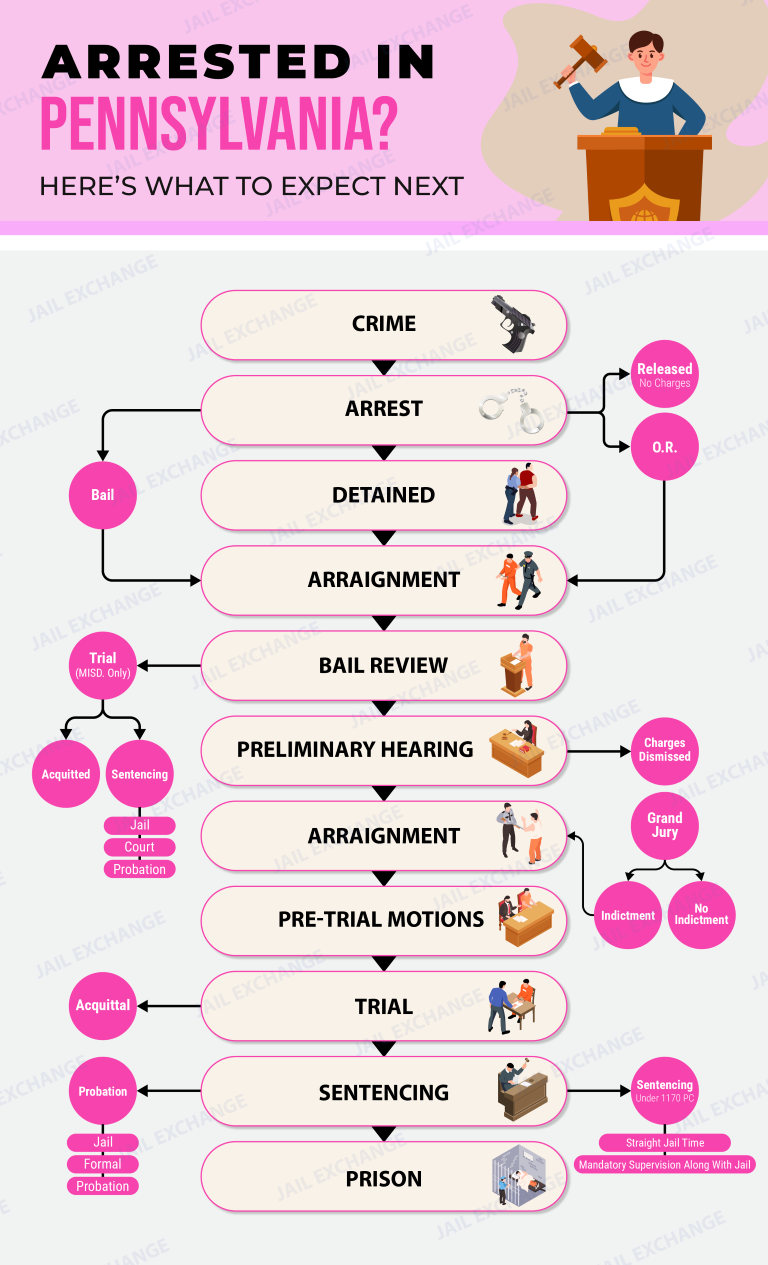
Buy Commissary for an Inmate in the Carbon County Correctional Facility
Carbon County Correctional Facility Inmate Commissary - Sending Money or Purchasing Commissary for an Inmate
The Carbon County Correctional Facility allows inmates to purchase commissary. This can be snacks, hygiene products, stamps, stationary, clothing and even electronics.
Call the facility at 570-325-2211 to ask whether there is a limit on how much an inmate can spend on commissary.
Inmates have access to both an in-house commissary store, and commissary packages that can be purchased and shipped to the inmate by friends and family.
Scroll down for further information on the commissary program, how it works, what type of things inmates can buy, how often they receive commissary, and a lot more.
You can also go to our Inmate Money page for information on how to send money to an inmate.
ViaPath / ConnectNetwork Trust Fund Deposits
Provider: ViaPath Technologies • Formerly ConnectNetwork / GTL Financial

ViaPath Technologies (formerly GTL / ConnectNetwork) operates secure banking software enabling family members to deposit cash or card funds directly into an incarcerated person's jail trust account. Deposited funds allow the inmate to purchase commissary food items, clothing, personal hygiene goods, and medical copays, or transfer balances to phone time.
Important: Jail Trust Account Policies Differ by Agency
Once a person is booked and moved to a cell, facilities do not always allow cash drop-offs or phone payments directly to the jail window. Some might and you should confirm this by calling the facility and asking. But if you do not register online and fund your loved one's trust account immediately, they may be forced to wait days or weeks for standard paper processing, leaving them without essential soap, clean undergarments, basic medical sundries or snacks.
Step-by-Step Instructions to Deposit Trust Funds
- Confirm the inmate's legal name, date of birth, and assigned booking or institutional ID number.
- Log into your account at web.connectnetwork.com or my.viapath.com.
- Select Trust Fund from the available services dashboard.
- Select the facility and confirm your loved one's profile matches the active housing roster.
- Specify the deposit dollar amount and enter your debit or credit card billing details.
- Authorize the transaction and record the confirmation tracking number for your financial records.
What the Inmate Needs to Do
The inmate does not need an internet connection to receive trust funds. Once payment clears, the balance posts directly to their accounting profile in the jail's internal system. The inmate can review their updated balance at the pod kiosk or on their tablet and place their regular weekly store order.
Official Providers: ConnectNetwork Portal | myViaPath Portal
Customer Service Telephone: 1-877-650-4249
Support Hours: Automated Deposits 24/7/365; Live Agents Monday – Friday, 8:00 AM – 10:00 PM EST
Supported Languages: English and Spanish
Other Services Provided by ViaPath Technologies (ConnectNetwork)
In addition to Trust Fund Deposits, ViaPath / ConnectNetwork provides several other communication and calling options:
- AdvancePay Phone Calling Accounts: Keep a dedicated balance to receive telephone calls directly on your cell phone.
• Learn more on our website: AdvancePay Calling Guide | • Visit official vendor page: ConnectNetwork AdvancePay - ViaPath PIN Debit Phone Calling: Give the inmate calling funds to contact any approved phone number independently.
• Learn more on our website: PIN Debit Calling Guide | • Visit official vendor page: ViaPath PIN Debit - ViaPath Messaging & Photo Sharing: Send digital messages and photos directly to their kiosk or tablet.
• Learn more on our website: Digital Messaging Guide | • Visit official vendor page: ViaPath Messaging - GettingOut Video Visitation & Tablets: Schedule face-to-face remote video visits from home.
• Learn more on our website: Video Visitation Guide | • Visit official vendor page: GettingOut Video Visits
Deposit Money for an Inmate in the Carbon County Correctional Facility
The Easiest and Securest Way of Depositing Money for an Inmate
There are several methods for depositing money on an inmate's account:
1. To send money online to an inmate in the Carbon County Correctional Facility use GTL/Viapath.

2. If you prefer to use your credit or debit card and deposit money over the phone, you can call them at 877-650-4249.
3. Deposit cash or use a debit or credit card using a dedicated kiosk for this purpose. The machine is located in the lobby or visitation area of the Carbon County Correctional Facility.
4. The Carbon County Correctional Facility may also allow you to *mail an inmate a money order or cashier’s check from a trusted source such as the Post Office, a local bank, or Western Union. The money order should be be made out to either the inmate or the Carbon County Sheriff's Office, with the inmate’s name and ID# on the memo line of the check. To confirm this option call the facility at 570-325-2211.
*When mailing a money order or cashier’s check, send it an envelope by itself. Never send it with a letter or photos for your inmate, unless the facility allows it. Never send personal checks or cash.
5. The Carbon County Correctional Facility has a reception desk that may accept cash, money orders or cashier checks. Call 570-325-2211 to find out the specific hours for drop off times.
Send an Inmate Mail in the Carbon County Correctional Facility
The Carbon County Correctional Facility on Broad Street in Nesquehoning takes paper mail at the jail itself. Personal letters, legal mail and publications all use the same address, and staff deliver mail Monday through Friday with no cap on how much a person can receive.
Letters, legal papers and publications:
Inmate's Full Name & Inmate ID#
Carbon County Correctional Facility
331 Broad Street
Nesquehoning, PA 18240-1801
- Who it's from: Print your full name and home address in the upper left corner of every envelope, or the jail will most likely destroy the letter rather than deliver it.
- Pens: Letters to Nesquehoning should be written in blue or black ink. Colored ink, crayon and felt markers are not accepted.
- Nothing added: No drawings on the letter or envelope, no glitter or confetti, and no lipstick or perfume.
- Greeting cards: Plain cards are welcome here, but musical ones are not.
- Books: Order new copies and have the publisher or a store ship them to Nesquehoning. Hardcovers are not allowed, and violent, pornographic or obscene books are thrown out.
- Newspapers and magazines: News, sports and special-interest titles are fine when the publisher mails them. Anything with weapons, profanity or adult content is held back.
- Adding money: The county points families to deposits online, by phone or at the lobby kiosk, which takes cash or a credit or debit card, so there is no need to buy and mail a money order.
- Blocked senders: People charged in the same case, people held in other jails and anyone barred by a no-contact order may not send mail here.
The jail has a zero-tolerance policy on mail, so follow these rules closely. Questions go to 570-325-2211.
ViaPath AdvancePay Phone Calling Accounts
Provider: ViaPath Technologies • Formerly ConnectNetwork / Global Tel*Link (GTL)AdvancePay is the primary prepaid telecommunications service operated by Global Tel*Link (GTL) and ConnectNetwork, which have unified under the corporate identity of ViaPath Technologies (and the myViaPath platform). By funding an AdvancePay account, telephone charges are deducted per minute whenever an incarcerated loved one calls your specific telephone number, preventing calls from being rejected by cellular carriers.
Important: Cell Carriers Automatically Block Jail Collect Calls
Inmate telephone networks do not permit incoming calls, and wireless cell providers automatically block traditional collect billing by default. While select traditional landlines may support operator billing, cell phones and internet-based lines require an active AdvancePay balance, which you can verify with your carrier. If you do not register your number online and add funds immediately, your loved one will hear an automated operator announcement stating your line is blocked from receiving correctional calls.
Step-by-Step Instructions to Open and Fund AdvancePay
- Visit web.connectnetwork.com or the updated my.viapath.com portal, or launch the ConnectNetwork / ViaPath mobile application.
- Click Sign Up and register using your primary 10-digit cellphone number and email address.
- Select Add Facility, pick your state, and choose the detention center or state prison where the inmate is held.
- Search for the inmate using their full legal name or facility booking ID number and link them to your contact directory.
- Select AdvancePay Phone and choose your deposit amount ($25, $50, or custom).
- Enter your debit or credit card billing details, accept the administrative transaction fee, and complete the payment.
- Check your phone settings to confirm that automated or unknown correctional numbers are not routed straight to spam.
What the Inmate Needs to Do
The inmate approaches any housing pod telephone, enters their assigned PIN and voice biometric recognition phrase, and dials your 10-digit number. ViaPath's automated operator confirms your active prepaid balance and connects the call. All personal telephone calls are subject to recording and monitoring by facility investigators.
Official Providers: ConnectNetwork Portal | myViaPath Portal
Customer Service Telephone: 1-877-650-4249 (Automated & Live Support)
Support Hours: Automated Service 24/7; Live Operators Monday – Friday, 8:00 AM – 10:00 PM EST
Supported Languages: English and Spanish
Other Services Provided by ViaPath Technologies (ConnectNetwork)
In addition to AdvancePay Phone Calling, ViaPath / ConnectNetwork provides several other communication, financial, and visitation services:
- ConnectNetwork Trust Fund Deposits: Transfer money directly into an inmate's jail trust account for commissary store purchases.
• Learn more on our website: Inmate Trust Deposits Guide | • Visit official vendor page: ConnectNetwork Trust Deposits - ViaPath PIN Debit Phone Calling: Give the inmate their own calling funds to contact any approved phone number independently.
• Learn more on our website: PIN Debit Phone Calling Guide | • Visit official vendor page: ViaPath PIN Debit Calling - ViaPath Messaging & Photo Sharing: Send digital messages, photos, and video attachments directly to their terminal.
• Learn more on our website: Digital Messaging Guide | • Visit official vendor page: ViaPath Messaging Services - GettingOut Video Visitation & Tablets: Schedule face-to-face remote video visits and manage handheld tablet communications.
• Learn more on our website: Remote Video Visitation Guide | • Visit official vendor page: GettingOut Video Visits
ViaPath PIN Debit Phone Calling Accounts
Provider: ViaPath Technologies • Formerly ConnectNetwork / Global Tel*Link (GTL)ViaPath PIN Debit (hosted on ConnectNetwork and myViaPath) provides incarcerated individuals with their own calling funds. Unlike AdvancePay (which only funds calls placed to your specific phone number), PIN Debit funds belong directly to the inmate, allowing them to call attorneys, bondsmen, employers, or extended family members across multiple approved telephone numbers.
Important: AdvancePay Only Funds a Single Phone Number
When someone is arrested, they often need to contact multiple people—including legal defense counsel, bail agents, employers, and relatives. If you only fund an AdvancePay account, your loved one will have no calling balance to dial anyone else, as rules and call authorizations vary by facility. Adding funds directly to ViaPath PIN Debit grants them the calling flexibility needed to handle critical legal and family arrangements without delay.
Step-by-Step Instructions to Fund a PIN Debit Account
- Sign into your account at web.connectnetwork.com or my.viapath.com.
- Click on PIN Debit under the communications menu.
- Select the state and facility, and link the inmate's booking identification number.
- Enter the deposit dollar amount and review the payment transaction fee.
- Enter your debit or credit card details and submit the payment.
- Notify your loved one that their personal PIN calling balance has been credited.
What the Inmate Needs to Do
The calling balance appears under the inmate's personal identification PIN. When they pick up any dayroom telephone or tablet, they select the 'PIN Debit' prompt from the automated menu to place calls to any approved number on their personal contact list.
Official Providers: ConnectNetwork Portal | myViaPath Portal
Customer Service Telephone: 1-877-650-4249
Support Hours: Automated Deposits 24/7/365; Live Agents Monday – Friday, 8:00 AM – 10:00 PM EST
Supported Languages: English and Spanish
Other Services Provided by ViaPath Technologies (ConnectNetwork)
In addition to PIN Debit Calling, ViaPath / ConnectNetwork provides several other communication, financial, and visitation services:
- AdvancePay Dedicated Phone Calling: Fund calls placed specifically to your personal phone number.
• Learn more on our website: AdvancePay Calling Guide | • Visit official vendor page: ConnectNetwork AdvancePay - ConnectNetwork Trust Fund Deposits: Deposit money for commissary food, hygiene supplies, and stationery.
• Learn more on our website: Inmate Trust Deposits Guide | • Visit official vendor page: ConnectNetwork Trust Deposits - ViaPath Messaging & Photo Sharing: Send digital messages and photos directly to their kiosk or tablet.
• Learn more on our website: Digital Messaging Guide | • Visit official vendor page: ViaPath Messaging Services - GettingOut Video Visitation & Tablets: Schedule face-to-face remote video visits from home.
• Learn more on our website: Remote Video Visitation Guide | • Visit official vendor page: GettingOut Video Visits
Send an Email or Text to an Inmate in the Carbon County Correctional Facility
Carbon County Correctional Facility offers, or will soon offer, secure electronic messaging for inmates. To learn more, scroll below or call the jail at 570-325-2211.
Unlike normal email, all messages sent through this system are intercepted by the jail’s servers before being reviewed by staff. This ensures secure communication for both inmates and their contacts.
Inmates can read their messages on kiosks within their units or on tablets provided by the third-party service managing the messaging program.
Key benefits of this system include:
- It is more affordable than traditional mail services.
- Faster turnaround time for communication.
- The jail can monitor messages in real time.
- It generates revenue for the jail.
- Inmates are incentivized to follow rules to maintain this privilege.
- It prevents contraband from entering through physical mail.
For more information and answers to Frequently Asked Questions, scroll below or call the jail at 570-325-2211.
Information for this service is currently unavailable.
Nearby counties
- Jail (Main): 570-325-2211
- Carbon County Sheriff: 570-325-2821
The Carbon County Correctional Facility serves the following cities and towns of Carbon County: Bowmanstown, East Penn, Jim Thorpe, Lansford, Lehighton, Mahoning, Nesquehoning, Packer, Palmerton, Parryville, Penn Forest, Summit Hill, Weatherly and Weissport.