
Gillespie County Jail
Gillespie County Jail
Physical Address
1601 East Main StreetFredericksburg, TX 78624
Jail Phone Number
830-990-8793Gillespie County Inmate Search: Who's Behind the Doors on East Main
Deputies and city officers book their prisoners into the Gillespie County Jail, a Sheriff's unit housed at the Law Enforcement Center, 1601 East Main Street, Fredericksburg, TX 78624. Below, a family can work out whether someone is inside, what they're accused of, and how visits, messages, mail, money, belongings, court dates and release play out.
Begin with the county's court and justice records portal, which the Sheriff's website sends people to. Copy the spelling from a driver's license if you can, then scan whatever matches come back. Records can trail real life by hours, so a booking or release from this morning may not appear yet.
A phone call settles doubts quickly. Dial 830-990-8793, choose the jail from the menu, then spell out the legal name and birthday. Three questions matter most: booked or not, on what charge, and at what bond. Our release and bond explainer covers getting out, and the courts rundown follows the case afterward.
Read inmate search answers
 Read inmate search answers
1. How do I search Gillespie County jail records?
Only one lockup serves the whole county, which keeps the hunt short. Steps:
- Open the records portal linked from the Sheriff's page.
- Choose a search the portal offers and type the person's name.
- Look at each match closely, since common surnames repeat.
- Jot down any case number you find; clerks and jail staff move faster with it.
- Still unsure? Call and confirm before driving anywhere.
When the site is slow or throws an error, skip ahead to a call. The communications center at 830-990-8793 runs a menu with a jail option.
↑ Back to the question list2. Search came back empty?
An empty result has several usual causes:
- Booking still underway. Fingerprints, photos and paperwork take a while before anything posts.
- Already gone. Somebody might have paid a bond already, or a magistrate signed a personal bond.
- Taken somewhere else. Someone wanted elsewhere can be handed off to another county, the federal Marshals, or immigration agents.
- Typos. Try hyphenated surnames both ways, a birth surname, or the middle name typed where the first one goes.
- Age. Anyone 16 or younger goes through juvenile probation, never the adult jail.
Fredericksburg police work out of the very same building on East Main. So for a city pickup, check with the jail about whether booking took place down the hall. The Sheriff's main line is 830-997-7585.
↑ Back to the question list3. Is there more than one Gillespie County jail?
County and state records point to a single jail. Adults go to the one jail inside the Law Enforcement Center, 1601 East Main Street, Fredericksburg, TX 78624. A June 2022 report from the Texas Commission on Jail Standards listed room for 96 there.
Some people still end up elsewhere:
- An arrest made in a neighboring county usually lands in that county's jail. Call that sheriff.
- Federal prisoners can be moved to whatever jail the Marshals use.
- After a prison sentence, the state transports people to TDCJ.
If you can't tell which agency holds someone, phone the jail through 830-990-8793 and ask who has custody.
↑ Back to the question list4. Are Gillespie County mugshots online?
Mugshots, meaning booking photos, may or may not appear on the county portal; the Sheriff's Office can tell you. The surer path is a written Public Information Act request sent to that office. Texas makes agencies release basic facts about an arrest promptly (GC 552.108(c)). Ask its records staff at 830-997-7585 how to send one.
- Websites that sell removal. Under Business and Commerce Code chapter 109, sites charging $150 or more to remove a record have to fix or pull an inaccurate one free. They're barred from publishing expunged records or ones covered by nondisclosure.
- Immigration photos. Request them from ICE through its records request page.
- From federal arrests. Federal agencies tend to keep these in-house. Now and then the Marshals put one out, say during a manhunt.
5. Is there a heads-up service for releases?
Sign-up makes it possible. The Sheriff's website links to Texas IVSS-Counties, the statewide notice system that took over from the old service. Register for someone held in a county jail, and the system sends word when custody changes. There's no charge, your details stay private, and it works in English or Spanish. Operators answer day and night at 866-268-8959.
Nobody is enrolled automatically, so sign up as soon as you know the person is booked.
↑ Back to the question list6. Gillespie County bond: paying it and getting out
A magistrate picks the bond amount inside 48 hours of arrest, often by video from the jail. Some people leave on a personal bond, a written promise to come back. Others need money or a bondsman.
- For a cash bond, bring a money order or a cashier's check; nothing else works. The payee line reads Gillespie County Sheriff's Office.
- Bills, personal checks and traveler's checks are refused.
- Bring a valid photo ID.
Our bond page covers bondsmen, conditions and refunds. Texas release law in general sits on our statewide bail law page.
↑ Back to the question list7. What exactly are they accused of?
Over the phone, jail staff will usually say what the booking sheet lists. After the prosecutor files, the court record holds the formal wording.
- Felonies: the District Clerk, Room 204, 101 West Main Street, Fredericksburg, TX 78624, 830-997-6517.
- Jailable misdemeanors: Room 109 of that courthouse, home of the County Clerk, 830-997-6515. Bring photo ID.
- Online: the county portal, plus the state's free re:SearchTX account, which shows filings and judgments. For older history, DPS runs a paid conviction lookup.
Booking labels aren't final. Grand jurors sometimes return an indictment for a different offense.
↑ Back to the question list8. Getting them a lawyer
At the magistrate hearing, the person can say they can't afford counsel and ask for an appointed lawyer. A state chart of managed defense programs lists the Hill Country Regional Public Defender's Office for this area: 550 Earl Garrett Street, Kerrville, TX 78028, 830-315-2788. Once appointed, that attorney is expected to attempt contact no later than the following working day's close (CCP 1.051, 26.04).
Family members can hire private counsel at any point. Ask the jail how attorney visits are arranged.
↑ Back to the question list9. Gillespie County jail visits: video and onsite
Every visit, even an onsite one, starts with a free account with the jail's visitation provider and a booked 30-minute slot.
- At the lobby: free. Tuesday and Thursday, 8 a.m. to noon and 1 p.m. to 5 p.m.; Saturday, 1 p.m. to 4 p.m.
- From home by video: 30 cents a minute, paid by you or from the inmate's funds, 7 a.m. to 11 p.m. every day.
- ID: a state driver's license or state ID card.
- Kids: under 17 must come with a guardian.
- Conduct: staff can end or refuse a visit for bad behavior, signs of drinking or drugs, improper clothes or suspected contraband.
State rules guarantee two or more noncontact visits per week for every inmate, each lasting a minimum of 20 minutes, and one must fall in an evening or weekend slot. Starting September 2025, inmates confirmed as veterans can also meet at no cost with a veterans service officer. See our visiting tips.
↑ Back to the question list10. Money for snacks and calls: how does it get in?
Account funds usually pay for commissary goods, messages and video visits. Ask the jail about deposit choices, fees and limits before sending anything. Keep the legal name and birthdate handy.
Our guide to deposits explains common methods, and the commissary rundown shows what an account buys. Keep cash out of the mail.
↑ Back to the question list11. What about calls, texts and messages?
The jail uses a paid electronic messaging service run by the same provider that books visits. Phone details, such as rates and whether tablets are used, can be had from jail staff. Ask whether calls are recorded. Save any case discussion for the attorney.
Background reading: our phone service explainer and the e-message explainer.
↑ Back to the question list12. Sending mail or photos
The Support Services Division steers families toward electronic messaging. Documents, photos and letters can go that way in place of the post office. Before mailing anything on paper, call the jail and ask for the right postal address and what may be enclosed.
State jail standards let inmates write and receive letters without any quantity cap. Attorney mail is opened in front of its recipient, with staff looking only for contraband. Someone broke receives free supplies covering at least three letters every week. Our postal mail tips cover packaging and content.
↑ Back to the question list13. Picking up their belongings
Wallets, keys and phones collected at intake wait in the property room. If a relative plans to collect them early, check whether a signed authorization from the inmate is needed. Call the Sheriff's Office before driving over, and bring photo ID to 1601 East Main Street, Fredericksburg, TX 78624. Left-behind items may later appear on the Sheriff's unclaimed property notices.
↑ Back to the question list14. Worried about their health?
Call the jail as soon as you can. Pass along prescriptions by name and dose, plus the physician's number. If the worry is mental health, say so clearly. Note a 2025 Texas law: if someone under an emergency mental health hold is kept in a jail, they must be housed separately from criminal defendants.
Every Texas jail has to explain its grievance process in the handbook and on wall postings. Families with concerns can contact the state's jail standards commission via its complaint form or at 512-463-5505.
↑ Back to the question list15. Is there a warrant out for someone?
Deputies, constables from all four precincts, and Fredericksburg officers carry out warrants locally. Check by calling 830-990-8793 and picking the warrant choice, or the Sheriff's Office at 830-997-7585. Links: the county warrant information page, the city's round up notice and the DPS most wanted fugitives. Clerks can say whether their court issued one. To resolve one, speak with an attorney first, then surrender at the jail or call the issuing court to reset. For felony warrant files, visit the District Clerk in Room 204, 101 West Main Street, Fredericksburg, TX 78624, 830-997-6517.
↑ Back to the question list16. Court date coming up: where to check?
Ask the clerk tied to the charge. Felonies: District Clerk, 830-997-6517. Jailable misdemeanors: County Clerk, 830-997-6515. Fine-only tickets: the justice courts or the city's Municipal Court.
The 216th District Attorney posts that court's calendars online. Defense lawyers track settings too, so ask yours. Our criminal court overview traces each stage.
↑ Back to the question list17. A federal case instead of a state one?
Austin hosts the federal court for this area: 501 West Fifth Street, Suite 1100, Austin, TX 78701, 512-916-5896.
- The first court appearance can include a detention hearing deciding release or custody until trial (18 U.S.C. 3142).
- Meanwhile the U.S. Marshals decide where the person sleeps, frequently a county jail that rents beds. Their Austin office, 501 West 5th Street, Suite 3300, Austin, TX 78701, answers at 512-916-5393.
- After the judge imposes federal prison time, search the BOP online finder by name or register number.
18. Held because of immigration?
- Paperwork comes first: jail staff receive an I-247A detainer from ICE.
- That request lets the jail keep the person up to 48 hours after they would otherwise be released (8 CFR 287.7(d)). State law obliges Texas jails to honor it, but showing U.S. citizenship or legal presence cancels it (CCP 2A.060). Counties and cities can't adopt sanctuary-style rules (GC 752.053).
- ICE transport then arrives for the person. This part of Texas is handled by the San Antonio Field Office, 3523 Crosspoint Drive, San Antonio, TX 78217, 210-564-3300.
- Try the ICE detainee search: enter the A-number, or else the complete name plus birth country.
Separately, jail-running counties face a deadline, December 1, 2026, under S.B. 8: request a 287(g) deal from ICE, then enter it.
↑ Back to the question list19. Sent on to state prison?
State custody doesn't start the moment a felony sentence is read; the wait happens locally. TDCJ then runs intake and classification before assigning a unit that fits.
- The TDCJ search wants either a surname and first initial or one of two ID numbers (TDCJ, SID). Only current TDCJ prisoners appear. Updates happen on business days alone, which leaves the information at least 24 hours behind, sometimes more.
- Our Texas prisons list covers units across the state.
- Questions about probation on a local case: Adult Probation, 830-997-3962.
20. What if they're under 17?
In Texas, juvenile status runs from a tenth birthday up until the seventeenth; after that, adult rules apply (FC 51.02). Children who are picked up are placed in a youth detention setting rather than the county jail, with a parent notified promptly. Their detention hearing comes by working day number two.
Juvenile Probation, 830-307-3567, can say where the child is placed. Statewide, TJJD keeps the registry of youth detention centers: 1711 San Jacinto Blvd, Austin, TX 78701, 512-490-7130.
↑ Back to the question list21. Gillespie County police agencies
These agencies may have made the arrest:
- Fredericksburg Police Department, 1601 East Main Street, Fredericksburg, TX 78624. It shares the Law Enforcement Center and main line 830-997-7585 with the Sheriff's Office. Its lobby is open 8 a.m. to 5 p.m. on weekdays.
- Sheriff's Office, same building. Deputies cover the rural areas. Dispatch for both agencies: 830-990-8793.
- Constables: Precinct 1, 830-307-3774; Precinct 2, 830-307-3775; Precinct 3, 830-307-3448; Precinct 4, 830-307-3449.
- DPS Highway Patrol: state troopers may arrest on the highways here as well. Ask the Sheriff's Office which DPS office serves this area.
Gillespie County Bail and Release
In this Hill Country county, everyone arrested heads to one place: the Gillespie County Jail, run by the Sheriff inside the Law Enforcement Center at 1601 East Main Street, Fredericksburg, TX 78624. This page walks you through the magistrate's role, the three bond types, how the Sheriff's bond desk wants to be paid, and which holds can keep the door shut even after the money is in.
Step one is proof your loved one is actually booked. The Sheriff's website sends people to the county's court and justice records search. Want more than a yes or no? Our Recent Arrests page is the deeper dig: fresh bookings, today's head count, filed charges, warrant checks, booking photos, appointed counsel and claiming property.
Then phone the communications center at 830-990-8793 and choose the jail. Ask if the magistrate hearing is over yet, what bond sits on every charge, and if any hold blocks release. When you're ready for the next stage, our court page picks up the case.
1. Who decides bail after a Gillespie County arrest?
A magistrate does, and jail staff only carry out the order. Officers get two days at most, counting from the arrest, to put the person before a magistrate, and sooner is expected (CCP 14.06, 15.17). Appearing by video from a jail room is allowed.
Plenty of judges qualify as magistrates under CCP 2A.151: city judges, each justice of the peace, the county judge, the county court at law bench and district judges. Anyone setting a felony bond, or a bond on a misdemeanor that can mean jail, needs state bail training first (CCP 17.023, 17.024). Expect the magistrate to:
- name the accusation and go over rights, like silence, an examining trial and a lawyer in the room during police questions
- show how to request an appointed attorney and help with that paperwork
- read a public safety report before any bond on Class B or above (CCP 17.022)
- rule on bail inside the 48 hours, choosing the gentlest terms that still keep the community safe and make a court return likely (CCP 17.028)
Four justice of the peace precincts serve the county. Reach Precinct 1 at 830-307-6193. Precincts 2, 3 and 4 use one number, 830-307-3737; name your precinct when staff pick up.
↑ Back to the question list2. Cash, surety or personal: which bond fits?
The Code of Criminal Procedure offers three roads out before trial (CCP 17.01 to 17.03):
- Cash bond. You hand over the full bail, and the county holds it until the case closes. It comes back if all conditions held.
- Surety bond. Someone with enough assets, most often a professional bondsman, signs on for the whole sum and keeps a fee for the risk.
- Personal bond. Just a signature and a promise. No dollars change hands at the jail.
That last option has limits. The statute's list of violent offenses rules it out, and so do terroristic threats at Class A or higher, gun possession after a felony conviction, and breaking some kinds of protective order. A person already out on a violent case who picks up a new charge can't get one either. With burglary, organized crime or some major drug felonies, only the judge actually hearing the case may grant one (CCP 17.03).
Judges can attach conditions to any bond, too, such as staying away from an accuser. A second DWI, or DWI with a kid as a passenger, means the car must carry an ignition interlock (CCP 17.441). Curious how all this works across the state? Click over to our Texas bail laws page anytime.
↑ Back to the question list3. How is bail figured on Gillespie County charges?
You won't find a state price list in Texas. The magistrate builds each bail around one person and one case, using seven factors (CCP 17.15):
- Does the figure give the person a real reason to come back?
- Bail can never be a weapon against someone.
- How serious was the offense, and did it involve violence?
- What can this person actually raise? They may show proof.
- Are the victim, officers and neighbors kept safe?
- What do the record and safety report say?
- Is the person a U.S. citizen?
Hard dollar caps show up in only a single rule. It covers people arrested without a warrant whose probable cause wasn't ruled on in time. For a misdemeanor the release deadline is hour 24 and the bail ceiling is $5,000. Felony limits are hour 48 and $10,000. Can't afford that? Then release comes on a personal bond (CCP 17.033).
For the number on your loved one's charges, call the Sheriff's Office at 830-997-7585 and ask for the jail.
↑ Back to the question list4. Posting a cash bond on East Main: what are the steps?
The Sheriff accepts bail for prisoners in the county jail, so bonds go through the Sheriff's Office at 1601 East Main Street, Fredericksburg, TX 78624. Work through this list:
- Dial 830-990-8793, pick the jail, and spell out the person's full legal name with their birthday.
- Write down each bond figure, confirm the magistrate hearing has happened, and ask what hours bonds are accepted today.
- Get a money order or cashier's check that covers the bond to the penny. Make it payable to the Gillespie County Sheriff's Office.
- Carry a valid government photo ID. No ID means no bond.
- Keep that receipt somewhere safe, because refunds follow the name typed on that slip.
Going through a bondsman instead? The surety handles the jail paperwork, and your deal is with the surety.
↑ Back to the question list5. Do the clerks or courts take bail?
For someone sitting in jail, bail goes to the Sheriff's Office. After charges are filed, though, each court's clerk holds the file and can tell you how a new or changed bond is handled.
- District Clerk, keeper of felony files: 101 West Main Street, Room 204, Fredericksburg, TX 78624, 830-997-6517. The courthouse is open weekdays from 9 a.m. until 4 p.m.
- County Clerk, for jailable misdemeanor files: 101 West Main Street, Room 109, Fredericksburg, TX 78624, 830-997-6515. Hours run 8 a.m. to 4 p.m. on weekdays, and staff ask for photo ID on every transaction.
- Municipal Court for city tickets: 103 Industrial Loop, Suite 1000, Fredericksburg, TX 78624, 830-997-9935. Phone first to check where the window is and when it opens.
Fine-only Class C charges seldom need money. Those cases normally move on a personal bond in justice and city courts (CCP 45A.107).
↑ Back to the question list6. Which payments will the bond desk take?
The Sheriff's bond desk is strict about this. Here is the short version:
- Yes: a cashier's check, or a money order, written out to the Gillespie County Sheriff's Office.
- No: paper bills and coins, traveler's checks, or a check from your own account.
- Also required: photo ID for whoever is paying.
The county runs a criminal court payment page for County Court fines and fees, paid by card, phone or mail. It handles fines and court costs, and bonds still go through the Sheriff. Payment rules can change, so ringing 830-997-7585 ahead of the drive spares a wasted trip. Don't mail cash, ever.
↑ Back to the question list7. How do bondsmen work in a smaller county?
Under OC 1704.002, a bail bond board is a must for big counties of 110,000 residents or more. This county is far smaller, so that licensing setup isn't required here. Instead, CCP 17.141 lets the Sheriff keep a roster of approved sureties who file sworn money statements each year. Ask the jail at 830-990-8793 which sureties it takes.
- Get the fee, any collateral such as a truck title, and the date that collateral returns, all on paper.
- Insist on a receipt every time money changes hands.
- A surety that wants out can turn the person back in. Before that, it must give notice to the person's attorney (and, on a felony, to the prosecutor). It also files its sworn reasons with the court (CCP 17.19).
- Staff taking a bond must pull the person's criminal record before they accept it (CCP 17.20, 17.22).
8. What else can stop a release?
Paying one bond clears one charge, nothing more. Watch for these:
- Family violence hold. Officers who fear the abuse may continue must keep the arrested person four extra hours once bond is posted. A signed magistrate's order can lengthen the wait, though by no more than two days (CCP 17.291). The agency also tries to reach the victim before the door opens (CCP 17.29).
- Paper from another county. If a different Texas county issued the warrant, bail can still be taken here, and the bond travels to that county (CCP 15.18).
- Parole warrant. Someone picked up for a parole violation stays confined until that hearing (GC 508.254).
- ICE detainer. State law says jails honor these, unless the person can document that they're a citizen or allowed to be here (CCP 2A.060).
- Separate cases. Say there is a city ticket plus a county charge. Each one needs its own release.
Before paying anything, ask the Sheriff's Office at 830-997-7585 to list every hold on file.
↑ Back to the question list9. Can a judge in Texas refuse bail outright?
Texas promises bail to almost anyone accused. The Texas Constitution has long allowed one big exception for capital charges, as long as the proof of guilt is evident (see article I, §11). Later amendments added sections 11a, 11b and 11c, which let a judge keep a person jailed without bail once a hearing is held. Think of a felony suspect with a long record or one already out on bail, a person who broke safety terms of release, or someone who violated certain protective orders.
Then came Proposition 3, which Texas voters passed on November 4, 2025. It became section 11d. It targets murder and capital murder, kidnapping or robbery with aggravating facts, sexual assault of the aggravated kind, child indecency, human trafficking, and aggravated assault involving a weapon or a serious injury. The prosecutor needs to prove one of two things. Flight risk is proven by a preponderance, legal shorthand for more likely than not. Danger must be shown by clear and convincing evidence, a higher bar. If either is proved, the judge must refuse bail. Only the state can ask for this hearing, and bail granted anyway requires written findings from the judge.
Since a 2025 change, prosecutors who think bail was set too low in serious violent cases can now appeal. Appeals judges get 20 days for their ruling, with the defendant held the whole while (CCP 44.01). The 216th District Attorney's Office handles felonies from here: 402 Clearwater Paseo, Suite 400, Kerrville, TX 78028, 830-896-4744.
↑ Back to the question list10. What can bring the bail figure down?
The usual path is a defense motion, filed with whichever judge has the case, asking for less money or easier conditions. Help the judge say yes with real proof: a work schedule, rent receipts, people who rely on the accused, and an honest budget. Anyone charged with Class B or more may also swear out an affidavit saying they can't afford the bail, which earns a quick review (CCP 17.028).
The calendar can help as well. When the prosecution isn't ready for trial in time, someone stuck in jail earns a personal bond or reduced bail when these clocks run out (CCP 17.151):
- 90 days, felony
- 30 days, misdemeanor with jail time over 180 days
- 15 days, misdemeanor capped at 180 days
- 5 days, fine-only offense
Some cases are excluded. For felony timing, call the District Clerk, 830-997-6517. For misdemeanors, call the County Clerk, 830-997-6515.
↑ Back to the question list11. Who qualifies for appointed counsel in Gillespie County?
Ask at the magistrate hearing. When the magistrate can't appoint counsel then and there, the request has 24 hours to land with whichever judge handles appointments (CCP 15.17). With a population well below 250,000, the county must have an attorney named before the end of the third working day (CCP 1.051). CCP 26.04 then gives the lawyer until the next working day closes to try in earnest to reach the client.
The judge weighs pay, assets, debts and dependents. Posting bail does not, on its own, prove someone can hire counsel.
On the state's chart of managed public defense, this county is served by the Hill Country Regional Public Defender's Office, which also covers Bandera, Kendall, Kerr and Medina: 550 Earl Garrett Street, Kerrville, TX 78028, 830-315-2788. Statewide, appointed counsel is monitored by the Texas Indigent Defense Commission, 209 West 14th Street, Room 202, Austin, TX 78701, 512-936-6994.
↑ Back to the question list12. Which courthouses handle Gillespie County cases?
Nearly all the local court offices sit in the courthouse at 101 West Main Street, Fredericksburg, TX 78624.
- 216th District Court, the felony court shared with Kerr County. Room 204 houses the District Clerk, who keeps its local files, 830-997-6517. The court's Kerrville office is 700 Main Street, 2nd Floor, Kerrville, TX 78028, 830-792-2290.
- County Court and County Court at Law, both filing their records through the County Clerk, Room 109, 830-997-6515.
- Justice courts in Precincts 1 through 4, for fine-only cases. Precinct 1: 830-307-6193. Precincts 2 through 4: 830-307-3737. Ask staff where to go in person.
- Municipal Court, 103 Industrial Loop, Suite 1000, Fredericksburg, TX 78624, 830-997-9935.
- Federal court, Austin Division clerk, 501 West Fifth Street, Suite 1100, Austin, TX 78701, 512-916-5896.
13. Does a cash deposit ever come back?
Kept every condition and the case is done? The person named on the bond receipt then gets the deposit back, less any fee (CCP 17.02). The clerk's cut is capped at 5 percent or $50, whichever is less, and only comes out if the case finished in a conviction, or in deferred adjudication. The court may also subtract the defendant's unpaid fines and costs from the deposit (LGC 117.055; CCP 17.53). When everything is finished, the clerk hands over, free, the motion form used to release cash bail.
Skip a court date and the picture changes fast. The name is called at the courthouse door. If no one answers, the judge signs a judgment nisi, which puts the bond on track to be lost (CCP 22.01, 22.02). Bondsmen have a way out if the defendant ends up back in a cell soon: a 180-day window on misdemeanors, a 270-day window on felonies (CCP 22.13). Not showing up can also bring a separate charge. Under PC 38.10, the level of that charge tracks the missed case: Class C for a fine-only case, Class A for any misdemeanor that carries jail, and third-degree felony for a felony.
Felony deposit? Ask the District Clerk, 830-997-6517. Misdemeanor deposit? Ask the County Clerk, 830-997-6515.
↑ Back to the question list14. How do leftover funds and belongings get returned?
Sort out leftover funds and the items taken at booking before the person leaves. Property stays at the Law Enforcement Center, 1601 East Main Street, Fredericksburg, TX 78624, until it is released. Call 830-997-7585 and ask jail staff how they pay out a leftover balance and when the bag of belongings can be picked up.
Pickup requires photo ID. If the owner is still inside, staff may want written permission from them first, so ask. Our inmate account guide covers the common ways money goes on and comes off a jail account.
↑ Back to the question list15. Who sets release when federal agents bring the charge?
Anyone federally charged in this county goes before a federal judge in Austin. That courthouse belongs to the Western District of Texas. Clerk's office: 501 West Fifth Street, Suite 1100, Austin, TX 78701, 512-916-5896.
- A federal magistrate judge runs the detention hearing. Release comes with conditions, or the judge orders the person held until trial (18 U.S.C. 3142). Bondsmen play no part.
- Pretrial, the U.S. Marshals Service keeps the defendant in its custody. It often pays county jails to house its prisoners. The Austin office is 501 West 5th Street, Suite 3300, Austin, TX 78701, 512-916-5393.
- Can't pay a federal lawyer? Ask for the Federal Public Defender. Its Austin office is at 504 Lavaca Street, Suite 960, Austin, TX 78701, 512-916-5025.
- After sentencing to prison, track them on the Federal Bureau of Prisons inmate locator.
16. Does bond money clear an immigration detainer?
No. Bail paid to the county doesn't touch an immigration hold. Here is the usual sequence:
- A detainer request on Form I-247A is sent by ICE to the jail on East Main Street.
- Staff are asked to keep custody for up to 48 hours after they would otherwise be released, so agents have time to come (8 CFR 287.7(d)).
- Under CCP 2A.060, Texas jails go along with these requests, though anyone who shows they're a citizen or lawfully here must be let go. Since 2017, Texas has barred local policies that slow down immigration enforcement (GC 752.053). A 2025 bill, S.B. 8, goes further. Counties that run jails, this one included, were told by state law to enter a 287(g) arrangement with ICE. Lawmakers picked December 1, 2026, for getting that done.
- The closest ICE field office is in San Antonio: 3523 Crosspoint Drive, San Antonio, TX 78217, 210-564-3300.
- Look them up on the ICE Online Detainee Locator. Have the A-number? Use it. If not, enter the person's full name and choose their country of birth.
17. Where do state jail and prison terms get served?
People sentenced on state jail felonies serve that time in a state jail, while anything from third degree upward means prison under TDCJ, the state agency for prisons (PC 12.34, 12.35). Most people wait in the county jail after sentencing until TDCJ sends for them. They are sorted at an intake unit, then moved to a unit that matches their case.
- The TDCJ inmate search needs at least a last name and a first initial. Got the TDCJ or SID number? That's faster. Only people inside TDCJ units right now show up, and the list refreshes each working day.
- Read our Texas state prisons page for more on the units.
- For questions about adult probation, the county office answers at 830-997-3962.
18. Gillespie County teen in custody: what now?
Texas juvenile court is for offenses committed at ages 10 through 16. A new charge after the 17th birthday goes to adult court (FC 51.02). Police owe the parent a prompt call (FC 52.02). Any child held in detention gets a judge's hearing within two working days, or one working day for Friday and Saturday arrests. A lawyer gets assigned before that hearing begins (FC 54.01).
Phone the county's Juvenile Probation Office at 830-307-3567 to find where your child is being held and when the judge will see them.
↑ Back to the question listGillespie County Jail Inmate Visitation
Friends and Family – Gillespie County Jail does not put its visiting schedule on its public pages. To hear the days and times now in use, call 830-990-8793. Staff often point to privacy, security, and visit times that are not the same for every unit.
What to Have on Hand
- Have the inmate's full name, date of birth, booking number if you have one, and your own name and ID.
- Visiting rights are frequently held until 48 hours, and sometimes a full week, after intake; ask when the person will be eligible.
- Name yourself, describe the relationship, and keep the tone polite and the questions specific.
Ask Staff About
- whether a child is allowed to visit and what is required
- what days and times you should plan around
- whether a visit is in person, by video, or both
- how much lead time is needed to book a visit
- what attire is allowed and what you can have with you
- the standard length of visiting time
- whether your name has to be on file as an approved visitor and how to be added
- what identification you should have on you
Before You Walk In
Most jails use rules like these. Confirm the details when you call.
- Children must stay with an adult and be watched at all times.
- Most jails expect conservative dress and closed or standard shoes, with no tank tops, sleeveless shirts, short skirts or shorts, and no hats, sunglasses, or revealing, see-through, or offensive clothing.
- A visitor application and a background check are typically required at some facilities before you can visit.
- Most jails ask you to be there at least 15 minutes early. Late arrivals may lose the visit.
- Visitors cannot be under the influence of drugs or alcohol, and you may be turned away if you appear impaired.
Official Page Notes
Video or scheduled visits at Gillespie County Jail in Gillespie County, Texas are handled through NCIC.

NCIC Video Visitation provides a secure online platform that enables families and loved ones to conduct scheduled face-to-face video visits with incarcerated individuals from home. Using an internet-connected smartphone, tablet, or personal computer equipped with a webcam, visitors can connect directly without traveling to the facility.
Important: Advance Registration and Visitor Clearance Required
Detention centers do not permit unscheduled or unverified video sessions. Correctional facilities require prospective visitors to submit government-issued photo identification and receive administrative clearance before booking an appointment, an approval process that can take up to 48 hours depending on facility staffing. You should verify your visitor approval status with the facility prior to scheduling. If you do not register well in advance, you will miss your loved one's scheduled visiting window for the week.
Step-by-Step Instructions to Register and Schedule a Video Visit
- Visit account.ncic.com and sign into your account.
- Register your visitor profile and upload a clear photograph of your government-issued ID (driver's license or passport) for facility background review.
- Wait for email notification confirming facility visitor approval.
- Select Video Visitation, choose the detention facility, and select the inmate.
- Browse the available schedule calendar, select an open time slot, and pay the visitation fee using a credit or debit card.
- Log into the website or mobile app 10 minutes prior to the start time on a device with a functioning camera, microphone, and reliable high-speed internet connection.
What the Inmate Needs to Do
The inmate receives a visitation notification on their housing unit video kiosk or terminal. At the appointed time, they log in with their PIN and sit before the terminal. Inmates and visitors must strictly observe jail dress and conduct rules; sessions are monitored by staff and will terminate immediately upon any violation.
Official Provider: NCIC Official Website
Customer Service Telephone: 1-800-943-2189
Support Hours: 24 hours a day, 7 days a week, 365 days a year
Supported Languages: English and Spanish
Other Services Provided by NCIC Inmate Communications
In addition to Remote Video Visitation, NCIC provides calling and digital messaging services at participating facilities:
- Prepaid Phone Calling Accounts: Prepay for phone calling credits so your loved one can call your telephone directly.
• Learn more on our website: Prepaid Calling Accounts Guide | • Visit official vendor page: NCIC Prepaid Calling - Inmate Messaging Services: Send electronic messages and photos directly to an inmate's housing unit terminal.
• Learn more on our website: Inmate Messaging Guide | • Visit official vendor page: NCIC Messaging
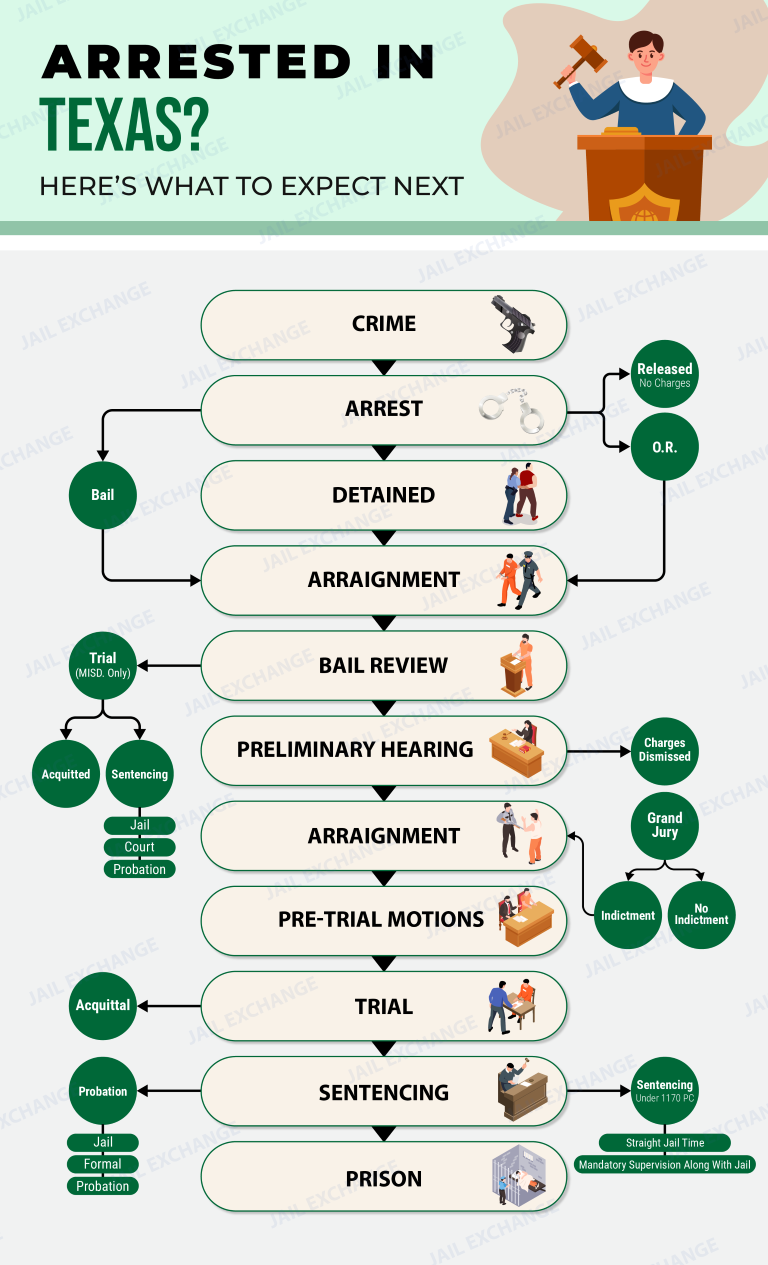
Gillespie County Criminal Court Guide
Nearly every criminal file here passes through the old county courthouse at 101 West Main Street, Fredericksburg, TX 78624. Someone not yet bonded out waits a short drive east at the Gillespie County Jail, which the Sheriff keeps inside 1601 East Main Street, Fredericksburg, TX 78624. This guide sorts out each courtroom, the route a charge travels, plus who argues for the state and who argues for the defense.
Before anything else, confirm the person is still locked up. The Sheriff's website points to the county's court and justice records portal for that. Our who's held right now page rounds out the custody side: recent bookings, posted charges, outstanding warrants, mugshots, free-lawyer eligibility and reclaiming personal property.
Next, phone the clerk that fits the charge. Felonies go through the District Clerk at 830-997-6517, and misdemeanors through the County Clerk at 830-997-6515. Scribble three facts on paper: cause number, assigned judge, upcoming setting. If getting out comes first, our bond walkthrough handles that.
1. Misdemeanor or felony: which bench hears it?
The ceiling on punishment picks the courtroom. Locally that sorts out like so:
- Felonies land before the 216th District Court, whose single judge rides circuit between this county and Kerr County.
- Class A and Class B charges carry possible jail time. They're heard by either the County Court or the County Court at Law. One County Clerk files paperwork for both benches, so that office knows which judge holds any given cause.
- Class C charges carry only a money penalty. Justice courts hear those, or for a city officer's citation, the Municipal Court.
Appeals climb, at the very end, to Austin's Court of Criminal Appeals, highest in Texas for criminal matters.
↑ Back to the question list2. Gillespie County court offices: addresses and hours
Plan on the courthouse for most business. Clerk offices are open Monday through Friday.
- District Clerk, Room 204, 101 West Main Street, Fredericksburg, TX 78624, 830-997-6517. Courthouse hours are 9 a.m. to 4 p.m. This office indexes every District Court record and links to eFileTexas for lawyers.
- County Clerk, Room 109, same building, 830-997-6515. Open 8 a.m. to 4 p.m. Bring photo ID; staff ask for it on every visit.
- 216th District Court office, 700 Main Street, 2nd Floor, Kerrville, TX 78028, 830-792-2290. Because its judge splits time with Kerr County, phone Room 204 to learn when felony docket day returns to this side.
Summoned for jury duty? District Court jurors call 830-992-2610, and County Court jurors use 830-990-4117.
↑ Back to the question list3. Fine-only tickets: JP or Municipal Court?
Who wrote the citation, and where, settles it. A Fredericksburg officer's ticket from inside town can go to Municipal Court. Most other Class C cases sit with a justice of the peace for that precinct.
- Municipal Court: the city lists its office at 103 Industrial Loop, Suite 1000, Fredericksburg, TX 78624, 830-997-9935. Phone ahead, because city pages have shown two addresses and two sets of hours.
- JP Precinct 1: 830-307-6193.
- JP Precincts 2, 3 and 4: they share 830-307-3737. Read the precinct number off your citation and ask staff where that judge holds court.
Short on money for the fine? Texas judges have to look at options before jail. A payment plan works. So does community service, with eight hours knocking $150 off the balance. A full waiver can happen too. Locking someone up over an unpaid fine takes a hearing first. That hearing must show the person had the means, yet still refused (CCP 45A.252 to 45A.261).
↑ Back to the question list4. The 48-hour magistrate warning: what's said?
No later than 48 hours post-arrest, the accused stands before a magistrate, often by camera from the jail (CCP 15.17). During that short session the judge will:
- Name the offense charged.
- List the person's rights. Those cover silence, paying for their own attorney, having counsel present while officers question them, cutting off an interview, and on felonies, requesting an examining trial. Words spoken now may surface later as evidence.
- Take a request for a free lawyer, with help on the form.
- Fix the bond. For Class B and higher, a written public safety report gets reviewed first (CCP 17.022).
For a fine-only charge, the magistrate can often skip bond and hand over a written notice to show up later, though certain prior convictions block that (CCP 15.17(b)). When no probable cause turns up, the judge owes a written explanation inside 24 hours (CCP 15.17(h)).
↑ Back to the question list5. Gillespie County misdemeanor cases, step by step
Jailable misdemeanors skip the grand jury. The state's lawyer simply files paperwork known as an "information" in county court. From there, expect:
- Arraignment. The court checks who the defendant is, and that person answers the charge with guilty, not guilty or nolo contendere. Counsel can usually waive this by filing paperwork (CCP 26.01, 26.011).
- Plea bargaining. Most misdemeanors settle. Out loud on the record, the judge says whether the bargain stands. If the bench says no, the defendant may take the plea back out (CCP 26.13).
- Trial. Without any bargain, either a jury or the judge alone decides.
Penal Code chapter 12 sets these misdemeanor maximums:
- Class C: fine capped at $500, no jail (PC 12.23)
- Class B: 180 days' jail at most; fine ceiling $2,000 (PC 12.22)
- Class A: one year's jail at most; fine ceiling $4,000 (PC 12.21)
Lighter outcomes exist. Deferred adjudication means supervision without a conviction, and for misdemeanors it lasts at most two years. Finish it and the charge gets dismissed (CCP 42A.101, 42A.103, 42A.111). Ordinary community supervision after a misdemeanor conviction has the same two-year limit (CCP 42A.053).
↑ Back to the question list6. Inside a 216th District Court felony
Felonies pass through more gates:
- Examining trial. Pre-indictment, the defense can request this hearing, letting a magistrate gauge if the evidence reaches probable cause (CCP 16.01).
- Grand jury. Assistant DAs present evidence privately. No indictment issues without at least nine yes votes (CCP 20A.301).
- Plea entry before the 216th judge, also called the arraignment.
- Motions and bargaining. Here, too, most felonies settle.
- Trial, then punishment, when nothing settles.
How much time each felony level can mean (PC 12.32 to 12.35):
- Lowest tier, state jail felony: from 180 days up through 24 months, served in a state jail
- Third-degree: no less than two years; ten tops
- Second-degree: no less than two years; twenty tops
- First-degree: no less than five years; 99 or life tops
A fine reaching $10,000 can come on top at any level. Earlier felony convictions can raise the punishment bracket (PC 12.42). For felonies, both deferred adjudication and probation can stretch ten years (CCP 42A.103, 42A.053).
↑ Back to the question list7. Do violent charges change the process?
Yes, at several points:
- Bond. Personal bonds aren't available on most violent charges (CCP 17.03). Texans also approved Proposition 3 at the November 2025 election. Murder appears on its list, as do aggravated robbery, aggravated sexual assault and other crimes. If prosecutors prove danger or flight risk at a hearing, the judge has to refuse release (Tex. Const. art. I, §11d).
- State appeals. Starting in 2025, prosecutors may appeal a bond they view as too small on listed violent charges. The defendant remains locked up meanwhile (CCP 44.01).
- Guilty pleas. Under a 2025 statute, someone pleading guilty to certain grave felonies stays jailed through sentencing (CCP 27.20).
- Family violence. Right at the warning hearing, an emergency protective order may be signed. It lasts somewhere between 61 and 91 days. Add 30 more on each end, so 91 through 121, when the assault involved a weapon or caused serious harm (CCP 17.292).
- Capital murder. An adult convicted gets either a death sentence or life with parole ruled out. For anyone under eighteen at the offense, the sentence is plain life (PC 12.31).
8. Prosecutors and defense lawyers for Gillespie County
Felony prosecution is handled by the 216th District Attorney, an office this county splits with Kerr County. Find it at 402 Clearwater Paseo, Suite 400, Kerrville, TX 78028, 830-896-4744, weekdays 7:30 a.m. to 5 p.m. Its web page posts 216th calendars and how expunctions work.
Misdemeanors: the County Attorney's Office answers at 830-990-0675. Ask there whether that office or the DA holds a particular file.
No money for a lawyer? Say so at the magistrate warning. A state chart of managed defense programs points this county's appointments toward the Hill Country Regional Public Defender's Office, located at 550 Earl Garrett Street, Kerrville, TX 78028, 830-315-2788. Judges hand cases to a public defender office first where one exists (CCP 26.04). Read the local appointment rules on the indigent defense plan site kept for the Texas Indigent Defense Commission.
↑ Back to the question list9. Tracking a Gillespie County case or court date
Four routes, starting with the fastest:
- The county portal. The District Clerk's page and the Sheriff's page both link this public records portal. Type a name or cause number.
- 216th calendars. The District Attorney's Kerr County web page carries them.
- re:SearchTX. Signing up for this statewide records site costs nothing. Expect filings and judgments, but no hearing schedule.
- A clerk. Felony settings: 830-997-6517. Misdemeanor settings: 830-997-6515.
Room 109 staff won't run a criminal history search for you. Search at the counter or online instead. To order copies of criminal files, email countyclerk@gillespiecounty.gov. Pages run $1 apiece, and certifying adds $5.
↑ Back to the question list10. Warrant check: who to call, how to clear it
Sheriff's deputies, constables and Fredericksburg officers can each arrest on a warrant. To find out about one, dial the dispatch center at 830-990-8793 and choose the warrant menu option, or ring the Sheriff's Office at 830-997-7585. Online, check the Sheriff's warrants page, the city's Warrant Round Up page and DPS's Texas 10 Most Wanted. Whichever court issued it can verify it too. To resolve it, get legal advice, then either turn yourself in at 1601 East Main Street, Fredericksburg, TX 78624, or request a new setting from the issuing judge. Room 204 holds felony warrant paperwork.
↑ Back to the question list11. Federal charges out of the Hill Country
Federal prosecutions from around here go to federal court in Austin, part of the Western District of Texas. That clerk works at 501 West Fifth Street, Suite 1100, Austin, TX 78701, 512-916-5896.
- First stop is a federal magistrate judge. Should prosecutors seek detention, a hearing settles release on conditions versus custody until trial (18 U.S.C. 3142).
- Until trial, U.S. Marshals keep custody and frequently contract with county lockups for beds. Austin office: 501 West 5th Street, Suite 3300, Austin, TX 78701, 512-916-5393.
- The United States Attorney for this district prosecutes, headquartered at 601 NW Loop 410, Suite 600, San Antonio, TX 78216, 210-384-7100.
- Broke defendants often receive help from the Federal Public Defender, 504 Lavaca Street, Suite 960, Austin, TX 78701, 512-916-5025.
- Post-sentencing, the federal prisoner finder from BOP shows the assigned facility.
12. Immigration holds and a pending state case
The local prosecution continues. What shifts is the release day.
- ICE agents may lodge an I-247A detainer form. It requests continued custody of up to 48 hours after they would otherwise be released (8 CFR 287.7(d)).
- Texas jails must comply. Anyone who shows they're a citizen, or here lawfully, must be freed (CCP 2A.060).
- Since 2017, Texas has outlawed so-called sanctuary rules at the local level (GC 752.053). Next came S.B. 8 in 2025: by December 1, 2026, every sheriff running a lockup is required to hold a 287(g) agreement with ICE.
- Judges have to caution non-citizens that a guilty or no contest plea might bring removal (CCP 26.13).
- ICE's San Antonio Field Office: 3523 Crosspoint Drive, San Antonio, TX 78217, 210-564-3300. Search detainees with the ICE Online Detainee Locator.
13. After a Texas prison sentence
A state jail term gets served in one of the state-run state jail units. Longer terms, third degree and up, mean the Texas Department of Criminal Justice (PC 12.34, 12.35). Usually the person sits in the local lockup until a TDCJ transport arrives. Intake processing follows, and then a unit assignment.
- The state's TDCJ lookup takes a name, a TDCJ ID or an SID.
- For unit profiles, browse our Texas prison directory.
- Probation questions on a local case: Adult Probation, 830-997-3962.
14. Kids charged in Gillespie County
Juvenile court covers ages 10 to 16 on the offense date. Turn 17 first, and the case is an adult one (FC 51.02). A local juvenile board designates the juvenile court (FC 51.04).
- Police must alert a parent promptly once a youngster is in custody (FC 52.02).
- Any detained youth gets counsel and then a detention hearing on the second working day. For Friday or Saturday pickups, it's the first working day (FC 54.01).
- Ages 14 and 15 accused of a serious felony can be moved to adult court. That needs a full certification hearing first (FC 54.02).
Worried parents should phone Juvenile Probation, 830-307-3567, for the child's location and the upcoming court date.
↑ Back to the question list15. Gillespie County crime victims: what support exists?
CCP 56A.051 spells out victims' rights. Judges must consider a victim's safety while fixing bond. On request, victims get word of hearings. Before sentencing, they may submit an impact statement.
- Release alerts. Linked from the Sheriff's website, Texas IVSS-Counties sends free, confidential notices when someone is booked or let out. Live help runs 24 hours at 866-268-8959.
- Repayment. Through the Attorney General's Crime Victims' Compensation, eligible victims can recover up to $50,000 for medical care, counseling and missed wages. Phone 800-983-9933.
- Felony questions. Ring the 216th DA at 830-896-4744.

JailATM Commissary Ordering allows family members to purchase pre-approved snack boxes, meat and cheese selections, hygiene bundles, and seasonal gift care packages sent directly to an incarcerated loved one. Each package is tailored to comply with local facility security rules, ensuring items clear intake smoothly without being rejected at the loading dock.
Important: Package Deadlines and Delivery Windows Vary
Detention centers do not all follow identical package distribution schedules. Some facilities allow weekly orders while others restrict shipments to bi-weekly or monthly windows, and spending limits differ widely across institutions. You should confirm the facility's active cutoff schedule and order allowances by calling them directly. If an order is placed after the weekly processing deadline, it will be held until the following distribution cycle, leaving your loved one waiting an extra cycle for fresh supplies.
Step-by-Step Instructions to Place a Commissary Package Order
- Confirm the inmate's legal first and last name, date of birth, and assigned booking identification number.
- Navigate to deposits.jailatm.com/webdeposits/ and sign into your account.
- Select Commissary Packs or Gift Packs from the service menu.
- Choose your state and detention center to open the jail's authorized product catalog.
- Search for the inmate to link the order to their active housing record.
- Browse available food bundles, hygiene kits, and clothing options, adding items up to the facility's allowed spending limit.
- Enter your billing details, complete checkout with a credit or debit card, and save your confirmation receipt.
What the Inmate Needs to Do
The inmate does not need an active online account to receive care packages. JailATM fulfills the order in tamper-evident security containers and delivers it directly to the facility commissary department. Jail staff inspect the shipment and deliver the items during regular housing unit commissary distribution, where the inmate signs for receipt.
Official Provider: JailATM Official Website
Customer Service Telephone: 1-877-810-0614
Support Hours: Monday – Friday, 8:00 AM – 5:00 PM CST
Supported Languages: English and Spanish
Other Services Provided by JailATM
In addition to Commissary Gift Packs, JailATM provides several other communication, financial, and visitation services at participating facilities:
- Inmate Trust & Commissary Money Deposits: Send money directly into an inmate's jail trust account for independent commissary spending.
• Learn more on our website: Inmate Trust Deposits Guide | • Visit official vendor page: JailATM Trust Deposits - Digital Messaging & Picture Sharing: Send electronic messages and photos directly to an inmate's housing unit kiosk.
• Learn more on our website: Digital Messaging Guide | • Visit official vendor page: JailATM Messaging - Remote Video Visitation: Schedule and join live video visits from home using your computer or smartphone.
• Learn more on our website: Video Visitation Guide | • Visit official vendor page: JailATM Video Visits
Buy Commissary for an Inmate in the Gillespie County Jail
Gillespie County Jail Inmate Commissary - Sending Money or Purchasing Commissary for an Inmate
Gillespie County Jail allows inmates to purchase commissary. This can be snacks, hygiene products, stamps, stationary, clothing and even electronics.
You can buy commissary for an inmate using an online service called Jail ATM.
Questions? Call Jail ATM at 877-810-0914.
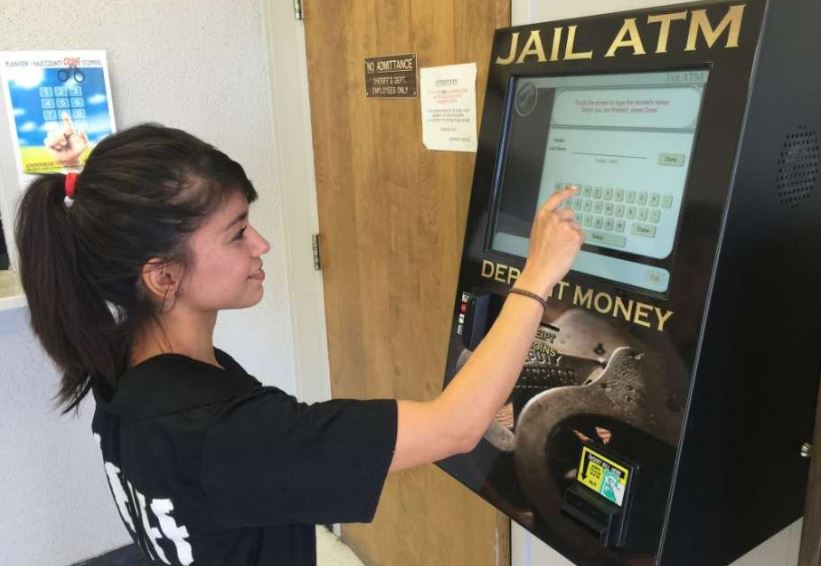
There is a monthly limit of $200-300 on how much inmates can spend on commissary items.
This amount is subject to change so call the facility at 830-990-8793 in order to confirm the amount that cannot be exceeded.
Inmates have access to both an in-house commissary store, and commissary packages that can be purchased and shipped to the inmate by friends and family.
Scroll down for information on the Gillespie County Jail's service they use for you being able to purchase commissary items online and have them shipped directly to the inmate.
You can also go to our Inmate Money page for information on how to send money to an inmate.
JailATM provides a secure electronic payment portal that allows friends and family members to deposit funds directly into an incarcerated person's jail trust and commissary account. Deposited money provides the financial balance needed for your loved one to purchase personal hygiene items, snacks, over-the-counter medical sundries, and correspondence supplies from the facility commissary.
Important: Facility Deposit Rules and Window Intake Vary
Once a person is booked and moved to a housing unit, facilities do not always allow cash drop-offs or phone payments directly to the jail window. Some might and you should confirm this by calling the facility and asking. But if you do not register online and fund your loved one's trust account immediately, they may be forced to wait days or weeks for standard paper processing, leaving them without essential soap, clean undergarments, basic medical sundries or snacks.
Step-by-Step Instructions to Register and Deposit Funds
- Obtain the inmate's legal first and last name, date of birth, and assigned facility booking ID number.
- Navigate to deposits.jailatm.com/webdeposits/ on your computer or mobile device.
- Click Sign In or Register to set up your verified user account using your email address and password.
- Select the state and the detention facility where the inmate is currently housed.
- Search for the inmate using their ID number or legal last name to confirm an exact roster match.
- Enter your desired deposit dollar amount and review the calculated transaction and convenience fees.
- Input your debit or credit card billing details, complete payment authorization, and save your digital receipt.
What the Inmate Needs to Do
The inmate does not need an internet account to receive funds. Once the electronic transaction clears, the balance posts directly to their jail trust ledger according to facility accounting schedules. The inmate can review their updated balance at a dayroom pod kiosk or on their weekly trust statement and place orders on their regular commissary day.
Official Provider: JailATM Official Website
Customer Service Telephone: 1-877-810-0614
Support Hours: Monday – Friday, 8:00 AM – 5:00 PM CST
Supported Languages: English and Spanish
Other Services Provided by JailATM
In addition to Trust & Commissary Money Deposits, JailATM provides several other communication, store, and visitation services at participating facilities:
- Commissary Gift Packs & Store Ordering: Order pre-approved snack boxes, food packages, and hygiene bundles sent directly to the jail.
• Learn more on our website: Commissary Gift Packs Guide | • Visit official vendor page: JailATM Store Orders - Digital Messaging & Picture Sharing: Send electronic messages and photos directly to an inmate's housing unit kiosk.
• Learn more on our website: Digital Messaging Guide | • Visit official vendor page: JailATM Messaging - Remote Video Visitation: Schedule and join live video visits from home using your computer or smartphone.
• Learn more on our website: Video Visitation Guide | • Visit official vendor page: JailATM Video Visits
Deposit Money for an Inmate in the Gillespie County Jail
The Easiest and Securest Way of Depositing Money for an Inmate
There are several methods for depositing money on an inmate's account:
1. To send money online to an inmate in the Gillespie County Jail use Jail ATM.
.png)
2. If you prefer to use your credit or debit card and deposit money over the phone, you can call them at 877-810-0914.
3. Some jails also have a JailATM kiosk for cash or card deposits. Call the Gillespie County Jail at 830-990-8793 to ask whether it has one and where it is.
4. The Gillespie County Jail may also allow you to *mail an inmate a money order or cashier’s check from a trusted source such as the Post Office, a local bank, or Western Union. Ask the jail who the money order should be made out to and what to write on it. To confirm this option call the facility at 830-990-8793.
*When mailing a money order or cashier’s check, send it an envelope by itself. Never send it with a letter or photos for your inmate, unless the facility allows it. Never send personal checks or cash.
5. To ask whether the Gillespie County Jail takes deposits in person, and when, call 830-990-8793.
The Gillespie County Jail is run by the Gillespie County Sheriff's Office in Fredericksburg, in the Law Enforcement Center on East Main Street. Paper letters still come in by mail, but the Sheriff's Office points families to the jail's electronic messaging service, which can also carry documents and photos. Letters, books and money orders share one mailing address.
Mailing address for letters, books and money orders:
Inmate's Full Name & Inmate ID#
Gillespie County Jail
104 Industrial Loop
Fredericksburg, TX 78624
- Faster option: Send electronic messages, with photos or documents attached. Staff screen each message before it shows up on the person's tablet or terminal.
- Addressing: Full name of the person and their inmate ID number go on the first line. Check the county's records search if you need it.
- Return address: Your own name and address go in the top left corner, or the letter is likely to be destroyed.
- Ink and paper: Blue or black ink only. No colored ink, felt pens, crayon, drawings, glitter, confetti, lipstick or perfume.
- Cards: A greeting card for Gillespie County must be plain and must not play music.
- Publications: Books, newspapers and magazines must be new and shipped to Fredericksburg straight from the publisher.
- Money orders: Mail a money order or cashier's check alone in its envelope, made out to the inmate's full name with their inmate ID number written on it. If you are unsure, call 830-990-8793 to confirm. The Gillespie County Jail does not accept cash or personal checks.
- Delivery: Mail is given out Monday through Friday, and there is no limit on how much a person may receive.
NCIC Inmate Communications provides telecommunications services that allow incarcerated individuals to place outbound voice calls from dayroom telephones to family and friends. Because correctional facilities do not permit incoming phone calls, establishing an NCIC prepaid calling account connects calls directly to your cell phone or landline without being blocked by wireless carriers.
Important: Mobile Phones Automatically Block Inmate Calls
Cellular phone carriers automatically reject standard collect calls originating from jail phone systems. While some residential landlines might permit direct monthly billing, mobile devices and internet-based telephone lines require an active prepaid calling balance, which you can verify by checking with your provider. If you do not register online and fund an NCIC account right away, your loved one will receive an automated disconnect announcement when attempting to call your number.
Step-by-Step Instructions to Register and Fund an Account
- Visit account.ncic.com or call NCIC customer care at 1-800-943-2189.
- Click Create Account and register using the primary 10-digit telephone number where you want to receive calls.
- Select the state and correctional facility where your loved one is currently detained.
- Search for and add the inmate using their full legal name or booking ID number.
- Select your deposit dollar amount and enter your debit or credit card billing details.
- Submit payment and ensure your mobile phone settings allow calls from automated or unfamiliar correctional numbers.
What the Inmate Needs to Do
The inmate dials your 10-digit number from any dayroom telephone and keys in their assigned PIN. The automated system verifies that your phone number has an active prepaid balance and prompts you to press a digit to accept the call. All personal telephone conversations are recorded and monitored by facility staff.
Official Provider: NCIC Official Website
Customer Service Telephone: 1-800-943-2189
Support Hours: 24 hours a day, 7 days a week, 365 days a year
Supported Languages: English and Spanish
Other Services Provided by NCIC Inmate Communications
In addition to Prepaid Phone Calling, NCIC provides several other digital communication and visitation services at participating facilities:
- Remote Video Visitation: Schedule and join live face-to-face video visits from home using your computer or smartphone.
• Learn more on our website: Video Visitation Guide | • Visit official vendor page: NCIC Video Visits - Inmate Messaging Services: Send electronic messages and photos directly to an inmate's housing unit terminal.
• Learn more on our website: Inmate Messaging Guide | • Visit official vendor page: NCIC Messaging
NCIC Inmate Messaging allows friends and family members to exchange electronic text messages and digital photos directly with an incarcerated loved one. Messages are delivered electronically to housing unit terminals and tablets within hours, avoiding the lengthy transit times associated with physical postal mail.
Important: Electronic Messaging Screening Rules Differ
Inmates cannot receive incoming phone calls, and traditional postal mail rules differ across correctional agencies. While some facilities still allow regular handwritten letters, many jails have transitioned to digital-only mail scanning or restrict postal delivery, which you can verify by checking facility rules. If you do not register online and purchase messaging credits immediately, your loved one may face lengthy periods without direct written contact from family.
Step-by-Step Instructions to Register and Send Messages
- Go to account.ncic.com and sign in or create a user profile.
- Select Messaging from your dashboard options.
- Select your state and detention center, then search for the inmate using their full legal name or booking ID.
- Purchase a messaging credit bundle using a debit or credit card.
- Type your message in the composition window and attach approved JPEG photos if permitted by the facility.
- Submit your message to the facility's screening queue.
What the Inmate Needs to Do
All electronic correspondence is screened by facility staff before delivery. Once approved, messages appear in the inmate's inbox on their housing unit terminal or tablet. The inmate opens the message, reads your note, and types an electronic reply using their available credits.
Official Provider: NCIC Official Website
Customer Service Telephone: 1-800-943-2189
Support Hours: 24 hours a day, 7 days a week, 365 days a year
Supported Languages: English and Spanish
Other Services Provided by NCIC Inmate Communications
In addition to Inmate Messaging, NCIC provides calling and video visitation services at participating facilities:
- Prepaid Phone Calling Accounts: Fund a calling balance tied directly to your phone number.
• Learn more on our website: Prepaid Calling Accounts Guide | • Visit official vendor page: NCIC Prepaid Calling - Remote Video Visitation: Schedule and join live face-to-face video visits from your computer or smartphone.
• Learn more on our website: Video Visitation Guide | • Visit official vendor page: NCIC Video Visits
NCIC Inmate Communications deploys secure, corrections-grade handheld tablets to incarcerated individuals in county detention centers. Operating on a secure internal wireless network, these devices allow inmates to conduct remote video visits, make voice telephone calls, send electronic messages, stream music, read eBooks, and access self-help and educational resources directly from their housing pods.
Important: Tablet Hardware Deployment and Rental Rules Vary
Detention centers do not manage tablet distribution identically. While some agencies issue individual personal tablets to every detainee at booking, others utilize shared pod docking stations or restrict tablet use to specific dayroom hours, which you should confirm with the facility directly. Although core educational and legal resources are generally provided free of charge, sending messages, listening to music, or making phone calls from the tablet requires an active balance funded by outside contacts.
Step-by-Step Instructions to Support and Fund NCIC Tablets
- Verify that NCIC handheld tablets are active at your loved one's specific detention facility.
- Navigate to account.ncic.com on your computer or mobile device.
- Sign into your verified user account and link the inmate's legal name and booking ID number.
- Select Tablet Media / Messaging or Inmate PIN Debit to add funds to their available balance.
- Specify your deposit dollar amount, review convenience fees, and enter your credit or debit card billing details.
- Submit payment, save your confirmation receipt, and notify your loved one that their device balance is available.
What the Inmate Needs to Do
The inmate unlocks their assigned tablet using their PIN or biometric login. Their available balance appears on the screen, allowing them to download songs, read digital books, write messages, and communicate with approved family members. Devices are returned to charging carts during quiet hours and shift counts for overnight recharging.
Official Provider: NCIC Official Website
Customer Service Telephone: 1-800-943-2189
Support Hours: 24 hours a day, 7 days a week, 365 days a year
Supported Languages: English and Spanish
Other Services Provided by NCIC Inmate Communications
In addition to Tablet Services, NCIC provides several other communication, financial, and visitation options:
- Prepaid Phone Calling Accounts: Prepay for phone calling credits so your loved one can call your telephone directly.
• Learn more on our website: Prepaid Calling Accounts Guide | • Visit official vendor page: NCIC Prepaid Calling - Remote Video Visitation: Schedule and join live face-to-face video visits from your computer or smartphone.
• Learn more on our website: Video Visitation Guide | • Visit official vendor page: NCIC Video Visits - Inmate Messaging Services: Send electronic messages and photos directly to an inmate's terminal or tablet.
• Learn more on our website: Inmate Messaging Guide | • Visit official vendor page: NCIC Messaging - Inmate Trust & Commissary Money Deposits: Send canteen funds directly into an incarcerated person's jail trust account.
• Learn more on our website: Trust Deposits Guide | • Visit official vendor page: NCIC Trust Deposits
Nearby counties
- Jail (Main): 830-990-8793
- Sheriff: 830-997-7585
The Gillespie County Jail serves the following cities and towns of Gillespie County: Fredericksburg, Harper and Stonewall.