
Blue Ridge Juvenile Detention Center
Blue Ridge Juvenile Detention Center
Juvenile
434-951-9340Family Guide for Blue Ridge Juvenile Detention Center
Short-term or long-term? It is not only a pre-court hold and not only a post-disposition bed. Official DJJ sources describe pre-D and post-D detention at local and regional JDCs. Families should ask which status their child has. It is operated by a local or regional commission regulated by the Virginia Department of Juvenile Justice. A stay here is official detention at this JDC, not a Bon Air commitment, unless staff tell you otherwise. Blue Ridge Juvenile Detention Center is the official Albemarle County JDC in Charlottesville, at 195 Peregory Lane. Ask staff whether your child is here on a pre-D hold or a post-D detention stay.
This page is for families of youth at Blue Ridge Juvenile Detention Center, 195 Peregory Lane, Charlottesville, VA 22902. Official family phone: 434-951-9340.
Read inmate search answers
 Read inmate search answers
1. How can I confirm where my child is held?
Call 434-951-9340; juveniles at this official program are not in public adult inmate searches. To protect the minor, that information is kept private and released only to a parent or guardian.
↑ Back to the question list2. What should I know before visiting?
The official Charlottesville campus of Blue Ridge Juvenile Detention Center is at 195 Peregory Lane. Visits follow this detention center's own rules, and official DJJ materials include visitation in the JDC program of care.
Call 434-951-9340 and ask how this Charlottesville detention program handles check-in, identification, and the length of a visit. Those details are for a parent or legal guardian.
Call and ask a parent or legal guardian about in-person visits, who may be approved, days, hours, and how long a visit lasts. Those details are kept private to protect the minor.
A GettingOut, Securus, or other adult visit product on a nearby jail page is not the official visiting rule for this Charlottesville JDC.
The official Charlottesville campus is on Peregory Lane, not at an adult regional jail in Albemarle County. A parent or legal guardian should ask this JDC how check-in works at that entrance before driving over.
Call 434-951-9340 to confirm before you go.
↑ Back to the question list3. How do phone calls work?
Calling home from this 195 Peregory Lane campus is handled by Blue Ridge Juvenile Detention Center staff. Use 434-951-9340 for family questions about calls.
Privileged calls, including attorney calls, should be asked about at the official juvenile number. Staff will discuss that only with a parent or legal guardian, because it is kept private to protect the minor.
Call and ask a parent or legal guardian about family phone calls: who the youth may call, how often, and whether a call is collect, prepaid, or scheduled. Those details are kept private to protect the minor.
Family calls for a youth at Blue Ridge Juvenile Detention Center are not the same as adult inmate calling at a sheriff's jail in Albemarle County.
Family calls from this Charlottesville detention program are set by Blue Ridge staff, not by an Albemarle County adult jail vendor. Use the official juvenile number on this page to ask about an approved calling list.
↑ Back to the question list4. Who can write, and what can I send?
Write a youth at Blue Ridge Juvenile Detention Center using the official street address for this Charlottesville JDC from the official November 19, 2025 DJJ list, on separate lines:
Resident's Full Name
Blue Ridge Juvenile Detention Center
195 Peregory Lane
Charlottesville, VA 22902
Mail can only be sent and received to immediate family. Questions about legal counsel or another approved writer should be asked at the official juvenile number, and those details are kept private to protect the minor.
All mail is opened and checked for contraband or content that is not allowed at this Charlottesville juvenile detention program.
Residents can send and receive as many letters, within reason, as they want.
Adult jail or DOC prison mail rules and addresses do not automatically apply to a youth at this official JDC.
Staff at the Albemarle County program in Charlottesville sort letters by the official facility name and zip code 22902; put those on the envelope with the resident's full name.
A letter for a youth at Blue Ridge should be addressed to 195 Peregory Lane in Charlottesville, using the official facility name under the resident’s full name. Do not send it to an Albemarle County sheriff’s jail as if it were adult inmate mail.
Call 434-951-9340 with mail questions that only a parent or guardian may be told.
↑ Back to the question list5. What else should I know about this facility?
Blue Ridge Juvenile Detention Center is an official local or regional juvenile detention center regulated by the Virginia Department of Juvenile Justice. Official DJJ certification list (updated November 19, 2025): 195 Peregory Lane, Charlottesville, VA 22902, official phone 434-951-9340. This official juvenile detention center is used as both short-term detention before a court appearance (pre-D) and detention after disposition (post-D). Official DJJ materials say Virginia JDCs hold youth pending a court appearance and those held after disposition, including post-D detention with or without programs. Ask staff which status applies to your child. Official sources describe JDCs as secure programs operated by local governments or multijurisdictional commissions, not as the state juvenile correctional center in Chesterfield County (Bon Air). It is not the nearby adult jail or sheriff listing. Additional Counties are left blank; official sources reviewed for this pack do not publish a complete named list of other jurisdictions served, except where a facility's official page names its member localities.
↑ Back to the question list6. Who answers my questions?
Start with 434-951-9340 and ask to be connected to the staff member who works with families. Ask whether your child is here on a pre-D detention hold, a post-D detention stay, or a DJJ commitment, so staff can connect you to the right person.
↑ Back to the question list7. Should I send money or items?
Ask 434-951-9340 what, if anything, you may bring or send. To protect the minor, that information is kept private and released only to a parent or guardian.
↑ Back to the question list8. How do I report a safety concern?
To report suspected child abuse or neglect in Virginia, call the official VDSS Child Protective Services Hotline at 1-800-552-7096, which is answered 24 hours a day, 7 days a week, as the official VDSS Report Abuse page states. If a child is in immediate danger, dial 911 or local law enforcement first, then call to make a report.
↑ Back to the question list9. Could this case go to adult court?
If a transfer hearing is held under official § 16.1-269.1(A), the J&DR district court considers probable cause, competency, and whether the juvenile is a proper person to remain in the juvenile court, using the official factors in that section. After a transfer or certification, the youth may be tried in the appropriate circuit court. Ask your child's lawyer what has been filed and whether any decision can be appealed; official DJJ materials say some certification paths are not appealable, while a transfer decision may be appealed by either party.
A juvenile case does not automatically become an adult case. Official Code of Virginia § 16.1-269.1 and the official DJJ Juvenile Justice Process page describe how a youth 14 or older charged with a felony may be transferred or certified to circuit court. Official DJJ materials name several paths: mandatory certification for certain murder and aggravated malicious-wounding charges after a probable-cause finding; prosecutorial discretionary certification for other official violent juvenile felonies; a transfer hearing in the J&DR district court on the Commonwealth's Attorney's motion; a direct indictment in some certification cases if probable cause is not found; and a waiver by a juvenile 14 or older, with written consent of counsel, to have the case heard in circuit court.
Ask the lawyer right away how a circuit-court transfer or certification would affect release and housing.
↑ Back to the question listJuvenile Release Questions at Blue Ridge Juvenile Detention Center
Short-term or long-term? It is not only a pre-court hold and not only a post-disposition bed. Official DJJ sources describe pre-D and post-D detention at local and regional JDCs. Families should ask which status their child has. It is operated by a local or regional commission regulated by the Virginia Department of Juvenile Justice. A stay here is official detention at this JDC, not a Bon Air commitment, unless staff tell you otherwise. Blue Ridge Juvenile Detention Center is the official Albemarle County JDC in Charlottesville, at 195 Peregory Lane. Ask staff whether your child is here on a pre-D hold or a post-D detention stay.
Release decisions for a youth at Blue Ridge Juvenile Detention Center belong to the court.
1. Can I post bail for my child?
Do not assume an adult jail bond process automatically applies. Official release in a juvenile case is a J&DR district court decision under § 16.1-250, unless the lawyer says the case is in circuit court.
If the case stays in the J&DR district court, ask the lawyer about release at the official § 16.1-250 detention hearing, not about posting an adult jail bond at a sheriff's window, unless the lawyer says official bail or recognizance under § 16.1-250(E)(4) has been set.
↑ Back to the question list2. What if the case is in circuit court?
If the case has been transferred or certified to circuit court under official § 16.1-269.1, ask the lawyer how pretrial release works in that court. That is a question for the lawyer, not for program staff.
↑ Back to the question list3. Should I hire a bail bondsman?
Ask the lawyer before you pay anyone to arrange a release. Official release in a juvenile case is a court decision under § 16.1-250 unless the case is in circuit court.
↑ Back to the question list4. Could this case go to adult court?
If a transfer hearing is held under official § 16.1-269.1(A), the J&DR district court considers probable cause, competency, and whether the juvenile is a proper person to remain in the juvenile court, using the official factors in that section. After a transfer or certification, the youth may be tried in the appropriate circuit court. Ask your child's lawyer what has been filed and whether any decision can be appealed; official DJJ materials say some certification paths are not appealable, while a transfer decision may be appealed by either party.
A juvenile case does not automatically become an adult case. Official Code of Virginia § 16.1-269.1 and the official DJJ Juvenile Justice Process page describe how a youth 14 or older charged with a felony may be transferred or certified to circuit court. Official DJJ materials name several paths: mandatory certification for certain murder and aggravated malicious-wounding charges after a probable-cause finding; prosecutorial discretionary certification for other official violent juvenile felonies; a transfer hearing in the J&DR district court on the Commonwealth's Attorney's motion; a direct indictment in some certification cases if probable cause is not found; and a waiver by a juvenile 14 or older, with written consent of counsel, to have the case heard in circuit court.
Ask the lawyer right away how a circuit-court transfer or certification would affect release and housing.
↑ Back to the question listBlue Ridge Juvenile Detention Center Family Visits and Phone Calls
Short-term or long-term? It is not only a pre-court hold and not only a post-disposition bed. Official DJJ sources describe pre-D and post-D detention at local and regional JDCs. Families should ask which status their child has. It is operated by a local or regional commission regulated by the Virginia Department of Juvenile Justice. A stay here is official detention at this JDC, not a Bon Air commitment, unless staff tell you otherwise. Blue Ridge Juvenile Detention Center is the official Albemarle County JDC in Charlottesville, at 195 Peregory Lane. Ask staff whether your child is here on a pre-D hold or a post-D detention stay.
The official Charlottesville campus of Blue Ridge Juvenile Detention Center is at 195 Peregory Lane. Visits follow this detention center's own rules, and official DJJ materials include visitation in the JDC program of care.
Call 434-951-9340 and ask how this Charlottesville detention program handles check-in, identification, and the length of a visit. Those details are for a parent or legal guardian.
Call and ask a parent or legal guardian about in-person visits, who may be approved, days, hours, and how long a visit lasts. Those details are kept private to protect the minor.
A GettingOut, Securus, or other adult visit product on a nearby jail page is not the official visiting rule for this Charlottesville JDC.
The official Charlottesville campus is on Peregory Lane, not at an adult regional jail in Albemarle County. A parent or legal guardian should ask this JDC how check-in works at that entrance before driving over.
Call 434-951-9340 to confirm before you go.
Phone calls
Calling home from this 195 Peregory Lane campus is handled by Blue Ridge Juvenile Detention Center staff. Use 434-951-9340 for family questions about calls.
Privileged calls, including attorney calls, should be asked about at the official juvenile number. Staff will discuss that only with a parent or legal guardian, because it is kept private to protect the minor.
Call and ask a parent or legal guardian about family phone calls: who the youth may call, how often, and whether a call is collect, prepaid, or scheduled. Those details are kept private to protect the minor.
Family calls for a youth at Blue Ridge Juvenile Detention Center are not the same as adult inmate calling at a sheriff's jail in Albemarle County.
Family calls from this Charlottesville detention program are set by Blue Ridge staff, not by an Albemarle County adult jail vendor. Use the official juvenile number on this page to ask about an approved calling list.
Blue Ridge Juvenile Detention Center: Court and Hearing Questions
Short-term or long-term? It is not only a pre-court hold and not only a post-disposition bed. Official DJJ sources describe pre-D and post-D detention at local and regional JDCs. Families should ask which status their child has. It is operated by a local or regional commission regulated by the Virginia Department of Juvenile Justice. A stay here is official detention at this JDC, not a Bon Air commitment, unless staff tell you otherwise. Blue Ridge Juvenile Detention Center is the official Albemarle County JDC in Charlottesville, at 195 Peregory Lane. Ask staff whether your child is here on a pre-D hold or a post-D detention stay.
The official program at 195 Peregory Lane in Charlottesville holds youth; a judge in the J&DR district court decides the case.
1. When is the detention hearing?
If a child is taken into immediate custody and is not released, families should look to official § 16.1-250(A) for how soon the first hearing must be held. That first appearance is before a judge on the next day the J&DR district court sits in the locality of the charge. Official § 16.1-250(A) does not leave the first hearing open-ended: if the court does not sit the next day, the limit is a reasonable time not exceeding 72 hours after custody began. If that 72-hour period expires on a Saturday, Sunday, or other legal holiday, official § 16.1-250(A) extends the time to the next day that is not a Saturday, Sunday, or legal holiday. Ask the lawyer when the official § 16.1-250 detention hearing is set; the exact time is kept private to protect the minor.
↑ Back to the question list2. How do I find the courtroom?
A juvenile petition is ordinarily heard in the J&DR district court of the county or city where the charge is pending, not automatically in the facility's own visiting room. Do not assume every hearing is in Albemarle County solely because of this program's address. A judge, not program staff, sets the hearing. Call the J&DR district court clerk for the locality on the petition, or ask the lawyer, for the time and place. A petition for a youth at Blue Ridge may be heard in the J&DR district court for the locality on the charge, which may be Albemarle County, the City of Charlottesville, or another locality the lawyer names. Do not assume every hearing is on Peregory Lane.
↑ Back to the question list3. How does release work at the first hearing?
At the official detention hearing, the judge decides probable cause and whether continued detention is required under official § 16.1-250 and the criteria in official § 16.1-248.1. Do not assume a juvenile case lacks an official path to bail or recognizance. Official § 16.1-250(E) allows the court, when detention is not required, to order release, including bail or recognizance under Chapter 9 of Title 19.2. Program staff carry out the court's order; they cannot grant or deny release on their own in place of the judge.
↑ Back to the question list4. Who will speak for my child in court?
Ask the J&DR district court clerk or the lawyer already on the case how counsel is appointed. A youth in a detention or commitment case should have a lawyer; this is a question for the court, not for program staff.
↑ Back to the question list5. Could this case go to adult court?
If a transfer hearing is held under official § 16.1-269.1(A), the J&DR district court considers probable cause, competency, and whether the juvenile is a proper person to remain in the juvenile court, using the official factors in that section. After a transfer or certification, the youth may be tried in the appropriate circuit court. Ask your child's lawyer what has been filed and whether any decision can be appealed; official DJJ materials say some certification paths are not appealable, while a transfer decision may be appealed by either party.
A juvenile case does not automatically become an adult case. Official Code of Virginia § 16.1-269.1 and the official DJJ Juvenile Justice Process page describe how a youth 14 or older charged with a felony may be transferred or certified to circuit court. Official DJJ materials name several paths: mandatory certification for certain murder and aggravated malicious-wounding charges after a probable-cause finding; prosecutorial discretionary certification for other official violent juvenile felonies; a transfer hearing in the J&DR district court on the Commonwealth's Attorney's motion; a direct indictment in some certification cases if probable cause is not found; and a waiver by a juvenile 14 or older, with written consent of counsel, to have the case heard in circuit court.
Ask the lawyer right away how a circuit-court transfer or certification would affect release and housing.
↑ Back to the question list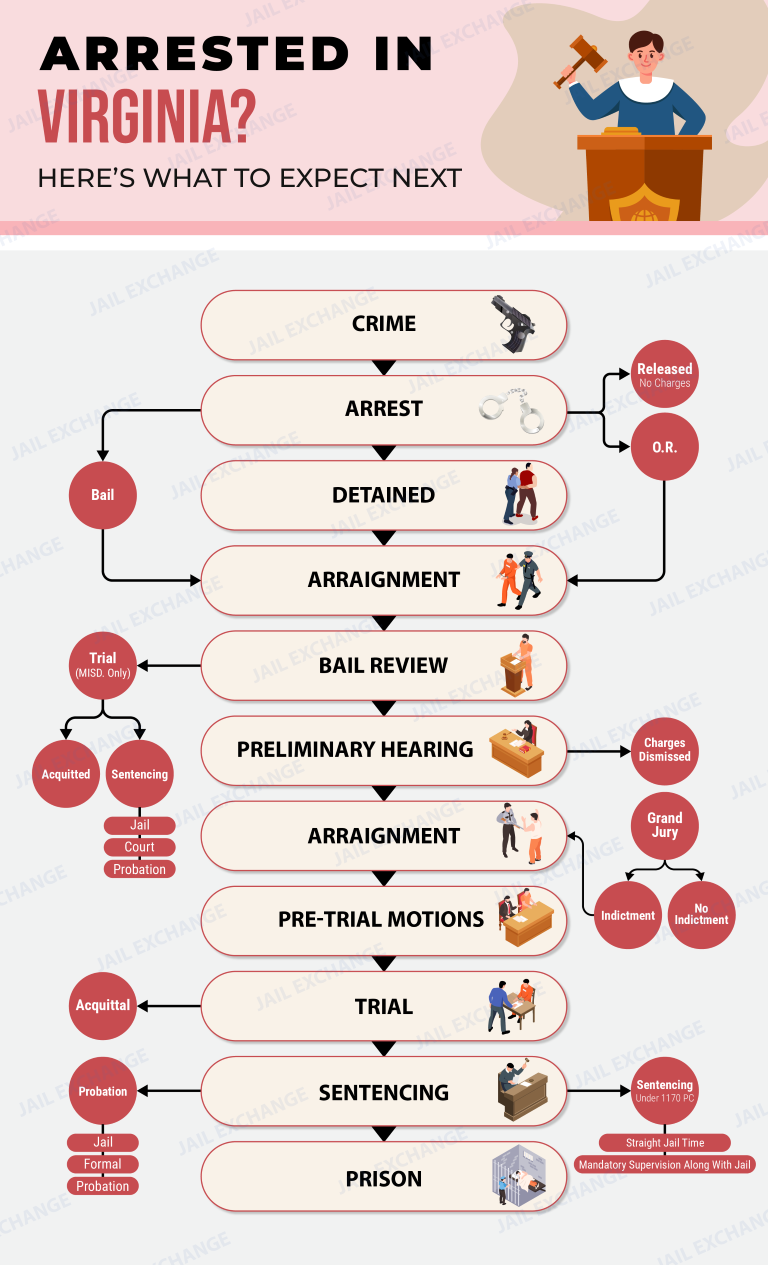
Information for this service is currently unavailable.
Information for this service is currently unavailable.
Blue Ridge Juvenile Detention Center Family Mail
Short-term or long-term? It is not only a pre-court hold and not only a post-disposition bed. Official DJJ sources describe pre-D and post-D detention at local and regional JDCs. Families should ask which status their child has. It is operated by a local or regional commission regulated by the Virginia Department of Juvenile Justice. A stay here is official detention at this JDC, not a Bon Air commitment, unless staff tell you otherwise. Blue Ridge Juvenile Detention Center is the official Albemarle County JDC in Charlottesville, at 195 Peregory Lane. Ask staff whether your child is here on a pre-D hold or a post-D detention stay.
Write a youth at Blue Ridge Juvenile Detention Center using the official street address for this Charlottesville JDC from the official November 19, 2025 DJJ list, on separate lines:
Resident's Full Name
Blue Ridge Juvenile Detention Center
195 Peregory Lane
Charlottesville, VA 22902
Mail can only be sent and received to immediate family. Questions about legal counsel or another approved writer should be asked at the official juvenile number, and those details are kept private to protect the minor.
All mail is opened and checked for contraband or content that is not allowed at this Charlottesville juvenile detention program.
Residents can send and receive as many letters, within reason, as they want.
Adult jail or DOC prison mail rules and addresses do not automatically apply to a youth at this official JDC.
Staff at the Albemarle County program in Charlottesville sort letters by the official facility name and zip code 22902; put those on the envelope with the resident's full name.
A letter for a youth at Blue Ridge should be addressed to 195 Peregory Lane in Charlottesville, using the official facility name under the resident’s full name. Do not send it to an Albemarle County sheriff’s jail as if it were adult inmate mail.
Call 434-951-9340 with mail questions that only a parent or guardian may be told.

CIDNET Phone Calling enables incarcerated individuals to place outbound voice calls from housing-unit wall phones or handheld tablets directly to approved cell phones and landlines. Because jail phone systems cannot accept incoming calls, setting up a CIDNET account and purchasing Data Points ensures outbound calls connect immediately without wireless carrier collect blocks.
Important: Mobile Networks Block Inmate Calls Without Data Points
Wireless cellular carriers automatically block collect calls originating from jail telecommunications systems. While some traditional landline telephone providers may support monthly operator billing, mobile smartphones and VoIP numbers require an active prepaid CIDNET balance, which you can verify with your provider. If you do not register your 10-digit number online and purchase Data Points immediately, your loved one will hear an automated operator recording stating that your phone number cannot accept calls.
Step-by-Step Instructions to Set Up and Fund Voice Calling
- Go to customer.cidnet.net or launch the CIDNET Customer mobile app.
- Register your account using the primary 10-digit telephone number where you want to receive calls.
- Upload your driver's license or state ID for identity verification.
- Select the detention center where the inmate is held and link them to your contact profile.
- Purchase Data Points using a debit or credit card to cover per-minute calling rates.
- Confirm your mobile phone allows calls from automated or unknown correctional numbers and does not send them to spam.
What the Inmate Needs to Do
The inmate approaches a pod wall phone or opens the phone app on their tablet, enters their assigned inmate PIN, and dials your 10-digit number. CIDNET's automated system verifies that your account has sufficient Data Points and connects the call once you accept the automated prompt. All non-privileged conversations are recorded and monitored by the facility.
Official Provider: CIDNET Customer Portal | Encartele Corporate
Customer Service Telephone: 1-888-984-1903
Support Hours: Monday – Friday, 8:00 AM – 5:00 PM CST
Supported Languages: English and Spanish
Other Services Provided by CIDNET
In addition to Phone Calling, CIDNET operates messaging and video visitation services:
- Data Points (Unified Funding): Purchase the central credits used to pay for telephone talk time.
• Learn more on our website: CIDNET Data Points Guide | • Visit official vendor page: Buy CIDNET Data - Remote Video Visitation: Schedule and join live video visits from home using your computer or smartphone.
• Learn more on our website: CIDNET Video Visits Guide | • Visit official vendor page: CIDNET Video Visitation - Inmate Messaging & Digital Mail: Send text messages and digital photo attachments directly to an inmate's terminal.
• Learn more on our website: CIDNET Messaging Guide | • Visit official vendor page: CIDNET Messaging Portal
Information for this service is currently unavailable.
Information for this service is currently unavailable.
Albemarle County County Jails
- Juvenile: 434-951-9340
- Juvenile: 434-951-9340
The Blue Ridge Juvenile Detention Center serves the following cities and towns of Albemarle County: Charlottesville, Crozet, Earlysville, Ivy, Keswick, North Garden and Scottsville.