
Lynchburg Regional Juvenile Detention Center
Lynchburg Regional Juvenile Detention Center
Juvenile
434-455-7878Family Guide for Lynchburg Regional Juvenile Detention Center
Is this detention or a placement? It is not only a pre-court hold and not only a post-disposition bed. Official DJJ sources describe pre-D and post-D detention at local and regional JDCs. Families should ask which status their child has. It is operated by the City of Lynchburg / regional commission, regulated by the Virginia Department of Juvenile Justice. Youth here are in a local or regional official detention program. Ask staff whether any nearby locality is also served. Lynchburg Regional Juvenile Detention Center is the official JDC at 1400 Florida Avenue in the independent city of Lynchburg. This listing uses Lynchburg City as the official home locality. It holds youth before a hearing and after disposition.
Information for families of youth at Lynchburg Regional Juvenile Detention Center (1400 Florida Avenue, Lynchburg, VA 24501), official phone 434-455-7878.
Read inmate search answers
 Read inmate search answers
1. How can I confirm where my child is held?
Call 434-455-7878; juveniles at this official program are not in public adult inmate searches. To protect the minor, that information is kept private and released only to a parent or guardian.
↑ Back to the question list2. When can I visit?
A parent or guardian going to Lynchburg Regional Juvenile Detention Center should use the official 1400 Florida Avenue entrance in Lynchburg and follow this detention center's visiting rules, not adult regional-jail instructions.
Use 434-455-7878, the official juvenile number for Lynchburg Regional Juvenile Detention Center, to ask a parent or legal guardian about the approved-visitor list, identification, and visiting hours at the Lynchburg center.
Call and ask a parent or legal guardian about in-person visits, who may be approved, days, hours, and how long a visit lasts. Those details are kept private to protect the minor.
Do not treat adult jail or regional-jail visit vendors used on nearby adult pages as the rules for this official juvenile detention program. A youth here is not an adult inmate.
Approved visitors use the official Florida Avenue entrance in Lynchburg. Ask this regional detention center about identification and hours; do not follow an adult Lynchburg or area jail visit schedule.
Confirm the time at 434-455-7878 before driving over.
↑ Back to the question list3. When will my child phone me?
A youth held at the official Lynchburg detention program does not use the nearby adult jail's calling vendor automatically. Ask Lynchburg Regional Juvenile Detention Center staff at 434-455-7878 how calls work here.
Ask the official juvenile number about attorney calls and about any official incoming-call rule. Those details are kept private to protect the minor.
Call and ask a parent or legal guardian about family phone calls: who the youth may call, how often, and whether a call is collect, prepaid, or scheduled. Those details are kept private to protect the minor.
Do not use an adult jail or DOC calling vendor as if it automatically applied to a youth at this Lynchburg detention program.
Family calls from the Florida Avenue JDC follow this official detention program’s own rules. Use the official juvenile number on this page, not an adult jail vendor line, to ask about calling home.
↑ Back to the question list4. What are the mail rules?
If you are writing to a youth at the official 1400 Florida Avenue detention program in Lynchburg, use this official address from the DJJ certification list (updated November 19, 2025), on separate lines:
Resident's Full Name
Lynchburg Regional Juvenile Detention Center
1400 Florida Avenue
Lynchburg, VA 24501
Mail can only be sent and received to immediate family. Staff at this Lynchburg JDC can tell a parent or legal guardian whether legal mail follows a different official process; those details are kept private to protect the minor.
All mail is opened and checked for contraband or content that is not allowed at Lynchburg Regional Juvenile Detention Center.
Residents can send and receive as many letters, within reason, as they want from Lynchburg Regional Juvenile Detention Center.
Do not send a youth's mail to an adult jail, regional jail, or Virginia DOC prison as if it were adult inmate mail.
Do not leave zip code 24501 off the last line; that is the official postal code for this Lynchburg detention program.
Address a letter to 1400 Florida Avenue, Lynchburg, VA 24501, with the official name Lynchburg Regional Juvenile Detention Center. Official DJJ materials that print zip 25401 for this campus are inconsistent with the Lynchburg postal code; this pack uses official 24501.
Call 434-455-7878 with mail questions that only a parent or guardian may be told.
↑ Back to the question list5. Who looks after my child?
Lynchburg Regional Juvenile Detention Center is an official local or regional juvenile detention center regulated by the Virginia Department of Juvenile Justice. Official DJJ certification list (updated November 19, 2025): 1400 Florida Avenue, Lynchburg, VA 24501, official phone 434-455-7878. This official juvenile detention center is used as both short-term detention before a court appearance (pre-D) and detention after disposition (post-D). Official DJJ materials say Virginia JDCs hold youth pending a court appearance and those held after disposition, including post-D detention with or without programs. Ask staff which status applies to your child. Official sources describe JDCs as secure programs operated by local governments or multijurisdictional commissions, not as the state juvenile correctional center in Chesterfield County (Bon Air). It is not the nearby adult jail or sheriff listing. Additional Counties are left blank; official sources reviewed for this pack do not publish a complete named list of other jurisdictions served, except where a facility's official page names its member localities.
↑ Back to the question list6. Who answers my questions?
Call the program at 434-455-7878 and ask for the counselor, case manager, or the person who can talk with families. Ask whether your child is here on a pre-D detention hold, a post-D detention stay, or a DJJ commitment, so staff can connect you to the right person.
↑ Back to the question list7. What can I bring?
Ask 434-455-7878 what, if anything, you may bring or send. To protect the minor, that information is kept private and released only to a parent or guardian.
↑ Back to the question list8. Where do I report a concern about a child?
Suspected abuse or neglect in Virginia is reported to the official CPS Hotline at 1-800-552-7096, or to a local department of social services (911 first if a child is in immediate danger).
↑ Back to the question list9. What happens if adult charges are filed?
This is a question for the lawyer in the case, not for detention or correctional staff. Program staff cannot transfer a juvenile case to adult court.
Staff at this program cannot send a juvenile case to circuit court. Official § 16.1-269.1 is a court process.
Ask the lawyer right away how a circuit-court transfer or certification would affect release and housing.
↑ Back to the question listHow Release Works at Lynchburg Regional Juvenile Detention Center
Is this detention or a placement? It is not only a pre-court hold and not only a post-disposition bed. Official DJJ sources describe pre-D and post-D detention at local and regional JDCs. Families should ask which status their child has. It is operated by the City of Lynchburg / regional commission, regulated by the Virginia Department of Juvenile Justice. Youth here are in a local or regional official detention program. Ask staff whether any nearby locality is also served. Lynchburg Regional Juvenile Detention Center is the official JDC at 1400 Florida Avenue in the independent city of Lynchburg. This listing uses Lynchburg City as the official home locality. It holds youth before a hearing and after disposition.
Release decisions for a youth at Lynchburg Regional Juvenile Detention Center belong to the court.
1. Does bail work the same as at an adult jail?
Do not assume an adult jail bond process automatically applies. Official release in a juvenile case is a J&DR district court decision under § 16.1-250, unless the lawyer says the case is in circuit court.
A judge, not program staff, decides whether a youth remains in detention. Ask the lawyer what the court has ordered and whether any release conditions were set.
↑ Back to the question list2. When would circuit-court release rules apply?
If you are told the case is in circuit court, talk with the lawyer before you pay anyone to arrange a release, and do not treat adult jail bond instructions as the rules for this juvenile program unless the lawyer says they apply.
↑ Back to the question list3. What should a family do first?
Ask the lawyer before you pay anyone to arrange a release. Official release in a juvenile case is a court decision under § 16.1-250 unless the case is in circuit court.
↑ Back to the question list4. What happens if adult charges are filed?
This is a question for the lawyer in the case, not for detention or correctional staff. Program staff cannot transfer a juvenile case to adult court.
Staff at this program cannot send a juvenile case to circuit court. Official § 16.1-269.1 is a court process.
Ask the lawyer right away how a circuit-court transfer or certification would affect release and housing.
↑ Back to the question listLynchburg Regional Juvenile Detention Center Family Visits and Phone Calls
Is this detention or a placement? It is not only a pre-court hold and not only a post-disposition bed. Official DJJ sources describe pre-D and post-D detention at local and regional JDCs. Families should ask which status their child has. It is operated by the City of Lynchburg / regional commission, regulated by the Virginia Department of Juvenile Justice. Youth here are in a local or regional official detention program. Ask staff whether any nearby locality is also served. Lynchburg Regional Juvenile Detention Center is the official JDC at 1400 Florida Avenue in the independent city of Lynchburg. This listing uses Lynchburg City as the official home locality. It holds youth before a hearing and after disposition.
A parent or guardian going to Lynchburg Regional Juvenile Detention Center should use the official 1400 Florida Avenue entrance in Lynchburg and follow this detention center's visiting rules, not adult regional-jail instructions.
Use 434-455-7878, the official juvenile number for Lynchburg Regional Juvenile Detention Center, to ask a parent or legal guardian about the approved-visitor list, identification, and visiting hours at the Lynchburg center.
Call and ask a parent or legal guardian about in-person visits, who may be approved, days, hours, and how long a visit lasts. Those details are kept private to protect the minor.
Do not treat adult jail or regional-jail visit vendors used on nearby adult pages as the rules for this official juvenile detention program. A youth here is not an adult inmate.
Approved visitors use the official Florida Avenue entrance in Lynchburg. Ask this regional detention center about identification and hours; do not follow an adult Lynchburg or area jail visit schedule.
Confirm the time at 434-455-7878 before driving over.
Phone calls
A youth held at the official Lynchburg detention program does not use the nearby adult jail's calling vendor automatically. Ask Lynchburg Regional Juvenile Detention Center staff at 434-455-7878 how calls work here.
Ask the official juvenile number about attorney calls and about any official incoming-call rule. Those details are kept private to protect the minor.
Call and ask a parent or legal guardian about family phone calls: who the youth may call, how often, and whether a call is collect, prepaid, or scheduled. Those details are kept private to protect the minor.
Do not use an adult jail or DOC calling vendor as if it automatically applied to a youth at this Lynchburg detention program.
Family calls from the Florida Avenue JDC follow this official detention program’s own rules. Use the official juvenile number on this page, not an adult jail vendor line, to ask about calling home.

CIDNET Video Visitation allows families to conduct live, face-to-face video visits with incarcerated loved ones from home. Using an internet-connected smartphone, tablet, or personal computer equipped with a webcam, visitors connect directly through housing-unit video stations or handheld tablets without traveling to the facility or waiting in jail visitor lobbies.
Important: Advance Registration and Visitor Clearance Required
Detention centers do not permit unscheduled or unverified video sessions. Correctional facilities require prospective visitors to submit government-issued photo identification and receive administrative clearance before booking an appointment, an approval process that can take up to 48 hours depending on facility staffing. You should verify your visitor approval status with the facility prior to scheduling. If you do not register well in advance, you will miss your loved one's scheduled visiting window for the week.
Step-by-Step Instructions to Register and Schedule a Video Visit
- Visit customer.cidnet.net or launch the CIDNET app.
- Register your visitor profile and upload a clear photograph of your government-issued ID and a verification photo.
- Wait for email notification confirming institutional visitor approval.
- Ensure your account has sufficient Data Points to cover the duration of the visit.
- Select Video Visitation, select the detention facility, and pick an available calendar time slot.
- Log into the website or mobile app 10 minutes prior to the start time on a device with a functioning camera, microphone, and stable high-speed internet connection.
What the Inmate Needs to Do
The inmate receives a schedule notification on their housing unit video kiosk or tablet. At the appointed time, they log in with their PIN and sit before the screen. Inmates and visitors must strictly observe jail dress and conduct rules; sessions are monitored by staff and will terminate immediately upon any violation.
Official Provider: CIDNET Customer Portal | Encartele Corporate
Customer Service Telephone: 1-888-984-1903
Support Hours: Monday – Friday, 8:00 AM – 5:00 PM CST
Supported Languages: English and Spanish
Other Services Provided by CIDNET
In addition to Remote Video Visitation, CIDNET provides several other communication channels:
- Data Points (Unified Funding): Purchase the central credits that power video visitation, calling, and messaging.
• Learn more on our website: CIDNET Data Points Guide | • Visit official vendor page: Buy CIDNET Data - Inmate Messaging & Digital Mail: Send electronic text messages and digital photo attachments directly to an inmate's terminal.
• Learn more on our website: CIDNET Messaging Guide | • Visit official vendor page: CIDNET Messaging Portal - Phone PINs & Voice Calling: Fund prepaid telephone calling so your loved one can call your mobile device.
• Learn more on our website: CIDNET Phone Calling Guide | • Visit official vendor page: CIDNET Voice Calling
Juvenile Court Questions for Lynchburg Regional Juvenile Detention Center Families
Is this detention or a placement? It is not only a pre-court hold and not only a post-disposition bed. Official DJJ sources describe pre-D and post-D detention at local and regional JDCs. Families should ask which status their child has. It is operated by the City of Lynchburg / regional commission, regulated by the Virginia Department of Juvenile Justice. Youth here are in a local or regional official detention program. Ask staff whether any nearby locality is also served. Lynchburg Regional Juvenile Detention Center is the official JDC at 1400 Florida Avenue in the independent city of Lynchburg. This listing uses Lynchburg City as the official home locality. It holds youth before a hearing and after disposition.
The official program at 1400 Florida Avenue in Lynchburg holds youth; a judge in the J&DR district court decides the case.
1. How soon will there be a hearing?
Official law in § 16.1-250(A) governs the detention hearing timetable when a child has been taken into immediate custody and remains detained. A judge in the county or city where the charge is pending must see the child on the next day that court sits, unless a later official deadline in the same section applies. If the court does not sit the following day, the child shall appear before a judge within a reasonable time, not to exceed 72 hours after being taken into custody. The official weekend-and-holiday extension in § 16.1-250(A) moves the deadline to the next day that is not a Saturday, Sunday, or legal holiday when the 72-hour period would otherwise end on one of those days. The lawyer can tell a parent or legal guardian the official hearing date and time; those details are kept private to protect the minor.
↑ Back to the question list2. How do I find the courtroom?
The J&DR district court for the locality on the petition is the usual courtroom, unless the lawyer says the case has been transferred or certified to circuit court under official § 16.1-269.1. Do not assume every hearing is in Lynchburg City solely because of this program's address. Program staff can often tell a parent whom to call at the court, but the docket itself comes from the clerk or the lawyer; those details are kept private to protect the minor. A youth at this Lynchburg City program may have a J&DR hearing in the City of Lynchburg or in another locality on the petition. Ask the lawyer or the clerk; detention staff do not set the court calendar.
↑ Back to the question list3. How does release work at the first hearing?
Official § 16.1-250 and the detention criteria in official § 16.1-248.1 are the standards the judge uses at the first hearing to decide probable cause and whether detention must continue. Do not assume a juvenile case lacks an official path to bail or recognizance. Official § 16.1-250(E) allows the court, when detention is not required, to order release, including bail or recognizance under Chapter 9 of Title 19.2. Program staff carry out the court's order; they cannot grant or deny release on their own in place of the judge.
↑ Back to the question list4. Does my child need a lawyer?
Ask the J&DR district court clerk or the lawyer already on the case how counsel is appointed. A youth in a detention or commitment case should have a lawyer; this is a question for the court, not for program staff.
↑ Back to the question list5. What happens if adult charges are filed?
This is a question for the lawyer in the case, not for detention or correctional staff. Program staff cannot transfer a juvenile case to adult court.
Staff at this program cannot send a juvenile case to circuit court. Official § 16.1-269.1 is a court process.
Ask the lawyer right away how a circuit-court transfer or certification would affect release and housing.
↑ Back to the question list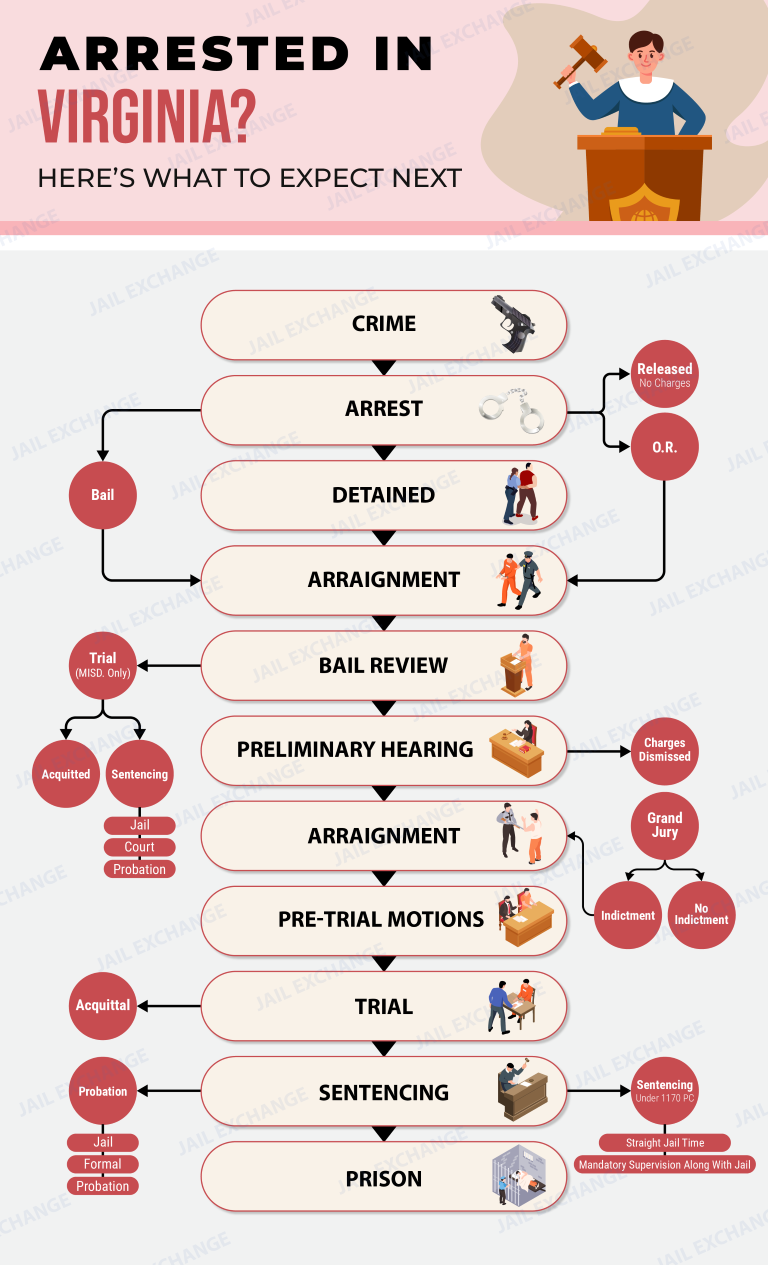
Information for this service is currently unavailable.
Information for this service is currently unavailable.
Lynchburg Regional Juvenile Detention Center Family Mail
Is this detention or a placement? It is not only a pre-court hold and not only a post-disposition bed. Official DJJ sources describe pre-D and post-D detention at local and regional JDCs. Families should ask which status their child has. It is operated by the City of Lynchburg / regional commission, regulated by the Virginia Department of Juvenile Justice. Youth here are in a local or regional official detention program. Ask staff whether any nearby locality is also served. Lynchburg Regional Juvenile Detention Center is the official JDC at 1400 Florida Avenue in the independent city of Lynchburg. This listing uses Lynchburg City as the official home locality. It holds youth before a hearing and after disposition.
If you are writing to a youth at the official 1400 Florida Avenue detention program in Lynchburg, use this official address from the DJJ certification list (updated November 19, 2025), on separate lines:
Resident's Full Name
Lynchburg Regional Juvenile Detention Center
1400 Florida Avenue
Lynchburg, VA 24501
Mail can only be sent and received to immediate family. Staff at this Lynchburg JDC can tell a parent or legal guardian whether legal mail follows a different official process; those details are kept private to protect the minor.
All mail is opened and checked for contraband or content that is not allowed at Lynchburg Regional Juvenile Detention Center.
Residents can send and receive as many letters, within reason, as they want from Lynchburg Regional Juvenile Detention Center.
Do not send a youth's mail to an adult jail, regional jail, or Virginia DOC prison as if it were adult inmate mail.
Do not leave zip code 24501 off the last line; that is the official postal code for this Lynchburg detention program.
Address a letter to 1400 Florida Avenue, Lynchburg, VA 24501, with the official name Lynchburg Regional Juvenile Detention Center. Official DJJ materials that print zip 25401 for this campus are inconsistent with the Lynchburg postal code; this pack uses official 24501.
Call 434-455-7878 with mail questions that only a parent or guardian may be told.
CIDNET Phone Calling enables incarcerated individuals to place outbound voice calls from housing-unit wall phones or handheld tablets directly to approved cell phones and landlines. Because jail phone systems cannot accept incoming calls, setting up a CIDNET account and purchasing Data Points ensures outbound calls connect immediately without wireless carrier collect blocks.
Important: Mobile Networks Block Inmate Calls Without Data Points
Wireless cellular carriers automatically block collect calls originating from jail telecommunications systems. While some traditional landline telephone providers may support monthly operator billing, mobile smartphones and VoIP numbers require an active prepaid CIDNET balance, which you can verify with your provider. If you do not register your 10-digit number online and purchase Data Points immediately, your loved one will hear an automated operator recording stating that your phone number cannot accept calls.
Step-by-Step Instructions to Set Up and Fund Voice Calling
- Go to customer.cidnet.net or launch the CIDNET Customer mobile app.
- Register your account using the primary 10-digit telephone number where you want to receive calls.
- Upload your driver's license or state ID for identity verification.
- Select the detention center where the inmate is held and link them to your contact profile.
- Purchase Data Points using a debit or credit card to cover per-minute calling rates.
- Confirm your mobile phone allows calls from automated or unknown correctional numbers and does not send them to spam.
What the Inmate Needs to Do
The inmate approaches a pod wall phone or opens the phone app on their tablet, enters their assigned inmate PIN, and dials your 10-digit number. CIDNET's automated system verifies that your account has sufficient Data Points and connects the call once you accept the automated prompt. All non-privileged conversations are recorded and monitored by the facility.
Official Provider: CIDNET Customer Portal | Encartele Corporate
Customer Service Telephone: 1-888-984-1903
Support Hours: Monday – Friday, 8:00 AM – 5:00 PM CST
Supported Languages: English and Spanish
Other Services Provided by CIDNET
In addition to Phone Calling, CIDNET operates messaging and video visitation services:
- Data Points (Unified Funding): Purchase the central credits used to pay for telephone talk time.
• Learn more on our website: CIDNET Data Points Guide | • Visit official vendor page: Buy CIDNET Data - Remote Video Visitation: Schedule and join live video visits from home using your computer or smartphone.
• Learn more on our website: CIDNET Video Visits Guide | • Visit official vendor page: CIDNET Video Visitation - Inmate Messaging & Digital Mail: Send text messages and digital photo attachments directly to an inmate's terminal.
• Learn more on our website: CIDNET Messaging Guide | • Visit official vendor page: CIDNET Messaging Portal
Information for this service is currently unavailable.
Information for this service is currently unavailable.
Lynchburg City County Jails
- Juvenile: 434-455-7878