
Judge Patricia H. Clark Children and Family Justice Center
Judge Patricia H. Clark Children and Family Justice Center
Juvenile
206-263-9595Judge Patricia H. Clark Children and Family Justice Center: Visits, Calls, Letters, and Safety
Detention or placement? Two official uses at one detention program: a youth may be here awaiting a hearing, or here after a court order to serve detention. Official statewide detention reporting describes both roles. The operator is King County Department of Adult and Juvenile Detention. A stay here is official detention at this program, not a DCYF JR commitment, unless staff tell you otherwise. Judge Patricia H. Clark Children and Family Justice Center is King County's official juvenile detention program at 1211 East Alder Street in Seattle (official street name, not East Alder Avenue). It is operated by the King County Department of Adult and Juvenile Detention. It holds youth before a hearing and after a court order, and it is not a DCYF Juvenile Rehabilitation campus.
This page is for families of youth at Judge Patricia H. Clark Children and Family Justice Center, 1211 East Alder Street, Seattle, WA 98122. Official family phone: 206-263-9595.
Read inmate search answers
 Read inmate search answers
1. How do I find out if my child is here?
A juvenile will not appear in a county or regional-jail inmate search; call the program at 206-263-9595. To protect the minor, that information is kept private and released only to a parent or guardian.
↑ Back to the question list2. What should I know before visiting?
Families coming to the official Judge Patricia H. Clark Children and Family Justice Center at 1211 East Alder Street in Seattle should plan the visit with detention staff first. Official county detention in Washington is not a DCYF Juvenile Rehabilitation secure campus.
Before you travel to Seattle, call 206-263-9595 and ask a parent or legal guardian what this official detention program requires for a visit on 1211 East Alder Street.
Call and ask a parent or legal guardian about in-person visits, who may be approved, days, hours, and how long a visit lasts. Those details are kept private to protect the minor.
Do not follow adult county-jail visiting instructions as if they were the rules for Judge Patricia H. Clark Children and Family Justice Center on 1211 East Alder Street.
Official King County pages say parents and guardians can visit or receive phone calls from youth in detention at the Clark Children and Family Justice Center. Before you travel to 1211 East Alder Street, call the official 24-hour detention line 206-263-9595 and ask a parent or legal guardian what this program requires for a visit. The official featured center contact 206-263-5992 is a weekday business line (Monday through Friday, 9:30 a.m. to 4:30 p.m.) and is not the Phone Jail number on this page.
Call 206-263-9595 to confirm before you go.
↑ Back to the question list3. When will my child phone me?
A youth held at the official Seattle detention program does not use the nearby adult jail's calling vendor automatically. Ask Judge Patricia H. Clark Children and Family Justice Center staff at 206-263-9595 how calls work here.
If you need to ask about attorney or other privileged calls, or whether a youth may receive an incoming call, call the official juvenile number and ask a parent or legal guardian. Those details are kept private to protect the minor.
Call and ask a parent or legal guardian about family phone calls: who the youth may call, how often, and whether a call is collect, prepaid, or scheduled. Those details are kept private to protect the minor.
Do not treat a county-jail phone vendor as the official calling rule for this 1211 East Alder Street detention program.
Official King County materials say parents and guardians can receive phone calls from youth in detention, and that questions about youth detention or court dates can be asked at 206-263-9595, 24 hours a day, 7 days a week. Use that official detention line, not an adult SCORE, Kent, or Securus jail product, to ask how a youth here may call home.
↑ Back to the question list4. What are the mail rules?
Mail for a youth at the official Judge Patricia H. Clark Children and Family Justice Center in Seattle goes to this official address, on separate lines:
Resident's Full Name
Judge Patricia H. Clark Children and Family Justice Center
1211 East Alder Street
Seattle, WA 98122
Mail can only be sent and received to immediate family. Staff at this Seattle detention program can tell a parent or legal guardian whether legal mail follows a different official process; those details are kept private to protect the minor.
All mail is opened and checked for contraband or content that is not allowed at this Seattle juvenile detention program.
Residents can send and receive as many letters, within reason, as they want at this official Seattle detention program.
Do not mix this juvenile letter with adult jail mail for King County. Use the official Seattle detention address.
A letter sent to zip code 98122 should use the official facility name on the line under the resident's full name, so staff at this Seattle, King County program can match it to the right youth.
Address a letter to 1211 East Alder Street, Seattle, WA 98122, using the official name Judge Patricia H. Clark Children and Family Justice Center under the resident's full name. Use Street, not Avenue, on the street line. Do not send a youth's mail to an adult King County jail as if it were adult inmate mail.
Questions about who may write can be asked at 206-263-9595.
↑ Back to the question list5. What else should I know about this facility?
Judge Patricia H. Clark Children and Family Justice Center is an official juvenile detention program in King County at 1211 East Alder Street, Seattle, WA 98122, official phone 206-263-9595. Official Washington court materials describe county juvenile detention as a short-term secure hold, including detention before a hearing and detention after a court order (including serving detention time). Ask staff which status applies to your child. It is not a DCYF Juvenile Rehabilitation secure commitment at Echo Glen, Green Hill, or Harbor Heights. It is operated by King County Department of Adult and Juvenile Detention. Additional Counties are left blank; official 2024 Statewide Juvenile Detention Report Table 1 names this facility for its home county only.
↑ Back to the question list6. Who answers my questions?
Call the program at 206-263-9595 and ask for the counselor, case manager, or the person who can talk with families. Ask whether your child is here on a pre-hearing detention hold, a detention stay after a court order, or a DCYF JR commitment, so staff can connect you to the right person.
↑ Back to the question list7. Should I send money or items?
Call 206-263-9595 before sending money or belongings and ask what is allowed at this official juvenile program. To protect the minor, that information is kept private and released only to a parent or guardian.
↑ Back to the question list8. What if I am worried about abuse or neglect?
Suspected abuse or neglect in Washington is reported to official DCYF intake. Use 1-866-363-4276, the official statewide number (911 first if a child is in immediate danger).
↑ Back to the question list9. What if the case is treated as an adult case?
Official RCW 13.40.110(1) allows a discretionary decline hearing only in the circumstances set out in that section, including a respondent who was at least 15 and is charged with a serious violent offense as defined in RCW 9.94A.030; a respondent 14 or younger charged with murder in the first degree or murder in the second degree; or a respondent of any age charged with custodial assault who is already serving a minimum juvenile sentence to age 21. Official RCW 13.40.110(2) requires a mandatory decline hearing, unless waived by the court, the parties, and their counsel, when the information alleges an escape and the respondent is serving a minimum juvenile sentence to age 21. After a decline hearing, official RCW 13.40.110(3) allows the court to transfer the case for adult criminal prosecution upon a finding that declination would be in the best interest of the juvenile or the public.
Staff at this program cannot send a juvenile case to adult court. Official RCW 13.04.030 and official RCW 13.40.110 are court processes.
Ask the lawyer right away how exclusive adult jurisdiction or a decline-and-transfer would affect release and housing.
↑ Back to the question listJuvenile Release Questions at Judge Patricia H. Clark Children and Family Justice Center
Detention or placement? Two official uses at one detention program: a youth may be here awaiting a hearing, or here after a court order to serve detention. Official statewide detention reporting describes both roles. The operator is King County Department of Adult and Juvenile Detention. A stay here is official detention at this program, not a DCYF JR commitment, unless staff tell you otherwise. Judge Patricia H. Clark Children and Family Justice Center is King County's official juvenile detention program at 1211 East Alder Street in Seattle (official street name, not East Alder Avenue). It is operated by the King County Department of Adult and Juvenile Detention. It holds youth before a hearing and after a court order, and it is not a DCYF Juvenile Rehabilitation campus.
Release decisions for a youth at Judge Patricia H. Clark Children and Family Justice Center belong to the court.
1. How do I get my child released?
A youth at this official juvenile program is not booked the way an adult is booked at a sheriff's jail, and a family should not assume an adult bail-bonds process automatically applies.
If the case stays in the juvenile court, ask the lawyer about release at the official RCW 13.40.050 detention hearing, including personal recognizance and any official probation bond under RCW 13.40.040(5).
↑ Back to the question list2. Does adult pretrial release ever apply to a minor?
If you are told the case is in adult criminal court, talk with the lawyer before you pay anyone to arrange a release, and do not treat adult jail bond advertising as the official rule without asking.
↑ Back to the question list3. Should I hire a bail bondsman?
Start with your child's lawyer and the juvenile court clerk. Do not assume a bail-bond agent who works an adult Washington facility can post a bond for a youth in a juvenile case unless the lawyer says an official probation bond or adult-court order applies.
↑ Back to the question list4. What if the case is treated as an adult case?
Official RCW 13.40.110(1) allows a discretionary decline hearing only in the circumstances set out in that section, including a respondent who was at least 15 and is charged with a serious violent offense as defined in RCW 9.94A.030; a respondent 14 or younger charged with murder in the first degree or murder in the second degree; or a respondent of any age charged with custodial assault who is already serving a minimum juvenile sentence to age 21. Official RCW 13.40.110(2) requires a mandatory decline hearing, unless waived by the court, the parties, and their counsel, when the information alleges an escape and the respondent is serving a minimum juvenile sentence to age 21. After a decline hearing, official RCW 13.40.110(3) allows the court to transfer the case for adult criminal prosecution upon a finding that declination would be in the best interest of the juvenile or the public.
Staff at this program cannot send a juvenile case to adult court. Official RCW 13.04.030 and official RCW 13.40.110 are court processes.
Ask the lawyer right away how exclusive adult jurisdiction or a decline-and-transfer would affect release and housing.
↑ Back to the question listJudge Patricia H. Clark Children and Family Justice Center Family Visits and Phone Calls
Detention or placement? Two official uses at one detention program: a youth may be here awaiting a hearing, or here after a court order to serve detention. Official statewide detention reporting describes both roles. The operator is King County Department of Adult and Juvenile Detention. A stay here is official detention at this program, not a DCYF JR commitment, unless staff tell you otherwise. Judge Patricia H. Clark Children and Family Justice Center is King County's official juvenile detention program at 1211 East Alder Street in Seattle (official street name, not East Alder Avenue). It is operated by the King County Department of Adult and Juvenile Detention. It holds youth before a hearing and after a court order, and it is not a DCYF Juvenile Rehabilitation campus.
Families coming to the official Judge Patricia H. Clark Children and Family Justice Center at 1211 East Alder Street in Seattle should plan the visit with detention staff first. Official county detention in Washington is not a DCYF Juvenile Rehabilitation secure campus.
Before you travel to Seattle, call 206-263-9595 and ask a parent or legal guardian what this official detention program requires for a visit on 1211 East Alder Street.
Call and ask a parent or legal guardian about in-person visits, who may be approved, days, hours, and how long a visit lasts. Those details are kept private to protect the minor.
Do not follow adult county-jail visiting instructions as if they were the rules for Judge Patricia H. Clark Children and Family Justice Center on 1211 East Alder Street.
Official King County pages say parents and guardians can visit or receive phone calls from youth in detention at the Clark Children and Family Justice Center. Before you travel to 1211 East Alder Street, call the official 24-hour detention line 206-263-9595 and ask a parent or legal guardian what this program requires for a visit. The official featured center contact 206-263-5992 is a weekday business line (Monday through Friday, 9:30 a.m. to 4:30 p.m.) and is not the Phone Jail number on this page.
Call 206-263-9595 to confirm before you go.
Phone calls
A youth held at the official Seattle detention program does not use the nearby adult jail's calling vendor automatically. Ask Judge Patricia H. Clark Children and Family Justice Center staff at 206-263-9595 how calls work here.
If you need to ask about attorney or other privileged calls, or whether a youth may receive an incoming call, call the official juvenile number and ask a parent or legal guardian. Those details are kept private to protect the minor.
Call and ask a parent or legal guardian about family phone calls: who the youth may call, how often, and whether a call is collect, prepaid, or scheduled. Those details are kept private to protect the minor.
Do not treat a county-jail phone vendor as the official calling rule for this 1211 East Alder Street detention program.
Official King County materials say parents and guardians can receive phone calls from youth in detention, and that questions about youth detention or court dates can be asked at 206-263-9595, 24 hours a day, 7 days a week. Use that official detention line, not an adult SCORE, Kent, or Securus jail product, to ask how a youth here may call home.

Securus Video Connect allows families to conduct scheduled face-to-face video visits with incarcerated loved ones from home. Using a computer with a webcam or the Securus mobile app, visitors can join live video sessions without traveling to the facility or waiting in jail visitor lobbies.
Important: Advance Registration and Visitor Clearance Required
Detention centers do not permit unscheduled or unverified video sessions. Correctional facilities require prospective visitors to submit government-issued photo identification and receive administrative clearance before booking an appointment, an approval process that can take up to 48 hours depending on facility staffing. You should verify your visitor approval status with the facility prior to scheduling. If you do not register well in advance, you will miss your loved one's scheduled visiting window for the week.
Step-by-Step Instructions to Register and Schedule a Video Visit
- Visit securustech.online or open the Securus mobile app.
- Register your account and upload a clear photograph of your government-issued ID (driver's license or passport) for facility background review.
- Wait for email confirmation indicating that facility administration has granted visitor approval.
- Select Schedule a Visit, choose your detention facility, and select the inmate.
- Browse the available schedule calendar, select an open 20- or 30-minute time slot, and pay the fee using a credit or debit card.
- Log into the website or app 10 minutes prior to the start time on a device with a functioning camera, microphone, and reliable high-speed internet connection.
What the Inmate Needs to Do
The inmate receives an alert on their housing unit video kiosk or personal tablet. At the scheduled time, they log in with their PIN and sit in front of the terminal. Inmates and visitors must strictly observe jail dress and conduct rules; sessions are monitored by staff and will terminate immediately upon any violation.
Official Provider: Securus Technologies Official Website
Customer Service Telephone: 1-800-844-6591
Support Hours: 24 hours a day, 7 days a week, 365 days a year
Supported Languages: English and Spanish
Other Services Provided by Securus Technologies
In addition to Securus Video Connect, Securus and its subsidiary JPay offer several other communication, financial, and visitation services:
- AdvanceConnect Prepaid Calling: Prepay for phone calling credits so your loved one can call your mobile phone directly.
• Learn more on our website: AdvanceConnect Calling Guide | • Visit official vendor page: Securus AdvanceConnect - Direct Bill Phone Calling: Establish an invoiced monthly billing account for qualified residential landlines.
• Learn more on our website: Direct Bill Phone Calling Guide | • Visit official vendor page: Securus Direct Bill - JPay Money Deposits (Trust & Canteen): Send money directly into an inmate's jail trust account for commissary store purchases.
• Learn more on our website: Money Deposits Guide | • Visit official vendor page: JPay Money Transfers - JPay Email Messaging & Photos: Send electronic letters, photos, and VideoGrams directly to their tablet or kiosk.
• Learn more on our website: Email Messaging Guide | • Visit official vendor page: JPay Email Services
Juvenile Court Questions for Judge Patricia H. Clark Children and Family Justice Center Families
Detention or placement? Two official uses at one detention program: a youth may be here awaiting a hearing, or here after a court order to serve detention. Official statewide detention reporting describes both roles. The operator is King County Department of Adult and Juvenile Detention. A stay here is official detention at this program, not a DCYF JR commitment, unless staff tell you otherwise. Judge Patricia H. Clark Children and Family Justice Center is King County's official juvenile detention program at 1211 East Alder Street in Seattle (official street name, not East Alder Avenue). It is operated by the King County Department of Adult and Juvenile Detention. It holds youth before a hearing and after a court order, and it is not a DCYF Juvenile Rehabilitation campus.
Staff at Judge Patricia H. Clark Children and Family Justice Center run the facility, while the court decides the case.
1. When is the detention hearing?
Official law in RCW 13.40.050(1) governs the filing and detention-hearing timetable when a juvenile has been taken into custody and is held in detention. Official RCW 13.40.050(1)(a) requires that an information, or an official community-supervision, diversion, or parole petition named in that subsection, shall be filed within seventy-two hours, Saturdays, Sundays, and holidays excluded, or the juvenile shall be released. The detention hearing itself is timed from the filing, not from the moment of custody: official RCW 13.40.050(1)(b) requires that hearing within 72 hours of filing, Saturdays, Sundays, and holidays excluded. Ask the lawyer, not program staff, for the official first-hearing date, because that information is kept private to protect the minor.
↑ Back to the question list2. Where is the hearing held?
Hearings are in the juvenile court, a division of the superior court, for the county where the case is pending, unless the lawyer tells you the case is in adult criminal court under official RCW 13.04.030 or after a decline under official RCW 13.40.110. A youth at this program may have a case in a county other than King County. A judge, not program staff, sets the hearing. Call the juvenile court clerk for the locality on the petition, or ask the lawyer, for the time and place. Many hearings for youth at this Seattle program are in King County juvenile court at the Clark Children and Family Justice Center campus, unless the lawyer says the case is in adult criminal court under official RCW 13.04.030 or after a decline under official RCW 13.40.110. For questions about court dates, official King County pages also name a detention-information line answered 24 hours a day, 7 days a week.
↑ Back to the question list3. Can the facility release my child?
At the official detention hearing, the court determines whether continued detention is necessary under official RCW 13.40.040, as official RCW 13.40.050 and official JuCR 7.4 require. Official RCW 13.40.040(5) also provides that a juvenile detained under that section may be released upon posting a probation bond set by the court, and that the juvenile's parent or guardian may sign for the probation bond. Release is a court decision, not a decision program staff make on their own.
↑ Back to the question list4. How do we ask for a public defender?
Call the juvenile court clerk and ask how to request a public defender or appointed counsel.
↑ Back to the question list5. What if the case is treated as an adult case?
Official RCW 13.40.110(1) allows a discretionary decline hearing only in the circumstances set out in that section, including a respondent who was at least 15 and is charged with a serious violent offense as defined in RCW 9.94A.030; a respondent 14 or younger charged with murder in the first degree or murder in the second degree; or a respondent of any age charged with custodial assault who is already serving a minimum juvenile sentence to age 21. Official RCW 13.40.110(2) requires a mandatory decline hearing, unless waived by the court, the parties, and their counsel, when the information alleges an escape and the respondent is serving a minimum juvenile sentence to age 21. After a decline hearing, official RCW 13.40.110(3) allows the court to transfer the case for adult criminal prosecution upon a finding that declination would be in the best interest of the juvenile or the public.
Staff at this program cannot send a juvenile case to adult court. Official RCW 13.04.030 and official RCW 13.40.110 are court processes.
Ask the lawyer right away how exclusive adult jurisdiction or a decline-and-transfer would affect release and housing.
↑ Back to the question list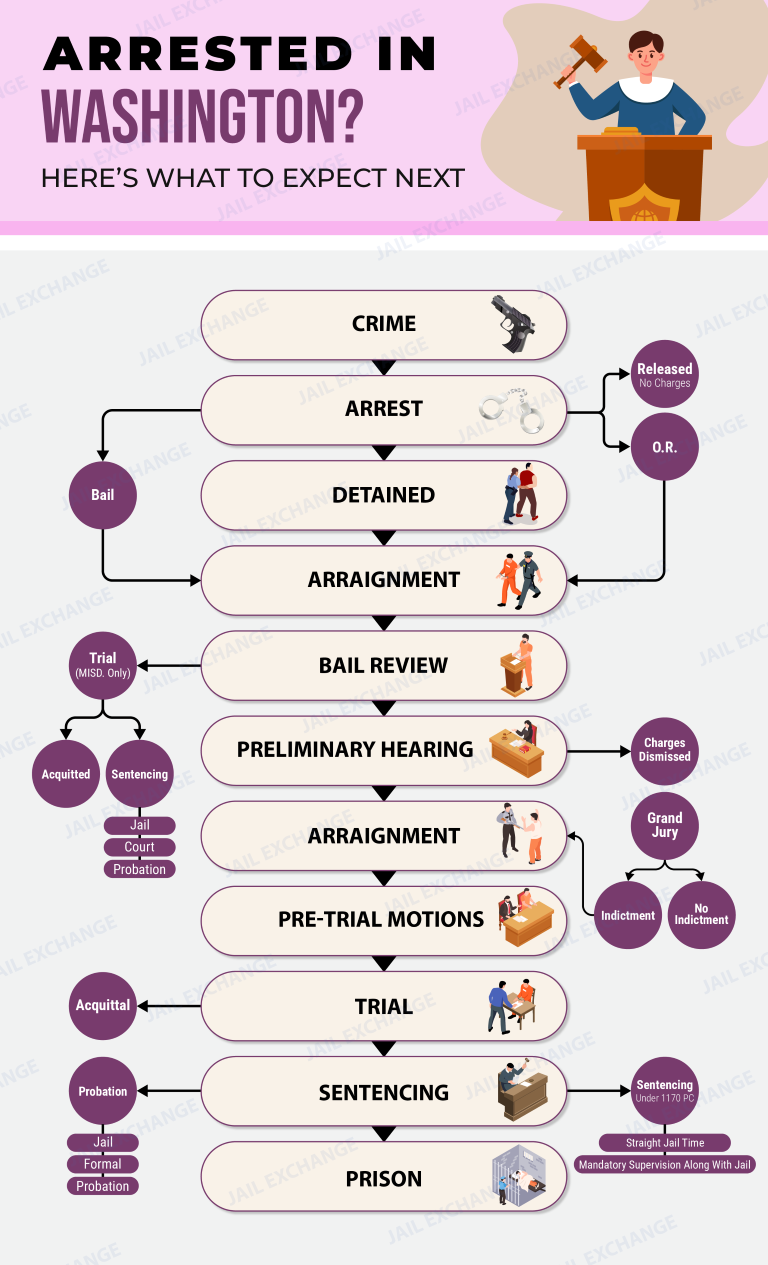
Information for this service is currently unavailable.
Information for this service is currently unavailable.
Judge Patricia H. Clark Children and Family Justice Center Family Mail
Detention or placement? Two official uses at one detention program: a youth may be here awaiting a hearing, or here after a court order to serve detention. Official statewide detention reporting describes both roles. The operator is King County Department of Adult and Juvenile Detention. A stay here is official detention at this program, not a DCYF JR commitment, unless staff tell you otherwise. Judge Patricia H. Clark Children and Family Justice Center is King County's official juvenile detention program at 1211 East Alder Street in Seattle (official street name, not East Alder Avenue). It is operated by the King County Department of Adult and Juvenile Detention. It holds youth before a hearing and after a court order, and it is not a DCYF Juvenile Rehabilitation campus.
Mail for a youth at the official Judge Patricia H. Clark Children and Family Justice Center in Seattle goes to this official address, on separate lines:
Resident's Full Name
Judge Patricia H. Clark Children and Family Justice Center
1211 East Alder Street
Seattle, WA 98122
Mail can only be sent and received to immediate family. Staff at this Seattle detention program can tell a parent or legal guardian whether legal mail follows a different official process; those details are kept private to protect the minor.
All mail is opened and checked for contraband or content that is not allowed at this Seattle juvenile detention program.
Residents can send and receive as many letters, within reason, as they want at this official Seattle detention program.
Do not mix this juvenile letter with adult jail mail for King County. Use the official Seattle detention address.
A letter sent to zip code 98122 should use the official facility name on the line under the resident's full name, so staff at this Seattle, King County program can match it to the right youth.
Address a letter to 1211 East Alder Street, Seattle, WA 98122, using the official name Judge Patricia H. Clark Children and Family Justice Center under the resident's full name. Use Street, not Avenue, on the street line. Do not send a youth's mail to an adult King County jail as if it were adult inmate mail.
Questions about who may write can be asked at 206-263-9595.
Youth detention in King County is at the Judge Patricia H. Clark Children and Family Justice Center, 1211 East Alder Street in Seattle. DAJD's youth page sets out two kinds of calls: "Youth in detention can make free phone calls to parents and guardians." To anyone else, "They can place collect calls to others on a regular basis," and "The collect call fees are charged to the receiving party."
Video Visits Are Free
"All video visitation at the Clark Children and Family Justice Center is free." Each youth may have up to six video visits a week, up to 25 minutes each, and only parents and guardians can schedule them.
Video Visit Hours
- Monday to Friday: 3:30 to 8 PM.
- Weekends: 9 AM to 2:30 PM and 3:30 to 8 PM.
- Help: Securus, 1-877-578-3658.
In Person
"Parents and legal guardians may visit twice a week for up to 45 minutes." Book at 206-477-9897.
Calls In
"Youth in detention cannot receive phone calls." For detention status or court dates, call 206-263-9595 (24 hours) with the youth's full name and date of birth.
Facility: 206-263-5992
Detention Status (24/7): 206-263-9595
Visit Scheduling: 206-477-9897
Address: 1211 East Alder Street, Seattle, WA 98122
Securus eMessaging provides a digital messaging service that allows family members to send electronic letters, digital photos, and eCards directly to an incarcerated loved one via handheld tablets and housing unit kiosks. Messages are screened electronically, delivering communication within hours instead of waiting days for postal mail delivery.
Important: Physical Mail Bans and Stamp Requirements Vary
Inmates cannot receive incoming phone calls, and traditional postal mail rules differ across correctional systems. While some jails continue to accept handwritten letters, many facilities have transitioned entirely to electronic messaging or digital mail scanning, which you can verify by checking facility rules. If you do not register online and purchase eMessaging stamps right away, your loved one may face lengthy periods without direct written contact from family.
Step-by-Step Instructions to Register and Send eMessages
- Go to securustech.online or open the Securus mobile app.
- Sign into your verified profile or create an account with your email and phone number.
- Select eMessaging from your service dashboard.
- Link the inmate to your account by selecting the facility and entering their legal name or booking ID.
- Purchase an eMessaging stamp book using a debit or credit card.
- Type your message in the editor, attach photos or eCards if permitted, and optionally include a prepaid reply stamp.
- Submit your message to the facility's screening queue.
What the Inmate Needs to Do
All electronic correspondence is screened by correctional staff before delivery. Once approved, the message arrives in the inmate's inbox on their assigned Securus tablet or housing unit kiosk. The inmate opens the message, views attached photos, and drafts an electronic reply using their available stamp balance.
Official Provider: Securus Technologies Official Website
Customer Service Telephone: 1-800-844-6591
Support Hours: 24 hours a day, 7 days a week, 365 days a year
Supported Languages: English and Spanish
Other Services Provided by Securus Technologies
In addition to eMessaging, Securus provides calling, video visitation, and trust money services:
- AdvanceConnect Prepaid Calling: Prepay for phone calling credits so your loved one can call your mobile phone directly.
• Learn more on our website: AdvanceConnect Calling Guide | • Visit official vendor page: Securus AdvanceConnect - Securus Video Connect: Schedule and join live video visits from home using your computer or smartphone.
• Learn more on our website: Video Visitation Guide | • Visit official vendor page: Securus Video Connect - JPay Money Deposits (Partner Trust Transfers): Send money directly into an inmate's jail trust account for commissary shopping.
• Learn more on our website: Money Deposits Guide | • Visit official vendor page: JPay Money Transfers
Information for this service is currently unavailable.
King County County Jails
King County City Jails
King County Juvenile Facilities
Nearby counties
- Juvenile: 206-263-9595
- Adult Court - Kent: 206-477-2730
- Adult Court - Seattle: 206-477-1334
- Adult Probation - Kent: 206-477-2600
- Adult Probation - Seattle: 206-477-1400
- Arrest Warrants: 206-477-3113
- Crime Victims - Juvenile: 206-296-8871
- Crime Victims - Kent: 206-205-7411
- Crime Victims - Seattle: 206-296-9552
- Drug Court - Kent: 206-477-0788
- Drug Court - Seattle: 206-477-0788
- Juvenile: 206-205-9590
- Juvenile 2: 206-205-9500
- Juvenile Court: 206-296-1395
- Juvenile Drug Court: 206-205-3364
- Juvenile Probation: 206-205-9590
- Prosecutor - Juveniles: 206-296-9025
- Prosecutor - Kent: 206-205-7400
- Prosecutor - Seattle: 206-296-9000
- Public Defender: 206-296-7662
- Sheriff: 206-296-4155
The Judge Patricia H. Clark Children and Family Justice Center serves the following cities and towns of King County: Auburn, Beaux Arts Village, Bellevue, Black Diamond, Bothell, Burien, Carnation, Clyde Hill, Covington, Des Moines, Duvall, Enumclaw, Federal Way, Hunts Point, Issaquah, Kenmore, Kent, Kirkland, Lake Forest Park, Maple Valley, Medina, Mercer Island, Milton, Newcastle, Normandy Park, North Bend, Pacific, Redmond, Renton, Sammamish, SeaTac, Seattle, Shoreline, Skykomish, Snoqualmie, Tukwila, Woodinville and Yarrow Point.