
Crisp County Detention Center
Crisp County Detention Center
Physical Address
196 Hwy. 300 SouthCordele, GA 31015
Jail Phone Number
229-276-2646Crisp County Detention Center inmates: finding a booking, visiting by last name, scanned mail, deposits, calls and transfers
Crisp County's sheriff runs the detention center at 196 GA Highway 300 South, Cordele, GA 31015 day and night, right beside his main office. People held there are waiting on bail, trial or sentencing, or on a bed in a state prison after a felony sentence. To learn who is inside, use our inmate search.
Once our inmate search shows the right person, jot down the ID number, since letters and deposits depend on it. Intake can run two to eight hours, so very fresh arrests lag behind. Sheriff Hancock's office calls that lag routine and nothing to worry over.
Questions about bail, holds or the next court date go to 229-276-2646; give the person's legal name. Release options sit on our bail page, hearing dates on our court page. Further down: visits, mail, money, phones, medical screening, release and moves to prison.
Read inmate search answers
 Read inmate search answers
1. How can I tell whether someone is in the Crisp County Detention Center?
Type the name into our inmate search; the matching record shows a booking date, charges and bail. Highway 300's detention center sits at 196 GA Highway 300 South, Cordele, GA 31015, and its desk answers at 229-276-2646.
Arrests still in intake may be missing, and the sheriff puts intake at two to eight hours. Nicknames and earlier last names can turn up a missing record, and the ID number is worth writing down once found. Someone arrested on another county's warrant, or by a federal agency, could be sitting elsewhere, and the arresting office knows where.
↑ Back to the question list2. How do visits work?
Visits happen in the jail's visitation room through glass, never face to face. Every inmate gets a weekly hour, scheduled by the first letter of the surname, on weekdays only; weekends have none. Our visitation page lays out the schedule.
Those who travel beyond 175 miles earn an added half hour once they prove the distance. Each visiting day admits a single child, and anyone 16 or over must show ID. Banned clothing includes pajamas, ripped jeans, short skirts, tank tops, sheer fabric, sagging pants and head rags. Video visits are offered online and through an app too.
↑ Back to the question list3. How does mail reach an inmate?
Apart from legal correspondence, address letters to the scanning center like this: Crisp County Jail, then the recipient's name and ID, P.O. Box 1759, Waycross, GA 31502. Pages are scanned into an electronic inbox, and paper never reaches the cell. Our mail page has the details.
Envelopes missing a return name and address go back. Anything bigger than a standard letter page is refused, as are packages, magazines and newspapers. Black ink scans most clearly. Crisp's jail administrator reviews each scanned item and blocks improper content, and online photo uploads need the same approval.
↑ Back to the question list4. How do I add money to an inmate's account?
Account money covers commissary and calls. A lobby kiosk at the jail accepts cash, and only cash, with no money orders, crediting the account on the spot. Online deposits work too; our deposits page walks through them.
Keep the full name and ID number at hand, since deposits post by ID. Save every receipt. Mailing cash makes no sense, because letters go to the scanning center in Waycross rather than to Cordele. Staff can explain what becomes of leftover funds when someone walks out. Ask 229-276-2646 whether any cap applies to deposit size or frequency.
↑ Back to the question list5. How do phone calls work?
Calls go out from housing units on prepaid accounts. Relatives can open one or add funds online by card or check, or through the provider's automated payment line around the clock. Our phone page walks through setup.
Funds and unblocking post in batches through the day rather than instantly. Recording runs on each call and the DA can request the audio, so talk about anything but the charges. During intake inmates use phones to line up bail with family, friends or a bondsman, so keep yours charged and on after an arrest.
↑ Back to the question list6. Who runs the jail and where is it?
Crisp's Sheriff's Office operates the detention center at 196 GA Highway 300 South, Cordele, GA 31015, next to its headquarters. The jail line is 229-276-2646, the sheriff's office is 229-276-2600, and the fax is 229-276-2648.
Detention officers handle security, intake and daily routines, and a transport unit carries inmates to court, prison and other agencies. Some sentenced inmates join a labor detail. The sheriff also points families to Rise4Me, a free directory of reentry help covering housing, food and treatment for people coming home.
↑ Back to the question list7. What if an inmate needs medical care?
Each new arrival receives a medical check and spoken mental health questions at intake, followed within seven days by a private screening from jail medical staff. According to the sheriff, the aim is to record every condition and make sure the facility can handle it.
Relatives may phone 229-276-2646 to report a diagnosis or medication, expecting no details back, since privacy law limits what staff share. Defense counsel can bring untreated problems to the judge. Anyone held for intoxication may stay 24 hours or more, until release is safe.
↑ Back to the question list8. What does an inmate receive at the jail?
If bail looks unlikely soon after intake, the person is classified and assigned to a housing unit. On the way there, each one is issued a uniform, shoes, a mattress, a towel, a washcloth, sheets, a toothbrush, toothpaste, tissue and soap.
Snacks, extra hygiene items and similar goods come from commissary, paid from account money. Clothing and belongings taken at intake stay in storage until release. Phone 229-276-2646 to learn how family can collect property and what identification the collector should bring. Before bringing any clothing or toiletries to the lobby, ask staff whether they will be accepted, since the jail issues the basics itself and commissary covers the rest.
↑ Back to the question list9. Can someone be released without paying money?
Sometimes. Recognizance lets a judge free someone on a signed promise plus conditions, though 17-6-12 forbids it for bail jumping and certain repeat DUI charges.
Freedom can also come when prosecutors drop charges, when a plea credits days already served, or when a judge grants a bond motion. Anyone unable to pay a lawyer can request the Cordele Circuit Public Defender, 229-276-2768, at the first hearing. Magistrate Court, 229-271-4728, schedules bond hearings, and our bail page covers each bond type. Outside holds come off before release. Families who line up a ride, a place to stay and the next court date before the hearing give the judge reasons to agree.
↑ Back to the question list10. What should families know about immigration holds?
Within 48 hours of confinement, Crisp jailers must make a reasonable effort under 42-4-14 to determine whether the person is a citizen, and a supervisor alerts federal immigration officers when lawful presence goes unshown. Crisp's sheriff posts quarterly Foreign National Data Summary reports.
A federal I-247A request, authorized by 8 CFR 287.7(d), may keep someone in Cordele 48 hours longer, and Saturday, Sunday and holiday time does not count toward it. Relatives moved into federal custody appear in the ICE online detainee finder. ICE's Atlanta field office is at 180 Ted Turner Drive SW, Suite 522, Atlanta, GA 30303, 404-893-1290. Talk to an immigration lawyer before any plea.
↑ Back to the question list11. When does an inmate move to state prison?
A felony prison sentence usually means more weeks at Highway 300 until Corrections offers a diagnostic bed, and the sheriff's transport unit carries out the move. Corrections, not the sheriff, sets the date. Sheriff's staff usually cannot share the day in advance, partly for security, so families often learn of the move only afterward.
The GDC offender lookup then names the prison, and our Georgia state prisons guide explains visiting there. Concerns about someone in state custody can be raised with Corrections at 404-656-4661. Before the transfer, learn from jail staff how any account balance and stored property get released, and to whom.
↑ Back to the question list12. Where are juveniles held?
Detained youth stay at Crisp's RYDC, 130 Haralson Road, Cordele, GA 31015, phone 229-271-4901, a Department of Juvenile Justice site. It sits in Cordele, a few minutes from the 7th Street courts.
That center writes visiting and mail policies separate from the county jail, so phone ahead. Youth files stay apart from adult jail records. Juvenile Court judges decide who stays detained; reach that clerk at 229-271-4726, and parents help most by bringing report cards and health records to each hearing. A parent should expect calls from a juvenile probation officer, who gathers school and family details for the judge, and returning those calls quickly helps the youth.
↑ Back to the question list13. Where are federal prisoners held?
Some federal defendants waiting for trial are boarded in county jails under contracts with the Marshals. Crisp falls in Georgia's federal Middle District, and people in federal custody can be shifted between facilities without word to families.
Where a sentenced federal prisoner ends up is shown in the BOP prisoner lookup. Booking files from a federal arrest come only by writing to the Marshals; Crisp jailers cannot speak for that agency. Defense counsel gives relatives the most reliable news, and PACER carries the docket for anyone following filings.
↑ Back to the question list14. Can I see mugshots online?
Booking photos stay off Crisp's sheriff website because 35-1-19 forbids law enforcement from posting them online, but an open records request to the sheriff's office at 196 GA Highway 300 South, Cordele, GA 31015, 229-276-2600, may still produce one.
Anyone requesting one must sign that it will not go to a business charging people to take mugshots down. After an acquittal or dismissal, 10-1-393.5 gives such a business 30 days to delete the image free of charge. Records held by immigration authorities come through the ICE FOIA request page, and federal booking photos require writing to the Marshals.
↑ Back to the question list15. Which inmate services can families use from home?
Families of someone at Highway 300 mostly juggle five things from home: visits, letters, deposits, phone funds and commissary. The first four each get a longer answer earlier on this page, aimed at people new to the jail.
Which weekday fits which surname, plus banned clothing, is covered by the visits answer and on our visitation page. The Waycross scanning address fills the mail answer. The cash kiosk and web deposits fill the deposits answer, with prepaid calling in the phone answer. Snacks and hygiene goods come through Crisp commissary ordering on that same account. Policies get revised, so call 229-276-2646 to confirm current practice before mailing or paying.
↑ Back to the question list16. Which law enforcement agencies serve the county?
Deputies, Cordele officers and troopers make nearly all the arrests that end at Highway 300. In any emergency inside the county, dial 911.
- Crisp County Sheriff's Office, which also operates the detention center and county E-911: 196 GA Highway 300 South, Cordele, GA 31015; office 229-276-2600; jail 229-276-2646.
- Cordele Police Department, 501 North 7th Street, Cordele, GA 31015; 229-276-2921.
- Georgia State Patrol Post 30, assigned to Crisp, Dooly, Turner and Wilcox: 208 Georgia Highway 300, Cordele, GA 31015; 229-271-4972.
- Immigration and Customs Enforcement, Atlanta field office: 180 Ted Turner Drive SW, Suite 522, Atlanta, GA 30303; 404-893-1290.
Ask for a report from the department whose officer wrote it; a ticket or incident number makes the clerk's search quicker.
↑ Back to the question listCordele contacts
- Inmate search
- Crisp County Inmate Search
- County Jail
- 196 GA Highway 300 South, Cordele, GA 31015; 229-276-2646
- Magistrate Court
- 229-271-4728
- Superior Court clerk
- 229-271-4726
Crisp County bail: the Highway 300 detention center in Cordele, first appearances, bond types, holds and release
Highway 300's detention center, 196 GA Highway 300 South, Cordele, GA 31015, receives every person arrested in Crisp County, whoever wore the badge. Sheriff Hancock's staff spend two to eight hours on intake; afterward a judicial official sets bail and a court date. Jailers carry out those orders but never pick the dollar amount themselves.
Pull up the person in our inmate search for booking details, charges and any bail figure. Families keeping in touch while the case runs can read about visits, deposits and calls on our inmate page. Crisp's sheriff says most of the people booked at his jail qualify for bail.
With that in hand, phone 229-276-2646 and ask three things: has a judge fixed a figure, does each count have its own, and which payments are taken at the window today. Which courtroom owns each charge is sorted out on our court page, and Georgia-wide rules fill our Georgia bail laws guide.
1. Where is someone taken after an arrest in Crisp County?
Adults picked up anywhere in Crisp, whether by a deputy, a Cordele officer or a trooper, are booked into one building, 196 GA Highway 300 South, Cordele, GA 31015. Sheriff's staff run it at every hour, reachable at 229-276-2646.
Intake there covers a medical check, spoken mental health questions, photos, prints and a records search for warrants, and it normally lasts two to eight hours. Reaching the person during that stretch is hard. When intake wraps up, our inmate search ought to list the charges plus any bail amount a court has fixed.
↑ Back to the question list2. Who decides bail in Crisp County?
Courts decide, and Crisp's booking guide spells it out: once intake ends, a judicial official determines bail and schedules court. Most such rulings, along with first appearances, come out of Magistrate Court, 229-271-4728.
Charges named in 17-6-1, among them murder, rape and armed robbery, need a Superior Court judge to rule on bail, which can mean a longer wait. Jailers enforce the figure; choosing it falls outside their job. Anyone hoping to move the number needs defense counsel to file a motion, because pleading at the jail counter changes nothing.
↑ Back to the question list3. How soon will a judge see the arrested person?
Two separate Georgia deadlines apply. No warrant behind the arrest? Section 17-4-62 demands a judge inside 48 hours. A warrant behind it? Section 17-4-26 stretches that window to 72 hours.
At the hearing the judge reads out the accusations and the right to counsel, then may address bond or conditions. Magistrate Court, 229-271-4728, knows when its hearings begin. A family that shows the judge a paycheck, a Cordele-area address and relatives nearby gives the court tangible grounds to release rather than detain until trial.
↑ Back to the question list4. What kinds of bond does Georgia allow?
Georgia offers several release paths: paying the whole amount in cash, securing it with real estate, hiring a surety company for a fee, or recognizance, where a judge accepts a signed promise to return plus conditions and asks for nothing up front.
Separate counts often carry separate figures, so one defendant can need multiple bonds, each with statutory surcharges added. Payment rules vary from county to county and change over time. Before heading out to Highway 300, ring 229-276-2646 for every count, its figure and the accepted forms of payment.
↑ Back to the question list5. How does a property bond work in Georgia?
Real estate equity can stand in for cash. Everyone named on the deed signs, taxes must be current, and what the owners hold free of the mortgage has to cover the bond figure. Until the prosecution ends, a lien sits on the land.
Skipped court dates put that land at risk, so owners need to grasp the commitment before they sign. Each owner brings the deed, a current tax bill and photo identification. Statewide rules for pledging land are collected in our Georgia bail laws guide, while 229-276-2646 can tell you which local papers the jail expects.
↑ Back to the question list6. How do we choose a bonding company?
In Georgia, a professional bondsman must hold approval from the sheriff where bonds get written. Premiums commonly run as high as 15 percent, kept by the company once the case closes, and collateral such as a vehicle title may be demanded.
Sign only a written agreement spelling out premium, collateral and covered cases. The defendant must attend every hearing, or the company can have them picked up. Steer clear of anyone who phones relatives first pitching a deal, and hand over money only at the jail or the bondsman's own office.
↑ Back to the question list7. Why might several bonds be needed for one person?
Multiple counts can each get a separate figure, so an arrest with three charges might mean three bonds, each carrying its own state surcharges. Charges from another county, or a probation warrant, pile on more.
Outside holds can block release even once local bonds are paid in full. Phone 229-276-2646 before spending anything, and go through each count, each amount and each hold in turn. Write everything down along with the hour, since relatives working in parallel tend to scramble the figures. Pay the counts in whatever order staff suggest, and keep each receipt separate, because refunds later track each bond on its own.
↑ Back to the question list8. What does an empty bond field or a hold mean?
When our inmate search shows nothing in the bond column, a court probably has yet to rule, often because first appearance is still pending. A 17-6-1 charge waits on Superior Court before any number appears.
Holds mean someone else, maybe a sheriff elsewhere, probation or a federal office, also claims the person. A local bond leaves that claim in force. Ask 229-276-2646 who lodged the hold and how to contact them. Untangling it first spares families from paying for a release that never happens. Probation holds may need a hearing before a judge in the county that issued them, which can add days.
↑ Back to the question list9. What if a Cordele police officer made the arrest?
A Cordele arrest ends at the same county building on Highway 300, and the bond a court sets still controls release. City ordinance, traffic and shoplifting matters may stay with Cordele Municipal Court, 501 North 7th Street, 229-276-2916, so read the ticket or warrant to see which court owns it.
Reports and the officer's name come from Cordele police, 229-276-2921. Bond questions remain the jail's territory. State charges filed by city officers travel through Magistrate and Superior Court exactly as deputies' cases do, and once filed, the Superior Court clerk, 229-271-4726, keeps the folder.
↑ Back to the question list10. Can someone be released without paying money?
Sometimes. Judges may grant recognizance, release on conditions with no cash posted, though 17-6-12 forbids it for certain charges such as bail jumping and particular repeat DUI offenses.
Appointed defenders frequently ask for recognizance or a reduced figure at first appearance. Cordele Circuit's office sits at 716-B 16th Avenue East, Cordele, GA 31015, 229-276-2768. A dismissal or a time-served plea ends custody too. Recent paychecks, a rental agreement and notes from a boss or neighbor are the kind of proof a lawyer can hand the bench.
↑ Back to the question list11. Where are detained juveniles held?
When a Juvenile Court judge orders a Crisp youth held, the placement is the Crisp RYDC, 130 Haralson Road, Cordele, GA 31015, 229-271-4901, a Department of Juvenile Justice facility. The center is inside Cordele, only minutes from 7th Street.
Juvenile Court alone decides whether a youth stays or goes home, and its paperwork lives with the combined clerk's office, 229-271-4726, and bondsmen play no part. Teenagers aged 13 through 16 facing the most serious violent counts can be prosecuted in Superior Court, while anyone 17 or older is treated as an adult and booked at the county jail.
↑ Back to the question list12. How does a family get a free lawyer?
Ben Hill, Crisp, Dooly and Wilcox share the Cordele Judicial Circuit Public Defender, based at 716-B 16th Avenue East, Cordele, GA 31015. Call 229-276-2768 or 229-273-5396 on weekdays during office hours, 8:30 to 5.
Income and household size settle eligibility, a subject judges usually raise at first appearance. Defendants can also apply through the statewide public defender council. With the defendant's name and docket number, relatives can find out which lawyer took the case; that lawyer argues bond, explains plea offers and tracks every setting.
↑ Back to the question list13. What happens if a court date is missed?
When a defendant fails to appear, the judge usually issues a warrant and starts taking the bond. Posted cash may be lost, pledged land can be taken, and a bondsman will send someone to find the client.
Speed matters here. Call defense counsel at once and the clerk's office, 229-271-4726, before the day ends, since a prompt explanation can sometimes get the warrant recalled. File every court mailing, and give the clerk a new address after any move. Probate and Magistrate cases have separate clerks, listed on our court page.
↑ Back to the question list14. How is a cash bond returned?
Georgia courts keep posted cash until the prosecution wraps up and every required appearance has been made. A judge may first deduct fines and costs. Bondsmen's premiums stay with the bondsman permanently.
Save the original receipt and note who posted the money. When the case reaches final disposition, contact the clerk for that court, normally Superior Court's at 229-271-4726, and supply an up-to-date address so the refund check arrives at the right door. Refunds usually go to the person named on the receipt, not the defendant, so whoever paid should keep in touch with the clerk until the money arrives.
↑ Back to the question list15. How can relatives avoid a bail scam?
Fraudsters ring families pretending to be deputies, attorneys or bondsmen and press for quick payment. Genuine bonds get paid at the jail or a bonding company's office; gift cards and wires to strangers are a giveaway.
Hang up, look the person up yourself in our inmate search, and then dial 229-276-2646 directly. Ask about the charge, the figure and how payment works. Tell the sheriff's office, 229-276-2600, about any suspicious caller, and alert the rest of the family so nobody pays twice. A real deputy will never demand payment over the phone or threaten arrest for refusing, and bondsmen sign contracts in person.
↑ Back to the question list16. Can an immigration detainer stop a release?
Yes. Georgia's 42-4-14 requires a reasonable effort, inside 48 hours of arrival, to determine whether each confined person is a citizen, and a supervisor notifies federal officers when lawful presence goes unshown. Crisp's sheriff publishes quarterly Foreign National Data Summary reports.
Under 8 CFR 287.7(d), an I-247A asks the jail to keep someone 48 hours past release, a clock that skips Saturday, Sunday and any holiday. Bonding out could mean a handoff to ICE. Track a moved relative through the ICE online detainee finder, and consult immigration counsel before pleading.
↑ Back to the question list17. What if the charges are federal?
Crisp sits within the federal Middle District of Georgia. Release before a federal trial is governed by 18 U.S.C. 3142, which shares little with Georgia's bail statutes.
After a detention hearing, a federal magistrate judge decides custody and frequently orders supervision or travel limits. The Marshals Service holds federal defendants and may lodge them in county jails. Sentenced prisoners can be traced in the BOP prisoner lookup. Family members may be asked to sign as third-party custodians, a serious duty to report violations. Ask the federal defender or retained counsel for news on the case.
↑ Back to the question list18. Which law enforcement agencies serve the county?
Deputies, Cordele officers and troopers make nearly all the arrests that end at Highway 300. In any emergency inside the county, dial 911.
- Crisp County Sheriff's Office, which also operates the detention center and county E-911: 196 GA Highway 300 South, Cordele, GA 31015; office 229-276-2600; jail 229-276-2646.
- Cordele Police Department, 501 North 7th Street, Cordele, GA 31015; 229-276-2921.
- Georgia State Patrol Post 30, assigned to Crisp, Dooly, Turner and Wilcox: 208 Georgia Highway 300, Cordele, GA 31015; 229-271-4972.
- Immigration and Customs Enforcement, Atlanta field office: 180 Ted Turner Drive SW, Suite 522, Atlanta, GA 30303; 404-893-1290.
Ask for a report from the department whose officer wrote it; a ticket or incident number makes the clerk's search quicker.
↑ Back to the question listCrisp County Detention Center Inmate Visitation
Friends and Family – Staff at this Georgia jail do not post a public visiting schedule. They will share the current days and hours when you call 229-276-2646. Common reasons include privacy, security, and visit times set for each inmate or housing unit.
Follow These Steps
- Gather the person's complete name and birthday, your identification, and a booking number when you have it.
- Call 229-276-2646 and identify yourself, state the relationship, and be polite and particular about what you need.
- Eligibility can lag behind booking by two days or as long as seven; ask rather than assuming a visit is open now.
- Ask the person who answers what official identification to present, how far ahead you need to lock in a time, what visitors may wear and what they may bring, whether you must register or be on an approved list and how to get added, and whether you will be visiting in person, by video, or both. Also ask for the days and times staff have set for visits.
Rules Most Jails Use
Many facilities enforce some combination of the rules below. Ask staff to confirm what is in effect here.
- Typically the only items you should take past check-in are your identification and a car key.
- Children must stay with an adult and be watched at all times.
- Typical dress rules bar underwire bras, which set off metal detectors at check-in.
- If you bring a child, be ready to show a birth certificate or proof of legal guardianship; some facilities require one or the other.
Official visitation rules at Crisp County Detention Center allow one hour a week in the Inmate Visitation Room only. Contact visits are not allowed. The official table is organized by the first letter of the last name on weekdays, with no Sunday visits and no Saturday visits in the table that is posted. Visitors 16 and older must bring ID. One child may accompany a visit, and an extra half hour may be allowed if you are traveling more than 175 miles and can verify the distance. Call the jail at 229-276-2646 for the exact letter blocks and clock times that apply to the person you hope to see.

PayTel Video Visitation allows friends and family members to schedule and conduct live, face-to-face video visits with incarcerated loved ones from home. Using an internet-connected smartphone, tablet, or personal computer equipped with a webcam, visitors connect directly through housing-unit video stations or assigned tablets, eliminating the need to travel to the correctional facility.
Important: Advance Registration and Visitor Clearance Required
Detention centers do not permit unscheduled or unverified video sessions. Correctional facilities require prospective visitors to submit government-issued photo identification and receive administrative clearance before booking an appointment, an approval process that can take up to 48 hours depending on facility staffing. You should verify your visitor approval status with the facility prior to scheduling. If you do not register well in advance, you will miss your loved one's scheduled visiting window for the week.
Step-by-Step Instructions to Register and Schedule a Video Visit
- Visit www.paytel.com or launch the PayTel Connect mobile app.
- Register your visitor profile and upload a clear photograph of your government-issued ID (driver's license or passport) for facility background review.
- Wait for email notification confirming facility visitor approval.
- Select Video Visitation, choose the detention facility, and select the inmate.
- Browse the available schedule calendar, select an open time slot, and pay the visitation fee using a credit or debit card.
- Log into the website or mobile app 10 minutes prior to the start time on a device with a functioning camera, microphone, and stable high-speed internet connection.
What the Inmate Needs to Do
The inmate receives a visitation notification on their housing unit video kiosk or assigned tablet. At the appointed time, they log in with their PIN and sit before the terminal. Inmates and visitors must strictly observe jail dress and conduct rules; sessions are monitored by staff and will terminate immediately upon any violation.
Official Provider: PayTel Official Website
Customer Service Telephone: 1-800-729-8355
Support Hours: Monday – Friday, 8:00 AM – 9:00 PM EST; Saturday, 9:00 AM – 6:00 PM EST
Supported Languages: English and Spanish
Other Services Provided by PayTel Communications
In addition to Video Visitation, PayTel provides calling, messaging, and tablet services at participating facilities:
- Prepaid Phone Calling Accounts: Prepay for phone calling credits so your loved one can call your telephone directly.
• Learn more on our website: Prepaid Calling Accounts Guide | • Visit official vendor page: PayTel Prepaid Calling - Inmate Messaging & Digital Communications: Send electronic messages and photos directly to an inmate's terminal.
• Learn more on our website: Inmate Messaging Guide | • Visit official vendor page: PayTel Messaging - Inmate Tablets & Digital Services: Learn how handheld devices provide access to messaging, phone calls, and media.
• Learn more on our website: Tablet Programs Guide | • Visit official vendor page: PayTel Tablets
Crisp County criminal courts: Magistrate, Probate, Superior and Juvenile Court in Cordele and the Cordele Judicial Circuit
Cordele's North 7th Street holds most of the county's justice offices in a single government building: Magistrate Court, Probate Court, the Clerk of Superior and Juvenile Courts and the District Attorney. Probate Court takes traffic and certain misdemeanors, while felonies and jury trials belong to Superior Court for the four-county Cordele Judicial Circuit.
Anyone still jailed during the case can be looked up, charges and bail included, in our inmate search. For visits, letters and money while the case is open, see our inmate page, which tends to matter most while a prosecution drags through its early months.
Start by ringing the Superior Court clerk, 229-271-4726, for a docket number and upcoming setting. Warrants and bail hearings run through Magistrate Court, 229-271-4728. Families still hoping for release will find each Georgia bond type described on our bail page.
1. Which courts handle criminal cases in Crisp County?
Warrants, initial hearings and most bonds come from Magistrate Court, 510 North 7th Street, Cordele, GA 31015, Suite 105, 229-271-4728. Crisp has no State Court. Crisp County Probate Court, 510 North 7th Street, Suite 101, 229-271-4731, handles traffic and certain misdemeanors outside the Cordele and Arabi city limits, and a defendant who wants a jury trial is moved to Superior Court. Felonies go to Superior Court, where misdemeanors are prosecuted by the Cordele Circuit DA, since Crisp has no Solicitor-General. The Clerk of Superior and Juvenile Courts picks up at 229-271-4726.
Probate Court, in Suite 101 at that address, 229-271-4731, covers estates, licenses and certain traffic matters. Juvenile files share the Superior Court clerk. Counters keep weekday business hours, opening at 8:30 and closing at 5; mail for the clerk is addressed P.O. Box 747, Cordele, GA 31015.
↑ Back to the question list2. How does a misdemeanor case move through court?
Misdemeanors usually start with a ticket or arrest, then an initial Magistrate Court hearing. Crisp has no State Court, so a county misdemeanor outside city limits is often heard in Probate Court; if the defendant asks for a jury, it moves to Superior Court, where the Cordele Circuit DA prosecutes it.
Outcomes often include a plea, fine, probation or a dismissal. City cases stay local. Cordele Municipal Court, 501 North 7th Street, Cordele, GA 31015 (mail P.O. Box 569, Cordele, GA 31010), 229-276-2916, hears Cordele ordinance, traffic, shoplifting and some misdemeanor cases. Arabi Municipal Court, 4190 Bedgood Avenue, Arabi, GA 31712, 229-273-5096, takes Arabi's. The citation names the court. Defendants who want counsel should say so at the earliest hearing. Upcoming dates are available from the clerk's office, 229-271-4726. A conviction can bring a sentence of up to 12 months and a fine, and a plea deal may carry probation terms that last far longer than any jail stay, so read them carefully.
↑ Back to the question list3. How does a felony case proceed?
Felony prosecutions begin in Magistrate Court with an initial hearing and, at times, a probable cause hearing. Cordele Judicial Circuit's District Attorney, 229-271-4735, next takes the case to a grand jury for indictment, or files an accusation directly.
Arraignment follows, then motions, bargaining and perhaps a jury trial. Bail on any 17-6-1 charge remains a Superior Court decision. A sentence may mean probation, prison or a mix. Relatives following along can ask the clerk, 229-271-4726, for the latest filing, and defense counsel can explain each phase and the usual timeline.
↑ Back to the question list4. Where are court records kept?
One office at 510 North 7th Street, Cordele, GA 31015 keeps criminal, civil and juvenile records for Crisp, the combined Superior and Juvenile clerk, phone 229-271-4726, fax 229-271-4737. A criminal division there processes felony and misdemeanor filings, and the office belongs to Georgia's Superior Court Clerks' Cooperative Authority.
Clerks will not give legal advice, yet they can look up a case number, read off the next date and copy documents for a per-page fee. Juvenile files are mostly sealed. Magistrate and Probate keep their own records in Suites 105 and 101. Bring a date of birth with the name, and the lookup goes faster.
↑ Back to the question list5. Who prosecutes cases here?
Every felony and misdemeanor prosecuted in Crisp's Superior Court is the Cordele Circuit District Attorney's case. Its mailing address is P.O. Box 5510, Cordele, GA 31010, phone 229-271-4735, fax 229-271-4739.
That office selects charges, extends plea offers and tries cases. Prosecutors represent the State, never the accused or the accused person's family. Anyone harmed by the offense can ask that office how to get case notices and seek repayment. Defense strategy questions go to the accused person's own lawyer, since prosecutors are barred from advising someone they are charging.
↑ Back to the question list6. How is a public defender assigned?
Cordele Circuit's public defender office operates out of 716-B 16th Avenue East, Cordele, GA 31015, phone 229-276-2768, and handles Ben Hill, Crisp, Dooly and Wilcox. Staff are in Monday to Friday between 8:30 and 5.
Eligibility usually comes up before the judge at the first hearing, and a defendant may also file an application directly. Household income and size set the answer. Once on the case, the defender handles bond arguments, plea negotiation and any trial. Relatives can learn the attorney's name by phone, but confidentiality belongs to the client, so strategy stays private.
↑ Back to the question list7. What does Magistrate Court do after an arrest?
Magistrate Court, 510 North 7th Street, Cordele, GA 31015, Suite 105, 229-271-4728, fax 229-271-4715, signs arrest and search warrants, conducts bond and preliminary hearings and hears county ordinance cases, with clerks working 8:30 to 5.
Its first appearances meet the 48- or 72-hour deadlines, and it can forward cases to Superior Court. Neither judges nor clerks there can offer legal advice. A family wanting a bond hearing should have defense counsel ask for one and bring evidence of a job, a home and support. Civil claims of up to $15,000 share the calendar.
↑ Back to the question list8. What does Probate Court handle?
Crisp County Probate Court, 510 North 7th Street, Cordele, GA 31015, Suite 101, phone 229-271-4731, fax 229-271-4716, handles wills, guardians, marriage and firearm licenses, and it hears petitions for involuntary mental health or substance abuse evaluations.
When repeated arrests trace back to illness or addiction, a petition filed in Probate sometimes leads to evaluation and care in place of a cell. Clerks can describe the forms and how hearings get scheduled. Because they cannot advise, complex petitions go more smoothly with a lawyer or advocate.
↑ Back to the question list9. How are juvenile cases handled?
Crisp's Juvenile Court files run through the Clerk of Superior and Juvenile Courts at 510 North 7th Street, Cordele, GA 31015, 229-271-4726, where a juvenile division keeps them. Hearings cover delinquency, dependency and related youth matters.
Detained youths are taken to the Crisp Regional Youth Detention Center, 130 Haralson Road, Cordele, GA 31015, 229-271-4901. Youth case files remain largely sealed. Parents can help most by showing up to each hearing with report cards and health records, since judges look hard at home support. For the gravest violent offenses, a teenager's case may move up to Superior Court.
↑ Back to the question list10. How do crime victims get help?
The District Attorney's office, 229-271-4735, fields victims' questions about hearing notices, release and restitution. State law gives victims who ask in writing the right to hear about major case events.
Release information about an offender can also be requested from the jail at 229-276-2646. Hold on to police reports, medical bills and every notice, because restitution rests on documentation. Anyone who relocates should give the DA updated contact details, and ask to sit down with an advocate before a plea or sentencing. Georgia's crime victims compensation program can help pay certain costs, and the advocate can explain how to apply.
↑ Back to the question list11. What if a case goes to federal court?
A federal charge from Crisp is filed by the U.S. Attorney for Georgia's Middle District. Pretrial custody in those cases is decided under 18 U.S.C. 3142, not state bail law.
Defendants rely on a federal defender or a lawyer they hire. Sentenced federal prisoners go to Bureau of Prisons sites, listed in the BOP prisoner lookup. Filings post to PACER, but the defense lawyer usually knows more, sooner. Federal hearings are held on that court's own calendar, often outside the county, so ask counsel where each one takes place. Cordele's county clerks hold no federal files, so calling them will not help.
↑ Back to the question list12. Can a bond be reduced later?
Yes. A lawyer can file a motion seeking lower bail or changed conditions. The court looks at the offense, criminal history, local roots, work and the odds of returning to court.
Motions on 17-6-1 charges go before Superior Court. A hearing typically comes first, so get its date from counsel. Letters from a boss, proof of housing and a plan for supervision strengthen the motion. Prosecutors may oppose a reduction, and the judge can keep, lower or even raise the figure after hearing both sides. Ask Magistrate Court, 229-271-4728, when bond motions are next on its calendar.
↑ Back to the question list13. How do immigration detainers interact with court cases?
Immigration custody and a Georgia prosecution run in parallel. Georgia's 42-4-14 has jailers make a reasonable effort within 48 hours of confinement to determine citizenship, and Crisp's sheriff publishes quarterly Foreign National Data Summary reports.
Federal rule 8 CFR 287.7(d) lets an I-247A request 48 more hours of holding, counted without Saturday, Sunday or holiday time. State bond can still be granted, though the person may then pass to ICE. Some pleas threaten a person's status, so get immigration advice beforehand; the ICE online detainee finder tracks anyone moved.
↑ Back to the question list14. What happens after a prison sentence?
People sentenced to state prison wait at Highway 300 for Corrections to assign space, and the sheriff's transport unit drives them there. That timetable is the state's.
The GDC offender lookup lists them after the transfer, and prison visiting is covered in our Georgia state prisons guide. Parole is the business of Georgia's Board of Pardons and Paroles, 2 Martin Luther King Jr. Drive SE, Atlanta, GA 30334, 404-657-9450. Sentence length, jail credit and probation terms all appear in that order, and parole eligibility often turns on them. Store the sentencing order with family records.
↑ Back to the question list15. Which law enforcement agencies serve the county?
Deputies, Cordele officers and troopers make nearly all the arrests that end at Highway 300. In any emergency inside the county, dial 911.
- Crisp County Sheriff's Office, which also operates the detention center and county E-911: 196 GA Highway 300 South, Cordele, GA 31015; office 229-276-2600; jail 229-276-2646.
- Cordele Police Department, 501 North 7th Street, Cordele, GA 31015; 229-276-2921.
- Georgia State Patrol Post 30, assigned to Crisp, Dooly, Turner and Wilcox: 208 Georgia Highway 300, Cordele, GA 31015; 229-271-4972.
- Immigration and Customs Enforcement, Atlanta field office: 180 Ted Turner Drive SW, Suite 522, Atlanta, GA 30303; 404-893-1290.
Ask for a report from the department whose officer wrote it; a ticket or incident number makes the clerk's search quicker.
↑ Back to the question list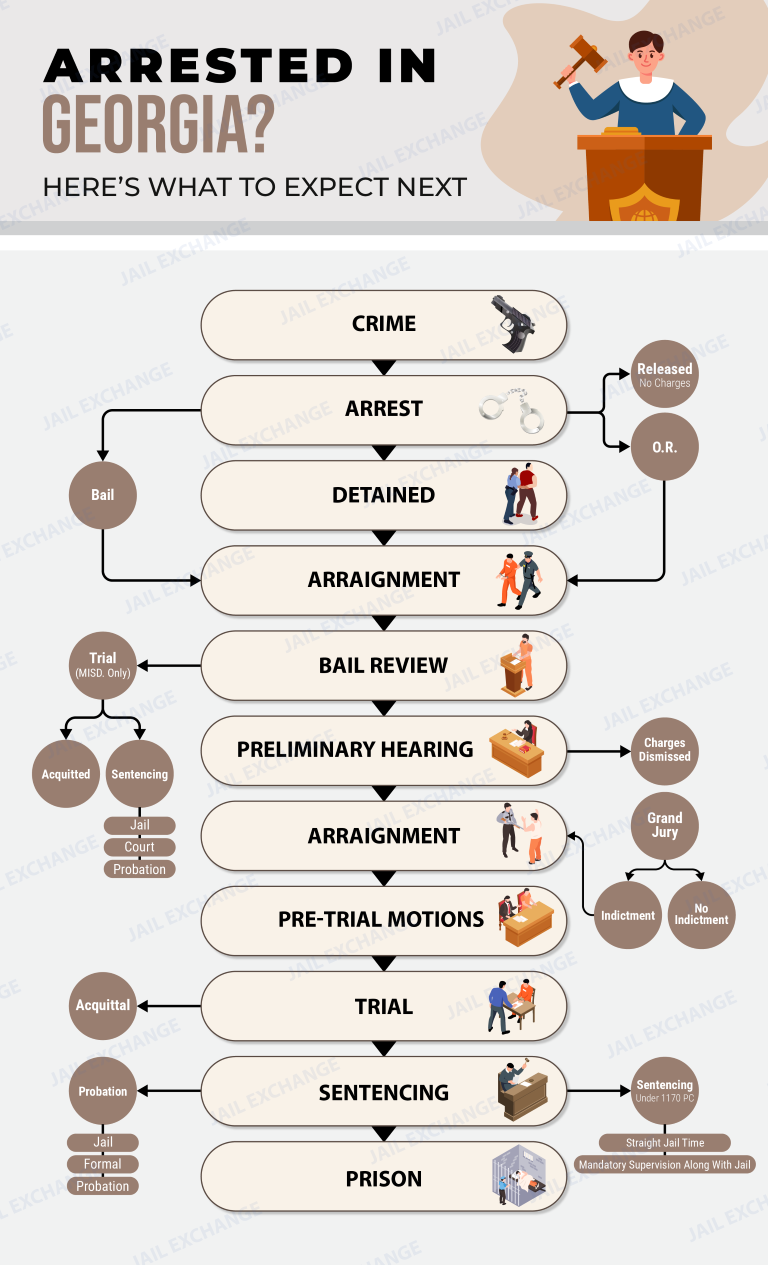

CommissaryOrder.com allows friends and family members to purchase pre-approved food boxes, snack assortments, hygiene essentials, and personal apparel kits sent directly to an incarcerated loved one. Each package is packed to meet strict correctional security guidelines, ensuring the items clear institutional intake without being rejected at the loading dock.
Important: Package Delivery Windows Vary Across Facilities
Jails do not follow uniform rules for incoming packages. Some facilities permit weekly orders, while others limit care packages to monthly or quarterly cycles, and you should call the facility to confirm their active cutoff schedules and purchase limits. If you delay placing your order past the weekly processing deadline, your loved one may have to wait an entire extra cycle before receiving basic personal care supplies, warm undergarments, or supplemental snacks.
Step-by-Step Instructions to Order an Approved Care Package
- Obtain the inmate's full legal name, date of birth, and assigned inmate identification number.
- Visit www.commissaryorder.com and click on Place Order.
- Select the state and the facility where your loved one is currently housed.
- Search for the inmate using their ID number or legal last name to unlock the facility's pre-approved catalog.
- Browse the store categories—including meats, cheeses, ramen soups, baked snacks, toiletries, and clothing—and add items up to the facility's allowed spending limit.
- Review your cart to verify item eligibility, enter your credit or debit card details, and submit your order.
- Print and save your digital order receipt containing the tracking confirmation code.
What the Inmate Needs to Do
The inmate does not need an outside account to receive the package. The items are shipped directly to the jail commissary department in tamper-evident packaging. Correctional staff inspect the box and deliver it to the inmate during the facility's designated commissary delivery schedule, where the inmate signs for the shipment.
Official Provider: CommissaryOrder.com Official Portal
Customer Support Email: Support@CommissaryOrder.com (Always include the facility name, inmate name, and booking ID)
Support Response Hours: Monday – Friday, 8:00 AM – 4:30 PM EST (Responses within two business days)
Supported Languages: English
Other Services Associated with CommissaryOrder.com
Depending on facility contracts, trust funding options are also available to support independent canteen purchases:
- Inmate Trust & Canteen Money Deposits: Send cash directly to an inmate's personal account so they can choose and buy their own items inside.
• Learn more on our website: Inmate Trust Money Deposits Guide | • Visit official vendor page: CommissaryDeposit.com Money Transfers
Buy Commissary for an Inmate in the Crisp County Detention Center
Crisp County Detention Center Inmate Commissary - Sending Money or Purchasing Commissary for an Inmate
Crisp County Detention Center allows inmates to purchase commissary. This can be snacks, hygiene products, stamps, stationary, clothing and even electronics.
You can buy commissary for an inmate using an online service called Commissary Order.

There is a monthly limit of $200-300 on how much inmates can spend on commissary items.
This amount is subject to change so call the facility at 229-276-2646 in order to confirm the amount that cannot be exceeded.
Inmates have access to both an in-house commissary store, and commissary packages that can be purchased and shipped to the inmate by friends and family.
Scroll down for information on the Crisp County Detention Center's service they use for you being able to purchase commissary items online and have them shipped directly to the inmate.
You can also go to our Inmate Money page for information on how to send money to an inmate.

CommissaryDeposit.com provides a secure web platform for friends and family to deposit funds directly into an incarcerated individual's institutional trust and canteen account. Money sent through this service allows inmates to purchase daily essentials, food items, over-the-counter medication, hygiene products, and correspondence stationery from the facility commissary.
Important: Inmate Account Intake Policies Differ by Facility
Once a person is booked and moved to a housing unit, facilities do not always allow cash drop-offs or phone payments directly to the jail window. Some might and you should confirm this by calling the facility and asking. But if you do not register online and fund your loved one's trust account immediately, they may be forced to wait days or weeks for standard paper processing, leaving them without essential soap, clean undergarments, basic medical sundries or snacks. Note also that any funds deposited may be subject to facility collections for outstanding booking fees or medical co-pays according to local rules.
Step-by-Step Instructions to Register and Deposit Funds
- Confirm the inmate's current housing facility, their legal first and last name, and their official inmate booking ID number.
- Navigate to www.commissarydeposit.com and click on Deposit Money.
- Select the state and facility from the drop-down directories.
- Search for the inmate using their ID number or last name and verify the record match to ensure you do not send funds to the wrong individual.
- Enter your phone number to receive a one-time verification code via SMS text or automated voice call.
- Specify the deposit dollar amount, review the calculated convenience fees (fixed fee plus percentage fee), and enter your debit or credit card billing details.
- Submit the payment and save the digital confirmation receipt for your financial records.
What the Inmate Needs to Do
The inmate does not need an internet account to receive funds. Once the electronic payment clears, the funds post directly to their ledger balance in the jail's internal commissary management system. The inmate can verify their balance on their weekly account slip or at a dayroom kiosk terminal to place orders during the next scheduled commissary cycle.
Official Provider: CommissaryDeposit.com Official Portal
Customer Support Email: Support@CommissaryDeposit.com (Requests must include facility name, inmate name, and inmate ID)
Support Response Hours: Monday – Friday, 8:00 AM – 4:30 PM EST (Response within two business days)
Supported Languages: English
Other Services Associated with CommissaryDeposit.com
Depending on the detention facility contract, additional commissary package ordering options may be supported:
- Direct Commissary Package Ordering: Order pre-packaged snack boxes and hygiene bundles sent directly to the inmate.
• Learn more on our website: Commissary Package Ordering Guide | • Visit official vendor page: CommissaryDeposit.com Store Orders
Deposit Money for an Inmate in the Crisp County Detention Center
The Crisp County Sheriff's Office gives families two ways to put money on an account at the Crisp County Detention Center in Cordele.
- Kiosk in the front lobby: Bring cash to the deposit kiosk in the front lobby of the jail at 196 GA Hwy 300 South, Cordele. Cash is the only thing taken in person. Money orders are not accepted at the jail.
- On the internet: Add money from home at CommissaryDeposit.com. Choose the Crisp County Detention Center and have the person's name and inmate ID ready. A fee is added to card payments, and help is by email only.
The person uses this money to buy commissary items. Some of a deposit may go toward booking fees or medical co-pays they owe. The Sheriff's Office chooses not to publish whether it takes money orders by mail, so call 229-276-2646 and ask before you mail one. The Waycross P.O. box is only for letters, so never mail money there.
At the Crisp County Detention Center on Highway 300 South in Cordele, personal mail is never delivered on paper. Letters go to a mail-scanning service and are loaded into the inmate's electronic inbox, and nothing but legal mail goes into the cell. This keeps out paper that has been soaked in drugs such as heroin or cocaine and then dried. Lawyers and courts still mail straight to the jail.
Personal letters, pictures and drawings (scanned):
Inmate's Full Name & Inmate ID#
Crisp County Jail
P.O. Box 1759
Waycross, GA 31502
Legal mail (to the jail):
Inmate's Full Name & Inmate ID#
Crisp County Sheriff’s Office
196 Hwy. 300 South
Cordele, GA 31015
- Addressing: Under the jail's name, write the inmate's full name and their ID number.
- Return name and address: They must be on the envelope when it reaches the mail center. If they are missing, the letter is sent back and never scanned.
- Paper size: Nothing bigger than a standard 8.5 by 11 inch sheet is accepted.
- Black ink scans best: Dark, clear writing comes through most clearly on the scanned copy.
- Pictures: Photos and drawings are welcome and are scanned with the letter. Photos can also be uploaded online straight to the inmate's inbox, and each one must be approved first.
- Turned away: Packages, magazines and newspapers are not accepted.
- Review: The jail administrator or a deputy checks the scanned mail, and anything with banned content is rejected so the inmate never sees it.
- Who can't write: Inmates can't trade mail with co-defendants, with other prisoners, or with a person covered by a no-contact order.
- Money: The jail takes no money orders at the front desk, only cash. You can use the kiosk in the front lobby or deposit money online.
For a faster reply, try electronic messaging.
PayTel Communications provides telecommunications services that allow incarcerated individuals to place outbound calls from housing units to family and friends. Because correctional facilities do not accept incoming calls, establishing a PayTel prepaid account links calling funds directly to your 10-digit telephone number so calls connect without carrier restrictions.
Important: Mobile Phones Automatically Block Inmate Calls
Mobile cellular carriers automatically block collect calls originating from jail phone systems. While some residential landlines might allow direct monthly billing, mobile phones and internet-based lines require an active prepaid balance, which you can verify by checking with your provider. If you do not register online and fund your account right away, your loved one will receive an automated operator message stating that your number cannot accept calls.
Step-by-Step Instructions to Register and Fund a Phone Account
- Visit www.paytel.com or call PayTel customer service at 1-800-729-8355.
- Click Open an Account and register using your primary 10-digit telephone number and email address.
- Select the state and facility where the inmate is currently detained.
- Link the inmate to your profile using their full legal name and booking ID number.
- Select your deposit dollar amount and complete payment using a credit or debit card.
- Confirm that your mobile phone allows calls from automated or unknown correctional numbers.
What the Inmate Needs to Do
The inmate dials your 10-digit number from any dayroom phone and enters their assigned PIN. The automated system verifies that your phone number has an active prepaid balance and prompts you to accept the call. All non-privileged conversations are recorded and monitored by facility staff.
Official Provider: PayTel Official Website
Customer Service Telephone: 1-800-729-8355
Support Hours: Monday – Friday, 8:00 AM – 9:00 PM EST; Saturday, 9:00 AM – 6:00 PM EST
Supported Languages: English and Spanish
Other Services Provided by PayTel Communications
In addition to Prepaid Phone Calling Accounts, PayTel provides digital communications at participating facilities:
- Inmate Messaging & Digital Communications: Send electronic messages and photos directly to an inmate's terminal.
• Learn more on our website: Inmate Messaging Guide | • Visit official vendor page: PayTel Messaging
PayTel Inmate Messaging provides a two-way digital communication platform that allows families to exchange electronic text messages and digital photo attachments with an incarcerated loved one. Messages are delivered directly to the inmate's terminal or tablet screen within hours, bypassing long postal mail processing times.
Important: Digital Mail Screening Rules Vary by Facility
Inmates cannot receive incoming phone calls, and traditional postal mail rules differ across jurisdictions. While some detention centers still allow regular handwritten letters, many facilities now restrict physical paper mail or mandate electronic messaging, which you can verify by checking facility rules. If you do not register online and set up message credits immediately, your loved one may face lengthy periods without direct written contact from family.
Step-by-Step Instructions to Register and Send Messages
- Go to www.paytel.com or launch the PayTel mobile app.
- Register your account, complete identity verification, and link your incarcerated contact.
- Navigate to the Messaging section of your dashboard.
- Purchase messaging credits using a credit or debit card.
- Type your message and attach approved JPEG photos if permitted by facility guidelines.
- Send your message to the facility's screening queue.
What the Inmate Needs to Do
All electronic correspondence is screened by correctional staff before delivery. Once approved, messages appear in the inmate's inbox on their housing unit terminal or tablet. The inmate opens the message, reads your note, and types an electronic reply using available account credits.
Official Provider: PayTel Official Website
Customer Service Telephone: 1-800-729-8355
Support Hours: Monday – Friday, 8:00 AM – 9:00 PM EST; Saturday, 9:00 AM – 6:00 PM EST
Supported Languages: English and Spanish
Other Services Provided by PayTel Communications
In addition to Inmate Messaging, PayTel provides telephone calling accounts at participating facilities:
- Prepaid Phone Calling Accounts: Prepay for telephone calling minutes so your loved one can call your mobile phone directly.
• Learn more on our website: Prepaid Calling Accounts Guide | • Visit official vendor page: PayTel Prepaid Calling
PayTel Communications provides secure handheld wireless tablets designed specifically for correctional housing units. Operating over a private, encrypted facility network, these devices allow incarcerated individuals to make phone calls, exchange digital messages, access legal research materials, complete rehabilitative courses, stream approved media, and submit facility requests directly from their cells.
Important: Tablet Hardware Deployment and Rental Rules Vary
Detention centers do not manage tablet distribution identically. While some agencies issue individual personal tablets to every detainee at booking, others utilize shared pod docking stations or restrict tablet use to specific dayroom hours, which you should confirm with the facility directly. Although core educational and legal resources are generally provided free of charge, sending messages, listening to music, or making phone calls from the tablet requires an active balance funded by outside contacts.
Step-by-Step Instructions to Support and Fund PayTel Tablets
- Confirm that PayTel handheld tablets are active at your loved one's specific detention facility.
- Navigate to www.paytel.com or launch the PayTel mobile app.
- Sign into your verified user profile and link the inmate's legal name and booking ID number.
- Select Tablet Services / Messaging or Inmate PIN Debit to add funds.
- Specify your deposit dollar amount, review convenience fees, and enter your credit or debit card billing details.
- Submit payment, save your confirmation receipt, and notify your loved one that their device balance is available.
What the Inmate Needs to Do
The inmate unlocks their assigned tablet using their PIN. Their available balance appears on the screen, allowing them to download songs, read digital books, write messages, and place outbound telephone calls to approved contacts. Devices are docked during quiet hours and shift changes for secure recharging and data synchronization.
Official Provider: PayTel Official Website
Customer Service Telephone: 1-800-729-8355
Support Hours: Monday – Friday, 8:00 AM – 9:00 PM EST; Saturday, 9:00 AM – 6:00 PM EST
Supported Languages: English and Spanish
Other Services Provided by PayTel Communications
In addition to Tablet Services, PayTel provides calling and digital messaging options:
- Prepaid Phone Calling Accounts: Prepay for telephone calling minutes so your loved one can call your mobile phone directly.
• Learn more on our website: Prepaid Calling Accounts Guide | • Visit official vendor page: PayTel Prepaid Calling - Inmate Messaging & Digital Communications: Send electronic messages and photos directly to an inmate's terminal.
• Learn more on our website: Inmate Messaging Guide | • Visit official vendor page: PayTel Messaging
Nearby counties
- Jail (Main): 229-276-2646
The Crisp County Detention Center serves the following cities and towns of Crisp County: Arabi, Cordele and Warwick.