
Columbia County Jail
Columbia County Jail
Jail Phone Number
518-828-3324Columbia County Inmate Search: Who Is Held in Greenport and How to Reach Them
The Sheriff runs the Columbia County Jail inside the Public Safety Facility, 85 Industrial Tract, Hudson, NY 12534, just outside the city line in Greenport. It has beds for up to 135 people, some waiting on court and some serving a year or less. Here you will find how to locate someone, then visits, money, mail, calls, warrants and each police agency.
Our first pick is the Sheriff's inmate lookup, where a surname is enough to start. The state's free VINE service, also at 888-846-3469 day or night, tells you whether a person is held, let go or moved. A booking from the last few hours may lag behind, so try again later.
Next, phone the jail at 518-828-3324. Your three questions: held or not, on which charges, and the next court date? Our bail page lays out every way home, and the court guide shows what comes after.
Read inmate search answers
 Read inmate search answers
1. Is the Columbia County jail holding them? A step-by-step check
Most families get an answer in about ten minutes. Three tries, top to bottom:
- Type a surname into the Sheriff's inmate lookup. A typo can hide a match, so try nicknames, a maiden name or a shorter spelling too.
- Run the same name through VINELink. One search reaches county jails across the state, plus state prisons and New York City jails. It shows if the person is in custody and which place holds them.
- Ring the Corrections Division at 518-828-3324. Staff will want the legal name and birthday, so jot both down first. Ask whether the person was booked, the bail, and the next court.
Just over 1,100 people pass through booking each year, so names come and go quickly. If the first try comes up empty, wait an hour and check again.
↑ Back to the question list2. Their name turns up nowhere. Now what?
A blank screen is normal more often than you'd think. Likely causes:
- Still with the officers. Booking eats up hours. Police may question someone at their own station before the drive to Greenport.
- Already home. Plenty of charges end in release at the first court visit, with no bail at all.
- Spelled another way. Search VINE again with fewer letters.
- Sitting somewhere else. An arrest in a nearby county, a federal case or a transfer can put them in another jail. The next answer lists the likely ones.
The arresting agency is your best lead. For city arrests, reach the Hudson Police Department, 701A Union Street, Hudson, NY 12534, at 518-828-3388. For deputies, use the Sheriff's round-the-clock line, 518-828-3344.
↑ Back to the question list3. Might a neighboring jail be holding them instead?
Yes. A person picked up across the river or past a county line usually sits in that county's jail. The Greenport jail also takes in federal prisoners and people sent from crowded jails elsewhere. Phone first, before you make the drive.
- Rensselaer County Correctional Facility, 4000 Main Street, Troy, NY 12180, 518-266-1900
- Albany County Correctional Facility, 840 Albany-Shaker Road, Albany, NY 12211, 518-869-2600
- Greene County Jail, 45 Haverly Memorial Drive, Coxsackie, NY 12051, 518-943-3300
- Ulster County Jail, 380 Boulevard, Kingston, NY 12401, 845-340-3644
- Dutchess County Justice and Transition Center, 150 North Hamilton St., Poughkeepsie, NY 12601, 845-486-3900
The county also borders Massachusetts and Connecticut. An arrest over the state line goes into that state's system, which VINE for New York won't reach.
↑ Back to the question list4. Are Columbia County booking photos ever released?
Rarely, and only for a reason. New York treats an arrest or booking photo as private. Under Public Officers Law § 89(2)(b)(viii), releasing one counts as an unwarranted intrusion on privacy, except when a police goal is served, like tracking down a suspect.
- Reporters can ask the Sheriff's media line at 518-697-0110.
- Anyone else may file a records request with the Sheriff's Office through its FOIL page, though a photo will likely be held back.
- Photos taken by ICE are requested through ICE's FOIA records page.
- Federal booking photos are generally kept back. The U.S. Marshals Service can make an exception, say for a fugitive it is hunting.
To be sure you have the right person, call the jail and confirm the birth date instead.
↑ Back to the question list5. Can my phone ring when they leave or move?
Think of VINE as a free custody tracker, run with the state's sheriffs. It answers two questions: is the person still locked up, and where. It also pings you when that changes.
- Look up the person on VINELink, or call 888-846-3469 at any hour.
- Tap the matching record, then sign up.
- Leave a phone number or other contact. VINE then calls you if the person is released, moved or escapes.
The service covers every county jail, the state prisons and the New York City jails. Victims often use it, though any family member may sign up. Questions go to the jail's VINE coordinator at 518-828-3324.
↑ Back to the question list6. Bail and release in Columbia County: what's the short version?
Since January 1, 2020, a misdemeanor or nonviolent felony charge usually means going home to wait for trial. The judge must free them on their own word, or with conditions such as check-ins, unless the charge is on the state's "qualifying offense" list (CPL 510.10). For those listed charges, the judge may set bail, add conditions, or, for a qualifying felony, hold the person with no bail.
- Bail can be paid at the jail around the clock, in cash or with a certified Western Union money order made out to the Sheriff.
- Card payments run through a service called GOVernment PAYment EXP. Phone the jail at 518-828-3324 for the details you need.
- A bail bond is set up through a bondsman and the court that set bail.
Our bail page covers bond types, holds and refunds in full.
↑ Back to the question list7. Which crimes are they accused of, exactly?
The charges are read out at the first court visit, called the arraignment. Before that, jail staff at 518-828-3324 can usually name them. After it, the court file holds the written complaint.
- City cases: Hudson City Court, 701-B Union Street, Hudson, NY 12534, 518-267-3082.
- Felonies after indictment: County Court clerk, 401 Union Street, Hudson, NY 12534, 518-267-3150.
- Town or village cases: phone the local justice court in the place of arrest.
The state's WebCrims tool lists pending cases that still have a hearing ahead. Its reach is limited to some courts, so lean on the clerk when nothing comes up. The prosecutor's office, at 518-828-3414, can also say which court has the file.
↑ Back to the question list8. Who gives a free lawyer to someone held in Columbia County?
Being broke never means facing a judge alone, since the state pays for a lawyer. The right begins at the arraignment, and the judge will ask about it there.
- Public Defender, 11 Warren Street, Suite 4, Hudson, NY 12534, 518-828-3410. Fill out the Assigned Counsel Application and attach a copy of the charges. Hand it in or email it. Pay stubs or a tax return may be asked for.
- Conflict Defender, 11 Warren Street, Suite 2, Hudson, NY 12534, 518-697-3411. This office covers cases the Public Defender must turn down.
- Assigned Counsel Program, 401 State Street, Hudson, NY 12534, 518-567-9010. Private lawyers on a panel handle cases neither office can accept.
Family members can call any of these offices to pass on contact details or ask which lawyer was assigned.
↑ Back to the question list9. Booth or contact: how do jail visits run?
The jail offers two kinds of visits. Our visitation page has wider tips.
- Booth visits (through glass): one a day, 30 minutes, no appointment. Women may have them on Sundays and Wednesdays. Adult men may have them on Mondays, Fridays and Saturdays. Minor males have Tuesdays and Thursdays. Times are 9:30 to 11:30 a.m., 1:00 to 2:30 p.m., 4:00 to 5:00 p.m. and 6:30 to 9:00 p.m.
- Contact visits: two a week, booked at least 48 hours ahead. Slots on Sunday, Wednesday and Thursday start at 1:15, 3:45, 6:30 and 7:45 p.m. Saturday slots run 1:30 to 2:30 p.m. and 3:30 to 4:30 p.m.
Get there 15 minutes early, with photo ID. No exceptions are made for late arrivals. Visitors under 18 bring a birth certificate or school ID and come with a parent or guardian. Two visitors at a time, not counting a child on a lap. Leave your cell phone in the car. Skip hoodies, short shorts, tube or halter tops and bare feet. At the window you may drop off up to six photos (no Polaroids), sealed puzzles, or clothes for trial. To book or ask a question, call 518-828-3324.
↑ Back to the question list10. What's the best way to fund their jail account?
Money in the account pays for snacks, soap and other store items. See our money guide and commissary page for more.
- Lobby kiosk: open all day, every day, in the Public Safety Facility lobby. It takes cash or a credit card.
- Lobby window: certified bank checks or money orders only, on Tuesdays 8:00 to 11:00 a.m., Fridays 6:00 to 9:00 p.m., and Saturdays 12:30 to 3:00 p.m.
- At a visit: a money order may be left before or after the visit.
Never mail cash. You get a receipt, and the person inside gets a copy. Those window hours are for account deposits only. Bail itself can be posted at any hour.
↑ Back to the question list11. Can they phone me, and can I phone them?
Calls go one way: out. The jail takes no incoming calls for people held there. Our phone guide goes deeper.
- New arrivals may place calls when admitted, and staff must tell them so (9 NYCRR 7002.8).
- Later calls draw on money loaded into a phone account ahead of time. Set one up by phoning 866-230-7761.
- In a real emergency, call the jail at 518-828-3324. Staff check the facts and then pass the message on.
- Lawyers may call in at times that don't clash with counts, lockdowns or meals.
To ask about texts, tablets or messages, ask the same jail number. Our messaging page explains how these tools work at other jails.
↑ Back to the question list12. What goes on the envelope for a jail letter?
Line one is the person's full name. Below it:
Columbia County Jail
85 Industrial Tract
Hudson, NY 12534
No booking number is needed. Every envelope is opened and checked for contraband. Leave off lipstick, marker, glue and stickers, and never send cards that play music or light up. Items that break the rules don't reach the person and could lead to charges. Mail that isn't allowed is sent back if unopened, or put with their property if it was opened. Photos go in at the visit window instead, up to six. Our mail guide has letter-writing tips.
↑ Back to the question list13. Who collects their belongings, and when?
Whatever officers bagged at booking normally waits in storage, and the person leaves with it. Any money left in the account comes back as a check.
- Need things picked up before release? Call the jail at 518-828-3324 and ask how the person can sign items over to you.
- Clothes for a trial may be left at the visit window.
- Medicine stays with the jail. It is never handed to family.
If the person moves to state prison, ask staff before the move which items will travel with them.
↑ Back to the question list14. They're sick or hurt inside. Who handles that?
A doctor leads the medical unit as Medical Director. Registered and practical nurses see patients at set times every day. Each new arrival gets a health screening and history at booking. Staff then check that history with outside doctors and drugstores when they can.
- Only drugs ordered by the jail doctor and filled by its contract pharmacy are given. Families can't bring medicine.
- Mental health care comes through the county's Mental Health department. Public Health helps too.
- AA meetings, HIV testing and hepatitis shots are offered. Staff can link people to drug or alcohol treatment for after release.
Health details go only to the patient, or to a parent or guardian if the patient is under 18. Still, you can call 518-828-3324 to share a diagnosis or a doctor's name. That helps staff give the right care.
↑ Back to the question list15. Could a warrant be waiting for them, and how is it cleared?
Deputies and local police carry out warrants here. The Sheriff's 24-hour desk, 518-828-3344, can say whether one is active. The State Police post a statewide Wanted and Missing page. You may also call or stop in at the court that would have issued it. Most warrants follow a missed date. The cleanest fix is a lawyer at your side: walk into that court with them and surrender, or let the lawyer request a fresh date. County Court handles felony warrants, and its clerk is at 401 Union Street, Hudson, NY 12534, 518-267-3150.
↑ Back to the question list16. Which day is court next, and who knows it?
The judge gives the next date at the end of each hearing, and it goes on the release papers. If the person is still inside, staff at 518-828-3324 may know it. Otherwise ask the court.
- Hudson City Court: 518-267-3082, weekdays 8:00 a.m. to 4:00 p.m.
- County Court: 518-267-3150, weekdays 8:45 a.m. to 4:45 p.m.
- Town and village courts: look up the justice court with the state's Find a Court tool.
The defense lawyer will have every date too. Our court guide covers each courthouse and the steps of a case.
↑ Back to the question list17. Held on a federal case: how do I track them?
Federal cases from these parts are heard in Albany, by the federal trial court for New York's northern half. It sits at the James T. Foley Courthouse, 445 Broadway, Albany, NY 12207, 518-257-1789.
- A magistrate judge holds a hearing on release or detention, usually at the first appearance (18 U.S.C. 3142(f)).
- Before the case ends, people held on federal charges answer to the U.S. Marshals Service. Call its office (445 Broadway, 2nd Floor, Albany, NY 12207, 518-472-5401) to learn which jail has them. The Greenport jail also boards federal prisoners.
- Once sentenced, federal prisoners shift to Bureau of Prisons custody. Its online locator finds them by name or number.
The Federal Public Defender, 54 State Street, Suite 310, Albany, NY 12207, 518-436-1850, represents many people who can't pay a lawyer.
↑ Back to the question list18. Columbia County Jail and an ICE detainer: what comes next?
An immigration hold tends to unfold in five steps:
- A detainer lands at the jail on Form I-247A. With it, ICE asks officers to go on holding the person.
- The detainer asks for a hold of up to 48 hours after they would otherwise be released (8 CFR 287.7(d)).
- ICE officers collect the person at the jail.
- Plenty of upstate detainees ride west to a Genesee County site that ICE calls its Buffalo (Batavia) Service Processing Center: 4250 Federal Drive, Batavia, NY 14020, 585-344-6500. ICE's Buffalo Field Office runs it from 130 Delaware Avenue, Buffalo, NY 14202, 716-843-7600. Some go to other centers.
- Find them with the ICE Online Detainee Locator with the alien number (A-number). No A-number? A full name plus the country of birth, chosen from a menu, also works.
New York sets limits. A 2018 state appeals ruling, People ex rel. Wells v DeMarco, found that local officers lack power under state law to make civil immigration arrests. Once August 25, 2026 arrived, Executive Law § 170-k made local 287(g) contracts void. Courthouse trips get extra cover too: Civil Rights Law § 28 shields people on the way in, inside and on the way out from civil arrests that lack a judicial warrant or order.
↑ Back to the question list19. After a state prison sentence, where do I search?
Time beyond one year gets served in a state prison rather than this county's lockup. The person stays in Greenport until the state is ready to take them. Then they go to a reception center, where staff check health, schooling and security needs and pick a prison that fits.
- Use the DOCCS Incarcerated Lookup. Search by name, or by the DIN number the state assigns.
- For help during business hours, phone DOCCS at 518-457-5000.
- Our New York prison pages describe each facility, its visits and mail.
20. Under 18 and arrested in Columbia County: where do they go?
The adult jail is off-limits for children and teens. Under the state's Raise the Age law, felony charges against older teens (16 and 17) are heard first in County Court's Youth Part. Many of those cases move to Family Court. Younger children go to Family Court from the start.
- Police must reach a parent right away when they hold a child (Family Court Act § 305.2).
- A detained child goes before Family Court inside 72 hours, sooner when court is in session before that (Family Court Act § 307.3).
- Teens who can't go home are placed in youth detention, away from adults.
To learn which center has the child, call Probation, 11 Warren Street, Suite 3, Hudson, NY 12534, at 518-828-4126. Family Court sits at 401 Union Street, Hudson, NY 12534, 518-267-3150.
↑ Back to the question list21. Which Columbia County police agency made the arrest?
Only the city and four smaller places run their own police. Deputies and State Police cover the rest. Ask the arresting agency for the report number and where the person was taken.
City and local departments
- City of Hudson: Hudson Police Department, 701A Union Street, Hudson, NY 12534, 518-828-3388
- Town of Greenport: Greenport Police Department, 518-828-6121. Its area includes Columbia-Greene Community College, where a deputy is also posted each semester.
- Town of Stockport: Stockport Police Department, 518-828-9389
- Village of Chatham: Chatham Police Department, 518-392-3451
- Village of Philmont: Philmont Police Department, 518-672-4000
Call any of these for the station address.
Sheriff's Office (all towns)
- Public Safety Facility, 85 Industrial Tract, Hudson, NY 12534. The 24-hour line is 518-828-3344. Detectives in Criminal Investigations answer at 518-828-4316.
- A resident deputy is assigned to every town. Satellite offices sit in Kinderhook, Ancram, Germantown and Chatham, with a 24-hour sub-station on Route 23 near Route 22 in Hillsdale.
- Towns patrolled by deputies and troopers: Ancram, Austerlitz, Canaan, Chatham (town), Claverack, Clermont, Copake, Gallatin, Germantown, Ghent, Hillsdale, Kinderhook, Livingston, New Lebanon, Stuyvesant and Taghkanic. For the villages of Kinderhook and Valatie, ask the 24-hour line which agency answered the call.
State and other police
- State Police, Troop K, Zone 1 (Livingston, Kinderhook, Pine Plains and New Lebanon stations): 518-851-3111. The Kinderhook station also answers at 518-758-7092.
- Troop K headquarters: 2541 Route 44, Salt Point, NY 12578, 845-677-7300.
- Arrest at a county park, a state park or by an environmental officer? Start with the Sheriff's 24-hour line above. Its dispatch center routes calls for State Park Police and DEC Police.
Columbia County Bail and Release
The state bail reform that started January 1, 2020, lets most people facing lower charges wait for trial at home. A round of changes took effect July 2, 2020, and lawmakers came back to it in the 2022 and 2023 state budgets. Anyone arrested in this county is booked at the Columbia County Jail, Public Safety Facility, 85 Industrial Tract, Hudson, NY 12534. Read on for release rules, costs, payment spots and holds.
To confirm a booking, start with the Sheriff's inmate lookup. Then turn to our Inmates in Custody page, which covers custody from every angle: mugshots, today's inmates, warrants still open, new arrests, public defenders, the charges and reclaiming belongings.
Phone the jail desk at 518-828-3324, which is staffed day and night. Find out the bail amount or release terms, the court handling the case and the next appearance date. Our court page picks up the story from there.
1. After a Columbia County arrest, who sets release?
A judge settles it at the arraignment, the person's opening appearance in court. Per the state court system's help site, about 24 hours usually passes between arrest and arraignment. The judge has to weigh this person's own risk of skipping court and state the reasons on the record or on paper (CPL 510.10(1)).
- Inside city limits, arraignments are held at Hudson City Court, 701-B Union Street, Hudson, NY 12534, 518-267-3082.
- Everywhere else, the arrest goes to the justice court of whichever town or village it happened in.
- A felony that moves past the early stages is sent up to County Court, 401 Union Street, Hudson, NY 12534, 518-267-3150.
Plenty of arrests never reach a cell. For misdemeanors, violations and the lowest felonies, officers are generally required to write a desk appearance ticket, which lists a court date, and then let the person leave (CPL 150.20).
↑ Back to the question list2. Which release orders can New York judges pick?
The law calls the judge's decision a securing order, and there are four kinds (CPL 500.10):
- Recognizance. Release on a promise alone, with no money. For charges that aren't qualifying offenses, this is the starting point (CPL 510.10(3)).
- Non-monetary conditions. Release plus rules, such as reporting to pretrial staff. The county Probation Department, 11 Warren Street, Suite 3, Hudson, NY 12534, 518-828-4126, supervises pretrial release here. Nobody may bill the person for these conditions.
- Bail. Allowed only when the charge appears on the list of qualifying offenses in CPL 510.10(4) and 530.20.
- Remand. Holding the person with no way to post bail, permitted only for certain qualifying felonies.
Setting bail means offering choices. The judge lists three or more forms, and that list must name at least one low-cash bond, meaning an unsecured or a partially secured one (CPL 520.10(2)(b)). Partially secured? Then the upfront cash tops out at 10% of the full figure. An unsecured bond takes no money at the start, and the signers pay the whole figure only when a court date is skipped. Electronic monitoring is a last resort and lasts 60 days per order, though it can be renewed (CPL 510.40(4)).
↑ Back to the question list3. What does bail usually run for each charge type?
Judges pick a figure case by case, and they must factor in whether the person can pay it without undue hardship (CPL 510.10(1)). Instead of a price list, think of charges in groups:
- Misdemeanors, in most cases: money bail is off the table and release is required.
- Nonviolent felonies, in most cases: the same, unless the facts fit an exception.
- Violent felonies (first-degree robbery or second-degree assault, for example): the judge may pick bail or remand.
- Class A felonies, the top level: bail or remand, and the decision belongs to County Court.
- Domestic cases like strangulation of a household member or violating an order of protection: these qualify for bail.
- Deaths and listed sex offenses: these qualify too.
- Felony arrests during probation or post-release supervision: qualify.
- Bail jumping or escape: qualifies.
In 2024, the state's town and village justice courts beyond the five boroughs sent 75% of defendants home on recognizance and 5% home with conditions. Judges remanded 7% and required bail from 13%. Want the figure for one case? Ring the arraigning court or the jail at 518-828-3324.
↑ Back to the question list4. What steps get bail posted out in Greenport?
The jail takes bail 24 hours a day, every day. It is part of the Public Safety Facility, 85 Industrial Tract, Hudson, NY 12534, which stands in the Town of Greenport just outside the city.
- Call 518-828-3324. Have a pen ready, plus the exact name and birth date. Confirm the amount, the bail forms the judge allowed, and whether anything else, like a warrant, blocks release.
- Gather cash or a certified Western Union money order payable to "Columbia County Sheriff."
- Planning to use a card? Ask on that same call what information the card service needs.
- At the jail, show photo ID and complete the bail form (CPL 520.15).
- Hold on to the receipt, since refunds depend on it.
The law then says release must happen "forthwith," a legal word for immediately (CPL 520.15). Lobby window times on Tuesday, Friday and Saturday are for jail account deposits, which is a different service. Bonds are a separate route too. The Sheriff's staff can't write one, so bonding runs through a licensed bail agent and the court on the case.
↑ Back to the question list5. Will a courthouse or police desk take bail?
Who can take the cash? CPL 520.15 lists three spots: the judge's own court, the sheriff holding the person, or the county treasurer. Phone ahead, because each office decides what it accepts.
- Hudson City Court, 701-B Union Street, Hudson, NY 12534, 518-267-3082. Clerk hours are 8:00 a.m. to 4:00 p.m. on weekdays that aren't state holidays, and the payment window shuts at 3:30 p.m.
- County and Supreme Court, 401 Union Street, Hudson, NY 12534, 518-267-3150, weekdays 8:45 a.m. to 4:45 p.m.
- Town and village justice courts set their own schedules. Ask the clerk of the court that fixed bail whether payment can be made there.
When a police agency is still holding someone before arraignment, ask that agency where bail should go. Because the jail never closes, it works at any hour.
↑ Back to the question list6. Cash, money order or card: what works?
Three kinds of payment are listed for bail at the jail:
- Cash for the full amount.
- A certified Western Union money order made payable to the Sheriff.
- A credit card, accepted since September 15, 2008 under a county board resolution. The Sheriff's page names GOVernment PAYment EXP as the card service. The information a card payment needs is kept at the jail, so call 518-828-3324 before you try it.
New York's bail law treats a card payment as a lawful form of bail (CPL 500.10(9)). Stick with one of these three, and for anything else, such as a personal check, ask the jail first. A friend, a relative or anyone else may post cash bail (CPL 500.10(10)). Never put cash in an envelope.
↑ Back to the question list7. Is a bondsman worth it, and what do they charge?
A bondsman, or bail agent, signs a bond guaranteeing the whole bail to the court. You pay a premium for that service. Any agent writing bonds in this state must hold a DFS license, from the Department of Financial Services. Insurance Law § 6804 limits the premium:
- Bonds up to $3,000: at most 10%.
- Larger bonds: 10% of the first $3,000, plus 8% of the next portion up to $10,000, plus 6% above $10,000.
- Example: on a $10,000 bond the top premium is $860.
DFS rules add more protection. Beyond the premium, an agent may pass on only certain expenses, like the cost of a surrender after a court warrant. Should the defendant stay locked up, or be released without money bail, the full premium is refundable within 14 days. Collateral ought to be reasonable, about 10% of the bond. Agents must hand it back within 45 days after getting the exoneration paperwork. Get a signed receipt for each payment and each piece of collateral.
To check a license, use the DFS bail bond search. Report a bondsman who treats you badly through the DFS complaint form. Nonprofit charitable bail groups can also post cash bail.
↑ Back to the question list8. Bail is paid; why is my person still inside?
A paid bail covers only its own case. Other holds to ask about:
- Another court's warrant. Even a small town court's warrant can be served here and in neighboring counties (CPL 530.70).
- A separate open case with its own securing order.
- A probation violation. The county Probation Department is at 11 Warren Street, Suite 3, Hudson, NY 12534, 518-828-4126.
- A state parole hold lodged by a parole officer.
- Federal charges, since this jail also houses federal prisoners.
- An ICE detainer.
- Time already being served on a sentence.
Call 518-828-3324 before you hand over money, and have the officer read off each hold attached to the booking.
↑ Back to the question list9. Can a judge simply refuse to set bail?
Remand means no bail can be posted at all. New York allows it only for certain qualifying felonies (CPL 510.10(4)), so for most charges it isn't an option.
- A class A felony is beyond the reach of city, town and village judges when it comes to release or bail. The same bar applies to anyone with a pair of past felony convictions on record. Those calls belong to County Court (CPL 530.20(2)).
- In a felony case, the District Attorney gets to be heard before a local judge orders release (CPL 530.20(2)).
- The clock matters on felony complaints. Five days in custody (120 hours) is the cap, six when the calendar adds a weekend day or a holiday, and then the person walks out, unless jurors already voted on an indictment or a preliminary hearing got going. The law carves out a few exceptions (CPL 180.80).
The prosecutor arguing for bail or remand works for the elected District Attorney, 325 Columbia Street, Suite 260, Hudson, NY 12534, 518-828-3414.
↑ Back to the question list10. Can the lawyer get the bail reduced?
Only the defense lawyer can file for a change. Families can still help. Bring the lawyer pay stubs, a lease, school records or proof the person cares for children.
- County Court review. When a local court denied release, lacked power or set bail too high, the lawyer may make a single application to a County Court judge for another look (CPL 530.30).
- Nominal bail. A defendant may ask at any time for a token amount, and if the request is voluntary the court has to grant it (CPL 510.10(5)).
- Speedy trial limits. A jailed defendant has to be let out when prosecutors still aren't trial-ready after 90 days on a felony. For misdemeanors with possible jail terms over three months, prosecutors get 30 days (CPL 30.30(2)).
County Court sits at 401 Union Street, Hudson, NY 12534, 518-267-3150.
↑ Back to the question list11. Where do Columbia County defendants get free lawyers?
The person has a right to counsel whenever release is decided, and the court assigns one if they can't afford it (CPL 510.10(2)). Under Executive Law § 832(4), the state aims to have counsel present at every arraignment. Sitting in jail counts as a strong sign of eligibility. Income under 250% of federal poverty guidelines is another.
- Public Defender, 11 Warren Street, Suite 4, Hudson, NY 12534, 518-828-3410. Turn in an Assigned Counsel Application with a copy of the charges, in person or by email. Pay stubs or a recent tax return may be requested.
- Conflict Defender, 11 Warren Street, Suite 2, Hudson, NY 12534, 518-697-3411, for cases the Public Defender has to turn down.
- Assigned Counsel Program, 401 State Street, Hudson, NY 12534, 518-567-9010. This panel of private attorneys covers cases when neither office can.
12. Which courthouses could have a Columbia County case?
Felony, family and higher court matters all go to one building on Union Street. Lesser cases start in the courts of the city, towns and villages.
- Supreme, County, Family and Surrogate's Courts, 401 Union Street, Hudson, NY 12534, 518-267-3150. Open weekdays 8:45 a.m. to 4:45 p.m. County Court hears felonies.
- Regional Drug Court and Family Treatment Court, same building, 518-267-3164.
- Hudson City Court, 701-B Union Street, Hudson, NY 12534, 518-267-3082.
- Canaan Town Court, County Route 5, PO Box 59, Canaan, NY 12029, 518-781-3749.
- Copake Town Court, 230 Mountain View Road, Copake, NY 12516.
- Gallatin Town Court, PO Box 240, Ancram, NY 12502, 518-398-7690.
- Germantown Town Court, 50 Palatine Road, Germantown, NY 12526, 518-537-6687.
- Ghent Town Court, 2306 State Rte 66, Ghent, NY 12075, 518-392-2706.
- Livingston Town Court, 119 County Route 19, Livingston, NY 12541, 518-851-7210.
- New Lebanon Town Court, 14755 State Route 22, New Lebanon, NY 12125, 518-794-9456.
- Philmont Village Court, Philmont, NY 12565, 518-672-4886.
The remaining town courts serve Ancram, Austerlitz, Chatham, Claverack, Clermont, Greenport, Hillsdale, Kinderhook, Stockport, Stuyvesant and Taghkanic. The Unified Court System's Find a Court form gives their street addresses and session times. A federal case goes instead to Albany's James T. Foley Courthouse, 445 Broadway, Albany, NY 12207, 518-257-1789.
↑ Back to the question list13. When is posted bail returned or forfeited?
Money put up as cash bail belongs to the person who paid it, not the court, unless a judge declares it forfeited (CPL 520.15). Once the case closes, the judge signs off on giving it back.
- Charges dismissed or a not guilty verdict: the whole sum is refunded.
- Any other result: a 3% county charge comes off the top (General Municipal Law § 99-m).
- The check: CourtHelp notes that refund checks are not issued by the court itself. Ask the clerk where yours will come from, and save your receipt and ID.
Skipping court without a good excuse can cost the whole bail. Courts call this forfeiture (CPL 540.10). Should the person come back and give a good reason before the case's last court date, the judge can lift it. For cash bail, written notice from the county treasurer to the depositor comes first. The deadline to seek a remission, meaning a return of forfeited money, is one year (CPL 540.30).
Refund questions go to the court that fixed bail. County Court's number is 518-267-3150.
↑ Back to the question list14. Once out, how are the account balance and belongings returned?
On release, the Sheriff's Office cuts a check for any balance left in the person's jail account. Medication given out by the jail stays at the jail and is never handed to relatives.
Items taken at booking, like a wallet, phone or keys, are a separate matter. Phone 518-828-3324 to find out when they can be collected and whether the owner has to sign them over to you. Pickup is at the Public Safety Facility, 85 Industrial Tract, Hudson, NY 12534, and you'll need photo ID. Our jail account guide covers deposits and refunds in more depth.
↑ Back to the question list15. How does release work on Columbia County federal charges?
The Albany Division of the U.S. District Court for the Northern District of New York takes federal criminal cases from this county. Its courtroom building is the James T. Foley Courthouse, 445 Broadway, Albany, NY 12207, 518-257-1789, with office hours of 8:30 a.m. to 4:00 p.m.
- Under 18 U.S.C. 3142(f), the detention hearing comes at the very first court visit, though defense or prosecution can request more time. Without good cause, a defense delay can't run past five days, and a government delay can't run past three.
- Release turns on the offense, the strength of the evidence, the person's background and community ties, and danger to anyone (18 U.S.C. 3142(g)).
- Until trial, custody of federal defendants rests with the U.S. Marshals Service, whose Albany office is on the 2nd floor at 445 Broadway, Albany, NY 12207, 518-472-5401. The jail in Greenport is one place that houses federal prisoners.
- U.S. Probation and Pretrial Services: 445 Broadway, Room 347, Albany, NY 12207, 518-257-1700.
- Federal Public Defender: 54 State Street, Suite 310, Albany, NY 12207, 518-436-1850.
After sentencing, look them up with the Federal Bureau of Prisons inmate locator.
↑ Back to the question list16. Will an ICE detainer outlast paid bail?
Bail ends the state's claim, yet an ICE detainer is a federal request that stands on its own. Expect these steps, roughly in this order:
- ICE, short for Immigration and Customs Enforcement, lodges a detainer called Form I-247A with jail staff. It asks them to keep custody.
- That detainer requests a hold of up to 48 hours after they would otherwise be released (8 CFR 287.7(d)).
- ICE officers then pick the person up at the jail.
- The Buffalo Field Office of ICE, 130 Delaware Avenue, Buffalo, NY 14202, 716-843-7600, oversees the Buffalo (Batavia) Service Processing Center, 4250 Federal Drive, Batavia, NY 14020, 585-344-6500. That is a main ICE site in the state, though a person could be sent elsewhere.
- Search the ICE Online Detainee Locator to learn where they are.
State law adds limits. In People ex rel. Wells v DeMarco (2018), the Appellate Division decided that civil immigration arrests are outside the powers state law gives New York's state and local officers. Executive Law § 170-k, enacted in May 2026, voided every 287(g) agreement on August 25, 2026. Civil Rights Law § 28 forbids civil arrests of people coming to, attending or leaving court without a judicial warrant or court order.
↑ Back to the question list17. Where do longer New York sentences get served?
Short sentences, a year or less, stay at the Greenport jail. Prison terms longer than that go to the state Department of Corrections and Community Supervision (DOCCS).
Once sentenced, the person waits in the jail. The county tells the state when the person is "state ready," and the state then has a ten-business-day window to take them in. At reception, staff weigh health, program and security needs, and only then choose a prison.
- Search DOCCS's Incarcerated Lookup with a name or the DIN, a number DOCCS gives each person.
- For help locating someone during business hours, call DOCCS at 518-457-5000.
- Visit our New York state prisons guide to learn about each facility.
18. What changes when a Columbia County teen is charged?
Most teens stay out of adult court because of Raise the Age, a state law for young people. Police holding a child must contact a parent without delay (Family Court Act § 305.2).
- Teens aged 16 and 17 facing felonies start out in the Youth Part, a court section built for them.
- A nonviolent felony case is transferred to Family Court. To keep it in the Youth Part, the District Attorney needs a motion within 30 days showing "extraordinary circumstances" (CPL 722.23).
- Misdemeanor cases for these teens go straight to probation intake.
- Adolescent offenders may not be housed in a jail that holds adults. They are placed in specialized youth detention.
- A held child must appear in Family Court before 72 hours pass, or sooner if a court day arrives first (Family Court Act § 307.3).
Family Court: 401 Union Street, Hudson, NY 12534, 518-267-3150. Youth intake is run by Probation, 11 Warren Street, Suite 3, Hudson, NY 12534. Call 518-828-4126 to learn which detention center has the teen.
↑ Back to the question listColumbia County contact and booth visits
Columbia County Jail is at 85 Industrial Tract, Hudson, NY 12534. Confirm the person’s visit eligibility and time with Corrections at 518-828-3324. Check in at least 15 minutes before any visit, with no exceptions.
Noncontact booth visits (Eastern): Eligible people on good-behavior status may have one 30-minute booth visit per day. No appointment is needed. On the days below, the windows are 9:30–11:30 a.m., 1–2:30 p.m., 4–5 p.m., and 6:30–9 p.m.
- Adult men: Monday, Friday and Saturday.
- Women: Wednesday and Sunday.
- Minor males held at this facility: Tuesday and Thursday.
Contact visits (Eastern): Schedule at least 48 hours ahead. Each person in custody is entitled to two contact visits per week.
- Sunday, Wednesday and Thursday: 1:15–2:30 p.m., 3:45–5 p.m., 6:30–7:45 p.m., and 7:45–9 p.m.
- Saturday: 1:30–2:30 p.m. and 3:30–4:30 p.m.
Bring photo ID. A visitor under 18 needs identification, such as a birth certificate or school ID, and must be accompanied by a parent or legal guardian. Up to two visitors can visit together; children who can sit on an adult’s lap do not count against the limit. Leave phones out of the jail. Both schedules are for visits at the jail, not home video.
Columbia County Criminal Court Guide
The Columbia County Jail holds adults whose cases are still open. It sits inside the Public Safety Facility, 85 Industrial Tract, Hudson, NY 12534. Their cases run through a city court, many small town and village courts, and County Court on Union Street. This guide maps every court, each step from arraignment to sentence, and the lawyers on both sides.
Custody can be confirmed through the Sheriff's inmate lookup. Beyond that, our Recent Arrests page digs into the arrest itself: fresh bookings and who sits in jail now, plus open warrants, each charge, booking photos, free defense lawyers and how to collect belongings.
Phone the jail at 518-828-3324. Write down the court's name, the charge and the next date. Our bail page covers every path home before trial.
1. Felony versus misdemeanor: whose courtroom?
Charge level decides the courtroom. New York uses three tiers:
- Felony: the top tier, and the only one that can lead to state prison. Felonies come in five classes, from A at the top down to E.
- Misdemeanor: a smaller crime. Jail is local, never prison: at most 364 days for class A, or three months for class B (Penal Law § 70.15).
- Violation: not a crime, though it can still bring as many as 15 days in jail.
Hudson City Court and the justices in each town or village hear misdemeanors, violations and traffic tickets from start to end. Felonies open there too, for the arraignment and preliminary hearing. After a grand jury indictment, County Court takes the felony, since its power reaches every crime in the county. Family Court and the Youth Part see the young. All of them belong to the Third Judicial District.
↑ Back to the question list2. Where are Columbia County's main courthouses?
Two buildings on Union Street hold the bigger courts.
- Supreme, County, Family and Surrogate's Courts, 401 Union Street, Hudson, NY 12534, 518-267-3150. Clerk windows open at 8:45 a.m. and close at 4:45 p.m., Monday to Friday, though Surrogate's shuts at 4:30 p.m.
- Regional Drug Court and Family Treatment Court, 401 Union Street, Hudson, NY 12534, 518-267-3164. A nonviolent defendant whose addiction played a part in the charge may enter a treatment program under a signed agreement with the court.
- Hudson City Court, City Police & Courts Center, 701-B Union Street, Hudson, NY 12534, 518-267-3082. Weekday clerk hours run 8:00 a.m. to 4:00 p.m., not counting state holidays, with payments cut off at 3:30 p.m. Meters line the street, and accessible spots face the Police Department. Its docket covers misdemeanors, smaller offenses, felony arraignments and civil suits up to $15,000.
- Federal court, James T. Foley Courthouse, 445 Broadway, Albany, NY 12207, 518-257-1789.
3. Which local courts serve each Columbia County town?
Each town handles arrests made within its lines in its own justice court. Hours vary from court to court, so call before driving over. Confirmed addresses and phones:
- Hudson City Court, 701-B Union Street, Hudson, NY 12534, 518-267-3082
- Canaan Town Court, County Route 5, PO Box 59, Canaan, NY 12029, 518-781-3749
- Copake Town Court, 230 Mountain View Road, Copake, NY 12516
- Gallatin Town Court, PO Box 240, Ancram, NY 12502, 518-398-7690
- Germantown Town Court, 50 Palatine Road, Germantown, NY 12526, 518-537-6687
- Ghent Town Court, 2306 State Rte 66, PO Box 330, Ghent, NY 12075, 518-392-2706
- Livingston Town Court, 119 County Route 19, Livingston, NY 12541, 518-851-7210
- New Lebanon Town Court, 14755 State Route 22, New Lebanon, NY 12125, 518-794-9456
- Philmont Village Court, Philmont, NY 12565, 518-672-4886
Eleven more town courts hear cases. Look up their street addresses, phones and session days with the state's Find a Court search:
- Ancram, Austerlitz, Chatham and Claverack
- Clermont, Greenport, Hillsdale and Kinderhook
- Stockport, Stuyvesant and Taghkanic
Was the arrest inside the Village of Chatham, Kinderhook or Valatie? Check Find a Court, or ask the County Court clerk at 518-267-3150, to learn which local court is handling it.
↑ Back to the question list4. What happens at arraignment in these courts?
Arraignment is the first hearing, and the state courts say it typically follows an arrest by about 24 hours. City arrests land in Hudson City Court. Arrests elsewhere land in the justice court of the town or village involved.
- The charges are read or handed to the person.
- Counsel stands beside them, assigned free when they can't pay. New York's plan puts a lawyer at this first hearing (Executive Law § 832(4)).
- Release gets decided through a securing order: recognizance, conditions, bail, or remand for certain grave felonies (CPL 510.10).
- In family-violence cases, the judge may order the accused to stay away right then (CPL 530.12).
- A felony complaint is set for a preliminary hearing, or it goes toward a grand jury. If neither happens within 120 hours of custody, the person must be released. Add a day, for 144 hours, when Saturday, Sunday or a holiday lands in between. The statute lists some exceptions (CPL 180.80).
Many defendants never see a cell first. Police can write a desk appearance ticket with a future date and send them on their way (CPL 150.20).
↑ Back to the question list5. How do traffic and misdemeanor cases play out?
Local courts keep misdemeanor and traffic cases all the way through. An assistant from the District Attorney's office prosecutes. After a not guilty plea, two deadlines shape the case.
- Evidence. A jailed defendant must get the prosecutor's required evidence within 20 days of arraignment. Everyone else waits up to 35 days (CPL 245.10).
- Getting ready. Prosecutors have 90 days to be ready when a misdemeanor carries more than three months behind bars. For a smaller one it gets 60 days, and for a violation, 30 (CPL 30.30(1)).
The law caps the sentence:
- Class A: 364 days of jail, $1,000 in fines, or two to three years of probation, at most.
- Class B: three months of jail, $500 in fines, or one year of probation, at most.
- Violation: 15 days of jail and $250 in fines, at most.
- Conditional discharge: one year of rules with no probation officer (Penal Law § 65.05).
Down the road, the Clean Slate Act automatically seals most misdemeanor convictions after a three-year wait, counted from sentencing or release (CPL 160.57).
↑ Back to the question list6. What path does a felony case take?
Felonies start small and climb. The usual route:
- Local arraignment. The felony complaint is first heard by a city, town or village judge.
- Screening. A preliminary hearing is held, or the case heads to a grand jury. To speak to the grand jury, the person must give the District Attorney written notice ahead of any indictment (CPL 190.50(5)).
- County Court. Once indicted, the person is arraigned a second time, now upstairs in County Court, and enters a plea there.
- Evidence and motions. The six-month readiness clock applies to felonies (CPL 30.30(1)).
- Plea or trial, and if there is a conviction, a sentence.
For felonies that aren't violent, class E tops out at 4 years in prison, D at 7, C at 15, B at 25 and A at life (Penal Law § 70.00). A felony fine can hit $5,000 or twice the defendant's gain (Penal Law § 80.00). Felony probation terms run three, four or five years. Defendants with an addiction behind the crime may be steered into treatment through Judicial Diversion (CPL Article 216), sometimes with help from the county's drug court.
↑ Back to the question list7. What sets violent felonies apart?
They do. Penal Law § 70.02 names the violent felonies, and the rules tighten:
- Set prison ranges. Class B means a judge picks a term between 5 and 25 years. Class C runs between 3.5 and 15, class D between 2 and 7, and class E between 1.5 and 4. Supervision after prison is added.
- What counts. First-degree robbery or burglary sits in class B. Second-degree assault sits in class D.
- Release. Every violent felony is a qualifying offense, so a judge may choose bail or even remand.
- Protection orders. A final order of protection in a felony case may stay in force for as long as eight years after sentencing. If the longest prison term ends later, it can run eight years past that (CPL 530.12(5)).
- Sealing. Violent felony convictions can't be sealed by applying after ten years (CPL 160.59).
8. Which offices prosecute and defend in Columbia County?
The elected District Attorney's office prosecutes, from 325 Columbia Street, Suite 260, Hudson, NY 12534, 518-828-3414. It also handles requests to reduce traffic tickets.
Three county offices defend people without money for a lawyer:
- Public Defender, 11 Warren Street, Suite 4, Hudson, NY 12534, 518-828-3410. Its intake uses the Assigned Counsel Application, sent by email or brought over with the charging papers. Family matters need an extra Family Court form and questionnaire.
- Conflict Defender, 11 Warren Street, Suite 2, Hudson, NY 12534, 518-697-3411. It takes clients the Public Defender must decline.
- Assigned Counsel Program, 401 State Street, Hudson, NY 12534, 518-567-9010. When both offices are conflicted out, a private lawyer from its panel is appointed.
Eligibility is the judge's call. Anyone in jail is presumed to qualify, and a spouse's paycheck isn't counted.
↑ Back to the question list9. How do I track the case and its dates?
The state's WebCrims site tracks criminal cases in a fixed set of courts, such as New York City's courts, Long Island's courts and roughly 60 city courts. Only active cases with a date still to come appear. It skips finished cases, sealed files, youthful offender matters and anything waiting on a warrant.
Phoning the clerk usually gets a faster answer here:
- Felonies and County Court: 518-267-3150, open 8:45 a.m. to 4:45 p.m. weekdays.
- Hudson City Court: 518-267-3082, open 8:00 a.m. to 4:00 p.m. weekdays.
- Town and village courts: phone numbers come from the Find a Court search.
The city court's page also points to the state's eCourts site. Clerks will want the person's full name and birth date.
↑ Back to the question list10. Is my person wanted on a warrant? What then?
Warrants here are served by Sheriff's deputies and local police. Ask the Sheriff's round-the-clock line, 518-828-3344, whether one is out, or for city matters try the Hudson Police Department, 518-828-3388. The State Police keep a statewide Wanted and Missing list. You may also phone or visit the court that could have issued it. Courts generally warn the person or lawyer 48 hours ahead of issuing a bench warrant over a missed date (CPL 510.50). Clearing it starts with a lawyer. Together you surrender at the issuing court, or the lawyer asks that court for a new date. The County Court clerk sits at 401 Union Street, Hudson, NY 12534, 518-267-3150.
↑ Back to the question list11. When the charge is federal, where does it go?
The Albany Division of the U.S. District Court for the Northern District of New York handles federal prosecutions from the county. Its home is the James T. Foley Courthouse, 445 Broadway, Albany, NY 12207, 518-257-1789. Clerks are in from 8:30 a.m. to 4:00 p.m.
- The first appearance covers the arrest papers, the charges and whether to detain. Federal law wants that detention hearing held immediately, with only brief delays allowed (18 U.S.C. 3142(f)).
- Until trial, federal prisoners stay under Marshals Service control. Its Albany office is on the 2nd floor of 445 Broadway, Albany, NY 12207, 518-472-5401. Some federal prisoners are housed at the jail in Greenport.
- For a defendant who can't pay, the Federal Public Defender may be appointed. It is at 54 State Street, Suite 310, Albany, NY 12207, 518-436-1850.
- Court filings are on the PACER Case Locator. Pages cost 10 cents, never more than $3 for one document.
When a federal prison term starts, the Federal Bureau of Prisons inmate locator tracks the person.
↑ Back to the question list12. How can an immigration detainer touch the case?
Court dates on the state charges continue no matter what. A detainer only matters at the point of release:
- Form I-247A goes from ICE to the jail, requesting continued custody.
- It seeks a hold of up to 48 hours after they would otherwise be released (8 CFR 287.7(d)).
- Agents arrive to take custody.
- The upstate Buffalo Field Office of ICE, 130 Delaware Avenue, Buffalo, NY 14202, 716-843-7600, runs a detention center at 4250 Federal Drive, Batavia, NY 14020, 585-344-6500. People may be taken there or somewhere else.
- Use the ICE Online Detainee Locator to find them.
State law draws its own lines. People ex rel. Wells v DeMarco (2018), an Appellate Division case, found no authority in New York law for state or local officers to make arrests over civil immigration violations. The Attorney General calls detainers voluntary and recommends honoring them only with a judge's signed warrant in hand. Executive Law § 170-k went further, wiping out local 287(g) pacts with ICE on August 25, 2026. Civil Rights Law § 28 protects people with honest business in court, meaning parties, witnesses and their relatives, against civil arrest on the trip to court, inside it and on the ride home, unless a judge signed off.
↑ Back to the question list13. Where does a Columbia County prison sentence lead?
Up to a year, the time is served in the county jail. Beyond a year, the sentence belongs to the Department of Corrections and Community Supervision (DOCCS).
Sentenced people wait in Greenport for a while. Once the county reports them ready for the state, DOCCS has ten business days to come get them. At reception, each person gets a DIN number, health checks, a counselor interview and a security level. Then a prison is chosen.
- Track them on the Incarcerated Lookup by DIN or last name.
- Check parole status with the Parolee Lookup.
- DOCCS answers location questions at 518-457-5000 on business days.
- Our New York state prisons guide has a page for every facility.
14. How do courts here handle teenagers?
New York sorts young people by age and charge:
- Juvenile delinquents. Family Court hears most cases against children aged 12 through 17 (Family Court Act § 301.2).
- Juvenile offenders. Kids aged 13, 14 or 15 accused of certain grave felonies, such as murder, robbery or arson, are charged in adult court (CPL 1.20(42)).
- Adolescent offenders. Felony charges against anyone 16 or 17 start out in the Youth Part. The nonviolent ones are transferred to Family Court unless the District Attorney proves "extraordinary circumstances" (CPL 722.23).
- Teen misdemeanors. For 16- and 17-year-olds, these go to probation intake.
- Youthful offenders. If the crime happened between ages 16 and 18, the judge may swap the conviction for a youthful offender finding (CPL 720.10).
Officers have to call a parent immediately. They can question a child only at a court-approved site, where it is recorded on video, or at home with a parent's OK (Family Court Act § 305.2). Family Court is at 401 Union Street, Hudson, NY 12534, 518-267-3150. Probation does youth intake at 11 Warren Street, Suite 3, Hudson, NY 12534, 518-828-4126, and can say where a teen is held.
↑ Back to the question list15. Where can Columbia County crime victims turn?
Start with the District Attorney's office, 325 Columbia Street, Suite 260, Hudson, NY 12534, 518-828-3414, and ask who assists victims and witnesses there.
- Compensation. Costs from a crime, including doctor bills, counseling and funerals, may be covered by the state Office of Victim Services. Its help line is 800-247-8035.
- Custody alerts. VINE covers both county jails and state prisons. Register by phone at 888-846-3469 or on VINELink, and it will call when the person is released or moved.
- Stay-away orders. In a case against a family member, the judge may forbid the accused from contacting or going near the victim (CPL 530.12).
- Family Court. Say a case against a relative is dropped or settled. Prosecutors must then make a fair try at letting the victim know a Family Court petition remains possible (CPL 530.12(14)).
The DOCCS victim notification form handles state prison releases and parole decisions.
↑ Back to the question list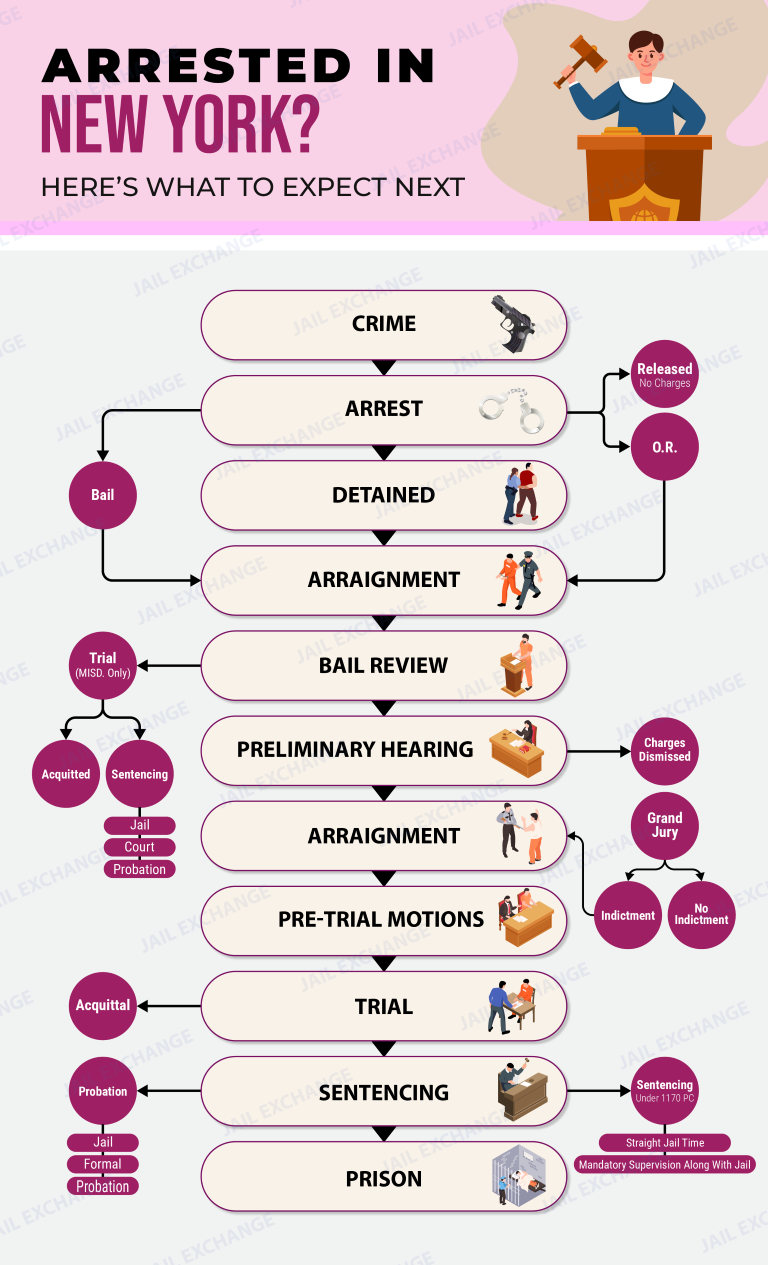

Access Securepak is an authorized correctional commissary care-package program that allows families to purchase customized food, snack, hygiene, apparel, and electronics packages sent directly to an incarcerated loved one. Every package is custom-packed to meet the strict security regulations of the specific jail or state prison.
Important: Delivery Schedules and Package Quotas
Jail package guidelines are not uniform across detention centers. Some facilities permit orders year-round, while others restrict deliveries to quarterly cycles or strict weekly deadlines that you should confirm with the facility directly. If you delay setting up your account, you risk missing the upcoming delivery cutoff, leaving your loved one waiting an extra cycle for fresh food, warm thermals, or personal toiletries.
Step-by-Step Instructions to Register and Access Service
- Visit the official Access Securepak online store at www.accesscatalog.com.
- Select the state and the specific jail or correctional institution from the dropdown menu.
- Enter the inmate's legal last name and inmate ID to verify their active housing and package eligibility.
- Browse the catalog of approved meats, cheeses, ramen soups, cookies, toiletries, and clothing.
- Add items to your cart up to the facility's maximum weight or dollar limit (usually $50 to $125 per order).
- Check out using your debit or credit card and save the order confirmation tracking number.
What the Inmate Needs to Do
The inmate does not need to order anything themselves. Securepak ships the sealed package directly to the correctional facility's commissary warehouse. Jail staff inspect the box and deliver it to the inmate during regular pod commissary distribution, where the inmate signs for the package.
Official Provider: Access Corrections / Keefe Group Official Website
Customer Service Telephone: 1-800-546-6283
Support Hours: Monday – Friday, 8:30 AM – 11:30 PM EST; Saturday, 11:00 AM – 5:00 PM EST
Supported Languages: English and Spanish
Other Services Provided by Access Corrections / Keefe Group
In addition to Access Securepak (Commissary & Gift Packages), Access Corrections / Keefe Group provides several other communication, financial, and visitation services at participating correctional facilities:
- Inmate Trust Money Deposits: Send cash directly to their personal account so they can buy items independently.
• Learn more on our website: Inmate Trust Money Deposits Guide | • Visit official vendor page: Access Corrections / Keefe Group Inmate Trust Money Deposits - Digital Messaging & Photos: Send fast electronic letters and digital pictures to their tablet.
• Learn more on our website: Digital Messaging & Photos Guide | • Visit official vendor page: Access Corrections / Keefe Group Digital Messaging & Photos
Buy Commissary for an Inmate in the Columbia County Jail
Columbia County Jail Inmate Commissary - Sending Money or Purchasing Commissary for an Inmate
Columbia County Jail allows inmates to purchase commissary. Ask the jail what its commissary sells; snacks and hygiene items are common.
You can buy commissary for an inmate using an online service called Access Securepak.

Call the facility at 518-828-3324 to ask whether there is a limit on how much an inmate can spend on commissary.
Access Securepak's site shows whether friends and family can order commissary for an inmate at this jail.
Scroll down for information on the Columbia County Jail's service they use for you being able to purchase commissary items online and have them shipped directly to the inmate.
You can also go to our Inmate Money page for information on how to send money to an inmate.
Access Secure Deposits (Smart Deposit) allows families and friends to securely transfer money directly into an incarcerated person's jail trust account using a debit or credit card. Deposited funds become immediately available for your loved one to purchase essential hygiene goods, over-the-counter medication, food items, and writing materials from the facility commissary.
Important: Inmate Banking Policies Vary by Facility
Once a person is booked and moved to a cell, facilities do not always allow cash drop-offs or phone payments directly to the jail. Some might and you should confirm this by calling the facility and asking. But if you do not register online and fund your loved one's trust account immediately, they may be forced to wait days or weeks for standard paper processing, leaving them without essential soap, clean undergarments, basic medical sundries or snacks.
Step-by-Step Instructions to Register and Access Service
- Obtain the inmate's legal first and last name, date of birth, and official six- to ten-digit Booking or Inmate ID number.
- Visit the official Access Corrections portal at www.accesscorrections.com or download the Access Corrections mobile app.
- Select the state and the exact detention facility or county jail where the inmate is currently housed.
- Add the inmate as a contact and confirm their identity from the facility roster.
- Enter your debit or credit card billing information, choose your deposit amount, review the facility processing fee, and submit your payment.
- Save and print your transaction confirmation number for verification.
What the Inmate Needs to Do
The inmate does not need internet access to receive your deposit. Once approved, the funds post directly to their facility account balance. The inmate can verify their balance at the dayroom kiosk or on their trust statement and start ordering items on the next designated commissary day.
Official Provider: Access Corrections / Keefe Group Official Website
Customer Service Telephone: 1-866-345-1884
Support Hours: 24/7/365
Supported Languages: English and Spanish
Other Services Provided by Access Corrections / Keefe Group
In addition to Access Secure Deposits (Trust Money), Access Corrections / Keefe Group provides several other communication, financial, and visitation services at participating correctional facilities:
- Digital Messaging & Photos: Send digital letters and pictures straight to the inmate's kiosk or tablet.
• Learn more on our website: Digital Messaging & Photos Guide | • Visit official vendor page: Access Corrections / Keefe Group Digital Messaging & Photos - Commissary Care Packages: Order pre-approved food boxes, thermal clothes, and snack bundles directly to the jail.
• Learn more on our website: Commissary Care Packages Guide | • Visit official vendor page: Access Corrections / Keefe Group Commissary Care Packages
Deposit Money for an Inmate in the Columbia County Jail
At the Columbia County Jail, 85 Industrial Tract in Hudson, you can add commissary money at any hour at the lobby kiosk.
- Lobby kiosk: The kiosk in the lobby of the Public Safety Building takes cash or credit cards 24 hours a day, 7 days a week.
- Lobby window: Bring a certified bank check or money order on Tuesday 8:00 to 11:00 a.m., Friday 6:00 to 9:00 p.m. or Saturday 12:30 to 3:00 p.m. You get a receipt. Visitors can also leave a money order before or after a visit.
- Online: Card deposits go through Access Corrections, or call Access Corrections at 1-866-345-1884.
- Payee: The jail chooses not to publish who money orders and bank checks are made out to. The only way to find out is to call the facility at 518-828-3324.
Cash sent through the mail is refused. When the person is released, the jail pays what is left on the account by check.
The Columbia County Jail is inside the Public Safety Facility on Industrial Tract in Hudson, run by the Columbia County Sheriff's Office. Address letters with the person's name over the jail's address. Officers open and check every incoming piece of mail for contraband.
Where to send letters, legal mail and publications:
Columbia County Jail
85 Industrial Tract
Hudson, NY 12534
- Keep the envelope clean: No lipstick, marker, glue or any other substance on the letter or envelope.
- Cards: Electronic and musical greeting cards are not allowed.
- Unapproved mail: If it hasn't been opened, it goes back to you. If it has been opened, it is put in the person's stored property.
- Contraband: Anything illegal is investigated and can lead to criminal charges.
- No cash in letters: Cash is not accepted through the U.S. Mail.
- Money at the jail: The lobby window takes a certified bank check or a money order on Tuesdays from 8 to 11 a.m., Fridays from 6 to 9 p.m. and Saturdays from 12:30 to 3 p.m. You get a receipt. A lobby kiosk takes cash or credit cards around the clock, or you can send money online.
- Photos and other drop-offs: The window also takes up to six photos (no Polaroids), unopened puzzles and clothing for a trial. No other packages are taken.
- Return address: Write your full name and address in the envelope's upper left, because a letter without them may never reach the person.
- Ink: Blue or black pen only. No crayons, felt markers or perfume, and no drawings, glitter or confetti.
- Reading material: Books, magazines and newspapers have to be new and ship from the publisher or an approved retailer. Violent or obscene books are thrown away, and magazines with adult content, weapons or profanity are confiscated.
When the person is released, any money left on their account is paid to them by check.
ViaPath AdvancePay Phone Calling Accounts
Provider: ViaPath Technologies • Formerly ConnectNetwork / Global Tel*Link (GTL)

AdvancePay is the primary prepaid telecommunications service operated by Global Tel*Link (GTL) and ConnectNetwork, which have unified under the corporate identity of ViaPath Technologies (and the myViaPath platform). By funding an AdvancePay account, telephone charges are deducted per minute whenever an incarcerated loved one calls your specific telephone number, preventing calls from being rejected by cellular carriers.
Important: Cell Carriers Automatically Block Jail Collect Calls
Inmate telephone networks do not permit incoming calls, and wireless cell providers automatically block traditional collect billing by default. While select traditional landlines may support operator billing, cell phones and internet-based lines require an active AdvancePay balance, which you can verify with your carrier. If you do not register your number online and add funds immediately, your loved one will hear an automated operator announcement stating your line is blocked from receiving correctional calls.
Step-by-Step Instructions to Open and Fund AdvancePay
- Visit web.connectnetwork.com or the updated my.viapath.com portal, or launch the ConnectNetwork / ViaPath mobile application.
- Click Sign Up and register using your primary 10-digit cellphone number and email address.
- Select Add Facility, pick your state, and choose the detention center or state prison where the inmate is held.
- Search for the inmate using their full legal name or facility booking ID number and link them to your contact directory.
- Select AdvancePay Phone and choose your deposit amount ($25, $50, or custom).
- Enter your debit or credit card billing details, accept the administrative transaction fee, and complete the payment.
- Check your phone settings to confirm that automated or unknown correctional numbers are not routed straight to spam.
What the Inmate Needs to Do
The inmate approaches any housing pod telephone, enters their assigned PIN and voice biometric recognition phrase, and dials your 10-digit number. ViaPath's automated operator confirms your active prepaid balance and connects the call. All personal telephone calls are subject to recording and monitoring by facility investigators.
Official Providers: ConnectNetwork Portal | myViaPath Portal
Customer Service Telephone: 1-877-650-4249 (Automated & Live Support)
Support Hours: Automated Service 24/7; Live Operators Monday – Friday, 8:00 AM – 10:00 PM EST
Supported Languages: English and Spanish
Other Services Provided by ViaPath Technologies (ConnectNetwork)
In addition to AdvancePay Phone Calling, ViaPath / ConnectNetwork provides several other communication, financial, and visitation services:
- ConnectNetwork Trust Fund Deposits: Transfer money directly into an inmate's jail trust account for commissary store purchases.
• Learn more on our website: Inmate Trust Deposits Guide | • Visit official vendor page: ConnectNetwork Trust Deposits - ViaPath PIN Debit Phone Calling: Give the inmate their own calling funds to contact any approved phone number independently.
• Learn more on our website: PIN Debit Phone Calling Guide | • Visit official vendor page: ViaPath PIN Debit Calling - ViaPath Messaging & Photo Sharing: Send digital messages, photos, and video attachments directly to their terminal.
• Learn more on our website: Digital Messaging Guide | • Visit official vendor page: ViaPath Messaging Services - GettingOut Video Visitation & Tablets: Schedule face-to-face remote video visits and manage handheld tablet communications.
• Learn more on our website: Remote Video Visitation Guide | • Visit official vendor page: GettingOut Video Visits
ViaPath PIN Debit Phone Calling Accounts
Provider: ViaPath Technologies • Formerly ConnectNetwork / Global Tel*Link (GTL)ViaPath PIN Debit (hosted on ConnectNetwork and myViaPath) provides incarcerated individuals with their own calling funds. Unlike AdvancePay (which only funds calls placed to your specific phone number), PIN Debit funds belong directly to the inmate, allowing them to call attorneys, bondsmen, employers, or extended family members across multiple approved telephone numbers.
Important: AdvancePay Only Funds a Single Phone Number
When someone is arrested, they often need to contact multiple people—including legal defense counsel, bail agents, employers, and relatives. If you only fund an AdvancePay account, your loved one will have no calling balance to dial anyone else, as rules and call authorizations vary by facility. Adding funds directly to ViaPath PIN Debit grants them the calling flexibility needed to handle critical legal and family arrangements without delay.
Step-by-Step Instructions to Fund a PIN Debit Account
- Sign into your account at web.connectnetwork.com or my.viapath.com.
- Click on PIN Debit under the communications menu.
- Select the state and facility, and link the inmate's booking identification number.
- Enter the deposit dollar amount and review the payment transaction fee.
- Enter your debit or credit card details and submit the payment.
- Notify your loved one that their personal PIN calling balance has been credited.
What the Inmate Needs to Do
The calling balance appears under the inmate's personal identification PIN. When they pick up any dayroom telephone or tablet, they select the 'PIN Debit' prompt from the automated menu to place calls to any approved number on their personal contact list.
Official Providers: ConnectNetwork Portal | myViaPath Portal
Customer Service Telephone: 1-877-650-4249
Support Hours: Automated Deposits 24/7/365; Live Agents Monday – Friday, 8:00 AM – 10:00 PM EST
Supported Languages: English and Spanish
Other Services Provided by ViaPath Technologies (ConnectNetwork)
In addition to PIN Debit Calling, ViaPath / ConnectNetwork provides several other communication, financial, and visitation services:
- AdvancePay Dedicated Phone Calling: Fund calls placed specifically to your personal phone number.
• Learn more on our website: AdvancePay Calling Guide | • Visit official vendor page: ConnectNetwork AdvancePay - ConnectNetwork Trust Fund Deposits: Deposit money for commissary food, hygiene supplies, and stationery.
• Learn more on our website: Inmate Trust Deposits Guide | • Visit official vendor page: ConnectNetwork Trust Deposits - ViaPath Messaging & Photo Sharing: Send digital messages and photos directly to their kiosk or tablet.
• Learn more on our website: Digital Messaging Guide | • Visit official vendor page: ViaPath Messaging Services - GettingOut Video Visitation & Tablets: Schedule face-to-face remote video visits from home.
• Learn more on our website: Remote Video Visitation Guide | • Visit official vendor page: GettingOut Video Visits
Information for this service is currently unavailable.
Information for this service is currently unavailable.
Columbia County Juvenile Facilities
- Jail (Main): 518-828-3324
- Sheriff: 518-828-0601
The Columbia County Jail serves the following cities and towns of Columbia County: Ancram, Austerlitz, Canaan, Chatham, Claverack, Clermont, Copake, Gallatin, Germantown, Ghent, Greenport, Hillsdale, Hudson, Kinderhook, Livingston, New Lebanon, Philmont, Stockport, Stuyvesant and Taghkanic.