
Finger Lakes Residential Center
Finger Lakes Residential Center
Physical Address
250 Auburn RoadLansing, NY 14882
Jail Phone Number
607-533-5000Tompkins County Inmate Search: Locate Them and Learn the Next Steps
Someone you care about was picked up in Tompkins County, and you need to know where they are. Adults who aren't sent home are booked into the Tompkins County Jail, 779 Warren Road, Ithaca, NY 14850. On most low-level charges, officers write an appearance ticket instead, so a missing name can be good news. This page covers searching, calls, visits, mail, money and release.
Start your search with the Sheriff's inmate lookup. Double-check by phone, since a person booked or let go in the last few hours may not be listed yet. New York's VINE service also reports custody status statewide on VINELink. Hearings, courthouses and case records are in our court guide.
Your first step now: call the Corrections Division at 607-257-5316, ready to give the legal name and birthday. Ask four things: are they there, what is the charge, is there bail, and which court is next. Release terms and payment choices are laid out on our bail page.
Read inmate search answers
 Read inmate search answers
1. Using the Sheriff's lookup for the Tompkins County jail
Work through this list from the top:
- Open the Sheriff's inmate lookup and enter the last name.
- No hit? Retry using a nickname, a hyphenated surname or another spelling.
- Phone the jail at 607-257-5316. Staff there can confirm custody, the charges and any bail.
- Have the legal name and birthday ready. Two people can share a name.
- As a backup, run the name through VINELink, the state's custody status tool.
The jail is small. Its official maximum is 82 beds, and the Sheriff's daily report for October 29, 2026 counted 58 people housed there. The Sheriff's Office posts those daily totals as PDF reports, which show counts rather than names.
↑ Back to the question list2. No match in the lookup? Reasons and next moves
A blank result happens for many ordinary reasons:
- Still being processed. The person may be at a police station or waiting to see a judge.
- Sent home with a ticket. On most lesser charges, police must issue an appearance ticket instead of jailing someone (CPL 150.20).
- Already out. The arraignment judge freed them, or someone posted bail.
- Housed elsewhere. The jail sends some people to other counties' jails when its housing rules require it.
- Under 18. Teens 16 and 17 aren't kept in the adult jail.
- A prison or federal hold. State prisoners and federal detainees use separate search tools.
Next, ring the agency that made the arrest; the police list on this page has every number. Then call Corrections at 607-257-5316. The Sheriff's main desk, 607-257-1345, can transfer you if you reach the wrong line.
↑ Back to the question list3. Board-outs and border jails to check
The county keeps adults at its own jail, but not always everyone. Gender, age and other housing groups affect who fits, so some people are "boarded out" to other counties. On the October 29, 2026 report, six people were boarded out. Corrections at 607-257-5316 can say where a person went.
An arrest close to a county line can also mean a neighbor's jail. These border counties run their own:
- Cortland County Correctional Facility, 54 Greenbush Street, Cortland, NY 13045, 607-756-4275
- Tioga County Jail, 103 Corporate Drive, Owego, NY 13827, 607-687-8463
- Chemung County Jail, 211 William Street, Elmira, NY 14901, 607-737-2934
- Schuyler County Jail, 106 Tenth Street, Watkins Glen, NY 14891, 607-535-8228
- Seneca County Correctional Facility, 6150 State Route 96, Romulus, NY 14541, 315-220-3469
4. Can I see Tompkins County mugshots?
New York treats booking photos as private. New York's open records law puts booking photos in a protected group: releasing one is treated as an unwarranted privacy intrusion unless police have a specific purpose (Public Officers Law § 89(2)(b)(viii)). So police agencies here share them only for reasons like a public safety alert.
- Reporters or others with a specific request can ask the Sheriff's Office at 607-257-1345.
- To get a photo immigration officers took, use the ICE records request page.
- Pictures from federal bookings stay sealed, except when U.S. Marshals put out a picture to help catch a fugitive.
To check custody without a picture, use the Sheriff's inmate lookup or call the jail.
↑ Back to the question list5. Getting notified when they walk out
Signing up for VINE costs nothing. The service reports custody status and can warn you when it changes. You must register yourself; nobody signs you up.
- Search or register on VINELink for text or email alerts.
- Call 888-846-3469 (1-888-VINE-4-NY). Option 2 registers you about someone in a state prison.
- State prison releases, parole hearings and the assigned parole officer are also covered by the DOCCS victim notification program.
For the county jail, the quickest check is still a call to Corrections at 607-257-5316.
↑ Back to the question list6. Release and bail after a Tompkins County arrest
New York's bail changes took hold on January 1, 2020. Since then, judges have had to free almost everyone accused of a misdemeanor or a nonviolent felony. They go home on their word, or under rules. Cash bail and remand apply only to qualifying offenses, mostly violent felonies (CPL 510.10).
- Bail is posted at the jail, 779 Warren Road, Ithaca, NY 14850, in cash or by certified bank check. Bring a photo ID.
- Cards work only through GovPayNet, online or at 888-604-7888. A 7% fee is added and kept.
- A county Probation Assistant interviews people at the jail each day and can recommend release, lower bail or supervision.
Corrections at 607-257-5316 will tell you the amount and the court. Our bail guide walks through each step.
↑ Back to the question list7. What are they charged with, and how do I find out?
The jail can usually tell you the charges when you call 607-257-5316. At arraignment the court gives out the charging papers, and the defense lawyer receives them too.
New York ranks charges three ways. Felonies are the heavy ones, punishable by state prison. Misdemeanors rank lower; the worst carry 364 days or less at the county jail. Violations, disorderly conduct for one, don't count as crimes.
- Search pending cases on WebCrims. It covers selected courts and only cases with a future date.
- Ask the arraignment court. For arrests inside the city, that is Ithaca City Court, 118 East Clinton Street, Ithaca, NY 14850, 607-216-6660.
- The District Attorney's Office, 320 North Tioga Street, Ithaca, NY 14850, 607-274-5461, files the charges and works by appointment.
8. Getting them a free lawyer
The county's Assigned Counsel office supplies lawyers to people who can't afford one. It covers violations, misdemeanors and felonies, and the person should have a lawyer at arraignment (Executive Law § 832(4)).
- Office: 130 E. Seneca Street, Suite 510, Ithaca, NY 14850, fifth floor, Tioga Street entrance.
- Phone: 607-272-7487, weekdays 8:30 a.m. to 4:00 p.m.
- Forms: the client application affidavit or the online attorney assistance form.
Being locked up counts in the person's favor. State standards presume that anyone held in jail qualifies, and a lawyer can be assigned before the money questions are settled.
↑ Back to the question list9. Visiting days and rules at the Warren Road jail
Visits happen Tuesdays and Saturdays, in one-hour blocks: 8:30, 9:45 and 11:00 a.m., and 1:15 and 3:15 p.m. Each lasts an hour, in a contact or non-contact area.
- Reserve by phone at 607-257-5316. Lines open Sundays 9:00 a.m. to 2:00 p.m. and 7:00 to 10:00 p.m., plus Monday, Wednesday, Thursday and Friday evenings from 7:00 to 10:00 p.m.
- Book only the next visiting day. A Monday call can't hold a Saturday slot.
- Arrive 15 minutes early. Nobody is let in once the hour begins, and visits aren't split.
- Bring ID: a photo driver's license, a passport, a Sheriff's ID or a state non-driver ID.
- Visitors younger than 18 must be accompanied by a parent or legal guardian carrying a birth certificate or court papers.
Leave phones and other electronics in the car or a lobby locker, which takes a 25-cent deposit. The dress code bars sleeveless and cut-off shirts, spaghetti straps, bare midriffs, hoodies, coats, layers and badly torn jeans. Someone newly booked can get a 20-minute non-contact visit within 24 hours. A person in jail may turn down any visit. See our visiting guide for more.
↑ Back to the question list10. Putting money on their jail account
Several ways work:
- Online. The Sheriff's commissary page links an online deposit service, which charges a fee by amount. Its bilingual agents answer at 866-394-0490.
- Lobby kiosk. Bring a valid driver's license plus the person's PIN, or their name and date of birth. Officers won't give out the PIN. The kiosk prints a receipt.
- Drop-off. Cash, postal money orders and certified bank checks are taken Sunday mornings until 10:30 a.m. and Thursdays 3:00 to 5:00 p.m.
- By mail. Postal money orders or certified bank checks travel safest.
Commissary orders can also be placed by phone at 888-277-2535 with facility code 1808. Care packages are ordered at 866-345-1884. See our money guide for deposits and our commissary page for store orders.
↑ Back to the question list11. Phone calls, tablets and messages
Every housing unit has phones and tablets. The jail can't take incoming calls for inmates, but the person can call out. Calls are computer-run, and the person called accepts the charge. Calls and tablet messages are watched and recorded, so avoid talking about the case.
- New arrivals have a right to make phone calls when admitted (9 NYCRR 7002.8).
- Set up an account or fix a bill through the phone company's billing line at 800-844-6591. The Sheriff's Office plays no part in billing.
- Ask Corrections at 607-257-5316 what messaging the tablets offer.
Read our phone guide and messaging page for setup tips.
↑ Back to the question list12. Mailing letters and books to the jail
Send mail through the U.S. Postal Service only, addressed like this: the person's full name, then Tompkins County Jail, 779 Warren Road, Ithaca, NY 14850. Letters get refused when they lack the sender's full name and return address, or the inmate's full name.
- Keep the envelope plain: no drawings, signs, symbols or stickers.
- Don't enclose stamps, envelopes or blank paper.
- Books and magazines must ship straight from a company that sells them. Hardcovers are refused.
- Officers may slit open personal letters to search for banned items, but reading one requires a written order (9 NYCRR 7004.3). Mail from lawyers and courts gets opened in front of the person (9 NYCRR 7004.4).
- Anyone who can't afford postage gets supplies for at least two letters a week (9 NYCRR 7004.2).
Our mail guide covers more.
↑ Back to the question list13. Their wallet, phone and clothes: what happens?
At booking, belongings go into storage and cash goes into a secure account in the person's name. Timing rules matter:
- The person has 5 days to release property to someone outside. After day 5, it stays put until they are freed.
- Pocket knives, tools, matches, lighters and tobacco have to leave within 24 hours, or staff destroy them.
- Groceries and anything else perishable is tossed at intake.
- The property room won't keep big items or large loads.
To arrange a pickup, phone 607-257-5316 and ask what ID or signed note you need.
↑ Back to the question list14. Health care and emergencies behind bars
Under Civil Rights Law § 28, officers who have a person in custody must look after both physical and mental health needs. If you know of a health problem or medicine, call Corrections at 607-257-5316 and tell staff right away.
Several outside services work inside the jail, including the county Mental Health Department, Probation, an alcoholism council, an AIDS program, the Advocacy Center and a jail transition program. The Mental Health Department is at 201 E. Green Street, Ithaca, NY 14850, 607-274-6300. The jail also runs groups such as AA, NA, parenting, meditation and art.
State rules limit solitary time. Segregated confinement (over 17 hours a day locked in) is generally barred for young adults through age 21, people 55 or older, pregnant people and people with disabilities. Concerns about care can go to the New York State Commission of Correction, 80 S. Swan Street, Albany, NY 12210, 518-485-2346.
↑ Back to the question list15. Does someone have a warrant in Tompkins County?
Deputies from the Sheriff's Office, 779 Warren Road, Ithaca, NY 14850, 607-257-1345, carry out warrants, and so do local and state police. For statewide wanted listings, see the State Police wanted and missing list. Only the Sheriff's Office or the court that handles the case can say for sure whether a warrant is open. County Court and Supreme Court sit at 320 North Tioga Street, Ithaca, NY 14850, 607-216-6610. A lawyer can set up a surrender at the issuing court, or that court can give a new date. Local court warrants can be served in neighboring counties too (CPL 530.70).
↑ Back to the question list16. Finding the next court date
Three quick ways to learn it:
- Ask Corrections at 607-257-5316 which court has the case.
- Search WebCrims by name. Only some courts appear, and only cases with an upcoming date.
- Phone that court. The county courthouse number is 607-216-6610, at 320 North Tioga Street, Ithaca, NY 14850.
Town and village courts often meet just one evening or morning a week, so the next date may be days away. Our court guide lists every courthouse with its schedule.
↑ Back to the question list17. Held on a federal charge? Tracking them down
Federal cases from this area are filed in Binghamton, at the U.S. District Court, 15 Henry Street, Binghamton, NY 13901, 607-773-2893. At the first federal court appearance, a judge rules on release or detention (18 U.S.C. 3142).
- Until trial, the U.S. Marshals Service chooses which jail houses a federal defendant. Its office is at 15 Henry Street, Suite 102M, Binghamton, NY 13901. Call the Syracuse headquarters at 315-473-7601 to ask where they are.
- Filings in the case sit on PACER, which charges a dime a page.
- After sentencing, look them up in the Federal Bureau of Prisons inmate locator.
18. Locating someone taken by ICE
Type a name into the ICE Online Detainee Locator with the country of birth, or enter the person's A-number, their alien registration number. The road from the county jail to ICE custody:
- Corrections receives the detainer, Form I-247A, from ICE.
- The form asks the Warren Road staff to keep someone up to 48 hours after they would otherwise be released (8 CFR 287.7(d)).
- ICE officers collect them.
- Upstate, ICE may hold people at the Buffalo (Batavia) Service Processing Center, 4250 Federal Drive, Batavia, NY 14020. Detainee information is at 585-344-6500, 8 a.m. to 4 p.m.
New York limits what local jails do for ICE. Its courts have ruled that state law doesn't let local officers make civil immigration arrests (People ex rel. Wells v DeMarco, 2018). Since 2026, local 287(g) agreements are banned (Executive Law § 170-k), and civil arrests at courthouses need a judge's warrant (Civil Rights Law § 28).
↑ Back to the question list19. Locating someone sent to state prison
Felony terms over one year are served in state prison under DOCCS, the Department of Corrections and Community Supervision. The county jail holds the person until DOCCS picks them up, then a reception center classifies them before the move to a prison.
- Open the DOCCS Incarcerated Lookup.
- Enter the DIN if you have it. It stays the same for the whole term.
- Otherwise, use the exact last name and birth year.
- Can't get online? Call DOCCS at 518-457-5000 during business hours. Its office is at 1220 Washington Avenue, Albany, NY 12226.
For a facility-by-facility rundown, open our New York state prisons list.
↑ Back to the question list20. A Tompkins County teen was arrested. Now what?
Teens aged 16 and 17 aren't held at the Warren Road jail. New York's Raise the Age law sends them to juvenile detention when they must be held. Their felony cases open in the Youth Part, and a good share get transferred to Family Court. Misdemeanors go to probation intake.
- Officers who detain a child have to contact a parent at once (Family Court Act § 305.2).
- A child kept overnight sees a Family Court judge inside three days, sooner if court sits first (Family Court Act § 307.3).
- The state lists secure youth detention centers on its OCFS detention page.
Call the Probation Department at 607-274-5380 and ask for the intake worker of the day. The office is at 320 West State Street, Ithaca, NY 14850.
↑ Back to the question list21. Tompkins County police agencies and their phone numbers
Find the agency that made the arrest and call its non-emergency line:
- Sheriff's Office: 779 Warren Road, Ithaca, NY 14850, 607-257-1345. Its road patrol covers more than 480 square miles, including Cayuga Lake.
- City police: Ithaca Police Department, 120 East Clinton Street, Ithaca, NY 14851, non-emergency 607-272-3245.
- Cayuga Heights Police Department: 836 Hanshaw Road, Ithaca, NY 14850, 607-257-1011.
- Dryden village police: 16 South Street, Dryden, NY 13053, 607-844-8118.
- Groton village police: 108 East Cortland Street, Groton, NY 13073, 607-898-3131.
- Trumansburg village police: 5 Elm Street, Trumansburg, NY 14886, 607-387-6505.
- New York State Police, Troop C: 1850 Dryden Road, Freeville, NY 13068, 607-347-4440.
- State Park Police: 2221 Taughannock Park Road, Trumansburg, NY 14886, 607-387-7081.
- Cornell University Police: G-2 Barton Hall, Ithaca, NY 14853, 607-255-1111.
- Ithaca College Office of Public Safety: 101 Physical Plant Safety Building, Ithaca, NY 14850, 607-274-3353.
- Tompkins Cortland Community College Campus Safety: 170 North Street, Dryden, NY 13053, 607-844-8222, ext. 4471.
The towns of Caroline, Danby, Dryden, Enfield, Groton, Lansing, Newfield and Ulysses, the town that surrounds the city, and the villages of Freeville and Lansing have no police force of their own. Sheriff's deputies and state troopers patrol them, so start with the Sheriff's Office.
↑ Back to the question listTompkins County Bail and Release
The state's bail overhaul started on January 1, 2020. Albany revised it in 2020 (in force July 2, 2020), in the 2022 state budget and again in the 2023 budget. On most misdemeanor and nonviolent felony charges, judges now have to let your loved one go home. Anyone held here goes to the Tompkins County Jail, 779 Warren Road, Ithaca, NY 14850, and this page shows who sets bail, how to pay it and how to get it lowered.
Try the Sheriff's inmate lookup to see who is being held. Our Inmate Lists page walks through the arrest and the stay in custody: finding someone, mugshots, warrants, public defenders, the charges, recent bookings and collecting belongings. Visiting and account deposits are covered separately.
Your first move: call the jail at 607-257-5316. Confirm they are on Warren Road, then ask about the charge and any bail amount. If a judge already set bail, our court guide explains the hearing that comes next.
1. Bail after a Tompkins County arrest: who decides, how fast?
A judge makes the call. Officers never set bail in New York. Someone taken into custody is brought to arraignment, which is the first time a judge reads the charges and decides on release. The wait is usually around 24 hours.
A lot of arrests end at the station. On most lower-level charges, officers usually have no choice but to hand over an appearance ticket (sometimes called a DAT) that lists a day to come to court, and then let the person go (CPL 150.20). There are exceptions, like crimes inside a family or a person who already has a warrant.
A city arrest goes to Ithaca City Court, 118 East Clinton Street, Ithaca, NY 14850, 607-216-6660. An arrest in one of the towns or villages goes to the justice court there. Whatever the judge decides is written up as a "securing order" (CPL 510.10). The judge has to state why, either on the record or on paper.
↑ Back to the question list2. ROR, conditions, bail, remand: the four outcomes explained
Those four words are the only outcomes a New York judge can pick (CPL 500.10):
- Recognizance (ROR). Your loved one signs, promises to return, and goes home. Nothing is paid.
- Non-monetary conditions. They go home with rules, such as reporting in, giving up travel, or keeping clear of a certain person. Those rules cost the defendant nothing.
- Bail. Someone puts up money or a bond as a guarantee. Judges may use this only on qualifying offenses.
- Remand. Jail until the case ends, no bail. Judges may use this only on a qualifying felony.
Ankle bracelets are a special case. A judge can order one only for listed charges, and only after finding that nothing lighter will do. Each order runs 60 days at most and then needs a fresh look (CPL 510.40(4)).
The county's Probation Department sends a Probation Assistant to the jail each day. That worker interviews people whose bail has been set, checks their work, family and court record, and tells the judge what fits: release, a lower amount, or supervision with a monitor or Day Reporting. Day Reporting is at 320 West State Street, Ithaca, NY 14850, 607-274-7504.
↑ Back to the question list3. What dollar amounts do Tompkins County judges set?
There is no price tag for each crime here. Judges weigh the charge, the person's record and their bank account, and must also ask if the amount would bring "undue hardship" (CPL 510.10(1)). What the law does fix is which charges can carry bail at all:
- Violations and most misdemeanors. Release is mandatory, so no dollar figure (CPL 530.20(1)(a)).
- Most nonviolent felonies. Also release, sometimes with rules.
- Violent felonies. Money bail can be set, and remand is possible.
- Family harm. Violating an order of protection, strangling a relative, or locking one in can bring bail.
- A death, a sex felony, bail jumping or an escape. Bail is on the table.
- A new felony charged during probation, or a repeat charge while already released. Bail is on the table.
- A class A felony, or two earlier felony convictions. Only County Court may release or set bail. The town, village and city judges can't (CPL 530.20(2)).
Statewide figures from 2024 show bail was set in roughly 13% of town and village court arraignments and 20% of city court ones outside New York City. Even when bail is set, the court must name three or more forms of it, and at least one has to be a bond that needs little or no cash up front (CPL 520.10). With a partly secured bond, the cash put down can't top 10% (CPL 500.10). Corrections at 607-257-5316 can quote the amount set for a specific person.
↑ Back to the question list4. Steps for paying bail in person on Warren Road
Bail is taken at the jail, 779 Warren Road, Ithaca, NY 14850, inside what the county calls its Public Safety Building.
- Phone Corrections at 607-257-5316. Know the exact legal spelling and birth date before you dial. Jot down the amount, which court set it and the judge's name.
- Pack a government photo ID. Staff require one from anyone posting in person.
- Bring the whole amount in cash or as a certified bank check. Cards are refused at the lobby window.
- Fill in and sign the bail form. Keep your copy of the receipt.
- Expect a short wait while the release is processed. By law, once proof of bail arrives the person must be freed "forthwith" (CPL 520.15).
Paying by card works only from outside the jail. The Sheriff's bail page links to GovPayNet's Tompkins bail page. You can also phone GovPayNet at 888-604-7888. Call ahead to check what hours the lobby is taking bail.
↑ Back to the question list5. Can a court clerk or police desk take the money?
Cash bail may legally go to a judge's own court, to the county treasurer's office, or to the Sheriff who has custody (CPL 520.15). Here, though, a person booked on Warren Road has bail handled by the Corrections Division, either at its lobby or through the card service it names.
When a local judge set the bail and you are unsure where it goes, phone that court before driving anywhere:
- Ithaca City Court, 118 East Clinton Street, Ithaca, NY 14850, 607-216-6660. Its office opens weekdays 8:30 a.m. to 4:30 p.m., with a break from noon to 1:00 p.m.
- For a town or village judge, call that justice court directly. Many keep office hours only one or two days a week.
Village officers and state troopers deliver people to a judge or to the jail. Families don't pay bail at those stations. If you are unsure, Corrections at 607-257-5316 will say where the money belongs.
↑ Back to the question list6. Cash, bank checks, cards, wires: what works?
Corrections accepts cash, certified bank checks and credit cards. How each one works:
- Cash or a certified bank check. Hand it over at the jail lobby and show your photo ID.
- Credit card. Use GovPayNet online or dial 888-604-7888. A 7% charge is added on top, and you never get it back. Before you start, gather four facts: who is jailed and when they were born, which court and judge set bail, and the cash figure.
- Western Union. Relatives far away can wire funds to the Tops Supermarket Western Union office, 2300 N Triphammer Rd, Ithaca, NY 14850, made out to the Tompkins County Sheriff's Office.
Card bail has a twist. The defendant, not the cardholder, gets the bail receipt, and the money legally becomes theirs. At the end of the case the court pays only the defendant, so the cardholder must collect from them.
Personal checks are not on the accepted list. Keep cash out of the mail.
↑ Back to the question list7. Using a licensed bail bondsman: fees and rules
A bondsman puts up the bond and charges you a fee, known as the premium. Each bondsman must carry a license issued by the state Department of Financial Services (DFS). Check the person's license first in the DFS bail agent search.
- Caps on the premium. No more than 10% on the first $3,000, 8% on the slice from $3,000 to $10,000, and 6% on whatever is above (Insurance Law § 6804).
- Getting the premium back. It is normally kept. Still, you are owed the whole premium back within 14 days when the defendant is never released, or is released without money bail.
- Add-on charges. Beyond the premium, the agent may bill only a short list of out-of-pocket costs.
- Collateral. This is something of value you pledge. DFS suggests 10% of the bond as a fair size. It is due back to you within 45 days of the agent getting the exoneration papers.
- Receipts. Ask for one, signed, for every payment and every return.
Four bondsmen appear on the Sheriff's bail page, at 607-758-8015, 607-844-8649, 716-570-0849 and 800-339-0809. To report a bad experience, use the DFS complaint page.
↑ Back to the question list8. Still jailed after bail? Common reasons
Each bail belongs to one case only. Other holds can keep them inside:
- A warrant from a different court. A town, village or city court warrant reaches its home county and the counties touching it (CPL 530.70).
- An unrelated charge. A city case and a town case each carry their own securing order.
- State parole. Parole staff can lodge a hold over a suspected violation.
- Probation. Being on probation when a new felony is charged can mean bail or remand. County probation is at 320 West State Street, Ithaca, NY 14850, 607-274-5380.
- Federal or ICE custody. Each follows separate rules, laid out in the federal and immigration answers here.
Spend a minute on the phone before paying. Corrections at 607-257-5316 can list each hold on the person.
↑ Back to the question list9. When is jail with no bail allowed?
Keeping someone with no bail is called remand. New York permits it only when the top count is a qualifying felony, for example a violent felony, a class A felony, or a felony linked to a death (CPL 510.10(4)). Misdemeanors and nonviolent felonies can't lead to remand.
A qualifying charge alone isn't enough. The judge has to weigh this defendant's background: past missed dates, money, earlier order-of-protection violations and any gun history (CPL 510.10(1)). The 2023 budget dropped the old duty to choose the "least restrictive" step. Today a judge picks what "reasonably assures" a return to court.
In a felony, the prosecutor may speak before a local judge releases anyone (CPL 530.20(2)). The prosecutor is the District Attorney's Office, 320 North Tioga Street, Ithaca, NY 14850, 607-274-5461, open weekdays 8:30 a.m. to 4:30 p.m. by appointment.
↑ Back to the question list10. Getting bail reduced or reviewed
A defense lawyer handles this. Common paths:
- Go back to the judge who set it. Show steady work, a local address, family nearby, and the true amount the family can raise.
- Go up one level. When a town, village or city judge set the bail, a County Court judge gets one chance to review it (CPL 530.30). That judge can free the person or lower the amount. For a felony, the District Attorney weighs in first.
- Request token bail. A defendant may ask for a very low amount, and the judge must agree if the request is voluntary (CPL 510.10(5)).
- Lean on the time limits. With a jailed defendant on a felony, the prosecution has 90 days to announce it is ready. Miss that, and the person must be let out on bail or recognizance (CPL 30.30(2)). The window is 30 days for a misdemeanor that carries more than three months.
County Court is in the courthouse at 320 North Tioga Street, Ithaca, NY 14850. The building's main court number is 607-216-6610.
↑ Back to the question list11. Free defense lawyers for Tompkins County defendants
People who can't pay a lawyer get one through the Tompkins County Assigned Counsel office. It covers violations, misdemeanors, felonies, appeals and most Family Court cases.
- Office: 130 E. Seneca Street, Suite 510, Ithaca, NY 14850. Use the Tioga Street door and ride to the fifth floor.
- Phone: 607-272-7487, Monday to Friday, 8:30 a.m. to 4:00 p.m.
- Apply on paper with the client application affidavit, or use the online attorney request.
State law requires that eligible defendants have counsel at arraignment, without holding up the hearing to check finances (Executive Law § 832(4)). Statewide guidelines treat anyone sitting in jail as likely to qualify. People who earn under 250% of the poverty guidelines qualify the same way. If you are married, your partner's paycheck isn't added in. Courts can appoint a lawyer on the spot and sort out the forms later.
↑ Back to the question list12. Every courthouse that hears Tompkins County criminal cases
These courts belong to New York's Sixth Judicial District:
- County Court, Supreme Court and Family Court: courthouse at 320 North Tioga Street, Ithaca, NY 14850, 607-216-6610. Indicted felonies are tried here, and visitors go through a metal detector.
- Ithaca City Court: 118 East Clinton Street, Ithaca, NY 14850, 607-216-6660.
- Caroline Town Court: 2670 Slaterville Road, Slaterville Springs, NY 14881, 607-539-7796.
- Danby Town Court: 1830 Danby Road, Ithaca, NY 14850, 607-277-0095.
- Dryden Town Court (handles Freeville village cases too): 93 East Main Street, Dryden, NY 13053, 607-844-8888.
- Enfield Town Court: 182 Enfield Main Road, Ithaca, NY 14850, 607-272-0529.
- Groton Town Court: 101 Conger Blvd., Groton, NY 13073, 607-898-3711.
- Ithaca Town Court: 215 North Tioga Street, Ithaca, NY 14850, 607-273-0493.
- Lansing Town Court: 29 Auburn Road, Lansing, NY 14882, 607-533-4776.
- Newfield Town Court: 166 Main Street, Newfield, NY 14867, 607-564-9571.
- Ulysses Town Court: 10 Elm Street, Trumansburg, NY 14886, 607-387-5411.
- Cayuga Heights Village Court: 836 Hanshaw Road, Ithaca, NY 14850, 607-257-3944.
Federal crimes land in the U.S. District Court, 15 Henry Street, Binghamton, NY 13901, 607-773-2893.
↑ Back to the question list13. Refunds, the 3% fee and forfeited bail
Whoever put up cash bail still owns that money; only a forfeiture order from a judge changes that (CPL 520.15). Card bail is the exception, because it becomes the defendant's money.
- Timing. Most refunds follow the end of the case. The judge signs a refund order, and the check is issued by the county rather than the court.
- The 3% cut. The county subtracts 3% when the court releases cash bail. An acquittal or a dismissal earns that 3% back as well (General Municipal Law § 99-m).
- Forfeiture. Skipping court or ignoring the judge's orders with no good reason means the bail is forfeited (CPL 540.10).
- Undoing it. A defendant who shows up before the final adjournment and explains can ask the judge to cancel the forfeiture. After that, there is one year to apply to get the money back (CPL 540.30).
Hold on to the bail receipt and carry a photo ID. Refund questions go to the court that heard the case, for example Ithaca City Court at 607-216-6660.
↑ Back to the question list14. Picking up cash and belongings when they leave
Money on hand at booking is placed in a secure account at the jail. Whatever is left, plus stored property, is returned at release. A few jail rules matter for families:
- Clothing and personal items may be signed out to someone in the first 5 days only. Past that point they wait in the property room until release.
- Knives, tools, lighters, matches and tobacco must be collected within 24 hours or they are destroyed.
- Perishable food is thrown out at intake.
- Bulky items and big piles of property are refused.
Phone Corrections at 607-257-5316 before heading over to collect anything, and carry ID. See our jail account guide for how deposits and balances are handled.
↑ Back to the question list15. Federal arrests: who decides on release?
A federal magistrate or district judge decides, under federal law rather than the state bail rules. This county sits in the Binghamton Division of the U.S. District Court for the Northern District of New York, at 15 Henry Street, Binghamton, NY 13901, 607-773-2893. The clerk's office is open weekdays 8:30 a.m. to 5:00 p.m.
- Federal law puts the detention hearing right at the first appearance. A delay of up to five days can be asked for by the defense, or up to three by the prosecution, and the defendant stays in custody in the meantime (18 U.S.C. 3142(f)).
- The judge may let the person out on a promise, sign them to a bond with no money down, add conditions, or hold them (18 U.S.C. 3142(a)).
- The U.S. Marshals Service keeps charge of federal prisoners until trial. Its Binghamton office is at 15 Henry Street, Suite 102M, Binghamton, NY 13901, and the district headquarters in Syracuse takes calls at 315-473-7601.
- Federal defenders for the region work from 4 Clinton Square, 3rd Floor, Syracuse, NY 13202, 315-701-0080.
- Once sentenced, the person can be tracked on the Federal Bureau of Prisons inmate locator.
16. Does paying bail stop an ICE detainer?
It does not. Paying state bail leaves the ICE request standing. What usually follows:
- Step one is paperwork: ICE (Immigration and Customs Enforcement) faxes the jail a Form I-247A.
- The detainer seeks to keep the person up to 48 hours after they would otherwise be released (8 CFR 287.7(d)).
- ICE agents arrive to pick the person up.
- From upstate jails, ICE may bring people to its Buffalo (Batavia) Service Processing Center, 4250 Federal Drive, Batavia, NY 14020, 585-344-6500.
- Search for them in the ICE Online Detainee Locator.
State rules shape what a local jail may do. Local jails here are bound by a 2018 Suffolk County habeas ruling that the Second Department heard. Its title is People ex rel. Wells v DeMarco. Under that case, state law gives local police and sheriffs no power to make civil immigration arrests. Holding people on a detainer alone was found illegal. The state Attorney General's advice: honor detainers backed by a judge's warrant, and treat the rest as voluntary. Executive Law § 170-k, passed in 2026, did away with 287(g) deals, under which trained local officers once handled some ICE duties. Under Civil Rights Law § 28, civil arrests of people traveling to or from court need a judicial warrant or court order.
↑ Back to the question list17. Long sentences: where are they served in New York?
Someone sentenced to a year or less does that time in the county jail. Felony sentences beyond a year are served in state prison, which DOCCS (the Department of Corrections and Community Supervision) runs.
After the county marks a person "state ready," DOCCS is required to take custody within ten business days. Each new arrival is processed at a reception center first. Staff take an ID photo, check health and teeth, test for programs and assign a security level, and then transfer the person to a suitable prison.
- Look the person up in the DOCCS Incarcerated Lookup by name or DIN (their state number).
- DOCCS answers locator questions at 518-457-5000 during business hours. Its central office is at 1220 Washington Avenue, Albany, NY 12226.
- Each state prison is profiled on our New York state prisons list.
18. Teens arrested in Tompkins County: how is it different?
The Raise the Age law keeps teens aged 16 and 17 out of the adult jail. Felony charges against them start in the Youth Part, a separate section of court. Family Court often takes over many of those. Misdemeanor arrests of these teens go to the probation office for intake, not to adult court.
- Officers must contact a parent at once when they take a child into custody (Family Court Act § 305.2).
- A child kept in custody has to see Family Court within 72 hours, or the next day court sits, if that comes sooner (Family Court Act § 307.3).
- For youth, the county can use Electronic Monitoring in place of detention.
Phone the Probation Department at 607-274-5380 and ask for that day's intake worker. Intake answers on business days from 8:30 a.m. to noon and 1:00 to 4:30 p.m., at 320 West State Street, Ithaca, NY 14850.
↑ Back to the question listTompkins County Criminal Court Guide
Criminal cases from Tompkins County begin in a local court. Serious felonies finish in County Court. Its building, 320 North Tioga Street, Ithaca, NY 14850, also houses Supreme and Family Court. Any adult kept in custody goes to the Tompkins County Jail, 779 Warren Road, Ithaca, NY 14850. Below you will find each courthouse, the steps of a case and how to clear a warrant.
Wondering if someone is still behind bars? Open the Sheriff's inmate lookup. On our side, the Recent Arrests page covers the arrest itself and time inside: who is in custody, mugshots, active warrants, public defenders, criminal charges and getting property back.
The best first call is to the Corrections Division at 607-257-5316. Ask them to name the court handling the charge and its next hearing day. Getting out before trial, and paying for it, is explained on our bail page.
1. Lower charges versus felonies: who hears what?
The answer turns on how heavy the charge is. New York uses three labels:
- Felony. The serious end. Felonies are lettered A through E, with A the worst, and state prison is possible.
- Misdemeanor. A smaller crime in class A or B. Jail for class A can reach 364 days; for class B, three months (Penal Law § 70.15).
- Violation. Something like disorderly conduct. It isn't a crime, and the jail limit is 15 days.
The law groups the city, town and village courts together as "local criminal courts." They hold trials for misdemeanors, violations and traffic offenses. Each felony makes its first stops there: arraignment, and maybe a preliminary hearing. Once indicted by a grand jury, the felony moves to County Court, which may hear any crime in the county. Cases against young people are steered to the Youth Part or to Family Court.
The state's Sixth Judicial District oversees all of them from 44 Hawley Street, Suite 1501, Binghamton, NY 13901, 607-721-8541. An appeal goes to the Third Department of the Appellate Division.
↑ Back to the question list2. Where are the main Tompkins County courthouses?
Two buildings handle most criminal work.
The county courthouse, 320 North Tioga Street, Ithaca, NY 14850. Every visitor walks through a metal detector. Inside are:
- County Court, for indicted felonies. It runs a special court for sex offense cases.
- Supreme Court, general number 607-216-6610, whose Integrated Domestic Violence Court keeps one family's criminal and family matters before a single judge.
- Family Court and Surrogate's Court.
- Tompkins Treatment Court, for felony cases tied to addiction, 607-216-6604.
- Tompkins Family Treatment Court, 607-216-6602.
- The County Clerk's office, 607-274-5431.
The city courthouse, 118 East Clinton Street, Ithaca, NY 14850, home of Ithaca City Court, 607-216-6660. The office is open weekdays 8:30 a.m. to 4:30 p.m., closed at lunch from noon to 1:00 p.m. Criminal matters are called Wednesdays and Fridays at 9:00 a.m. A DWI part sits the 2nd and 4th Thursdays at 1:30 p.m. Misdemeanor traffic cases go Wednesdays at 10:30 a.m. The Ithaca Wellness Recovery Court meets in the same building, 607-216-6676.
↑ Back to the question list3. Which town and village courts serve Tompkins County?
All nine towns run a justice court. Cayuga Heights, a village, keeps one too. Court nights and office hours are short, so call before you go.
- Caroline Town Court: 2670 Slaterville Road, Slaterville Springs, NY 14881, 607-539-7796. Office Mondays noon to 5:00 p.m.; court Mondays at 3:00 p.m.
- Danby Town Court: 1830 Danby Road, Ithaca, NY 14850, 607-277-0095. Office Monday and Wednesday 9:00 to 11:00 a.m., Tuesday 8:00 to 11:00 a.m.; court Tuesdays at 9:00 a.m.
- Dryden Town Court: 93 East Main Street, Dryden, NY 13053, 607-844-8888. Office Monday to Thursday 8:00 a.m. to 4:30 p.m.; court Mondays and Wednesdays at 5:00 p.m. Freeville village cases are heard here, since the two courts merged.
- Enfield Town Court: 182 Enfield Main Road, Ithaca, NY 14850, 607-272-0529. Office Tuesdays 4:00 to 6:00 p.m.; court Tuesdays at 5:00 p.m.
- Groton Town Court: 101 Conger Blvd., Groton, NY 13073, 607-898-3711. Office Monday to Thursday 8:00 a.m. to 4:00 p.m.; court Mondays at 5:00 p.m.
- Ithaca Town Court: 215 North Tioga Street, Ithaca, NY 14850, 607-273-0493. Office Monday to Thursday 8:00 a.m. to 4:00 p.m. and Friday mornings; court Thursdays at 9:00 a.m. and the 4th Tuesday at 9:30 a.m.
- Lansing Town Court: 29 Auburn Road, Lansing, NY 14882, 607-533-4776. Court Tuesdays and Thursdays at 2:00 p.m.
- Newfield Town Court: 166 Main Street, Newfield, NY 14867, 607-564-9571. Office Monday to Thursday 10:00 a.m. to 5:00 p.m.; court the 1st and 3rd Wednesdays at 5:30 p.m.
- Ulysses Town Court: 10 Elm Street, Trumansburg, NY 14886, 607-387-5411. Court Tuesdays at 9:00 a.m.
- Cayuga Heights Village Court: 836 Hanshaw Road, Ithaca, NY 14850, 607-257-3944. Court the 2nd and 4th Tuesdays at 5:30 p.m.
Was the arrest inside the villages of Dryden, Groton, Lansing or Trumansburg? The ticket, or the jail, names the court handling it. The Unified Court System's Find a Court tool helps too, or ring the courthouse on North Tioga Street at 607-216-6610.
↑ Back to the question list4. First court date: what goes on at arraignment?
Arraignment is the opening court hearing. A person in custody usually gets one within about 24 hours of arrest. Anyone handed an appearance ticket comes in on the date written on it.
- The charges are read, and the accused gets a copy.
- If money is tight, a free lawyer from the county's Assigned Counsel office steps in.
- The judge issues a securing order. It means going home on a promise, going home under rules, posting bail, or, on some felonies, staying in jail with none (CPL 510.10).
- In family violence cases, a short-term stay-away order, called a temporary order of protection, can come out of this hearing (CPL 530.12).
- A new court date is set.
Felony complaints run on a timer. After 120 hours in jail (144 counting a weekend or holiday), a person whose case has seen no preliminary hearing and no grand jury action generally must be released (CPL 180.80). The defense may also serve written notice that the accused wishes to testify before the grand jury (CPL 190.50(5)).
↑ Back to the question list5. DWI, petit charges and other misdemeanors: the path
Misdemeanors stay in the local court from start to finish. Ithaca City Court even keeps a separate DWI part twice a month. A typical path:
- Arraignment. Release is nearly automatic.
- Evidence exchange. The DA's office turns over its file within 20 days for a jailed defendant, 35 days for one at home (CPL 245.10).
- Plea talks between the lawyers. Most cases settle here.
- A bench trial if they can't agree.
The DA's speedy-trial deadline is 90 days for class A misdemeanors; for class B it is 60 (CPL 30.30). What a conviction can bring:
- Class A: a $1,000 fine and a jail term reaching 364 days, or probation lasting two or three years.
- Class B: as long as three months plus a $500 fine, or else probation for one year.
- A violation: at most 15 days and a $250 fine.
- A conditional discharge: twelve months of conditions, minus jail and minus a probation officer (Penal Law § 65.05).
Probation also lists a city treatment court for misdemeanor charges driven by addiction. Clean Slate, New York's sealing law, hides most misdemeanor convictions on its own after three years (CPL 160.57).
↑ Back to the question list6. How does a felony case reach County Court?
Every felony starts as a felony complaint in a city, town or village court. From there:
- Arraignment in the local court, with a securing order.
- Preliminary hearing, where the local judge checks for enough evidence, or the case goes straight to a grand jury.
- Indictment. A grand jury votes on formal charges.
- County Court arraignment on the indictment, then evidence sharing and motions.
- Plea or trial, then sentencing.
The DA's deadline to be trial-ready on a felony is six months (CPL 30.30). Maximum prison terms climb with the class (Penal Law § 70.00):
- A felonies can bring life.
- B felonies top out at 25 years.
- C felonies, at 15 years.
- D felonies, at 7 years.
- E felonies, at 4 years.
On a D or E felony, a judge who finds state prison unduly harsh can impose a jail term of a year or under. Fines may climb to $5,000, or twice the profit from the crime (Penal Law § 80.00). Felony probation usually lasts three, four or five years. A felony linked to drug or alcohol use may qualify for Tompkins Treatment Court, 607-216-6604, under judicial diversion (CPL Article 216).
↑ Back to the question list7. Violent felony charges: tougher terms and bail rules
Violent felonies carry fixed prison terms, followed by a period of supervision after release. Ranges come from Penal Law § 70.02:
- Class B (first-degree robbery is one): at least 5 years, at most 25.
- Class C (second-degree burglary, for one): at least three and a half, at most 15.
- Class D (second-degree assault, say): at least 2, at most 7.
- Class E: at least a year and a half, at most 4.
Because the law lists these as qualifying offenses, bail is possible, and so is remand on a felony (CPL 510.10(4)). On a class A felony, only County Court may release the accused; local judges are barred (CPL 530.20(2)).
Family violence cases may land in the Integrated Domestic Violence Court, and sex offense cases in the County Court's special part. Both meet at 320 North Tioga Street, Ithaca, NY 14850. A stay-away order signed at a felony sentencing may run eight years past the end of the sentence (CPL 530.12(5)).
↑ Back to the question list8. Who prosecutes in Tompkins County, and who defends?
The prosecutor is the elected District Attorney. Office: 320 North Tioga Street, Ithaca, NY 14850, 607-274-5461. Hours are weekdays 8:30 a.m. to 4:30 p.m., by appointment only.
The defense for people who can't hire a lawyer is Assigned Counsel. It represents clients on every level of charge, from violations to felonies, and on appeals and most Family Court work.
- 130 E. Seneca Street, Suite 510, Ithaca, NY 14850, on the fifth floor. Enter on the Tioga Street side.
- 607-272-7487, Monday to Friday, 8:30 a.m. to 4:00 p.m., closed federal holidays.
- Fill in the client application affidavit or send the web request form.
Every county must run a plan that supplies lawyers to people who can't pay (County Law § 722). State rules call for a lawyer at arraignment, assigned right away if money questions aren't settled yet (Executive Law § 832(4)). Anyone already in jail is presumed to qualify.
↑ Back to the question list9. Court dates and case status: where to look
Try WebCrims, New York's criminal case search, first. Enter part of the defendant's first and last names, then pick the county. It has limits. Only selected courts feed into it, and it shows only pending cases with an upcoming appearance. It skips closed cases, sealed ones, youthful offender files and cases waiting on a warrant.
No luck? Call the court instead:
- Ithaca City Court: 607-216-6660, 118 East Clinton Street, Ithaca, NY 14850.
- County Court and Supreme Court: 607-216-6610, 320 North Tioga Street, Ithaca, NY 14850.
- A town or village court: use its number from the justice court list, and call during its office hours.
Your defense lawyer will have the date too. For a copy of your own criminal history, the state Division of Criminal Justice Services offers a fingerprint record review for $17.50.
↑ Back to the question list10. Checking for a Tompkins warrant and clearing it
The Sheriff's Office, 779 Warren Road, Ithaca, NY 14850, 607-257-1345, serves warrants along with city, village and state police. Statewide wanted notices appear on the New York State Police wanted and missing page. To check a name, call the Sheriff's main line or the court you think issued it, such as Ithaca City Court, 118 East Clinton Street, Ithaca, NY 14850, 607-216-6660. To clear it, talk with a lawyer, then surrender to that court or have it reschedule. When someone misses court, the judge usually has to wait 48 hours after notice before a bench warrant goes out, so walking in early helps (CPL 510.50).
↑ Back to the question list11. Tompkins County federal charges: how they play out
Federal crimes from here are prosecuted in the U.S. District Court for the Northern District of New York, Binghamton Division. The courthouse is at 15 Henry Street, Binghamton, NY 13901, 607-773-2893.
- Initial appearance. The judge goes over the charges, reviews whether the arrest had probable cause, and starts on the question of jail before trial.
- Detention hearing. Held right away unless a short delay is asked for: up to five days for the defense, three for the government (18 U.S.C. 3142(f)). The judge weighs the charge, the evidence, family and job ties, and danger to others (18 U.S.C. 3142(g)).
- Custody. Federal defendants who aren't released wait under U.S. Marshals Service custody. The Binghamton office is at 15 Henry Street, Suite 102M, Binghamton, NY 13901; the Syracuse headquarters answers at 315-473-7601.
- A lawyer. Federal defenders for the region are based at 4 Clinton Square, 3rd Floor, Syracuse, NY 13202, 315-701-0080.
- Outcome. More than 90 out of 100 federal defendants plead guilty. Before most felony sentences, probation writes a report for the judge.
Court papers are on PACER for 10 cents a page, capped at $3 per document. After sentencing, check the Federal Bureau of Prisons inmate locator.
↑ Back to the question list12. Can an immigration hold change the case?
An ICE hold leaves the criminal case in place, yet it may decide where the person goes once the state lets them out. The federal steps:
- ICE (Immigration and Customs Enforcement) lodges its detainer, Form I-247A, at Warren Road.
- That request covers up to 48 hours after they would otherwise be released (8 CFR 287.7(d)).
- If ICE takes custody, agents transport the person themselves.
- A detainee taken from this jail may be driven west to the Buffalo (Batavia) Service Processing Center, 4250 Federal Drive, Batavia, NY 14020, 585-344-6500.
- Track them with the ICE Online Detainee Locator.
New York sets its own limits. A 2018 decision against the Suffolk County Sheriff (People ex rel. Wells v DeMarco) held that state and local officers aren't authorized by state law to make civil immigration arrests. Executive Law § 170-k, enacted in 2026, bars local 287(g) agreements. At the courthouse, Civil Rights Law § 28 protects parties, witnesses and their relatives from civil arrest on their way in, during court and on the way home, absent a judicial warrant or order. A defendant who isn't a citizen should ask the lawyer about immigration fallout before taking any plea.
↑ Back to the question list13. State prison time: the move from jail to DOCCS
Felony sentences longer than one year are spent in state prison. Shorter terms are spent at the jail on Warren Road.
Once the county declares a sentenced person "state ready," the Department of Corrections and Community Supervision (DOCCS) is obliged to accept them inside ten business days. The first stop is a reception center. A DIN number is issued there, health and mental health are screened, program tests are given and a security level is set. After that comes the transfer to a long-term prison.
- DOCCS Incarcerated Lookup: search with the DIN, or a last name plus year of birth. It shuts down briefly each night near 11:45 p.m.
- DOCCS central office: 1220 Washington Avenue, Albany, NY 12226, 518-457-5000.
- DOCCS Parolee Lookup, for people released to parole.
- Our guide to New York state prisons.
14. How are cases against 16- and 17-year-olds handled?
Since October 1, 2018, 16-year-olds have been covered by Raise the Age; 17-year-olds joined a year later. Neither group is held in the county jail.
- Felonies. These "adolescent offender" cases begin before a Youth Part judge. When nonviolent, they are transferred to Family Court unless the DA proves "extraordinary circumstances" in the first 30 days (CPL 722.23(1)). A violent one stays put only with serious injury, a weapon shown, or certain sex crimes.
- Misdemeanors. Teens charged with these are sent to probation intake, and adult court never sees the case.
- Younger children. Kids 12 to 17 who break the law may be brought into Family Court on a juvenile delinquency petition. Some 13- to 15-year-olds charged with the gravest felonies, like murder, are "juvenile offenders" in adult court (CPL 1.20(42)).
- Youthful offender. A judge may replace a conviction with this status for many people aged 16 to 18 (CPL 720.10).
When a child is taken in, police must call a parent right away. Questioning is limited to a room picked by court officials, or the family home with a parent's consent (Family Court Act § 305.2). For local help, call the Probation Department at 607-274-5380, 320 West State Street, Ithaca, NY 14850. Its diversion program for juvenile appearance tickets may use an apology letter, community service or repayment instead of court.
↑ Back to the question list15. Support for crime victims and their families
Victims have several places to turn:
- The Advocacy Center helps with domestic violence, stalking and sexual abuse, free and in confidence. Its hotline runs 24 hours at 607-277-5000. Weekday office calls go to 607-277-3203.
- The District Attorney's Office, 320 North Tioga Street, Ithaca, NY 14850, 607-274-5461, handles the prosecution.
- The state Office of Victim Services can repay out-of-pocket losses, such as medical, counseling and funeral bills. Call 800-247-8035.
- Child abuse can be reported to the state hotline at 800-342-3720.
In a family offense case, the criminal court may sign a temporary protection order keeping the accused away (CPL 530.12). Should prosecutors decline, drop or plea down such a case, they are expected to let the complaining witness know that Family Court can also issue an order. VINE sends release alerts; register at 888-846-3469 or through VINELink.
↑ Back to the question list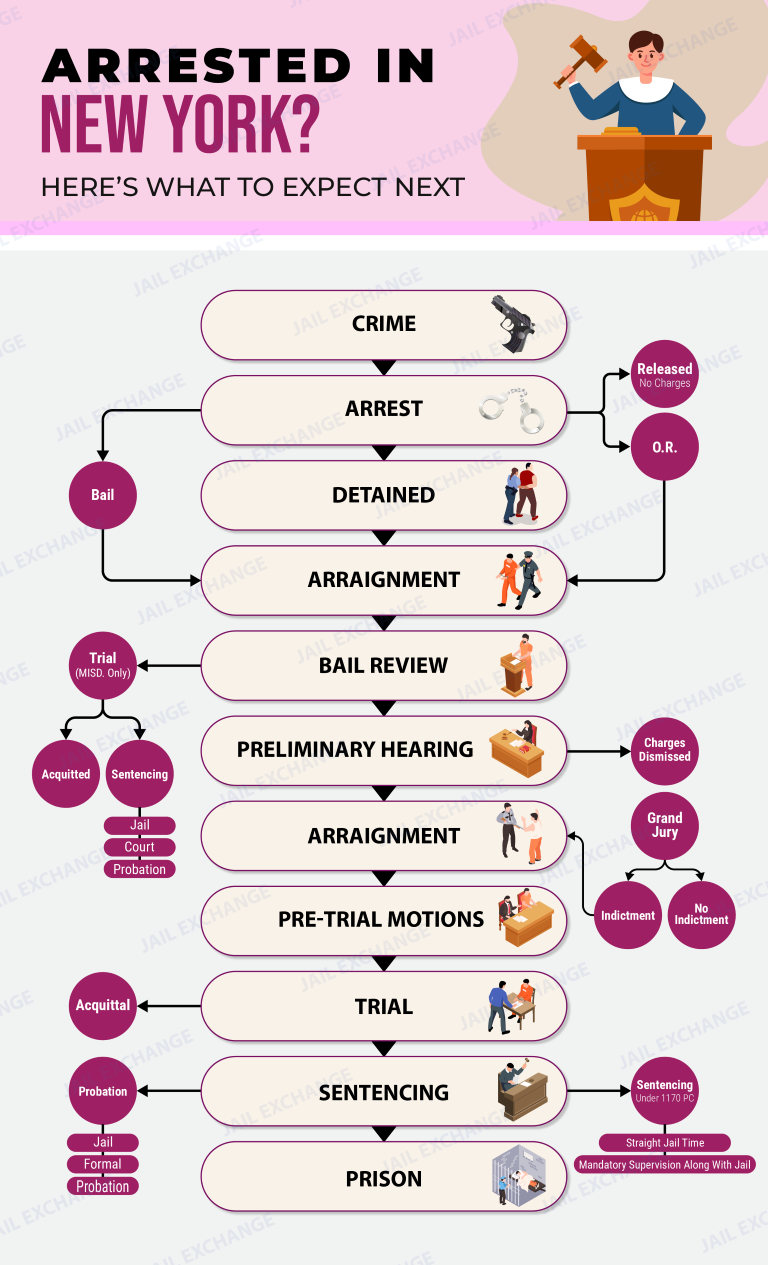
Information for this service is currently unavailable.
Information for this service is currently unavailable.
Information for this service is currently unavailable.
Information for this service is currently unavailable.
Information for this service is currently unavailable.
Information for this service is currently unavailable.
Tompkins County County Jails
Tompkins County Juvenile Facilities
Nearby counties
- Juvenile: 607-533-5000
The Finger Lakes Residential Center serves the following cities and towns of Tompkins County: Caroline, Danby, Dryden, Enfield, Groton, Ithaca, Lansing, Newfield, Trumansburg and Ulysses. At times this facility may also house inmates arrested in the following counties: Albany County, Allegany County, Bronx County, Broome County, Cattaraugus County, Cayuga County, Chautauqua County, Chemung County, Chenango County, Clinton County, Columbia County, Cortland County, Delaware County, Dutchess County, Erie County, Essex County, Franklin County, Fulton County, Genesee County, Greene County, Hamilton County, Herkimer County, Jefferson County, Kings County, Lewis County, Livingston County, Madison County, Monroe County, Montgomery County, Nassau County, New York County, Niagara County, Oneida County, Onondaga County, Ontario County, Orange County, Orleans County, Oswego County, Otsego County, Putnam County, Queens County, Rensselaer County, Richmond County, Rockland County, St. Lawrence County, Saratoga County, Schenectady County, Schoharie County, Schuyler County, Seneca County, Steuben County, Suffolk County, Sullivan County, Tioga County, Ulster County, Warren County, Washington County, Wayne County, Westchester County, Wyoming County and Yates County.