
Clermont County Jail
Clermont County Jail
Jail Phone Number
513-732-7500Clermont County Inmate Search: Look Up Someone Held at the Batavia Jail
Every adult picked up by Clermont deputies or local police ends up at the Clermont County Jail, 4470 State Route 222, Batavia, OH 45103. The building has maximum, medium and minimum security housing. Read on for search steps, the facts on mugshots and the road ahead.
Begin with the Sheriff's online jail search. Choose a name and a details page opens with the booking date, the charges, case numbers, courts and bond amounts. The newest bookings may lag behind. Try again after a few hours.
Next, ring the Sheriff's Office at 513-732-7500 and ask for the jail. Tell them the legal name along with the birthday. Ask what charges were filed, what amount the bond carries and the day of the first appearance. Our bail page helps with getting out, while the court page helps you follow the hearings.
Read inmate search answers
 Read inmate search answers
1. How can I search the jail list in Clermont County?
About 300 people sleep in the jail on a typical day, and roughly 7,000 are booked each year. Looking someone up online takes a minute:
- Visit the jail search using whatever device you have handy.
- Type the surname into the box. Too many rows? Add the first name.
- Press Details beside the right row.
- Read the booking number, booking date, charges, case numbers, courts and bond types.
- Jot down the booking number. Staff find a file quickly when you give it on the phone.
No luck? Phone 513-732-7500 and ask the jail to check.
↑ Back to the question list2. Nobody by that name shows up. Is something wrong?
No row can come from several causes, and some are harmless:
- Paperwork in progress. Fingerprints, photos and forms come first.
- A stop at a local station. A local department can keep a person at its station for hours before the ride to Batavia.
- Back home already. A bond, a signed promise to appear or a ticket may have ended the stay.
- Transferred. Another county, a state agency or the federal government might have them.
- Spelling. Test a nickname, an older name or only the first few letters.
- A minor. Juveniles are kept apart from the adult building.
Phone the jail at 513-732-7500 and read out the full name with the birthday. Staff can search their own records.
↑ Back to the question list3. Which jail would hold someone arrested in Clermont County?
One site covers the whole county: the jail on State Route 222, 4470 State Route 222, Batavia, OH 45103, 513-732-7500. It is run by the Sheriff's Office and has three kinds of housing:
- Maximum security for people who need the tightest supervision.
- Medium security for much of the jail's population.
- Minimum security for low-risk people. Some of them take part in a trustee program and work in the kitchen, on cleaning crews or on the grounds.
No regional jail serves the county. Someone arrested just across the line is booked by the county where it happened, and you can find that jail's number in the Ohio jail list. Children go to juvenile detention, described further down.
↑ Back to the question list4. Will I see mugshots in the jail search?
Expect plain text tables on each person's page, with no mugshots or booking photos. Ohio treats many records as open to the public under R.C. 149.43, and a photo can fall under that. Phone the Sheriff's Office, 513-732-7500, and request a booking photo, if one can be released.
Ohio also guards against sites that profit from photos. Anyone who runs a mugshot or arrest page may not ask for money, or take it, to remove an entry. Under R.C. 2927.22 that is a misdemeanor of the first degree, and anyone harmed can file suit seeking $10,000 or more.
- To get photos made by ICE, send a FOIA request through its records page.
- Federal arrest photos stay private. Only the U.S. Marshals Service can release one, say when the person has fled.
5. How can I get an alert about their release?
Yes. The Ohio Attorney General runs VINE, a free alert program that tracks county jail stays, state prison terms and youth facility stays. After you register, you can receive a voice message, text or email if the person is freed, transferred, missing from custody or has died.
- Register on VINELink or phone 800-770-0192, which answers all day and night.
- Keep your contact details current so no message is missed.
Alerts may arrive late. Back them up with a call to the jail at 513-732-7500.
↑ Back to the question list6. How does a Clermont County bond get paid?
Ohio's release law, R.C. 2937.011, asks courts to use the gentlest conditions that still ensure a court appearance and protect everyone's safety. A signed promise may be enough. Money terms include an unsecured bond, a cash deposit of 10 percent (90 percent comes back if every condition is met), a surety bond, or all of it in cash.
- A written fee list covers misdemeanors, which lets some people go home before any hearing.
- Only a judge or magistrate can set a felony bond.
- A bail hearing must happen for anyone still held, within two court days of the arrest.
Pay at the Municipal Court's Traffic and Criminal office, 4430 State Route 222, Batavia, OH 45103, 513-732-7290. Windows take bond Monday through Friday, 8:00 a.m. to 4:30 p.m., and Saturday and Sunday, 7:00 a.m. to 4:00 p.m. For bond amounts and rules, call 513-732-8006.
Only agents licensed by the state's Department of Insurance can write a surety bond. Such agents must use the premium rate the state approved and disclose extra fees. Complaints can go to 800-686-1526. More help: our bail page and a summary of Ohio bail laws.
↑ Back to the question list7. Which office can explain the charges in Clermont County?
Start on the person's details page in the jail search, which lists each charge beside its case number and court. Then go to the office that holds the file:
- Misdemeanor or traffic: the Municipal Court's Traffic and Criminal office, 4430 State Route 222, Batavia, OH 45103, 513-732-7290.
- Felony after indictment: the Clerk of Courts at the Common Pleas Court, 270 East Main Street, Batavia, OH 45103, 513-732-7394.
- Which charges go forward: the Prosecuting Attorney, 76 S. Riverside Drive, 2nd Floor, Batavia, OH 45103, 513-732-7313.
Have the legal name, birthday and case number handy before dialing.
↑ Back to the question list8. Is there a free lawyer for a person who is held?
At the first hearing, ask the judge for a lawyer. The court gives you a financial form and decides if you qualify. In this county, the Public Defender serves felony, misdemeanor and juvenile cases, and a judge can also name a private attorney.
- Main office: 302 E. Main St., Batavia, OH 45103, 513-732-7223
- For misdemeanors, there is also a desk at the Municipal Court, 4430 State Route 222, Batavia, OH 45103
A family may hire a private lawyer whenever it likes. Keep case talk off jail calls; share it with the lawyer alone.
↑ Back to the question list9. What are the Clermont County Jail visiting rules?
The jail runs no open visiting hours. Your visit day is tied to the housing area. The person inside books the visit and passes the day and time on to you. Front-desk staff cannot read out a schedule.
For other questions about rules, phone 513-732-7500. Our visiting guide adds tips on ID and dress.
↑ Back to the question list10. Can I add cash value for calls and the commissary?
Funds on an account buy phone time and commissary goods. Employees at the jail cannot accept money from you directly. You have four choices:
- Online at accesscorrections.com
- By phone: 866-345-1884
- The kiosk in the lobby, which accepts cash or cards
- A postal money order sent by mail to the person
Keep cash out of envelopes. Want more detail? Try our deposit guide and our commissary basics.
↑ Back to the question list11. How will calls from the jail reach me?
At booking, each person gets two local calls free. Housing areas after that mostly use collect phones. Prepaid phone cards come in $2, $5, $10 and $20 amounts and are sold through commissary and at the South Lobby kiosk.
The jail's family page names Combined Public Communications, 859-441-5554, as the phone service. For texts or video, ask the jail at 513-732-7500. Lawyer calls are private, but other talk may be recorded. Our jail phone tips and email and text tips add detail.
↑ Back to the question list12. What is the mailing address for inmates here?
The jail's family page prints this mailing address:
Clermont County Jail
(Inmate Name)
4700 East Filager Road
Batavia, OH 45103
The Sheriff's other pages place the jail at 4470 State Route 222, so ask at 513-732-7500 which address to use today. Add your own return address, since mail without one can bounce. Skip cash. Our mail guide has the common rules on photos and books.
↑ Back to the question list13. How do I get back clothes and other belongings?
The jail stores a person's belongings during the stay. People sent on to a state institution usually cannot carry personal items along, so they may ask relatives to collect them.
Phone first at 513-732-7500. Ask what hours work, whether the person signs anything first and which picture ID the front desk accepts. Pickup is at 4470 State Route 222, Batavia, OH 45103.
↑ Back to the question list14. Who looks after them if they fall ill in jail?
Phone 513-732-7500 and ask for the jail's medical staff. Have the person's name and booking number ready, plus any medicine names, doses and doctor details you know.
Inmates can hand in a written health request. In a life-threatening emergency, call 911. Fear of self-harm? Say so to the jail staff at once.
↑ Back to the question list15. Is there any way to check for a warrant?
The Sheriff's Office, 513-732-7500, sends deputies to serve warrants, and city and township officers do the same. Browse the Sheriff's most wanted list or phone and ask. For case status, contact the Municipal Court clerk, 513-732-7290, or the Common Pleas Clerk of Courts, 513-732-7394. To clear one, consult an attorney first and then reach out to the court where the case sits. The Municipal Court is at 4430 State Route 222, Batavia, OH 45103. The Clerk of Courts is at 270 East Main Street, Batavia, OH 45103.
↑ Back to the question list16. Which building will the next court appearance be in?
Call whichever court holds the file:
- Municipal Court for misdemeanors, traffic, OVI and early felony hearings: 4430 State Route 222, Batavia, OH 45103, 513-732-7290.
- Common Pleas Court for felonies after an indictment: 270 East Main Street, Batavia, OH 45103, 513-732-7394.
- Juvenile Court for anyone under 18: 2340 Clermont Center Drive, Batavia, OH 45103, 513-732-7696.
Each person's details page in the jail search also lists the court and dates. Our court guide walks through the stages.
↑ Back to the question list17. Clermont County and a federal arrest: what happens?
Federal court for this county sits in Cincinnati: the Southern District of Ohio (Western Division), inside the Potter Stewart U.S. Courthouse, 100 East Fifth Street, Cincinnati, OH 45202, clerk 513-564-7500.
- A detention hearing under 18 U.S.C. 3142 may come early. A federal judge then picks release or custody.
- Call the U.S. Marshals, 100 East 5th Street, Room 130, Cincinnati, OH 45202, 513-684-3594, to learn where a held person is.
- The Federal Public Defender, 250 East 5th Street, Suite 350, Cincinnati, OH 45202, 513-929-4834, represents people who qualify.
- Following a federal sentence, find the person using the BOP's online locator.
18. Is an immigration hold possible for my person?
A detainer is a hold request that ICE sends on Form I-247A. Under 8 CFR 287.7(d), the jail can keep the person up to 48 hours after they would otherwise be released, so ICE has time to collect them.
- Use the ICE Online Detainee Locator to find a person.
- The closest ICE office is 9875 Redhill Drive, Blue Ash, OH 45242, 513-246-1471. The Detroit Field Office covers Ohio: 985 Michigan Avenue, Suite 207, Detroit, MI 48226, 313-771-6601.
- For detainers, no signed Ohio law was found. Families can ask the Sheriff's Office, 513-732-7500, whether it has any ICE agreement.
19. Has a prison term already started for them?
Prison terms for felonies begin at a state reception center. A wait at the county jail may come first, so ask the jail where they are.
- Use the Ohio offender search, typing the person's name. It covers inmates in Ohio prisons and people on state supervision.
- Our Ohio prison pages cover visits and mail.
20. A Clermont County child is arrested. Where do they go?
A child is kept out of the adult jail and sees the Juvenile Court, 2340 Clermont Center Drive, Batavia, OH 45103, 513-732-7696. A detention hearing is due within 72 hours. If the next court day comes before that, the hearing is due by then. Juvenile Rule 7 and section 2151.314 of the Revised Code set this limit. Skip the hearing and the child goes home with a parent.
Children held before a hearing stay at the Clermont County Juvenile Detention Center, 2340 Clermont Center Drive, Batavia, OH 45103, 513-732-7154, which never closes. The lobby takes visitors Monday to Friday, 8:00 a.m. to 4:30 p.m.
↑ Back to the question list21. Which local police departments work here?
Different agencies make arrests here, yet adults all land in the same jail:
- Sheriff's Office, 4470 State Route 222, Batavia, OH 45103, 513-732-7500. Deputies patrol across the county.
- City, village and township police. Some places run their own departments. Dial the county 911 Communications Center's non-emergency number, 513-732-2231, and ask who covers the street.
- Ohio State Highway Patrol. Look for the county's post on the patrol's post finder.
Each details page in the jail search names the court and case, which can hint at who made the arrest.
↑ Back to the question listClermont County bail and bond: the Batavia jail and the weekend bond window
Adults arrested in Clermont County are held at the Clermont County Jail, 4470 State Route 222, Batavia, OH 45103. The bond office sits next door at the Municipal Court and takes payments on Saturdays and Sundays too. Below are the ways to pay and what happens after.
The Sheriff's jail inmate search shows every booking, its charges and the bond set. Want more? Our Jail Roster page covers arrests, warrants and property pickup.
Ring the Municipal Court's Traffic and Criminal office at 513-732-7290 to ask how to post the bond. Booking questions go to the Sheriff's Office at 513-732-7500. After that, see which judge comes next on the local courts page.
1. Is my family member in the Clermont County Jail?
Run the name through Clermont County Inmate Search. The jail shows the booking and the bond on that same record, so you may not need to phone at all. A new arrest can take a little while to appear, so look again after an hour or two.
When the search does not answer your question, the Sheriff's Office in Batavia is at 513-732-7500. Have the full name and date of birth ready.
↑ Back to the question list2. Where is the jail, and who runs it?
The Sheriff's Office operates the jail at 4470 State Route 222, Batavia, OH 45103. It sits beside the Municipal Courthouse, so the jail, the sheriff's offices and the court that sets most first bonds are within a short walk of one another.
The Sheriff's Office is the place to ask about booking, property and transfers.
↑ Back to the question list3. Where do I pay the bond?
Go to the Traffic and Criminal office of the Clermont County Municipal Court, 4430 State Route 222, Batavia, OH 45103. That is the bond window for people held in the jail.
Bring a photo ID and the person's full name. If you are unsure of the amount, read it on the inmate search first, or call the office at 513-732-7290.
↑ Back to the question list4. When can I post bond, and is it open on weekends?
Yes. The Traffic and Criminal office takes bond Monday to Friday from 8:00 a.m. to 4:30 p.m. and Saturday and Sunday from 7:00 a.m. to 4:00 p.m.
Outside those hours, the person stays in the jail until the office opens. A friend arrested on a Sunday evening, for example, can usually be bonded out Monday morning, so plan the trip around the weekend hours.
↑ Back to the question list5. What can I pay with?
The Traffic and Criminal office accepts cash, credit card, check and money order at the counter. Card payments can also be made online through the court, and a payment drop box sits in front of the Municipal Court.
Municipal and county courts in Ohio must have a rule allowing bail by credit card (R.C. 2937.011). Ask the clerk for the full total, including any state fee, before you pay.
↑ Back to the question list6. Is putting money on a jail account the same as bail?
No. The jail lobby has a kiosk that takes cash or a card for the inmate's commissary account, and the account can be funded online or by phone through Access Corrections. Money orders may be mailed to the inmate in care of the jail.
None of that pays a bond. Bond is paid only at the Municipal Court office, or through a licensed bail agent.
↑ Back to the question list7. What are the kinds of bond a judge can set?
Ohio law lets the defendant choose how to post the amount the court sets (R.C. 2937.011). The choices are an unsecured bond, a bond with 10 percent of the amount in cash, a surety bond through a licensed agent, a property bond, or the full amount in cash.
With the 10 percent deposit, the court returns 90 percent of what you paid once every condition is met. A judge may also release someone on their own signature, with no money at all.
↑ Back to the question list8. How does a bail bond agent work in Ohio?
A licensed surety bail bond agent guarantees the full bond to the court, and you pay the agent a fee. Ohio agents must charge the premium their company has filed and the state has approved, and must disclose any expense fee (R.C. 3905.93).
Agents may not require you to sign over the title to real estate, and they may not solicit people at the courthouse or the jail. Ask for every cost in writing before you sign anything.
↑ Back to the question list9. How soon will a judge see my person?
Ohio requires an initial bail hearing no later than the second court day after arrest (R.C. 2937.011). Someone arrested on a Friday night may not see the judge until Tuesday if Monday is a holiday.
If the person has no lawyer and is still held, a second hearing must follow on the second court day after the first, with a lawyer appointed at state expense if they cannot pay for one.
↑ Back to the question list10. Which court is handling the case?
Misdemeanors and traffic charges go to the Clermont County Municipal Court at 4430 State Route 222, Batavia. The Traffic and Criminal office answers at 513-732-7290.
Felony cases move to the Common Pleas Court, and the Clerk of Common Pleas Court can tell you the next date.
↑ Back to the question list11. Can a judge refuse to set bail?
Rarely. Under Ohio Const. art. I, sec. 9, bail can be denied only for a capital offense, or a felony where the proof is evident and the person poses a substantial risk of serious physical harm to anyone.
For the listed serious felonies, the prosecutor or judge may ask for a hearing under R.C. 2937.222. The judge must find clear and convincing evidence, and no set of release conditions can be enough to keep people safe, before refusing bail.
↑ Back to the question list12. Who is the free lawyer if we cannot pay?
The Clermont County Public Defender handles felony, juvenile and contempt cases from 302 E. Main St., Batavia, OH 45103. Misdemeanor cases are handled at the Municipal Court office at 4430 State Route 222. The office phone is 513-732-7223.
Attorneys are usually in court from 8:30 a.m. to noon on weekdays, so a message may reach voicemail first. The receptionist can give court dates.
↑ Back to the question list13. What if the person arrested is under 18?
The Clermont County Juvenile Detention Center holds young people before their hearing. It is at 2340 Clermont Center Drive, Batavia, OH 45103, behind the Juvenile Court building, and its line is 513-732-7154.
Call the detention center to learn whether your child is there.
↑ Back to the question list14. What happens if my person misses court?
The judge can forfeit the bond, and the failure to appear can bring added punishment under Ohio law. A warrant may also be issued.
A court cannot take bond money you paid for another person to cover that person's fines or costs unless you agree (R.C. 2937.40). A defendant who posted their own money, and is not indigent, may see it applied after a conviction.
↑ Back to the question list15. When do I get my money back?
Keep the receipt from the Municipal Court office. When the case ends, the person who paid can ask for a refund or choose to apply it to costs and fines.
The 10 percent deposit comes back at 90 percent. The clerk can tell you whether any state fee is refundable in your case. Ask a bail agent in writing whether any part of the agent's fee comes back.
↑ Back to the question list16. Which payment requests are fake?
Nobody at the jail or the court will ask for gift cards, crypto or a wire to a private person. The only places to pay are the court office and a licensed agent.
If a caller says the bond must be paid in minutes, hang up and call 513-732-7500.
↑ Back to the question list17. Clermont County bail contacts
- Jail: Clermont County Jail, 4470 State Route 222, Batavia, OH 45103; Sheriff's Office, 513-732-7500
- Bond guide: Clermont County bail and bond instructions
- Custody lookup: Clermont County Inmate Search
- Bond window: Municipal Court Traffic and Criminal office, 4430 State Route 222, Batavia, OH 45103; 513-732-7290; Monday to Friday 8:00 a.m. to 4:30 p.m., Saturday and Sunday 7:00 a.m. to 4:00 p.m.
- Clerk of Courts: Common Pleas Clerk, 513-732-7332
- Public defender: 302 E. Main St., Batavia, OH 45103; 513-732-7223
- Juvenile: Juvenile Detention Center, 2340 Clermont Center Drive, Batavia, OH 45103; 513-732-7154
Office hours, fees and numbers can change, and a judge may order a different bond. Verify with the court office before you send money. Treat this page as a general guide, not legal advice.
↑ Back to the question listThe Clermont County Sheriff recommends that you might want to use a bail bond agent licensed to do business in Clermont County.
However if you don't want to use a bail bond agent:
- You can always pay a cash bond yourself, or use your home in Clermont County, or in some cases the state of Ohio, but the benefit of using a bail bond agent is that they take responsibility for making sure the inmate shows up for court in Clermont County, and if they don't, then they take the financial responsibility.
- The typical fee for a bond in Ohio is between 10-20% of the bail amount; usually 15% or less. So if an offender has a bail of $10,000.00, their bond will be $1,500.00.
- Pay by cash, cashier's check, money order or credit card at the Clermont County Jail, or the courthouse in Clermont County where the offense took place.
Call 513-732-7500 to find out the exact bond (plus other fees) amount, or look it up online by looking up the information on the Clermont County inmate locator.

Clermont County Jail Visits: Wait for the Person to Confirm Your Time
The person in custody schedules the visit with jail staff and then tells you when to come. Their housing assignment determines the available days. Staff cannot give you the person’s visit time, and there are no walk-in visits. Wait for the person to confirm your appointment before traveling.
Go to Clermont County Jail at 4700 East Filager Road, Batavia, OH 45103, next to the Municipal Courthouse and Sheriff’s Office. Call 513-732-7500 for general questions, such as what identification to bring. For details on who arranges visits, see the Sheriff’s corrections FAQ. Before buying anything for a home visit, ask the person whether their housing unit offers that option; ordinary phone credits are separate.
Inmate Sales Video Visitation provides a secure online platform that enables families and loved ones to conduct scheduled face-to-face video visits with incarcerated individuals from home. Using an internet-connected smartphone, tablet, or personal computer equipped with a webcam, visitors connect directly through housing-unit video stations or tablets without traveling to the facility.
Important: Advance Registration and Visitor Clearance Required
Detention centers do not permit unscheduled or unverified video sessions. Correctional facilities require prospective visitors to submit government-issued photo identification and receive administrative clearance before booking an appointment, an approval process that can take up to 48 hours depending on facility staffing. You should verify your visitor approval status with the facility prior to scheduling. If you do not register well in advance, you will miss your loved one's scheduled visiting window for the week.
Step-by-Step Instructions to Register and Schedule a Video Visit
- Visit www.inmatesales.com or launch the Inmate Sales mobile app.
- Register your visitor profile and upload a clear photograph of your government-issued ID for background review.
- Wait for email notification confirming facility visitor approval.
- Select Schedule Video Visit, choose the detention facility, and select the inmate.
- Browse the available schedule calendar, select an open time slot, and pay the visitation fee using a credit or debit card.
- Log into the website or mobile app 10 minutes prior to the start time on a device with a functioning camera, microphone, and stable high-speed internet connection.
What the Inmate Needs to Do
The inmate receives a visitation notification on their housing unit video kiosk or tablet. At the appointed time, they log in with their PIN and sit before the terminal. Inmates and visitors must strictly observe jail dress and conduct rules; sessions are monitored by staff and will terminate immediately upon any violation.
Official Provider: Inmate Sales Official Website
Customer Service Telephone: 1-877-998-5678 or 1-702-829-3001
Support Hours: Monday – Friday, 8:00 AM – 11:00 PM EST; Saturday, 9:00 AM – 5:00 PM EST
Supported Languages: English and Spanish
Other Services Provided by Inmate Sales (CPC)
In addition to Remote Video Visitation, Inmate Sales provides calling, messaging, and commissary options:
- Prepaid Phone Calling Accounts: Prepay for phone calling credits so your loved one can call your telephone directly.
• Learn more on our website: Prepaid Calling Accounts Guide | • Visit official vendor page: Inmate Sales Calling - Two-Way Texting & Messaging: Send digital text messages and photos directly to an inmate's device.
• Learn more on our website: Digital Messaging Guide | • Visit official vendor page: Inmate Sales Messaging - Inmate Tablets & Digital Media: Discover educational programs, phone access, and entertainment offered on facility tablets.
• Learn more on our website: Tablet Programs Guide | • Visit official vendor page: Inmate Sales Tablets - Commissary & Care Packages: Order pre-approved snack boxes, food packages, and clothing directly to the jail.
• Learn more on our website: Commissary Orders Guide | • Visit official vendor page: Inmate Sales Commissary
Clermont County Courts in Batavia: Municipal Court and Common Pleas
Misdemeanor, traffic and OVI charges are heard at the Clermont County Municipal Court, 4430 State Route 222, Batavia, OH 45103. Felonies are handled by the Court of Common Pleas, 270 East Main Street, Batavia, OH 45103. The Clermont County Jail, 4470 State Route 222, Batavia, OH 45103, holds adults arrested here.
Search the jail's online roster by last name. For more, open our Recent Arrests page with charges, warrants and mugshots.
Wondering who has the case? The Municipal Court's Traffic and Criminal office is at 513-732-7290, and the Common Pleas Court is at 513-732-7394. Money questions? Our bail and bond guide walks through each payment option.
1. Local courts in Clermont County (municipal, county and mayor's courts)
Clermont County stretches east from the Cincinnati suburbs along the Ohio River, and its courts and jail are clustered in and around Batavia, the county seat. The Clermont County Municipal Court, on State Route 222, hears misdemeanors, OVI and traffic cases from the whole county and holds the first hearings in felony cases; a felony that survives to indictment is tried by a judge of the Clermont County Court of Common Pleas, General Division, at the old courthouse on East Main Street. The elected Clermont County Prosecuting Attorney handles felonies and juvenile cases, and city or village law directors prosecute many municipal-court misdemeanors. People held after arrest are booked into the Clermont County Jail, operated by the Sheriff next door to the Municipal Court.
- Clermont County Court of Common Pleas, General Division, Clermont County Courthouse, 270 E. Main Street, Batavia, OH 45103, (513) 732-8119
- Clermont County Municipal Court, 4430 State Route 222, Batavia, OH 45103, criminal and traffic (513) 732-7290
- Clermont County Juvenile Court (Probate and Juvenile Division), 2340 Clermont Center Drive, Batavia, OH 45103, (513) 732-7696
- Clermont County Prosecuting Attorney, Batavia, OH 45103
- Clermont County Public Defender, 302 East Main Street, Batavia, OH 45103, (513) 732-7223
- Clermont County Sheriff's Office and Clermont County Jail, 4470 State Route 222, Batavia, OH 45103, (513) 732-7500
Which court hears your case. By statute the Clermont County Municipal Court's territory is the entire county, so a misdemeanor, OVI or traffic charge from Union Township, Miami Township, Pierce Township, Batavia, Goshen, Amelia's former village area or the river towns all lands at 4430 State Route 222. Seven municipalities, Bethel, Felicity, Loveland, Milford, New Richmond, Owensville and Williamsburg, also run mayor's courts for their own ordinance and traffic cases; there is no jury in a mayor's court, and any defendant may ask to transfer the case to the Municipal Court. A felony begins with an initial appearance in the Municipal Court and may have a preliminary hearing there. Jurisdiction shifts to the Common Pleas General Division when Clermont grand jurors return an indictment, or when the accused signs a waiver and the Prosecuting Attorney files a bill of information. The Twelfth District, based in Middletown, reviews appeals from Clermont County.
Where pretrial detainees are held. Arrests by township and city police, Sheriff's deputies and the State Highway Patrol are booked into the Clermont County Jail at 4470 State Route 222, a short walk from the Municipal Court. People who cannot post bond remain there while their cases are pending, and the jail also holds people serving local sentences. The Sheriff's Office can answer custody, bond and visitation questions at (513) 732-7500.
Clermont County relies on one large municipal court backed up by seven mayor's courts. The village of Amelia, which once had a mayor's court, dissolved in 2019, and its territory is now handled by the Municipal Court.
Municipal court
- Clermont County Municipal Court — 4430 State Route 222, Batavia, OH 45103, criminal/traffic (513) 732-7290, civil and small claims (513) 732-7292. Territory: all of Clermont County, including every township, the city of Milford, the Clermont County part of Loveland, and the villages of Batavia, Bethel, Chilo, Felicity, Moscow, Neville, New Richmond, Newtonsville, Owensville and Williamsburg.
County court
No county court exists here; the countywide Municipal Court fills that role.
Mayor's courts
- Bethel Mayor's Court — 120 N. Main Street, Bethel, OH 45106, (513) 734-2256 ext. 20
- Felicity Mayor's Court — 415 W. Walnut Street, Felicity, OH 45120, (513) 876-0107
- Loveland Mayor's Court — 126 S. Lebanon Road, Loveland, OH 45140, (513) 774-3030
- Milford Mayor's Court — 745 Center Street, Milford, OH 45150, (513) 248-5085
- New Richmond Mayor's Court — New Richmond Municipal Building, 102 Willow Street, 2nd Floor, New Richmond, OH 45157, (513) 553-3122
- Owensville Mayor's Court — 115 W. Main Street, Owensville, OH 45160, (513) 732-1171
- Williamsburg Mayor's Court — 107 W. Main Street, Williamsburg, OH 45176, (513) 724-6107
Every one of the seven reports its caseload to the state. Loveland straddles Clermont, Hamilton and Warren counties, so a Loveland ticket may be heard in the mayor's court or, outside it, in the municipal court for the county where the stop happened. Mayor's courts meet on set days each month; call ahead if you need the time of your hearing.
↑ Back to the question list2. Courthouses in Batavia
Clermont County's court buildings sit in two spots in and near Batavia, so it helps to know which one is on your paperwork before you drive in.
- Clermont County Courthouse, 270 E. Main Street — the village center building where the Common Pleas General Division holds felony arraignments, pretrials, trials and sentencings, and where the Clerk of Courts keeps felony files.
- Municipal Court, 4430 State Route 222 — east of the village on the county campus, next to the jail. Misdemeanor arraignments, OVI cases, traffic court and felony first appearances are held here.
- Clermont Center Drive — the juvenile court and domestic relations court operate from 2340 Clermont Center Drive, with probate at 2379.
Bring a photo ID and expect a security screening. Phones may be restricted inside courtrooms. If a hearing is listed as a video appearance, the court's notice will explain how to join.
↑ Back to the question list3. What happens after an arrest in Clermont County
- Citation or custody. For many minor offenses the officer issues a citation and the person goes home with a court date. Others are taken to the Clermont County Jail.
- Booking. Staff record identifying details, take fingerprints and photographs, inventory property and check for warrants from other counties or states.
- Bond under the schedule. Many misdemeanors carry a preset bond that can be posted at the jail without seeing a judge. Domestic violence, OVI with certain aggravating facts and most felonies require a judge's review.
- First appearance. Someone who remains in jail is brought before a Municipal Court judge without unnecessary delay, typically the next business day, often by video from the jail.
- Bail decision. A 2022 constitutional amendment lists what Clermont judges must weigh in fixing the dollar amount: the safety of the community, prior convictions, how grave the offense is, and the chance the defendant will skip court. Release types include own recognizance, a 10 percent deposit bond, cash and surety bonds through a licensed bail bondsman, often with conditions such as no contact, monitoring or alcohol testing.
- Counsel. A defendant who cannot afford a lawyer completes a financial affidavit and is screened for the public defender.
- Next steps. Misdemeanors are set for pretrial in the Municipal Court. Felonies move toward a preliminary hearing, which must be held within 10 days if the person is in custody or 15 days if released, unless the grand jury indicts first.
4. The Clermont County Jail
The Clermont County Sheriff's Office runs the county jail at 4470 State Route 222 in Batavia, beside the Municipal Court. It is the booking point for almost every agency in the county, from the Union Township and Miami Township police departments to the Highway Patrol and village officers.
The jail houses men and women awaiting trial, people serving local misdemeanor sentences and some inmates waiting to be transported to state prison after a felony sentence. Families can call (513) 732-7500 to confirm whether someone is in custody, learn the bond amount and ask how bond may be posted. Visitation, commissary deposits and phone accounts are handled through the jail's own systems and approved vendors; rules change from time to time, so ask the jail before sending money or showing up for a visit.
Bond for a Municipal Court case is usually posted with the jail or the Municipal Court clerk. After a felony indictment, the Common Pleas judge may change bond, and payments then go through the Clerk of Courts.
↑ Back to the question list5. Public defense in Clermont County
The Clermont County Public Defender's office at 302 East Main Street in Batavia, (513) 732-7223, represents adults and juveniles who cannot afford private counsel in cases where jail or a delinquency commitment is possible. Eligibility is based on a financial affidavit listing income, assets and household size, and Ohio law allows a small application fee, up to $25, that a court can waive.
Requests can be made at the first appearance, at the Municipal Court clerk's window, or by calling the office. Conflicts, such as two co-defendants who cannot share an office, are handled by appointing outside attorneys from the court's roster. Lawyers handling murder and other major felonies must meet additional qualification standards, and death-penalty cases require counsel certified for capital work.
Anyone released on bond should contact the office promptly after an arrest, before the first pretrial, so a lawyer has time to review the police reports and body camera footage.
↑ Back to the question list6. The Prosecuting Attorney, diversion and victims
The Clermont County Prosecuting Attorney's office in Batavia presents felony cases to the grand jury and tries them in Common Pleas, handles juvenile delinquency complaints and represents the state in felony appeals before the Twelfth District. Misdemeanors in the Municipal Court are prosecuted by the law directors or contract prosecutors for the city, village or township where the charge arose, so the prosecutor in a misdemeanor case may be a different office from the one handling a felony.
Ways a case can end without a conviction
- Pretrial diversion. First-time, lower-level offenders may be offered a diversion contract with requirements such as restitution, classes or community service. If they finish, the charge is dismissed.
- Intervention in lieu of conviction. When drug or alcohol use, mental illness or a developmental disability contributed to the offense, an eligible defendant can plead, complete court-supervised treatment and have the charge dismissed.
- Bill of information. Some felony defendants agree to waive the grand jury, which can speed up a negotiated resolution.
Victim services
Under Marsy's Law, part of the Ohio Constitution since 2017, crime victims are entitled to timely notice of hearings, to attend them, to be heard at bond, plea and sentencing, and to seek restitution. The Prosecuting Attorney's victim advocates help victims use these rights.
↑ Back to the question list7. Treatment and specialty dockets
Clermont County was hit hard by the opioid epidemic, and its courts have leaned on treatment-based dockets as an alternative to jail for some defendants. The Common Pleas Court has operated an adult drug court for years, and the courts also use intensive supervision programs aimed at people with addiction or mental health needs. These dockets typically combine frequent court check-ins, drug testing, counseling and graduated sanctions; successful participants may receive a reduced charge, a dismissal or community control instead of prison.
Programs and their eligibility rules change, and admission is usually screened by the probation department and approved by the judge and prosecutor. Violent offenses and certain trafficking charges are generally excluded. A defense lawyer can say whether a particular case could qualify and how to apply.
↑ Back to the question list8. Misdemeanor (for example, petty theft, a first OVI, assault, criminal trespass)
Shoplifting at the Eastgate retail corridor, OVI stops on State Route 32 and I-275, and domestic disputes in the townships account for a large share of Clermont County's misdemeanor docket. These cases are heard in the Municipal Court or, for ordinance and traffic charges, in one of the seven mayor's courts.
Arraignment and pretrial
At arraignment the judge or magistrate explains the charge and possible penalties, confirms the bond and takes a plea of not guilty, guilty or no contest. Most defendants plead not guilty and receive a pretrial date, when their lawyer meets with the prosecutor. A large majority of Clermont County misdemeanors resolve at or after pretrial.
Trial
Ohio gives a misdemeanor defendant facing jail the right to an eight-member jury whose verdict must be unanimous, but only after a written demand is filed by the deadline. Otherwise a judge decides. Under the speedy-trial statute, prosecutors must try a first- or second-degree misdemeanor within 90 days and a third- or fourth-degree misdemeanor within 45 days, with each day of jail on the charge credited three times.
Penalty caps
- M1 — 180 days / $1,000 (assault; aggravated trespass; shoplifting or other theft below $1,000)
- M2 — 90 days / $750
- M3 — 60 days / $500
- M4 — 30 days / $250 (criminal trespass)
- Minor misdemeanor — no jail, $150 fine limit
A first OVI
Judges here must impose at least three days, which the driver may serve in jail or in a 72-hour driver intervention program; a .17 reading or higher doubles that floor. The fine runs $375 to $1,075. A failed or refused test brings an administrative license suspension immediately, and a conviction adds a court suspension of one to three years. The court can grant limited privileges, and in some situations unlimited privileges with an ignition interlock, and usually requires an alcohol assessment.
Clermont misdemeanors end in a range of ways, from dismissal, diversion or intervention in lieu of conviction to an amended plea, fines and costs, probation-style community control, or jail. A typical case lasts one to four months. Many convictions can be sealed after the waiting period.
↑ Back to the question list9. Felony (for example, burglary, felony theft, drug trafficking, felonious assault)
Felony cases begin on State Route 222 and finish on East Main Street. In the Municipal Court, the judge handles bond and counsel and schedules a preliminary hearing. Many Clermont County felonies skip that hearing because the Prosecuting Attorney takes them to the grand jury within days.
Indictment and arraignment
The grand jury reviews evidence privately and either indicts or declines. Some defendants waive the grand jury and proceed by bill of information. At Common Pleas arraignment, the defendant pleads and the assigned judge sets a schedule for discovery, motions and pretrial conferences.
Plea or trial
Most felonies are settled by plea agreement. At a felony trial, all twelve jurors have to agree. Clermont's adult probation officers generally write a presentence report before the judge imposes a felony sentence.
Sentencing ranges
- F5 (a theft worth $1,000 up to $7,500): 6 to 12 months, though the law points first-time nonviolent F4 and F5 defendants toward community control in many cases.
- F4 (stealing $7,500 to $150,000): 6 to 18 months.
- F3 (some burglaries): generally 9 to 36 months; specified F3 offenses carry 12 to 60.
- F2 (felonious assault; breaking into a home when an occupant is likely inside): 2 to 8 years.
- F1 (aggravated burglary): 3 to 11 years.
F1 and F2 crimes committed since March 22, 2019, carry Reagan Tokes indefinite sentences, which add a potential maximum of up to half the minimum term. Fentanyl and other drug trafficking charges range from F5 to F1 depending on the drug and amount, and major drug offender findings can require long mandatory terms. Firearm specifications add mandatory prison time.
How long it takes
Ohio's speedy-trial law gives the state 270 days from arrest to try a felony and counts jail days triple. Waivers and continuances are common, and most Clermont County felonies resolve in four to twelve months.
↑ Back to the question list10. Violent felony (for example, murder, rape, aggravated robbery)
When a homicide, rape or armed robbery is charged in Clermont County, the defendant usually appears first in the Municipal Court, where bond may be set in a very high amount or denied. The case typically goes straight to the grand jury. Investigations can involve the Sheriff's Office, local police, the Clermont County coroner and the Ohio Bureau of Criminal Investigation.
Sentences
- Aggravated murder: the court may impose death, a life term with no parole, or a life term with parole first considered after 20, 25 or 30 years. Clermont jurors could still face a capital case, although Ohio's execution chamber has gone unused since 2018 under a string of reprieves.
- Murder: 15 years to life.
- Rape: F1 under Reagan Tokes indefinite sentencing, with life possible for victims under 13 when force or other aggravating facts are proven.
- Aggravated robbery: F1, often charged with a firearm specification that adds mandatory years.
These cases often involve forensic testing, competency or mental health evaluations, and extensive motion practice, so one to two years or more is common. Victims and their families can rely on Marsy's Law protections throughout, and appointed defense counsel must meet heightened qualification standards.
↑ Back to the question list11. Juveniles (under 18) arrested in Clermont County
Youth cases are heard in the juvenile court of the Clermont County Court of Common Pleas, Probate and Juvenile Division, at 2340 Clermont Center Drive, Batavia, (513) 732-7696. The Clermont County Prosecuting Attorney files delinquency complaints.
Intake
Juvenile court intake staff review police referrals and decide whether a case should be handled officially. Minor and first offenses are frequently diverted or handled unofficially, with conditions such as counseling, restitution or community service.
Detention
Clermont County operates its own juvenile detention center in Batavia for youths who are considered a danger, a flight risk, or without a safe place to go. A detention hearing must be held promptly, and no later than 72 hours or the next court day after the youth is placed (Juv.R. 7(F)).
Outcomes
Dispositions include probation, treatment, electronic monitoring, community service and residential placement, and commitment to the Ohio Department of Youth Services for felony-level offenses.
Adult prosecution
Mandatory transfer to the adult General Division applies to certain 16- and 17-year-olds facing the gravest charges, and to a smaller set of 14- and 15-year-olds. For other felonies, the prosecutor may request discretionary bindover for a youth 14 or older, which requires an amenability hearing. A Serious Youthful Offender case blends the two systems, with the youth serving a juvenile disposition while an adult prison term waits in the background in case of failure.
Clermont juvenile files are not open to the public in most cases, and sealing or expungement is frequently available. The Clermont County Public Defender, (513) 732-7223, represents qualifying youths.
↑ Back to the question list12. Federal cases (U.S. District Court) from Clermont County
Clermont County's federal court is the U.S. District Court for the Southern District of Ohio, and the county is assigned to its Western Division. Federal criminal cases from the county are generally handled at the Potter Stewart U.S. Courthouse, 100 East Fifth Street, Cincinnati, OH 45202, less than an hour from Batavia.
Federal offices in Cincinnati
- U.S. Attorney's Office, Cincinnati branch, 221 E. Fourth Street, Suite 400, Cincinnati, OH 45202, (513) 684-3711
- Federal Public Defender, Cincinnati, 250 East Fifth Street, Suite 350, Cincinnati, OH 45202, (513) 929-4834
- U.S. Marshals Service, Cincinnati, Potter Stewart U.S. Courthouse, Room 130, (513) 684-3594
Which Clermont County cases become federal
Typical examples are fentanyl and methamphetamine distribution rings, firearms charges against people with felony records, bank robbery, identity theft and fraud, child exploitation, and cases worked by federal task forces with Clermont County deputies. A defendant can face both state and federal charges for related conduct, although prosecutors usually coordinate.
Inside a federal case
The first stop after a federal arrest is a magistrate judge's courtroom, where the charges are explained and a lawyer is appointed for anyone who qualifies. The government may ask for detention, and that hearing is usually held within three court days. Federal courts do not use bail bondsmen; release is on conditions supervised by U.S. Pretrial Services, or the defendant is detained. If the case began by complaint, a grand jury must indict within 30 days. The Speedy Trial Act sets 70 days to trial, which is often extended for discovery and plea talks.
Most federal defendants plead guilty, frequently under written plea agreements. U.S. Probation prepares a presentence report, and the sentencing judge uses it to calculate the advisory Guidelines range and to apply any mandatory minimum set by Congress. Federal prisoners serve their time in the Bureau of Prisons with no parole, generally around 85 percent of the term, and then a term of supervised release. Trials use 12-person juries that must be unanimous, and appeals go to the Sixth Circuit Court of Appeals, also in Cincinnati.
Where federal defendants wait
The U.S. Marshals hold detained defendants in county jails and contract facilities in the region; Clermont County relatives should check the Federal Bureau of Prisons inmate locator for a relative from Batavia by register number or name. Anyone from Clermont County held pretrial at a jail under contract could also appear on that facility's roster. Federal charges against minors are rare and usually go back to the Clermont County juvenile court.
This page offers a general explanation of criminal procedure in Clermont County and should not be taken as legal advice. Court addresses, schedules and programs can change, so confirm details with the court named on your citation or bond. If you need a lawyer and cannot pay for one, call the Clermont County Public Defender at (513) 732-7223.
↑ Back to the question list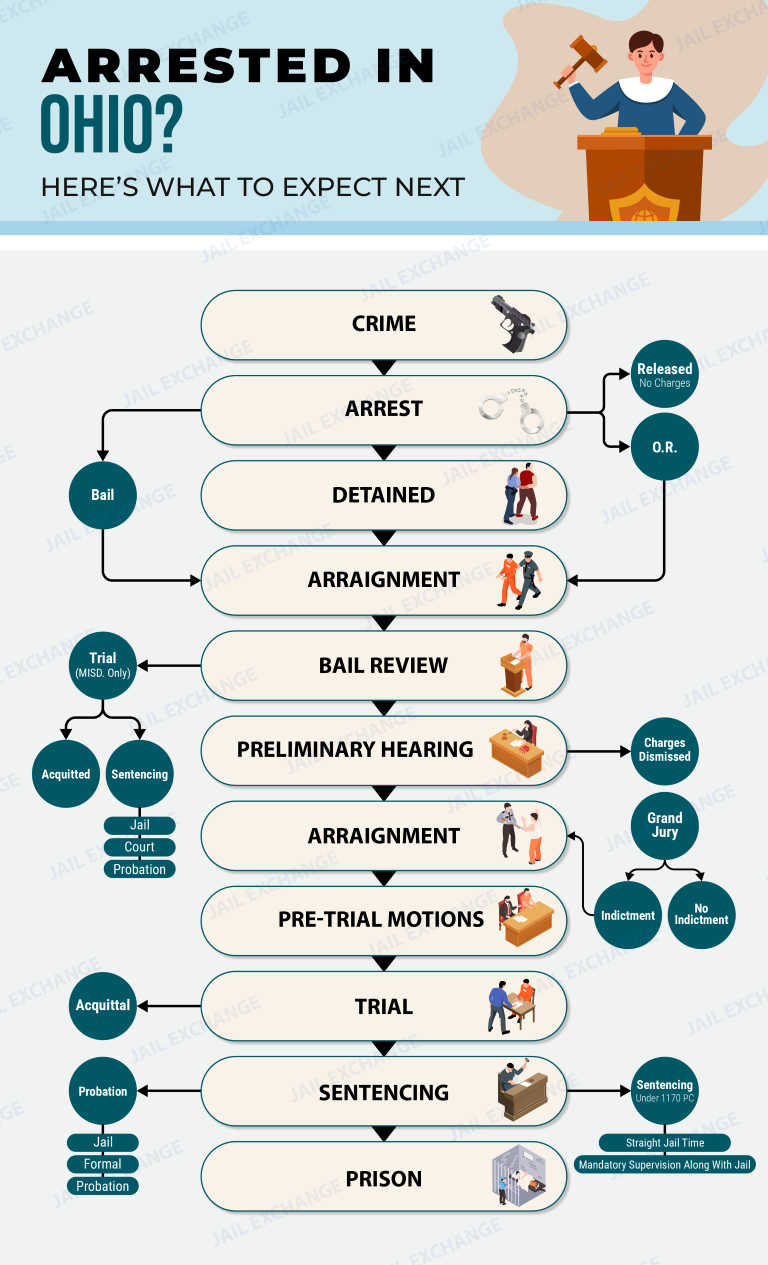

Access Securepak is an authorized correctional commissary care-package program that allows families to purchase customized food, snack, hygiene, apparel, and electronics packages sent directly to an incarcerated loved one. Every package is custom-packed to meet the strict security regulations of the specific jail or state prison.
Important: Delivery Schedules and Package Quotas
Jail package guidelines are not uniform across detention centers. Some facilities permit orders year-round, while others restrict deliveries to quarterly cycles or strict weekly deadlines that you should confirm with the facility directly. If you delay setting up your account, you risk missing the upcoming delivery cutoff, leaving your loved one waiting an extra cycle for fresh food, warm thermals, or personal toiletries.
Step-by-Step Instructions to Register and Access Service
- Visit the official Access Securepak online store at www.accesscatalog.com.
- Select the state and the specific jail or correctional institution from the dropdown menu.
- Enter the inmate's legal last name and inmate ID to verify their active housing and package eligibility.
- Browse the catalog of approved meats, cheeses, ramen soups, cookies, toiletries, and clothing.
- Add items to your cart up to the facility's maximum weight or dollar limit (usually $50 to $125 per order).
- Check out using your debit or credit card and save the order confirmation tracking number.
What the Inmate Needs to Do
The inmate does not need to order anything themselves. Securepak ships the sealed package directly to the correctional facility's commissary warehouse. Jail staff inspect the box and deliver it to the inmate during regular pod commissary distribution, where the inmate signs for the package.
Official Provider: Access Corrections / Keefe Group Official Website
Customer Service Telephone: 1-800-546-6283
Support Hours: Monday – Friday, 8:30 AM – 11:30 PM EST; Saturday, 11:00 AM – 5:00 PM EST
Supported Languages: English and Spanish
Other Services Provided by Access Corrections / Keefe Group
In addition to Access Securepak (Commissary & Gift Packages), Access Corrections / Keefe Group provides several other communication, financial, and visitation services at participating correctional facilities:
- Inmate Trust Money Deposits: Send cash directly to their personal account so they can buy items independently.
• Learn more on our website: Inmate Trust Money Deposits Guide | • Visit official vendor page: Access Corrections / Keefe Group Inmate Trust Money Deposits - Digital Messaging & Photos: Send fast electronic letters and digital pictures to their tablet.
• Learn more on our website: Digital Messaging & Photos Guide | • Visit official vendor page: Access Corrections / Keefe Group Digital Messaging & Photos
Buy Commissary for an Inmate in the Clermont County Jail
Clermont County Jail Inmate Commissary - Sending Money or Purchasing Commissary for an Inmate
Clermont County Jail allows inmates to purchase commissary. Ask the jail what its commissary sells; snacks and hygiene items are common.
You can buy commissary for an inmate using an online service called Access Securepak.

Call the facility at 513-732-7500 to ask whether there is a limit on how much an inmate can spend on commissary.
Access Securepak's site shows whether friends and family can order commissary for an inmate at this jail.
Scroll down for information on the Clermont County Jail's service they use for you being able to purchase commissary items online and have them shipped directly to the inmate.
You can also go to our Inmate Money page for information on how to send money to an inmate.
Access Secure Deposits (Smart Deposit) allows families and friends to securely transfer money directly into an incarcerated person's jail trust account using a debit or credit card. Deposited funds become immediately available for your loved one to purchase essential hygiene goods, over-the-counter medication, food items, and writing materials from the facility commissary.
Important: Inmate Banking Policies Vary by Facility
Once a person is booked and moved to a cell, facilities do not always allow cash drop-offs or phone payments directly to the jail. Some might and you should confirm this by calling the facility and asking. But if you do not register online and fund your loved one's trust account immediately, they may be forced to wait days or weeks for standard paper processing, leaving them without essential soap, clean undergarments, basic medical sundries or snacks.
Step-by-Step Instructions to Register and Access Service
- Obtain the inmate's legal first and last name, date of birth, and official six- to ten-digit Booking or Inmate ID number.
- Visit the official Access Corrections portal at www.accesscorrections.com or download the Access Corrections mobile app.
- Select the state and the exact detention facility or county jail where the inmate is currently housed.
- Add the inmate as a contact and confirm their identity from the facility roster.
- Enter your debit or credit card billing information, choose your deposit amount, review the facility processing fee, and submit your payment.
- Save and print your transaction confirmation number for verification.
What the Inmate Needs to Do
The inmate does not need internet access to receive your deposit. Once approved, the funds post directly to their facility account balance. The inmate can verify their balance at the dayroom kiosk or on their trust statement and start ordering items on the next designated commissary day.
Official Provider: Access Corrections / Keefe Group Official Website
Customer Service Telephone: 1-866-345-1884
Support Hours: 24/7/365
Supported Languages: English and Spanish
Other Services Provided by Access Corrections / Keefe Group
In addition to Access Secure Deposits (Trust Money), Access Corrections / Keefe Group provides several other communication, financial, and visitation services at participating correctional facilities:
- Digital Messaging & Photos: Send digital letters and pictures straight to the inmate's kiosk or tablet.
• Learn more on our website: Digital Messaging & Photos Guide | • Visit official vendor page: Access Corrections / Keefe Group Digital Messaging & Photos - Commissary Care Packages: Order pre-approved food boxes, thermal clothes, and snack bundles directly to the jail.
• Learn more on our website: Commissary Care Packages Guide | • Visit official vendor page: Access Corrections / Keefe Group Commissary Care Packages
Deposit Money for an Inmate in the Clermont County Jail
Handing cash or a money order to an officer won't work at the Clermont County Jail in Batavia; staff there are not allowed to take it. Pick one of these four routes instead:
- Go online to Access Corrections and pay from a checking account, a debit card or a credit card.
- Phone Access Corrections at 1-866-345-1884.
- Walk up to the kiosk in the jail's main lobby, which accepts cash as well as debit and credit cards.
- Write the person's name on a money order and send it through the U.S. Postal Service to Clermont County Jail, (Inmate Name), 4470 State Route 222, Batavia, OH 45103.
Food, clothing and hygiene items come from the jail already. What you send pays for extras such as snacks, phone cards and magazines.
Writing to someone at the Clermont County Jail in Batavia, Clermont County, Ohio, means sending a real letter through the U.S. Postal Service, because that is the only way the Sheriff's jail takes personal mail. Letters are not sent to a scanning service. Officers open and inspect them for contraband and rule problems, then pass them to the inmate.
Mail of every kind, plus money orders:
Inmate's Full Name & Inmate ID#
Clermont County Jail
4700 East Filager Road
Batavia, OH 45103
- Return address required: Every letter mailed to an inmate must show where it came from, with your full name.
- The inmate's details: Address it with the inmate's full name followed by their inmate ID number. You'll find both on the jail inmate search, which also confirms the person is still in custody.
- Money orders: Mail them to the jail with the inmate's name written on the money order, and make it out to the inmate's full name. If you are unsure, call 513-732-7500 to confirm. Jail staff can't take money or money orders handed to them in person, so use the mail or deposit online.
- Looks of the letter: Blue or black ink only, with no markers, crayon, colored ink, drawings, lipstick or perfume, and nothing like glitter or confetti tucked inside.
- Cards: A greeting card has to be plain; musical ones are turned down.
- Books and magazines: New, and sent by the publisher or an approved store. Obscene, pornographic or very violent books are thrown away, and adult magazines or ones with weapons or profanity are taken.
- Supplies: Families can't send stamps by mail. Inmates get stamps, envelopes and writing paper from the jail commissary.
- Packages: They come only from the jail's commissary seller.
Inmate Sales (Combined Public Communications - CPC) provides telecommunications services that allow incarcerated individuals to place outbound voice calls from dayroom telephones or handheld tablets to family and friends. Because correctional facilities do not permit incoming calls, funding an Inmate Sales prepaid account links calling credits directly to your phone number so calls connect without carrier restrictions.
Important: Mobile Phones Automatically Block Inmate Collect Calls
Cellular phone carriers automatically reject standard collect calls originating from jail phone systems. While some residential landlines might permit direct monthly billing, mobile devices and internet-based telephone lines require an active prepaid calling balance, which you can verify by checking with your provider. If you do not register online and fund an Inmate Sales account right away, your loved one will receive an automated disconnect announcement when attempting to call your number.
Step-by-Step Instructions to Register and Fund a Phone Account
- Visit www.inmatesales.com or call customer care at 1-877-998-5678.
- Click New User and register using the primary 10-digit telephone number where you want to receive calls.
- Select the state and facility where the inmate is currently detained.
- Link the inmate to your profile using their full legal name and booking ID number.
- Select Prepaid Collect Phone or Direct Inmate PIN Debit.
- Select your deposit dollar amount and enter your debit or credit card billing details.
- Submit payment, record your confirmation number, and confirm that your mobile phone allows calls from automated or unknown correctional numbers.
What the Inmate Needs to Do
The inmate dials your 10-digit telephone number from any dayroom telephone or tablet and keys in their assigned PIN. The automated system verifies that your phone number has an active prepaid balance and connects the call once you accept the automated prompt. All personal telephone conversations are recorded and monitored by facility staff.
Official Provider: Inmate Sales Official Website
Customer Service Telephone: 1-877-998-5678 or 1-702-829-3001
Support Hours: Monday – Friday, 8:00 AM – 11:00 PM EST; Saturday, 9:00 AM – 5:00 PM EST
Supported Languages: English and Spanish
Other Services Provided by Inmate Sales (CPC)
In addition to Phone Calling Accounts, Inmate Sales provides several other communication and visitation channels:
- Inmate Tablets & Digital Media: Discover educational programs, phone access, and entertainment offered on facility tablets.
• Learn more on our website: Tablet Programs Guide | • Visit official vendor page: Inmate Sales Tablets - Two-Way Texting & Messaging: Send digital text messages and photos directly to an inmate's device.
• Learn more on our website: Digital Messaging Guide | • Visit official vendor page: Inmate Sales Messaging - Remote Video Visitation: Schedule and join live video visits from home using your computer or smartphone.
• Learn more on our website: Video Visitation Guide | • Visit official vendor page: Inmate Sales Video Visits - Commissary & Care Packages: Order pre-approved snack boxes, food packages, and clothing directly to the jail.
• Learn more on our website: Commissary Orders Guide | • Visit official vendor page: Inmate Sales Commissary
Inmate Sales Two-Way Texting allows friends and family members to exchange electronic text messages and digital photo attachments directly with an incarcerated loved one. Messages are delivered electronically to housing unit kiosks and handheld tablets within hours, avoiding the lengthy transit times associated with physical postal mail.
Important: Electronic Messaging Screening Rules Differ
Inmates cannot receive incoming phone calls, and traditional postal mail rules differ across correctional agencies. While some facilities still allow regular handwritten letters, many jails have transitioned to digital-only mail scanning or restrict postal delivery, which you can verify by checking facility rules. If you do not register online and purchase messaging credits immediately, your loved one may face lengthy periods without direct written contact from family.
Step-by-Step Instructions to Register and Send Text Messages
- Go to www.inmatesales.com or launch the Inmate Sales mobile app.
- Register your account using your 10-digit telephone number and email address.
- Select Text Messaging / Chirp from your service options.
- Select your state and detention center, then search for the inmate using their full legal name or booking ID.
- Purchase a messaging credit bundle using a debit or credit card.
- Type your message in the composition window and attach approved JPEG photos if permitted by the facility.
- Submit your message to the facility's screening queue.
What the Inmate Needs to Do
All electronic correspondence is screened by facility staff before delivery. Once approved, messages appear in the inmate's inbox on their housing unit terminal or tablet. The inmate opens the message, reads your note, and types an electronic reply using their available credits.
Official Provider: Inmate Sales Official Website
Customer Service Telephone: 1-877-998-5678 or 1-702-829-3001
Support Hours: Monday – Friday, 8:00 AM – 11:00 PM EST; Saturday, 9:00 AM – 5:00 PM EST
Supported Languages: English and Spanish
Other Services Provided by Inmate Sales (CPC)
In addition to Two-Way Texting, Inmate Sales provides several communication, commissary, and visitation options:
- Remote Video Visitation: Schedule and join live video visits from home using your computer or smartphone.
• Learn more on our website: Video Visitation Guide | • Visit official vendor page: Inmate Sales Video Visits - Prepaid Phone Calling Accounts: Prepay for phone calling credits so your loved one can call your telephone directly.
• Learn more on our website: Prepaid Calling Accounts Guide | • Visit official vendor page: Inmate Sales Calling - Inmate Tablets & Digital Media: Discover educational programs, phone access, and entertainment offered on facility tablets.
• Learn more on our website: Tablet Programs Guide | • Visit official vendor page: Inmate Sales Tablets - Commissary & Care Packages: Order pre-approved snack boxes, food packages, and clothing directly to the jail.
• Learn more on our website: Commissary Orders Guide | • Visit official vendor page: Inmate Sales Commissary
Inmate Sales (CPC) provides corrections-grade handheld wireless tablets to incarcerated individuals in county detention centers. Operating on a secure internal network, these devices allow inmates to conduct remote video visits, make voice telephone calls, send and receive text messages, stream approved music, read digital books, and access self-help legal resources directly from their living areas.
Important: Tablet Hardware Deployment and Rental Rules Vary
Detention centers do not manage tablet distribution identically. While some agencies issue individual personal tablets to every detainee at booking, others utilize shared pod docking stations or restrict tablet use to specific dayroom hours, which you should confirm with the facility directly. Although core educational and legal resources are generally provided free of charge, sending messages, listening to music, or making phone calls from the tablet requires an active balance funded by outside contacts.
Step-by-Step Instructions to Support and Fund Tablet Use
- Verify that Inmate Sales / CPC tablets are deployed at your loved one's specific detention facility.
- Navigate to www.inmatesales.com or launch the Inmate Sales mobile app.
- Sign into your verified user profile and link the inmate's legal name and booking ID number.
- Select Tablet / Chirp Funds or Inmate PIN Debit to add funds to their available balance.
- Specify your deposit amount, review convenience fees, and enter your credit or debit card billing details.
- Submit payment, save your confirmation receipt, and notify your loved one that their device balance is available.
What the Inmate Needs to Do
The inmate unlocks their assigned tablet using their PIN or biometric scan. Their available balance appears on the screen, allowing them to download songs, read digital books, write messages, and communicate with approved family members. Devices are docked during quiet hours and shift changes for secure recharging and data synchronization.
Official Provider: Inmate Sales Official Website
Customer Service Telephone: 1-877-998-5678 or 1-702-829-3001
Support Hours: Monday – Friday, 8:00 AM – 11:00 PM EST; Saturday, 9:00 AM – 5:00 PM EST
Supported Languages: English and Spanish
Other Services Provided by Inmate Sales (CPC)
In addition to Tablet Services, Inmate Sales provides several core communication channels:
- Two-Way Texting & Messaging: Send digital text messages and photos directly to an inmate's device.
• Learn more on our website: Digital Messaging Guide | • Visit official vendor page: Inmate Sales Messaging - Remote Video Visitation: Schedule and join live video visits from home using your computer or smartphone.
• Learn more on our website: Video Visitation Guide | • Visit official vendor page: Inmate Sales Video Visits - Prepaid Phone Calling Accounts: Prepay for phone calling credits so your loved one can call your telephone directly.
• Learn more on our website: Prepaid Calling Accounts Guide | • Visit official vendor page: Inmate Sales Calling - Commissary & Care Packages: Order pre-approved snack boxes, food packages, and clothing directly to the jail.
• Learn more on our website: Commissary Orders Guide | • Visit official vendor page: Inmate Sales Commissary
- Jail (Main): 513-732-7500
- Batavia Police: 513-732-5692
- Common Pleas Court: 513-732-8119
- Municipal Court: 513-732-7290
- Non-emergency Sheriff: 513-732-2231
- Prosecutor: 513-732-7810
- Public Defender: 513-732-7223
- Sheriff: 513-732-7500
The Clermont County Jail serves the following cities and towns of Clermont County: Amelia, Batavia, Bethel, Felicity, Goshen, Milford, Moscow, New Richmond, Neville, Owensville and Williamsburg.