
Atoka County Jail
Atoka County Jail
Jail Phone Number
580-889-2221Atoka County Inmate Search: Who Is Being Held and What to Do Next
Everyone jailed on an arrest in this rural county is taken to the county jail, 201 East Court Street, Atoka, OK 74525. Use this page to find them, then work through the next steps one at a time: charges, a lawyer, bond, visits, money, mail and court.
The jail's online inmate list lists each person by first, middle and last name, with the booking date shown beside it. You can set how many rows load per page. A brand-new booking can take a while to show, so check back or call.
Staff answer at 580-889-2221, the Sheriff's Office line. Have a pen ready. Share the name and date of birth. Then note the charges, the bond and when court starts. Our bond guide explains release, and the court guide follows the case.
Read inmate search answers
 Read inmate search answers
1. Searching the Atoka County jail list
- Open the county inmate list on a phone or computer.
- Raise the "Per Page" number so the whole list loads at once.
- Look for the last name. Try different spellings and any nickname.
- Check the booking date to be sure it is the right stay.
- Write down the full name exactly as it appears.
- Call 580-889-2221 for anything the list leaves out, such as charges or bond.
Arrest records like the person's name, the cause of arrest and jail booking entries are open to the public under the Open Records Act (51 O.S. § 24A.8).
↑ Back to the question list2. No match on the list? Try these next
A missing name rarely means the worst. Common reasons:
- Booking takes time. Fingerprints, a health check and paperwork come before the name goes up.
- They already left. Someone may have paid the bond, or a judge ordered release.
- Another agency has them. A tribal, federal or out-of-county arrest may lead somewhere else.
- A spelling problem. Records can hide behind a hyphen, two surnames or a simple typing slip.
The quickest fix is a phone call. Jail staff at 580-889-2221 can check by name and birth date. For someone already in state prison, try the DOC Offender Lookup.
↑ Back to the question list3. Could a neighboring county have them?
Only one adult jail operates in this county. An arrest made past the county line, though, usually means a stay in that other county's lockup:
- Bryan County Jail, run by the Bryan County Sheriff's Office, 402 Evergreen Street, Durant, OK 74701, jail line 580-931-0673.
- Johnston County Jail, 110 N Capital Ave, Tishomingo, OK 73460, 580-371-2691.
- Choctaw County Jail, through the Choctaw County Sheriff's Office, 305 E Jefferson St., Hugo, OK 74743, 580-326-2000.
Coal, Pittsburg and Pushmataha counties also share a border. For any of them, ask the jail here at 580-889-2221 whether the person was moved, or check our Oklahoma jails list.
↑ Back to the question list4. Are booking photos on the Atoka County list?
The online list shows names and booking dates. Questions about a booking picture go to the Sheriff's Office at 580-889-2221. Reporters can ask the same office.
Oklahoma's Open Records Act makes basic arrest and booking facts public, but it says nothing about photos (51 O.S. § 24A.8). Other agencies handle photos their own way:
- Photos taken by ICE can be sought with a records request to ICE.
- Federal mugshots rarely go public. An exception: the U.S. Marshals sometimes share a photo when hunting a fugitive.
5. Get a text when they are released or moved
Oklahoma's statewide VINE service tracks people in custody. Its notices cover a move, an escape, a capture, a release or a death.
- Go to VINELink for Oklahoma and search the person's name.
- Pick the right record and choose how you want alerts: text, email or phone call.
- Or register by phone at 877-654-8463.
After a move to state prison, the person gets a new DOC number. You may need to sign up again. If the person doesn't come up in VINE, ask the jail at 580-889-2221 about release timing.
↑ Back to the question list6. Bonds and getting released from the county jail
Bail is a right for nearly everyone charged in this state (Okla. Const. art. II § 8). A judge may hold someone without it only for listed serious charges, and only when the evidence is solid and every release plan looks unsafe. Bail can't be excessive (Okla. Const. art. II § 9).
- A bond can be cash, a bondsman's surety bond, property or a signed promise to return.
- For a second DUI or more, only a judge may set bail, and the reasons go on paper (HB 1222).
- Wanted by a second Oklahoma county or a city too? Its bond can be posted while the person is here (HB 1991).
Call 580-889-2221 for the amount. For the full how-to, open our bail page.
↑ Back to the question list7. Learning the charges
Booking charges can be read to you by phone at 580-889-2221. The cause of arrest is a public record under Oklahoma law (51 O.S. § 24A.8).
Formal charges are filed later by the District 19 District Attorney. Its office is at 200 E. Court Street, Suite 202E, Atoka, OK 74525, 580-889-6624. Once filed, check the docket at OSCN and at ODCR, the two statewide court record sites.
A charge at booking can change. The DA may add, drop or lower charges before the case goes to court.
↑ Back to the question list8. Asking for a court-appointed lawyer
Counsel is a right whenever a conviction could bring jail, misdemeanors too (Spybuck v. State, 2025). In this county, that lawyer comes from a private attorney under contract with the Oklahoma Indigent Defense System (OIDS).
- Someone locked up can request the form from jail staff.
- Family can pick one up from the Court Clerk at 200 E. Court Street, Atoka, OK 74525.
- A judge reviews earnings, debts and assets before deciding. A $40 fee goes to the Court Fund, and it can be put off until the end.
- Contract defense office: 215 N Walnut St, Pauls Valley, OK 73075, 405-238-4460.
- OIDS main office: 111 N. Peters Ave, Suite 500, Norman, OK 73069, 405-801-2601.
9. Visiting someone in the Atoka County jail
Call the jail at 580-889-2221 before any visit. Find out if visits are in person, on a lobby screen or through a home video app, and ask about days, times and sign-up.
State jail standards set a few ground rules:
- Limits on how many people come, or how long they stay, must rest on security needs alone.
- Kids may visit with a parent or legal guardian at their side.
Many Oklahoma jails now use video visits. Bring a photo ID if you visit in person. Our jail visit page covers what to expect.
↑ Back to the question list10. Putting money on their books
An account lets the person buy approved items while they wait. Ask the jail at 580-889-2221 how deposits are made today, whether there is a weekly limit and what fee applies.
- Always use the person's full legal name, and the inmate number if staff give you one.
- Never send cash in the mail.
- Keep every deposit receipt.
A 2026 state law lets sheriffs spend extra commissary profit on jail upkeep and inmate care (SB 2118). Read about common deposit methods on our inmate money page, and about the store on our commissary page.
↑ Back to the question list11. Calls, texts and tablet messages
Oklahoma's jail standards give every newly booked person a minimum of two local or collect calls, once the jail's set waiting period passes (OAC 310:670-5-1). So the first ring may come a few hours after arrest, and it may be collect.
Later calls usually cost money. Ask the jail at 580-889-2221 which company handles calls, messages and tablets here, and how to set up an account.
Our phone guide covers paid call accounts, and the messaging guide covers texts and email.
↑ Back to the question list12. Writing letters to someone inside
Before you write, call 580-889-2221. Staff can spell out the mailing address and say if an inmate number belongs on the envelope.
- State rules let a person write and receive as many letters as they like.
- Staff may open regular mail to look for contraband.
- Legal mail from a judge or attorney may be opened, but only while the person looks on. What they send to a lawyer or court goes out sealed.
Ask staff what items are banned before you add photos or anything else. Our inmate mail page gives more tips.
↑ Back to the question list13. Their belongings and how to pick them up
Whatever the person carried in gets written on an inventory and locked away. On the way out, jail staff check ID and the release order, hand back each item from the list, and the person signs off on the returned items (OAC 310:670-5-1).
If you need to collect property for someone still inside, call 580-889-2221 first. Find out whether they need to put your name on a release, and what times pickup is allowed. Bring a photo ID.
↑ Back to the question list14. When they are sick, hurt or need medicine
Oklahoma requires a health screening for every person the moment they are booked. State law also makes jails provide adequate care for sickness or injuries that start at arrest or later (74 O.S. § 192).
- The person learns at intake how to ask for care.
- After a written request, an appointment with licensed medical staff is set within 48 hours, or faster when the need can't wait (OAC 310:670-5-8).
- Family can call 580-889-2221 to report a medical need, such as a missed prescription.
Worried about conditions inside? The state health department inspects jails. Its office is at 123 Robert S. Kerr Ave., Suite 1702, Oklahoma City, OK 73102, 405-426-8170.
↑ Back to the question list15. Is there an Atoka County warrant out?
The Sheriff's deputies carry out county warrants. Phone 580-889-2221 and ask for Records/warrants. City warrants come from the municipal judge; call Atoka police at 580-889-3250. Official wanted lists: Oklahoma's 10 Most Wanted (Attorney General), Orange Alert escapes (DOC) and the Marshals Service top 15. A docket on OSCN may list a warrant. Clearing one starts with a lawyer. Next, surrender at 201 East Court Street, Atoka, OK 74525, or phone the issuing court to reset the hearing. Court Clerk: 200 E. Court Street, Atoka, OK 74525.
↑ Back to the question list16. Their next court date
Hearings for state charges take place at the courthouse, 200 E. Court Street, Atoka, OK 74525. To find a date:
- Search the person's name on OSCN or ODCR.
- Ask at the Court Clerk's window in the courthouse.
- Call the jail at 580-889-2221 and ask when the person is scheduled to go to court.
City cases are heard by the municipal court at City Hall, 353 East A Street, Atoka, OK 74525, 580-889-3250. Cases with a tribal citizen on Choctaw land may go to the Choctaw Nation Judicial Center, 2250 Chukka Hina, Durant, OK 74701, 580-920-7027. Our court page walks through every step.
↑ Back to the question list17. Locating a person facing federal charges
Federal cases from here go to the U.S. District Court for the Eastern District of Oklahoma, 101 North 5th Street, Room 208, Muskogee, OK 74401, 918-684-7920.
- Early in the case, a judge weighs at a federal detention hearing whether release is safe while the case is pending (18 U.S.C. 3142).
- A person kept locked up answers to the U.S. Marshals. Call the Marshals' Muskogee office, 101 North 5th Street, Suite 136, Muskogee, OK 74401, 539-239-5500, to ask where.
- Some are housed at the Federal Transfer Center, 7410 S. MacArthur Boulevard, Oklahoma City, OK 73169, 405-682-4075.
- Once a federal sentence begins, use the Federal Bureau of Prisons inmate locator.
18. Finding someone in immigration custody
- ICE puts a detainer on the person, using Form I-247A.
- The jail is asked to hold them up to 48 hours after they would otherwise be released (8 CFR 287.7(d)).
- ICE officers pick the person up. The Dallas Field Office covers Oklahoma: 8101 N. Stemmons Frwy, Dallas, TX 75247, 972-367-2200.
- Detainees may go to the Cimarron Correctional Facility, 3200 S. Kings Hwy., Cushing, OK 74023. Its detainee line is 918-225-3336, 8 a.m. to 3 p.m. Call with as much as you know: legal name, other names used, birth date and birthplace country, and the A-number.
- Look them up on the ICE Online Detainee Locator.
ICE's Oklahoma City office is at 1220 Sovereign Row, Oklahoma City, OK 73108, 405-219-3199. Oklahoma's HB 4156, a state immigration crime law, is on ice for now. A federal judge stopped it, and the state is fighting that ruling on appeal.
↑ Back to the question list19. Tracking someone moved to state prison
After a prison sentence, months can pass with the person still in county. Transport to DOC often takes 6 to 9 months, the agency says. A reception center assesses them first and picks a custody level, then a matching prison takes them.
- The state's DOC Offender Lookup shows where a prisoner is housed.
- Our Oklahoma state prisons page profiles every facility.
- Each prisoner has a DOC case manager, and that person fields family questions. DOC's main line is 405-425-2500, at 4345 North Lincoln Blvd., Oklahoma City, OK 73105.
Letters to a DOC prison must show the person's name and ODOC number.
↑ Back to the question list20. Finding an Atoka County youth in custody
Kids are not kept in the adult jail here except for a short time. State rules allow up to six hours for booking or transfer, always kept away from adult prisoners (OAC 310:670-5-5). Beyond that, youths belong in juvenile detention.
The Office of Juvenile Affairs (OJA) office for Atoka and Coal counties can tell a parent where the child is: 705 West 13th Street, Atoka, OK 74525, 580-889-8810. A child kept in detention normally gets a hearing before a judge on the following court day. OJA's state office is at 2501 N. Lincoln Blvd., Suite 500, Oklahoma City, OK 73105, 405-530-2800.
↑ Back to the question list21. Atoka County police agencies and who made the arrest
The county had about 14,609 people as of July 1, 2025 (U.S. Census Bureau). These agencies can make arrests here:
- Atoka County Sheriff's Office (runs the jail and patrols the countryside), 201 East Court Street, Atoka, OK 74525, 580-889-2221.
- Atoka Police Department (city of about 2,975), 1384 W Liberty Road, Atoka, OK 74525, main line 580-889-3250.
- Caney (about 190 people): the Sheriff's Office can say which officers cover the town.
- Stringtown (about 432) and Tushka (about 425): call the Sheriff's Office for who patrols each town.
- Choctaw Nation Lighthorse Police, 1802 Chukka Hina, Durant, OK 74701, non-emergency dispatch 580-920-1517.
- Oklahoma Highway Patrol: the nearest troop offices are Troop E in Durant, 580-916-4810, and Troop D in McAlester, 918-423-3636.
In an emergency, call 911.
↑ Back to the question listAtoka County Bail and Release
Grown-ups picked up by deputies or town officers here end up at the county jail, 201 East Court Street, Atoka, OK 74525. Below, a family can learn how Oklahoma bonds work, who names the dollar figure, where the money goes and which holds might still stand in the way of a ride home.
Start by checking the jail's inmate list, which gives each name with a booking date. Then visit our Inmates in Custody page. It is built for the arrest itself: the charges filed, warrants still open, who was booked lately, mugshots, court-appointed lawyers and how to collect a person's things.
Your best first move is a call to the Sheriff's Office, which runs the jail, at 580-889-2221. Ask for the bond on every charge, whether a judge has to set it first, and the first court date. Once the person is out, our court guide picks up the story.
1. Who names the bond after an Atoka County arrest?
A District Court judge has the final say. For many charges, a dollar figure is already written into a bail schedule, which the Pretrial Release Act allows (22 O.S. § 1105.2). For others, the person has to wait until a judge looks at the case. Atoka and Coal counties together make up Judicial District 25. The local courthouse stands at 200 E. Court Street, Atoka, OK 74525.
The wait for that first hearing turns on the day of the week and how full the docket is. Jail staff at 580-889-2221 can tell you the date once it is set.
A repeat DUI is one charge where the wait is certain. As of November 1, 2025, a person jailed on a DUI that is their second, third or more can't be let go by any deputy or police officer. Only a judge can grant that bail, and the judge must explain the amount on paper (HB 1222).
↑ Back to the question list2. Which bond types can an Oklahoma court allow?
Each type below is a deal with the court: freedom now in exchange for showing up later.
- Personal recognizance. No money changes hands at first. The person signs and gives their word (22 O.S. § 1108.1).
- Cash. You put down the whole amount yourself, and the person walks out (59 O.S. § 1323).
- Surety. A state-licensed bondsman stands behind the full amount, and the family pays that company a fee. That fee is called the premium.
- Property. Real estate is pledged in place of money. The filer covers any filing costs (59 O.S. § 1331).
- Conditions. A judge may tack on rules like electronic monitoring (22 O.S. § 1105.2).
Oklahoma law also makes room for pretrial release programs (22 O.S. § 1105.3). Have the defense lawyer ask whether the person could qualify.
↑ Back to the question list3. What do Atoka County bonds usually depend on?
Three things drive the figure: the charge, the person's past record and any danger to others. State law sets some firm rules on top of that.
- Drug possession for personal use, and theft below $1,000. State Question 780 turned these into misdemeanors on July 1, 2017.
- DUI, second time or more. A judge alone may allow release, with reasons in writing (HB 1222).
- Felony DUI, third time or more. Since November 1, 2025, bail can be refused (SB 981).
- Violence while already on bond for violence. Release is presumed unsafe here, and the defense must argue otherwise (HB 3782).
- Murder, other violent crimes and charges that can mean life. Bail may be refused after a hearing (Okla. Const. art. II § 8).
The jail can read you the actual dollar figure. Phone 580-889-2221, and keep the legal name and birth date close by.
↑ Back to the question list4. Paying a bond at the jail, step by step
Head to 201 East Court Street, Atoka, OK 74525 only after a quick phone call. Use this checklist:
- Dial 580-889-2221 and make sure your person is still being held.
- Write down the bond for each charge. Find out if it can be paid today.
- Learn what kinds of money the window accepts. Get the payee spelled out for any cashier's check or money order.
- Ask whether a city case or a warrant from somewhere else is also on file.
- Pack a photo ID along with the full amount.
- Keep the receipt. It is your proof later on.
A cash bond under Oklahoma law is a deposit of the entire bail handed to an officer the law lets take bail money (59 O.S. § 1323). No jailer or police officer may sideline as a bondsman (59 O.S. § 1315).
↑ Back to the question list5. Paying at the Court Clerk or City Hall
State charges are handled by the Court Clerk inside the county courthouse, 200 E. Court Street, Atoka, OK 74525. Call the Sheriff's Office at 580-889-2221 before going. Find out whether your bond belongs at the clerk's counter or the jail, and what hours the counter keeps.
Ordinance tickets written inside city limits go to the Atoka Municipal Court, City Hall, 353 East A Street, Atoka, OK 74525, 580-889-3250. Ask that court if a city bond can be paid at its window, and when the window opens.
The city's website also has a page for paying tickets and court fees by card. That page is meant for fines. Phone the court first if you hoped to use it for a bond.
↑ Back to the question list6. Cash, checks or cards: what works?
What the window takes can change from month to month. Phone the jail at 580-889-2221 and run through these questions:
- Do they want cash, and in the exact amount?
- Will they take a cashier's check or money order, and whose name goes on it?
- Do they take debit or credit cards, and does a fee come with that?
- Can money be paid late at night or on a Saturday?
Cash should never go in the mail. Save each receipt, because a refund depends on it. A bondsman's receipt has to carry its own number by law (59 O.S. § 1316).
↑ Back to the question list7. Hiring a bondsman in Oklahoma
Every bondsman works under the Oklahoma Insurance Department, 400 NE 50th Street, Oklahoma City, OK 73105. The department's bail bond staff take calls at 405-521-6610.
- No one may write bonds without a state license (59 O.S. § 1303). Each one must be on file with the court clerk too, before signing any bond (59 O.S. § 1320).
- The premium shows on the bond paperwork before filing, and you get a numbered receipt (59 O.S. § 1316).
- That fee is earned the moment the person is out. If release never happens, the premium and your collateral go back to you without delay (59 O.S. § 1327).
- Pushing for customers in or near a jail is against the rules (59 O.S. § 1310).
- Get the price and any collateral deal on paper first.
Look up a license on the Oklahoma bondsman search. Problems can go on the department's online complaint form.
↑ Back to the question list8. Bond paid, but still inside: why?
One bond frees a person from one case. Other things may still hold them:
- Somebody else's warrant. If Bryan County, say, or an Oklahoma town has a hold, HB 1991 (November 2025) lets the family pay that place's bond while the person sits here.
- Two cases at once. City and state charges need separate bonds.
- Probation or parole trouble. A violation warrant may keep them until the state or a judge steps in.
- Federal claim. The U.S. Marshals may be waiting.
- Immigration. ICE can send a detainer.
- Release rules. A monitor or other condition might need to be ready first.
Before any money changes hands, have staff at 580-889-2221 list each hold for you.
↑ Back to the question list9. Can an Oklahoma judge say no to bail?
Bail is the normal rule in this state. A no-bond hold is allowed only for these kinds of charges in the state constitution:
- Capital crimes, if the evidence of guilt is plain
- Violent offenses
- Crimes punishable by life
- A new felony after two earlier felonies from different events
- Drug offenses that can bring at least ten years
For every listed charge but a capital one, two more things must be true: the evidence is strong, and no mix of release rules would keep people safe (Okla. Const. art. II § 8). Bail can't be excessive either (Okla. Const. art. II § 9). Victims may speak at the hearing (Okla. Const. art. II § 34).
Requests for no bond come from the District 19 District Attorney. Its local office sits inside the courthouse at 200 E. Court Street, Suite 202E, Atoka, OK 74525, 580-889-6624.
↑ Back to the question list10. Getting the bond amount reduced
Oklahoma's constitution forbids excessive bail (Okla. Const. art. II § 9). When the figure is more than the family can raise, the defense can file a motion and ask the judge to cut it or change the terms.
- Line up a lawyer, paid or appointed, to file with the court that set the bond.
- Gather proof of local roots: pay stubs, a lease or deed, and letters from relatives.
- Suggest rules that ease the judge's concerns, such as regular check-ins.
- Show up at the hearing in case the lawyer wants you to speak.
The state's contract defense office for this county is at 215 N Walnut St, Pauls Valley, OK 73075, 405-238-4460.
↑ Back to the question list11. Free defense lawyers for Atoka County cases
If a charge could put someone behind bars, even a misdemeanor, Oklahoma guarantees them counsel (Spybuck v. State, 2025). Here, the Oklahoma Indigent Defense System (OIDS) fills that role through a contract lawyer.
- The Court Clerk's office, 200 E. Court Street, Atoka, OK 74525, takes the application. From jail, ask a detention officer for one.
- The judge weighs income, bills and property to decide who qualifies (22 O.S. § 1355A). Posting bail may be one factor, never the whole reason for a no.
- Applying costs $40, paid to the Court Fund. That bill can be pushed back to the end of the case on request.
- Local contract office: 215 N Walnut St, Pauls Valley, OK 73075, 405-238-4460.
- OIDS headquarters: 111 N. Peters Ave, Suite 500, Norman, OK 73069, 405-801-2601, or the OIDS site.
12. Courts that hear Atoka County charges
- District Court (felonies and state misdemeanors): 200 E. Court Street, Atoka, OK 74525. The Sheriff's Office at 580-889-2221 can give you the Court Clerk's line and hours.
- Atoka Municipal Court (city ordinance tickets): City Hall, 353 East A Street, Atoka, OK 74525, 580-889-3250.
- Choctaw Nation courts (cases tied to tribal citizens): Judicial Center, 2250 Chukka Hina, Durant, OK 74701, 580-920-7027.
- Federal court (U.S. charges): U.S. District Court for the Eastern District of Oklahoma, 101 North 5th Street, Room 208, Muskogee, OK 74401, 918-684-7920.
This part of Oklahoma lies in the Choctaw Nation's area. McGirt v. Oklahoma, decided July 9, 2020, and follow-up rulings by Oklahoma's criminal appeals court changed things here. Now a tribal citizen accused of a crime on the reservation is usually tried in tribal or federal court. Oklahoma v. Castro-Huerta (June 29, 2022) lets the state charge non-Indians as well when the victim is Indian. A defense lawyer can sort out which court applies.
↑ Back to the question list13. Cash bond refunds and forfeits
Keep every court date and the cash comes back when the case closes. A surrender of the person to the court also triggers a refund (59 O.S. § 1328). Take the receipt and your ID to the Court Clerk, 200 E. Court Street, Atoka, OK 74525.
Skipping court puts the bond at risk. For District Court bonds, Oklahoma follows this clock (59 O.S. § 1332):
- Within 10 days, an arrest warrant goes out.
- Within 15 days, the judgment of forfeiture is filed. The clerk sends notice no more than 30 days later.
- The bondsman then has 90 days. If the person is back in custody by then, the forfeiture is undone.
City court is quicker. There, a missed date means the municipal judge forfeits the bond that same day and pays court costs out of it (11 O.S. § 27-118). A bondsman's premium stays with the bondsman once release has happened.
↑ Back to the question list14. Picking up belongings and leftover jail money
Before the door opens, staff must know they have the right person. They also check the order that allows release. Stored items are checked against the booking inventory, and the person's signature closes out the inventory (OAC 310:670-5-1).
For questions about money left on the person's jail account, or picking up their things for them, phone 580-889-2221. Carry a photo ID, and ask if staff want the person's written okay before handing items to you. Our jail account money page walks through jail deposits and refunds.
↑ Back to the question list15. When the charge is federal
Federal charges filed from this area land in the U.S. District Court for the Eastern District of Oklahoma, 101 North 5th Street, Room 208, Muskogee, OK 74401, 918-684-7920. Clerk hours run 8:30 a.m. to 4:30 p.m. Monday to Friday.
- Release before trial is argued at a detention hearing, usually during the first federal court date (18 U.S.C. 3142).
- While the case waits for trial, Marshals deputies hold the person. Their eastern Oklahoma base is the U.S. Marshals Service office at 101 North 5th Street, Suite 136, Muskogee, OK 74401, 539-239-5500.
- Marshals prisoners may stay at the Federal Transfer Center, 7410 S. MacArthur Boulevard, Oklahoma City, OK 73169, 405-682-4075, or in a county jail. The Marshals can say where.
- The Federal Public Defender at 112 North 7th Street, Muskogee, OK 74401, 918-687-2430, defends people who can't afford a lawyer.
- Once a sentence starts, use the Federal Bureau of Prisons inmate locator.
16. Will a state bond stop an ICE detainer?
No. The state bond and the immigration hold are separate. Here is the order things happen in:
- Paperwork arrives first. Immigration and Customs Enforcement (ICE) hands jail staff its detainer request, known as Form I-247A.
- The form requests a hold on the person up to 48 hours after they would otherwise be released (8 CFR 287.7(d)).
- Agents then take custody. The Dallas Field Office, which handles Oklahoma, sits at, 8101 N. Stemmons Frwy, Dallas, TX 75247, 972-367-2200, and its Oklahoma City office, 1220 Sovereign Row, Oklahoma City, OK 73108, 405-219-3199.
- Many detainees go to the Cimarron Correctional Facility, 3200 S. Kings Hwy., Cushing, OK 74023, detainee line 918-225-3336.
- Search the ICE Online Detainee Locator. Type in an A-number, if you know it. Otherwise enter the name plus birth country.
Oklahoma's own immigration crime law, HB 4156 (21 O.S. § 1795), sits on hold. Enforcement stopped after a federal judge ruled against it, and Oklahoma is appealing.
↑ Back to the question list17. Serving a long sentence: DOC custody
Prison time is served with the Oklahoma Department of Corrections (DOC). After the judge hands down prison time, the person keeps sitting in the county jail for now. DOC says the transfer usually comes 6 to 9 months later. The person is then sent to a DOC assessment and reception center. A custody score worked out there decides the prison.
- Find the person through the DOC Offender Lookup.
- Our Oklahoma prisons directory profiles each facility.
- DOC headquarters: 4345 North Lincoln Blvd., Oklahoma City, OK 73105, 405-425-2500.
Days already spent in jail before sentencing nearly always come off the prison term.
↑ Back to the question list18. Atoka County teens under arrest
Under-18 cases here fall under the Office of Juvenile Affairs (OJA). The OJA office for Atoka and Coal counties is at 705 West 13th Street, Atoka, OK 74525, 580-889-8810. Parents can call it to learn which center has their child and the hearing date.
- Detention for kids happens in a juvenile center. The adult jail can hold a child for six hours at most, to identify, book or move them, where no adult inmate can see or hear them (OAC 310:670-5-5).
- Some 15 to 17 year olds facing very serious charges are sorted into a youthful offender track, set out in the Youthful Offender Act.
- Certification is the other route: the judge moves the case into adult court.
- OJA's main office: 2501 N. Lincoln Blvd., Suite 500, Oklahoma City, OK 73105, 405-530-2800.
Confirm a Prodigy video visit at Atoka County Jail
Call Atoka County Jail at 580-889-2221 to confirm the available visit for the person you want to see and how to book it.
When the Sheriff described the move to video in March 2025, families were directed to Prodigy Sales to reserve a free session at the jail’s lobby kiosk. Confirm the lobby option and check-in time before going. Prodigy also lists Atoka for remote video calls; check the options shown for the person before paying. Ask the jail first about an in-person visit, which the Sheriff said required special approval.
Atoka County Criminal Court Guide
Criminal charges filed under state law here go to the District Court in the courthouse at 200 E. Court Street, Atoka, OK 74525. Adults held for court stay at the county jail, 201 East Court Street, Atoka, OK 74525. Read on for the courts that matter here, each step a case takes and the offices that charge and defend.
Need to know if they're still being held? Look at the jail's current inmate list. Our Inmate Lists page handles the arrest side: name searches, charges on file, open warrants, mugshots, new bookings, appointed lawyers and property pickup.
Ring the Sheriff's Office at 580-889-2221 today. Confirm your person is there, get the list of charges and learn their next date before the judge. If getting them home comes first, our bond and release page sorts through the options.
1. Misdemeanor or felony: which court decides?
One court takes both. In Oklahoma, the District Court has power over every kind of case (Okla. Const. art. VII § 7). This county and Coal County together form Judicial District 25. The constitution puts an associate district judge in each county at the least (Okla. Const. art. VII § 8).
- Felony: the serious end, where prison is possible. Twelve jurors decide a felony trial.
- Misdemeanor: the lighter end, and any lockup time is spent in the county jail. Six jurors sit on these trials in District Court.
- City ordinance case: sent to a city court. The state constitution lets these courts hear only criminal and traffic cases (Okla. Const. art. VII § 1).
Unsure which one applies? The jail at 580-889-2221 can read you the charge and its level.
↑ Back to the question list2. Where is the Atoka County courthouse?
Every state case in the county runs through 200 E. Court Street, Atoka, OK 74525. Judges hold criminal hearings there, and the Court Clerk keeps the case files. The District Attorney's local office is in Suite 202E of that building.
- Go during regular business hours, Monday through Friday.
- Write down the full name, date of birth and case number, if known.
- For the Court Clerk's direct line, call the Sheriff's Office at 580-889-2221.
The state mental health department says adult drug courts work in 73 of Oklahoma's 77 counties. Ask the defense lawyer whether drug court could be an option.
↑ Back to the question list3. Courts for city tickets in Atoka and nearby towns
The county seat runs a municipal court. It meets at City Hall, 353 East A Street, Atoka, OK 74525, 580-889-3250. Its judge rules on city ordinance cases and may sign warrants and subpoenas. The general City Hall number is 580-889-3341.
Three smaller towns share the county:
- Caney
- Stringtown
- Tushka
Got a town ticket from one of these three? Phone the Sheriff's Office at 580-889-2221 to learn which court holds it. State charges from every town end up in District Court at 200 E. Court Street, Atoka, OK 74525.
↑ Back to the question list4. Choctaw Nation and federal jurisdiction here
This county lies in the Choctaw Nation's area of southeast Oklahoma. That can change which court has the case.
- The U.S. Supreme Court decided McGirt v. Oklahoma on July 9, 2020. State appeals rulings followed for the Choctaw and other reservations.
- So a Choctaw or other tribal member accused on reservation land usually faces tribal or federal court. State court is out.
- Murder and other major crimes by a Native American there are federal cases.
- Oklahoma v. Castro-Huerta (June 29, 2022) adds a twist. The state and the federal government can both prosecute a non-Indian whose victim is Indian.
The Nation's Judicial Center in Durant is at 2250 Chukka Hina, Durant, OK 74701, 580-920-7027. A second Judicial Center sits at 1133 S. George Nigh Expressway, McAlester, OK 74501, 918-426-7654. Courts are still sorting out parts of this law, so let a lawyer say which court fits.
↑ Back to the question list5. Day one in front of the judge
The opening court date tends to move fast. The judge reads the charges, deals with bond and asks whether the person has a lawyer. Under the Oklahoma Constitution, an accused person may speak through counsel and has a right to a quick, open jury trial in the county of the crime (Okla. Const. art. II § 20).
- Someone who can't hire a lawyer should ask for an appointed one now.
- No guilty or not guilty plea is taken at a felony arraignment in District Court.
- When the person sits in a different county's jail, a 2024 law (SB 1711) lets the arraignment happen over video.
For the hearing day and time, phone the jail at 580-889-2221.
↑ Back to the question list6. DUI, petty theft and drug possession cases
Small-town dockets see plenty of these. Ever since State Question 780 took effect July 1, 2017, Oklahoma has treated simple drug possession, and theft under $1,000, as misdemeanors.
- The case opens with an arraignment. The charge gets read aloud, and a plea follows.
- Bond gets set or kept, and an appointed lawyer is assigned to anyone who qualifies.
- Lots of cases end in a plea bargain. The rest can go before six jurors.
- A conviction can bring a fine, probation, county jail days or some mix.
A repeat DUI is special. A judge, not the jail, must set bail and write out why (HB 1222). Limits on jail time and fines change from charge to charge, so the defense lawyer is the one to ask.
↑ Back to the question list7. Steps in an Atoka County felony case
Felonies are the charges that can send someone to prison. Starting with crimes committed January 1, 2026, Oklahoma groups felonies into lettered classes. The top of the scale is Y and A1; the bottom is D2 and D3 (HB 1792, with later changes in HB 2104 and HB 2105). Crimes before that date follow the older rules.
- First appearance. The judge reads the charge and handles bond.
- Preliminary hearing. This is a check, not a trial. The judge asks whether the state has enough proof to move ahead.
- District Court arraignment. The formal charge is read, and the person answers it.
- Plea or trial. If it goes to trial, 12 jurors hear it.
- Sentencing. HB 2105 makes the written judgment spell out the felony class and the minimum time the person must serve.
Speedy trial review comes at set times under SB 325 (2024): 9 months from first appearance for a person jailed on that charge alone, 18 months for someone out on bond.
↑ Back to the question list8. Do violent felonies carry tougher rules?
Yes. Violent cases face stricter rules at almost every step.
- Bail can be denied for a violent offense if the evidence is strong and the judge finds no set of rules that would protect others (Okla. Const. art. II § 8).
- Out on bond for a violent case and then accused of another? Under HB 3782, the court presumes jail is the safer choice.
- Crimes on the state's 85% list, among them child abuse, armed robbery, and first degree murder or rape, mean 85% of the sentence must pass before parole is even considered (21 O.S. § 13.1). For a life term, that math uses 45 years, which works out to 38 years and 3 months.
- In the new class system, the violent felonies fall into the Y, A and B groups. A 2026 law, SB 1238, made domestic abuse with a child watching a Class B5 felony.
9. Atoka County prosecutors and public defenders
The District Attorney for District 19 files state charges for Atoka, Bryan and Coal counties.
- Local DA office: 200 E. Court Street, Suite 202E, Atoka, OK 74525, 580-889-6624.
- Main DA office: Bryan County Courthouse, 117 N. 3rd Street, Durant, OK 74701, 580-924-4032.
A person without money for a lawyer is defended through the Oklahoma Indigent Defense System (OIDS). Here OIDS hires a private contract lawyer to do that work.
- Contract defense office: 215 N Walnut St, Pauls Valley, OK 73075, 405-238-4460.
- OIDS: 111 N. Peters Ave, Suite 500, Norman, OK 73069, 405-801-2601.
The Court Clerk takes the application. It costs $40, which goes into the Court Fund. A person short on cash may ask to settle that fee at the close of the case. The judge rules on who qualifies.
↑ Back to the question list10. Looking up a case number or hearing date
Two statewide websites hold Oklahoma court dockets. Check each one:
- OSCN, the Oklahoma State Courts Network
- ODCR, short for Oklahoma District Court Records
Select the county you need, and type the person's name or a case number. A docket lists papers filed in the case and upcoming hearing dates.
Staff at the Court Clerk's counter, 200 E. Court Street, Atoka, OK 74525, can also pull a case. For a court time over the phone, try the jail at 580-889-2221. Victims may ask the DA's office to send case notices.
↑ Back to the question list11. Checking for a warrant and taking care of it
Deputies serve warrants from the county courts. Call 580-889-2221 and ask for Records/warrants. For a city warrant, call Atoka police at 580-889-3250. Statewide, see the Oklahoma 10 Most Wanted from the Attorney General, DOC's escape alerts and the Marshals' 15 Most Wanted list. An OSCN docket may also show a warrant. To deal with one, meet a lawyer first. Then surrender at the jail, 201 East Court Street, Atoka, OK 74525, or call the issuing court about rescheduling. District Court papers are kept by the Court Clerk, 200 E. Court Street, Atoka, OK 74525.
↑ Back to the question list12. When federal prosecutors bring the case
A federal case from this part of the state is heard by the U.S. District Court for the Eastern District of Oklahoma, 101 North 5th Street, Room 208, Muskogee, OK 74401, 918-684-7920. Its clerk keeps weekday hours of 8:30 a.m. to 4:30 p.m.
- Charges come from the U.S. Attorney, 520 Denison Ave, Muskogee, OK 74401, 918-684-5100.
- Early on, a detention hearing settles whether release is allowed while the case is open (18 U.S.C. 3142).
- Until trial, Marshals custody applies. The district's U.S. Marshals office is at 101 North 5th Street, Suite 136, Muskogee, OK 74401, 539-239-5500. Some people are held at the Federal Transfer Center, 7410 S. MacArthur Boulevard, Oklahoma City, OK 73169, 405-682-4075.
- Those who qualify are defended by the Federal Public Defender, 112 North 7th Street, Muskogee, OK 74401, 918-687-2430.
- After sentencing, look them up with the Federal Bureau of Prisons inmate locator.
13. How an ICE hold touches the state case
The state case and any immigration case move on separate tracks. Ending the state charge does not end ICE's interest.
- Form I-247A, the ICE detainer, reaches the jail. The request is for a hold of up to 48 hours after they would otherwise be released (8 CFR 287.7(d)).
- Agents then arrive to take custody. ICE's Oklahoma office, part of the Dallas Field Office, is at 1220 Sovereign Row, Oklahoma City, OK 73108, 405-219-3199.
- From there, many detainees are sent to the Cimarron Correctional Facility, 3200 S. Kings Hwy., Cushing, OK 74023, 918-225-3336.
- Track them through the ICE Online Detainee Locator.
Pleading guilty can hurt a noncitizen's immigration case, so they should speak up to the defense lawyer before taking any plea deal. Oklahoma's HB 4156 (21 O.S. § 1795) turned unlawful presence in the state into a crime. A federal court has frozen it while the appeal is decided.
↑ Back to the question list14. After a prison sentence: DOC transfer
A prison term moves the person to the Oklahoma Department of Corrections (DOC), but the move takes time. DOC says to expect 6 to 9 months between sentencing and pickup. Meanwhile, they stay in the county jail.
- DOC intake comes first. At an assessment and reception center, the crime and sentence get scored, and that sets custody level.
- A prison matching that level comes next.
- Find their location on the DOC Offender Lookup.
- Read up on each facility on our Oklahoma prisons page.
- DOC headquarters: 4345 North Lincoln Blvd., Oklahoma City, OK 73105, 405-425-2500. The person's case manager is the right contact.
15. A teen charged in Atoka County
Youth cases here are overseen by the Office of Juvenile Affairs (OJA). The local office serving Atoka and Coal counties is at 705 West 13th Street, Atoka, OK 74525, 580-889-8810.
- Arrested kids go to a juvenile detention center. State jail rules cap any adult-jail stay at six hours, with the youth kept apart from grown inmates by sight and sound (OAC 310:670-5-5).
- Kept in detention? Then the youth sees a judge at a detention hearing, as a rule by the next court day.
- Teens can be named youthful offenders for some grave charges. That covers first degree murder at age 13 or 14, and a set list of violent crimes at 15 to 17.
- Through certification, a judge can send the case to adult court after weighing guidelines in state law.
OJA's state office: 2501 N. Lincoln Blvd., Suite 500, Oklahoma City, OK 73105, 405-530-2800.
↑ Back to the question list16. Help for crime victims under Marsy's Law
Marsy's Law is the popular name for the crime victims' section of the Oklahoma Constitution (Okla. Const. art. II § 34). It promises victims these things:
- Fair, respectful treatment that guards their safety, dignity and privacy.
- A voice at hearings on release, a plea or sentencing.
- Full restitution, paid on time.
- A case that ends without needless delay.
For case updates, write to the DA's office at 200 E. Court Street, Suite 202E, Atoka, OK 74525, 580-889-6624. Your letter should name the defendant and list the county and case number. Add where you get mail and a phone number. State crime victim compensation may cover medical care, counseling, missed wages or a funeral: 405-264-5006. Register with VINE to hear when an inmate is released.
↑ Back to the question list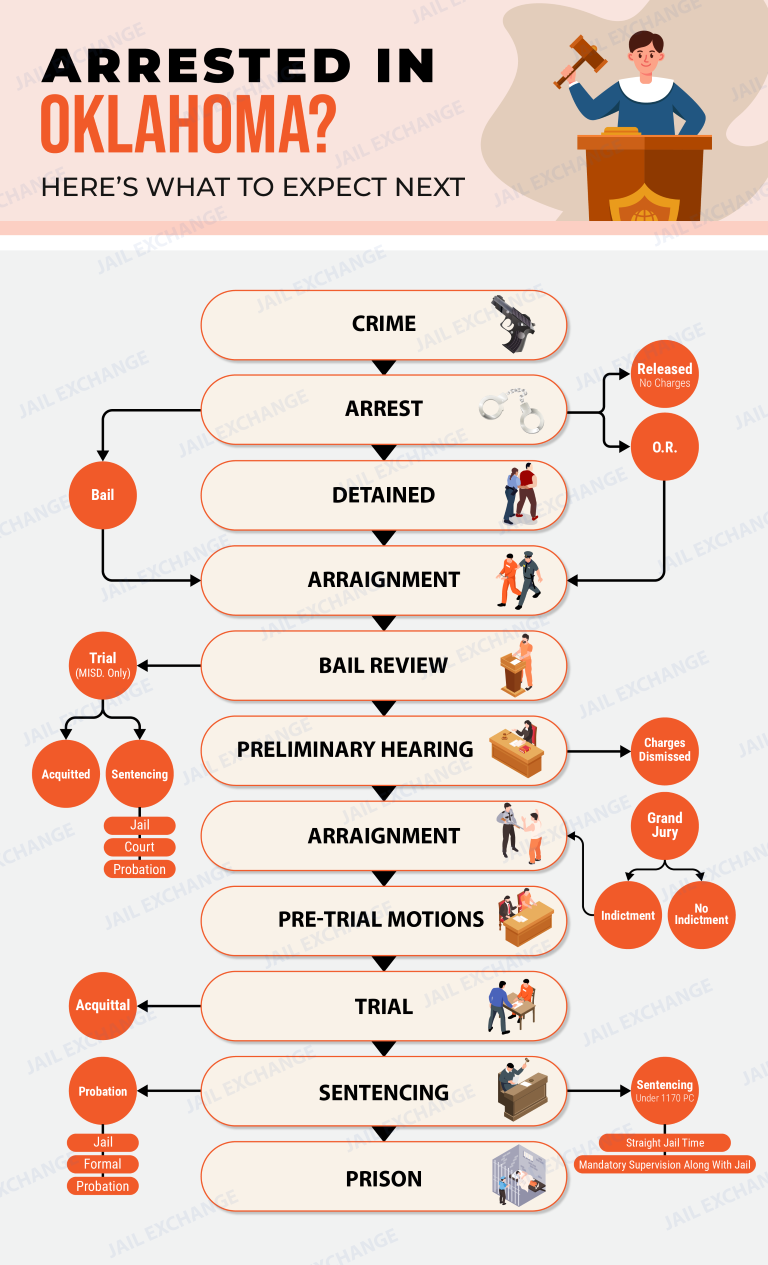

JailATM Commissary Ordering allows family members to purchase pre-approved snack boxes, meat and cheese selections, hygiene bundles, and seasonal gift care packages sent directly to an incarcerated loved one. Each package is tailored to comply with local facility security rules, ensuring items clear intake smoothly without being rejected at the loading dock.
Important: Package Deadlines and Delivery Windows Vary
Detention centers do not all follow identical package distribution schedules. Some facilities allow weekly orders while others restrict shipments to bi-weekly or monthly windows, and spending limits differ widely across institutions. You should confirm the facility's active cutoff schedule and order allowances by calling them directly. If an order is placed after the weekly processing deadline, it will be held until the following distribution cycle, leaving your loved one waiting an extra cycle for fresh supplies.
Step-by-Step Instructions to Place a Commissary Package Order
- Confirm the inmate's legal first and last name, date of birth, and assigned booking identification number.
- Navigate to deposits.jailatm.com/webdeposits/ and sign into your account.
- Select Commissary Packs or Gift Packs from the service menu.
- Choose your state and detention center to open the jail's authorized product catalog.
- Search for the inmate to link the order to their active housing record.
- Browse available food bundles, hygiene kits, and clothing options, adding items up to the facility's allowed spending limit.
- Enter your billing details, complete checkout with a credit or debit card, and save your confirmation receipt.
What the Inmate Needs to Do
The inmate does not need an active online account to receive care packages. JailATM fulfills the order in tamper-evident security containers and delivers it directly to the facility commissary department. Jail staff inspect the shipment and deliver the items during regular housing unit commissary distribution, where the inmate signs for receipt.
Official Provider: JailATM Official Website
Customer Service Telephone: 1-877-810-0914
Support Hours: Monday – Friday, 8:00 AM – 5:00 PM CST
Supported Languages: English and Spanish
Other Services Provided by JailATM
In addition to Commissary Gift Packs, JailATM provides several other communication, financial, and visitation services at participating facilities:
- Inmate Trust & Commissary Money Deposits: Send money directly into an inmate's jail trust account for independent commissary spending.
• Learn more on our website: Inmate Trust Deposits Guide | • Visit official vendor page: JailATM Trust Deposits - Digital Messaging & Picture Sharing: Send electronic messages and photos directly to an inmate's housing unit kiosk.
• Learn more on our website: Digital Messaging Guide | • Visit official vendor page: JailATM Messaging - Remote Video Visitation: Schedule and join live video visits from home using your computer or smartphone.
• Learn more on our website: Video Visitation Guide | • Visit official vendor page: JailATM Video Visits
Buy Commissary for an Inmate in the Atoka County Jail
Atoka County Jail Inmate Commissary - Sending Money or Purchasing Commissary for an Inmate
Atoka County Jail allows inmates to purchase commissary. This can be snacks, hygiene products, stamps, stationary, clothing and even electronics.
You can buy commissary for an inmate using an online service called Jail ATM.
Questions? Call Jail ATM at 877-810-0914.
There is a monthly limit of $200-300 on how much inmates can spend on commissary items.
This amount is subject to change so call the facility at 580-889-2221 in order to confirm the amount that cannot be exceeded.
Inmates have access to both an in-house commissary store, and commissary packages that can be purchased and shipped to the inmate by friends and family.
Scroll down for information on the Atoka County Jail's service they use for you being able to purchase commissary items online and have them shipped directly to the inmate.
You can also go to our Inmate Money page for information on how to send money to an inmate.
JailATM provides a secure electronic payment portal that allows friends and family members to deposit funds directly into an incarcerated person's jail trust and commissary account. Deposited money provides the financial balance needed for your loved one to purchase personal hygiene items, snacks, over-the-counter medical sundries, and correspondence supplies from the facility commissary.
Important: Facility Deposit Rules and Window Intake Vary
Once a person is booked and moved to a housing unit, facilities do not always allow cash drop-offs or phone payments directly to the jail window. Some might and you should confirm this by calling the facility and asking. But if you do not register online and fund your loved one's trust account immediately, they may be forced to wait days or weeks for standard paper processing, leaving them without essential soap, clean undergarments, basic medical sundries or snacks.
Step-by-Step Instructions to Register and Deposit Funds
- Obtain the inmate's legal first and last name, date of birth, and assigned facility booking ID number.
- Navigate to deposits.jailatm.com/webdeposits/ on your computer or mobile device.
- Click Sign In or Register to set up your verified user account using your email address and password.
- Select the state and the detention facility where the inmate is currently housed.
- Search for the inmate using their ID number or legal last name to confirm an exact roster match.
- Enter your desired deposit dollar amount and review the calculated transaction and convenience fees.
- Input your debit or credit card billing details, complete payment authorization, and save your digital receipt.
What the Inmate Needs to Do
The inmate does not need an internet account to receive funds. Once the electronic transaction clears, the balance posts directly to their jail trust ledger according to facility accounting schedules. The inmate can review their updated balance at a dayroom pod kiosk or on their weekly trust statement and place orders on their regular commissary day.
Official Provider: JailATM Official Website
Customer Service Telephone: 1-877-810-0914
Support Hours: Monday – Friday, 8:00 AM – 5:00 PM CST
Supported Languages: English and Spanish
Other Services Provided by JailATM
In addition to Trust & Commissary Money Deposits, JailATM provides several other communication, store, and visitation services at participating facilities:
- Commissary Gift Packs & Store Ordering: Order pre-approved snack boxes, food packages, and hygiene bundles sent directly to the jail.
• Learn more on our website: Commissary Gift Packs Guide | • Visit official vendor page: JailATM Store Orders - Digital Messaging & Picture Sharing: Send electronic messages and photos directly to an inmate's housing unit kiosk.
• Learn more on our website: Digital Messaging Guide | • Visit official vendor page: JailATM Messaging - Remote Video Visitation: Schedule and join live video visits from home using your computer or smartphone.
• Learn more on our website: Video Visitation Guide | • Visit official vendor page: JailATM Video Visits
Deposit Money for an Inmate in the Atoka County Jail
The Easiest and Securest Way of Depositing Money for an Inmate
There are several methods for depositing money on an inmate's account:
1. To send money online to an inmate in the Atoka County Jail use Jail ATM.
.png)
2. If you prefer to use your credit or debit card and deposit money over the phone, you can call them at 877-810-0914.
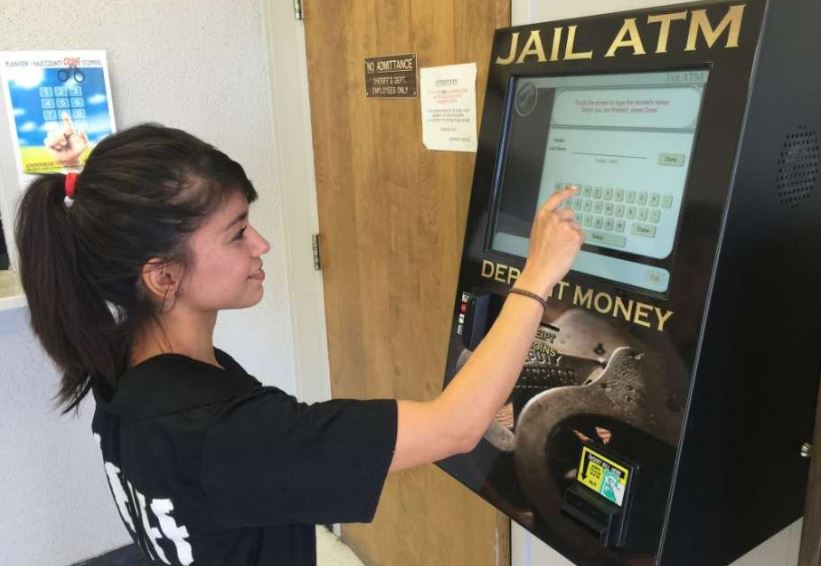
3. Some jails also have a JailATM kiosk for cash or card deposits. Call the Atoka County Jail at 580-889-2221 to ask whether it has one and where it is.
4. The Atoka County Jail may also allow you to *mail an inmate a money order or cashier’s check from a trusted source such as the Post Office, a local bank, or Western Union. Ask the jail who the money order should be made out to and what to write on it. To confirm this option call the facility at 580-889-2221.
*When mailing a money order or cashier’s check, send it an envelope by itself. Never send it with a letter or photos for your inmate, unless the facility allows it. Never send personal checks or cash.
5. To ask whether the Atoka County Jail takes deposits in person, and when, call 580-889-2221.
The Atoka County Jail on East Court Street in Atoka takes ordinary paper mail. Friends, family, lawyers and publishers all send to the single address below, and each envelope is checked for contraband before the inmate gets it. The jail has a zero-tolerance policy on mail that breaks its rules.
Letters, legal mail, publications and money orders:
Inmate's Full Name & Inmate ID#
Atoka County Jail
201 East Court Street
Atoka, OK 74525
- Ink: Blue or black only. Felt markers, crayons and other colors of ink are not allowed.
- Your address: The top left corner of the envelope needs your name and mailing address, or the jail will probably hold the letter back.
- Money orders: Mail them to the jail and write the inmate's ID number in the memo line. On the pay-to line, write the inmate's full name. If you are unsure, call 580-889-2221 to confirm. Online deposits are another choice: send money online.
- Nothing added: Do not draw on the page or the envelope, and do not tuck in glitter, confetti or anything else. Lipstick and perfume are banned too.
- Cards: A plain greeting card gets through, but a musical one does not.
- Books and magazines: They have to be new and mailed by the company that publishes them, and hardcover editions are refused.
- Packages: Ordered through the jail's commissary vendor, never mailed from home.
- Who can write: Mail to or from co-defendants, other inmates, or anyone under a no-contact order is not allowed.
The jail roster shows who is in custody and when they were booked.
Inmate Sales (Combined Public Communications - CPC) provides telecommunications services that allow incarcerated individuals to place outbound voice calls from dayroom telephones or handheld tablets to family and friends. Because correctional facilities do not permit incoming calls, funding an Inmate Sales prepaid account links calling credits directly to your phone number so calls connect without carrier restrictions.
Important: Mobile Phones Automatically Block Inmate Collect Calls
Cellular phone carriers automatically reject standard collect calls originating from jail phone systems. While some residential landlines might permit direct monthly billing, mobile devices and internet-based telephone lines require an active prepaid calling balance, which you can verify by checking with your provider. If you do not register online and fund an Inmate Sales account right away, your loved one will receive an automated disconnect announcement when attempting to call your number.
Step-by-Step Instructions to Register and Fund a Phone Account
- Visit www.inmatesales.com or call customer care at 1-877-998-5678.
- Click New User and register using the primary 10-digit telephone number where you want to receive calls.
- Select the state and facility where the inmate is currently detained.
- Link the inmate to your profile using their full legal name and booking ID number.
- Select Prepaid Collect Phone or Direct Inmate PIN Debit.
- Select your deposit dollar amount and enter your debit or credit card billing details.
- Submit payment, record your confirmation number, and confirm that your mobile phone allows calls from automated or unknown correctional numbers.
What the Inmate Needs to Do
The inmate dials your 10-digit telephone number from any dayroom telephone or tablet and keys in their assigned PIN. The automated system verifies that your phone number has an active prepaid balance and connects the call once you accept the automated prompt. All personal telephone conversations are recorded and monitored by facility staff.
Official Provider: Inmate Sales Official Website
Customer Service Telephone: 1-877-998-5678 or 1-702-829-3001
Support Hours: Monday – Friday, 8:00 AM – 11:00 PM EST; Saturday, 9:00 AM – 5:00 PM EST
Supported Languages: English and Spanish
Other Services Provided by Inmate Sales (CPC)
In addition to Phone Calling Accounts, Inmate Sales provides several other communication and visitation channels:
- Inmate Tablets & Digital Media: Discover educational programs, phone access, and entertainment offered on facility tablets.
• Learn more on our website: Tablet Programs Guide | • Visit official vendor page: Inmate Sales Tablets - Two-Way Texting & Messaging: Send digital text messages and photos directly to an inmate's device.
• Learn more on our website: Digital Messaging Guide | • Visit official vendor page: Inmate Sales Messaging - Remote Video Visitation: Schedule and join live video visits from home using your computer or smartphone.
• Learn more on our website: Video Visitation Guide | • Visit official vendor page: Inmate Sales Video Visits - Commissary & Care Packages: Order pre-approved snack boxes, food packages, and clothing directly to the jail.
• Learn more on our website: Commissary Orders Guide | • Visit official vendor page: Inmate Sales Commissary

City Tele-Coin offers Chirp handheld messaging units that enable incarcerated individuals to send and receive text messages and digital photo attachments directly from their housing areas. Families use the CTC mobile app or web portal to send electronic correspondence, avoiding long transit delays and physical mailroom processing backlogs.
Important: Device Rental and Digital Mail Guidelines Vary
Inmates cannot receive incoming telephone calls, and physical postal mail policies differ widely across jurisdictions. While some detention centers allow paper letters, many facilities utilizing City Tele-Coin restrict physical correspondence or mandate electronic Chirp messaging, which you can verify by checking facility rules. If you do not register online and purchase messaging credits immediately, your loved one may face lengthy periods without direct written contact from family.
Step-by-Step Instructions to Register and Message a Chirp Device
- Go to www.citytelecoin.com or download the CTC Customer app.
- Register your account using your primary 10-digit mobile number and email address.
- Select your state and the facility where your loved one is housed.
- Add the inmate to your contact directory by full legal name or facility booking ID.
- Navigate to Messaging / Chirp and purchase a bundle of messaging credits using a credit or debit card.
- Compose your text message, attach approved JPEG photos if permitted, and submit your transmission for electronic screening.
What the Inmate Needs to Do
All electronic correspondence is screened by facility security staff before delivery. Once approved, the message transmits wirelessly to the inmate's assigned Chirp device. The inmate opens the message, views the attachment, and types an electronic reply using their available message balance.
Official Provider: City Tele-Coin Official Website
Customer Service Telephone: 1-800-682-0707
Support Hours: Monday – Friday, 7:00 AM – 7:00 PM CST; Saturday, 8:00 AM – 5:00 PM CST
Supported Languages: English and Spanish
Other Services Provided by City Tele-Coin (CTC)
In addition to Chirp Messaging Devices, City Tele-Coin offers several communication, banking, and visitation services:
- Inmate Phone Calling Accounts: Prepay for phone calling credits so your loved one can call your telephone directly.
• Learn more on our website: Phone Calling Accounts Guide | • Visit official vendor page: CTC Phone Calling - Remote Video Visitation: Schedule and join live video visits from home using your computer or smartphone.
• Learn more on our website: Video Visitation Guide | • Visit official vendor page: CTC Video Visits - Inmate Trust & Account Deposits: Deposit funds directly into an inmate's jail trust account for independent canteen shopping.
• Learn more on our website: Inmate Trust Deposits Guide | • Visit official vendor page: CTC Trust Deposits
City Tele-Coin provides secure handheld wireless tablets designed specifically for correctional housing pods. Operating on a secure internal network, these devices allow incarcerated individuals to exchange digital messages, make telephone calls, conduct remote video visits, stream approved music, read eBooks, and access self-help legal research materials from their living quarters.
Important: Tablet Hardware Deployment and Feature Rules Vary
Correctional agencies do not manage tablet access under identical contracts. Some facilities provide tablets to every inmate at no hardware cost, while other institutions require daily rental fees or limit tablet use to dayroom hours, which you can verify by checking facility rules. While educational and legal databases are typically free, accessing music, premium games, or outside communications requires an active balance funded by family members.
Step-by-Step Instructions to Fund Tablet Services
- Confirm that City Tele-Coin tablets are active at your loved one's specific detention facility.
- Navigate to www.citytelecoin.com or launch the CTC Customer app.
- Sign into your verified user profile and link the inmate's legal name and booking ID number.
- Select Tablet Media / Messaging and choose your deposit amount.
- Review transaction fees and complete payment with a credit or debit card.
- Notify your loved one that funds have been credited to their media profile.
What the Inmate Needs to Do
The inmate unlocks their assigned tablet using their PIN or biometric scan. Their available balance appears on the screen, allowing them to download songs, read digital books, write messages, and communicate with approved family members.
Official Provider: City Tele-Coin Official Website
Customer Service Telephone: 1-800-682-0707
Support Hours: Monday – Friday, 7:00 AM – 7:00 PM CST; Saturday, 8:00 AM – 5:00 PM CST
Supported Languages: English and Spanish
Other Services Provided by City Tele-Coin (CTC)
In addition to Inmate Tablets & Media, City Tele-Coin offers several core communication channels:
- Chirp Messaging Devices: Send two-way digital text messages and photos directly to handheld units.
• Learn more on our website: Chirp Messaging Guide | • Visit official vendor page: CTC Chirp Devices - Remote Video Visitation: Schedule and join live video visits from home using your computer or smartphone.
• Learn more on our website: Video Visitation Guide | • Visit official vendor page: CTC Video Visits - Inmate Phone Calling Accounts: Prepay for phone calling credits so your loved one can call your telephone directly.
• Learn more on our website: Phone Calling Accounts Guide | • Visit official vendor page: CTC Phone Calling
Atoka County Juvenile Facilities
- Jail (Main): 580-889-2221
- Sheriff: 580-889-2424
The Atoka County Jail serves the following cities and towns of Atoka County: Atoka, Caney, Coalgate, Tishomingo and Wardville.