
Douglas County Jail
Douglas County Jail
Physical Address
1036 SE Douglas AveRoseburg, OR 97470
Jail Phone Number
541-440-4450Douglas County Inmate Search: Tracking Someone Booked in Roseburg
From Elkton down to Glendale, arrested adults are booked into the Douglas County Jail, 1036 SE Douglas Avenue, Roseburg, OR 97470. It holds 232 beds inside the Justice Building and logs roughly 6,552 bookings a year. This page helps you pin down where someone is, then deal with charges, counsel, video visits, deposits, letters, property and hearings.
The Sheriff's Office posts a Jail Custody Roster naming people processed into the jail and the charges they came in on. It updates regularly, though details can shift within hours. Being listed there means arrested, not convicted.
First, dial the jail's question line, 541-440-4440, and give the operator the person's legal name and birthday. Ask about the booking charge and what release would take. Getting them out? Our bail page has the steps, and our court page picks up the case afterward.
Read inmate search answers
 Read inmate search answers
1. Using the Sheriff's Jail Custody Roster, step by step
A notice screen comes before the list itself:
- Open the Jail Custody Roster on any phone or computer.
- Read the notice, then tap "Access Site."
- Put in a last name; a first name trims a long list.
- Click the record. Expect a physical description, the arresting agency's charges and possibly a booking photo.
- Jot down the booking or ID number, since jail staff and the mail service ask for it.
Booking charges are only the opening version and can change. The circuit court clerk holds final outcomes. Anything that looks off can be checked at 541-440-4440.
↑ Back to the question list2. Booked today but nowhere on the roster?
An empty result usually has a plain reason:
- Still in booking. Fingerprints, photos and health screening eat up time. Check back in an hour.
- Already gone. A minor charge can mean release on a signed promise, or a deposit got paid.
- Ticketed instead. An officer may give a criminal citation listing a court date and skip the jail entirely.
- Moved. Another county's warrant, a federal hold or a prison transfer can pull someone out.
- Different spelling. Search again using a nickname, middle name or earlier surname.
- Under 18. Youths are held at juvenile detention and never appear on this list.
Call 541-440-4440 to sort it out. VISOR gives a second, statewide look at county jails and state prisons.
↑ Back to the question list3. Could a jail near Douglas County hold them?
Every adult arrested locally goes to the single county jail. Still, a stop just over the line into a neighboring county, or a warrant from one, can put someone in one of these:
- Lane County Jail, 101 West 5th Avenue, Eugene, OR 97401, 541-682-4263
- Coos County Jail, 200 East 2nd Street, Coquille, OR 97423, 541-396-7850
- Josephine County Adult Jail, 1901 NE F Street, Grants Pass, OR 97526, 541-474-5140
- Jackson County Jail, 787 West Eighth Street, Medford, OR 97501, 541-774-6850
- Klamath County Jail, 3201 Vandenberg Road, Klamath Falls, OR 97603, 541-883-4197
- Curry County Jail, 29808 Colvin Street, Gold Beach, OR 97444, 541-247-3244
Young people stay at the juvenile detention facility, 215 SE Jackson Street, Roseburg, OR 97470. Questions about a youth go to the Juvenile Department, 541-440-4409.
↑ Back to the question list4. Do Douglas County roster records show mugshots?
Sometimes. The opening notice on the Jail Custody Roster warns that entries may carry mugshot images, a description and the charges. Some entries will have no picture.
- HB 3273, passed in 2021, restricts police agencies from giving out booking photos. Exceptions include helping catch a fugitive, and photos may be released after a conviction.
- Mugshot sites that charge for removal must pull a photo within 30 days of a request. The deadline is 7 days, free, if charges were dropped by the court or the conviction was set aside.
- News media may contact the Sheriff's Office at 541-440-4450.
- ICE photos: ICE handles photo requests on its records request page.
- Booking photos from federal arrests are rarely released, though one may appear on a Marshals fugitive notice.
5. Notice of a release, move or escape: VISOR
The Oregon Department of Corrections runs this free notice service, and the jail's own site links to it. It tracks people in state prisons as well as county jails.
- Visit visor.oregon.gov.
- Enter a name, or part of one, or a SID or County ID number, then pass the captcha.
- Choose how you hear (call, email or text) and which events count: release, transfer, escape, death.
- Register with an account or without one. Signing up stays private; the person inside is not told.
Phone help runs 24 hours at 855-691-6246. Alerts can lag, so a frightened victim should make a safety plan with the District Attorney's victim staff as well.
↑ Back to the question list6. How soon could they come home?
In Oregon, release on a promise is the usual first step. Under state guidelines, staff can release many people booked on small nonperson charges with no judge involved. Family violence, sex crimes, Measure 11 crimes and failure to appear wait for the first hearing, under a 36-hour deadline that pauses on weekends and holidays (ORS 135.010).
- A security amount set by a judge usually means paying a tenth of it, never under $25 (ORS 135.265).
- Deposits are cash only here. For the figure, ring 541-440-4440.
- Once business hours end, the Intake Center door J102, on the Justice Building's west wall, takes deposits.
- No bondsmen work in Oregon.
Details on each payment window, refunds and holds are on our bail page.
↑ Back to the question list7. What are they charged with?
The roster lists what the arresting officers charged at booking. Prosecutors then make the real decision. The District Attorney's Office may file those counts, swap them or drop some. It sits in Room JB204 of the Justice Building, 1036 SE Douglas Avenue, Roseburg, OR 97470, 541-440-4388.
Formal charges in a circuit court case are free to view on OJD Records and Calendar Search, no login needed. Class matters in Oregon. At the top, a Class A felony allows up to 20 years in prison. At the bottom, a Class C misdemeanor allows up to 30 days. Violations bring fines only.
↑ Back to the question list8. Counsel for someone sitting in the jail
The ask for an appointed lawyer is made to the judge during the first hearing. Before that, the person completes a financial statement. A screener for the court looks it over. The usual charge is $20, and a judge may waive it.
- Local public defense office: Umpqua Valley Public Defender, 541-957-5344, or 800-400-8256.
- The state agency over appointed counsel: the Oregon Public Defense Commission (OPDC).
- Private lawyer referrals from the Oregon State Bar: 800-452-7636, toll-free inside Oregon.
Relatives can't retain the public defender, but they can phone with useful facts. Defenders are short statewide. Under the federal Betschart order, someone held seven days past that first hearing with no lawyer named usually walks out under release terms.
↑ Back to the question list9. How do Douglas County jail video visits work?
All visiting runs on video, at the Justice Building or from your own device:
- Lobby screens: three units on the third floor, one built for ADA access. They run 8:00 a.m. to 4:30 p.m., Monday to Friday. No charge, but book every session online in advance through the jail's video vendor.
- Remote: a computer, tablet or phone with a webcam, for a fee. On an iPhone, use a browser like Chrome. Safari won't load it.
- Closed days: New Year's Day, Martin Luther King Jr. Day, Presidents' Day, Memorial Day, Independence Day, Labor Day, Veterans Day, Thanksgiving and Christmas.
The jail desk at 541-440-4440 can give the booking link and visitor rules. General advice sits in our visiting guide.
↑ Back to the question list10. Adding funds to a jail account
Three deposit routes are open:
- Third-floor kiosk, beside the jail visiting entrance. Cash, credit or debit, 8:00 a.m. to 5:00 p.m. weekdays, holidays excepted.
- Phone: 866-345-1884, with fees from $3.95.
- Web: Visa or Mastercard, with fees from $2.95.
Each deposit needs the person's full name and booking number. The balance pays for commissary and calls. More help: our money guide, our commissary guide, or the jail at 541-440-4440.
↑ Back to the question list11. How do jail calls work, and who pays?
A private vendor carries jail calls. Families set up an account on its website, and its support line, 888-253-5178, never closes.
- Calls end at 15 minutes.
- Either the person's trust account or a family prepaid account pays.
- Recording covers every call except those with lawyers and verified clergy.
- Patching in a third person, or sharing one account, can get a number blocked.
- Prepaid funds can go in online, by phone at 727-349-1561 (7:00 a.m. to midnight Eastern), at a third-floor kiosk, or by a mailed money order or certified check payable to Smart Communications, P.O. Box 1848, Pinellas Park, FL 33780. Include the prepaid account number and your phone number.
Discuss the case only with the lawyer, never on these lines. For electronic messages, ask jail staff. See our phone guide and messaging guide too.
↑ Back to the question list12. What address do Douglas County Jail letters use?
Personal letters travel to a scanning center in Florida first. Write the envelope like this:
Smart Communications
Douglas County Jail
(Person's full name and booking/ID number)
PO Box 9213, Seminole, FL 33775-9213
- Letters, postcards and greeting cards are fine. All of it gets scanned and read on a tablet inside.
- Print the booking/ID number and name neatly on the outside.
- Sign up for free mail tracking to see deliveries and rejections.
- Once out, the person can download their photos, messages and mail at no cost using their ID number.
Legal mail and publications use the jail's street address: Douglas County Jail, (name and ID), 1036 SE Douglas Avenue, Roseburg, OR 97470. Read our mail guide for more, and keep cash out of envelopes.
↑ Back to the question list13. What happens to their belongings?
Whatever was taken at booking is held for release day. Very little is allowed inside:
- Prescription glasses.
- Religious books of authority, through clergy or a jail program.
- Items jail medical staff approve as medically needed, bought and sent to the jail.
Before dropping something off or collecting property, call 541-440-4440. Find out whether a signed release form naming you is required, and carry photo ID.
↑ Back to the question list14. Medical care, medicine and emergencies inside
Health care in the jail comes from a contracted medical provider. Under Oregon law, a jail may bill a health care fee only when it provides needed care even to people who can't pay (ORS 169.150). It must also keep written plans for emergency medical and dental care (ORS 169.076).
Tell the jail about prescriptions or health problems at 541-440-4440. Name each drug and its dose, plus how to contact the prescriber. Worried about self-harm or a mental health crisis? Say so plainly. For a life-threatening emergency, dial 911.
↑ Back to the question list15. Is some court holding a warrant on them?
County deputies handle warrant service outside town limits, and city officers work inside them. Phone Sheriff's Records at 541-440-4463 or the circuit court at 541-957-2470 to ask. Court cases can also be searched on OJD Records and Calendar Search. Escapees show up on Oregon's DOC Most Wanted. Bigger fugitive cases appear on USMS 15 Most Wanted or on FBI Portland's page. Expect the warrant to list its release security. Clearing one means a lawyer-backed surrender to whichever court signed it, or ringing that court so the clerk can reset the date. Circuit court: 1036 SE Douglas Avenue, Roseburg, OR 97470.
↑ Back to the question list16. Which court sets their next hearing?
Whichever court filed the case owns the date:
- Circuit court, Justice Building, 1036 SE Douglas Avenue, Roseburg, OR 97470, 541-957-2470, weekdays 8:00 a.m. to 5:00 p.m.
- Justice Court, South Douglas, 249 N. Main St., Canyonville, OR 97417, 541-839-4389.
- Reedsport Justice Court, 680 Fir Avenue, Reedsport, OR 97467, 541-271-4868.
Circuit court hearings are listed on the free state court calendars, and you can sign up for text reminders. A city case date comes from that city's municipal court. Our court guide walks through each step from arraignment on.
↑ Back to the question list17. What if federal officers arrested them?
Eugene hosts the federal courthouse for this area: U.S. District Court, District of Oregon, Eugene Division, 405 East Eighth Avenue, Suite 2100, Eugene, OR 97401, 503-326-8000.
- Early on, a magistrate judge picks between locked up and free while the case waits for trial. That choice is made at a detention hearing (18 U.S.C. 3142).
- Until sentencing, federal prisoners are the Marshals Service's responsibility. Staff at 1000 Southwest 3rd Avenue, Room 401, Portland, OR 97204, 503-326-2209, know which jail has the person.
- FCI Sheridan, 27072 Ballston Road, Sheridan, OR 97378, 503-843-4442, houses some federal detainees.
- Once sentenced, look them up on the Federal Bureau of Prisons inmate locator by name or register number.
18. An immigration hold on someone in this jail
Here is how immigration holds play out:
- An ICE detainer, Form I-247A, asks a jail to keep someone for up to 48 hours after they would otherwise be released (8 CFR 287.7(d)).
- Oregon's sanctuary laws (ORS 181A.820 to 181A.829, made stronger by HB 3265 in 2021) bar police and jails here from honoring immigration papers unless a judge signed them. As a result, a detainer alone generally isn't enough for the jail to hold someone, and release details don't go to ICE for enforcement.
- An ICE arrest somewhere else puts the case under the Seattle Field Office. Its Medford check-in office serves this county: 3715 International Way, Medford, OR 97504, 541-690-8813, Wednesdays 8:00 a.m. to 3:00 p.m.
- Search the ICE Online Detainee Locator. It takes an alien registration (A) number, or a name paired with the home country.
Questions about Oregon's sanctuary rules can go to the Department of Justice hotline, 844-924-7829.
↑ Back to the question list19. Tracing someone moved to an Oregon prison
Once a judge orders prison time, custody shifts to the Oregon Department of Corrections. Roughly 30 days of intake happen at Coffee Creek Correctional Facility, 24499 SW Grahams Ferry Road, Wilsonville, OR 97070. Men later move to whichever prison DOC assigns.
- Search the Oregon Offender Search by name.
- Letters during intake need the State ID (SID) number. In-person visits start after intake.
- DOC's main number: 503-945-9090.
- Rules on visits and letters differ by institution; our Oregon state prisons guide lists them.
20. Is a Douglas County teen in custody?
Teens go to the juvenile detention facility, 215 SE Jackson Street, Roseburg, OR 97470, never the adult jail, so they are left off the adult roster. Ages 12 through 17 fall to the county Juvenile Department. Staff there, at 541-440-4409, know which unit has the child and the next hearing date. Juvenile case files are kept off the public state court search.
↑ Back to the question list21. Douglas County arrests: which agency did it?
The arresting agency appears on the roster record. These agencies cover 111,951 people, by the Census Bureau's July 1, 2025 estimate. Each town's head count comes from Portland State University's certified estimate for that day.
- Sheriff's Office, 1036 SE Douglas Avenue, Roseburg, OR 97470, 541-440-4450. Deputies patrol rural areas and towns without a police department.
- County 9-1-1 non-emergency dispatch, 1036 SE Douglas Ave, Rm 112, Roseburg, OR 97470, 541-440-4471. It sends out the Sheriff and the Sutherlin, Winston and Myrtle Creek police.
- Roseburg Police Department (city of 23,910), 700 SE Douglas Avenue, Roseburg, OR 97470, 541-492-6760.
- Sutherlin (8,591), Winston (5,607) and Myrtle Creek (3,501) police: call county dispatch.
- Reedsport (4,362): Reedsport Police Department, 146 N. 4th Street, Reedsport, OR 97467, 541-271-2100.
- Canyonville (1,643), Riddle (1,237), Drain (1,204), Yoncalla (1,086), Oakland (954), Glendale (859) and Elkton (204): call the Sheriff's Office.
- Oregon State Police area command, 6536 Old Highway 99 N, Roseburg, OR 97470, 541-440-3334.
- Cow Creek Tribal Police, 2360 NE Stephens St., Roseburg, OR 97470, plus a substation at 270 Gazley Bridge Rd., Canyonville, OR 97417, 541-691-1432, weekdays 7:00 a.m. to 5:00 p.m.
- U.S. Forest Service and BLM officers on federal land, also sent out by county dispatch.
Douglas County Bail and Release
Deputies, troopers and city officers from Reedsport to Glendale bring adults to the Douglas County Jail, 1036 SE Douglas Avenue, Roseburg, OR 97470. The Sheriff's Office operates it inside the Justice Building. This page explains Oregon's release rules, the doors and windows that take a cash deposit, how refunds get figured and the holds that can keep someone behind bars even after paying.
Confirm the booking first on the Sheriff's Jail Custody Roster. Next, families can use our Inmates in Custody lookup. It is all about the arrest and the jail stay: new arrests, who is held, open warrants, the charges, mugshot rules, free lawyers and the property room.
Ring the jail desk at 541-440-4440. Staff will want a legal name plus a birth date. In return, ask for the security figure, the charge behind it and whether a judge has to rule before release. After release, the case story continues on our court page.
1. Who rules on release after a Douglas County arrest?
That depends on the charge. For minor charges, a standing court order lets jail staff release some people right away. Other times a judge must decide. ORS 135.245 requires that anyone held in jail see a judge "without undue delay."
For someone sitting in jail, the arraignment deadline is 36 hours, a clock that pauses over Saturdays, Sundays and holidays (ORS 135.010). A Friday evening booking can mean waiting until Monday or Tuesday. Many Oregon jails connect the defendant to that first hearing by video.
The judge rules on release at the first appearance. That ruling may be delayed. Even so, the law allows only 48 hours, and day 5 is the outer limit (ORS 135.245). Felony and most jail cases go to the Douglas County Circuit Court, 1036 SE Douglas Avenue, Roseburg, OR 97470, 541-957-2470, staffed 8:00 a.m. to 5:00 p.m. Monday through Friday.
↑ Back to the question list2. Recognizance, conditions or security: which one applies?
Oregon statutes say "security," and nearly everybody else says "bail." The law gives three ways out (ORS 135.230):
- Personal recognizance. No money changes hands. The person just signs and promises to come back for every hearing. Oregon treats this as the default (ORS 135.245).
- Conditional release. The person leaves but lives under rules. Frequent examples: show up on a fixed day, stay inside Oregon without the court's OK, and keep clear of the alleged victim (ORS 135.250).
- Security release. Money or land is pledged to back up the promise.
Judges must reach for the mildest rule that still guards the victim and the wider public (ORS 135.245). Shortly after booking, the person usually sits down with a release assistance officer. That officer writes a report for the judge, and in some cases makes the call (ORS 135.235).
↑ Back to the question list3. Is there a price list for Oregon charges?
No price list covers every Oregon charge. Under SB 48 of 2021 (ORS 135.233), the Chief Justice writes release guidelines for the whole state, and every judicial district builds a standing order on top. Counties have used them since July 1, 2023. They split charges into three baskets:
- Out on a promise. Plenty of property and nonperson crimes, like most thefts, second-degree burglary, drug possession and driving while suspended.
- Out with rules from a judge. DUII, assault-type misdemeanors with no family violence, and many Class B felonies.
- Stuck until a judge rules. Family violence. Sex crimes. Measure 11 crimes and any Class A felony. Skipping court. Felony stalking or choking. Some Class B drug making or dealing charges, and drug crimes that drag in kids.
If a judge names a security figure, the family normally hands over a tenth of it, with $25 as the floor (ORS 135.265). Security of $5,000 means $500 at the window. Warrants usually print the needed amount (ORS 133.140). For your case, ring the jail desk at 541-440-4440.
↑ Back to the question list4. How does posting work at door J102?
The Sheriff's Office takes deposits at its Intake Center, door J102. Look for it on the west outside wall of the Justice Building, 1036 SE Douglas Avenue, Roseburg, OR 97470, close to the new youth detention wing. Daytime justice court cases and city cases from outside the county seat use it, and so does every case once the courthouse closes. Here's the order to work in:
- Dial 541-440-4440 with the full name and birth date handy.
- Learn the deposit figure, the court in charge and any hold that blocks release.
- Confirm whether door J102 or a courthouse window should get the money, since that turns on the court and the hour.
- Carry cash for the whole deposit, and ask on that call which ID to bring.
- Insist on a receipt printed with your own name. Only the person shown there can claim a refund.
A release agreement listing every rule gets signed at the door. Read it together.
↑ Back to the question list5. Can Room 201 or City Hall take the deposit?
On weekdays, two more counters take deposits, each for its own kind of case:
- Circuit court charges: the court clerk, Room 201, second floor of the Justice Building, 1036 SE Douglas Avenue, Roseburg, OR 97470, 541-957-2470. Hours run 8:00 a.m. to 5:00 p.m. on weekdays, closed for legal holidays.
- Arrests by city police in the county seat: Roseburg City Hall, 900 SE Douglas Avenue, Roseburg, OR 97470, during business hours. The municipal court there answers at 541-672-7701.
At either counter: phone first to confirm the figure, hand over cash, and pocket the receipt. Once those counters close, both kinds of case shift to the Intake Center door. A quick call to 541-440-4440 can save a wasted drive.
↑ Back to the question list6. Will the counters take a card or check?
No. The Sheriff's bail rules accept cash and nothing else, so checks, money orders and cards stay home. Bring the money in person to the jail or the correct court counter.
- Count it twice before leaving, and aim for the exact figure.
- Your deposit cash is protected. Police need a warrant or a court seizure order before they can take it from you (ORS 135.275).
- The court tells the IRS and the U.S. Attorney about any deposit over $10,000.
7. Are there bondsmen in Oregon?
Not one. The state has no bail agents and no for-profit bond businesses, and no one collects a cut for springing your person. Relatives pay the court or jail directly.
Your choices instead:
- The 10 percent deposit. Any grown-up may pay it, and the refund follows whoever is printed on the receipt.
- The full figure. Oregon law also accepts the entire security amount in cash, stocks, bonds or in-state property. Property has to carry equity of twice the security, with a sworn affidavit (ORS 135.265).
- A request to cut it. Defense counsel may ask the judge for less, or for release on a promise.
Whoever signs on as surety agrees to cover the whole security figure if the release terms get broken (ORS 135.230). Weigh that before signing.
↑ Back to the question list8. Deposit paid but still inside: why?
One deposit only clears one case. Before paying, check for these:
- A second case or warrant. Release on it is a separate matter.
- Probation or parole. Here, state Department of Corrections staff supervise people at 1036 SE Douglas Avenue, Room JB206, Roseburg, OR 97470, 541-957-8148. A violation can trigger a separate hold.
- A charge that waits for court. Family violence and similar charges sit until the first appearance.
- Federal custody. Nothing moves until federal officers or a federal judge act.
- Someplace else's warrant. The county or state that issued it controls release.
In domestic abuse, sexual offense and hate-motivated (bias) crime cases, contacting the alleged victim is forbidden. That covers jail phone calls and notes carried by relatives (ORS 135.247). Don't play messenger. To hear every hold, phone 541-440-4440.
↑ Back to the question list9. When may Oregon hold someone with no release?
Charges of murder, aggravated murder and treason can mean no bail at all if the proof is evident, under Oregon's constitution (Or. Const. art. I § 14 and § 43). The statute repeats that rule for strong proof or a strong presumption of guilt (ORS 135.240).
Violent felonies get a hearing. If the court finds the person could hurt the victim or the public, or put someone at risk of sexual harm, release is denied (ORS 135.240). Victims also have a say on release under the state constitution.
Prosecutors who argue against release work at the District Attorney's Office, 1036 SE Douglas Avenue, Room JB204, Roseburg, OR 97470, 541-440-4388.
↑ Back to the question list10. Can the judge shrink the security figure?
When life changes, so can the release terms. The court may adjust the agreement or the dollar figure (ORS 135.285). Families can help this way:
- Have defense counsel file a motion in the court hearing the case.
- Gather proof that roots the person here: a paycheck stub, a lease, a letter from a boss and a realistic budget.
- Offer conditions that ease the court's fears, such as reporting in or going to treatment.
- Come to the hearing. Steady relatives in the gallery can matter.
There is also the Betschart order from federal court. When a jailed defendant has gone a full week after the first appearance without counsel, that person generally has to be freed on conditions, though the prosecution goes on. To ask when a bail review can be heard, call the circuit court clerk at 541-957-2470.
↑ Back to the question list11. How does a broke defendant get counsel?
Standing before the judge that first time, the defendant asks for court-paid counsel. A court screener reviews a sworn form about money coming in and what they own. Expect a $20 application fee that can be waived, plus a possible contribution ordered later. Nobody goes without a lawyer because they're broke.
- Local office: Umpqua Valley Public Defender, 541-957-5344, or toll-free 800-400-8256. Phone for directions to the office.
- State agency: the Oregon Public Defense Commission (OPDC). Its trial division runs a southern region that includes this county.
Defenders are scarce across Oregon. As 2025 drew to an end, about 2,500 Oregonians were still waiting on one, about 160 of them from inside a jail.
↑ Back to the question list12. Which Douglas County courts hear adult charges?
Almost all criminal work happens in one Roseburg building. These courts take adult cases:
- Circuit Court (16th Judicial District; felonies and most misdemeanors), Justice Building, 1036 SE Douglas Avenue, Roseburg, OR 97470, 541-957-2470. The clerk works on the second floor.
- Justice Court, South Douglas, 249 N. Main St., Canyonville, OR 97417, 541-839-4389. Open 8:30 a.m. to 5:00 p.m. weekdays for misdemeanors, traffic and violations.
- Reedsport Justice Court, 680 Fir Avenue, Reedsport, OR 97467, 541-271-4868. Calls for the shuttered Drain court come here.
- City courts: Roseburg 541-672-7701, Sutherlin 541-459-4636, Winston 541-679-5561, Myrtle Creek 541-863-3171, Reedsport 541-271-2109 and Riddle 541-874-2571. Phone each one for its street address.
- Federal court, Wayne L. Morse U.S. Courthouse, 405 East Eighth Avenue, Suite 2100, Eugene, OR 97401, 503-326-8000.
13. Refunds and forfeits: where does the money go?
The court holds the money until the whole case wraps up, which means after sentencing if there is a conviction. Then the clerk returns 85 percent to whoever the receipt names. It keeps 15 percent, never under $5 or over $750, along with the interest (ORS 135.265). Put in $1,000, and $850 returns while $150 stays.
- No refund goes out until a judge signs an order.
- The court may first pay fines, costs, restitution, lawyer fees or child support from it, in this case or any other Oregon case.
- Missing a date can bring an arrest order, and the security is declared forfeited. Forfeit means the whole amount set, not merely the tenth that was paid, and a civil judgment can follow for what is left unpaid (ORS 135.280).
- Failing to appear also adds a brand new charge. How serious depends on the first case: Class C felony for felony cases, Class A misdemeanor for misdemeanor cases (ORS 162.195, 162.205).
Guard the receipt. For refund help, phone the circuit court clerk at 541-957-2470.
↑ Back to the question list14. What about leftover funds and booked items?
Before release day, ask jail staff what happens to any balance on the person's account and the items logged at booking. The jail desk at 541-440-4440 can explain how leftover funds get paid out and when belongings can be collected. The Sheriff's business office answers at 541-440-4450.
Collecting for somebody else? Check first whether they need to sign a form naming you. For deposits onto an account, see our inmate money guide.
↑ Back to the question list15. Federal charges from Douglas County: who rules?
Federal cases skip the circuit court. They belong to the Eugene Division of the U.S. District Court for the District of Oregon, and its clerks staff the Wayne L. Morse U.S. Courthouse on Eighth Avenue: 405 East Eighth Avenue, Suite 2100, Eugene, OR 97401, 503-326-8000, weekdays 8:00 a.m. to 5:00 p.m.
- Soon after charges are filed, a federal judge holds what the law calls a detention hearing. The judge picks home or a cell for the months before trial (18 U.S.C. 3142).
- Until trial, a federal detainee is the Marshals' responsibility. The U.S. Marshals' Oregon headquarters sits at 1000 Southwest 3rd Avenue, Room 401, Portland, OR 97204, 503-326-2209. Phone them to learn where the person is kept.
- That could be a contract jail somewhere in Oregon, or FCI Sheridan, 27072 Ballston Road, Sheridan, OR 97378, 503-843-4442.
- Appointed federal lawyers work out of the Federal Public Defender's Eugene office, 859 Willamette St., Suite 200, Eugene, OR 97401, 541-465-6937.
- After a federal sentence, search the Federal Bureau of Prisons inmate locator.
16. Security paid, ICE detainer filed: what next?
A deposit settles the state side and nothing more. An immigration hold has its own path:
- Form I-247A is the detainer. Immigration and Customs Enforcement (ICE) can lodge one at the jail.
- The form wants staff to keep custody for up to 48 hours after they would otherwise be released (8 CFR 287.7(d)).
- Oregon's sanctuary laws (ORS 181A.820 to 181A.829, made stronger by HB 3265 in 2021) change this. Oregon officers and jailers may not honor immigration paperwork that lacks a signature from a judge. So a detainer alone generally won't hold your person past release. Jail staff also generally won't pass release times to ICE for its enforcement work.
- Oregon falls under ICE's Seattle Field Office. Its Portland office sits at 4310 S Macadam Ave, Suite 300, Portland, OR 97239, 503-326-4165.
- If ICE picks the person up somewhere, check the ICE Online Detainee Locator using name and birth country.
17. Where does Douglas County prison time start?
Prison terms are served with the Oregon Department of Corrections. Everyone sentenced there begins at Coffee Creek Correctional Facility, 24499 SW Grahams Ferry Road, Wilsonville, OR 97070, where intake runs about 30 days. Because Coffee Creek doubles as Oregon's prison for women, women serve their time there. Men are assigned elsewhere once intake ends.
- Track location with the Oregon Offender Search.
- General DOC questions: 503-945-9090.
- For each prison's address and rules, open our Oregon state prisons guide.
Back home after prison, parole or post-prison supervision here falls to state corrections staff. Most other Oregon counties use county officers instead.
↑ Back to the question list18. A teen from Douglas County was arrested. Now what?
Arrested kids from 12 to 17 are a matter for the county Juvenile Department and the juvenile court. Detention happens at the juvenile detention facility, 215 SE Jackson Street, Roseburg, OR 97470. The adult lockup is off limits for them.
Thanks to SB 1008, in force since 2020, older teens accused of Measure 11 crimes are not shipped to adult court on autopilot anymore. A waiver hearing comes first, and the judge decides. State youth custody belongs to the Oregon Youth Authority.
Parents can reach the Juvenile Department at 541-440-4409 for the youth's location and hearing time.
↑ Back to the question listVisitation Schedule
There are two video visitation units on the 3rd floor lobby of the Justice Building which is available for use Monday through Friday from 7:30 am to 4:30 pm, excluding holidays.
The use of these visitation units are free of charge, but must be scheduled online at CIDNET.net.

CIDNET Video Visitation allows families to conduct live, face-to-face video visits with incarcerated loved ones from home. Using an internet-connected smartphone, tablet, or personal computer equipped with a webcam, visitors connect directly through housing-unit video stations or handheld tablets without traveling to the facility or waiting in jail visitor lobbies.
Important: Advance Registration and Visitor Clearance Required
Detention centers do not permit unscheduled or unverified video sessions. Correctional facilities require prospective visitors to submit government-issued photo identification and receive administrative clearance before booking an appointment, an approval process that can take up to 48 hours depending on facility staffing. You should verify your visitor approval status with the facility prior to scheduling. If you do not register well in advance, you will miss your loved one's scheduled visiting window for the week.
Step-by-Step Instructions to Register and Schedule a Video Visit
- Visit customer.cidnet.net or launch the CIDNET app.
- Register your visitor profile and upload a clear photograph of your government-issued ID and a verification photo.
- Wait for email notification confirming institutional visitor approval.
- Ensure your account has sufficient Data Points to cover the duration of the visit.
- Select Video Visitation, select the detention facility, and pick an available calendar time slot.
- Log into the website or mobile app 10 minutes prior to the start time on a device with a functioning camera, microphone, and stable high-speed internet connection.
What the Inmate Needs to Do
The inmate receives a schedule notification on their housing unit video kiosk or tablet. At the appointed time, they log in with their PIN and sit before the screen. Inmates and visitors must strictly observe jail dress and conduct rules; sessions are monitored by staff and will terminate immediately upon any violation.
Official Provider: CIDNET Customer Portal | Encartele Corporate
Customer Service Telephone: 1-888-984-1903
Support Hours: Monday – Friday, 8:00 AM – 5:00 PM CST
Supported Languages: English and Spanish
Other Services Provided by CIDNET
In addition to Remote Video Visitation, CIDNET provides several other communication channels:
- Data Points (Unified Funding): Purchase the central credits that power video visitation, calling, and messaging.
• Learn more on our website: CIDNET Data Points Guide | • Visit official vendor page: Buy CIDNET Data - Inmate Messaging & Digital Mail: Send electronic text messages and digital photo attachments directly to an inmate's terminal.
• Learn more on our website: CIDNET Messaging Guide | • Visit official vendor page: CIDNET Messaging Portal - Phone PINs & Voice Calling: Fund prepaid telephone calling so your loved one can call your mobile device.
• Learn more on our website: CIDNET Phone Calling Guide | • Visit official vendor page: CIDNET Voice Calling
Douglas County Criminal Court Guide
Adults charged in the Umpqua Valley usually wait for court in the Douglas County Jail, 1036 SE Douglas Avenue, Roseburg, OR 97470. Their circuit court hearings take place upstairs in that same Justice Building. Below, the circuit, justice and city courts get sorted out, and a case is traced from its first hearing to the sentence.
Check the Sheriff's Jail Custody Roster to see if your person is booked today. For everything tied to the arrest and the jail stay, our Inmate Search page covers new bookings, the people now held, warrants, what a charge means, booking photos, appointed defenders and getting property out.
For a first phone call, try the circuit court clerk's line, 541-957-2470. Share the defendant's full name, then write down three things the clerk gives you: case number, hearing time and courtroom. Getting someone released first? Start with our bail page.
1. Who hears a felony, and who hears a misdemeanor?
How serious the charge is steers it to a court:
- Circuit court, the state trial court, takes all felonies and most misdemeanors the District Attorney files.
- Justice courts in Canyonville and Reedsport take misdemeanors, traffic tickets and lesser violations. The county, not the state, operates them.
- Municipal courts deal with city rule-breaking and a share of state charges inside their own limits.
Every Oregon crime has a class. Prison caps for felonies: 20 years (Class A), 10 years (Class B), 5 years (Class C). On the misdemeanor side, the caps are 364 days (Class A), 6 months (Class B) and 30 days (Class C). Violations bring fines only.
↑ Back to the question list2. Where do Douglas County criminal courts sit?
Nearly every hearing happens in the Justice Building. Each court, with its phone:
- Douglas County Circuit Court, 16th Judicial District, 1036 SE Douglas Avenue, Roseburg, OR 97470, 541-957-2470. Doors open 8:00 a.m. to 5:00 p.m. on weekdays, closed legal holidays. Criminal filings are handled on the second floor, and the treatment courts meet in Courtrooms 303, 402 and 403.
- Justice Court, South Douglas, 249 N. Main St., Canyonville, OR 97417, 541-839-4389. Hours run 8:30 a.m. to 5:00 p.m. Monday through Friday, and mail goes to P.O. Box 376.
- Reedsport Justice Court, 680 Fir Avenue, Reedsport, OR 97467, 541-271-4868.
- Law library inside the circuit court, 541-440-4341. Phone for hours.
Only the circuit court belongs to the Oregon Judicial Department. The two justice courts are county offices led by elected justices of the peace.
↑ Back to the question list3. Do Sutherlin, Winston and other towns run courts?
The circuit court's agency list names six city courts. Phone each for its address and court days:
- Roseburg Municipal Court, 541-672-7701. Deposits on city police arrests are taken at City Hall, 900 SE Douglas Avenue, Roseburg, OR 97470.
- Sutherlin Municipal Court, 541-459-4636
- Winston Municipal Court, 541-679-5561
- Myrtle Creek Municipal Court, 541-863-3171
- Reedsport Municipal Court, 541-271-2109
- Riddle Municipal Court, 541-874-2571
That list leaves out Canyonville, Drain, Elkton, Glendale, Oakland and Yoncalla. After an arrest in any of them, the circuit court clerk at 541-957-2470 can tell you which court took the case. Drain's old justice court is closed. Its calls now go to Reedsport.
↑ Back to the question list4. Arraignment day: what does the judge cover?
For most people, arraignment is court date number one. A jailed defendant must get there inside 36 hours, but the clock stops for Saturdays, Sundays and legal holidays (ORS 135.010). Someone out of custody has up to 96 hours. Expect this:
- The judge states the accusation, then asks the defendant to plead (ORS 135.020).
- Rights are explained, including having counsel before arraignment (ORS 135.040).
- A defendant who cannot pay for counsel asks for one here and fills in a financial statement.
- Release gets decided right then, or the judge schedules a separate release hearing within 48 hours (ORS 135.245).
- Felony complaints come with word of a preliminary hearing right. For a jailed defendant that hearing should come within 5 judicial days (ORS 135.070).
Felony defendants have to attend in person. In misdemeanor cases, counsel may appear for them (ORS 135.030).
↑ Back to the question list5. How do Douglas County DUII and drug cases move?
Lots of misdemeanor cases begin with a ticket, not a booking. That criminal citation names a court date, generally within 30 days (ORS 133.055, 133.060), and a no-show can lead to a warrant.
- DUII. A judge normally sets release conditions. A first-time driver might fit the court's DUII Diversion track, so ask the defense lawyer whether it applies.
- Drug possession. HB 4002 made possession a crime again on September 1, 2024. Oregon labels it a drug enforcement misdemeanor with no class, and jail time can reach 180 days. The typical offer is a conditional discharge: a year of pre-plea probation with treatment, after which the judge dismisses it.
- Family violence misdemeanors. Courtroom 403 hosts the Domestic Violence Court. It tracks each defendant through a state-certified batterer's intervention program lasting up to 52 weeks, with monthly reviews.
A not guilty plea puts a trial on the calendar. The longest misdemeanor term is 364 days, for Class A.
↑ Back to the question list6. Indictment, trial, sentence: the felony road
Felonies tend to follow this path:
- First appearance in circuit court. Release is settled and a lawyer is assigned.
- Charging. Grand jurors may vote an indictment. Instead, the case may get a preliminary hearing, which moves forward only after a judge finds probable cause (ORS 135.175, 135.185).
- Arraignment on the felony charge, with a plea entered.
- Discovery, motions and plea bargaining.
- Trial. After Ramos v. Louisiana (2020), a conviction requires a unanimous jury.
- Sentencing using Oregon's grid, which pairs the crime's seriousness with the person's history.
Some defendants avoid a felony record through the adult Drug Court. It holds status hearings Mondays and Thursdays at 8:30 a.m. in Courtroom 303 and can serve 65 people. Mental Health Court sits Tuesdays at 2:00 p.m. in Courtroom 402, with 18 to 36 months of probation.
↑ Back to the question list7. Measure 11, family violence and other serious charges
The rules tighten for the most serious cases:
- Fixed prison minimums. Since voters passed Measure 11 in 1994, serious crimes against people carry set minimum prison terms. Good behavior does not shorten them. Murder carries a floor of 25 years.
- A wait for the judge. People facing Measure 11 counts, Class A felonies, sex offenses or family violence charges stay locked up until a judge rules on release.
- Release refused. On a violent felony, a hearing on danger to the victim or community can end with no release (ORS 135.240).
- Contact banned. In family violence, sex crime and bias cases, the defendant may not get in touch with the alleged victim. Using a friend or relative as a go-between is banned too (ORS 135.247).
- Victim input. Victims of violent felonies are entitled to be consulted before a plea deal (Or. Const. art. I § 42).
8. Which offices prosecute and defend Douglas County cases?
Each of Oregon's 36 counties picks its own District Attorney at the ballot box (ORS 8.610). This one works from the Justice Building, 1036 SE Douglas Avenue, Room JB204, Roseburg, OR 97470, 541-440-4388. That office files the circuit court charges and makes plea offers.
Defense lawyers appointed by the court are funded by the Oregon Public Defense Commission (OPDC). Locally, that is Umpqua Valley Public Defender, 541-957-5344, or 800-400-8256 toll-free. Ask on the phone where to meet. Plan on a $20 application fee unless the judge waives it.
The state still runs short of defenders. The federal Betschart order says a jailed defendant who still lacks a lawyer once 7 days pass after the first hearing must generally be let go on conditions. Hiring privately? The state bar's lawyer referral number is 503-684-3763.
↑ Back to the question list9. How do I track a case online?
Anyone can search circuit court files at no cost on OJD Records and Calendar Search. To use it:
- Open the portal and choose the circuit court record search.
- Enter the person's name, or the case number if you have it.
- Scroll through events, set hearings and results. Filed documents stay off the free version.
No account is required, and youth cases never appear. For a fee, OJCIN OnLine subscribers can read the official register. When the portal is offline, the courthouse has free public terminals, or phone the clerk at 541-957-2470. Staff give case facts, never legal advice.
The court also offers hearing reminders by text. For a justice or city court case, phone that court, since its files sit outside the state portal.
↑ Back to the question list10. Checking for a warrant and turning it in
Sheriff's deputies handle warrants countywide, and each city's officers handle their own streets. Ask about a warrant through Sheriff's Records at 541-440-4463 or the circuit court clerk at 541-957-2470, or search the name on the OJD case portal from any phone. State and federal agencies post wanted lists too: Oregon DOC Most Wanted for prison escapees, the Marshals' 15 Most Wanted and the FBI's Portland field office. Most warrants state the security amount for release. To resolve one, line up a lawyer, then either walk into the issuing court with that lawyer or phone the court to reschedule. Circuit court: 1036 SE Douglas Avenue, Roseburg, OR 97470.
↑ Back to the question list11. Federal charges: which court and which offices?
A federal case from this county runs through the Eugene Division of the U.S. District Court for the District of Oregon. Clerk's office: Wayne L. Morse U.S. Courthouse, 405 East Eighth Avenue, Suite 2100, Eugene, OR 97401, 503-326-8000, weekdays 8:00 a.m. to 5:00 p.m.
- Charges are brought by the U.S. Attorney, whose Eugene branch is at 405 E 8th Ave., Suite 2400, Eugene, OR 97401, 541-465-6771.
- A detention hearing near the start decides custody pending trial (18 U.S.C. 3142). Eugene's U.S. Pretrial Services office prepares background for that hearing: 405 East Eighth Avenue, Room 1800, Eugene, OR 97401, 541-431-4080.
- Federal prisoners ride to court in U.S. Marshals Service vans, and that agency also decides where they sleep. Office: 1000 Southwest 3rd Avenue, Room 401, Portland, OR 97204, 503-326-2209.
- People who can't afford counsel are defended by the Federal Public Defender, 859 Willamette St., Suite 200, Eugene, OR 97401, 541-465-6937.
- After sentencing, the Federal Bureau of Prisons inmate locator shows the prison.
12. Does an ICE detainer affect a state court case?
State charges keep moving no matter what immigration agents do. Here is the usual sequence:
- The detainer, Form I-247A, is ICE's request for a jail to hold someone up to 48 hours after they would otherwise be released (8 CFR 287.7(d)).
- Oregon's sanctuary laws (ORS 181A.820 to 181A.829; HB 3265 of 2021) forbid state and local officers from enforcing immigration orders a judge never signed. A detainer alone, then, is generally not enough to hold a person in a county jail here, and jail staff generally will not alert ICE to a release time.
- Courthouses get extra protection. Immigration agents may not make a civil arrest inside one without a judge's warrant or order (HB 3265).
- Oregon sits within ICE's Seattle Field Office territory, with a Portland office at 4310 S Macadam Ave, Suite 300, Portland, OR 97239, 503-326-4165.
- Search ICE custody on the ICE Online Detainee Locator.
Any plea can affect immigration status. Non-citizens should raise that with defense counsel before deciding.
↑ Back to the question list13. Where is an Oregon prison term served?
The Oregon Department of Corrections takes over after a prison sentence, and newly sentenced men and women are processed at Coffee Creek Correctional Facility, 24499 SW Grahams Ferry Road, Wilsonville, OR 97070, which takes around 30 days. Visits are off during intake. Phone calls and letters still work, addressed with the State ID (SID) number.
- Learn which prison holds them through the Oregon Offender Search.
- Intake help line: 503-570-2259.
- Prison-by-prison details: our Oregon state prisons guide.
Unlike most counties, this one has state DOC officers supervising probation and parole. Their office, Douglas County Community Corrections, is at 1036 SE Douglas Avenue, Room JB206, Roseburg, OR 97470, 541-957-8148, and watches over more than 1,000 adults.
↑ Back to the question list14. Which court handles a 15-year-old's charge?
Charges against youth 12 through 17 go to juvenile court. The county Juvenile Department screens each referral and supervises probation; reach it at 541-440-4409. Detained youth are held at the county juvenile detention facility, 215 SE Jackson Street, Roseburg, OR 97470, away from adult prisoners.
- Older teens accused of a Measure 11 crime now reach adult court only through a waiver hearing. That change came from SB 1008 (2019).
- A judge may order county probation, or commitment to the Oregon Youth Authority and its youth correctional facilities.
- Youth records never appear on the public court portal.
15. What help do Douglas County crime victims get?
Two sections of Oregon's constitution spell out what crime victims are owed (Or. Const. art. I §§ 42 and 43). Some protections work with no paperwork, like being heard at a release hearing or at sentencing. Other rights, like advance word of hearings and of the defendant's release, start only after the victim asks.
- Victim advocates at the District Attorney's Office, 1036 SE Douglas Avenue, Room JB204, Roseburg, OR 97470, walk victims through the case: 541-440-4384.
- Release and transfer alerts come through VISOR, free and confidential: 855-691-6246, open around the clock.
- After a violent crime, the state's compensation fund may pay toward medical care, counseling and missed wages. Crime Victims' Compensation is part of the Oregon Department of Justice, 1162 Court St. NE, Salem, OR 97301: 800-503-7983.
Victims may decline to talk with the defense, and they can seek restitution from whoever is convicted.
↑ Back to the question list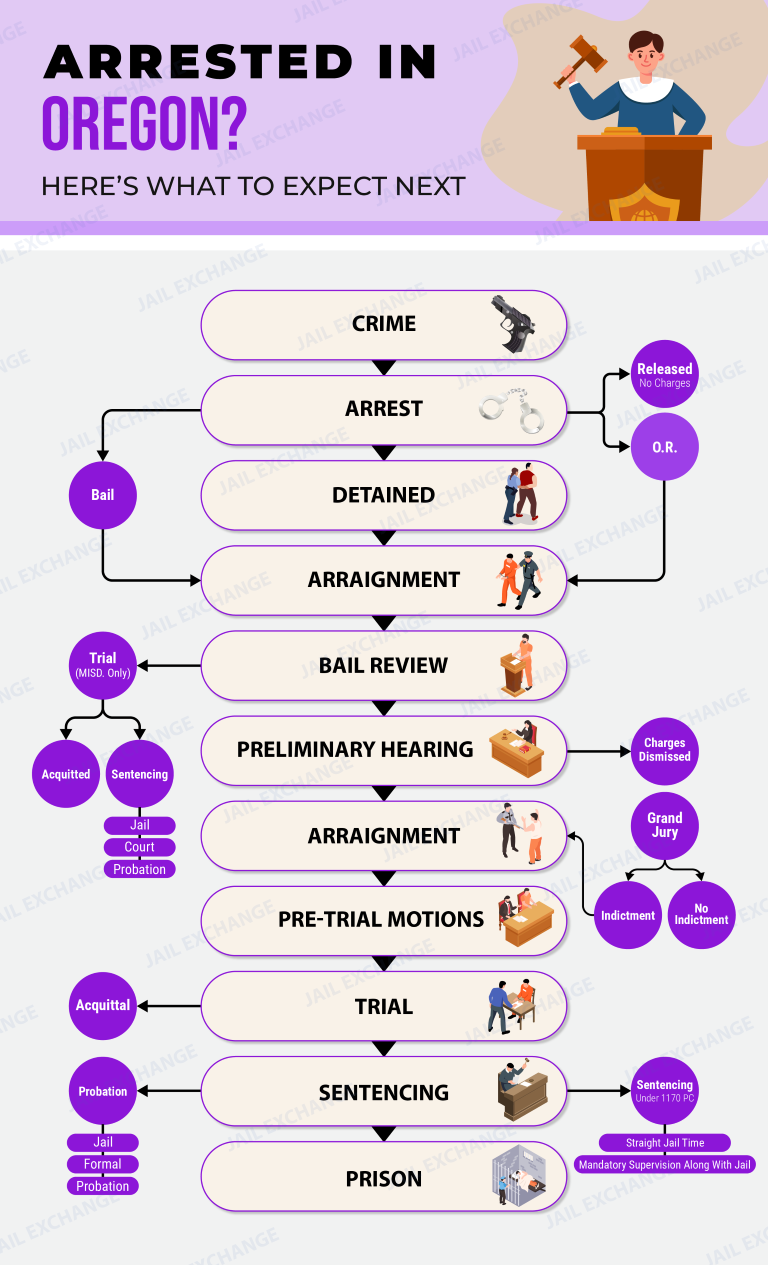

Access Securepak is an authorized correctional commissary care-package program that allows families to purchase customized food, snack, hygiene, apparel, and electronics packages sent directly to an incarcerated loved one. Every package is custom-packed to meet the strict security regulations of the specific jail or state prison.
Important: Delivery Schedules and Package Quotas
Jail package guidelines are not uniform across detention centers. Some facilities permit orders year-round, while others restrict deliveries to quarterly cycles or strict weekly deadlines that you should confirm with the facility directly. If you delay setting up your account, you risk missing the upcoming delivery cutoff, leaving your loved one waiting an extra cycle for fresh food, warm thermals, or personal toiletries.
Step-by-Step Instructions to Register and Access Service
- Visit the official Access Securepak online store at www.accesscatalog.com.
- Select the state and the specific jail or correctional institution from the dropdown menu.
- Enter the inmate's legal last name and inmate ID to verify their active housing and package eligibility.
- Browse the catalog of approved meats, cheeses, ramen soups, cookies, toiletries, and clothing.
- Add items to your cart up to the facility's maximum weight or dollar limit (usually $50 to $125 per order).
- Check out using your debit or credit card and save the order confirmation tracking number.
What the Inmate Needs to Do
The inmate does not need to order anything themselves. Securepak ships the sealed package directly to the correctional facility's commissary warehouse. Jail staff inspect the box and deliver it to the inmate during regular pod commissary distribution, where the inmate signs for the package.
Official Provider: Access Corrections / Keefe Group Official Website
Customer Service Telephone: 1-800-546-6283
Support Hours: Monday – Friday, 8:30 AM – 11:30 PM EST; Saturday, 11:00 AM – 5:00 PM EST
Supported Languages: English and Spanish
Other Services Provided by Access Corrections / Keefe Group
In addition to Access Securepak (Commissary & Gift Packages), Access Corrections / Keefe Group provides several other communication, financial, and visitation services at participating correctional facilities:
- Inmate Trust Money Deposits: Send cash directly to their personal account so they can buy items independently.
• Learn more on our website: Inmate Trust Money Deposits Guide | • Visit official vendor page: Access Corrections / Keefe Group Inmate Trust Money Deposits - Digital Messaging & Photos: Send fast electronic letters and digital pictures to their tablet.
• Learn more on our website: Digital Messaging & Photos Guide | • Visit official vendor page: Access Corrections / Keefe Group Digital Messaging & Photos
Buy Commissary for an Inmate in the Douglas County Jail
Douglas County Jail Inmate Commissary - Sending Money or Purchasing Commissary for an Inmate
Douglas County Jail allows inmates to purchase commissary. Ask the jail what its commissary sells; snacks and hygiene items are common.
You can buy commissary for an inmate using an online service called Access Securepak.

Call the facility at 541-440-4450 to ask whether there is a limit on how much an inmate can spend on commissary.
Access Securepak's site shows whether friends and family can order commissary for an inmate at this jail.
Scroll down for information on the Douglas County Jail's service they use for you being able to purchase commissary items online and have them shipped directly to the inmate.
You can also go to our Inmate Money page for information on how to send money to an inmate.
Access Secure Deposits (Smart Deposit) allows families and friends to securely transfer money directly into an incarcerated person's jail trust account using a debit or credit card. Deposited funds become immediately available for your loved one to purchase essential hygiene goods, over-the-counter medication, food items, and writing materials from the facility commissary.
Important: Inmate Banking Policies Vary by Facility
Once a person is booked and moved to a cell, facilities do not always allow cash drop-offs or phone payments directly to the jail. Some might and you should confirm this by calling the facility and asking. But if you do not register online and fund your loved one's trust account immediately, they may be forced to wait days or weeks for standard paper processing, leaving them without essential soap, clean undergarments, basic medical sundries or snacks.
Step-by-Step Instructions to Register and Access Service
- Obtain the inmate's legal first and last name, date of birth, and official six- to ten-digit Booking or Inmate ID number.
- Visit the official Access Corrections portal at www.accesscorrections.com or download the Access Corrections mobile app.
- Select the state and the exact detention facility or county jail where the inmate is currently housed.
- Add the inmate as a contact and confirm their identity from the facility roster.
- Enter your debit or credit card billing information, choose your deposit amount, review the facility processing fee, and submit your payment.
- Save and print your transaction confirmation number for verification.
What the Inmate Needs to Do
The inmate does not need internet access to receive your deposit. Once approved, the funds post directly to their facility account balance. The inmate can verify their balance at the dayroom kiosk or on their trust statement and start ordering items on the next designated commissary day.
Official Provider: Access Corrections / Keefe Group Official Website
Customer Service Telephone: 1-866-345-1884
Support Hours: 24/7/365
Supported Languages: English and Spanish
Other Services Provided by Access Corrections / Keefe Group
In addition to Access Secure Deposits (Trust Money), Access Corrections / Keefe Group provides several other communication, financial, and visitation services at participating correctional facilities:
- Digital Messaging & Photos: Send digital letters and pictures straight to the inmate's kiosk or tablet.
• Learn more on our website: Digital Messaging & Photos Guide | • Visit official vendor page: Access Corrections / Keefe Group Digital Messaging & Photos - Commissary Care Packages: Order pre-approved food boxes, thermal clothes, and snack bundles directly to the jail.
• Learn more on our website: Commissary Care Packages Guide | • Visit official vendor page: Access Corrections / Keefe Group Commissary Care Packages
Deposit Money for an Inmate in the Douglas County Jail
Roseburg's Douglas County Jail relies on Access Secure Deposits, and Visa or Mastercard cards, debit or credit, work with it. Pick whichever of these suits you:
- Web, fees from $2.95: Access Corrections handles the deposit online.
- Toll-free call, fees from $3.95: dial 866-345-1884.
- Keefe kiosk: third floor, beside the jail visiting entrance at 1036 SE Douglas Avenue. Feed it cash or a card weekdays from 8 a.m. to 5 p.m.; it is off on holidays.
A letter is no place for cash or checks. As for a mailed money order, Douglas County doesn't say whether it will take one, and 541-440-4450 is where you get a straight answer.
Family letters for someone held at the Douglas County Jail in Roseburg are not opened at the jail on SE Douglas Avenue anymore. They are mailed to a mail-scanning service, and the person in custody reads a digital copy on a jail tablet. This change keeps out paper that has been soaked in drugs like meth or heroin and dried so it looks like a normal page. Lawyers' letters and publications still travel to the Roseburg jail building.
Letters, postcards and greeting cards (scanned):
Inmate's Full Name & ID#
Smart Communications
Douglas County Jail
PO Box 9213
Seminole, FL 33775-9213
Legal mail, books and magazines (to the jail in Roseburg):
Inmate's Full Name & ID#
Douglas County Jail
1036 SE Douglas Avenue
Roseburg, OR 97470
- Name and number: Print the person's full name and their booking or ID number clearly on the outside of every envelope or postcard, so the scan lands in the right account. You can find the number with the jail roster.
- Who it's from: Print your own name and mailing address in the upper left of the envelope, since letters without it are usually destroyed rather than delivered.
- Pen and paper: Blue or black ink only. Felt markers, crayons and colored ink are not allowed, and nothing should be drawn on the envelope or postcard.
- Leave these out: Glitter, confetti, stamps, lipstick, perfume and anything else tucked in the envelope.
- Cards and photos: A greeting card is fine if it is plain and has no sound chip. Photos are fine as long as they are not Polaroids. Since everything is scanned, keep any original you want to hold on to.
- Reading material: Books, newspapers and magazines must be new and come straight from the publisher to the Roseburg address. The jail never takes hardcovers or spiral-bound books, and it returns anything dealing with violence, sex, gangs, drugs or escape.
- After release: The person can download their scanned mail, photos and messages for free using their ID number.
- Packages: Only orders from the jail's commissary provider come in.
- Money: Do not put cash or checks in a letter. Use online deposits to add money to the person's account.
Mail is handed out Monday through Friday with no limit on how much a person gets, and electronic messages are a faster way to stay in touch.
CIDNET Phone Calling enables incarcerated individuals to place outbound voice calls from housing-unit wall phones or handheld tablets directly to approved cell phones and landlines. Because jail phone systems cannot accept incoming calls, setting up a CIDNET account and purchasing Data Points ensures outbound calls connect immediately without wireless carrier collect blocks.
Important: Mobile Networks Block Inmate Calls Without Data Points
Wireless cellular carriers automatically block collect calls originating from jail telecommunications systems. While some traditional landline telephone providers may support monthly operator billing, mobile smartphones and VoIP numbers require an active prepaid CIDNET balance, which you can verify with your provider. If you do not register your 10-digit number online and purchase Data Points immediately, your loved one will hear an automated operator recording stating that your phone number cannot accept calls.
Step-by-Step Instructions to Set Up and Fund Voice Calling
- Go to customer.cidnet.net or launch the CIDNET Customer mobile app.
- Register your account using the primary 10-digit telephone number where you want to receive calls.
- Upload your driver's license or state ID for identity verification.
- Select the detention center where the inmate is held and link them to your contact profile.
- Purchase Data Points using a debit or credit card to cover per-minute calling rates.
- Confirm your mobile phone allows calls from automated or unknown correctional numbers and does not send them to spam.
What the Inmate Needs to Do
The inmate approaches a pod wall phone or opens the phone app on their tablet, enters their assigned inmate PIN, and dials your 10-digit number. CIDNET's automated system verifies that your account has sufficient Data Points and connects the call once you accept the automated prompt. All non-privileged conversations are recorded and monitored by the facility.
Official Provider: CIDNET Customer Portal | Encartele Corporate
Customer Service Telephone: 1-888-984-1903
Support Hours: Monday – Friday, 8:00 AM – 5:00 PM CST
Supported Languages: English and Spanish
Other Services Provided by CIDNET
In addition to Phone Calling, CIDNET operates messaging and video visitation services:
- Data Points (Unified Funding): Purchase the central credits used to pay for telephone talk time.
• Learn more on our website: CIDNET Data Points Guide | • Visit official vendor page: Buy CIDNET Data - Remote Video Visitation: Schedule and join live video visits from home using your computer or smartphone.
• Learn more on our website: CIDNET Video Visits Guide | • Visit official vendor page: CIDNET Video Visitation - Inmate Messaging & Digital Mail: Send text messages and digital photo attachments directly to an inmate's terminal.
• Learn more on our website: CIDNET Messaging Guide | • Visit official vendor page: CIDNET Messaging Portal
CIDNET Inmate Messaging provides a secure digital messaging and picture-sharing service for families of incarcerated individuals. Powered by CIDNET Data Points, outside contacts can compose electronic letters and upload JPEG photographs directly through the CIDNET web app, delivering correspondence to inmate screens within hours and avoiding paper mail sorting delays.
Important: Postal Mail Transition and Screening Rules Vary
Inmates cannot receive incoming phone calls, and physical postal mail policies differ across jurisdictions. While some detention centers accept handwritten envelopes, many facilities contracting with CIDNET have prohibited physical paper mail in favor of electronic mail scanning and direct digital messaging, which you can verify by checking facility rules. If you do not register online and purchase Data Points immediately, your loved one may face lengthy periods without direct written communication from family.
Step-by-Step Instructions to Register and Message an Inmate
- Log into your account at customer.cidnet.net or launch the CIDNET app.
- Ensure your identity verification (photo ID and selfie) is approved by the facility.
- Confirm your account has an active Data Point balance; purchase additional points if needed.
- Select Messages from your navigation menu and click on your linked contact.
- Type your message in the text editor and attach clear JPEG photo files if authorized by the facility's media rules.
- Review the estimated Data Point cost for the message length and image attachments.
- Click Send to submit your transmission to the institutional mailroom screening queue.
What the Inmate Needs to Do
All messages and photographs pass through facility screening filters. Once approved, the message arrives in the inmate's inbox on their housing unit kiosk or assigned tablet. The inmate opens the message, views the images, and types a digital response, which draws against available account points.
Official Provider: CIDNET Customer Portal | Encartele Corporate
Customer Service Telephone: 1-888-984-1903
Support Hours: Monday – Friday, 8:00 AM – 5:00 PM CST
Supported Languages: English and Spanish
Other Services Provided by CIDNET
In addition to Inmate Messaging, CIDNET provides several other communication and visitation options:
- Data Points (Unified Funding): Purchase universal credits that power voice calling, messaging, and video visits.
• Learn more on our website: CIDNET Data Points Guide | • Visit official vendor page: Buy CIDNET Data - Remote Video Visitation: Schedule and join live video visits from home using your computer or smartphone.
• Learn more on our website: CIDNET Video Visits Guide | • Visit official vendor page: CIDNET Video Visitation - Phone PINs & Voice Calling: Fund outbound voice telephone calls so your loved one can call your telephone directly.
• Learn more on our website: CIDNET Phone Calling Guide | • Visit official vendor page: CIDNET Voice Calling
CIDNET provides secure handheld wireless tablets designed specifically for correctional housing units. Operating over a private, encrypted facility network, these devices allow incarcerated individuals to exchange messages, place voice calls, conduct remote video visits, read approved digital books, access law library materials, and complete rehabilitative courses directly from their cells.
Important: Tablet Hardware Deployment and Rental Rules Vary
Detention centers do not manage tablet distribution identically. While some agencies issue individual personal tablets to every detainee at booking, others utilize shared pod docking stations or restrict tablet use to specific dayroom hours, which you should confirm with the facility directly. Although core educational and legal resources are generally provided free of charge, sending messages or making calls from the tablet requires an active balance of Data Points funded by friends or family.
Step-by-Step Instructions to Support Tablet Use
- Confirm that CIDNET handheld tablets are active and deployed at your loved one's specific detention facility.
- Register your verified user account at customer.cidnet.net.
- Complete identity verification by uploading your government photo ID.
- Link the inmate to your profile and purchase a reserve of CIDNET Data Points.
- Notify your loved one that funds are available so they can open the communication apps on their tablet.
What the Inmate Needs to Do
The inmate unlocks their assigned tablet using biometric verification or their unique facility PIN. Once logged on, they can browse institutional announcements, access educational materials, or select approved outside contacts to read messages and start calls. When quiet hours begin or tablets require recharging, inmates return devices to designated pod docking carts.
Official Provider: CIDNET Customer Portal | Encartele Corporate
Customer Service Telephone: 1-888-984-1903
Support Hours: Monday – Friday, 8:00 AM – 5:00 PM CST
Supported Languages: English and Spanish
Other Services Provided by CIDNET
In addition to Inmate Tablet Services, CIDNET provides several core communication channels:
- Data Points (Unified Funding): Purchase the digital currency required to power all tablet communications.
• Learn more on our website: CIDNET Data Points Guide | • Visit official vendor page: Buy CIDNET Data - Inmate Messaging & Digital Mail: Send text messages and photos directly to an inmate's tablet screen.
• Learn more on our website: CIDNET Messaging Guide | • Visit official vendor page: CIDNET Messaging Portal - Remote Video Visitation: Conduct scheduled live video calls directly to their tablet or pod kiosk.
• Learn more on our website: CIDNET Video Visits Guide | • Visit official vendor page: CIDNET Video Visitation
Douglas County Juvenile Facilities
Nearby counties
- Jail (Main): 541-440-4440
- Adult Probation: 541-957-8148
- Bail: 541-440-4440
- Circuit Court: 541-957-2471
- District Attorney: 541-440-4388
- Juvenile: 541-440-4409
- Juvenile Probation: 541-440-4409
- Police: 541-440-4471
- Public Defender: 541-957-5344
- Sheriff: 541-440-4450
The Douglas County Jail serves the following cities and towns of Douglas County: Canyonville, Days Creek, Drain, Elkton, Glendale, Myrtle Creek, Oakland, Riddle, Roseburg, Sutherlin, Tiller, Tri-City, Winston and Yoncalla.