
Lehigh County Jail
Lehigh County Jail
Lehigh County Jail
610-782-3270Lehigh County Inmate Search: Pinpointing Where a Loved One Sits Tonight
Adults arrested in Allentown, the Lehigh side of Bethlehem and every borough and township around them are booked into the Lehigh County Jail, 38 North Fourth Street, Allentown, PA 18102. That maximum-security jail holds people facing charges and people serving short terms. Sentenced residents on work release stay at the Community Corrections Center, 1600 Riverside Drive, Bethlehem, PA 18016. Here you can learn how to find someone and what comes after.
Start with the official inmate lookup and a full name. A match tells you if they are locked up right now and at what site. Fresh bookings sometimes appear late, so phone the jail if nothing comes up.
Jail staff pick up at 610-782-3270. Share the full name plus date of birth, and ask what the counts are, what bail was set at and the date of the coming hearing. Our bail page covers getting them released. For the hearings ahead, our court page lays them out.
Read inmate search answers
 Read inmate search answers
1. Searching the Lehigh County jail by name: how does it work?
- Pull up the official inmate lookup in any web browser.
- Fill in the last and first names, spelled just as their driver's license shows them.
- Check the custody status and the facility listed.
- Jot down any ID or booking number shown. Staff can find a file faster with it.
- Call the Records office at 610-782-3263 to confirm the details or ask about a recent move.
The same statewide search, PA SAVIN on VINELink, also covers state prisons and people on state parole. It is free and needs no account to search.
↑ Back to the question list2. Why would a search turn up nothing?
An empty screen almost never means something went wrong. Common causes:
- Still being processed. Booking, fingerprints and the video hearing with a district judge can take hours.
- Already home. The district judge could have let them leave after signing a promise to return, or someone paid.
- Moved. They may be at the Community Corrections Center, another county's jail, a state prison, or with federal agents or ICE.
- Under 18. Minors go to youth detention instead.
- Spelling. Retry with a second last name, a birth surname or a nickname dropped.
Call the general line, 610-782-3270, and ask for Records. Records staff know if someone came through booking, left, or went to another agency.
↑ Back to the question list3. Which building in the Lehigh County system has them?
Two sites make up the county's corrections system, and the Department of Corrections answers questions at 610-782-3846.
- Lehigh County Jail, 38 North Fourth Street, Allentown, PA 18102, 610-782-3270. A high-rise opened in 1992 with officers posted inside the housing units. It is maximum security and holds people awaiting trial and people serving county sentences, with room for 1,352.
- Community Corrections Center, 1600 Riverside Drive, Bethlehem, PA 18016, control booth 610-778-5328, sergeant's desk 610-778-5334. It has 400 beds for sentenced residents in a pre-release program. They may leave for jobs, community service and treatment.
An arrest near the county line can end up at a neighboring jail:
- Northampton County Jail, 666 Walnut Street, Easton, PA 18042
- Berks County Jail System, 1287 County Welfare Road, Leesport, PA 19533, 610-208-4800
- Bucks County Correctional Facility, 1730 South Easton Road, Doylestown, PA 18901, 215-345-3700
- Montgomery County Correctional Facility, 60 Eagleville Road, Eagleville, PA 19403, 610-635-7100
- Carbon County Correctional Facility, 331 Broad Street, Nesquehoning, PA 18240
- Schuylkill County Prison, 230 Sanderson Street, Pottsville, PA 17901
Phone numbers for the Northampton, Carbon and Schuylkill jails are on their linked pages.
↑ Back to the question list4. Can I get a booking photo?
Don't count on finding one. Each Pennsylvania county makes its own call on releasing these pictures, shaped by recent court decisions in the state. News outlets may request one from the jail at 610-782-3270 or from the arresting officers' department.
The lookup itself is meant for finding where someone is held, not for pictures. Its results give custody details, so plan on words rather than a picture.
↑ Back to the question list5. Can my phone buzz when they leave or move?
Yes. PA SAVIN, a free state program, sends notices once you register on VINELink, in the VINELink app, or by calling 866-972-7284 (TTY 866-847-1298). Live help is there day and night.
- Pick a voice call, a text, an email or an app notice.
- Alerts cover release, transfer and escape from a county jail, a state prison or state parole.
- They won't learn that you signed up.
Registration is not automatic, so add each person you want to follow.
↑ Back to the question list6. How does bail work after a Lehigh County arrest?
Pennsylvania's constitution lets almost any accused person seek release on bail (Pa. Const. art. I, § 14). A magisterial district judge decides the terms, often over video, typically within six hours or so of the arrest. Plenty of people leave without paying. Others stay until money is posted.
- During business days, pay at the Clerk of Judicial Records, Room 122, 455 W. Hamilton Street, Allentown, PA 18101, 610-782-3077, by cash or credit card.
- After 5:00 p.m., on weekends and on holidays, pay at the jail by appointment only. Call 610-782-3664 and bring exact cash plus a $25 fee per bond.
- The courts' PA ePay Bail site takes cards online for this county, with a 2.75% fee.
Our bail guide walks through bondsmen, 10% bail, property bonds and refunds.
↑ Back to the question list7. What exactly were they charged with?
A printed criminal complaint is handed over at the preliminary arraignment. Relatives can read every count on the free UJS Portal case search by picking the county, typing the name and opening the docket sheet. Each charge shows its law section and grade, such as F2 for a second-degree felony or M1 for a first-degree misdemeanor.
Counts may be added or dropped. Once a case is held for court, prosecutors file a formal charging paper called the information. That office is in Room 307 of the courthouse, 455 W. Hamilton St., Allentown, PA 18101, 610-782-3100.
↑ Back to the question list8. Is a free lawyer available while they're locked up?
Yes, for those short on money. The request form sits on the county's Public Defender page in English and Spanish, and it wants a copy of the police complaint attached. Expect an answer in roughly a week of workdays.
Family can help by finding the complaint on the docket and gathering pay stubs. For questions, call the courthouse at 610-782-3000 and ask for the Public Defender's Office.
Lawyers may visit the jail at any reasonable time, though weekdays from 8:00 a.m. to 4:00 p.m. work best. They bring a photo ID and a bar card.
↑ Back to the question list9. How often can family see someone at the Lehigh County Jail?
You sit on one side of a glass panel and talk over a handset. Contact is not allowed, and staff may listen to and record every word.
- General population: one visit every three days, rotating by housing unit, on a yearly calendar the county posts.
- Administrative segregation: one 30-minute visit a week.
- Disciplinary segregation: one 30-minute visit about every 30 days.
The hours the jail lists are Monday to Friday, 12:30 to 4:30 p.m. and 7:00 to 10:00 p.m. On weekends and holidays they are 8:00 to 10:00 a.m., 12:00 to 4:30 p.m. and 7:00 to 10:00 p.m. Call 610-782-3270 to learn your person's unit day and whether video visits are offered. For dress and conduct basics, read our visitation page.
↑ Back to the question list10. Can I put funds on their books?
Funds on their books cover food extras, soap and phone time. Deposit options and limits change, so ask the jail at 610-782-3270 which methods work today. Have the full legal name ready, plus any number from the inmate lookup.
Our deposit guide explains the usual ways to send money, and our commissary guide shows what it buys. Never put cash in the mail.
↑ Back to the question list11. Can they phone home?
Ask the jail. Staff at 610-782-3270 can explain how outgoing calls work, account setup, per-minute prices, and any messaging or tablet service. Since visits are recorded, assume calls are as well.
Keep the case itself out of these chats; save it for the defense attorney. For the basics of each service, open our phone calls page or our electronic messages page.
↑ Back to the question list12. What should a letter to the jail look like?
The jail has its own mail line, 610-782-3216. Before sending anything, call it and ask:
- the exact address for personal mail, and the one for legal mail
- whether to add an ID number next to the name
- whether pictures, greeting cards or paperbacks are allowed
Print the legal name clearly and put a return address in the corner. Packaging and content tips are on our inmate mail page.
↑ Back to the question list13. Who can collect their clothes and wallet?
Anything taken during intake goes into storage at the jail. Records, 610-782-3263, will explain when items are handed out, whether the owner has to sign paperwork beforehand and which ID to carry. Pickups are at the jail, 38 North Fourth Street, Allentown, PA 18102.
For someone at the Community Corrections Center, 1600 Riverside Drive, Bethlehem, PA 18016, call the control booth at 610-778-5328.
↑ Back to the question list14. What if I'm worried about their health?
The jail's Medical Information line is 610-782-3134. Give the name and birth date, any medicines with the doses, and the doctor's name and number.
For a fear of self-harm, dial the main line, 610-782-3270, and press 6 to flag a suicide risk. That option exists for exactly this. Outside the jail, a medical emergency still means 911.
↑ Back to the question list15. Could a Lehigh County warrant be waiting?
The Sheriff's Office, Room 253, 455 West Hamilton Street, Allentown, PA 18101, 610-782-3175, handles bench warrants from Common Pleas; town police and constables carry others. Allentown's Warrant Unit answers at 610-437-7664. Look through the State Police most wanted list, the U.S. Marshals fugitive list, the FBI's wanted page, Allentown police wanted persons and Bethlehem police tips and wanted. Open cases also appear on the UJS Portal, and the Sheriff can answer by phone. The safest fix is a planned surrender, set up by a defense lawyer, at the court that signed it. The criminal clerk is Room 122 there, 610-782-3077.
↑ Back to the question list16. How do I learn the coming hearing date?
Every scheduled hearing, with its time and courtroom, appears on the docket sheet from the UJS Portal. Cases with the district judge show there too.
- Common Pleas: the criminal records clerk in Room 122, 455 W. Hamilton Street, Allentown, PA 18101, 610-782-3077.
- District courts: the court number and phone are on the person's papers. The court's Find My MDJ tool matches a town to its court.
Each stage, from first hearing to sentence, appears on our criminal court page.
↑ Back to the question list17. Who holds someone charged in federal court?
- Lehigh belongs to the Eastern District of Pennsylvania, whose federal judges hear local matters in Reading, Allentown or Easton. The courthouse in this county is the Edward N. Cahn U.S. Courthouse, 504 W. Hamilton Street, Allentown, PA 18101. The clerk's office line is 215-597-7704.
- At a detention hearing near the start, the judge rules on release pending trial (18 U.S.C. 3142).
- Anyone kept locked up goes to the U.S. Marshals, often housed at FDC Philadelphia, 700 Arch Street, Philadelphia, PA 19106, 215-521-4000. The Marshals' district office is at 601 Market Street, Room 2110, Philadelphia, PA 19106, 215-597-7272.
- After sentencing, search the Federal Bureau of Prisons inmate locator by name or register number.
18. Could ICE keep them past their release?
- ICE may send the jail a detainer, Form I-247A.
- On that form, ICE seeks custody up to 48 hours after they would otherwise be released (8 CFR 287.7(d)).
- Officers of the Philadelphia Field Office, 114 N. 8th Street, Philadelphia, PA 19107, 215-656-7164, then take custody.
- Search the ICE Online Detainee Locator with the alien number, or the full name plus birth country.
Pennsylvania's federal appeals court treats detainers as requests, not orders, after Galarza v. Szalczyk (3d Cir. 2014). That case was brought against this county, and it found a county can be held responsible for keeping someone on a detainer alone. Each jail now sets its own policy, so ask the jail at 610-782-3270.
↑ Back to the question list19. Where does a state sentence get served?
When the top end of a term reaches 5 years, the Pennsylvania Department of Corrections takes over, and terms topping out between 2 and 5 years usually go there too. Intake starts at a classification center, a stay of several weeks up to a few months.
- Search the DOC inmate locator.
- Call the DOC at 717-728-2573, 1920 Technology Parkway, Mechanicsburg, PA 17050. Only the relative listed as next of kin gets case details by phone.
- All state prison letters are routed through one Florida scanning center. Address them to the person's name and DOC number, then Smart Communications/PA DOC, the prison's name, PO Box 33028, St Petersburg, FL 33733.
- Addresses for every SCI are gathered in our listing of Pennsylvania state prisons.
20. Where do arrested teens in Lehigh County go?
Teens facing juvenile charges stay out of the Fourth Street jail. The county's own youth detention center closed in 2014, so held youths go to centers in other counties, such as the Bucks County Youth Center, 1750 Easton Rd., Doylestown, PA 18901, 215-340-8300, or the Chester County Youth Center, 505 South Wawaset Rd., West Chester, PA 19382, 610-344-6700. Juvenile cases are kept off the UJS Portal. Call Juvenile Probation, Room 710, 455 West Hamilton Street, Allentown, PA 18101, 610-782-3143, to learn where the teen is placed and when court meets.
↑ Back to the question list21. Which Lehigh County department handled the arrest?
Look at the complaint or the docket to learn which department filed the case. Its population stands near 384,383 (Census estimate, July 1, 2025), and the departments below patrol it:
Cities
- Allentown Police Department, non-emergency 610-437-7751
- Bethlehem Police Department, 10 East Church Street, Bethlehem, PA 18018, non-emergency 610-865-7187
Boroughs
- Alburtis Police, 260 Franklin Street, Alburtis, PA 18011, 610-966-4778
- Coplay Police, 98 S. Fourth St., Coplay, PA 18037, office 610-262-2288, weekdays 7:00 a.m. to 3:30 p.m.
- Emmaus Police, 400 Jubilee Street, Emmaus, PA 18049, police clerk 610-965-0711
- Macungie Police, administration 610-966-2222
- Slatington Police, through county dispatch (number below)
Townships
- Salisbury Township Police, at the township offices, 2900 South Pike Avenue, Allentown, PA 18103, 610-797-4000
- South Whitehall Township Police, administration 610-398-0337
- Upper Macungie Township Police, 484-661-5911
- Upper Saucon Township Police, 5500 Camp Meeting Road, Center Valley, PA 18034, non-emergency 610-282-3064
- Whitehall Township Police, through county dispatch
County and state
- Sheriff's Office, Room 253, 455 West Hamilton Street, Allentown, PA 18101, 610-782-3175
- County Detectives, through the District Attorney, 610-782-3100
- State Police, Fogelsville station, 8320 Schantz Road, Breinigsville, PA 18031, 610-395-1438
- State Police, Bethlehem station (Troop M headquarters), 2930 Airport Road, Bethlehem, PA 18017, 610-861-2026
County 9-1-1 dispatch takes non-emergency calls for most of the county at 610-437-5252. In the city of Bethlehem, the line is 610-865-7171. State troopers patrol any municipality lacking a local department. Some arrests come from campus or airport police, such as at Lehigh Carbon Community College, Lehigh Career and Technical Institute or the Lehigh-Northampton Airport Authority. For Catasauqua, Coopersburg, Fountain Hill, Hanover Township or any town not shown, call dispatch or the Sheriff to learn which agency patrols there.
↑ Back to the question listLehigh County Bail and Release
Every police agency in the county takes arrested adults to the Lehigh County Jail, 38 North Fourth Street, Allentown, PA 18102. This high-rise, maximum-security jail holds people awaiting trial plus people serving short local terms. A second county building, the Community Corrections Center, 1600 Riverside Drive, Bethlehem, PA 18016, houses sentenced residents on work release. Below: who sets bail, where to pay it at any hour, and how a refund works.
Check that your person is still there using the official inmate lookup. Then visit our Inmates in Custody page, built around the arrest itself. It lists today's bookings, new arrests and open warrants. Charges, mugshots, free legal help and property pickup are covered there too.
Phone the jail at 610-782-3270 and have the person's name, spelled right, plus their birth date. You want to learn three things: the bail figure, the docket number, and if anything else is holding them. With those answers, move on to our court page, which tracks every hearing that follows.
1. Who decides bail in Lehigh County, and when?
A magisterial district judge, the neighborhood judge who opens every criminal case, decides bail. This short hearing is called the preliminary arraignment. Pennsylvania's victim services office puts the usual wait at six hours or less after the arrest. Many are done over video.
During it, the accused is handed the police complaint that lists each charge. Next the judge fixes bail and schedules the preliminary hearing (Pa.R.Crim.P. 540). Fourteen district courts serve the county. The location of the alleged crime decides which of them gets the case. To match a town with its court, try the court's Find My MDJ tool.
Still unsure which court has the file? Dial the Clerk of Judicial Records, Criminal Division, at 610-782-3077. Its counter is Room 122 inside the courthouse at 455 W. Hamilton Street, Allentown, PA 18101.
↑ Back to the question list2. What are the five release types in Pennsylvania?
The judge picks from five kinds of release (Pa.R.Crim.P. 524). Four of them let a person leave without anyone handing over money up front:
- Recognizance (ROR). No money changes hands; a written pledge to show up for court does the job.
- ROR with rules. That same signed promise, plus terms the judge adds, for example regular reporting or a no-contact rule.
- Unsecured bail. The judge writes down an amount. It becomes a debt only after a no-show in court.
- Nominal bail. A token sum, such as $1. A person or agency signs to vouch for the defendant.
- Monetary bail. Cash, a property pledge or a surety bond goes in first, and only then does the person leave.
Lehigh Valley Pretrial Services serves as the county's court bail agency. Its staff make bail suggestions to judges and keep tabs on people released to its watch.
↑ Back to the question list3. Is there a set bail price for Lehigh County charges?
No fixed price comes with any charge. Every amount is chosen case by case, and the law says it has to be reasonable (Pa.R.Crim.P. 528). Factors include how serious the charge is, any criminal record, work history, local roots, earlier court attendance and the person's money situation (Pa.R.Crim.P. 523).
Bigger maximum penalties tend to bring bigger bail. Here are Pennsylvania's grades and their top penalties (18 Pa.C.S. §§ 1101, 1103-1105):
- F1, first-degree felony: 20 years, $25,000
- F2, second-degree felony: 10 years, $25,000
- F3, third-degree felony: 7 years, $15,000
- M1, first-degree misdemeanor: 5 years, $10,000
- M2, second-degree misdemeanor: 2 years, $5,000
- M3, third-degree misdemeanor: 1 year, $2,500
- Summary offense, the lowest level: 90 days, $300
To see the real number, pull up the docket sheet on the state's UJS Portal case search. Type the last name, first name and county. Or ask the Clerk of Judicial Records at 610-782-3077.
↑ Back to the question list4. Can bail go to the Allentown jail after hours?
Once the courthouse closes at 5:00 p.m., and on Saturdays, Sundays and holidays, Common Pleas bail moves to the jail at 38 North Fourth Street, Allentown, PA 18102. Walk-ins are turned away, so plan it like this:
- Book a slot on the after-hours bail line, 610-782-3664.
- Have the docket number and the defendant's full name. Confirm the amount down to the cent.
- Bring exactly that sum in cash. Late-night bail is cash only.
- Add a $25 processing fee per bond.
- Show photo ID, then hold on to the itemized receipt (Pa.R.Crim.P. 535).
Those rules come from the Court of Common Pleas. District courts run their own after-hours bail, so a case that hasn't moved up yet needs a call to the district court named on its papers. For release timing once paid, ring the jail's main desk at 610-782-3270.
↑ Back to the question list5. Which windows accept bail during business hours?
Both take it. Room 122 of the courthouse, 455 W. Hamilton Street, Allentown, PA 18101, is where the Clerk of Judicial Records, Criminal Division, accepts bail. Window hours run 8:00 a.m. to 4:30 p.m. on court business days. The office number is 610-782-3077.
- Phone ahead to check the docket and the total.
- Pay with cash or a credit card. Card payments carry an extra fee.
- Can't make 4:30? A 4:30 to 5:00 p.m. slot can be set up if you call 610-782-3730 no later than 4:15 p.m.
- Tuck the receipt away until the last hearing is behind you.
Ten percent cash bail, when a judge permits it, goes through Lehigh Valley Pretrial Services at 501 Hamilton Street, Lower Level, Allentown, PA 18101, 610-289-2410. It is staffed weekdays from 8:00 a.m. to 4:00 p.m. and may have to approve the deposit.
Each of the 14 district courts handles bail its own way. Phone the one on the paperwork before driving over.
↑ Back to the question list6. What forms of bail payment work here?
Cash and credit cards are the two forms the court's bail rules name. Planning to bring a check or money order? Phone the Clerk at 610-782-3077 first. The options are:
- Online with PA ePay Bail. PA ePay Bail is the courts' own payment site, and this county's district court and Common Pleas cases both appear on its list. Visa, MasterCard, Discover, American Express and ATM cards work. A 2.75% service fee comes off each payment and stays with the service. One payment can't go over $20,000, and a few case types are left out.
- Cash. At the Room 122 window, or exact cash at the jail after hours.
- Credit card. At the Room 122 window, plus a card fee.
- Ten percent cash. Allowed only by court order. Whoever signs still answers for the whole bail if the defendant vanishes, and 30% of the deposit is kept as a service charge at the end.
- Real estate. Equity in Pennsylvania property. Expect a $250 processing fee you won't get back. Each deed owner signs with photo ID, and a lawyer or title company has to certify the title. No property bail is done after 3:00 p.m. or on weekends and holidays.
- Surety bond. A licensed bondsman signs for every dollar of bail. The family pays that bondsman a premium.
Details sit in the court's bail guidelines.
↑ Back to the question list7. Are bail bondsmen allowed in Pennsylvania?
Yes. Commercial bail is legal in this state. Every bondsman must be licensed through Pennsylvania's Insurance Department (42 Pa.C.S. § 5742). They must also register with a county before writing bonds in it (42 Pa.C.S. § 5743.1).
- See the court's list of approved bail agencies before you hire one.
- Pennsylvania stopped capping bondsman premiums in 2015, so get the price written down.
- That premium is the bondsman's pay. It stays gone even if charges are dropped.
- No one may lawfully charge you just to connect you with a bondsman (42 Pa.C.S. § 5749).
- A relative who signs on as surety takes on a duty too. If the defendant breaks some bail rules, such as no contact, the signer must tell police within 24 hours (42 Pa.C.S. § 5750).
8. Why might someone stay in the Lehigh County Jail after bail?
Paying bail settles one docket only. Call Records at the jail, 610-782-3263, and have them list every reason the person is held. Watch for these:
- More than one case. Two dockets mean two bails, even for arrests on the same night.
- Outside warrants. A bench warrant from a different judge or county must be cleared on its own.
- Supervision. Someone on county probation or parole may face a violation case before their sentencing judge. Adult Probation & Parole works from Room G09, 455 West Hamilton Street, Allentown, PA 18101, 610-782-3933.
- Federal or ICE papers. A state bail receipt doesn't touch either.
- Agency sign-off. Ten percent bail can wait on Pretrial Services.
9. Can a Pennsylvania judge deny bail completely?
Rarely. Bail is a right for close to every defendant under Pennsylvania's constitution (Pa. Const. art. I, § 14). A no-bail hold fits just two situations. The charge may carry death or a life sentence. Or the judge finds that only a cell, and no list of rules, would keep people from harm.
At that hearing it falls to the prosecutor to prove the need, using evidence. An accusation alone falls short, as the state Supreme Court ruled in Commonwealth v. Talley (2021).
Requests for steep bail or none come from the Office of the District Attorney, Room 307, 455 W. Hamilton St., Allentown, PA 18101, 610-782-3100, open weekdays 8:30 a.m. to 4:30 p.m. Victims may also share their views on bail under the Crime Victims Act.
↑ Back to the question list10. Is there a way to shrink a high bail?
Only a lawyer's written motion starts this (Pa.R.Crim.P. 529). Until the preliminary hearing, the district judge can rule on it. After that, the Common Pleas judge takes over. Here each criminal case keeps one judge the whole way through.
- Bring proof of steady work, a rental lease or house deed, and relatives ready to vouch.
- List what the household can honestly pay. Bail has to fit the person.
- Suggest swaps for cash, like supervision by Pretrial Services.
Long waits count. Once someone has sat 180 days before trial, leaving out stretches the defense asked for, a motion for nominal bail is allowed (Pa.R.Crim.P. 600). Questions about an order changing bail go to the Clerk at 610-782-3077, 8:00 a.m. to 3:30 p.m.
↑ Back to the question list11. How do Lehigh County defendants apply for a free lawyer?
When paying a lawyer is out of reach, a defendant can turn to the county Public Defender (16 P.S. § 9960.1 and following). Applicants swear to their income in writing, and every county uses its own income test.
- Fill out the form linked from the county's Public Defender page. There is an English version and a Spanish one.
- Attach the police criminal complaint along with whatever else the form requests.
- A decision takes 5 to 7 business days, so file quickly.
- Questions? Ring the courthouse switchboard, 610-782-3000, and ask for the Public Defender's Office.
For the first time, state money now supports county defenders, thanks to Act 34 of 2023.
↑ Back to the question list12. Where are the district courts and the main courthouse?
Felonies and misdemeanors end up at the Court of Common Pleas in the county courthouse, 455 W. Hamilton Street, Allentown, PA 18101, 610-782-3000, open weekdays 8:00 a.m. to 4:30 p.m. The first bail ruling comes from a magisterial district court. All 14 are listed here by number:
- 31-1-01: 1401 West Green Street, Allentown, PA 18102, 610-432-3080
- 31-1-02: Historic Courthouse, 501 W. Hamilton Street, Suite 117D, Allentown, PA 18101, 610-432-8700
- 31-1-03: 1428 West Hamilton Street, Allentown, PA 18101, 610-434-7903
- 31-1-04: 1501 Lehigh Street, Suite 104, Allentown, PA 18103, 610-797-0906
- 31-1-05: 1007 Union Boulevard, Allentown, PA 18109, 610-439-0661
- 31-1-06: 623 West Union Boulevard, Suite 4-5, Bethlehem, PA 18018, 610-691-3950
- 31-1-07: 3678 Crescent Court East, Whitehall, PA 18052, 610-437-6096
- 31-1-08: 2851 Old South Pike Avenue, Suite A, Allentown, PA 18103, 610-797-8724
- 31-1-09: 413 North 3rd Street, Allentown, PA 18102, 610-778-5410
- 31-2-01: Historic Courthouse, 501 Hamilton Street, Suite 106, Allentown, PA 18101, 610-782-3834
- 31-2-02: 3900 Hamilton Boulevard, Suite 101, Allentown, PA 18103, 610-434-2070
- 31-3-01: 106 South Walnut Street, Slatington, PA 18080, 610-767-8641
- 31-3-02: Green Hills Commerce Center, 5925 Tilghman Street, Suite 500, Allentown, PA 18104, 610-398-1167
- 31-3-03: Village Center, 21 North Main Street, Coopersburg, PA 18036, 610-282-1555
A federal case may be heard at the Edward N. Cahn U.S. Courthouse, 504 W. Hamilton Street, Allentown, PA 18101, or at 201 Penn Street, Reading, PA 19601, or 101 Larry Holmes Drive, Easton, PA 18042.
↑ Back to the question list13. How long until bail money is returned?
Hang on to the receipt, because the refund goes to the name printed there. Pennsylvania's rule is about 20 days after the case reaches its final end (Pa.R.Crim.P. 535). This court counts the 30-day appeal window after sentencing as part of that end. Expect a check roughly seven weeks after the sentence.
- Ten percent deposits lose 30% to a service charge.
- Full cash bail also carries a service charge. The Clerk, 610-782-3077, can say how much.
- If the defendant's own name is on the receipt, the judge may put that money toward fines and costs.
- A property pledge is released once the court marks the signers' judgment satisfied.
A skipped court date changes everything. The judge may order a bench warrant, forfeit the bail and allow new charges. Signers can be billed the entire bail, not only the part they paid.
↑ Back to the question list14. How do we collect money and belongings when they get out?
The jail bags up what a person carried in at booking and keeps it. Phone 610-782-3270 or Records, 610-782-3263, about getting back unused account money, the hours for property pickup and the ID you need. The jail sits at 38 North Fourth Street, Allentown, PA 18102.
A resident leaving the Community Corrections Center at 1600 Riverside Drive, Bethlehem, PA 18016 can sort this out through the control booth, 610-778-5328. Read our jail account money guide for the general picture on deposits and leftover balances.
↑ Back to the question list15. What happens to bail on a federal arrest in the Lehigh Valley?
Federal charges filed here go to the U.S. District Court for the Eastern District of Pennsylvania. Cases from this county are given to judges based in Reading, Allentown or Easton. Their buildings are 201 Penn Street, Reading, PA 19601; 504 W. Hamilton Street, Allentown, PA 18101; and 101 Larry Holmes Drive, Easton, PA 18042. Reach the clerk's office at 215-597-7704.
- Release gets argued at a detention hearing soon after charges are filed. The judge chooses between supervised freedom and a cell until trial (18 U.S.C. 3142).
- Federal prisoners awaiting trial stay under the U.S. Marshals Service, 601 Market Street, Room 2110, Philadelphia, PA 19106, 215-597-7272.
- Someone in this court's custody may be housed at FDC Philadelphia, 700 Arch Street, Philadelphia, PA 19106, 215-521-4000.
- The Federal Community Defender offers free counsel at 601 Walnut Street, Suite 540 West, Philadelphia, PA 19106, 215-928-1100.
- After a federal sentence, search the Federal Bureau of Prisons inmate locator to see where they went.
State bail and federal custody are separate. Money posted on one does nothing for the other.
↑ Back to the question list16. Does a detainer from ICE outlast a bail payment?
It won't. An immigration request survives a state bail payment, and it plays out in this order:
- First, ICE (Immigration and Customs Enforcement) places a hold request on the person using Form I-247A.
- That request seeks to keep them up to 48 hours after they would otherwise be released (8 CFR 287.7(d)).
- ICE agents then pick the person up. Pennsylvania falls under the Philadelphia Field Office, 114 N. 8th Street, Philadelphia, PA 19107, 215-656-7164.
- Try the ICE Online Detainee Locator. Enter the alien number, or else the legal name along with the birth country.
Detainers ask. They do not command. Pennsylvania's federal appeals court made that clear in a lawsuit against this very county, Galarza v. Szalczyk (3d Cir. 2014). The court found a county can be liable when it keeps someone on a detainer alone. That is why every jail writes its own detainer policy. To learn this jail's practice, call 610-782-3270.
↑ Back to the question list17. Who goes to state prison after a Lehigh County sentence?
A Pennsylvania sentence gives two numbers, a minimum and a maximum. Where the time is served turns on that second number (42 Pa.C.S. § 9762). A maximum below 2 years keeps the person in county jail. Five years or longer as the top number means state prison. A maximum of 2 to 5 years normally goes to the state as well. Keeping such a person local takes the consent of jail officials, the DA's office and the sentencing judge.
- Before landing at a home prison, each new state inmate spends weeks or months being tested and sorted at a reception center.
- The DOC inmate locator shows where they are.
- Pennsylvania Department of Corrections: 1920 Technology Parkway, Mechanicsburg, PA 17050, 717-728-2573.
- Browse every SCI, with addresses, on our Pennsylvania state prisons page.
18. What if police arrest a teenager?
Anyone under 18 is usually a juvenile case (42 Pa.C.S. § 6302). You won't find those files on the UJS Portal. The county shut its own youth detention center in 2014. A youth who has to be held now goes out of county. Juvenile Probation's detention list includes these two centers:
- Bucks County Youth Center, 1750 Easton Rd., Doylestown, PA 18901, 215-340-8300
- Chester County Youth Center, 505 South Wawaset Rd., West Chester, PA 19382, 610-344-6700
Some older teens skip juvenile court. Ages 15 to 17 start in adult court on a murder charge, or on some listed violent crimes involving a deadly weapon, and adult bail rules then apply. Parents can reach Juvenile Probation in Room 710, 455 West Hamilton Street, Allentown, PA 18101, 610-782-3143, to ask which center took the youth and the date a judge will see them.
↑ Back to the question listInformation on bail procedures is available through the Clerk of Judicial Records Criminal Division at 610-782-3077.
The Office is open 8 a.m.-4 p.m. weekdays.
For after hours bail procedures, go here.
Lehigh County has an online method for you to use a credit card to bail out someone online.
You can submit electronic bail payments on Magisterial District Court and Common Pleas Court cases for inmates in Lehigh County Jail. This website has been approved by the Unified Judicial System of Pennsylvania

- Payments may be made using a Visa, MasterCard, Discover, American Express, or ATM card.
- The maximum amount that can be charged to a credit card for electronic bail payments is $20,000 per transaction.
- A non - refundable convenience fee of $2.75 will be assessed on each transaction submitted.
How to arrange a visit at Lehigh County Jail
Family visits at the jail are noncontact and follow the resident’s housing-unit schedule. To reserve a visit, use Lehigh County’s VisitMe portal. Select the resident and check the date, time and location offered before you make plans. The jail handbook separately describes visits using the resident’s housing-unit tablet. Check the options shown for your resident rather than assuming a visit from home is available.
Lehigh County Jail is at 38 North Fourth Street, Allentown, PA 18102. Call 610-782-3270 to confirm the current housing-unit window, how early to arrive and the documents you need if you’re bringing a child. Adult visitors should bring a current government-issued photo ID.
GettingOut / ViaPath Remote Video Visits
Provider: GettingOut (Telmate) • Rebranding as ViaPath Technologies (myViaPath Visits)

GettingOut Video Visitation allows friends and family members to conduct live, face-to-face video visits with incarcerated loved ones using a personal computer, laptop webcam, or the mobile application. Telmate and GTL operate under ViaPath Technologies, and the visiting service is transitioning from GettingOut Visits to myViaPath Visits; users may encounter either brand name depending on whether their county jail has completed the platform update.
Important: Advance Background Clearance Required
Detention centers do not permit unapproved drop-in video visitation. All visitors must submit valid government photo identification and pass administrative screening before an appointment can be booked, a review that can take up to 48 hours depending on facility staffing. You should verify your visitor approval status with the facility in advance. If you do not register ahead of time, you will miss your loved one's scheduled visiting slots for the week.
Step-by-Step Instructions to Schedule a Video Visit
- Open the GettingOut / myViaPath Visits app or go to www.gettingout.com / my.viapath.com.
- Register your profile and upload clear photographs of your government ID and a verification photo.
- Wait for the facility to issue visitor approval (you will receive an email confirmation).
- Select Schedule Visit, pick your detention facility, and select the inmate.
- Choose an available 25- or 30-minute time slot from the calendar and pay the visitation fee using a credit or debit card.
- Sign into the app or website 10 minutes prior to the start time on a device with a functioning camera, microphone, and stable internet connection.
What the Inmate Needs to Do
The inmate receives a schedule alert on their housing unit video kiosk or personal tablet. At the appointed time, they log in with their PIN and sit in front of the terminal. Inmates must follow institutional dress and conduct rules; corrections staff actively monitor sessions and will terminate any call immediately if rules are broken.
Official Providers: GettingOut Visits | myViaPath Visits
Customer Service Telephone: 1-866-516-0115 (GettingOut) • 1-877-650-4249 (ViaPath)
Support Hours: Monday – Friday, 7:00 AM – 11:00 PM CST; Saturday – Sunday, 8:00 AM – 7:00 PM CST
Supported Languages: English and Spanish
Other Services Provided by GettingOut / ViaPath
In addition to Remote Video Visits, GettingOut and ViaPath provide several other communication and financial options:
- Two-Way Text Messaging: Send electronic messages and photos straight to the inmate's screen.
• Learn more on our website: Two-Way Text Messaging Guide | • Visit official vendor page: GettingOut Messaging - Inmate Tablet Rentals & Content: Provide funds for educational modules, music streaming, and news.
• Learn more on our website: Tablet Rentals & Content Guide | • Visit official vendor page: GettingOut Tablets - AdvancePay Phone Calling: Keep a funded prepaid balance to receive calls directly on your phone.
• Learn more on our website: AdvancePay Phone Calling Guide | • Visit official vendor page: ViaPath ConnectNetwork Calling - Inmate Trust Deposits: Transfer money directly into their jail trust account for canteen goods.
• Learn more on our website: Inmate Trust Deposits Guide | • Visit official vendor page: ViaPath Trust Deposits
Lehigh County Criminal Court Guide
Each criminal case here begins at one of 14 neighborhood district courts, and serious ones climb to the Court of Common Pleas at 455 W. Hamilton Street, Allentown, PA 18101. Until their case wraps up, jailed adults stay at the county jail, 38 North Fourth Street, Allentown, PA 18102, the maximum-security building for pretrial and short-sentence inmates. Sentenced residents on work release live at the Community Corrections Center, 1600 Riverside Drive, Bethlehem, PA 18016.
To confirm someone is behind bars today, use the official inmate lookup. Then turn to our Jail Roster page for the arrest as a whole. It deals with fresh bookings, current inmates, warrants and charges. Mugshots, public defenders and property release are there as well.
Ring the criminal clerk's office, formally the Clerk of Judicial Records, at 610-782-3077. Request three items: the docket number, the next listing and its courtroom. Someone still waiting in a cell? Our bail page covers paying for release.
1. Which Lehigh County court hears misdemeanors and which hears felonies?
Criminal cases here pass through two tiers of state court.
- Magisterial district courts are the starting point. They handle summary cases such as traffic tickets, disorderly conduct and many retail thefts. For misdemeanors and felonies they hold the first two hearings and set bail.
- The Court of Common Pleas of the 31st Judicial District receives misdemeanor and felony charges once a preliminary hearing sends them up. Guilty pleas, jury trials and sentences happen there. A person convicted of a summary offense can also appeal to it and be tried all over again.
No other county shares the 31st district. Its criminal judges keep each case from the day it is assigned until it ends, and a later probation violation goes back to that same judge.
↑ Back to the question list2. Where is the main criminal courthouse in Allentown?
Common Pleas sits in one downtown building, with district offices spread around the county.
- County courthouse, 455 W. Hamilton Street, Allentown, PA 18101, 610-782-3000. Doors are open Monday to Friday, 8:00 a.m. to 4:30 p.m.
- Clerk of Judicial Records, Criminal Division, Room 122 in that building, 610-782-3077. It holds every criminal file and records pleas, ARD, DUI and bail matters.
- Court Administrator, same building, 610-782-3160.
- Historic Courthouse, 501 W. Hamilton Street, Allentown, PA 18101, home to two district courts: 31-1-02 at 610-432-8700 and 31-2-01 at 610-782-3834.
- Federal court, Edward N. Cahn U.S. Courthouse, 504 W. Hamilton Street, Allentown, PA 18101. The federal clerk answers at 215-597-7704.
3. Which district court covers each Lehigh County town?
There are no city or borough courts here. Local cases go to a magisterial district court, named by number. Use the court's Find My MDJ search, in effect since January 2, 2024, to match an address to its office.
Allentown and nearby:
- 31-1-01: 1401 West Green Street, Allentown, PA 18102, 610-432-3080
- 31-1-02: 501 W. Hamilton Street, Suite 117D, Allentown, PA 18101, 610-432-8700
- 31-1-03: 1428 West Hamilton Street, Allentown, PA 18101, 610-434-7903
- 31-1-04: 1501 Lehigh Street, Suite 104, Allentown, PA 18103, 610-797-0906
- 31-1-05: 1007 Union Boulevard, Allentown, PA 18109, 610-439-0661
- 31-1-08: 2851 Old South Pike Avenue, Suite A, Allentown, PA 18103, 610-797-8724
- 31-1-09: 413 North 3rd Street, Allentown, PA 18102, 610-778-5410
- 31-2-01: 501 Hamilton Street, Suite 106, Allentown, PA 18101, 610-782-3834
- 31-2-02: 3900 Hamilton Boulevard, Suite 101, Allentown, PA 18103, 610-434-2070
- 31-3-02: Green Hills Commerce Center, 5925 Tilghman Street, Suite 500, Allentown, PA 18104, 610-398-1167
Elsewhere in the county:
- 31-1-06 (Bethlehem side): 623 West Union Boulevard, Suite 4-5, Bethlehem, PA 18018, 610-691-3950
- 31-1-07 (Whitehall): 3678 Crescent Court East, Whitehall, PA 18052, 610-437-6096
- 31-3-01 (Slatington): 106 South Walnut Street, Slatington, PA 18080, 610-767-8641
- 31-3-03 (Coopersburg): Village Center, 21 North Main Street, Coopersburg, PA 18036, 610-282-1555
4. What takes place at the preliminary arraignment?
Things begin with the preliminary arraignment before a district judge. Many are done by video, and the state's victim services office puts it within roughly six hours of arrest. During it, the accused:
- receives the criminal complaint, a paper listing each charge
- learns their rights, a lawyer among them
- learns the bail decision
- gets a date for the preliminary hearing (Pa.R.Crim.P. 540)
The rule sets a clock for that hearing: 14 days for someone jailed, 21 days for someone free. There the DA's office has to make out a prima facie case. Put simply, the proof must suggest a crime happened and that the accused probably did it. The defense may also waive it and send the case straight up.
↑ Back to the question list5. What happens in a DUI or other misdemeanor case?
Early on, a misdemeanor travels the same road as a felony. A summary offense, such as a traffic ticket or some retail thefts, stays with the district judge. A guilty verdict there can be taken up to Common Pleas for a brand-new trial, but only within 30 days.
Misdemeanor penalties top out at these levels (18 Pa.C.S. § 1104):
- M1: 5 years and a $10,000 fine
- M2: 2 years and $5,000
- M3: 1 year and $2,500
- Summary: 90 days and $300
A first DUI is usually a misdemeanor, but the grade climbs with prior offenses and test refusals (75 Pa.C.S. § 3803). Many first-time DUI cases go to ARD, short for Accelerated Rehabilitative Disposition. Only the District Attorney can offer it, and a judge has to sign off. Complete the classes, supervision and fees, and the charge is wiped out by dismissal. An expungement petition can then erase the arrest record. ARD forms are on the court's ARD page. For eligibility, call the District Attorney's main line at 610-782-3100.
↑ Back to the question list6. What are the steps in a Lehigh County felony case?
- Preliminary arraignment with a district judge, where bail is set.
- Preliminary hearing, also at the district court. If the judge finds a prima facie case, the charges are "held for court."
- The information. This is the formal charging paper the DA files in Common Pleas. The DA may add or drop counts in it.
- Formal arraignment. A month or two on, the defendant pleads guilty or not guilty.
- Pretrial conference. Many plea deals are reached at this stage.
- Trial. Twelve jurors decide, and their verdict has to be unanimous. A defendant may pick a judge-only trial instead.
- Sentencing. Adult Probation writes up the person's history, and the judge studies it before ruling.
Felony ceilings are 20 years and $25,000 for F1, 10 years and $25,000 for F2, and 7 years and $15,000 for F3 (18 Pa.C.S. §§ 1101, 1103). Appeals go to the Superior Court.
↑ Back to the question list7. How are murder and violent felony cases handled differently?
- No-bail holds. Only two kinds of case allow it. One is a crime that carries death or life. The other is a person no conditions could make safe to release. Evidence at a hearing is required (Pa. Const. art. I, § 14).
- Murder. First-degree murder is punished by death or life imprisonment, and second degree by life. Third degree is capped at 40 years (18 Pa.C.S. § 1102).
- Teens. At 15, 16 or 17, a homicide charge, or one of the named violent crimes committed with a deadly weapon, places the case in adult court from the start (42 Pa.C.S. § 6302).
- Victims' voices. In injury cases and burglaries, victims may comment before a plea deal, a dismissal or sentencing.
- Long sentences. Once the maximum hits 5 years, the time is served in a state prison (42 Pa.C.S. § 9762).
8. Who are the prosecutors and the public defenders here?
State charges in this county are prosecuted by the Office of the District Attorney. It is in Room 307 of the courthouse, 455 W. Hamilton St., Allentown, PA 18101, 610-782-3100, open weekdays from 8:30 a.m. to 4:30 p.m. County detectives work out of the same office and number.
A defendant who can't hire a lawyer applies to the county Public Defender through its online application, in English or Spanish. Upload the criminal complaint, then allow 5 to 7 business days. The applicant signs a sworn money statement, and false answers count as perjury (16 P.S. § 9960.1 and following). For help with the form, call the courthouse at 610-782-3000 and ask for the Public Defender's Office.
↑ Back to the question list9. Does Lehigh County run drug, mental health or DUI courts?
Yes. Adult Probation & Parole runs a Recovery Court program with two tracks of special court:
- Treatment Court, the drug court, for defendants whose crimes tie back to addiction.
- Wellness Court, the mental health court, aimed at defendants living with serious mental illness.
Both are voluntary and built for non-violent cases. Track I is diversion, offered only if the District Attorney agrees. Track II is the standard track, and Track III serves people on probation who slipped. A defendant, a police officer or a lawyer can apply. Call the Treatment Court Coordinator at 610-782-3423. A separate DUI Court unit can be reached at 610-782-3574.
Adult Probation is in Room G09, 455 West Hamilton Street, Allentown, PA 18101.
↑ Back to the question list10. How do I find a docket or a court date?
Lehigh criminal and summary appeal dockets can be read on the state's UJS Portal case search at no cost, with no account.
- Pick the participant name option. A docket number search works too.
- Type the surname and given name, then select this county.
- Click into the docket sheet to read charges, bail, hearing dates and the courtroom.
Brand-new entries may lag behind. Cases for minors, and sealed or expunged ones, never appear. Jail location is outside what the portal covers. For a date you can't find, phone the Criminal Division at 610-782-3077 with the full name and birth date.
↑ Back to the question list11. How can I learn of a Lehigh County warrant and settle it?
Deputies with the Sheriff's Office carry out Common Pleas bench warrants. The office is in Room 253, 455 West Hamilton Street, Allentown, PA 18101, 610-782-3175. Police and constables serve other warrants, and city files sit with the Allentown Police Warrant Unit, 610-437-7664. Public wanted pages: the PSP Ten Most Wanted list, the Marshals' top 15 fugitives, the FBI's wanted list, Allentown's wanted persons and Bethlehem's tips and wanted page. Any open case also shows on the UJS Portal, or you can ask the Sheriff by phone. To clear a warrant, get a lawyer on the phone first, and then surrender to the issuing court. Common Pleas files are at the Clerk, Room 122 of that courthouse, 610-782-3077.
↑ Back to the question list12. How do federal charges from the Lehigh Valley proceed?
The Eastern District of Pennsylvania is the federal court for this area. Its judges in Reading, Allentown and Easton hear the cases that start here. The courthouses are 201 Penn Street, Reading, PA 19601; 504 W. Hamilton Street, Allentown, PA 18101; and 101 Larry Holmes Drive, Easton, PA 18042. The clerk's office is at 215-597-7704.
- Federal prosecutors keep an office at 504 West Hamilton Street, Suite 3701, Allentown, PA 18101, 215-861-8540.
- Pretrial freedom is argued and decided at a detention hearing (18 U.S.C. 3142).
- Held defendants are in U.S. Marshals custody. The district office is at 601 Market Street, Room 2110, Philadelphia, PA 19106, 215-597-7272.
- Free defense comes from Federal Community Defender lawyers at 601 Walnut Street, Suite 540 West, Philadelphia, PA 19106, 215-928-1100.
- Prison time after a conviction is tracked through the Federal Bureau of Prisons inmate locator.
13. Does an immigration detainer change the state case?
An ICE hold does not pause the state charges. It matters most at the moment the person could walk out.
- The agency lodges Form I-247A. That detainer seeks advance word of the release date and a brief hold.
- The hold can last up to 48 hours after they would otherwise be released (8 CFR 287.7(d)).
- ICE officers then take custody. Pennsylvania cases fall under the Philadelphia Field Office, 114 N. 8th Street, Philadelphia, PA 19107, 215-656-7164.
- Locate the person on the ICE Online Detainee Locator.
A detainer is only a request. The Third Circuit appeals court settled that point in a 2014 ruling, Galarza v. Szalczyk. That lawsuit named this county, and the court held that a jail keeping someone on a detainer alone owns that decision. Jails therefore set their own detainer rules. Mention any detainer to the defense lawyer early on. Pleading guilty to some charges can affect immigration status. The jail's policy question goes to 610-782-3270.
↑ Back to the question list14. Which sentences send someone to a state prison?
Look at the top number of the sentence (42 Pa.C.S. § 9762). Anything with a maximum under 2 years is county time. A maximum of 5 years or longer is state time. For maximums from 2 up to 5 years, state prison applies unless jail officials, the DA and the judge agree to keep the person in the county.
- New state inmates begin at a reception and classification center. Testing there runs weeks to months.
- The DOC inmate locator finds people by name or by their state number.
- The Pennsylvania Department of Corrections main office: 1920 Technology Parkway, Mechanicsburg, PA 17050, 717-728-2573.
- Each prison's visiting and mail rules appear on our Pennsylvania state prisons page.
15. Where does a case against a teen get heard?
Under the Juvenile Act, nearly every case against someone younger than 18 belongs in juvenile court (42 Pa.C.S. § 6302), and police usually refer them through Juvenile Probation. Youth dockets are hidden from UJS Portal searches. The defense can ask to move an adult-court case down to juvenile court.
Since the county's youth detention center shut in 2014, held youths are placed out of county, for example at the Bucks County Youth Center, 1750 Easton Rd., Doylestown, PA 18901, 215-340-8300, or the Chester County Youth Center, 505 South Wawaset Rd., West Chester, PA 19382, 610-344-6700. Juvenile Probation, Room 710, 455 West Hamilton Street, Allentown, PA 18101, 610-782-3143, knows where a teen is placed.
↑ Back to the question list16. Which protections do Lehigh County crime victims get?
Under Pennsylvania's Crime Victims Act, victims have a say at many points in the case (18 P.S. § 11.101 and following).
- Victims can weigh in on bail. For crimes that caused injury, and for burglaries, they may also comment on plea offers and the sentence.
- In injury cases they may get word of a release from the county jail. A person with a protection order can be told at once when bail is posted.
- PA SAVIN sends free custody alerts. Register through VINELink, or call 866-972-7284 (TTY 866-847-1298).
- Crime victims compensation pays some costs, such as counseling or lost wages. Call 800-233-2339.
- The District Attorney's Victim/Witness Coordinator is at 610-782-3890.
One caution for the defendant's family. Reaching out to the victim, even to deliver a note, risks a bail violation and new charges.
↑ Back to the question list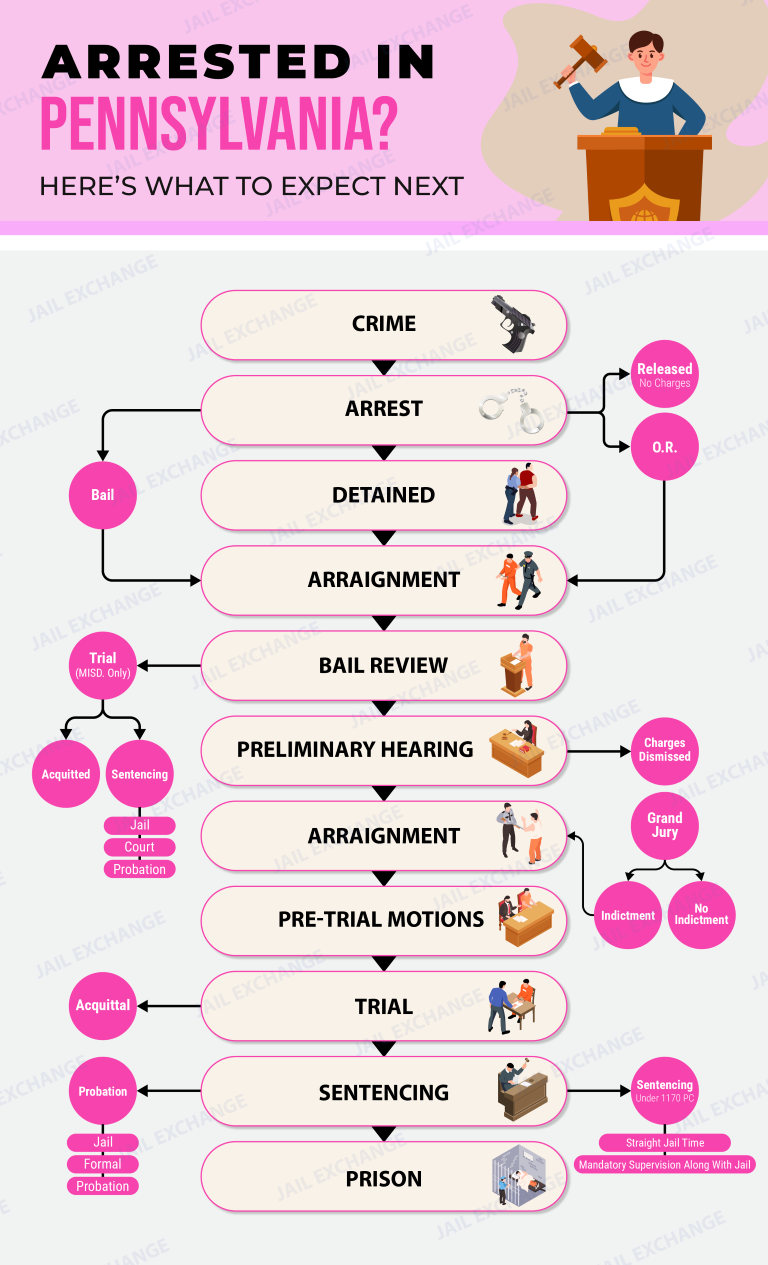
Information for this service is currently unavailable.
GettingOut / ViaPath Trust & Commissary Deposits
Provider: GettingOut (Telmate) • Rebranding as ViaPath Technologies (myViaPath)GettingOut and ViaPath Technologies provide electronic inmate trust banking solutions that allow family and friends to transfer money directly into an incarcerated person's jail trust and commissary account. Deposited funds give inmates the financial balance needed to purchase food items, personal hygiene products, stationery, and over-the-counter medical goods from the jail store.
Important: Facility Banking Policies Vary Across Jails
Once a person is booked and moved to a housing unit, facilities do not always allow cash drop-offs or phone payments directly to the jail window. Some might and you should confirm this by calling the facility and asking. But if you do not register online and fund your loved one's trust account immediately, they may be forced to wait days or weeks for standard paper processing, leaving them without essential soap, clean undergarments, basic medical sundries or snacks.
Step-by-Step Instructions to Deposit Trust Funds
- Confirm the inmate's legal first and last name, date of birth, and assigned jail booking identification number.
- Navigate to www.gettingout.com or the updated my.viapath.com portal.
- Sign into your verified profile and select Deposit Funds.
- Select the detention center where the inmate is currently housed.
- Choose Trust Account / Commissary and specify your deposit amount.
- Enter your credit or debit card billing information, review transaction fees, and submit payment.
- Save your digital receipt and confirmation number for your records.
What the Inmate Needs to Do
The inmate does not need an internet account to receive funds. Once the electronic transaction clears, the balance posts directly to their jail trust ledger according to facility accounting schedules. The inmate can review their updated balance at a dayroom pod kiosk or on their tablet and place orders on their regular commissary day.
Official Providers: GettingOut Website | myViaPath Portal
Customer Service Telephone: 1-866-516-0115 (GettingOut) • 1-877-650-4249 (ViaPath)
Support Hours: Monday – Friday, 7:00 AM – 11:00 PM CST; Saturday – Sunday, 8:00 AM – 7:00 PM CST
Supported Languages: English and Spanish
Other Services Provided by GettingOut / ViaPath
In addition to Trust Deposits, GettingOut and ViaPath provide several other communication and visitation options:
- Phone Calling Accounts: Prepay for phone calling credits so your loved one can call your telephone directly.
• Learn more on our website: Phone Calling Accounts Guide | • Visit official vendor page: ViaPath Phone Accounts - Two-Way Text Messaging: Send electronic messages and photos directly to an inmate's tablet or kiosk.
• Learn more on our website: Digital Messaging Guide | • Visit official vendor page: GettingOut Messaging - Remote Video Visits: Schedule and join live video visits from home using your computer or smartphone.
• Learn more on our website: Video Visitation Guide | • Visit official vendor page: GettingOut Video Visits - Inmate Tablets & Media: Fund tablet entertainment, music streaming, games, and news modules.
• Learn more on our website: Tablet Rentals & Content Guide | • Visit official vendor page: GettingOut Tablets
Deposit Money for an Inmate in the Lehigh County Jail
The Easiest and Securest Way of Depositing Money for an Inmate
There are several methods for depositing money on an inmate's account:
1. To send money online to an inmate in the Lehigh County Jail use gettingout / GTL / Viapath.

2. If you prefer to use your credit or debit card and deposit money over the phone, you can call them at 866-516-0115.
3. Deposit cash or use a debit or credit card using a dedicated kiosk for this purpose. The machine is located in the lobby or visitation area of the Lehigh County Jail.
4. The Lehigh County Jail may also allow you to *mail an inmate a money order or cashier’s check from a trusted source such as the Post Office, a local bank, or Western Union. The money order should be be made out to either the inmate or the Lehigh County Sheriff's Office, with the inmate’s name and ID# on the memo line of the check. To confirm this option call the facility at 610-782-3270.
*When mailing a money order or cashier’s check, send it an envelope by itself. Never send it with a letter or photos for your inmate, unless the facility allows it. Never send personal checks or cash.
5. The Lehigh County Jail has a reception desk that may accept cash, money orders or cashier checks. Call 610-782-3270 to find out the specific hours for drop off times.
Personal letters for the Lehigh County Jail in Allentown, Pennsylvania are not mailed to the jail itself. They go to a mail-scanning service that makes digital copies, and the jail mailroom prints the approved pages for the person to read. This stops letters soaked in drugs, then dried, from getting inside. Lawyers, courts and publishers still mail straight to the jail on North Fourth Street.
Personal letters, cards and photos (scanned):
Inmate's Full Name & Inmate ID Number
Lehigh County Jail - Pennsylvania
P.O. Box 247
Phoenix, MD 21131
Legal mail, books, magazines and newspapers (to the jail):
Inmate's Full Name & Inmate ID Number
Lehigh County Jail
38 N. Fourth Street
Allentown, PA 18102
- Name on the envelope: Use the name that is on the person's jail ID, plus their inmate ID number. The jail's mail line, 610-782-3216, can help with questions about mail.
- Return address: Your full name and address go at the upper left, or the jail may discard the letter.
- Pen or pencil: Only blue or black pen or a lead pencil is accepted, so leave colored ink, markers and crayons at home.
- Not accepted: Stickers, lipstick, anything attached to the envelope, stamps, blank envelopes or paper, plastic cards, jewelry or other metal, and anything the commissary sells.
- Photos: No Polaroid-type pictures, nothing larger than 8 x 10 inches, and no nudity.
- Greeting cards: Musical cards and cards with a voice box are refused, and so is any card bigger than 8 x 10 inches.
- Books and magazines: They must be new and mailed directly by the publisher, not bought at a local store and sent by you. Bill-me-later orders are refused, and so are oversize books larger than 9 x 11 inches. A person may have seven books, magazines and newspapers in all.
- Off-limits topics: Sexually explicit material and anything on weapons, explosives, escape, drugs, tattooing or gangs is turned away.
- Legal mail: It needs an embossed return address from the lawyer, court or official. Staff open it in front of the person to check for contraband.
- Money: Cash, personal checks and payroll checks are never accepted by mail, and a money order more than 30 days old is refused. If you send a money order, make it out to the person's full name with their inmate ID number on it. If you are unsure, call 610-782-3270 to confirm. Or send money online.
- Refused items: When something is turned away, the person is told and can ask for it to be returned to you.
For something quicker than a scanned letter, use electronic messages.
ViaPath AdvancePay Phone Calling Accounts
Provider: ViaPath Technologies • Formerly ConnectNetwork / Global Tel*Link (GTL)
AdvancePay is the primary prepaid telecommunications service operated by Global Tel*Link (GTL) and ConnectNetwork, which have unified under the corporate identity of ViaPath Technologies (and the myViaPath platform). By funding an AdvancePay account, telephone charges are deducted per minute whenever an incarcerated loved one calls your specific telephone number, preventing calls from being rejected by cellular carriers.
Important: Cell Carriers Automatically Block Jail Collect Calls
Inmate telephone networks do not permit incoming calls, and wireless cell providers automatically block traditional collect billing by default. While select traditional landlines may support operator billing, cell phones and internet-based lines require an active AdvancePay balance, which you can verify with your carrier. If you do not register your number online and add funds immediately, your loved one will hear an automated operator announcement stating your line is blocked from receiving correctional calls.
Step-by-Step Instructions to Open and Fund AdvancePay
- Visit web.connectnetwork.com or the updated my.viapath.com portal, or launch the ConnectNetwork / ViaPath mobile application.
- Click Sign Up and register using your primary 10-digit cellphone number and email address.
- Select Add Facility, pick your state, and choose the detention center or state prison where the inmate is held.
- Search for the inmate using their full legal name or facility booking ID number and link them to your contact directory.
- Select AdvancePay Phone and choose your deposit amount ($25, $50, or custom).
- Enter your debit or credit card billing details, accept the administrative transaction fee, and complete the payment.
- Check your phone settings to confirm that automated or unknown correctional numbers are not routed straight to spam.
What the Inmate Needs to Do
The inmate approaches any housing pod telephone, enters their assigned PIN and voice biometric recognition phrase, and dials your 10-digit number. ViaPath's automated operator confirms your active prepaid balance and connects the call. All personal telephone calls are subject to recording and monitoring by facility investigators.
Official Providers: ConnectNetwork Portal | myViaPath Portal
Customer Service Telephone: 1-877-650-4249 (Automated & Live Support)
Support Hours: Automated Service 24/7; Live Operators Monday – Friday, 8:00 AM – 10:00 PM EST
Supported Languages: English and Spanish
Other Services Provided by ViaPath Technologies (ConnectNetwork)
In addition to AdvancePay Phone Calling, ViaPath / ConnectNetwork provides several other communication, financial, and visitation services:
- ConnectNetwork Trust Fund Deposits: Transfer money directly into an inmate's jail trust account for commissary store purchases.
• Learn more on our website: Inmate Trust Deposits Guide | • Visit official vendor page: ConnectNetwork Trust Deposits - ViaPath PIN Debit Phone Calling: Give the inmate their own calling funds to contact any approved phone number independently.
• Learn more on our website: PIN Debit Phone Calling Guide | • Visit official vendor page: ViaPath PIN Debit Calling - ViaPath Messaging & Photo Sharing: Send digital messages, photos, and video attachments directly to their terminal.
• Learn more on our website: Digital Messaging Guide | • Visit official vendor page: ViaPath Messaging Services - GettingOut Video Visitation & Tablets: Schedule face-to-face remote video visits and manage handheld tablet communications.
• Learn more on our website: Remote Video Visitation Guide | • Visit official vendor page: GettingOut Video Visits
ViaPath PIN Debit Phone Calling Accounts
Provider: ViaPath Technologies • Formerly ConnectNetwork / Global Tel*Link (GTL)ViaPath PIN Debit (hosted on ConnectNetwork and myViaPath) provides incarcerated individuals with their own calling funds. Unlike AdvancePay (which only funds calls placed to your specific phone number), PIN Debit funds belong directly to the inmate, allowing them to call attorneys, bondsmen, employers, or extended family members across multiple approved telephone numbers.
Important: AdvancePay Only Funds a Single Phone Number
When someone is arrested, they often need to contact multiple people—including legal defense counsel, bail agents, employers, and relatives. If you only fund an AdvancePay account, your loved one will have no calling balance to dial anyone else, as rules and call authorizations vary by facility. Adding funds directly to ViaPath PIN Debit grants them the calling flexibility needed to handle critical legal and family arrangements without delay.
Step-by-Step Instructions to Fund a PIN Debit Account
- Sign into your account at web.connectnetwork.com or my.viapath.com.
- Click on PIN Debit under the communications menu.
- Select the state and facility, and link the inmate's booking identification number.
- Enter the deposit dollar amount and review the payment transaction fee.
- Enter your debit or credit card details and submit the payment.
- Notify your loved one that their personal PIN calling balance has been credited.
What the Inmate Needs to Do
The calling balance appears under the inmate's personal identification PIN. When they pick up any dayroom telephone or tablet, they select the 'PIN Debit' prompt from the automated menu to place calls to any approved number on their personal contact list.
Official Providers: ConnectNetwork Portal | myViaPath Portal
Customer Service Telephone: 1-877-650-4249
Support Hours: Automated Deposits 24/7/365; Live Agents Monday – Friday, 8:00 AM – 10:00 PM EST
Supported Languages: English and Spanish
Other Services Provided by ViaPath Technologies (ConnectNetwork)
In addition to PIN Debit Calling, ViaPath / ConnectNetwork provides several other communication, financial, and visitation services:
- AdvancePay Dedicated Phone Calling: Fund calls placed specifically to your personal phone number.
• Learn more on our website: AdvancePay Calling Guide | • Visit official vendor page: ConnectNetwork AdvancePay - ConnectNetwork Trust Fund Deposits: Deposit money for commissary food, hygiene supplies, and stationery.
• Learn more on our website: Inmate Trust Deposits Guide | • Visit official vendor page: ConnectNetwork Trust Deposits - ViaPath Messaging & Photo Sharing: Send digital messages and photos directly to their kiosk or tablet.
• Learn more on our website: Digital Messaging Guide | • Visit official vendor page: ViaPath Messaging Services - GettingOut Video Visitation & Tablets: Schedule face-to-face remote video visits from home.
• Learn more on our website: Remote Video Visitation Guide | • Visit official vendor page: GettingOut Video Visits
GettingOut / ViaPath Inmate Messaging
Provider: GettingOut (Telmate) • Rebranding as ViaPath Technologies (myViaPath)GettingOut (a service of Global Tel*Link / Telmate) provides an instant two-way digital messaging and photo-sharing platform connecting families with incarcerated individuals via housing-unit kiosks and handheld tablets. The provider is actively rebranding as ViaPath Technologies (under the myViaPath platform); depending on the facility contract, local booking sheets and tablets may still refer to the service as GettingOut, GTL, or ViaPath, but both brand portals grant access to the same centralized messaging balance.
Important: Contact Authorization and Digital Mail Rules Vary
Inmate digital messaging rules are not uniform across all county detention centers. While some jails allow immediate two-way messaging upon registration, others require initial contact invitations or administrative ID verification, which you should verify directly with the facility. If you delay setting up an online profile and funding your Friends & Family messaging account, your loved one may face lengthy periods without direct family communication.
Step-by-Step Instructions to Register and Message an Inmate
- Visit www.gettingout.com or the newly branded my.viapath.com portal, or install the GettingOut / myViaPath mobile app.
- Create a user profile using your primary email address and 10-digit mobile phone number.
- Complete identity verification by uploading a clear photo of your government-issued driver's license or state ID and taking a verification selfie if requested.
- Search for the inmate by selecting the state, correctional facility, and their legal name or booking ID.
- Send an outside contact connection request to link your account to their tablet profile.
- Deposit funds into your 'Friends & Family Account' using a debit or credit card to cover message and photo-sharing costs.
- Compose your text message in the chat box, attach approved photos, and submit it for jail screening.
What the Inmate Needs to Do
The inmate powers on their assigned pod tablet or approaches a housing-unit kiosk and logs into the messaging application with their PIN. They accept your incoming contact invitation on the screen. Once approved by institutional monitors, incoming messages appear in their inbox, and the inmate types a reply directly on the screen.
Official Providers: GettingOut Website | myViaPath Portal
Customer Service Telephone: 1-866-516-0115 (GettingOut Support) • 1-877-650-4249 (ViaPath Support)
Support Hours: Monday – Friday, 7:00 AM – 11:00 PM CST; Saturday – Sunday, 8:00 AM – 7:00 PM CST
Supported Languages: English and Spanish
Other Services Provided by GettingOut / ViaPath
In addition to Two-Way Text Messaging, GettingOut and ViaPath provide several other communications and visitation options:
- Remote Video Visits: Schedule and join live web-based video visits from your computer or smartphone.
• Learn more on our website: Video Visitation Guide | • Visit official vendor page: GettingOut Video Visits - Inmate Tablet Rentals & Media: Fund tablet entertainment, music streaming, games, and news modules.
• Learn more on our website: Tablet Rentals & Content Guide | • Visit official vendor page: GettingOut Tablets - AdvancePay Phone Calling: Prepay for telephone calls so your loved one can dial your mobile phone directly.
• Learn more on our website: AdvancePay Phone Calling Guide | • Visit official vendor page: ViaPath ConnectNetwork Calling - Inmate Trust Deposits: Transfer funds directly into their jail trust account for commissary store purchases.
• Learn more on our website: Inmate Trust Deposits Guide | • Visit official vendor page: ViaPath Trust Deposits
GettingOut / ViaPath Inmate Tablets & Media
Provider: GettingOut (Telmate) • Rebranding as ViaPath Technologies (myViaPath)GettingOut provides specialized, secure handheld tablets for county jail inmates, offering access to messaging apps, telephone calling, legal research tools, eBooks, vocational training, and premium entertainment rentals. As part of GTL and Telmate's transition to ViaPath Technologies, tablet firmware and management platforms are moving to the myViaPath system.
Important: Tablet Feature Availability Varies by Facility
Jails manage tablet distribution according to individual facility contracts. While basic educational and legal materials are often provided without cost, access to music streaming, games, podcasts, and premium movies requires an active funded account. You should confirm the tablet rules with the facility directly. Registering and funding their media balance right away ensures your loved one has productive resources and recreation during their stay.
Step-by-Step Instructions to Fund Inmate Tablet Services
- Confirm that GettingOut / ViaPath handheld tablets are active at your loved one's specific detention facility.
- Navigate to www.gettingout.com or my.viapath.com.
- Sign into your verified user profile and link the inmate's legal name and booking ID number.
- Select Make a Deposit and choose either your Friends & Family Account (for messaging) or the inmate's personal Inmate Account (for entertainment and song rentals).
- Choose your deposit amount, review convenience fees, and complete payment with a credit or debit card.
- Notify your loved one that their tablet account balance has been funded.
What the Inmate Needs to Do
The inmate unlocks their assigned tablet or signs one out from the pod charging station using their biometric verification or PIN. Once logged in, their available balance appears on the screen, allowing them to download songs, stream educational content, and communicate with approved family members.
Official Providers: GettingOut Website | myViaPath Portal
Customer Service Telephone: 1-866-516-0115 (GettingOut) • 1-877-650-4249 (ViaPath)
Support Hours: Monday – Friday, 7:00 AM – 11:00 PM CST; Saturday – Sunday, 8:00 AM – 7:00 PM CST
Supported Languages: English and Spanish
Other Services Provided by GettingOut / ViaPath
In addition to Tablet Media & Rentals, GettingOut and ViaPath provide several other communication and account services:
- Two-Way Text Messaging: Send electronic letters and photos straight to the inmate's screen.
• Learn more on our website: Two-Way Text Messaging Guide | • Visit official vendor page: GettingOut Messaging - Remote Video Visits: Meet face-to-face over secure live video from home.
• Learn more on our website: Video Visitation Guide | • Visit official vendor page: GettingOut Video Visits - AdvancePay Phone Calling: Prepay for phone calling credits so your loved one can call your telephone directly.
• Learn more on our website: AdvancePay Phone Calling Guide | • Visit official vendor page: ViaPath ConnectNetwork Calling - Inmate Trust Deposits: Transfer cash directly into an inmate's jail ledger for commissary purchases.
• Learn more on our website: Inmate Trust Deposits Guide | • Visit official vendor page: ViaPath Trust Deposits
Lehigh County County Jails
Lehigh County Juvenile Facilities
- Lehigh County Jail: 610-782-3270
- Adult Probation: 610-782-3933
- Allentown Police: 610-437-7751
- Arrest Warrants: 610-437-7664
- Bethlehem Police: 610-865-7187
- District Attorney: 610-782-3100
- Juvenile: 610-871-5960
- Juvenile Probation: 610-782-3143
- Men's Community Corrections: 610-758-8770
- Public Defender: 610-782-3157
- Sheriff: 610-782-3175
- Women's Community Corrections: 610-758-8770
The Lehigh County Jail serves the following cities and towns of Lehigh County: Allentown, Alburtis, Ancient Oaks, Breinigsville, Catasauqua, Coopersburg, Coplay, Emmaus, Fountain Hill, Hanover, Heidelberg, Hokendauqua, Macungie, North Whitehall, Salisbury, Slatington, South Whitehall, Upper Macungie, Upper Milford, Upper Saucon, Washington and Whitehall.