
Coleman County Jail
Coleman County Jail
Jail Phone Number
325-625-3506Coleman County Inmate Search: Who Is in the Jail on U.S. 283
Adults arrested anywhere in this county land in the Coleman County Jail, housed inside the Sheriff's Law Enforcement Center at 965 North U.S. 283, Coleman, TX 76834. Below we cover tracking someone down there, and then charges, booking photos, visiting days, letters, deposits, warrants and hearings.
Start with the Sheriff's online inmate custody list. Its form wants a beginning date plus the opening letters of a last name, and submitting it blank pulls up the whole roster. A brand-new arrest can lag behind for a while.
Still unsure? Ring jailers at 325-625-3506, spell the person's name, give the birthday, and ask what charges and bond were set. For release options see our bail page, and for the case itself, our court page walks the steps.
Read inmate search answers
 Read inmate search answers
1. Is a loved one on the Coleman County custody roster?
On the Sheriff's website, the roster sits behind a link titled "Online Inmate Custody List." Here is the routine:
- Pull up the roster form on any phone or laptop.
- Skip the date field for everybody, or fill in a day to begin from.
- Key in a few letters of the surname, or skip that field too.
- Scan the results. Alternate spellings are worth a second pass.
- Copy down any booking or ID number you spot, because jailers locate people quicker with one.
This is a modest lockup. Texas inspectors certified 57 beds, and on June 1, 2022 it held 30 prisoners, 9 of them on contract for outside agencies. Questions about an entry go to 325-625-3506.
↑ Back to the question list2. Name not on the roster yet?
An empty result tends to have an ordinary explanation:
- Booking still underway. Fingerprints and paperwork take time.
- Released already. Posting bond, or a magistrate's release order, may have sent them home.
- Another lockup. An out-of-county arrest, a federal case or a parole warrant can mean another building.
- Typos. Retry using only two letters, a middle name, or an earlier surname.
- Age 16 or younger. Kids are kept at juvenile centers, not this jail.
To double-check, phone jailers at 325-625-3506. Have their birth date in front of you when you dial.
↑ Back to the question list3. One jail here, but what about neighboring lockups?
The county has just one adult jail, so local arrests funnel to the Law Enforcement Center at 965 North U.S. 283, Coleman, TX 76834, 325-625-3506. Men, women, pretrial detainees and some contract prisoners share it.
Was the arrest over a county line? These neighbors run their own jails:
- Taylor County Adult Detention Center, 910 S. 27th St., Abilene, TX 79602, 325-691-7423
- Brown County Jail, 1050 West Commerce, Brownwood, TX 76801, 325-641-2481
- Runnels County Jail, 200 S. Hickory Hill Road, Ballinger, TX 76821, 325-365-2110
- Callahan County Jail, 432 Market Street, Baird, TX 79504, 325-854-1444
4. Are Coleman County mugshots handed out on request?
Booking photos come by way of a Public Information Act request mailed or handed to the Sheriff at 965 North U.S. 283, Coleman, TX 76834. State law lists basic arrest information as public (GC 552.108(c)). Phone 325-625-3506 and ask what format the office prefers. If the Sheriff's staff need longer than ten business days, they must say in writing when you'll hear back.
- For an immigration booking photo, file an ICE records request.
- Federal agencies mostly withhold mugshots, although U.S. Marshals occasionally release one when a fugitive is at large.
- Some websites post mugshots and charge to take them down. If that fee is $150 or more, the site must repair or erase a faulty listing without charge. Expunged files, and files under a nondisclosure order, are off their pages by law (Bus. & Com. Code ch. 109).
5. Want a heads-up when they're freed or moved?
Yes. Texas IVSS-Counties tracks county jail custody at no charge. Type the person's name into ivss-counties.tdcj.texas.gov, then register, with or without making an account. Its English and Spanish line, 866-268-8959, never closes. Notices go out for bookings, releases, court settings and moves to TDCJ, and your sign-up stays private.
Jailers at 325-625-3506 can also tell you whether your relative is still on U.S. 283 right now.
↑ Back to the question list6. What gets a Coleman County prisoner out on bond?
A Justice of the Peace, acting as magistrate, sees every new arrestee within 48 hours, usually at a morning session. That judge covers rights, hands out the court-appointed lawyer request and fixes bond on both felonies and misdemeanors. Justice Court: 100 W. Liveoak Street, Suite 103, Coleman, TX 76834, 325-625-4223.
- Cash bond: the court holds the entire amount and refunds it at the end of the case, keeping allowed fees.
- Surety bond: for a premium that stays theirs, a licensed bondsman backs the bond.
- Personal bond: a signed pledge without money down, barred for many violent offenses.
- Detainers from ICE or warrants from elsewhere can keep a person locked up after posting.
See our bail page for bond amounts, payment methods and bondsman rules.
↑ Back to the question list7. What does the paperwork accuse them of?
Jailers at 325-625-3506 can read the booking charges aloud. After prosecutors file, the clerk's file holds the formal charge.
- Felony files show up through the DA case search linked from the District Attorney's page.
- Misdemeanor files belong to the County Clerk, whose records search anyone may use.
- Statewide, re:SearchTX lists filings and orders once you register for free.
Texas ranks crimes by grade. The lowest, Class C, brings a fine of up to $500. Class B and Class A misdemeanors come next, and felonies can mean 2 years to life (PC ch. 12).
↑ Back to the question list8. Appointed counsel: who handles the request?
At magistration, your relative may request appointed counsel, and the judge assists with the paperwork. Callahan, Coleman and Taylor counties operate under one shared plan. The judge with the case must name a lawyer quickly, within three working days of getting that request.
- Concho Valley Public Defender's Office, Abilene branch, 400 Oak Street, Suite 300, Abilene, TX 79602, 325-229-4554. Under the plan it gets first call on appointments.
- Taylor County Indigent Defense, a source for request forms, 300 Oak St., Suite 504, Abilene, TX 79602, 325-738-8541.
Families remain free to retain private counsel. Read the three-county appointment plan online.
↑ Back to the question list9. When are Coleman County jail visits held?
Face-to-face visiting runs Tuesday and Saturday, noon until 4:30 p.m., with ten minutes between visits for wiping down. Steps:
- Phone 325-625-3506 no more than three days out. Same-day requests aren't accepted, so book by the day before.
- Appear on the prisoner's approved list, which is limited to immediate family.
- Carry a driver's license or state ID card. Tell control staff who you're seeing and your relationship.
- Purses, phones, photos and containers stay in the car, since jailers won't store belongings.
Anyone under 17 must come with a parent, legal guardian or attorney. Past inmates wait 90 days from release before visiting. For general pointers, see our visitation page.
↑ Back to the question list10. Deposits for snacks and calls: what works?
Money on the books covers snacks, soap, stamps and calling time. Dial 325-625-3506 and ask about current deposit choices, fees, caps and the details required. Have the full name and roster number ready.
Typical deposit routes appear in our money-sending guide. Our commissary page lists what a balance can buy. Mailed cash is a bad idea.
↑ Back to the question list11. Can the person phone home, or get messages?
Calls are placed outbound by prisoners, and the jail won't patch callers through to them. Ask jailers at 325-625-3506 about opening a calling account, per-minute rates and any tablet or messaging service. State design rules put a telephone in the booking area for detainees.
Expect every call to be recorded. Leave case details for talks with the lawyer. Our jail phone guide covers the usual calling setups, while our inmate messaging guide handles messages.
↑ Back to the question list12. Where do letters go, and what's inside allowed?
Write the person's full name above this address: Coleman County Jail, 965 North U.S. 283, Coleman, TX 76834. Before mailing, call 325-625-3506 to learn which enclosures pass inspection and whether to write a booking number on the envelope.
- Texas jail standards allow prisoners unlimited outgoing and incoming correspondence.
- A lawyer's letter is unsealed with the prisoner watching, and staff only check it for contraband.
- Prisoners with no money get writing supplies and stamps, enough to mail three letters or more per week.
- Print your name and return address clearly, and keep cash out.
Photos, books and frequent rejections are covered in our inmate mail guide.
↑ Back to the question list13. Who keeps belongings taken at booking?
Jailers inventory and store clothing, wallets and phones until release. Ask at 325-625-3506 whether a relative may collect items, when, and whether the prisoner's written okay is needed first. Bring photo ID to 965 North U.S. 283, Coleman, TX 76834.
↑ Back to the question list14. Their medicine, an injury or a crisis: who answers?
The Sheriff answers for the health and safety of every prisoner. Report a medical or mental health need to 325-625-3506 without delay, with the medication's name, the dosage and a phone number for the prescriber.
If nothing improves, contact the state jail commission, TCJS, through its complaint page, at 512-463-5505, or through the inbox info@tcjs.state.tx.us.
↑ Back to the question list15. Could a Coleman County warrant be waiting for someone?
Sheriff's deputies handle warrant service throughout the county, and inside town city police do too. Ask the Sheriff's Office at 325-625-3506 or the police department at 325-625-4114. Many local warrants start at the Justice Court, reachable at 325-625-4223, while the District Clerk handles felony warrant paperwork, 100 W Liveoak Street, Suite 201, Coleman, TX 76834, 325-625-2568. DPS lists the state's top most-wanted fugitives online. Anyone named in one ought to consult a lawyer, who may set up a voluntary surrender or petition the issuing court for another setting.
↑ Back to the question list16. Next court setting: which clerk knows?
Every court keeps a separate calendar, so phone whichever one owns the case:
- Felony: District Clerk, 100 W Liveoak Street, Suite 201, Coleman, TX 76834, 325-625-2568.
- Class A or B misdemeanor: County Clerk, 100 W. Live Oak Street, Suite 105, Coleman, TX 76834, 325-625-2889.
- Class C: Justice Court, 100 W. Liveoak Street, Suite 103, Coleman, TX 76834, 325-625-4223, which sits Tuesday to Thursday.
- City citations: Municipal Court, 200 W. Liveoak St., Coleman, TX 76834, 325-625-4116.
For every stage of a prosecution, see our court page.
↑ Back to the question list17. A federal arrest: whose custody, which locator?
Federal prosecutions from this area go to San Angelo's O.C. Fisher Federal Building, 33 E. Twohig Avenue, Room 202, San Angelo, TX 76903, 325-655-4506.
- At a detention hearing (18 U.S.C. 3142), a magistrate judge rules on pretrial release.
- Detained defendants stay in Marshals custody, frequently at a contract county jail. The Abilene Marshals office, 341 Pine Street, Room 207, Abilene, TX 79601, 325-672-2147, can say where.
- Pretrial detainees often don't appear on the Bureau of Prisons site, so the Marshals are your source.
- Once sentenced, the BOP inmate locator finds them by register number or name.
18. Held for immigration: where to look?
An immigration hold at a Texas county jail typically unfolds this way:
- Jail staff receive ICE's detainer request on Form I-247A.
- Under 8 CFR 287.7(d), jailers may hold the person up to 48 hours after they would otherwise be released.
- Texas law makes jails obey each detainer unless the person can document legal status (CCP art. 2A.060). Local rules can't weaken this (GC 752.053).
- In 2025, Texas lawmakers ordered every jail-operating county to go after a 287(g) partnership with ICE. They set December 1, 2026 as the finish line. Local progress on that front is something the Sheriff can explain at 325-625-3506.
- After transfer, search the ICE Online Detainee Locator with an A-number and country of birth, or with a name, birth country and birth date. No luck? Contact the ICE Dallas Field Office, covering North Texas, 8101 N. Stemmons Freeway, Dallas, TX 75247, 972-367-2200.
19. After a prison sentence, which TDCJ unit?
A sentenced felon stays on U.S. 283 until TDCJ transports them to an intake unit for classification. From there they are assigned to a longer-term unit.
- TDCJ's inmate lookup searches by SID number, by TDCJ number, or by a surname with the first initial added. Only people inside a TDCJ facility today show up, and data refreshes each workday.
- Unit addresses and phones appear in our roundup of Texas state prisons.
20. Where do Coleman County youths get detained?
Cases against youths who were ages 10–16 on the date of the alleged act go to juvenile court. From age 17, Texas prosecutes youths in adult court (FC 51.02(2)). A detained youth gets counsel and a detention hearing within two working days (FC 54.01).
Youths who can't be released are driven to a certified juvenile facility outside the county. Two likely options:
- Taylor County Juvenile Detention Center, 889 South 25th Street, Abilene, TX 79602, 325-691-7462
- Ray West Juvenile Justice Center, 818 FM 3254, Brownwood, TX 76801, 325-643-8650
The Sheriff's Office at 325-625-3506 can confirm which center received the child.
↑ Back to the question list21. Which agencies arrest people around here?
A Census Bureau estimate counted about 7,915 residents on July 1, 2025. Several agencies can make an arrest:
- Coleman County Sheriff's Office, 965 North U.S. 283, Coleman, TX 76834, 325-625-3506. Deputies cover all of the county, and its dispatchers also take 911 calls for the city.
- Coleman Police Department, 109 N. Concho Street, Coleman, TX 76834, 325-625-4114, option 1, police@cityofcolemantx.gov. It sits beside City Hall.
- Santa Anna, Novice and the smaller communities: ask the Sheriff's dispatch, at the number above, which agency covers that spot.
- Constables: see the county's Constable page.
- State troopers: the Texas Highway Patrol, part of DPS, works the state roads here. Jailers can confirm a trooper's booking.
Coleman County Bail and Release
Whether a sheriff's deputy, a state trooper or a city officer makes the arrest, adults here land in one lockup, the county jail at the Sheriff's Law Enforcement Center, 965 North U.S. 283, Coleman, TX 76834. Read on for who picks the bond, the three bond types, which courthouse windows to phone, and the holds a bond can't erase. For the wider set of state rules, open our Texas bail laws page.
First, confirm your relative hasn't already been released. The Sheriff's website links an online inmate custody list that answers it. For a fuller custody picture, our Inmate Lists page covers fresh bookings, warrants left open, what charges were filed, booking photos, lawyers named by a judge and the release of personal items.
Ring the jail at 325-625-3506 next. Find out three things: whether the magistrate hearing happened, the bond figure on every charge, and which office collects it. After a court date is set, follow along on our court page.
1. Who decides bail following a Coleman County arrest?
The county's Justice of the Peace doubles as the magistrate. At a short hearing, this judge names each charge, reads the rights out loud, and sets bail for felony and misdemeanor charges alike. The Justice Court sits at 100 W. Liveoak Street, Suite 103, Coleman, TX 76834, 325-625-4223. Under the area's plan for appointed lawyers, a magistrate holds these hearings every morning.
Texas gives jailers 48 hours, counted from arrest, to get someone before a magistrate, and a video link is allowed (CCP art. 15.17(a)). Bail gets decided inside that window, case by case, choosing the lightest conditions that still guard the community, says CCP art. 17.028.
For Class B and above, the judge first studies a state-form public safety report. It's a rap sheet summary. It carries no score and no suggested price (CCP art. 17.022).
↑ Back to the question list2. What kinds of bond does Texas recognize?
Texas lumps every type of release under the word "bail." Three forms are common in Coleman's courts (CCP art. 17.01):
- Cash bond. Relatives or friends hand the full sum to the court, then see it again after the case, minus allowed fees.
- Surety bond. A bondsman licensed in Texas backs the full sum, and the premium paid to that business is gone for good.
- Personal bond. The jailed person signs a promise to show up, and nobody pays on day one.
No personal bond is allowed on many violent charges, on a felon holding a firearm, and on certain protective order breaches. Burglary and certain drug cases need the trial judge's personal sign-off before one is granted (CCP art. 17.03). Ask the jail which rule fits your relative's charge.
For a fine-only ticket, the magistrate may release with nothing but a written court date, a choice CCP art. 15.17(b) allows. Strings can be tied to any bond, too. Someone out on bond after a second drunk driving arrest, for example, will likely need an ignition interlock, which is a breath tester wired to the car's starter (CCP art. 17.441). The magistrate explains any conditions at the hearing.
↑ Back to the question list3. How much is bond likely to be?
Texas leaves bail amounts to each hearing rather than a statewide price chart, so a phone quote before the hearing isn't possible. The magistrate weighs a set of factors written into CCP art. 17.15(a):
- enough money to bring the accused back for court
- bail can't be turned into a weapon against the accused
- what was charged and how it allegedly went down
- real ability to pay, not a guess
- safety for victims, officers and neighbors
- the person's record, citizenship and the safety report
One situation does carry a ceiling. Suppose officers made a warrantless arrest and the magistrate's probable cause ruling came too slowly. Then the bond can't top $5,000 on a misdemeanor or $10,000 on a felony, and someone who can't raise that walks out on a personal bond, all under CCP art. 17.033.
The state court system has a bail information page. The real number for your relative comes from the Justice Court at 325-625-4223.
↑ Back to the question list4. How does bonding out of the Coleman County Jail work?
Jailers work out of the Law Enforcement Center, 965 North U.S. 283, Coleman, TX 76834. Use this checklist:
- Phone 325-625-3506 and ask to speak with a jailer.
- Spell your relative's full name and birth date. Write down each charge's bond and learn if any still awaits the magistrate.
- Learn where the money is taken, the jail or a courthouse clerk, and that window's hours.
- Ask which kinds of payment work, and who the payee line on a money order should name.
- Bring a photo ID, and keep each bond receipt in a folder.
Before a jailer accepts bail, Texas makes them pull the criminal history. Jailers never choose the figure on a violent charge (CCP art. 17.20). The Sheriff's own charges are spelled out in the county's 2026 Sheriff and Constable fee list.
↑ Back to the question list5. Can bond be paid on Live Oak Street?
Since a court holds cash bail, a clerk may take it in (CCP art. 17.02). Each office handles its own kind of case, so phone before heading over. The courthouse has three:
- Justice Court, for magistrate hearings and Class C cases, 100 W. Liveoak Street, Suite 103, Coleman, TX 76834, 325-625-4223. Hours run Monday through Thursday 8:00 a.m. to 4:30 p.m. and Friday 8:00 a.m. to 4:00 p.m., closing noon to 1:00. Nobody can leave voicemail there, so try again later if it rings out.
- District Clerk, for felony files, 100 W Liveoak Street, Suite 201, Coleman, TX 76834, 325-625-2568. Its hours and lunch break mirror the Justice Court's.
- County Clerk, which files misdemeanor A and B cases, 100 W. Live Oak Street, Suite 105, Coleman, TX 76834, 325-625-2889. Weekday hours match, with a possible lunch close.
Also ask the clerk how soon jailers act once the money is in.
↑ Back to the question list6. Will the jail take cash, cards or money orders?
Each jail sets its own bond payment rules. Before you drive out, call 325-625-3506 and get the exact total. Mailing cash is never safe.
County and city sites do offer card payments, yet those links handle tickets, fines and court costs only, never a jail bond:
- The Justice Court's citation payment page takes full payment and nothing less. Paying a ticket there counts as a no contest plea plus a conviction, so think it over.
- Felony court costs owed to the District Clerk run through PayTexas.
- Tickets from the town's municipal court use a separate city court payment page.
If your cash or card won't work at the jail, a licensed bondsman becomes plan B.
↑ Back to the question list7. How do Texas bondsmen charge and operate?
In Texas law a bondsman is a "surety." The surety pledges the full bail, and the fee you pay is the surety's to keep. State law leaves that fee uncapped. A few protections may apply (OC ch. 1704):
- Where a board exists, each payment to a surety earns you a written receipt.
- Board counties bar sureties from drumming up customers among jail inmates.
- Once the case wraps up, write to the surety; in a board county, any collateral you pledged, maybe a pickup's title, is due back inside 30 days.
- Your relative's own defense attorney may serve as the surety.
Licensing of sureties falls to a bail bond board in any county above 110,000 residents, while ranch counties with fewer people may choose to form one (OC 1704.051, 1704.052). In board-free counties, CCP art. 17.141 permits a sheriff to put up the names of eligible sureties. Ask a jailer at 325-625-3506 for that list.
Sureties who want off a bond must first give the defense lawyer notice, then file a sworn paper (CCP art. 17.19).
↑ Back to the question list8. What can still hold someone after bond?
Bond buys release from one case, no more. Watch for these other holds:
- Another county's warrant. Even so, CCP art. 15.18 allows a local magistrate to take bail and send that bond along to the county wanting the person.
- A parole "blue warrant." The parolee sits until the violation hearing (GC 508.254(c)).
- An immigration detainer. Texas jails must keep honoring an ICE request until the person shows lawful status, a duty found in CCP art. 2A.060.
- A family violence wait. A 4-hour cooling-off hold follows bond when there is cause to fear more abuse. A signed order from the magistrate (CCP art. 17.291(b)) can stretch it by up to 48 more hours.
- A second case. City tickets and county charges each carry their own bond.
Adult probation here runs through Taylor County's supervision department, which serves Callahan and Taylor too. Before spending a dime, call a jailer at 325-625-3506 and ask them to list each hold.
↑ Back to the question list9. When can Coleman County deny bail?
Bail is a right in nearly every Texas case. Still, a judge may refuse it in a capital case with strong proof. Refusal is also possible in a few narrow cases tied to repeat felonies, broken bonds or broken protective orders. The Texas Constitution, article I, section 11 and its lettered parts set these out.
Section 11d arrived through Proposition 3, which voters passed November 4, 2025. Its reach covers murder, capital murder, kidnapping and robbery in their aggravated forms, aggravated sexual assault, human trafficking, sexual indecency involving a child, and aggravated assault involving a weapon or serious harm. For those, bail "shall be denied" when a prosecutor's evidence at a hearing proves flight risk or danger. No one but the prosecutor can request it. Should the judge grant bail regardless, a written explanation must follow.
S.B. 9, another 2025 law, lets prosecutors bring felony bail to a district judge for fresh review under CCP art. 17.029. On listed violent crimes, prosecutors may also appeal bail as too low. The appeals court then has 20 days, and the accused waits in jail meanwhile (CCP art. 44.01).
The prosecutors handling felonies are based at the District Attorney's Office, 114 W. Live Oak St., Coleman, TX 76834, 325-625-1316.
↑ Back to the question list10. How is a bond reduction requested?
Only a judge can shrink a bond. The defense lawyer asks in a written motion filed in whichever court holds the case. Families can feed that motion:
- Collect pay stubs, a lease or utility bills showing steady work and a local home.
- Total up, truthfully, what the household could put toward bail, since bail must fit a person's means (CCP art. 17.15(a)).
- Name a driver who will get your relative to every hearing.
Slow cases help as well. Prosecutors get a deadline to be ready for trial while the accused sits in jail: 90 days on a felony, 30 days for Class A, 15 for Class B and just 5 for a fine-only charge. If that clock runs out, CCP art. 17.151 usually entitles the defendant to a personal bond or smaller bail, though some charges are excluded.
Felony motion settings come from the District Clerk at 325-625-2568. For Class A or B cases, try the County Clerk at 325-625-2889.
↑ Back to the question list11. How are lawyers appointed for Coleman County defendants?
During the magistrate hearing, your relative hears how to ask for a lawyer at county expense. The magistrate then walks them through the form. The request reaches the appointing court within 24 hours. Three working days is this county's limit for naming counsel, measured from receipt of the form (CCP art. 1.051(c)). The biggest counties get just one.
Callahan, Coleman and Taylor counties run one shared lawyer plan. Under it, written requests go to the 42nd District Court, 300 Oak St., Abilene, TX 79602. These offices can also help:
- Taylor County Indigent Defense hands out request forms, 300 Oak St., Suite 504, Abilene, TX 79602, 325-738-8541
- Concho Valley Public Defender's Office, which the plan puts at the front of the appointment line, 400 Oak Street, Suite 300, Abilene, TX 79602, 325-229-4554
Under CCP art. 26.04, appointed counsel owes a jailed client a first contact attempt within roughly one business day. The three-county lawyer plan is posted online by the state.
↑ Back to the question list12. Which courthouses hear cases from here?
Three county courts share the courthouse on Live Oak Street:
- 42nd District Court, felonies, through the District Clerk, 100 W Liveoak Street, Suite 201, Coleman, TX 76834, 325-625-2568. Its judge also hears Callahan and Taylor cases.
- County Court, Class A and B misdemeanors plus ticket appeals, through the County Clerk, 100 W. Live Oak Street, Suite 105, Coleman, TX 76834, 325-625-2889.
- Justice Court, Class C cases filed by troopers, game wardens and deputies, 100 W. Liveoak Street, Suite 103, Coleman, TX 76834, 325-625-4223.
Two other courts are in different buildings:
- City of Coleman Municipal Court, town tickets, 200 W. Liveoak St., Coleman, TX 76834, 325-625-4116. Walk-ins are welcome weekdays from 8:00 a.m. to 5:00 p.m.
- U.S. District Court, San Angelo Division, federal crimes, O.C. Fisher Federal Building, 33 E. Twohig Avenue, Room 202, San Angelo, TX 76903, 325-655-4506.
13. When is cash bail refunded?
Cash bail is refunded to whoever's name sits on the bond receipt, once the case closes and no hearing was missed (CCP art. 17.02). Two things may come off the top:
- A guilty outcome or deferred adjudication lets the clerk skim 5%, capped at $50 (LGC 117.055).
- CCP art. 17.53 lets the clerk apply the deposit to fines and costs your relative owes.
A missed hearing gives the judge grounds to forfeit the bond. The bondsman is spared payment when the no-show gets rearrested in time: a misdemeanor allows 180 days of grace, a felony 270, per CCP art. 22.13. The no-show itself may become a fresh charge, bail jumping (PC 38.10).
Look over the state's money bond guide, then phone the clerk who took the cash, such as the District Clerk at 325-625-2568.
↑ Back to the question list14. How do we get their wallet, phone and account balance back?
Wallets, phones and clothes taken during booking go into jail property storage. Phone 325-625-3506 to arrange pickup at 965 North U.S. 283, Coleman, TX 76834, and ask how any account balance gets paid back.
Bring photo ID when you come. Collecting on another person's behalf? Ask if the jail wants their written permission first. General deposit and refund tips are on our inmate money page.
↑ Back to the question list15. Is bail different on a federal charge?
Federal judges for this county sit in San Angelo, a division of Texas's Northern District, inside the O.C. Fisher Federal Building, 33 E. Twohig Avenue, Room 202, San Angelo, TX 76903, 325-655-4506.
- Release is the call of a federal magistrate judge, made at a detention hearing (18 U.S.C. 3142). The judge sets conditions or orders custody until trial. Bondsmen don't take part.
- Deputy U.S. Marshals hold federal prisoners while trial is pending. Their San Angelo office, open only while court is in session, is at 33 E. Twohig Avenue, Suite 106-D, San Angelo, TX 76903, 325-658-4056. The Abilene office is at 341 Pine Street, Room 207, Abilene, TX 79601, 325-672-2147.
- After sentencing, the Federal Bureau of Prisons locator shows where they serve.
16. Can ICE keep someone in after bond is paid?
Yes. Bond clears the Texas side only. An immigration hold moves on its own:
- ICE sends the Law Enforcement Center a Form I-247A, its detainer request.
- Staff at the Law Enforcement Center may then hold your relative up to 48 hours after they would otherwise be released (8 CFR 287.7(d)).
- A 2017 state law, now CCP art. 2A.060, makes jails here obey ICE detainers unless someone documents lawful status. Local leaders can't adopt rules that limit this (GC 752.053).
- Deputies at 325-625-3506 can explain the county's status under 287(g), ICE's partner program for local jails. A 2025 Texas law told each jail county to apply by December 1, 2026.
- Search the ICE Online Detainee Locator with what ICE asks for: the person's name, the nation of birth, and an A-number or birth date. ICE's advice after an empty search is to ring a field office. Its Dallas office handles North Texas from 8101 N. Stemmons Freeway, Dallas, TX 75247, 972-367-2200.
17. Which state lockups take long sentences?
State jail felons serve between 180 days and two years in one of Texas's state jails (PC 12.35). By contrast, third-degree and worse felonies mean prison under the state's criminal justice department, known as TDCJ. After sentencing, most stay at the jail on U.S. 283 until TDCJ has room. Each goes through an intake unit and is later moved to one that suits them.
- TDCJ's inmate search runs on a precise surname with an initial, or else the state ID numbers TDCJ and SID. Its records lag a day or more, so check back.
- Our Texas state prisons page profiles every prison.
18. What happens when a Coleman County teen is jailed?
A Texas youth from age 10 up to 16 on the day of the offense goes to juvenile court. Seventeen-year-olds land in adult court (FC 51.02(2)). The arresting officer has to alert a parent without delay.
Detained youths wait no more than two working days for a judge at what's called the detention hearing. When deputies bring a youth in on Friday or Saturday, the judge must hold it on Monday or the next open court day. Your teen gets a lawyer beforehand (FC 54.01). A 14-year-old facing one of the worst felonies could even be certified for adult court under FC 54.02.
A teen the judge won't release goes to a certified juvenile center, and the nearest ones are in other counties. Your teen may end up at either of these:
- Taylor County Juvenile Detention Center, 889 South 25th Street, Abilene, TX 79602, 325-691-7462
- Ray West Juvenile Justice Center, 818 FM 3254, Brownwood, TX 76801, 325-643-8650
Deputies can tell you which center took your teen and the hearing date. Reach the Sheriff's Office at 325-625-3506.
↑ Back to the question listColeman County Jail Inmate Visitation
Friends and Family – Visitors to this jail in Coleman County, Texas should not expect to find hours on a public webpage. The schedule is given out only by phone, at 325-625-3506. A published schedule can clash with privacy, security, and the practice of setting times per inmate or unit.
Before You Telephone
- Have the inmate's full name and date of birth, your own name and ID, and any booking number nearby.
- The first chance to visit is often 48 hours to a week after intake; ask when the person will be eligible.
- State your name and relationship up front, and keep the request polite and specific.
Questions to Ask When You Call
- how far ahead you need to lock in a time
- what visitors may wear and what they may bring
- whether you must register or be on an approved list and how to get added
- whether you will be visiting in person, by video, or both
- the time limit for a visit
- if a child can come along and what is required
- the hours and days currently used for visiting
- what form of photo ID to bring
What Visitors Typically Encounter
Most jails follow rules like the ones below. Ask staff whether they apply at Coleman County Jail.
- Typical dress rules bar underwire bras, which set off metal detectors at check-in.
- Most jails require that any child remain with a responsible adult and be watched the entire time.
- Typically you will be asked to store cell phones, smartwatches, jewelry, purses, and bags in your vehicle or a locker before you go in.
- Visits can be cancelled without notice, for example during a lockdown or count.
- Do not arrive under the influence of drugs or alcohol; staff at most facilities will deny the visit.
- Typical rules bar weapons and tobacco products entirely.
Good to Know
Video or scheduled visits at Coleman County Jail in Coleman County, Texas are handled through CorrectPay (JailFunds).

CorrectPay Video Visitation provides a secure online platform that enables families and children to conduct face-to-face video visits with incarcerated loved ones from home using an internet-connected smartphone, tablet, or personal computer equipped with a webcam.
Important: Advance Visitor Approval Is Mandatory
Correctional facilities do not allow drop-in or unverified video sessions. Jails require prospective visitors to submit government-issued photo identification and receive administrative clearance before booking a visit, a process that can take 24 to 72 hours depending on facility staffing. You should verify your visitor approval status with the facility prior to scheduling. If you do not register well in advance, you will miss your loved one's scheduled visiting window for the week.
Step-by-Step Instructions to Register and Schedule a Video Visit
- Visit www.correctpay.com or launch the CorrectPay mobile app.
- Register your visitor profile and upload a clear photo of your government-issued ID (driver's license or passport) for facility background review.
- Wait for email notification confirming facility visitor approval.
- Once approved, choose Schedule Visit, pick your detention facility, and select the inmate.
- Browse the available schedule calendar, choose a 20- or 30-minute time slot, and pay the visitation fee using a credit or debit card.
- Log into the app or website 10 minutes prior to the start time on a device with a working camera, microphone, and stable high-speed internet connection.
What the Inmate Needs to Do
The inmate receives a visitation notification on their housing unit video kiosk or assigned tablet. At the appointed time, they log in with their PIN and sit before the terminal. Inmates and visitors must strictly observe jail dress and conduct rules, as sessions are actively monitored and will terminate immediately upon any violation.
Official Provider: CorrectPay Official Website
Customer Service Telephone: 1-855-836-3364
Support Hours: Monday – Friday, 7:00 AM – 7:00 PM CST; Saturday, 8:00 AM – 5:00 PM CST
Supported Languages: English and Spanish
Other Services Provided by CorrectPay (VendEngine)
In addition to Remote Video Visits, CorrectPay provides several other communication, financial, and commissary services at participating correctional facilities:
- Inmate Trust Money Deposits: Send money directly into an inmate's personal trust account for canteen and phone usage.
• Learn more on our website: Inmate Trust Deposits Guide | • Visit official vendor page: CorrectPay Trust Deposits - Commissary Orders & Snack Packs: Order pre-approved snack boxes, food packages, and clothing directly to the jail.
• Learn more on our website: Commissary Orders Guide | • Visit official vendor page: CorrectPay Store Packages - Cash Bail & Bonding Services: Pay bail bonds online 24/7 to secure quick discharge from custody.
• Learn more on our website: Cash Bail & Bonding Guide | • Visit official vendor page: CorrectPay Bail Services - Digital Mail & Email Messaging: Send digital messages and photos directly to their kiosk or tablet.
• Learn more on our website: Digital Messaging Guide | • Visit official vendor page: CorrectPay Messaging - Inmate Phone Time: Prepay for phone calling credits so your loved one can call your phone directly.
• Learn more on our website: Inmate Phone Time Guide | • Visit official vendor page: CorrectPay Phone Time
Coleman County Criminal Court Guide
Unless a bond gets them out, adults charged here wait out their case in the county jail at 965 North U.S. 283, Coleman, TX 76834. Court happens a short drive away, in the county courthouse on Live Oak Street. Below, you'll learn which judge takes which charge, where every clerk's window is, and how a case travels from the magistrate to a sentence.
Is your relative still behind bars? The Sheriff's online inmate custody list will tell you. Our Inmates in Custody page zooms in on the arrest side of things: recent bookings, warrants on file, the charge list, mugshots, court-appointed defenders and property pickup.
Ring the jail first, at 325-625-3506. Ask if each charge is a felony or a misdemeanor, since that decides which clerk keeps the file. Hoping to get your relative released before trial? Our bail page covers that.
1. Which local judge gets a felony versus a misdemeanor?
Texas sorts crimes into levels, and here every level lands before a different judge in town:
- Felonies: the 42nd District Court, with records at the District Clerk's office. This judge rides a circuit that includes Callahan and Taylor counties.
- Class A and B misdemeanors: handled by the County Court, where the elected County Judge presides. A conviction can bring time in the county lockup. The County Clerk's office stores those files.
- Class C misdemeanors: fine-only offenses. The Justice Court takes these, except tickets city police write, which stay in municipal court.
Lose a Class C case in Justice Court, and you can appeal to the County Court for a brand-new trial. Statewide, the highest word on criminal appeals comes from the Court of Criminal Appeals, as the state's court system pamphlet explains.
↑ Back to the question list2. Where are the Coleman County courthouses?
Three county courts share the courthouse at 100 W Live Oak Street, Coleman, TX 76834. Have the cause number ready when you call:
- District Clerk, 42nd District Court files, 100 W Liveoak Street, Suite 201, Coleman, TX 76834, 325-625-2568, dclerk@co.coleman.tx.us. Monday to Thursday 8:00 a.m. to 4:30 p.m. and Friday 8:00 a.m. to 4:00 p.m., shut from noon to 1:00 for lunch.
- County Clerk, County Court files, 100 W. Live Oak Street, Suite 105, Coleman, TX 76834, 325-625-2889. The same weekday schedule, sometimes closing over lunch.
- Justice Court, ground floor, 100 W. Liveoak Street, Suite 103, Coleman, TX 76834, 325-625-4223. Same hours and lunch break. Court sits Tuesday, Wednesday and Thursday. Messages can't be left on this line, so try again later.
Town tickets are heard elsewhere, at the municipal court, 200 W. Liveoak St., Coleman, TX 76834, 325-625-4116.
↑ Back to the question list3. Does the town of Coleman run its own court?
Yes. City police tickets go to the City of Coleman Municipal Court, 200 W. Liveoak St., Coleman, TX 76834, 325-625-4116, court@cityofcolemantx.gov.
- Its docket is walk-in, any weekday from 8:00 a.m. to 5:00 p.m.
- Fines can be paid with a mailed check or money order, at the utility billing counter inside City Hall, or through the city court payment page.
Class C citations from troopers, game wardens and deputies go instead to the Justice Court, 100 W. Liveoak Street, Suite 103, Coleman, TX 76834, 325-625-4223. For a ticket from Santa Anna or anywhere else, the citation itself names the court. If it's smudged, ask the Justice Court clerk.
↑ Back to the question list4. What happens before the magistrate after booking?
For people jailed here, the magistrate role belongs to the Justice of the Peace. Texas allows 48 hours from arrest to get them in front of one, and a video screen counts (CCP art. 15.17(a)). The judge goes over:
- what the accusation is
- silence as a right, and how words spoken can come back at trial
- hiring counsel, or requesting a county-paid lawyer with help filling in the request
- keeping a lawyer at their side for questioning, and the power to stop an interview
- in a felony case, an examining trial on request (CCP art. 16.01)
Bail is set during the same visit. That examining trial tests, before indictment, whether enough evidence exists to keep the felony going.
↑ Back to the question list5. What path do Class A and B cases take?
The County Attorney starts a misdemeanor case with a charging paper known in Texas courts as an information. From there the County Judge takes over, roughly in this order:
- Arraignment. Identity gets checked, then the defendant answers the charge, per CCP art. 26.01. Defense counsel may waive it on paper.
- Pretrial settings. Evidence gets exchanged, and plea talks may happen. When a judge refuses the bargain, the plea can be taken back, as CCP art. 26.13 provides.
- Plea or trial. Most misdemeanors close with a plea, yet a trial remains open to either side.
Penal Code chapter 12 sets these ranges:
- Class A (PC 12.21): up to a full year in the county lockup, a fine reaching $4,000, or both.
- Class B (PC 12.22): as much as 180 days inside, a fine reaching $2,000, or both.
- Class C (PC 12.23): only a fine, capped at $500.
Deferred adjudication is another path. With it, no guilt is entered while the person spends up to two years under supervision, and finishing clean leads to dismissal (CCP art. 42A.111).
↑ Back to the question list6. How does a Coleman County felony unfold?
Felony cases belong to the District Attorney on one side and the 42nd District Court on the bench. Expect these stages:
- Magistrate hearing in the Justice Court, where bond is set.
- Examining trial, only if the defense asks before indictment.
- Grand jury review. Everything said there stays secret. An indictment, the formal felony charge, needs a yes from at least nine of them (CCP art. 20A.301).
- Arraignment in the 42nd's courtroom, with the plea entered.
- Plea bargain or jury trial, and then the sentence.
Penal Code chapter 12 lists these felony ranges:
- State jail felony (PC 12.35): between half a year and 2 years, inside a state jail rather than prison.
- Third degree (PC 12.34): prison with TDCJ, anywhere from 2 to 10 years.
- Second degree (PC 12.33): anywhere from 2 to 20 years.
- First degree (PC 12.32): 5 to 99 years, with life possible.
Every level can tack on a fine reaching $10,000. Earlier felony convictions can lift the range by one degree (PC 12.42). For felonies, deferred adjudication can stretch as long as a decade.
↑ Back to the question list7. What's harder about a violent felony case?
They follow the same path through the 42nd District Court, but each stage gets harder:
- Getting out. Many violent charges bar a personal bond. Since November 2025, section 11d of the state constitution (Proposition 3) forces a judge to deny bail on listed violent crimes once a prosecutor wins a special hearing on flight risk or danger.
- Capital murder. For adults, the choices are life without parole or death, while someone younger than 18 at the time faces life (PC 12.31).
- Aggravated robbery and other first-degree crimes carry 5 to 99 years or life.
- No deferred adjudication is possible on most murder counts, nor on certain repeat sex and trafficking cases, per CCP art. 42A.102.
Defense counsel can still ask the district judge for lower bail or conditions such as a curfew. The District Clerk at 325-625-2568 keeps the hearing calendar.
↑ Back to the question list8. Who are the prosecutors, and who defends the poor?
Prosecution splits between a pair of offices:
- District Attorney, for felonies, 114 W. Live Oak St., Coleman, TX 76834, 325-625-1316.
- County Attorney, for misdemeanors, 112 W. Liveoak Street, Coleman, TX 76834, 325-625-2515. Alternative number: 325-625-3731. Letters go to P.O. Box 32, Coleman, TX 76834.
Ask the prosecutor's office whether a diversion program fits the case. Some end with the charge dismissed.
Request a free lawyer at the magistrate hearing. The three-county plan for Callahan, Coleman and Taylor routes written requests to the 42nd District Court, 300 Oak St., Abilene, TX 79602, and the court with the case picks the lawyer. A large share of those cases lands with the Concho Valley Public Defender's Office. Its Abilene branch is at 400 Oak Street, Suite 300, Abilene, TX 79602, 325-229-4554. Taylor County Indigent Defense also hands out the forms, at 300 Oak St., Suite 504, Abilene, TX 79602, 325-738-8541.
↑ Back to the question list9. Where do I look up a cause number or hearing?
Try these lookups, then confirm any date with a clerk:
- A DA case search is linked from the District Attorney's web page.
- The County Clerk's records search covers county court files.
- re:SearchTX, run by the Texas courts, needs a free account. It lists charges and rulings, but you won't find hearing times there.
- Past Texas convictions show on a paid DPS conviction name search.
The District Clerk at 325-625-2568 has felony settings. The County Clerk at 325-625-2889 has misdemeanor ones, and the Justice Court at 325-625-4223 has Class C dates.
↑ Back to the question list10. Does someone have a Coleman County warrant?
County deputies serve warrants outside town, and Coleman police handle them within city limits. To check on one, ring the Sheriff's Office at 325-625-3506 or the police department at 325-625-4114. Many warrants are signed at the Justice Court, which answers at 325-625-4223. The state police agency, DPS, shows ten wanted faces at a time in its Texas 10 Most Wanted gallery. Clearing a warrant begins with a talk with a defense lawyer. After that, the person may give themselves up at the issuing court, or phone that clerk to ask about a new setting. Paperwork for felony warrants goes through the District Clerk, at 100 W Liveoak Street, Suite 201, Coleman, TX 76834, 325-625-2568.
↑ Back to the question list11. What if the charge comes from a federal agency?
Federal prosecutions from Coleman's ranch country go to the San Angelo Division of Texas's Northern District. Its clerk's office is located in San Angelo's O.C. Fisher Federal Building, 33 E. Twohig Avenue, Room 202, San Angelo, TX 76903, 325-655-4506.
- First stop is a federal magistrate judge. If the government asks for jail until trial, a detention hearing settles it (18 U.S.C. 3142).
- Deputy U.S. Marshals keep pretrial prisoners. Their Abilene office is at 341 Pine Street, Room 207, Abilene, TX 79601, 325-672-2147.
- A defendant who can't afford counsel gets the Federal Public Defender, 525 South Griffin Street, Suite 629, Dallas, TX 75202, 214-767-2746, or a private lawyer the court assigns.
- The U.S. Attorney's Office, which brings federal charges, is based at 1100 Commerce Street, 3rd Floor, Dallas, TX 75242, 214-659-8600.
- Post-sentence, search the BOP inmate locator.
12. How do immigration holds touch a Texas case?
A detainer mostly matters at the moment the state lets go. In order:
- ICE's detainer, Form I-247A, arrives at the Law Enforcement Center.
- The hold may run up to 48 hours after they would otherwise be released (8 CFR 287.7(d)).
- A Texas law from 2017 requires jails to comply unless lawful status is proven, now found at CCP art. 2A.060. Local governments can't water that down (GC 752.053).
- Under a 2025 state law, each jail-running county has a December 1, 2026 target for applying to ICE's 287(g) program. Deputies at 325-625-3506 can explain the local situation.
- Follow the person on the ICE Online Detainee Locator.
Ahead of any plea by someone who isn't a citizen, the judge gives a spoken and written warning about deportation risk, which CCP art. 26.13 demands. Get advice from a lawyer who handles immigration before signing a plea.
↑ Back to the question list13. Which state facility takes a prison sentence?
State jail sentences are served at one of Texas's state jails. Third-degree and heavier felonies mean prison time inside a TDCJ unit, run by the state's criminal justice department. The person stays in the county jail after sentencing, then passes through TDCJ intake and is assigned a fitting unit.
- TDCJ's inmate search pulls up a record from a TDCJ number or a name. Only those held in a TDCJ facility today appear.
- Our Texas state prisons page lists visiting, mail and phone details unit by unit.
14. How does Coleman County handle a charged teenager?
Under FC 51.02(2), a youth counts as a juvenile in Texas when the alleged conduct took place at age 10, 16 or anywhere in between. Once 17, a teen is charged like any adult. A local juvenile board names which court sits as juvenile court (FC 51.04(b)).
The arresting officer must tell a parent quickly (FC 52.02). A held youth is given a lawyer and sees a judge within two working days at a detention hearing (FC 54.01). Some youths 14 and up charged with serious felonies may be certified to adult court (FC 54.02).
Youths who can't go home are kept at a certified juvenile center outside the county, possibly one of these:
- Taylor County Juvenile Detention Center, 889 South 25th Street, Abilene, TX 79602, 325-691-7462
- Ray West Juvenile Justice Center, 818 FM 3254, Brownwood, TX 76801, 325-643-8650
The Sheriff's Office at 325-625-3506 can tell you where the youth went and which court took the case.
↑ Back to the question list15. What help do Coleman County crime victims get?
Victims and close family can count on rights such as these, listed in CCP art. 56A.051:
- having the magistrate think about your safety when bail is set
- being told about hearings when you ask
- giving an impact statement before sentencing
- learning about state help with costs
Emergency protective orders come from the Justice Court, often right at the magistrate hearing (CCP art. 17.292). For case questions, the District Attorney's Office answers at 325-625-1316.
Want word when the accused leaves jail? Register online with Texas IVSS-Counties, or call 866-268-8959. Registration costs nothing and stays private. Money for medical bills, counseling and missed wages may be paid by the Attorney General through the Crime Victims' Compensation fund, up to $50,000 per claim. Call 800-983-9933.
↑ Back to the question list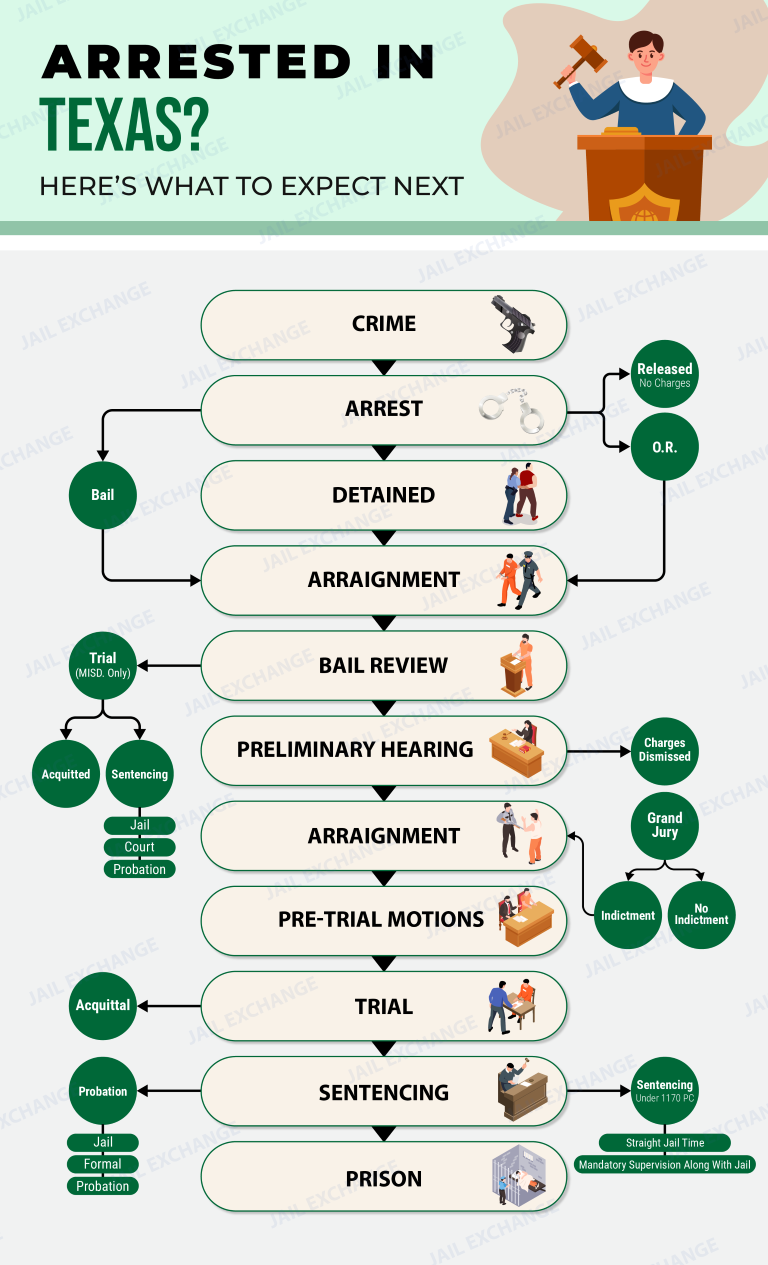
Information for this service is currently unavailable.

JailATM provides a secure electronic payment portal that allows friends and family members to deposit funds directly into an incarcerated person's jail trust and commissary account. Deposited money provides the financial balance needed for your loved one to purchase personal hygiene items, snacks, over-the-counter medical sundries, and correspondence supplies from the facility commissary.
Important: Facility Deposit Rules and Window Intake Vary
Once a person is booked and moved to a housing unit, facilities do not always allow cash drop-offs or phone payments directly to the jail window. Some might and you should confirm this by calling the facility and asking. But if you do not register online and fund your loved one's trust account immediately, they may be forced to wait days or weeks for standard paper processing, leaving them without essential soap, clean undergarments, basic medical sundries or snacks.
Step-by-Step Instructions to Register and Deposit Funds
- Obtain the inmate's legal first and last name, date of birth, and assigned facility booking ID number.
- Navigate to deposits.jailatm.com/webdeposits/ on your computer or mobile device.
- Click Sign In or Register to set up your verified user account using your email address and password.
- Select the state and the detention facility where the inmate is currently housed.
- Search for the inmate using their ID number or legal last name to confirm an exact roster match.
- Enter your desired deposit dollar amount and review the calculated transaction and convenience fees.
- Input your debit or credit card billing details, complete payment authorization, and save your digital receipt.
What the Inmate Needs to Do
The inmate does not need an internet account to receive funds. Once the electronic transaction clears, the balance posts directly to their jail trust ledger according to facility accounting schedules. The inmate can review their updated balance at a dayroom pod kiosk or on their weekly trust statement and place orders on their regular commissary day.
Official Provider: JailATM Official Website
Customer Service Telephone: 1-877-810-0614
Support Hours: Monday – Friday, 8:00 AM – 5:00 PM CST
Supported Languages: English and Spanish
Other Services Provided by JailATM
In addition to Trust & Commissary Money Deposits, JailATM provides several other communication, store, and visitation services at participating facilities:
- Commissary Gift Packs & Store Ordering: Order pre-approved snack boxes, food packages, and hygiene bundles sent directly to the jail.
• Learn more on our website: Commissary Gift Packs Guide | • Visit official vendor page: JailATM Store Orders - Digital Messaging & Picture Sharing: Send electronic messages and photos directly to an inmate's housing unit kiosk.
• Learn more on our website: Digital Messaging Guide | • Visit official vendor page: JailATM Messaging - Remote Video Visitation: Schedule and join live video visits from home using your computer or smartphone.
• Learn more on our website: Video Visitation Guide | • Visit official vendor page: JailATM Video Visits
Deposit Money for an Inmate in the Coleman County Jail
Coleman County runs its inmate deposits through JailATM, and that one company covers the website, the phone line and the lobby machine at the Coleman County Jail, 965 North U.S. 283. A fourth option, a money order, comes by mail.
- Website: pick Texas, then Coleman County Jail, and search by inmate ID or last name. JailATM adds a small fee and stops deposits at $300 per inmate each week.
- Phone: 877-810-0914. Have the inmate ID and full legal name handy.
- At the jail: staff accept deposits, or use the self-serve JailATM kiosk in the lobby with cash, debit or a credit card.
- Mail: pick up a money order at a bank, the Post Office or Western Union and write the inmate ID on the memo line. Address it to the inmate (full name plus ID), Coleman County Jail, 965 North U.S. 283, Coleman, TX 76834.
The name to put on the money order's "pay to" line isn't something Coleman County posts. Staff give it out at 325-625-3506.
The Coleman County Jail is part of the Law Enforcement Center on North U.S. 283 in Coleman. Inmates there receive ordinary paper letters on weekdays, and the jail sets no limit on how many.
Where to mail letters, legal papers and books:
Inmate's Full Name & Inmate ID#
Coleman County Jail
965 North U.S. 283
Coleman, TX 76834
- Your return address: Your name and complete address go up in the top left corner of the envelope. Leave it off and the letter may never reach the inmate.
- The inmate's line: List the inmate by full name, followed by their inmate ID number.
- Strict rules: The jail enforces a zero-tolerance policy on mail. Plain paper in blue or black ink is the safe choice, with no glitter, confetti or perfume.
- Musical cards: Not allowed. Send a simple card with no sound chip instead.
- Who may not write: Coleman County bars letters from co-defendants, other inmates and anyone covered by a no-contact order.
Money can be added to the person's account through online deposits.

NCIC Inmate Communications provides telecommunications services that allow incarcerated individuals to place outbound voice calls from dayroom telephones to family and friends. Because correctional facilities do not permit incoming phone calls, establishing an NCIC prepaid calling account connects calls directly to your cell phone or landline without being blocked by wireless carriers.
Important: Mobile Phones Automatically Block Inmate Calls
Cellular phone carriers automatically reject standard collect calls originating from jail phone systems. While some residential landlines might permit direct monthly billing, mobile devices and internet-based telephone lines require an active prepaid calling balance, which you can verify by checking with your provider. If you do not register online and fund an NCIC account right away, your loved one will receive an automated disconnect announcement when attempting to call your number.
Step-by-Step Instructions to Register and Fund an Account
- Visit account.ncic.com or call NCIC customer care at 1-800-943-2189.
- Click Create Account and register using the primary 10-digit telephone number where you want to receive calls.
- Select the state and correctional facility where your loved one is currently detained.
- Search for and add the inmate using their full legal name or booking ID number.
- Select your deposit dollar amount and enter your debit or credit card billing details.
- Submit payment and ensure your mobile phone settings allow calls from automated or unfamiliar correctional numbers.
What the Inmate Needs to Do
The inmate dials your 10-digit number from any dayroom telephone and keys in their assigned PIN. The automated system verifies that your phone number has an active prepaid balance and prompts you to press a digit to accept the call. All personal telephone conversations are recorded and monitored by facility staff.
Official Provider: NCIC Official Website
Customer Service Telephone: 1-800-943-2189
Support Hours: 24 hours a day, 7 days a week, 365 days a year
Supported Languages: English and Spanish
Other Services Provided by NCIC Inmate Communications
In addition to Prepaid Phone Calling, NCIC provides several other digital communication and visitation services at participating facilities:
- Remote Video Visitation: Schedule and join live face-to-face video visits from home using your computer or smartphone.
• Learn more on our website: Video Visitation Guide | • Visit official vendor page: NCIC Video Visits - Inmate Messaging Services: Send electronic messages and photos directly to an inmate's housing unit terminal.
• Learn more on our website: Inmate Messaging Guide | • Visit official vendor page: NCIC Messaging
CorrectPay Digital Messaging provides an electronic two-way communication service connecting family members and friends with incarcerated individuals via housing-unit kiosks and secure handheld tablets. Messages and approved digital photos arrive within hours instead of waiting days for postal mail delivery.
Important: Electronic Mail Rules and Verification Differ
Inmates cannot receive incoming telephone calls, and physical postal mail regulations vary widely across correctional systems. While some jails continue to accept physical paper letters, many facilities have transitioned to digital-only mail scanning or restrict postal delivery, which you should confirm by checking facility guidelines. If you do not register online and set up message credits immediately, your loved one may face lengthy communication delays while waiting for updates from home.
Step-by-Step Instructions to Register and Send Messages
- Go to www.correctpay.com or open the CorrectPay mobile app on your smartphone.
- Create a user profile with your email address and primary telephone number.
- Select the state and facility where the inmate is currently housed.
- Link the inmate to your profile using their full legal name or facility booking ID.
- Purchase a digital messaging stamp bundle using a debit or credit card.
- Type your message in the composition window and attach approved JPEG photos if allowed by the facility.
- Optionally include a prepaid reply credit so your loved one can respond even if their account has no funds.
- Submit your message to the jail screening queue.
What the Inmate Needs to Do
All electronic correspondence is screened by facility mailroom staff. Once approved, the message appears in the inmate's inbox on their housing unit kiosk or assigned tablet. The inmate opens the message, reads your letter, and types an electronic reply using their available credits.
Official Provider: CorrectPay Official Website
Customer Service Telephone: 1-855-836-3364
Support Hours: Monday – Friday, 7:00 AM – 7:00 PM CST; Saturday, 8:00 AM – 5:00 PM CST
Supported Languages: English and Spanish
Other Services Provided by CorrectPay (VendEngine)
In addition to Digital Mail & Messaging, CorrectPay provides several other communication, financial, and visitation services at participating correctional facilities:
- Inmate Trust Money Deposits: Send funds directly to an inmate's personal trust account for canteen and phone usage.
• Learn more on our website: Inmate Trust Deposits Guide | • Visit official vendor page: CorrectPay Trust Deposits - Commissary Orders & Snack Packs: Order pre-approved snack bundles and hygiene products sent directly to the jail.
• Learn more on our website: Commissary Orders Guide | • Visit official vendor page: CorrectPay Store Packages - Cash Bail & Bonding Services: Pay bail online 24/7 to secure quick discharge from custody.
• Learn more on our website: Cash Bail & Bonding Guide | • Visit official vendor page: CorrectPay Bail Services - Inmate Phone Time: Add calling credits so your loved one can call your telephone directly.
• Learn more on our website: Inmate Phone Time Guide | • Visit official vendor page: CorrectPay Phone Time - Remote Video Visits: Conduct live face-to-face video visits from home using your computer or smartphone.
• Learn more on our website: Video Visitation Guide | • Visit official vendor page: CorrectPay Video Visits
Information for this service is currently unavailable.
Nearby counties
- Jail (Main): 325-625-3506
- Court: 325-625-2568
- Sheriff: 325-625-3506
The Coleman County Jail serves the following cities and towns of Coleman County: Coleman, Santa Anna and Talpa.