
Hale County Jail
Hale County Jail
Physical Address
1900 South ColumbiaPlainview, TX 79072
Jail Phone Number
806-293-5377Hale County Inmate Search: Plainview Jail Lookups, Visits and Holds
Most adults booked after an arrest anywhere in the county land at the Hale County Jail, 1900 S. Columbia, Plainview, TX 79072. The Sheriff's Office runs it, and crews are putting up a replacement jail on that same property. The Formby and Wheeler units on County Road AA are TDCJ state prisons, a separate system from the county lockup.
To search by name, start with Texas IVSS-Counties. This no-cost state lookup lists people held in county jails. Then try the county's own official jail search. Expect a few hours' delay before a fresh arrest, or a same-day release, shows on either one.
Phoning the jail at 806-293-5377 settles it fastest. Have the legal name and birthdate ready, then ask the officer for the booking number, the bond figure and every charge. Our bond and release page lays out getting out, and the court walkthrough maps each hearing.
Read inmate search answers
 Read inmate search answers
1. Hale County jail roster: where can a name be checked?
A five-step routine works for most families:
- Pull up Texas IVSS-Counties. Searching costs nothing and needs no login.
- Enter a last name, or just its first few letters when the spelling is shaky.
- Scan the hits for a matching first name and the right county.
- Repeat it on the county's official jail search.
- Ring the jail, 806-293-5377, to make sure. Jot down whatever booking number the officer reads out, since later calls go quicker with it.
A 2022 state report put the jail's capacity at 190 beds, so the roster is fairly short. Detention officers are on duty day and night, though records and property requests may have to wait for a weekday.
↑ Back to the question list2. Blank results, odd spellings and other dead ends
An empty result can mislead. Before assuming the person walked out, think about these:
- Booking isn't finished. The listing appears only after prints, photos and forms are done.
- Bonded out or freed on a promise. A relative or bondsman may have posted bail already, or a personal bond from the magistrate may have opened the door.
- Taken across the county line. Part of Abernathy lies in Lubbock County, and arrests on that side may be booked in Lubbock.
- Federal, ICE or state custody. Those cases are covered further down.
- Age 16 or younger. Minors go through juvenile intake, never the adult roster.
- Spelling trouble. Try a hyphenated or second surname, a middle name, or a common nickname.
Still stuck? Ring the Sheriff's non-emergency number, 806-296-2724.
↑ Back to the question list3. Hale County lockup or a neighbor's: where might they sit?
The Sheriff's Office operates the one adult jail here. A bigger replacement is going up at the same address and is due for completion in late 2027.
- Hale County Jail, 1900 S. Columbia, Plainview, TX 79072, 806-293-5377. Men and women arrested by deputies, city officers and state troopers are booked here.
- Arrests on Abernathy's Lubbock County side may instead go to the Lubbock County Detention Center, 3502 N. Holly Ave., Lubbock, TX 79403, 806-775-7009.
When the warrant behind an arrest came from a neighboring county, that county may come and collect the person:
- Swisher County Jail, 136 East Broadway, Tulia, TX 79088, 806-995-3326
- Castro County Jail, 900 E. Bedford Street, Dimmitt, TX 79027, 806-647-3311
- Lamb County Jail, 1200 East Waylon, Littlefield, TX 79339, 806-385-7900
- Hockley County Jail, 1310 Avenue H, Levelland, TX 79336, 806-894-9334
Two state units also sit on County Road AA. The Formby Unit is at 998 County Road AA, Plainview, TX 79072, 806-296-2448, and the Wheeler Unit is at 986 County Road AA, Plainview, TX 79072, 806-293-1081. TDCJ runs both, and the people there are serving state sentences rather than waiting on a local arrest.
↑ Back to the question list4. Booking photos and mugshots from Hale County arrests
Mugshots are snapped during booking. A copy can be had by writing to the Sheriff's Office, framing the letter as a Texas Public Information Act request. The office line, 806-296-2724, can tell you where requests go. Basic arrest details count as public and have to come out promptly (Government Code 552.108(c)).
- Business and Commerce Code ch. 109 reins in paid mugshot sites. One that wants $150 or more to pull a photo down must, free of charge, fix or erase a record that is wrong or incomplete. It also may not post anything sealed by nondisclosure or wiped by expunction.
- Federal booking photos normally stay private, though the Marshals now and then publish one while hunting a fugitive.
- ICE's FOIA portal handles requests for photos immigration officers took.
5. Getting pinged by text or call when custody changes
Texas IVSS-Counties took over from VINE for county jails. Signing up is free and confidential, works online or by phone in English or Spanish, and nobody tells the jailed person that you enrolled.
- Register through the IVSS-Counties website; creating an account is optional.
- Or phone 866-268-8959 at any hour.
- Alert triggers include a fresh booking, a release, a move to TDCJ, and any hearing that gets scheduled or rescheduled.
In family violence cases, CCP art. 17.29 requires the victim to be notified before a release. For a same-day answer, the jail phone is still quickest.
↑ Back to the question list6. Bond after a Hale County booking, in short
Within 48 hours, often over a video link, the arrested person goes before a magistrate. The magistrate explains their rights, sets bail, and notes whether they want a free lawyer. Release then comes by one of three routes:
- Cash bond. You put up every dollar of the bail with the court and get it back after the case, less permitted fees.
- Surety bond. A bondsman signs for the full sum, and the fee you pay the bondsman is gone for good.
- Personal bond. The person signs a written promise to show up, paying nothing up front. Some violent and weapons offenses rule this out.
Paying bond may not end things if a hold is on file, such as a parole warrant, an immigration detainer or another county's warrant. Ask booking at 806-293-5377 about amounts and holds. Proposition 3 and the rest are covered on our bail page.
↑ Back to the question list7. Learning the exact offense and its penalty level
Booking can read off every charge and its level, felony or misdemeanor. After the case is filed, the paperwork sits with a clerk:
- District Clerk (felony files): 806-291-5226
- County Clerk (files for Class A and B misdemeanors): 500 Broadway, Room 140, Plainview, TX 79072, 806-291-5261
A free account on re:SearchTX also shows many filed charges and judgments. Penal Code chapter 12 sets Texas punishment ranges, running from fine-only Class C offenses to capital felonies. Prosecutors at the District Attorney's or County Attorney's office may change a charge after reviewing it.
↑ Back to the question list8. Getting a public defender or appointed lawyer from jail
Request a court-appointed lawyer at the very first appearance. The magistrate there helps the person complete the paperwork. Anyone who cannot pay for a lawyer should speak up then.
- Many appointments go to High Plains Regional Public Defender, at 500 Broadway, Suite 180, Plainview, TX 79072, 806-598-6886.
- Others are handed to private lawyers from the court's list.
- Appointed lawyers must make contact with a new client by the next business day's end (CCP art. 26.04).
Nothing stops a family from paying for its own lawyer later on. For general questions about how appointments are handled, the state's Indigent Defense Commission answers at 512-936-6994.
↑ Back to the question list9. Visiting days at 1900 S. Columbia
Before driving over, phone 806-293-5377 for this week's visiting schedule, how to sign up and which IDs are accepted. It is also worth asking whether at-home video visits exist.
State jail standards set a floor for all Texas county jails:
- at least a pair of visits weekly, 20 minutes or more apiece, by screen or through glass;
- at least one slot falling on a Saturday, a Sunday or a weeknight evening;
- an approval process for visitors, with minors possibly needing a parent, guardian or lawyer beside them;
- extra visits for verified veterans, set up through a veterans service officer.
General etiquette is in our visitation guide.
↑ Back to the question list10. Funding a trust account for snacks and calls
Money on a jail account covers commissary snacks, toiletries and phone time. Phone the jail, 806-293-5377, to ask how deposits are taken today, whether by a kiosk in the lobby, an outside website or a money order by mail, plus any limits or fees. Have the booking number on hand.
Our money guide compares deposit options. The commissary guide shows what is for sale inside. Never mail cash.
↑ Back to the question list11. Phone time, tablets and messages from inside
Calls go out from the jail, and families generally cannot call in. Phone 806-293-5377 to find out which company carries the calls, the setup for a prepaid account, what a call costs, and whether tablets or messaging exist.
Every call except one to an attorney is likely recorded. Discuss the case only with the lawyer. See our jail calls guide and our page on messaging and inmate email for details.
↑ Back to the question list12. Hale County Jail letters: addressing and rules
Confirm the mailing address with the jail, 806-293-5377, along with its rules for photos, books and greeting cards. Then:
- Address the envelope with the person's full legal name and booking number.
- Write your complete return address on the front.
- Leave out cash, stamps, stickers, glue and perfume.
State jail standards put no limit on incoming letters. Legal mail can be opened only in the inmate's presence, and indigent inmates get supplies for at least three letters weekly. Our mail guide has more tips.
↑ Back to the question list13. Wallets, keys and phones taken at booking
Pocket items from booking, whether keys, phone or wallet, get logged and stored, and most of them are returned at release. To collect an item before then, call 806-293-5377. Some jails want the person to sign off before anyone else collects property, so ask about that and about pickup hours. Bring photo ID. Anything held as evidence stays with police until the case lets it go.
↑ Back to the question list14. Medication, illness or a mental health worry behind bars
Do not wait. Call 806-293-5377 and give the name, booking number, medication and dose, and the prescribing doctor's contact details. Be direct about any suicide or self-harm risk. If staff believe someone may be mentally ill, a magistrate must hear of it from the jail inside 12 hours (CCP art. 16.22).
Unresolved problems can go to a state agency in Austin, the Texas Commission on Jail Standards, which reviews jail complaints. Use its complaint form, send an email (info@tcjs.state.tx.us), or dial 512-463-5505.
↑ Back to the question list15. Open warrants in Hale County: checking and clearing them
Deputies handle warrant service countywide, and the Sheriff's Office at 806-296-2724 can say whether one is active. Inside city limits, the Plainview Police Department, 806-296-1182, serves them as well. DPS keeps a short roster of the most-sought fugitives statewide, its Texas 10 Most Wanted, and a filed case may show up on re:SearchTX. Felony warrants flow from the District Clerk's office, 806-291-5226, and misdemeanor ones from the County Clerk, 806-291-5261. If a warrant turns up, call a defense lawyer before anything else. Next comes a choice: walk into the jail at 1900 S. Columbia, Plainview, TX 79072 and surrender, or else ask the court behind the warrant for a fresh date.
↑ Back to the question list16. Next hearing: which clerk keeps the calendar?
Each case's next setting is kept by the clerk of the court handling it:
- Felony cases: District Clerk, 806-291-5226
- Misdemeanor cases: County Clerk, 806-291-5261
- City citations in Abernathy: Abernathy Municipal Court, 806-298-2546
- City citations in Hale Center: Hale Center Municipal Court, 806-839-4451
IVSS-Counties can ping you whenever a hearing is put on the calendar or shifted. For the stages a case passes through, read our court guide.
↑ Back to the question list17. Charged federally: tracing a detainee's whereabouts
A federal arrest from this corner of the state lands in Lubbock federal court (Northern District of Texas). Clerk's office: 1205 Texas Avenue, Room 209, Lubbock, TX 79401, 806-472-1900.
- Release before trial, or detention, is decided by a judge at a detention hearing (18 U.S.C. 3142).
- Pretrial detainees are in U.S. Marshals Service custody, frequently housed in a county jail. The Lubbock office, 1205 Texas Avenue, Room C-126, Lubbock, TX 79401, 806-472-7655, can say where.
- PACER has the federal docket.
- After sentencing, look them up in the Federal Bureau of Prisons inmate locator by name or register number.
18. Immigration detainers and the ICE detainee locator
An immigration hold tends to follow this order:
- It starts with paperwork, a Form I-247A detainer that ICE lodges at the jail.
- Under 8 CFR 287.7(d), deputies may keep the person up to 48 hours after they would otherwise be released.
- Detainers bind every Texas jail under CCP art. 2A.060. Only papers proving U.S. citizenship, or lawful immigration status, get a person around one. By December 1, 2026, each sheriff running a county jail must have a 287(g) request in to ICE.
- After ICE takes custody, use the ICE Online Detainee Locator. An A-number gives the cleanest match. If you don't have it, try a full-name search, adding the birth country.
- No result? ICE's Dallas Field Office is at 8101 N. Stemmons Freeway, Dallas, TX 75247, 972-367-2200.
19. Moved to TDCJ after sentencing: following the transfer
After a state jail or prison sentence, the person usually sits in the county lockup awaiting TDCJ transport. Intake and assessment come first, and then TDCJ chooses a unit.
- Enter a TDCJ or SID number in the TDCJ inmate search, or a surname plus first initial. It refreshes each business day and lists only people TDCJ currently holds.
- Our Texas state prisons page has unit-by-unit details on visits and mail.
20. Under 17 at arrest: juvenile intake and detention
Anyone from age 10 through 16 counts as a juvenile in Texas. So the adult jail is not where a teen arrested here goes; juvenile intake is. A parent must be contacted promptly by whoever made the arrest (Family Code 52.02). A judge then decides at a hearing, held by the second working day, whether the teen stays detained (Family Code 54.01).
The county has no youth detention center listed on the state's registry, so a detained teen is held in another county. The Lubbock County Juvenile Justice Center, 2025 N Akron Ave, Lubbock, TX 79415, 806-775-1800, is a registered center nearby. The Sheriff's Office, 806-296-2724, knows where children from local arrests are sent.
↑ Back to the question list21. Hale County arresting agencies, from deputies to troopers
Ask the jail which agency made the booking. Population stood near 31,819 in the Census Bureau's estimate dated July 1, 2025. Agencies that arrest people here:
- Hale County Sheriff's Office, non-emergency 806-296-2724. Patrols rural areas outside city limits and operates the jail.
- Plainview Police Department, 901 Broadway St., Plainview, TX 79072, 806-296-1182. Roughly 34 sworn officers, with Texas law enforcement accreditation since 2016.
- Abernathy Police Department, 811 Avenue D, Abernathy, TX 79311, 806-298-2541, staffed around the clock. On the Lubbock County side of town, the Lubbock County Sheriff's non-emergency number is 806-775-1601.
- Hale Center and Petersburg: the Sheriff's Office can say who handles calls in these towns.
- DPS state troopers work the highways. After a trooper arrest, the jail can confirm the booking.
Hale County Bail and Release
Arrests by officers in Plainview, Hale Center and Petersburg mostly end with booking into the Hale County Jail, 1900 S. Columbia, Plainview, TX 79072, which the Sheriff runs. A new jail is going up on that same lot. Below, you'll find how a magistrate prices release, how cash differs from a bondsman, which windows take money, and what holds might linger once bond is paid. Our Texas bail laws page goes deeper on the rules every county shares.
Before paying a cent, confirm that your loved one is truly still inside. Try the official jail search first, and use the state's free Texas IVSS-Counties lookup as a second check. Questions about the arrest and the time behind bars are what our Inmates in Custody page answers: who is held today, mugshots, what each charge means, fresh bookings, open warrants, reaching a public defender, and collecting a phone or wallet afterward.
Call the jail at 806-293-5377 right away. Keep a pen nearby, plus the person's full legal name and birthday. Then ask three questions: Is there a bond yet? What is the amount? Which charge does it belong to? After release, the court guide picks up the case.
1. After a Hale County arrest, which official fixes the bond?
Officers make the arrest, but a magistrate decides on bond. The deadline is 48 hours from arrest, and the law also forbids needless delay before then (CCP 14.06 and 15.17). Many of these hearings happen over a video link. The list of who may serve as magistrate includes justices of the peace as well as district and county judges (art. 2A.151).
During that brief appearance the magistrate will:
- read the accusation aloud and cover the right to silence and to a hired lawyer;
- ask whether the person wants a court-paid lawyer, then help with that paperwork;
- choose bond terms for this one person, going no stricter than needed (art. 17.028).
Anything Class B or more serious needs a public safety report in front of the magistrate before bond is set. The report covers arrest and conviction history. No risk score appears on it, and it never suggests an amount (arts. 17.021, 17.022). Possible mental illness has its own clock. Jailers have 12 hours to pass any such concern up to the magistrate (art. 16.22). Booking staff at 806-293-5377 can say when your person is scheduled.
↑ Back to the question list2. How do cash bonds, bondsman bonds and personal bonds compare?
Texas law knows two families of release, the bail bond and the personal bond (articles 17.01 to 17.03). Families usually run into three versions:
- Cash bond. The court keeps the entire amount on deposit, and barring a forfeiture it is refunded after the case wraps up.
- Surety bond. A bondsman, or another qualified surety, guarantees the whole sum. Whatever premium that company charges stays with it.
- Personal bond. A signed promise to come to every hearing replaces money. No deposit, no bondsman.
Rules often ride along with any bond. Examples are staying away from the alleged victim, testing for drugs or wearing a GPS unit. An ignition interlock is mandatory when the charge is intoxication manslaughter, intoxication assault, a second or later DWI, or DWI with a child in the vehicle (art. 17.441).
Article 17.03 shuts the personal-bond door for these groups:
- violent crimes named in that law;
- terroristic threat charged as Class A or a felony;
- certain protective order violations;
- a felon charged with having a gun;
- a new arrest of anyone already on supervision for a violent crime.
Three more categories, burglary, certain drug felonies and organized criminal activity, follow their own path: there, the trial court alone holds that power.
↑ Back to the question list3. What drives the bond amount on Hale County charges?
Texas leaves bond amounts to local magistrates rather than one state chart. Local schedules and standing orders still have to bend to each person's facts (CCP arts. 17.028 and 17.15). So two people charged with theft can end up with very different bonds. The magistrate weighs:
- the amount that makes showing up for court the likely choice;
- past arrests and convictions, along with citizenship status;
- keeping bail from becoming "an instrument of oppression";
- the offense itself, with its circumstances;
- how much money the person can actually get together;
- risks to the victim, the police and the wider community.
State law names just two hard dollar caps. They apply when a person was arrested with no warrant and probable cause was not decided on time. Release is then due by hour 24 on a bond of $5,000 or less for a misdemeanor, or by hour 48 on $10,000 or less for a felony. A person too poor for even that amount must get a personal bond (art. 17.033).
Filled-in bail forms are searchable on the state's TOPICs portal. Ask jail staff at 806-293-5377 for the figure on each count.
↑ Back to the question list4. Bonding out at 1900 S. Columbia: what are the steps?
For most families the bond work starts at the jail, 1900 S. Columbia, Plainview, TX 79072. Go step by step:
- Dial 806-293-5377 and ask for Booking.
- Spell the name slowly, add the birth date, and get the bond for every count separately.
- Ask whether some other hold would keep your loved one there even after payment.
- Find out which payment types Booking takes today, the exact payee wording, and what hours bonds are processed.
- Working with a bondsman? That company handles the filing at the jail.
- Carry photo ID, and hold onto each receipt until the case is closed.
Paperwork takes time, so the door may not open right away. In a family violence case, expect a four-hour pause after bond if more violence seems likely. A signed order from the magistrate can push that pause to 48 hours (art. 17.291(b)).
↑ Back to the question list5. Do the clerks on Broadway ever take bond money?
Sometimes cash bond is filed with whichever clerk's office holds the case file. Call first, and ask whether that office will take the money or send you back to Booking.
- Felony cases: District Clerk, 806-291-5226. Ask for the street address and office hours during that call.
- Class A or B misdemeanors: County Clerk, 500 Broadway, Room 140, Plainview, TX 79072, 806-291-5261.
- Abernathy city cases: Abernathy Municipal Court, PO Box 310, Abernathy, TX 79311, 806-298-2546.
- Hale Center city cases: Hale Center Municipal Court, PO Box 532, Hale Center, TX 79041, 806-839-4451.
Justice and city courts normally release fine-only Class C defendants on a personal bond (art. 45A.107). Look at the citation or bond paper to see which court to call.
↑ Back to the question list6. Which payments will Booking accept for a bond?
Payment rules shift now and then, and showing up with the wrong kind means a second drive. Before leaving home, call the jail or clerk and settle these points:
- the exact sum, and whether Booking wants a cashier's check, a money order or cash;
- the precise name to write as payee;
- whether a card works at the window, and any fee for it.
Keep in mind that a bondsman's premium is paid to the bondsman's company, never to the county, and you are owed a written receipt for it (Occupations Code 1704.305). Cash you post may later be put toward your loved one's fines and court costs (art. 17.53). Do not tuck cash into an envelope and mail it. Booking at 806-293-5377 can answer payment questions for the jail.
↑ Back to the question list7. How do bondsmen and sureties work in Hale County?
No bail bond board is required here. The state requires one only where 110,000 or more people live (Occupations Code 1704.002), and the Census Bureau puts this county near 31,819 residents (estimate for July 1, 2025). A smaller county is allowed to form a board anyway. Without one, the sheriff may keep a posted roster of sureties found to have enough security (art. 17.141). Booking can tell you whose bonds it takes.
- The premium a bondsman charges has no state cap, and it is never refunded.
- Bondsmen are barred from drumming up clients in jails and police stations (Occupations Code 1704.304).
- Anything you put up as collateral, maybe a pickup title, has to come back. Send a written request once the debt is paid or the cases are over. From then, the bondsman gets 30 days (Occupations Code 1704.301).
- Your loved one's own lawyer in that case is allowed to serve as surety on it (Occupations Code 1704.163).
- A surety that wants to surrender the person must first alert the defense lawyer, then file an affidavit giving its reasons (art. 17.19).
8. Which other holds can keep the jail door shut?
Each bond answers for a single case. Other cases, warrants and holds stay in force. Have Booking at 806-293-5377 read you each hold on file before any money is paid. The usual ones:
- More than one case. A separate charge needs a separate bond.
- Out-of-county warrants. When the warrant comes from some other Texas county, the magistrate who sees your loved one in this county can set bail on it, then pass the bond to the issuing county (art. 15.18). Abernathy straddles the Lubbock County line, so Lubbock warrants come up often.
- Parole. Pending a hearing on the violation, a parolee returned to custody generally remains confined (Government Code 508.254(c)).
- Probation. Anyone on probation could face a separate warrant tied to that supervision. Adult probation is in the Courthouse Annex, Plainview, TX 79072, 806-291-5221.
- Family violence. The four-hour pause covered in the jail answer.
- Immigration. An ICE detainer, explained further down.
9. When can a Texas judge say no bail at all?
Bail is a right under the Texas Constitution for nearly everyone charged. Capital cases are the oldest carve-out (art. I, §11): bail can be refused there when "the proof is evident." Three more sections, 11a through 11c, allow narrow refusals after a hearing. They cover some repeat or on-bail felonies, broken safety conditions and violated family violence orders.
Proposition 3, approved November 4, 2025, wrote §11d into the constitution. It reaches these charges:
- murder, including capital murder;
- kidnapping, robbery or sexual assault in its aggravated form;
- aggravated assault in which a victim suffered serious injury, or in which a club, firearm, explosive or knife was used;
- trafficking of persons;
- indecency with a child.
On those charges, a judge must refuse bail once the prosecutor convinces the court, at a hearing, that the accused would probably run or would put others in danger. Only a prosecutor may ask. If a judge sets bail anyway, the reasons go in written findings.
Separately, art. 17.029 (added in 2025) gives prosecutors a path to have a district judge re-examine a felony bail. The District Attorney handles felonies from 225 Broadway St., Unit 1, Plainview, TX 79072, 806-291-5241. The County Attorney, at 806-291-5306, handles misdemeanors.
↑ Back to the question list10. Could the bond come down, and who asks?
Usually your loved one's lawyer asks, by filing a written motion with the trial court. Pay stubs, bills and bank statements help, because a court must weigh what the person can afford (art. 17.15).
Time can also work in your loved one's favor. When prosecutors are slow to get ready, art. 17.151 opens the door to release on personal bond or to a lower bail figure. Count 90 days in jail on a felony, or 30 days on a misdemeanor whose top penalty tops 180 days. It shrinks to 15 days when the misdemeanor maxes out at 180 days or less, and to 5 days for a fine-only charge. A few exceptions apply.
In some violent cases, prosecutors may now take a bail they think is too low to a higher court. Your loved one waits in jail while that court decides, and it has a 20-day deadline (art. 44.01). To learn where a motion gets filed, ring the District Clerk at 806-291-5226 for felonies or the County Clerk at 806-291-5261 for misdemeanors.
↑ Back to the question list11. Who qualifies for a free lawyer near Plainview?
Anyone facing possible jail time who can't pay a lawyer may request one. The magistrate explains the steps and helps fill in the form. The jail forwards that request within 24 hours to whoever appoints lawyers. This county is under the 250,000 mark, so the law gives three working days after receipt to make the appointment (arts. 15.17(a) and 1.051(c)).
The High Plains Regional Public Defender's Office counts this county in its service area:
- 500 Broadway, Suite 180, Plainview, TX 79072, 806-598-6886
When that office does not take a case, the court picks a private attorney from its list. The appointed lawyer's duty starts fast: an attempt to contact your loved one by the end of the first working day after being named (art. 26.04). County appointment plans are collected by the Texas Indigent Defense Commission, which answers questions at 512-936-6994.
↑ Back to the question list12. Which courts take criminal cases from this county?
Two state district courts try felonies. Each one also covers Castro and Swisher counties:
- 64th District Court, 806-291-5234
- 242nd District Court, 806-291-5254
- District Clerk, keeper of felony files, 806-291-5226
Ask the District Clerk for the courtroom address and hours. Class A and B misdemeanors are heard by the County Court, with files kept by the County Clerk, 500 Broadway, Room 140, Plainview, TX 79072, 806-291-5261.
Class C tickets, the fine-only kind, belong to justice of the peace courts and to the towns' municipal courts. Abernathy and Hale Center each run a municipal court, with contacts in the clerk answer earlier on this page. The County Clerk can tell you which justice precinct covers a given address. Federal cases are heard in Lubbock, as explained below.
↑ Back to the question list13. Is posted cash refunded, or can a missed date cost it?
When the bond is no longer needed, the person listed on the cash receipt gets the refund (art. 17.02). The check can come back smaller, though:
- The clerk may hold back 5%, never above $50. That fee is off-limits after an acquittal or a dismissal. It applies only if your loved one was convicted or got deferred adjudication (Local Government Code 117.055).
- Any fines, fees or court costs still owed can be paid out of the deposit.
- Once the case is final, the clerk must hand out the state's motion form for releasing cash bail funds at no charge.
A missed court date puts the whole bond at risk. The defendant's name is called at the courthouse door, and the judge then enters a judgment nisi forfeiting the bond (arts. 22.01 and 22.02). Should the defendant be rebooked in time, the bondsman walks away free of liability (art. 22.13). That window runs 270 days in a felony matter and 180 in a misdemeanor one. Skipping court also breaks Penal Code 38.10, and the level depends on the case. A missed hearing on a fine-only ticket counts as Class C, any other missed misdemeanor date as Class A, and a missed felony setting as a third-degree felony. Premiums paid to a bondsman are never returned.
↑ Back to the question list14. Where are belongings and leftover jail money returned?
Whatever your loved one carried at booking is kept by the jail. Usually they take it with them when they walk out. Picking things up for someone else? Call 806-293-5377 first and ask:
- Does your loved one need to sign a paper authorizing you?
- Which days and times does the jail release property?
- How will the leftover account balance be returned?
Show photo ID at pickup. For deposit and refund basics, see our jail money guide.
↑ Back to the question list15. What if a Hale County arrest is federal?
Federal prosecutors file cases from here in Lubbock, home of a Northern District of Texas division. Its clerk is in the Mahon Federal Building, 1205 Texas Avenue, Room 209, Lubbock, TX 79401, 806-472-1900.
- The detention hearing is run by a U.S. magistrate judge, who rules on release with conditions versus detention until trial (18 U.S.C. 3142). Bondsmen have no role.
- The U.S. Marshals Service holds people awaiting federal trial, frequently renting bed space in a county jail. Lubbock office: 1205 Texas Avenue, Room C-126, Lubbock, TX 79401, 806-472-7655.
- Federal Public Defender, Lubbock: 1205 Texas Avenue, Room 507, Lubbock, TX 79401, 806-472-7236.
- Once sentenced, the person can be located with the Federal Bureau of Prisons inmate locator.
16. Can an ICE detainer block release once bond is paid?
It can. A paid bond clears the way on the state case only. When ICE has an interest in the person, expect roughly this sequence:
- ICE sends Booking a Form I-247A, its written detainer.
- Under 8 CFR 287.7(d), the jail may keep the person up to 48 hours after they would otherwise be released, giving ICE time to collect them.
- Texas requires its jails to honor that request (art. 2A.060). Paperwork proving citizenship or legal status is the only way around it. Since 2025, a detainer also stops an appointed magistrate under chapter 54 of the Government Code from granting bail (art. 17.027(a-2)).
- A 2017 law (Government Code 752.053) keeps cities and counties from putting limits on immigration enforcement. Then, in 2025, lawmakers added a 287(g) requirement. Jail-running counties here and across Texas face a December 1, 2026, deadline to join that ICE partnership. Counties whose request is refused must try again every year.
- To find where ICE took them, use the ICE Online Detainee Locator. Searching by A-number is quickest. If you don't have it, combine the full legal name with the nation of birth. With no match, phone ICE's Dallas Field Office, 8101 N. Stemmons Freeway, Dallas, TX 75247, 972-367-2200, which serves North Texas.
17. Where is state jail or prison time served after sentencing?
In Texas, felony time is served under the state prison agency, TDCJ. A state jail felony conviction means a stay in one of the state jails, while degree felonies send people into TDCJ prison units (Penal Code 12.31 through 12.35).
After sentencing, a person may stay on South Columbia until TDCJ sends for them. TDCJ starts with intake, where staff sort each new arrival, then assigns a unit suited to that person. The TDCJ inmate search refreshes each working day, so a new transfer may show up a day or more late. To plan a visit or a letter, open our Texas state prisons page and find the unit.
↑ Back to the question list18. What happens if a Hale County teenager is picked up?
Texas treats a youth as a child, not an adult, when the alleged offense happened between ages 10 and 16. A 17-year-old lands in the regular adult system (Family Code 51.02). Police must quickly notify a parent or guardian when they hold a child (Family Code 52.02).
- A detention hearing comes next (Family Code 54.01). Its deadline is two working days from the pickup. Friday and Saturday pickups shorten that to one working day.
- A court-appointed lawyer is assigned to the youth beforehand.
- Starting at age 14, certain grave felonies can be transferred to adult court through certification (Family Code 54.02).
Texas registers juvenile detention centers, and none of them sits in this county, so a detained youth is taken to one elsewhere. One registered center in the region is the Lubbock County Juvenile Justice Center, 2025 N Akron Ave, Lubbock, TX 79415, 806-775-1800. The Sheriff's Office at 806-296-2724 can tell you where your child was taken.
↑ Back to the question listHale County Jail Inmate Visitation
Friends and Family – A day-by-day visiting schedule is not posted for Hale County Jail. The current hours are confirmed only by phone, at 806-293-5377. Many jails assign times individually or by unit and keep those details off public pages for privacy and security.
Ready for the Call
- Collect the person's complete name and date of birth, your ID, and any booking number you were given.
- Ask when the person becomes eligible, because many jails wait from 48 hours up to a week after booking.
- Say who you are and how you know the person, then ask for the schedule in a calm, specific way.
Ask These Questions
- how you are expected to dress and what you may bring along
- whether you may bring children and what they must have with them
- how much advance notice staff require
- if pre-registration or an approved list applies, and how to get your name on it
- what photo ID is required of visitors
- whether you may visit in person, by video, or both
- how long visits last
- whether you must apply as a visitor or go through a background check
- the days and times staff have set for visits
Common Visiting Rules
A typical visiting program uses rules such as these. Confirm what this Texas facility requires.
- If you were recently released from this jail, most facilities will not let you visit unless the sheriff or the jail administrator gives permission.
- Once you have a visit time, arrive at least 15 minutes before the appointment; if you arrive late, the visit may be cancelled.
- Most jails expect conservative dress and closed or standard shoes, with no tank tops, sleeveless shirts, short skirts or shorts, and no hats, sunglasses, or revealing, see-through, or offensive clothing.
- Most jails want you to enter with just a photo ID and a vehicle key, and nothing else in your hands.
- Most jails will end a visit if you are disruptive, and you can even be permanently barred from future visits.
- Visits can be cancelled without notice, for example during a lockdown or count.
- Typical rules are no food, and they also do not allow a drink or gum into the visit.
Hale County Criminal Court Guide
Felony files, misdemeanor dockets and traffic-ticket courts for this county mostly sit along Broadway in Plainview, plus small city courts in Abernathy and Hale Center. If bond is out of reach, your loved one sits through the case at the Hale County Jail, 1900 S. Columbia, Plainview, TX 79072, where a replacement jail is under construction on the same property. Below you'll find each court and clerk, the prosecutors, warrant help and the path a case follows.
Confirm custody on the official jail search before anything else. Our Jail Roster page covers what comes with an arrest: the people booked lately, who remains locked up, unserved warrants, the filed charges, mugshots, court-appointed lawyers and how property comes back.
Pick up the phone and dial the clerk with the file: felonies sit with the District Clerk, 806-291-5226, and Class A or B charges with the County Clerk, 806-291-5261. Jot down the cause number, then ask for the next court setting. If your loved one is still inside, read our bail page next.
1. Which Texas courts hear felonies, and which take misdemeanors?
Texas sorts its criminal cases by weight. The state's court office lays the system out in a brief judicial system pamphlet:
- District courts own every felony. Two of them, the 64th and the 242nd, sit for this county, and the District Clerk keeps their files.
- The County Court, one in each Texas county, decides Class A and Class B misdemeanors. Its paperwork runs through the County Clerk.
- Justice courts and city courts share Class C offenses, the ones that carry only a fine. Speeding and other minor tickets usually land there.
A regional court of appeals reviews convictions first. Above it, Texas has a separate highest court just for criminal matters, the Court of Criminal Appeals. Judges at every level can also sit as magistrates to set bail or sign warrants.
↑ Back to the question list2. Where do Hale County's criminal courts and clerks sit?
These are the offices families deal with most:
- 64th District Court (felonies; also covers Castro and Swisher counties): 806-291-5234
- 242nd District Court (felonies; same three counties): 806-291-5254
- District Clerk, felony case files: 806-291-5226. Ask this office for the courtroom's street address and its hours.
- County Clerk for the County Court (Class A and B), first floor on Courthouse Square: 500 Broadway, Room 140, Plainview, TX 79072, 806-291-5261
- Adult probation (community supervision): Courthouse Annex, Plainview, TX 79072, 806-291-5221
Clerk offices keep regular weekday business hours, so call ahead before a long drive. People held before trial stay at the county jail on South Columbia, reachable at 806-293-5377. An arrest on the Lubbock County side of Abernathy may lead to that county's courts and jail instead.
↑ Back to the question list3. Do Abernathy, Hale Center, Petersburg and Plainview have city courts?
Texas lets every incorporated city run a municipal court. Those courts and the justice courts both hear fine-only Class C offenses. Two of the county's city courts have state-listed mailing addresses:
- Abernathy's municipal court, mailing address PO Box 310, Abernathy, TX 79311, 806-298-2546. Abernathy lies partly in Lubbock County, so check which county your ticket names.
- Hale Center's municipal court, mailing address PO Box 532, Hale Center, TX 79041, 806-839-4451
For a ticket written by city officers in Plainview, call the police department at 901 Broadway St., Plainview, TX 79072, 806-296-1182, and ask which court office handles it. For a Petersburg ticket, or for help finding the right justice of the peace precinct, the County Clerk at 806-291-5261 can point you to the right place. Every citation also prints the court's name along with your appearance date.
↑ Back to the question list4. At the first magistrate hearing, what should the family expect?
No later than 48 hours after arrest, your loved one sees a magistrate, often by video from the jail (CCP art. 15.17). Guilt is not on the table. Instead the magistrate:
- names the offense the police wrote down;
- explains that your loved one may stay silent, may have a lawyer in the room for questioning, and may cut an interview short;
- points out that statements can come back as evidence later;
- walks through requesting a court-appointed attorney and assists with that form;
- on a felony, mentions the option of an examining trial, a hearing that checks the evidence before any grand jury (art. 16.01);
- decides bail, reviewing the public safety report first on anything Class B or higher.
Family violence arrests can also produce a magistrate's order for emergency protection. Such an order, under art. 17.292, generally lasts somewhere between 61 and 91 days. Where serious injury or a deadly weapon is part of the charge, it runs longer, 91 to 121 days. When the magistrate finds no probable cause, the written findings must follow within 24 hours.
↑ Back to the question list5. First DWI, shoplifting or a fight: how do misdemeanors move here?
Many everyday arrests, such as a first DWI, a smaller theft or a scuffle with no serious injury, are charged as misdemeanors. The exact level depends on the facts and on any earlier record. The County Attorney's written charge in a Class A or B case, called an information, is filed with the County Court.
Texas misdemeanor punishments are set out in Penal Code 12.21 through 12.23:
- Class C: the judge may fine up to $500, and jail is not an option.
- Class B: the judge may order 180 days or less in jail, a $2,000 maximum fine, or both together.
- Class A: the judge may order a year or less in jail, a $4,000 maximum fine, or both together.
Next come arraignment, where a plea is entered, some pretrial dates, and finally a negotiated plea or a trial. If the judge refuses the agreed deal, your loved one gets to take back the plea (art. 26.13). Misdemeanor deferred adjudication can run as long as two years and ends in dismissal when completed (art. 42A.103). Straight probation for a misdemeanor is also limited to two years (art. 42A.053).
The County Clerk at 806-291-5261 can give dates in a misdemeanor case.
↑ Back to the question list6. What path does a felony take through the 64th and 242nd?
A felony from this county is tried in one of the two district courts. Here is the usual order:
- Magistrate warnings and bail at the start.
- Examining trial, if your loved one asks for one before indictment.
- Grand jury. The District Attorney presents the evidence behind closed doors. Nine grand jurors, at minimum, must back the indictment (art. 20A.301).
- Arraignment, when the judge reads the indictment and takes a plea (art. 26.01).
- Pretrial settings, where motions and evidence disputes get argued.
- Plea or trial. Most cases settle. A jury trial is the other road.
How much time is possible depends on the felony level set by Penal Code chapter 12. At the bottom, a state jail felony carries a 180-day minimum and a two-year maximum, served in a state jail. A felony of the third degree means 2 to 10 years of prison; the second degree, 2 to 20. The first degree runs from a five-year floor to a 99-year or life ceiling, and every level allows a fine up to $10,000.
With prior felony convictions, Penal Code 12.42 can bump the range up a level. A judge may also allow deferred adjudication of up to 10 years, after which a finished term ends in dismissal. If a jailed defendant's case is not ready within 90 days, a personal bond or lower bail is due under art. 17.151, with exceptions. For any felony file, phone the District Clerk at 806-291-5226.
↑ Back to the question list7. How does a violent charge tighten the rules?
The courtroom stays the same, but a violent charge brings tighter rules:
- Bail can be refused outright. Proposition 3, added to the constitution in November 2025 as art. I, §11d, covers murder, aggravated robbery and other listed crimes. Where prosecutors prove at a hearing that your loved one would probably run or would threaten others, bail on those charges is off the table.
- Personal bonds are off-limits for most violent offenses, which art. 17.03 names one by one.
- Prosecutors can challenge a low bail in an appeals court in some violent cases. Release waits until that court decides (art. 44.01).
- Capital murder carries two possible sentences for an adult: life without parole, or death. If the defendant was 17 or younger then, Penal Code 12.31 caps it at life.
- Family violence brings protective orders and a possible four-hour hold after bond (art. 17.291).
Specialty programs, such as drug or veterans courts, may be open in some cases. The state keeps a specialty court registry by county. A defense lawyer can say whether one fits.
↑ Back to the question list8. Who prosecutes here, and how does a Hale County defendant get free counsel?
Charges come from one of two offices:
- District Attorney (felonies), 225 Broadway St., Unit 1, Plainview, TX 79072, 806-291-5241
- County Attorney (misdemeanors), 806-291-5306. Call for the office's street address.
Defense help comes from the High Plains Regional Public Defender's Office, which includes this county in its territory. It is at 500 Broadway, Suite 180, Plainview, TX 79072, 806-598-6886. Cases it does not take go to private lawyers appointed from the court's list.
To get one, ask the magistrate right after arrest, or ask the court later. In a county this size, the appointment has to happen within three working days once the paperwork arrives, under art. 1.051(c). You can read this county's appointment plan through the Texas Indigent Defense Commission. Some prosecutors also run diversion programs, so the defense lawyer can ask the DA's or County Attorney's office.
↑ Back to the question list9. How can families track a case or find the next setting?
Clerks give the fastest answers. Read them the person's legal name, then the birth date, plus any cause number printed on court papers:
- Felonies: District Clerk, 806-291-5226
- Misdemeanors: County Clerk, 806-291-5261
- City tickets: the municipal court named on the citation
Online, the state's re:SearchTX system shows filed papers such as charges and judgments after free sign-up. It does not list hearing dates. Free sign-up on Texas IVSS-Counties brings a call or message whenever a hearing gets scheduled or moved.
↑ Back to the question list10. Is there a Hale County warrant, and how is it cleared?
Countywide, deputies arrest people on warrants; reach the Sheriff's Office at 806-296-2724. Plainview's own officers handle city warrants, 806-296-1182. The worst statewide fugitives are shown on DPS's Texas 10 Most Wanted. For a local warrant, ask by phone at the Sheriff's Office or the clerk whose court signed it. Bring in a lawyer before acting, then surrender at the jail, 1900 S. Columbia, Plainview, TX 79072, or before the judge who signed it. The District Clerk handles felony warrants at 806-291-5226, while misdemeanor warrants go through the County Clerk, 500 Broadway, Room 140, Plainview, TX 79072, 806-291-5261.
↑ Back to the question list11. How does a federal case from Hale County unfold?
Federal court for this county means Lubbock, in the Northern District of Texas. Hearings take place at the Mahon Federal Building, 1205 Texas Avenue, Room 209, Lubbock, TX 79401, clerk 806-472-1900.
- The first stop is an initial appearance before a U.S. magistrate judge. A detention hearing follows to decide between release with conditions and custody until trial (18 U.S.C. 3142).
- Anyone detained stays in federal custody. The Lubbock office of the U.S. Marshals Service is at 1205 Texas Avenue, Room C-126, Lubbock, TX 79401, 806-472-7655.
- Federal public defenders for the area work from 1205 Texas Avenue, Room 507, Lubbock, TX 79401, 806-472-7236.
- Case papers can be read through PACER. Once sentenced, a federal prisoner appears on the Federal Bureau of Prisons inmate locator.
12. Does an ICE hold affect the Hale County court case?
An ICE hold leaves the Texas charge in place. Its effect shows up when release comes:
- The detainer reaches the jail as ICE Form I-247A.
- Federal rule 8 CFR 287.7(d) allows custody up to 48 hours after they would otherwise be released.
- Texas makes jails honor detainers (CCP art. 2A.060), unless the person has proof of citizenship or legal status. Government Code 752.053 forbids local limits on enforcement. A 2025 statute also sets December 1, 2026, for jail-operating counties to reach 287(g) agreements with ICE.
- Appointed magistrates have been barred since 2025 from granting bail to a detainee with an ICE hold (art. 17.027(a-2)).
- Pleading guilty or no contest can bring immigration consequences, and the judge must warn a non-citizen about them (art. 26.13). Your loved one should hear from a lawyer about those risks first.
- After a transfer, look the person up on the ICE Online Detainee Locator, or reach ICE's Dallas Field Office, 8101 N. Stemmons Freeway, Dallas, TX 75247, 972-367-2200.
13. After a state sentence, where will the time be served?
TDCJ runs both state jails and prisons. A sentenced person often waits on South Columbia until TDCJ calls for them. At intake, TDCJ staff assess each new arrival before choosing a unit for their custody level and needs.
Track the transfer on the TDCJ inmate search. Entries change only on working days and can trail real moves by a day or longer. Visiting and mail rules for each unit are collected on our Texas state prisons page. A sentence of county jail time, on the other hand, is served right here.
↑ Back to the question list14. How are cases against kids 10 through 16 handled?
Texas sends these cases to juvenile court instead of adult court (Family Code 51.02). The local juvenile board decides which judge hears them. Seventeen-year-olds are prosecuted in the adult system.
- Police have to tell the child's family right away (Family Code 52.02).
- The detention hearing comes fast, and the child has a lawyer by then. It must happen within two working days. If the pickup was on a Friday or Saturday, the limit is one working day under Family Code 54.01.
- Through a process called certification, a juvenile judge may send some cases to adult court. Capital, first-degree and aggravated drug felonies qualify from age 14, and other felonies from 15 (Family Code 54.02).
No registered juvenile detention center sits in this county, so a held youth goes elsewhere. The Lubbock County Juvenile Justice Center, 2025 N Akron Ave, Lubbock, TX 79415, 806-775-1800, is one registered center in the region. The Sheriff's Office, 806-296-2724, can say where a child was brought.
↑ Back to the question list15. What help do crime victims in Hale County have?
Article 56A.051 of the Code of Criminal Procedure lists victims' rights. Among them:
- the magistrate considers the victim's safety in setting bail;
- victims who ask get advance word of hearings;
- the court reads the victim's impact statement before a sentence is imposed;
- the victim can wait apart from the accused at the courthouse.
For felonies, contact the District Attorney's office at 806-291-5241. For misdemeanors, call the County Attorney at 806-291-5306. Texas IVSS-Counties sends free release and transfer alerts, and its help line, 866-268-8959, never closes. Up to $50,000 for medical care, counseling and lost income may be available from the Attorney General's victim compensation fund, 800-983-9933.
↑ Back to the question list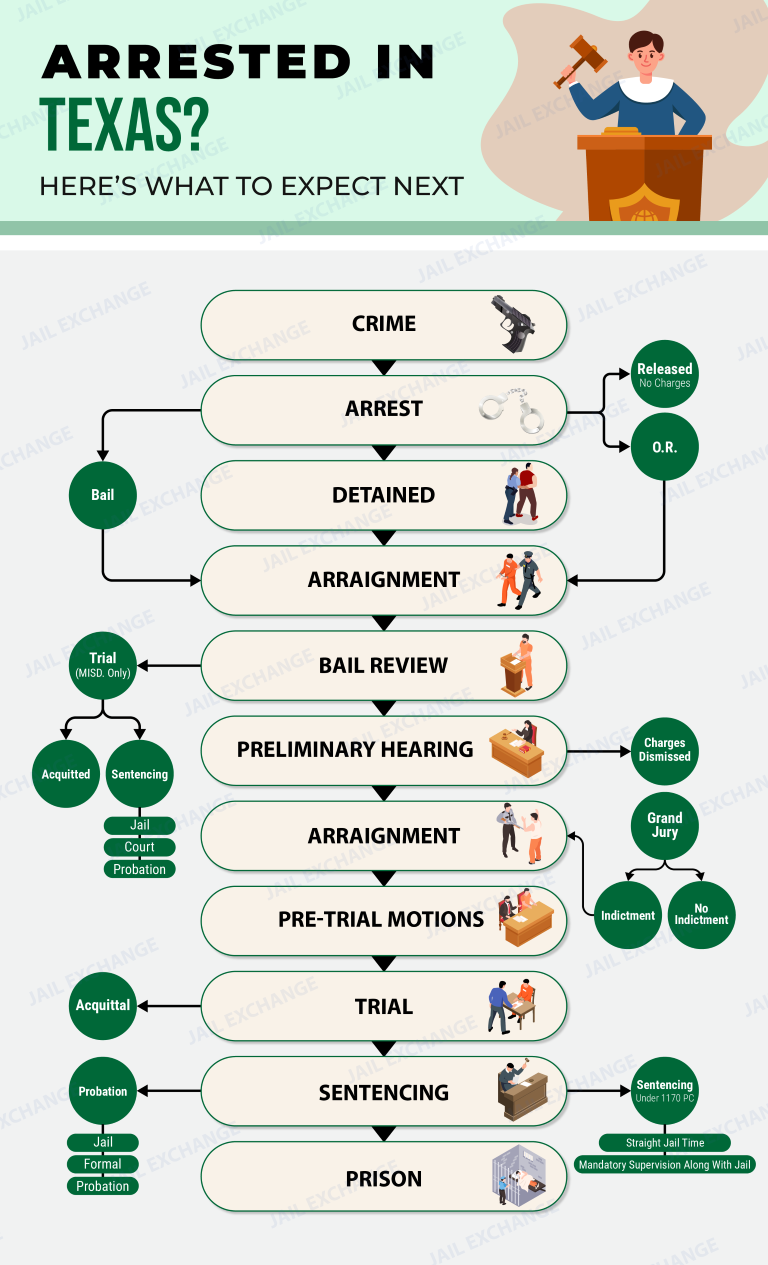
Information for this service is currently unavailable.

JailATM provides a secure electronic payment portal that allows friends and family members to deposit funds directly into an incarcerated person's jail trust and commissary account. Deposited money provides the financial balance needed for your loved one to purchase personal hygiene items, snacks, over-the-counter medical sundries, and correspondence supplies from the facility commissary.
Important: Facility Deposit Rules and Window Intake Vary
Once a person is booked and moved to a housing unit, facilities do not always allow cash drop-offs or phone payments directly to the jail window. Some might and you should confirm this by calling the facility and asking. But if you do not register online and fund your loved one's trust account immediately, they may be forced to wait days or weeks for standard paper processing, leaving them without essential soap, clean undergarments, basic medical sundries or snacks.
Step-by-Step Instructions to Register and Deposit Funds
- Obtain the inmate's legal first and last name, date of birth, and assigned facility booking ID number.
- Navigate to deposits.jailatm.com/webdeposits/ on your computer or mobile device.
- Click Sign In or Register to set up your verified user account using your email address and password.
- Select the state and the detention facility where the inmate is currently housed.
- Search for the inmate using their ID number or legal last name to confirm an exact roster match.
- Enter your desired deposit dollar amount and review the calculated transaction and convenience fees.
- Input your debit or credit card billing details, complete payment authorization, and save your digital receipt.
What the Inmate Needs to Do
The inmate does not need an internet account to receive funds. Once the electronic transaction clears, the balance posts directly to their jail trust ledger according to facility accounting schedules. The inmate can review their updated balance at a dayroom pod kiosk or on their weekly trust statement and place orders on their regular commissary day.
Official Provider: JailATM Official Website
Customer Service Telephone: 1-877-810-0614
Support Hours: Monday – Friday, 8:00 AM – 5:00 PM CST
Supported Languages: English and Spanish
Other Services Provided by JailATM
In addition to Trust & Commissary Money Deposits, JailATM provides several other communication, store, and visitation services at participating facilities:
- Commissary Gift Packs & Store Ordering: Order pre-approved snack boxes, food packages, and hygiene bundles sent directly to the jail.
• Learn more on our website: Commissary Gift Packs Guide | • Visit official vendor page: JailATM Store Orders - Digital Messaging & Picture Sharing: Send electronic messages and photos directly to an inmate's housing unit kiosk.
• Learn more on our website: Digital Messaging Guide | • Visit official vendor page: JailATM Messaging - Remote Video Visitation: Schedule and join live video visits from home using your computer or smartphone.
• Learn more on our website: Video Visitation Guide | • Visit official vendor page: JailATM Video Visits
Deposit Money for an Inmate in the Hale County Jail
The Easiest and Securest Way of Depositing Money for an Inmate
There are several methods for depositing money on an inmate's account:
1. To send money online to an inmate in the Hale County Jail use Jail ATM.
.png)
2. If you prefer to use your credit or debit card and deposit money over the phone, you can call them at 877-810-0914.
3. Some jails also have a JailATM kiosk for cash or card deposits. Call the Hale County Jail at 806-293-5377 to ask whether it has one and where it is.
4. The Hale County Jail may also allow you to *mail an inmate a money order or cashier’s check from a trusted source such as the Post Office, a local bank, or Western Union. Ask the jail who the money order should be made out to and what to write on it. To confirm this option call the facility at 806-293-5377.
*When mailing a money order or cashier’s check, send it an envelope by itself. Never send it with a letter or photos for your inmate, unless the facility allows it. Never send personal checks or cash.
5. To ask whether the Hale County Jail takes deposits in person, and when, call 806-293-5377.
The Hale County Sheriff's Office runs the Hale County Jail on South Columbia in Plainview. Letters are delivered on paper to the people held there, Monday through Friday. Nobody puts a cap on how many letters one person can receive.
Mail it here (letters, books and money orders):
Inmate's Full Name & Inmate ID#
Hale County Jail
1900 South Columbia
Plainview, TX 79072
- First line: Write the inmate's full name and their Hale County inmate ID number. Put your own name and address in the top left corner, since a letter with no return address may be destroyed.
- Money order or cashier's check: Mail it by itself, with no letter or photos tucked in. The payee should be the inmate's full name, with the inmate ID number written beside it. If you are unsure, call 806-293-5377 to confirm. The Plainview jail never accepts cash or a personal check.
- Reading material: Books, newspapers and magazines must be new and arrive from the publisher itself, and the jail keeps hardcovers out.
- Cards: Hale County lets a plain greeting card through, but a card that plays music gets refused.
- Leave these off: Crayon, felt markers, colored ink, glitter, confetti, lipstick and perfume. Write in blue or black pen and keep drawings off the envelope.
- Who may write: Family and friends. Co-defendants, people held in other jails or prisons and anyone under a no-contact order may not.
Hale County has a zero-tolerance rule on mail, so a single broken rule can get a letter thrown out.

Securus AdvanceConnect is a prepaid calling account that links directly to your mobile phone or landline number, allowing you to receive outbound calls from an incarcerated individual. Because correctional phone systems never allow incoming calls, funding an AdvanceConnect balance ensures calls are accepted immediately without being blocked by cell carriers.
Important: Mobile Networks Block Inmate Calls Without Prepaid Funds
Correctional facilities do not allow collect billing to cell phones, and mobile carriers automatically block incoming collect calls from detention centers. While some residential landlines may allow direct billing, mobile phones and VoIP services require an active prepaid AdvanceConnect balance, which you can verify with your phone provider. If you do not register online and fund your account right away, your loved one will hear an automated error message stating that your number cannot accept calls.
Step-by-Step Instructions to Register and Fund AdvanceConnect
- Go to securustech.online or open the Securus mobile app.
- Select Sign Up and create your account using your 10-digit telephone number and email address.
- Search for your facility by state and agency name, then add the inmate using their full legal name or booking ID.
- Select AdvanceConnect under calling accounts.
- Choose your deposit amount, review convenience and transaction fees, and enter your credit or debit card billing details.
- Authorize payment and confirm that your mobile phone allows calls from automated or unknown correctional numbers.
What the Inmate Needs to Do
The inmate picks up any dayroom phone or logs onto their handheld tablet, dials your 10-digit number, and enters their assigned PIN. The automated system verifies that your AdvanceConnect account has an active balance and connects the call. All calls are subject to recording and monitoring by facility staff.
Official Provider: Securus Technologies Official Website
Customer Service Telephone: 1-800-844-6591
Support Hours: 24 hours a day, 7 days a week, 365 days a year
Supported Languages: English and Spanish
Other Services Provided by Securus Technologies
In addition to AdvanceConnect Prepaid Calling, Securus Technologies and its subsidiary JPay provide several other communication, financial, and visitation services:
- Direct Bill Phone Calling: Establish a monthly billed calling account for verified landline numbers.
• Learn more on our website: Direct Bill Phone Calling Guide | • Visit official vendor page: Securus Direct Bill - Securus Video Connect: Schedule and join live video visits from home using your computer or smartphone.
• Learn more on our website: Video Visitation Guide | • Visit official vendor page: Securus Video Connect - JPay Money Deposits (Trust & Canteen): Send money directly into an inmate's jail trust account for commissary store purchases.
• Learn more on our website: Money Deposits Guide | • Visit official vendor page: JPay Money Transfers - JPay Email Messaging & Photos: Send electronic messages, photo attachments, and VideoGrams directly to their tablet or kiosk.
• Learn more on our website: Email Messaging Guide | • Visit official vendor page: JPay Email Services
Securus Direct Bill is an invoiced telephone calling service designed for approved residential landlines, law offices, and commercial businesses. Instead of prepaying funds in advance, calls received from an incarcerated individual are billed directly to your account on a monthly itemized billing invoice.
Important: Direct Bill Requires Credit Approval and Qualifying Lines
Direct Bill is not available for mobile cell phones, internet VoIP numbers, or customers with poor or unestablished telephone credit history. Correctional facilities enforce strict telecommunications billing rules, which you can verify by calling Securus customer care. If your line does not meet credit approval standards, you must open an AdvanceConnect prepaid account instead to receive incoming calls from your loved one.
Step-by-Step Instructions to Set Up a Direct Bill Account
- Contact Securus customer service at 1-800-844-6591 or submit an application via securustech.net.
- Provide your billing name, service address, and qualifying residential or business landline telephone number.
- Submit to a standard credit evaluation performed by Securus to determine billing eligibility.
- Establish your authorized monthly credit limit upon approval.
- When your phone rings with a call from the detention center, follow the recorded operator instructions and press the requested key to accept charges.
- Pay your monthly billing invoice online, by phone, or through the mail.
What the Inmate Needs to Do
The inmate dials your phone number from any dayroom telephone and keys in their assigned PIN. The automated system verifies that your account is in good standing and has not exceeded its monthly spending ceiling before connecting the call. All non-privileged conversations are recorded and monitored.
Official Provider: Securus Technologies Official Website
Customer Service Telephone: 1-800-844-6591
Support Hours: 24 hours a day, 7 days a week, 365 days a year
Supported Languages: English and Spanish
Other Services Provided by Securus Technologies
In addition to Direct Bill Calling, Securus and its subsidiary JPay offer several other communication, financial, and visitation services:
- AdvanceConnect Prepaid Calling: Fund a prepaid calling account tied to your mobile phone number.
• Learn more on our website: AdvanceConnect Calling Guide | • Visit official vendor page: Securus AdvanceConnect - Securus Video Connect: Schedule and join live video visits from home using your computer or smartphone.
• Learn more on our website: Video Visitation Guide | • Visit official vendor page: Securus Video Connect - JPay Money Deposits (Trust & Canteen): Send money directly into an inmate's jail trust account for commissary store purchases.
• Learn more on our website: Money Deposits Guide | • Visit official vendor page: JPay Money Transfers - JPay Email Messaging & Photos: Send electronic letters, photos, and VideoGrams directly to their tablet or kiosk.
• Learn more on our website: Email Messaging Guide | • Visit official vendor page: JPay Email Services
Information for this service is currently unavailable.
Information for this service is currently unavailable.
- Jail (Main): 806-293-5377
- Adult Probation: 806-291-5221
- Court: 806-291-5254
- District Attorney: 806-291-5306
- Police: 806-296-1180
- Sheriff: 806-296-2724
The Hale County Jail serves the following cities and towns of Hale County: Petersburg and Plainview. At times this facility may also house inmates arrested in the following counties: Briscoe County and Motley County.