
Hall County Jail
Hall County Jail
Jail Phone Number
806-259-2151Hall County Inmate Search: Locating Someone Jailed in Memphis
Deputies take their arrests to the Hall County Jail; the Sheriff's Office overseeing it sits at 101 South 9th Street, Memphis, TX 79245. With room for only 9 people in a 2022 state count, the jail has at times shipped people to another county. Below we cover finding the person first, then mugshots, visits, mail, deposits, calls, warrants and hearing dates.
Type a name into Texas IVSS-Counties, the free statewide tool that follows people held in Texas county jails and sends custody alerts. You can also click through to the official jail search. Someone picked up only hours ago might be missing at first.
On weekdays from 8:00 a.m. to 5:00 p.m., ring the Sheriff's Office at 806-259-2151. Any other hour, dispatch picks up at 806-259-2636. Find out the jail, the charge and the bond status, then use our bail page to plan release.
Read inmate search answers
 Read inmate search answers
1. Which website shows if Hall County is holding someone?
The statewide search works like this:
- Go to Texas IVSS-Counties.
- Enter the surname and given name. Part of a name is fine if the spelling is uncertain.
- Scan the results for the county and a birth date that fit.
- Click the record for custody details. Alerts are optional, and you need no account.
Results include people in custody now and people under supervision. The official jail search link is worth a click as well. Questions the screen leaves open go to the Sheriff's business line, 806-259-2151.
↑ Back to the question list2. No match came back. Why might that be?
Here are the usual explanations:
- Too soon. Paperwork after an arrest can take hours.
- Out already. A bond was posted, or the magistrate let them go.
- Another county's jail. The small Memphis jail sometimes sends people elsewhere.
- Spelling. Search a shortened first name, a second last name or a former name.
- Under 17. Kids are handled through juvenile channels, apart from adult inmates.
Dispatch is staffed day and night at 806-259-2636 or 806-259-2637, and a call usually settles it.
↑ Back to the question list3. Is the Memphis jail the only place they could be?
The county operates a single lockup, the Hall County Jail, overseen from the Sheriff's Office at 101 South 9th Street, Memphis, TX 79245, 806-259-2151. It had 9 beds in 2022 state figures. Those same figures show some local prisoners boarded in another county's jail, without naming it. Before any trip, call the Sheriff's Office to learn the location.
When the arrest happened by a county line, check a neighboring jail too:
- Donley County Jail, 300 S. Jefferson, Clarendon, TX 79226, 806-874-3533.
- Childress County Jail, Avenue F, Childress, TX 79201, 940-937-2535.
4. Are Hall County mugshots available, and how?
Families and reporters who want a mugshot, the photo snapped at booking, may ask the Sheriff's Office in writing; Texas calls this a Public Information Act request. Mail it to 101 South 9th Street, Memphis, TX 79245, or phone 806-259-2151 to ask how the office accepts requests. Gov't Code 552.108(c) makes basic arrest information public.
Commercial mugshot sites face state rules. Under Business and Commerce Code ch. 109, any site asking $150 or more to delete a listing has to fix errors and gaps in a record for free when you dispute them. Those sites must also leave alone anything expunged or sealed by nondisclosure.
Immigration booking photos are requested through ICE's FOIA page. Federal agencies seldom share them; the U.S. Marshals, though, may publish a picture of a wanted fugitive.
↑ Back to the question list5. Can a release or transfer trigger an alert to me?
Texas IVSS-Counties will, at no charge. It reaches you by phone or online after a booking, a release or a transfer, and when a hearing is scheduled or changed. Register through the IVSS-Counties site or dial 866-268-8959, open around the clock in English and Spanish. Your registration stays hidden from the inmate.
↑ Back to the question list6. How does a Hall County inmate get out on bond?
Within 48 hours a magistrate tells the person the charge, reads their rights and fixes bail. They may be allowed to pay the full amount in cash, use a licensed bondsman as surety, or sign a personal bond, which needs no cash that day. Certain violent charges bar the signature-only option. And since voters changed the constitution in November 2025, bail can be denied in some grave cases when a prosecutor asks.
The Sheriff's Office, 806-259-2151, can give the amount and say how to post it. A family violence charge can add a 4-hour hold after bond. Our bail page covers each step, every common hold and how refunds work.
↑ Back to the question list7. Where can the exact charge be found?
The magistrate states it at the first hearing, and the Sheriff's Office can share it over the phone at 806-259-2151.
When prosecutors file the case, its papers go to the District and County Clerk at 512 W. Main Street, Suite 8, Memphis, TX 79245, 806-259-2627. That office links an online records search as well. With a free account, re:SearchTX lets the public open the charging document itself, whether an information or an indictment.
↑ Back to the question list8. Can someone in the Memphis jail get a lawyer for free?
The request comes from the person in jail. They tell the magistrate they want an appointed lawyer and complete the form, which the Sheriff's Office and the County Clerk also hand out. Felony forms are routed to the 100th District Court, and misdemeanor forms to the County Court. Here, appointment must come within three working days.
Relatives can't file the request, though the clerk's office at 806-259-2627 can say which lawyer got the case. A state chart lists the Panhandle Area Managed Assigned Counsel as serving Hall and its neighbors, at 900 S. Polk, Suite 206, Amarillo, TX 79101, 806-242-3415.
↑ Back to the question list9. What's involved in a family visit at the jail?
Visiting days, hours and dress or ID rules come from the Sheriff's Office, so phone 806-259-2151 first. Expect to show a photo ID. Video visits are common at Texas jails and may be offered.
Texas jail standards set a floor: two noncontact visits each week, 20 minutes or more apiece, with an evening or weekend option among them. Minors generally come with a parent or guardian. Veterans can see a veterans service officer at no cost, apart from regular visits. More general advice sits on our visitation page.
↑ Back to the question list10. Can relatives put money on their account?
Usually, yes. The Sheriff's Office at 806-259-2151 can explain deposit methods, accepted payments and any cap. Know the inmate's birth date before calling.
Inmates spend account funds on snacks, soap and other items, and on calls. Read our deposits page and our commissary guide page for how it generally works.
↑ Back to the question list11. How do phone calls and messages from jail work here?
Texas jail rules call for a detainee phone where people are booked. Later calls are often collect or paid from a prepaid account. Which phone and message company serves this jail is a question for the Sheriff's Office, 806-259-2151.
Families can't phone in and be connected to an inmate. See how these systems usually run on our jail calls page; messaging gets its own inmate messaging page.
↑ Back to the question list12. Is there a right way to address letters to the Hall County Jail?
Ask the Sheriff's Office at 806-259-2151 for the mailing address and rules on photos, paper and packages. Every envelope needs the inmate's full legal name, and the sender's address goes in the corner.
Under Texas jail standards, inmates may write and receive letters in any number. A lawyer's letter is opened in the inmate's presence and checked only for contraband. A person without funds receives enough supplies for at least three letters weekly. See our jail mail page for more.
↑ Back to the question list13. Who returns a person's wallet, keys and phone?
Booking staff hold onto whatever the person carried in and give it back on release day. A relative who wants something earlier may need the inmate's signed permission. Set a pickup time through the Sheriff's Office, 806-259-2151, and carry ID.
If the person was boarded elsewhere or moved to state prison, ask where their things ended up before you drive.
↑ Back to the question list14. Their health worries us. Who do we tell?
Phone the Sheriff's Office without delay at 806-259-2151. Describe medications, allergies, a pregnancy or any recent injury, and ask how prescriptions can be delivered.
Possible mental illness must be passed along to a magistrate inside 12 hours; that is the rule in CCP art. 16.22. If you think care falls short, the Texas Commission on Jail Standards accepts written concerns through a complaints page and the inbox info@tcjs.state.tx.us. Its phone is 512-463-5505.
↑ Back to the question list15. Might there be a warrant, and what should we do?
Deputies from the Sheriff's Office handle warrants in every corner of the county. Call 806-259-2151. Within Memphis, either city officers or deputies may make the arrest. DPS publishes the Texas 10 Most Wanted roster of top fugitives statewide. Clerks, too, can check a case for an active warrant. Handling one safely means getting a lawyer first. Next, the two of you either go in and surrender to the issuing court, or ring its office about bond or a new setting. Case files for both felonies and misdemeanors are kept by the District and County Clerk, 512 W. Main Street, Suite 8, Memphis, TX 79245, 806-259-2627.
↑ Back to the question list16. Which office can give the next hearing date?
Phone the District and County Clerk, 806-259-2627, with the person's full name and the cause number if you have it. Class C tickets get their dates from the justice of the peace, 806-259-3116, or from Memphis Municipal Court, 806-259-3539.
IVSS-Counties alerts can flag a new or changed hearing too. Our court page breaks down what happens at each kind of setting.
↑ Back to the question list17. Federal arrest: which court and which custody?
Federal cases from the southeast Panhandle are filed in the Northern District's Amarillo court, 205 SE 5th Avenue, Room 133, Amarillo, TX 79101, 806-468-3800. Pretrial freedom or detention is decided at a detention hearing (18 U.S.C. 3142).
Held federal defendants are Marshals prisoners, sometimes kept in a county jail under contract. Reach the Marshals' Amarillo office at 806-324-2350, 205 SE 5th Street, Unit 214, Amarillo, TX 79101. Once sentenced, the person appears in the Federal Bureau of Prisons inmate locator, searchable by name or register number.
↑ Back to the question list18. An immigration hold is on file. Now what?
Expect these steps:
- ICE lodges its detainer on Form I-247A.
- The jail is then permitted to keep the person up to 48 hours after they would otherwise be released (8 CFR 287.7(d)).
- Officers move them to an immigration detention site.
- The ICE Online Detainee Locator can be searched with an A-number. Lacking that, use the person's complete name plus their birth country. Still nothing? ICE's Dallas Field Office can help: 8101 N. Stemmons Freeway, Dallas, TX 75247, 972-367-2200.
Texas has required jails to comply with detainers since 2017 under Gov't Code 752.053. Separately, under a 2025 Texas law, jail-running counties face a deadline of December 1, 2026 for requesting a 287(g) agreement from ICE. Phone the Sheriff to hear where this county stands.
↑ Back to the question list19. How do I find a person in a TDCJ prison unit?
State prisoners can be found on the TDCJ inmate search. Give a surname plus a first initial, or use the TDCJ number or SID. The list holds only people now behind TDCJ walls, and it runs a day or more behind.
New prisoners spend time at an intake unit before moving to a long-term unit. Transfer from the county jail is not always quick. For a run-down of each unit, the place to go is our state prisons page for Texas.
↑ Back to the question list20. What changes if the person is a Hall County minor?
Kids charged for something done at ages 10 to 16 go to juvenile court and stay apart from adult inmates. Seventeen-year-olds count as adults. Officers holding a child must reach a parent promptly. By the second working day, a detention hearing settles whether the child may go home, with appointed counsel present.
Carson, Childress, Collingsworth and Donley counties share one juvenile board with this county. For the youth's location and who handles probation intake, call the Sheriff's Office at 806-259-2151.
↑ Back to the question list21. Which Hall County police agencies make arrests?
Arrests here may come from:
- Hall County Sheriff's Office, 101 South 9th Street, Memphis, TX 79245, patrolling every part of the county. Office 806-259-2151; 24-hour dispatch 806-259-2636 or 806-259-2637.
- Memphis Police Department, shown on the city website at 721 W. Robertson St., Memphis, TX 79245, 806-259-2916. City Hall's main number is 806-259-3001. Arrests in the city may be made by Memphis police or by deputies, so check with the Sheriff.
- Turkey, other small towns and the countryside. The Sheriff's dispatchers know who responded.
State troopers and federal officers may also arrest people in the county. For emergencies, call 911.
↑ Back to the question listHall County Bail and Release
When a deputy makes an arrest, the person goes to the Hall County Jail; its home is the Sheriff's Office building at 101 South 9th Street, Memphis, TX 79245. A 2022 state jail report listed room for 9, and the county has sometimes housed people in another county's jail. This page explains magistrates, bond choices, holds, refunds and the local courts. Statewide rules, the same in all 254 counties, are summed up in our Texas bail law overview.
Start with the state's no-cost custody lookup, Texas IVSS-Counties. Type in the name to see if a county jail holds that person. A second place to try is the official jail search. Questions about the arrest belong on our Inmates in Custody page, built for locating someone, mugshots, today's bookings, open warrants, the charges, court-appointed defenders and reclaiming property.
Your first call: the Sheriff's business line, 806-259-2151, or the 24-hour dispatch desk, 806-259-2636. Find out which jail has the person, what charge was filed and whether a bond amount exists yet. After release, our court page follows the charges through each setting.
1. Once deputies arrest someone in Hall County, who sets the bail?
A magistrate makes that call. Within 48 hours of any arrest, Texas requires a face-to-face or video hearing with one (CCP arts. 14.06, 15.17). Several kinds of judges qualify, among them justices of the peace and the county judge (CCP art. 2A.151).
Those few minutes go like this. First comes the accusation, read aloud. The person hears their rights, including silence and legal help, and is asked whether they need a free lawyer. Staff help with that form. Then the magistrate sets bail, unless the judge who signed the warrant already did. The county's written lawyer plan lays out these same steps.
Texas also wants bail decided for each person on their own facts within 48 hours, and the conditions must be the least restrictive that still work (CCP art. 17.028). On anything from Class B up, a public safety report on the person's criminal history has to reach the magistrate before bail is set (CCP arts. 17.021, 17.022). Ask dispatch, 806-259-2636, when the hearing is expected.
↑ Back to the question list2. Cash, a bondsman or a signature: which bonds exist in Texas?
Texas recognizes these release options (CCP arts. 17.01 to 17.03):
- Paying in full. The whole bail is paid in money, and the court holds onto it until the charges are resolved.
- Surety. A licensed bondsman, or another approved surety, promises to cover the whole bail. In return you pay that surety a fee.
- Personal bond. Nothing is paid that day. The accused signs and agrees to show up and obey each condition.
Signature bonds aren't allowed on some charges. The list in CCP art. 17.03 covers named violent crimes and certain protective order violations. It also covers a felon caught with a gun. With a fine-only Class C ticket, release may come with no bond, just a paper telling the person when to be in court (CCP art. 15.17(b)).
↑ Back to the question list3. Who picks the bail number, and using what?
No single Texas price list exists, so we give no dollar figures. Any local schedule has to obey CCP arts. 17.028 and 17.15. Bail exists to get the person to every court date, and it is not allowed to become a tool of oppression. Magistrates weigh:
- the offense and its facts;
- the person's actual ability to pay;
- whether the victim, deputies or neighbors would face danger;
- past record and citizenship.
To hear the real figure, ring the Sheriff's business office at 806-259-2151 and have the person's birth date ready to give. Small Class C cases almost always end with a personal bond.
↑ Back to the question list4. Posting bond with the Sheriff: what are the steps?
The place to start is the Sheriff's Office, 101 South 9th Street, Memphis, TX 79245. Office hours run 8:00 a.m. to 5:00 p.m., Monday through Friday.
- Phone 806-259-2151 before leaving home. Get the amount, which bond type is allowed and where to hand it in.
- Nights and weekends, try dispatch, 806-259-2636, and ask if a bond can be accepted then.
- Ask what forms of money they take, so the drive is not wasted.
- Carry a photo ID, plus the accused person's full name and birth date.
- Save each receipt. A cash refund later depends on it.
When the person sits in a jail outside the county, the Sheriff's staff can explain where that bond gets posted.
↑ Back to the question list5. Does the Memphis courthouse take bond money too?
Check by phone before you go. The District Clerk and County Clerk work as one office at 512 W. Main Street, Suite 8, Memphis, TX 79245, 806-259-2627. That office holds the files for felonies and misdemeanors. Its doors are open Monday through Thursday from 8:30 a.m. to 5:00 p.m., and Friday from 8:30 a.m. to noon.
Because cash bail belongs to the court until the case closes, the clerk is who you talk to about a cash bond that was already paid. A quick call tells you if the clerk can take a fresh bond or if you should go back to the Sheriff.
↑ Back to the question list6. Which kinds of money should I bring for a bond?
Payment rules belong to the Sheriff's Office, so ask whether money orders, cashier's checks or cash will work. Phone 806-259-2151 before you gather the money. The City of Memphis has a web page for paying tickets and fines, and it is not for bail.
Bondsmen choose how they want their own fee paid. No matter who gets your money, ask for a written receipt.
↑ Back to the question list7. Should we hire a bondsman, and what rules bind them?
A bondsman covers the whole bail for you and keeps a fee, which is never refunded. Texas puts no cap on that fee. Large counties, those over 110,000 residents, need a bail bond board to license bondsmen (Occupations Code ch. 1704). Hall is far smaller. Where no board exists, a sheriff is allowed to post a list of eligible sureties (CCP art. 17.141), so ask the Sheriff's staff whether one is kept.
Some rules protect families. A bondsman owes you a receipt and can't hunt for customers inside a jail. Collateral is yours again within 30 days once the case has ended and you have asked for it on paper. A bondsman who wants to give the person back to jail has to notify the defense lawyer before anyone else and file a sworn statement, as CCP art. 17.19 requires. Ask questions before you sign anything.
↑ Back to the question list8. Bond posted, yet no release: what are the usual reasons?
Several things can delay the walk out the door:
- Family violence. A finding that violence will probably continue means a 4-hour wait at the jail, paid bond or not. By written order, the magistrate can extend that hold, to 48 hours at most under CCP art. 17.291.
- Charges elsewhere in Texas. A warrant from another county must be dealt with separately, though CCP art. 15.18 lets a Hall magistrate set and take bail on it.
- Parole violation. Texas parole officials can issue a blue warrant, which keeps the person until the parole panel holds its hearing (Gov't Code 508.254).
- ICE. Texas jails have to follow immigration detainers (CCP art. 2A.060).
- Car device. Some DWI cases need an ignition interlock as a bond rule. A repeat DWI and a DWI with a child passenger are two (CCP art. 17.441).
The Sheriff's business office, 806-259-2151, can check for holds.
↑ Back to the question list9. Which cases can end with bail refused outright?
Few do. The Texas Constitution makes bail available to nearly anyone charged. It carves out capital cases with evident proof, and it allows limited denials for repeat felonies, bond violations and protective order breaches (art. I, secs. 11 to 11c).
Proposition 3 passed statewide in November 2025 and became section 11d. Covered crimes include murder and capital murder. Human trafficking is on the list, as is indecency with a child. So is any kidnapping, robbery or sexual assault charged at the aggravated level. An aggravated assault qualifies if it caused grave harm or a gun, knife, club or explosive was involved. In such a case, bail "shall be denied" once a prosecutor convinces the judge, at a hearing, that the defendant would run or would endanger others. Only prosecutors may request that hearing. Should the judge set bail anyway, the order must give written findings.
A five-county prosecutor, the 100th Judicial District Attorney, brings felony cases from here. Its office: 800 West Avenue, Wellington, TX 79095 (Box 1), phone 806-447-0055.
↑ Back to the question list10. Can a bail amount that is out of reach be lowered?
Have a lawyer ask the court for a lower amount. The law forbids bail meant to oppress, and the judge has to think about money the person truly has (CCP art. 17.15). In a felony, an examining trial before indictment is another chance to review bail (CCP art. 16.01).
Time limits help too. If prosecutors aren't ready for trial soon enough, the jail must release the person on a personal bond or cut the bail amount. Some exceptions apply under CCP art. 17.151. Deadlines by charge level:
- felony: 90 days;
- misdemeanor that can bring over 180 days in jail: 30 days;
- misdemeanor with a top of 180 days or less: 15 days;
- Class C fine-only case: 5 days.
Under a 2025 change, the prosecution has its own way to challenge felony bail: review by a district judge, set out in CCP art. 17.029. Plan for that as well.
↑ Back to the question list11. How do you request a free lawyer in Hall County?
Speak up at the magistrate hearing. According to the county's indigent defense plan, the Sheriff's Office and the County Clerk's office both keep copies of the request form. A misdemeanor form goes to the County Court, while a felony form goes to the coordinator for the 100th District Court. A county this small has three working days from receipt of the form to name a lawyer, under CCP art. 1.051. Lawyers are chosen in turn from lists the judges keep. The state's chart of managed defense systems also puts this county under the Panhandle Area Managed Assigned Counsel office, Santa Fe Building, Suite 206, 900 S. Polk, Amarillo, TX 79101, 806-242-3415.
For help with the paperwork, call the District and County Clerk at 806-259-2627, in Suite 8 of the courthouse at 512 W. Main Street, Memphis, TX 79245. Oversight of every county plan rests with the Texas Indigent Defense Commission: 209 West 14th Street, Room 202, Austin, TX 78701, 512-936-6994.
↑ Back to the question list12. Where are the courts and clerks for Hall County cases?
The courthouse at 512 W. Main Street, Memphis, TX 79245 holds most of them:
- County Court, where Class A and B cases are heard: Suite 4, 806-259-2511.
- District and County Clerk, keeper of the case files: Suite 8, 806-259-2627.
- Justice of the Peace for Precincts 1, 2 and 3, for fine-only cases: Suite 3, 806-259-3116.
Felonies go to the 100th District Court, which serves this county and four neighbors. Reach its office at 806-874-0122. The Turkey area has the Precinct 4 justice of the peace, 806-423-1498, with mail sent to P.O. Box 97, Turkey, TX 79261. City cases go to Memphis Municipal Court inside City Hall at 721 W. Robertson St., Memphis, TX 79245, 806-259-3539.
↑ Back to the question list13. When is Hall County cash bail paid back or forfeited?
Whoever's name appears on the receipt gets cash bail back at the end of the case, provided the bond terms were all obeyed (CCP art. 17.02). Following a guilty finding or deferred adjudication, a small clerk's fee may come out: 5 percent, capped at $50. The judge may also apply that cash to any fine or court costs the person owes, under CCP art. 17.53. To begin a refund, phone the clerk's office, 806-259-2627.
Skipping court is how bail gets lost. The judge enters a forfeiture under CCP art. 22.01. A bondsman owes nothing if the person is caught and jailed again quickly enough: inside 180 days for misdemeanors or 270 days for felonies (CCP art. 22.13). Prosecutors can also file a new count of bail jumping (Penal Code 38.10).
↑ Back to the question list14. Who gives back jail account money and personal property?
Booking staff bag up wallets, phones and other personal items and keep them at the jail. The person can ask for them on the way out, and a relative collecting them should bring ID. To learn how money left on the jail account gets returned, and when property can be picked up, phone 806-259-2151. If another county's jail held the person, their belongings stay there.
↑ Back to the question list15. Does a federal arrest change who sets release?
A federal judge rules on release. Federal charges from here are filed with the Northern District's court in Amarillo. Its clerk sits at 205 SE 5th Avenue, Room 133, Amarillo, TX 79101, 806-468-3800.
The judge holds a detention hearing and asks whether any set of conditions can protect the public and bring the person back (18 U.S.C. 3142). Without such conditions, the defendant waits for trial as a U.S. Marshals prisoner. The Marshals' Amarillo office is at 205 SE 5th Street, Unit 214, Amarillo, TX 79101, 806-324-2350. Federal Public Defender lawyers work from 600 S. Tyler Street, Suite 2300, Amarillo, TX 79101, 806-324-2370. Sentenced federal prisoners show up in the Federal Bureau of Prisons inmate locator.
↑ Back to the question list16. Can ICE still pick someone up once bail is paid?
Yes. A Texas bond settles only the state charge. Here is the usual order:
- Step one is a detainer: an I-247A form that ICE sends to the jail.
- With that form on file, the person may be held up to 48 hours after they would otherwise be released, giving ICE officers time to come (8 CFR 287.7(d)).
- Once ICE has the person, enter a name or A-number in the ICE Online Detainee Locator to see where they went. ICE runs its North Texas work from the Dallas Field Office, 8101 N. Stemmons Freeway, Dallas, TX 75247, 972-367-2200.
Texas made honoring detainers mandatory for jails in 2017 under Gov't Code 752.053. Then in 2025 lawmakers told every county with a jail to work toward a 287(g) agreement with ICE, setting December 1, 2026 as the date. For an update on where this county is in that process, ask the Sheriff's staff.
↑ Back to the question list17. Where do Panhandle defendants serve a long state sentence?
Long state sentences go to prisons of the Texas Department of Criminal Justice, also called TDCJ. Everyone starts at an intake unit for review, then is assigned to a lasting unit based on needs and risk. A state jail felony is different: Penal Code 12.35 places that time in a state jail.
To look someone up, the TDCJ inmate search takes a name or TDCJ number. Its data refresh each working day. You can also browse our list of Texas state prisons.
↑ Back to the question list18. What if police arrest a Hall County child or teen?
Any youth who had reached 10, but not 17, by the alleged offense date is a juvenile in the eyes of Texas law. For criminal charges, Family Code 51.02 makes 17-year-olds adults. Youths don't post bail like adults do. Officers must alert a parent promptly. A judge then has until the second working day to hold a detention hearing on whether the child goes home, and a lawyer is appointed before it starts (Family Code 54.01).
Youth matters here are overseen by a juvenile board that the county shares with Carson, Childress, Collingsworth and Donley counties. The Sheriff's Office, 806-259-2151, knows which facility has a child in custody.
↑ Back to the question listHall County Jail Inmate Visitation
Friends and Family – Hours for visits at Hall County Jail are shared by phone, not on a public listing. Call 806-259-2151 to hear the days and times that are in effect. Schedules set by inmate or unit, plus privacy and security, are common reasons a list is withheld. Have the person's name and date of birth written down, your ID handy, and a booking number if you have it. Eligibility can lag behind booking by two days or as long as seven; ask rather than assuming a visit is open now.
Be clear about your name and relationship, and stay polite and specific.
What Most Jails Expect
These common rules are a general picture of what most jails expect. Confirm them for this jail in Hall County, Texas.
- Plan on carrying your ID and a car key only; other personal items are usually left outside.
- Typical rules bar someone recently released from the same jail from visiting unless the sheriff or jail administrator has approved it.
- Most jails will end a visit if you are disruptive, and you can even be permanently barred from future visits.
- Keep your voice down; shouting or arguing can end the visit.
- Plan to leave electronics, jewelry, and carrying bags behind, either locked in the car or in a locker on site.
You will also want to ask about how long you may remain for the visit, how you are expected to dress and what you may bring along, whether the jail offers in-person visits, video visits, or both, what you need for identification, and the visiting hours now in effect.
Also ask whether a sign-up or approved-visitor step is required and how to get added, if children are permitted and what they must have, how far ahead to book, and if you have to complete an application or a background check to visit.
Hall County Criminal Court Guide
For this rural Panhandle county, nearly every criminal setting takes place in the courthouse at 512 W. Main Street, Memphis, TX 79245, home to the County Court, a justice court for three precincts and the shared District and County Clerk. People arrested here wait in the Hall County Jail, run by the Sheriff's Office from 101 South 9th Street, Memphis, TX 79245. Below, you'll see which bench gets which charge, how a case unfolds, plus lawyers, warrants and record searches.
Before anything else, make sure the person is still held. Texas IVSS-Counties checks county custody by name at ivss-counties.tdcj.texas.gov, and our link to the official jail search gives a second route. Our Jail Roster page keeps to custody itself: new arrests, who is locked up, booking photos, pending charges, warrants, public defenders and property release.
Today, phone the District and County Clerk at 806-259-2627. Have them read you the cause number, tell you whose courtroom the file sits in and give the next setting date. Anyone still stuck behind bars should see our bail page for bond steps.
1. Who hears a Class A, B or C case, and who hears felonies?
Texas sorts each charge into a court by its level:
- Felonies are tried in the 100th District Court, where one district judge serves Carson, Childress, Collingsworth, Donley and this county.
- Class A and B misdemeanors stay in Memphis with the County Court, where the county's elected judge hears cases.
- Class C charges, the fine-only ones, go before a justice of the peace, unless a city officer wrote them, in which case Memphis Municipal Court decides.
Felony and misdemeanor papers alike are filed with the joint District and County Clerk. The Seventh Court of Appeals hears this county's appeals first. Above that, Texas criminal appeals finish at the Court of Criminal Appeals, as the judicial system pamphlet explains.
↑ Back to the question list2. What are the addresses and phones for the courts in Hall County?
The courthouse at 512 W. Main Street, Memphis, TX 79245 houses:
- District and County Clerk, Suite 8, 806-259-2627. Open Monday to Thursday, 8:30 a.m. to 5:00 p.m., and Friday, 8:30 a.m. to noon.
- County Court and the county judge's office, Suite 4, 806-259-2511.
- Justice of the Peace, Precincts 1, 2 and 3, Suite 3, 806-259-3116.
The 100th District Court serves five counties. For its schedule, call the court office at 806-874-0122, or ask the clerk which days felony settings fall in Memphis. Down in the Turkey part of the county, the Precinct 4 justice of the peace answers at 806-423-1498; its mailing address is P.O. Box 97, Turkey, TX 79261.
↑ Back to the question list3. Does Memphis run its own city court?
Yes. Memphis Municipal Court is inside City Hall at 721 W. Robertson St., Memphis, TX 79245, 806-259-3539. Hours are weekdays, 8:00 a.m. to noon and 1:00 to 5:00 p.m. Fine-only city cases land there, like traffic tickets and breaking a city ordinance. The city posts a sheet on fines and court steps.
A ticket from outside the city limits goes to a justice of the peace, and the paper ticket names the right court. If a deputy wrote the citation, the city's own court page tells people to phone the Sheriff's Office, 806-259-2151, instead of paying the city.
Money tight? On a Class C fine, judges can split the bill into payments, swap it for community service or waive it. Locking someone up for an unpaid fine requires a hearing first, plus a finding that they could pay and chose not to (CCP arts. 45A.252 to 45A.261).
↑ Back to the question list4. Right after the arrest, what does the magistrate do?
A magistrate must see the person no later than 48 hours after arrest; a video link counts (CCP art. 15.17). In that hearing the magistrate:
- tells them the accusation;
- covers the right to silence, to hire counsel and to end any interview;
- notes, for felonies, the right to an examining trial;
- offers the form for a county-paid lawyer and helps fill it in;
- decides bail and sets any release terms.
Where no warrant was used and probable cause goes undecided too long, release is required: by the 24th hour for a misdemeanor and the 48th for a felony, within certain bond limits (CCP art. 17.033). The Sheriff's 24-hour dispatch, 806-259-2636, can tell you the hearing time.
↑ Back to the question list5. How do Hall County misdemeanors such as DWI or theft move along?
Misdemeanors start with an information, a written charge filed by a prosecutor. Then come arraignment and a plea (CCP art. 26.01). Most cases settle. When a deal exists, the judge must say in the courtroom whether the bargain stands. If the judge says no to it, CCP art. 26.13 lets the defendant withdraw that plea. The rest are tried.
Possible punishment, from Penal Code chapter 12: Class C brings a fine only, $500 at most. Class B can bring 180 days behind bars, a $2,000 fine, or both. Class A raises those caps to a full year and $4,000.
On a misdemeanor, community supervision, the legal name for probation, has a two-year ceiling (CCP art. 42A.053). Deferred adjudication is another path. The judge takes the plea but enters no guilty finding; complete the supervision and the case is dismissed (CCP arts. 42A.101, 42A.111).
↑ Back to the question list6. Felony charges in the 100th District Court: how do they proceed?
A typical felony moves like this:
- Examining trial. Ahead of indictment, the accused may request this hearing so a magistrate can check probable cause, under CCP art. 16.01.
- Indictment. Nine grand jurors at minimum must vote yes to indict, says CCP art. 20A.301.
- Arraignment, where the defendant answers the indictment, then pretrial motions and bargaining.
- Plea or trial, ending in a verdict and sentence.
How long? First-degree convictions bring 5 to 99 years, or life. For second degree the span is 2 to 20 years, and for third degree it is 2 to 10. State jail felonies draw anywhere from 180 days to 2 years, with that time spent in a state jail facility. Every level allows a fine up to $10,000, and earlier convictions may bump the range upward (Penal Code 12.32 to 12.35, 12.42).
A felony can draw probation of up to 10 years, and felony deferred adjudication has that same 10-year cap (CCP arts. 42A.053, 42A.103). Ask the lawyer which fits.
↑ Back to the question list7. Are violent felonies handled with stricter rules?
Yes, in these ways:
- Bail denial. Section 11d, which voters put into the state constitution in November 2025, reaches charges like murder, trafficking and aggravated robbery. Bail "shall be denied" in such a case if the state proves to the judge that release would risk flight or harm.
- Personal bonds are barred for many listed violent offenses (CCP art. 17.03).
- Prosecutor appeals. For listed violent charges, prosecutors unhappy with a low bail can appeal it. Meanwhile the defendant remains in jail (CCP art. 44.01).
- Capital murder is punished by death or life without parole (Penal Code 12.31).
- Deferred adjudication is not available for most murder charges (CCP art. 42A.102).
In a family violence case, the magistrate may sign an emergency protective order, issued at that very first hearing under CCP art. 17.292.
↑ Back to the question list8. Which offices prosecute Memphis-area cases, and where is free defense?
Felony prosecutor: the 100th Judicial District Attorney, 800 West Avenue, Wellington, TX 79095 (Box 1), 806-447-0055. This office handles all five counties of the district.
County Attorney: 512 W. Main St., Suite 8, Memphis, TX 79245. Ask the clerk's office at 806-259-2627 which prosecutor holds a misdemeanor file.
Defense for people who can't pay: ask the magistrate for an appointed lawyer. Under the county's indigent defense plan, felony requests go to the 100th District Court's coordinator and misdemeanor requests go to the County Court. In a county this small, appointment is due within three working days once the request comes in. The appointed lawyer then should try to reach the client within roughly one working day, as CCP art. 26.04 requires (see also CCP art. 1.051). The state's defense chart places this county with the Panhandle Area Managed Assigned Counsel, Suite 206 in the Santa Fe Building, 900 S. Polk, Amarillo, TX 79101, 806-242-3415.
↑ Back to the question list9. Where can families look up a Hall County cause number or setting?
Three good routes:
- The online records search that the District and County Clerk links from its county web page.
- re:SearchTX, run by the state courts. An account costs nothing. It shows the cause number, the court, charging papers and judgments, but hearing times are left off.
- The District and County Clerk by phone, 806-259-2627, for the day and hour of the next setting.
For Class C cases, call the court on the ticket: the justice of the peace at 806-259-3116 or Memphis Municipal Court at 806-259-3539. Texas IVSS-Counties can also notify you about court events if you register.
↑ Back to the question list10. How can a family learn of a warrant here, and resolve it?
Countywide, warrants are carried out by Sheriff's deputies, 806-259-2151. Inside Memphis, arrests may be made by city officers or by deputies. For the state's worst fugitives, see DPS Texas 10 Most Wanted. A phone call to the Sheriff or the court clerk is how to learn about a local warrant. Clearing one starts with a lawyer. Together, surrender at the issuing court, or ring that court and work out bond or a fresh date. That is the safest route. Felony and misdemeanor warrants come from cases at the District and County Clerk, 512 W. Main Street, Suite 8, Memphis, TX 79245, 806-259-2627. City ticket warrants belong to Memphis Municipal Court, 806-259-3539.
↑ Back to the question list11. If federal agents file charges, which court is involved?
Federal charges from here belong to the Northern District's court in Amarillo, 205 SE 5th Avenue, Room 133, Amarillo, TX 79101, 806-468-3800.
Pretrial release is argued before a federal magistrate judge at a detention hearing (18 U.S.C. 3142). A defendant held until trial is in Marshals custody, sometimes housed in a county jail. That office in Amarillo sits at 205 SE 5th Street, Unit 214, Amarillo, TX 79101, 806-324-2350. Free federal defense is provided by the Federal Public Defender, 600 S. Tyler Street, Suite 2300, Amarillo, TX 79101, 806-324-2370. Sentenced federal prisoners appear in the Federal Bureau of Prisons inmate locator.
↑ Back to the question list12. Does an ICE detainer pause or change the Texas case?
The state charges continue, yet freedom may not follow a judge's release order. On Form I-247A, an ICE detainer lets the jail hold someone up to 48 hours after they would otherwise be released so agents can pick them up (8 CFR 287.7(d)). Once moved, a person can be located through the ICE Online Detainee Locator. ICE handles North Texas from its Dallas Field Office, 8101 N. Stemmons Freeway, Dallas, TX 75247, 972-367-2200.
Since 2017, a state law has made honoring detainers mandatory for Texas jails, and Gov't Code 752.053 bars local policies limiting immigration enforcement. A 2025 statute goes further. Under it, each Texas county running a jail has a cutoff of December 1, 2026 for its 287(g) request to ICE. Ask the Sheriff about local progress. Separately, CCP art. 26.13 makes the judge warn any non-citizen, ahead of a guilty or no contest plea, that deportation may follow.
↑ Back to the question list13. Which agency holds people sentenced to Texas prison?
Once sentenced to prison, the defendant becomes a Texas Department of Criminal Justice inmate. New prisoners go through intake, and staff then pick the unit where they will stay. State jail felony time is a separate track, served in a state jail.
The TDCJ inmate search finds people currently in TDCJ, though its information is at least a day old. Also see our page on Texas state prisons.
↑ Back to the question list14. How are youth cases from this county handled?
Juvenile court gets a youth's case when the offense date fell between their 10th birthday and their 17th. At 17, the person is tried as an adult (Family Code 51.02). Parents get a prompt call from the arresting officer; that duty is in Family Code 52.02. After that comes a detention hearing, within two working days, to decide if the youth stays in custody; appointed counsel must be in place beforehand (Family Code 54.01). Certain serious felonies let a judge certify a youth of 14 or 15 for trial as an adult, under Family Code 54.02.
This county shares its juvenile board with Carson, Childress, Collingsworth and Donley counties. For where a youth is detained and how probation intake works, call the Sheriff's Office at 806-259-2151. The state keeps a registry of youth detention centers at the Texas Juvenile Justice Department, 1711 San Jacinto Blvd, Austin, TX 78701, 512-490-7130.
↑ Back to the question list15. Where do Hall County crime victims turn for help?
Texas gives victims rights under CCP art. 56A.051. They may have their safety considered at bail, ask to be told about court dates, and give an impact statement before sentencing. In felony cases, call the 100th Judicial District Attorney's office, 806-447-0055, about those notices.
Texas IVSS-Counties will alert you, free and in confidence, about a release or a transfer. Sign up online through ivss-counties.tdcj.texas.gov, or dial 866-268-8959, day or night. As much as $50,000 for medical care, counseling and lost income is available from the Attorney General's Crime Victims' Compensation, 800-983-9933.
↑ Back to the question list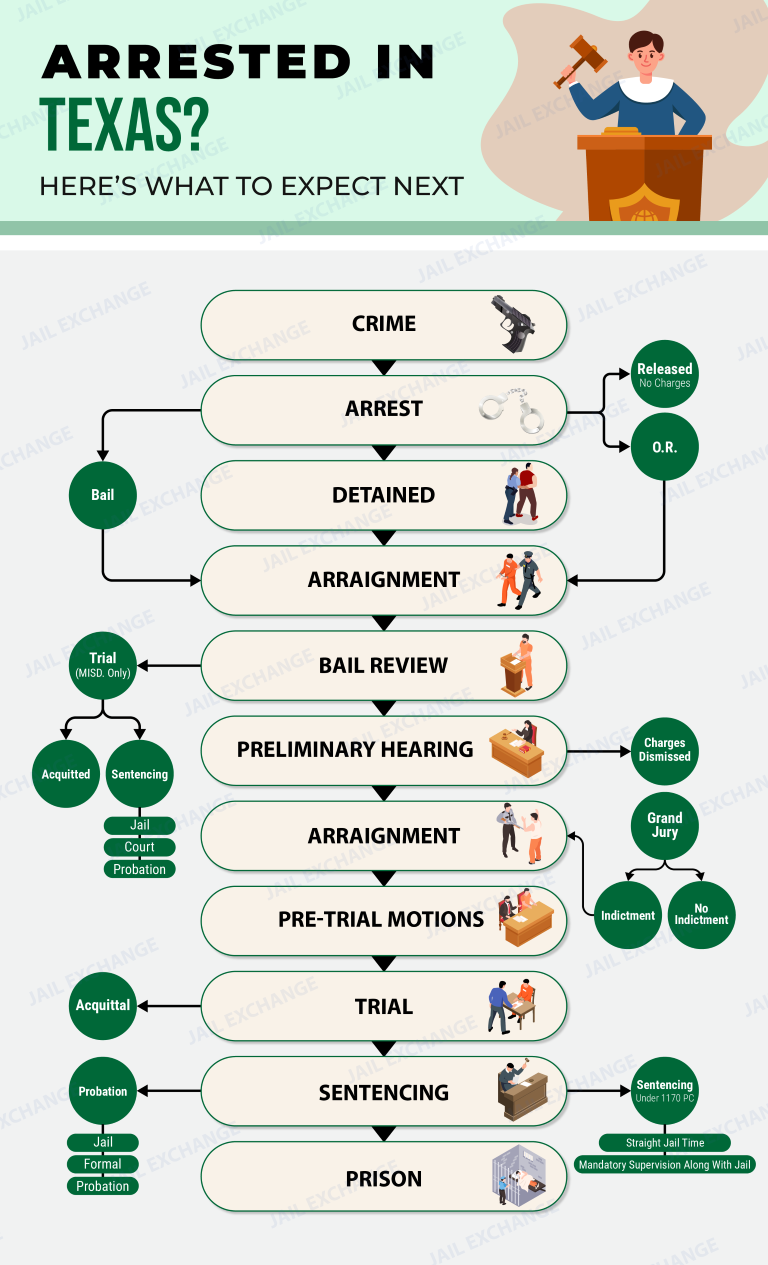
Hall County Jail Inmate Commissary - Sending Money or Purchasing Commissary for an Inmate
The Hall County Jail allows inmates to purchase commissary. This can be snacks, hygiene products, stamps, stationary, and clothing.
There is a monthly limit of $200 of what inmates can spend on commissary items. This is subject to change so call the facility at 806-259-2151 in order to confirm the amount that cannot be exceeded.
Inmates have access to purchasing commissary from a local grocery store, delivered on Mondays.
Scroll down for further information on the commissary program, how it works, what type of things inmates can buy, how often they receive commissary, and a lot more.
You can also go to our Inmate Money page for information on how to send money to an inmate.
Not Memphis, Tennessee: the Hall County Jail is in Memphis, Texas, run by the Hall County Sheriff's Office at 101 South 9th Street. Money on someone's account there pays for calls and buys snacks, soap and other items, with commissary spending capped at $200 a month.
Mailing it. Either the person or the Hall County Sheriff's Office can be the payee on a cashier's check or money order. Use the memo line for the person's name and ID number, then mail it, with nothing else enclosed, to Hall County Jail, 101 South 9th Street, Memphis, TX 79245.
Paying at the jail. A kiosk stands in the lobby or visitation area, and it accepts both bills and cards.
The rest. Hall County names no online deposit company and lists no hours for front-desk drop-offs. Both are answered at 806-259-2151, where staff will want the person's legal name and birth date.
Information for this service is currently unavailable.

Securus AdvanceConnect is a prepaid calling account that links directly to your mobile phone or landline number, allowing you to receive outbound calls from an incarcerated individual. Because correctional phone systems never allow incoming calls, funding an AdvanceConnect balance ensures calls are accepted immediately without being blocked by cell carriers.
Important: Mobile Networks Block Inmate Calls Without Prepaid Funds
Correctional facilities do not allow collect billing to cell phones, and mobile carriers automatically block incoming collect calls from detention centers. While some residential landlines may allow direct billing, mobile phones and VoIP services require an active prepaid AdvanceConnect balance, which you can verify with your phone provider. If you do not register online and fund your account right away, your loved one will hear an automated error message stating that your number cannot accept calls.
Step-by-Step Instructions to Register and Fund AdvanceConnect
- Go to securustech.online or open the Securus mobile app.
- Select Sign Up and create your account using your 10-digit telephone number and email address.
- Search for your facility by state and agency name, then add the inmate using their full legal name or booking ID.
- Select AdvanceConnect under calling accounts.
- Choose your deposit amount, review convenience and transaction fees, and enter your credit or debit card billing details.
- Authorize payment and confirm that your mobile phone allows calls from automated or unknown correctional numbers.
What the Inmate Needs to Do
The inmate picks up any dayroom phone or logs onto their handheld tablet, dials your 10-digit number, and enters their assigned PIN. The automated system verifies that your AdvanceConnect account has an active balance and connects the call. All calls are subject to recording and monitoring by facility staff.
Official Provider: Securus Technologies Official Website
Customer Service Telephone: 1-800-844-6591
Support Hours: 24 hours a day, 7 days a week, 365 days a year
Supported Languages: English and Spanish
Other Services Provided by Securus Technologies
In addition to AdvanceConnect Prepaid Calling, Securus Technologies and its subsidiary JPay provide several other communication, financial, and visitation services:
- Direct Bill Phone Calling: Establish a monthly billed calling account for verified landline numbers.
• Learn more on our website: Direct Bill Phone Calling Guide | • Visit official vendor page: Securus Direct Bill - Securus Video Connect: Schedule and join live video visits from home using your computer or smartphone.
• Learn more on our website: Video Visitation Guide | • Visit official vendor page: Securus Video Connect - JPay Money Deposits (Trust & Canteen): Send money directly into an inmate's jail trust account for commissary store purchases.
• Learn more on our website: Money Deposits Guide | • Visit official vendor page: JPay Money Transfers - JPay Email Messaging & Photos: Send electronic messages, photo attachments, and VideoGrams directly to their tablet or kiosk.
• Learn more on our website: Email Messaging Guide | • Visit official vendor page: JPay Email Services
Securus Direct Bill is an invoiced telephone calling service designed for approved residential landlines, law offices, and commercial businesses. Instead of prepaying funds in advance, calls received from an incarcerated individual are billed directly to your account on a monthly itemized billing invoice.
Important: Direct Bill Requires Credit Approval and Qualifying Lines
Direct Bill is not available for mobile cell phones, internet VoIP numbers, or customers with poor or unestablished telephone credit history. Correctional facilities enforce strict telecommunications billing rules, which you can verify by calling Securus customer care. If your line does not meet credit approval standards, you must open an AdvanceConnect prepaid account instead to receive incoming calls from your loved one.
Step-by-Step Instructions to Set Up a Direct Bill Account
- Contact Securus customer service at 1-800-844-6591 or submit an application via securustech.net.
- Provide your billing name, service address, and qualifying residential or business landline telephone number.
- Submit to a standard credit evaluation performed by Securus to determine billing eligibility.
- Establish your authorized monthly credit limit upon approval.
- When your phone rings with a call from the detention center, follow the recorded operator instructions and press the requested key to accept charges.
- Pay your monthly billing invoice online, by phone, or through the mail.
What the Inmate Needs to Do
The inmate dials your phone number from any dayroom telephone and keys in their assigned PIN. The automated system verifies that your account is in good standing and has not exceeded its monthly spending ceiling before connecting the call. All non-privileged conversations are recorded and monitored.
Official Provider: Securus Technologies Official Website
Customer Service Telephone: 1-800-844-6591
Support Hours: 24 hours a day, 7 days a week, 365 days a year
Supported Languages: English and Spanish
Other Services Provided by Securus Technologies
In addition to Direct Bill Calling, Securus and its subsidiary JPay offer several other communication, financial, and visitation services:
- AdvanceConnect Prepaid Calling: Fund a prepaid calling account tied to your mobile phone number.
• Learn more on our website: AdvanceConnect Calling Guide | • Visit official vendor page: Securus AdvanceConnect - Securus Video Connect: Schedule and join live video visits from home using your computer or smartphone.
• Learn more on our website: Video Visitation Guide | • Visit official vendor page: Securus Video Connect - JPay Money Deposits (Trust & Canteen): Send money directly into an inmate's jail trust account for commissary store purchases.
• Learn more on our website: Money Deposits Guide | • Visit official vendor page: JPay Money Transfers - JPay Email Messaging & Photos: Send electronic letters, photos, and VideoGrams directly to their tablet or kiosk.
• Learn more on our website: Email Messaging Guide | • Visit official vendor page: JPay Email Services
Information for this service is currently unavailable.
Information for this service is currently unavailable.
- Jail (Main): 806-259-2151
- Sheriff: 806-259-2151
The Hall County Jail serves the following cities and towns of Hall County: Memphis and Turkey.