
Johnson County Correctional Facility
Johnson County Correctional Facility
Jail Phone Number
817-556-6000Johnson County Jail Inmate Search: Who Is Held at Ridgemar Drive
Every adult the county jails is held at one place, the Corrections Facility, 1800 Ridgemar Drive, Cleburne, TX 76031. Burleson's Tarrant-side arrests go to the Mansfield Jail instead, and Grand Prairie holds its own arrests briefly. Below are search steps, mugshots, visits, mail, money, warrants and the police agencies working here.
Start with the Sheriff's Inmate Roster, which the Sheriff's Office says is updated regularly. Type a surname, open the right entry and copy down the SO number. Fresh bookings can lag on the list, and people who just left or were transferred may vanish from it. Case files are kept by the District Clerk (felonies) or the County Clerk (misdemeanors).
No match, or need more? Call the Corrections Division at 817-556-6000 for custody status and charges. For bond help, see our bail page. For what the case does next, see our court page.
Read inmate search answers
 Read inmate search answers
1. Using the Johnson County roster, step by step
The roster is run for the Sheriff on the county's own web portal. To use it:
- Open the Sheriff's Inmate Roster page.
- Type the person's last name. If you get too many hits, add a first name.
- Compare ages or birth dates. Common names often show up twice.
- Write down the SO number. The jail calls it the inmate identifier, and mail needs it.
- Note the charges and any bond shown, then call to confirm. Online lists can lag behind.
For anything the roster leaves out, the Corrections Division answers custody, charge and visit questions at 817-556-6000.
↑ Back to the question list2. No hit on the roster: reasons and next moves
A roster with no match doesn't mean the person went home. Possible reasons:
- Booking isn't done. Fingerprints, a photo, a health screen and forms all happen before the entry goes live.
- They got out. Someone posted bond, or the magistrate ordered release.
- In a city lockup. An arrest on the Tarrant side of Burleson goes to the Mansfield Jail. A Grand Prairie arrest may sit in that city's jail first.
- Across a county line. If the arrest happened in a neighboring county, that county's jail has them.
- A name mismatch. Search a nickname, a second surname, or the name before marriage.
- Age. Anyone under 17 goes to juvenile intake, not the adult roster.
- Moved on. State prison, a federal hold or ICE can take someone out of the county jail.
Jail staff can usually settle it in one phone call: 817-556-6000.
↑ Back to the question list3. Ridgemar Drive, city lockups or a neighbor county's jail?
Adults are jailed at just one county site. A state count on June 1, 2022, put its capacity at 1,100 beds and showed 825 people inside, 283 of them federal prisoners. Other places to check:
- Corrections Facility (county jail, all adults booked on county charges), 1800 Ridgemar Drive, Cleburne, TX 76031, 817-556-6000.
- Mansfield Jail (Mansfield's city jail; holds city and federal inmates and Burleson's Tarrant-side arrests), 1601 Heritage Parkway, Mansfield, TX 76063, 817-804-5724.
- Grand Prairie Detention Center (city jail for Grand Prairie arrests, usually under 72 hours), 1525 Arkansas Lane, Grand Prairie, TX 75052, 972-237-8951.
Arrested just over the line? Neighboring county jails:
- Tarrant County Corrections Center, 100 North Lamar Street, Fort Worth, TX 76196, 817-884-3000
- Wayne McCollum Detention Center (Ellis County), 300 South Jackson Street, Waxahachie, TX 75165, 972-825-4931
- Hill County Jail, 406 Hall Street, Hillsboro, TX 76645, 254-582-5313
- Bosque County Jail, 266 FM 2840, Meridian, TX 76665, 254-435-9966
- Somervell County Jail, 750 East Gibbs Boulevard, Glen Rose, TX 76043, 254-897-2242
- Hood County Jail, 400 Deputy Larry Miller Drive, Granbury, TX 76048, 817-579-3333
4. Johnson County mugshots: can you see or request them?
Mugshots are booking photos. To get one from the Sheriff's Office for sure, ask for it in writing. Here is how:
- Write to the Sheriff's Records Division and cite the Public Information Act. It takes open records requests online, or in person on business days, and may charge a fee.
- Name the person, the booking date if you know it, and that you want the booking photo.
- Texas treats the core details of an arrest as open records (Gov't Code 552.108(c)). The office must answer promptly, or tell you when it will.
Commercial mugshot sites play by separate rules. A site asking $150 or more to delete a photo must, under Texas law, fix a wrong or partial record for free when told about it. It also can't show a record a court has expunged or sealed. These rules sit in Business and Commerce Code chapter 109, which still lets some fees stand.
Photos taken by ICE require an ICE records request. A federal booking photo stays private as a rule. Now and then the Marshals Service puts one out, for example to help catch someone who fled.
↑ Back to the question list5. Release, transfer and court-date alerts by phone or text
Texas uses Texas IVSS-Counties for jail custody alerts. In 2025 it replaced VINE, the system Texas families used before.
- Look someone up with a whole or partial name. It covers people now jailed or on supervision.
- Pick which events trigger a notice: new booking, release, transfer, court date. No account is required.
- Phone help runs 24 hours a day at 866-268-8959, in English or Spanish.
- There's no fee, and your sign-up is kept secret from the jailed person.
Alerts are a backup. For a fast answer today, call the jail at 817-556-6000.
↑ Back to the question list6. Getting out on bond: the short version
By hour 48 at the latest, the person stands before a magistrate, who reads the warnings, offers a free lawyer and sets bail (CCP art. 15.17(a)). Release can come three ways: a cash deposit, a licensed bondsman, or a personal bond with no money down. Many violent charges are not eligible for that last kind.
Phone the jail at 817-556-6000 to learn if bond has been set, and the dollar figure. Holds from other counties, parole, family violence waiting periods, federal cases or ICE can keep someone in after bond. Step-by-step help is on our Johnson bail and bond page, and our Texas bail laws page explains the statewide rules.
↑ Back to the question list7. Learning the exact charges
Try the roster first. Then use one of these:
- Call the jail. The Corrections Division gives custody status and charges at 817-556-6000.
- Felony cases. The District Clerk, Guinn Justice Center, 204 South Buffalo Avenue, Cleburne, TX 76033, 817-556-6839, keeps District Court files.
- Online. re:SearchTX shows filed charges and the court once a case is filed. A free account is needed.
Booking charges are not final. Prosecutors can file something higher, lower or different, so recheck before each hearing.
↑ Back to the question list8. A free lawyer for someone sitting in jail
Someone without money for a lawyer should ask the magistrate for one. The magistrate explains how and helps with the form. If no lawyer is named then, the request goes on within 24 hours. A lawyer must then be appointed within one working day in a county of 250,000 or more, or three in a smaller one (CCP art. 1.051(c)).
- The judges' written plan for picking lawyers is on the state indigent defense site.
- Days pass with no lawyer contact? Phone the court handling the case. On felonies, the District Clerk can help: 817-556-6839.
- Federal charges get help from the Federal Public Defender in Fort Worth, 819 Taylor Street, Room 9A10, Fort Worth, TX 76102, 817-978-2753.
9. Visiting times at the Johnson County jail
The Sheriff's jail page lists visits every day from 6:30 a.m. to 9:00 p.m. Each visit must be set up at least 24 hours ahead.
- Call the jail at 817-556-6000 to book a time and to check the current rules.
- Ask whether the visit is at the jail or by video, and what ID each visitor needs.
- Ask about the rules for children who visit.
State jail rules give each person at least two visits a week, 20 minutes or longer, with one on an evening or weekend. A parent, guardian or lawyer may need to come with a minor. Our visitation page has more tips.
↑ Back to the question list10. Sending money for commissary and calls
The county website has a page for adding money to inmate accounts. To learn which ways work today (online, phone or a lobby kiosk) and what each one costs, call the jail at 817-556-6000.
- Keep their legal name and SO number in front of you.
- Keep all money away from the Phoenix, Maryland letter box, whether cash, check or money order. The Sheriff's page forbids it.
- The account covers snacks, hygiene items and paid services. It can't be used as bail.
Our inmate money guide and commissary page describe deposits and store orders in general.
↑ Back to the question list11. Phones, tablets and messages from the Ridgemar jail
People in the jail use phones and tablets. Personal mail, for example, arrives as a scan on the jail tablet. For the current phone, message and video rules, and how to set up an account, call the jail at 817-556-6000.
- Assume every call is recorded. Never discuss the case on the phone.
- Ask the jail how a family member can leave an urgent message.
- For setting up accounts, read our jail phone page or our inmate messaging page.
12. Writing to someone in the Johnson County jail
Letters are scanned at a mail center in Maryland and then delivered to the jail tablet. Address it in four lines, exactly like this:
- Johnson County Jail, TX
- [Inmate full name] SO#[number]
- PO Box 247
- Phoenix, MD 21131
Rules from the Sheriff's page:
- Write the facility name in full, with the state. No short forms.
- The envelope must show the sender's whole name and a physical address.
- Only letters, photos and drawings go to that box.
- Checks, money orders and lawyer mail must not go there. Packages go straight to the jail, 1800 Ridgemar Drive, Cleburne, TX 76031.
Texas jail standards put no limit on how many letters someone receives. Mail from a lawyer is opened in the person's presence. More help is on our jail mail page.
↑ Back to the question list13. Personal belongings: storage and pickup
Staff list and store what a person had at booking. Clothes, a wallet, keys and a phone are kept until release or a pickup.
- Phone 817-556-6000 to set a pickup time. Ask if the person has to sign a note naming you.
- Pickups happen at 1800 Ridgemar Drive, Cleburne, TX 76031, and you need a photo ID.
- Ask how the remaining jail account balance gets refunded when they leave.
14. Illness, injury or a mental health crisis behind bars
Call the jail at 817-556-6000 and say what the person needs, like a medicine or a health condition. Staff may not be able to share medical details back with you.
- When booking staff suspect mental illness, CCP art. 16.22 gives them 12 hours to notify a magistrate.
- Complaints about the Sheriff's Office go in writing and must be signed. The Sheriff's FAQ links a complaint form, and the in-person address is 1102 East Kilpatrick Street, Cleburne, TX 76031, 817-556-6058.
- Jail conditions complaints can also go to the Texas Commission on Jail Standards: online form, 512-463-5505, or info@tcjs.state.tx.us.
Any emergency on the outside, such as a threat or an overdose at home, still goes to 911.
↑ Back to the question list15. Open warrants in Johnson County: checking and clearing
Deputies, constables in all four precincts and city officers within their towns serve warrants in this county. For a warrant check, the Sheriff's Office answers at 817-556-6058 on weekdays, and dispatch takes calls day and night at 817-556-6060. Burleson police are at 817-426-9903. The DPS Texas 10 Most Wanted page shows the state's top fugitives. You can also phone whichever court signed it. Clearing a warrant usually means a lawyer's advice first, then going in person to the jail to surrender, 1800 Ridgemar Drive, Cleburne, TX 76031, or asking the signing court to reset the date. For felony warrants, contact the District Clerk, 204 South Buffalo Avenue, Cleburne, TX 76033, 817-556-6839.
↑ Back to the question list16. Hearing dates and where to look them up
Each court, through its clerk, sets the dates. Ways to find one:
- Ask the jail at 817-556-6000 which court has the case.
- Felony settings come from the District Clerk at 817-556-6839.
- Texas IVSS-Counties can text or call you whenever a hearing is scheduled or moved.
- Use the county's online court records, listed on the county website for both clerks.
For how hearings, pleas and trials work here, see our criminal court guide.
↑ Back to the question list17. Federal custody: Marshals, the Dallas court and BOP
Pretrial federal prisoners fall under the U.S. Marshals Service. Its Dallas office is at 1100 Commerce Street, Room 1657, Dallas, TX 75242, 214-767-0836. The Ridgemar jail houses federal prisoners, so the person may be right here.
- The Dallas federal courthouse hears these cases, at 1100 Commerce Street, Room 1452, Dallas, TX 75242, clerk 214-753-2200.
- A federal detention hearing decides between home with conditions and a cell (18 U.S.C. 3142).
- After sentencing, the Federal Bureau of Prisons inmate locator shows where they are. People held before trial in a county jail may not show up there.
18. Tracking someone after an immigration detainer
Here is how an immigration hold works at the county jail:
- Immigration agents lodge an I-247A detainer with the Ridgemar staff.
- With that paper on file, the Corrections Division may hold the person up to 48 hours after they would otherwise be released (8 CFR 287.7(d)).
- Texas jails must follow detainers, unless the person has papers showing citizenship or legal status; CCP art. 2A.060 sets that duty. Then Gov't Code 752.053, passed in 2017, outlaws local limits on immigration enforcement. And by December 1, 2026, under a 2025 law, jail-running counties have to seek 287(g) agreements. The Sheriff's Office at 817-556-6058 can say where this county stands.
- ICE's Dallas Field Office, 8101 North Stemmons Freeway, Dallas, TX 75247, 972-367-2200, handles North Texas pickups.
- Try the ICE Online Detainee Locator. Enter the person's country of birth and name, and add an A-number or a birth date. If nothing comes up, phone the field office.
19. Tracking a sentenced person into TDCJ
A person given a felony sentence stays at the Ridgemar jail until TDCJ takes them. Intake comes next, and then a move to a unit suited to their time and needs. State jail time, for the lowest felony grade, happens at a separate kind of lockup from prison.
- Look up the person in the TDCJ inmate search. Use their TDCJ or SID number, or a surname and an initial. Only people now in TDCJ show up. It refreshes on working days and trails by at least a day.
- For addresses and rules unit by unit, use our Texas state prisons listing.
20. Kids and teens under 17
Texas juvenile law reaches youths aged 10 to 16, who are kept out of the adult jail. Family Code 51.02 makes a 17-year-old with a new charge an adult in the eyes of the court.
- When police take a child in, a parent gets prompt word under Family Code 52.02.
- A held child sees a judge in two working days or fewer, and gets a lawyer first (Family Code 54.01).
- The county's Juvenile Services department handles youth intake. Call the Sheriff's Office at 817-556-6058 to reach it and learn where the child is.
21. Johnson County police departments, deputies and constables
Who made the arrest decides where the person went first. Agencies to know:
- Sheriff's Office, 1102 East Kilpatrick Street, Cleburne, TX 76031. The patrol division covers unincorporated areas and towns without police, 24 hours a day. Non-emergency dispatch: 817-556-6060 or 817-556-6061. The Sheriff's home page also lists 817-556-6045.
- Burleson Police Department, 1161 SW Wilshire Boulevard, Burleson, TX 76028, non-emergency 817-426-9903, main 817-426-9910. It covers both the Johnson and Tarrant parts of the city.
- Mansfield Police Department, 1601 Heritage Parkway, Mansfield, TX 76063, non-emergency 817-473-0211. The Mansfield Jail, where Burleson's Tarrant-side arrests go, shares that address.
- Grand Prairie Police Department, 1525 Arkansas Lane, Grand Prairie, TX 75052. Its detention center answers at 972-237-8951. Part of Grand Prairie lies in this county.
- Constables, Precincts 1 to 4, serve warrants and court papers. Reach them through Sheriff's dispatch.
Other cities and towns in the county include Cleburne, Joshua, Alvarado, Keene, Godley, Grandview, Venus, Rio Vista, Cross Timber and Briaroaks. Sheriff's dispatch can tell you if a given town has a police force of its own or uses deputies, and how to reach it. State troopers also make arrests on county highways. The jail at 817-556-6000 can tell you which agency booked your person.
↑ Back to the question listJohnson County Bail, Bonds and Getting Out
Adults arrested anywhere in Johnson County end up at one county jail, the Corrections Facility at 1800 Ridgemar Drive, Cleburne, TX 76031, run by the Sheriff's Corrections Division. Two city lockups can come first. Burleson sends its Tarrant-side arrests to the Mansfield Jail, and Grand Prairie keeps its own arrests for a short stay. Below: the magistrate, bond types, paying, and holds that outlast a bond.
First, make sure your person is booked. Search the Sheriff's Inmate Roster by name. Our Jail Roster page handles the whole custody side: who sits in the Ridgemar jail tonight, today's bookings, warrants still open, the exact charges, booking photos (mugshots), free lawyers and how property gets collected.
Next, phone the jail at 817-556-6000. Ask if bond is set, the amount on each charge, and which court has the case. Hearings, pleas and trial dates are on our criminal court page.
1. Who fixes bail after a Johnson County arrest, and on what timeline?
A magistrate does. Officers get 48 hours, tops, to put an arrested person before one, and they must not stall (article 15.17 of the Code of Criminal Procedure, or CCP). A video screen at the jail is allowed. Judges of every level can play this role, and so can JPs and municipal judges (CCP art. 2A.151). There are four JP precincts across this county. Ask Ridgemar jail staff at 817-556-6000 when your person's turn is.
It only lasts a few minutes. During it, the magistrate:
- reads out the charge, then the rights: keeping quiet, a lawyer, and more;
- checks if the person wants the county to pay for a lawyer, and walks them through that paper;
- fixes bail for this person alone, choosing the mildest rules that will still get them to every hearing (art. 17.028).
Before bail on Class B or higher, the magistrate gets a record summary known as a public safety report. Don't expect a risk number or a suggested amount in it (CCP arts. 17.021, 17.022). If booking staff spot possible mental illness, the magistrate hears about it inside 12 hours (art. 16.22 of the same code).
↑ Back to the question list2. Cash, a bondsman, or a signed promise?
Texas law files every release under one of two labels, bail bond and personal bond, in CCP chapter 17. Families in Cleburne usually meet three versions:
- Cash bond. Someone parks the whole bail amount with the court. Follow every rule, and that money can come home after the case.
- Surety bond. A state-licensed bondsman puts their name behind the full bail. The price for that is a fee you will not see again.
- Personal bond. No deposit and no co-signer. The arrested person signs a pledge to show up, and that signature is the bond.
That pledge is off limits on several charges. Think of most violent crimes, a felon found with a firearm, Class A or worse terroristic threats, and certain protective order cases. A burglary, an organized crime count or some drug felonies need the trial judge's own okay (CCP art. 17.03). A magistrate may attach terms to any bond, say, no contact with the alleged victim. A second DWI or an intoxication assault adds a breath-test lock on the car (CCP art. 17.441(a)). Want the statewide rules in one place? Try our Texas bail laws page.
↑ Back to the question list3. What does bail usually cost here?
Texas skips a statewide bail chart. The magistrate sizes it to the one defendant in the room, and a local schedule can't override state rules (art. 17.028). Article 17.15(a) lists what goes into the decision:
- a sum large enough that the person returns for court, yet never a weapon to oppress;
- the charge and how it played out;
- real ability to pay;
- danger to the victim, to officers or to the community;
- criminal history, and citizenship.
Hard dollar caps show up in only one spot. Picture a warrantless arrest where no one decides probable cause quickly enough. On a misdemeanor, release comes by hour 24 with bond held to $5,000. On a felony, hour 48 with bond held to $10,000. Can't pay? Then it becomes a personal bond. Under CCP art. 17.033, the prosecutor can ask to stretch the deadline to 72 hours.
To hear the dollar amount on your loved one's charges, phone the Corrections Facility at 817-556-6000. Have their full name and birth date ready. On a ticket with just a fine, a signed court date often replaces money (CCP art. 15.17(b)).
↑ Back to the question list4. Steps for posting a bond at Ridgemar Drive
For a county charge, bond paperwork runs through the jail, 1800 Ridgemar Drive, Cleburne, TX 76031. Hours and payment rules do shift, so check by phone. Then:
- Dial 817-556-6000. Give the arrested person's full legal name and birth date, or the roster's SO number if you have it.
- Confirm a magistrate has set bond. Jot down each charge, each amount and the grand total.
- Ask if cash, a bondsman or a personal bond is allowed on each charge.
- For cash, ask what forms are taken and what payee a check needs.
- Ask about holds and any family violence waiting period.
- Bring your photo ID plus the exact amount, and hang on to the receipt.
Working with a bondsman? Ask them who files and when. Even after posting, staff still check holds and gather property, so plan on a wait. For anything else, the Sheriff's headquarters is at 1102 East Kilpatrick Street, Cleburne, TX 76031, 817-556-6058, open weekdays 8 a.m. to 5 p.m.
↑ Back to the question list5. Is bond ever handled in Mansfield, Grand Prairie or at the clerk?
That turns on which agency made the arrest. These places can come up:
- Mansfield Jail, 1601 Heritage Parkway, Mansfield, TX 76063, 817-804-5724. Under a city contract, Burleson officers take people arrested on the Tarrant County side of their city here. The number above handles bond and inmate calls around the clock. Those charges belong to Tarrant County.
- Grand Prairie Detention Center, 1525 Arkansas Lane, Grand Prairie, TX 75052, 972-237-8951. Part of Grand Prairie lies inside this county. The city jail is a short-term stop, most often under 72 hours. Above Class C, the bond gets posted in whichever county the case is filed in, and that may be this one.
- District Clerk, Guinn Justice Center, 204 South Buffalo Avenue, Cleburne, TX 76033, 817-556-6839. Felony files live here. Since cash bail is legally a deposit with the court (CCP art. 17.02), ask this office whether it can accept yours.
An arrest on the Johnson County side of Burleson leads to the Ridgemar Drive jail instead. Burleson's police station is at 1161 SW Wilshire Boulevard, Burleson, TX 76028, 817-426-9903.
↑ Back to the question list6. What forms of payment work, and what gets refused?
Settle this with the jail at 817-556-6000 before you head out. That line is the Corrections Division, which the Sheriff's Office names for custody and charge questions. Good things to ask:
- Is paper cash fine, and do they need it to the penny?
- For a cashier's check or money order, whose name should be written as payee?
- Is plastic accepted at the window, and does a card cost extra?
- Can this particular bond be paid by phone or online?
Cash should never travel by mail. Keep checks and money orders away from the jail's Phoenix, Maryland mail box too. The Sheriff's page reserves that box for personal letters and says no money goes there.
Commissary money is a different thing from bail. It lands on the person's jail account, and the county website links a page for adding to it. Our inmate money page covers deposits.
↑ Back to the question list7. How do bondsmen work in Johnson County?
Texas requires a bail bond board once a county passes 110,000 residents, and this one has (Occupations Code 1704.051). The board licenses the bondsmen. It also has to post an up-to-date list in each criminal courtroom and in the booking area (Occupations Code 1704.105, 1704.107). Jail staff at 817-556-6000 can tell you where it hangs.
Points to check before signing anything:
- No state limit caps the bondsman's price. Put the fee and any payment plan on paper.
- Whatever cash or property you hand a bondsman, you are owed a receipt.
- Drumming up clients inside the Ridgemar jail is against the rules for bondsmen.
- Collateral, such as a pickup title, comes back to you within 30 days of a written request after the case wraps up. That rule, like the receipt rule, sits in Occupations Code chapter 1704.
- Bond may also be posted by the person's attorney of record.
- A bondsman quitting a bond gives notice to the defense lawyer, plus the state's lawyer on felony cases, and swears to the reasons in court papers (CCP art. 17.19).
Dropped charges don't bring the bondsman's fee back.
↑ Back to the question list8. Bond went through, yet the jail still holds them. Why?
Several things. A bond reaches only its own case, so ask jail staff at 817-556-6000 to list every hold on the person before you spend a dollar. Watch for:
- Out-of-county warrants. Bail on another county's warrant can be set here and forwarded (CCP art. 15.18), yet that county may still send for the person.
- Parole. A parole board warrant, nicknamed a blue warrant, keeps a parolee jailed while the violation case is heard (Gov't Code 508.254(c)).
- Family violence. A magistrate who expects more abuse must keep the person four hours past bond, and can order up to 48 (CCP art. 17.291(b)). Before release, the alleged victim is notified (CCP art. 17.29).
- Federal charges. The jail holds federal prisoners, and a county bond can't free them.
- Immigration. Covered in the ICE answer further down.
- Two cases at once. A Burleson city ticket carries a bond that is separate from the county case.
9. Can a judge flatly say no to any bail?
Seldom. Under the Texas Constitution, most people charged can get out on bail. The old exceptions are few. They cover capital cases with strong proof, some repeat or on-bail felonies, bond violations and some protective order breaches (Texas Constitution, article I, sections 11 through 11c).
Texans voted on November 4, 2025, to add § 11d (Proposition 3). It targets the gravest charges. Those include murder and capital murder, aggravated robbery or kidnapping, aggravated sexual assault, trafficking, indecency with a child, and an aggravated assault where someone was gravely hurt or a deadly weapon was used. The judge "shall" refuse bail once the prosecution proves, at a hearing, a likely flight or a danger to others. The defense can't trigger that hearing. A judge who sets bail anyway puts the reasons on paper.
Also new in 2025: a felony bail can go to a district judge for a second look at the prosecutor's request (CCP art. 17.029). When the charge is on a list of violent crimes, prosecutors may challenge a bail they think is too small on appeal, and the defendant waits in jail for the appeals court, which has 20 days (CCP art. 44.01).
Felonies here are prosecuted by the District Attorney, misdemeanors by the County Attorney. The District Clerk at 817-556-6839 can connect you with either.
↑ Back to the question list10. Can a family get a bond reduced, and how?
The request goes to whichever court has the case. Bail must match what the person can pay and can't be used to oppress (CCP art. 17.15(a)). Relatives can pitch in like this:
- Have the defense attorney file a written request for a smaller bond.
- Gather paycheck records, rent or mortgage papers, and proof that relatives live nearby. Write down, in plain words, how much your household could pay.
- Offer conditions, for instance staying far from the alleged victim, that ease the judge's doubts.
- Come to the hearing when you can.
A slow prosecution can also help. CCP article 17.151 puts the prosecution on a trial-ready clock. Miss one, and the jailed person is owed a personal bond or a cheaper bail. Felonies get 90 days. Misdemeanors carrying over 180 days of possible jail get 30. Shorter jailable misdemeanors get 15. Fine-only Class C charges get 5. The article carves out exceptions.
On a felony, the District Clerk knows which court is assigned: 817-556-6839. On a misdemeanor, the jail at 817-556-6000 can name the court.
↑ Back to the question list11. Who qualifies for an appointed lawyer, and how fast?
Tell the magistrate right away if there's no money for a lawyer. The magistrate explains how to apply and helps with the form. If nobody can be named on the spot, the paperwork must reach the office that appoints lawyers in a day or less (CCP art. 15.17(a)).
- Once the request arrives, a county of 250,000 or more has one working day to name a lawyer, and a smaller county has three (CCP art. 1.051(c)).
- Article 26.04 then gives the new attorney until the next working day ends to try to reach the client.
- Local judges pick lawyers under a written plan. Choose this county on the state's indigent defense plan page to read it.
The District Clerk issues a monthly report on appointments and fees. Call 817-556-6839 to learn if a lawyer has been named on a felony. State rules on appointed counsel come from the Texas Indigent Defense Commission, 209 West 14th Street, Room 202, Austin, TX 78701, 512-936-6994.
↑ Back to the question list12. Which courts handle cases from Johnson County?
In this county, the charge level picks the courtroom:
- Felonies are tried in the 18th, 249th and 413th District Courts. The District Clerk holds those files at the Guinn Justice Center, 204 South Buffalo Avenue, Cleburne, TX 76033, 817-556-6839, or by email at JCDC@johnsoncountytx.org.
- Class A and B misdemeanors belong to the two County Courts at Law, numbered 1 and 2. The County Clerk keeps those case files. Staff at the District Clerk's desk can point you to that office.
- Class C tickets belong to one of four justice courts, or to a city court when city police wrote the ticket. Per the Sheriff's Office, the precinct where the ticket was written handles it, and 817-556-0111 takes citation questions. The ticket itself names the court.
- Federal cases head to the Dallas federal courthouse, 1100 Commerce Street, Room 1452, Dallas, TX 75242, 214-753-2200.
Not sure which court has your person's case? The jail can read it off the booking at 817-556-6000.
↑ Back to the question list13. Getting cash bond back, or losing it for a missed date
When the bond's conditions are satisfied, cash bail is refunded to the name printed on the receipt (art. 17.02), so keep that slip safe. A clerk can hold back 5 percent, capped at $50, though just in cases ending in conviction or deferred adjudication. Fines and court costs the defendant owes may also be taken out of it, under Local Gov't Code 117.055 and CCP art. 17.53. The state courts office explains this in a short money bond sheet.
If the person skips a hearing, the judge may sign what Texas calls a judgment nisi. That paper starts the process of keeping the bond (CCP chapter 22). A bondsman who gets the person back into a cell can be cleared if that happens inside 180 days on a misdemeanor case. Felony cases allow 270. Missing court can also be charged as bail jumping under Penal Code 38.10, at a level that tracks the original charge.
For a felony bond refund, ring the Guinn Justice Center clerk at 817-556-6839.
↑ Back to the question list14. Leftover account money and personal items at the door
Sort out money and belongings at release or right after. Phone the jail at 817-556-6000 with these questions:
- How is any balance left on the jail account returned?
- When can someone collect clothing, keys, wallet and phone?
- Does a friend or relative picking up need the person's signed permission?
Items are released at 1800 Ridgemar Drive, Cleburne, TX 76031. A photo ID is required. Our guide to jail accounts and commissary page cover deposits and the jail store.
↑ Back to the question list15. A federal charge from Johnson County: who decides on release?
A federal judge, never a county magistrate. Cases from this county are filed in Dallas, at the Earle Cabell Federal Building, 1100 Commerce Street, Room 1452, Dallas, TX 75242. Call the clerk at 214-753-2200.
- A detention hearing settles whether the defendant leaves under federal conditions or waits in custody for trial (18 U.S.C. 3142).
- The U.S. Marshals Service has charge of federal defendants before trial: 1100 Commerce Street, Room 1657, Dallas, TX 75242, 214-767-0836.
- Federal prisoners are housed at the Ridgemar Drive jail too. The state's June 1, 2022 count found 283. Your person could be held close to home, so ask the Marshals.
- Can't afford a federal defense? The Federal Public Defender may take the case: 525 South Griffin Street, Suite 629, Dallas, TX 75202, 214-767-2746.
- Once sentenced to prison, look them up in the Federal Bureau of Prisons inmate locator.
16. Does a paid Texas bond erase an ICE detainer?
No. Paying the Texas bond does nothing to the immigration hold. What happens next:
- U.S. Immigration and Customs Enforcement mails or faxes its Form I-247A to the Ridgemar staff.
- Staff can then keep the person up to 48 hours after they would otherwise be released, so agents can come (8 CFR 287.7(d)).
- Texas requires the jail to comply, except when the person shows proof of citizenship or lawful presence. That duty is in CCP art. 2A.060. Local rules that slow immigration enforcement have been banned since 2017, by Gov't Code 752.053. December 1, 2026 is the 2025 law's deadline for each jail-running county to request a 287(g) deal from ICE. The Sheriff's Office, 817-556-6058, can say where this county stands.
- Agents take the person away. North Texas falls under the Dallas Field Office, 8101 North Stemmons Freeway, Dallas, TX 75247, 972-367-2200.
- Look them up in the ICE Online Detainee Locator using their name, their A-number or date of birth, and the country they were born in.
17. Prison or state jail: where long sentences go
The felony grade decides. A state jail felony is served at a state jail facility. Prison terms for capital, first-, second- and third-degree felonies are served in state prison units. TDCJ, short for the Texas Department of Criminal Justice, runs those units. Penal Code chapter 12 sets each range of years.
A sentenced person sits in the Ridgemar jail until TDCJ sends for them. The state first runs them through intake to sort them out, then ships them to a unit that matches their needs.
- The state's TDCJ inmate search accepts a surname with at least one initial, or the person's TDCJ or SID number. Expect results to trail real life by at least a day, with updates only on working days.
- Unit addresses and visiting details are on our Texas state prisons listing.
18. How are Johnson County teens under 17 handled?
A Texan aged 10, 16 or anywhere between goes to juvenile court. Turn 17 and a new charge lands in adult court (see Family Code 51.02). An arrested child is brought to a juvenile intake office or a detention center, never put through adult bail. Officers have to reach a parent quickly and explain the arrest (Family Code 52.02).
- Kept youths are owed a detention hearing within a pair of working days. A Friday or Saturday pickup shortens that to the first working day, with a lawyer named ahead of time (Family Code 54.01).
- Most youths go home after that hearing. A child stays only when the judge finds a legal reason to keep them.
- On some felonies, a teen can be sent to adult court. The floor is age 14 or 15, by charge. A full hearing comes first (Family Code 54.02).
Youth cases are handled by the county's Juvenile Services department. The Sheriff's Office at 817-556-6058 can connect you, and help you learn where the child was taken.
↑ Back to the question listJohnson County Correctional Facility Visitation
Use the Johnson County VisitMe portal to reserve a visit. The Sheriff lists scheduled visits daily from 6:30 a.m. to 9 p.m. Central, with reservations at least 24 hours ahead. Confirm whether your appointment is at the facility or online. For custody, timing or check-in, call 817-556-6000.
For an appointment at 1800 Ridgemar Drive in Cleburne, arrive 15 minutes early with valid photo ID. Visitors 17 or younger must be accompanied by an adult; children age 15 or older need school ID. Dress conservatively and leave phones and bags in your vehicle. Visitors traveling 150 miles or more may call 817-556-6001 that week to ask about a special visit.
GettingOut video
The separate GettingOut listing for Johnson County TX offers Video Visit at Facility and Visit Now on Demand when available. Check which option is available for the person; Visit Now does not use the scheduled visit timetable.
GettingOut / ViaPath Remote Video Visits
Provider: GettingOut (Telmate) • Rebranding as ViaPath Technologies (myViaPath Visits)

GettingOut Video Visitation allows friends and family members to conduct live, face-to-face video visits with incarcerated loved ones using a personal computer, laptop webcam, or the mobile application. Telmate and GTL operate under ViaPath Technologies, and the visiting service is transitioning from GettingOut Visits to myViaPath Visits; users may encounter either brand name depending on whether their county jail has completed the platform update.
Important: Advance Background Clearance Required
Detention centers do not permit unapproved drop-in video visitation. All visitors must submit valid government photo identification and pass administrative screening before an appointment can be booked, a review that can take up to 48 hours depending on facility staffing. You should verify your visitor approval status with the facility in advance. If you do not register ahead of time, you will miss your loved one's scheduled visiting slots for the week.
Step-by-Step Instructions to Schedule a Video Visit
- Open the GettingOut / myViaPath Visits app or go to www.gettingout.com / my.viapath.com.
- Register your profile and upload clear photographs of your government ID and a verification photo.
- Wait for the facility to issue visitor approval (you will receive an email confirmation).
- Select Schedule Visit, pick your detention facility, and select the inmate.
- Choose an available 25- or 30-minute time slot from the calendar and pay the visitation fee using a credit or debit card.
- Sign into the app or website 10 minutes prior to the start time on a device with a functioning camera, microphone, and stable internet connection.
What the Inmate Needs to Do
The inmate receives a schedule alert on their housing unit video kiosk or personal tablet. At the appointed time, they log in with their PIN and sit in front of the terminal. Inmates must follow institutional dress and conduct rules; corrections staff actively monitor sessions and will terminate any call immediately if rules are broken.
Official Providers: GettingOut Visits | myViaPath Visits
Customer Service Telephone: 1-866-516-0115 (GettingOut) • 1-877-650-4249 (ViaPath)
Support Hours: Monday – Friday, 7:00 AM – 11:00 PM CST; Saturday – Sunday, 8:00 AM – 7:00 PM CST
Supported Languages: English and Spanish
Other Services Provided by GettingOut / ViaPath
In addition to Remote Video Visits, GettingOut and ViaPath provide several other communication and financial options:
- Two-Way Text Messaging: Send electronic messages and photos straight to the inmate's screen.
• Learn more on our website: Two-Way Text Messaging Guide | • Visit official vendor page: GettingOut Messaging - Inmate Tablet Rentals & Content: Provide funds for educational modules, music streaming, and news.
• Learn more on our website: Tablet Rentals & Content Guide | • Visit official vendor page: GettingOut Tablets - AdvancePay Phone Calling: Keep a funded prepaid balance to receive calls directly on your phone.
• Learn more on our website: AdvancePay Phone Calling Guide | • Visit official vendor page: ViaPath ConnectNetwork Calling - Inmate Trust Deposits: Transfer money directly into their jail trust account for canteen goods.
• Learn more on our website: Inmate Trust Deposits Guide | • Visit official vendor page: ViaPath Trust Deposits
Johnson County Criminal Court Guide
Felony files for Johnson County sit with the District Clerk in Cleburne's Guinn Justice Center, while adults waiting on court stay at the Corrections Facility, 1800 Ridgemar Drive, Cleburne, TX 76031. City arrests can start elsewhere, at the Mansfield Jail or the Grand Prairie lockup. This guide sorts out which courtroom gets which charge, the path from magistrate to sentence, lawyers, warrants and federal cases.
The Sheriff's Inmate Roster shows who is at the Ridgemar jail right now. To dig into custody matters, try our Inmates in Custody page: new arrests, warrants, the specific charges, mugshots, court-paid defense lawyers and getting a person's things back.
Ring the jail at 817-556-6000. Confirm your person is still booked, whether the case is a felony or misdemeanor, and the next court day. Money for release comes up on our bail and bond page.
1. Fine-only, misdemeanor, felony: who hears each in Texas?
Texas stacks its trial courts in three layers, and all three sit in this county:
- Justice of the Peace and city municipal courts deal with Class C offenses. Those bring a fine and never a jail term, like most traffic tickets.
- The two County Courts at Law (numbers 1 and 2) deal with Class A and Class B misdemeanors, where county jail time is possible. Many DWI, theft and assault cases fall in this middle layer.
- The 18th, 249th and 413th District Courts deal with felonies, the least of which is a state jail felony and the worst of which is capital murder.
Austin's Court of Criminal Appeals is the last stop for a criminal appeal. The state court office has a plain guide to how Texas courts fit together.
↑ Back to the question list2. Where do Johnson County criminal cases get heard?
The best-known address is the District Clerk's office. Call it first if you aren't sure where to go:
- District Clerk, for the three District Courts: Guinn Justice Center, 204 South Buffalo Avenue, Cleburne, TX 76033, 817-556-6839, fax 817-556-6120, email JCDC@johnsoncountytx.org. Civil, family and criminal records are all kept here.
- County Courts at Law, both of them, for Class A and B cases. The County Clerk keeps their files. The District Clerk's staff can tell you where to find both the courtroom and that clerk.
- Justice of the Peace, Precincts 1 to 4, for county Class C cases. The precinct is printed on the ticket.
Clerk counters are open during normal weekday business hours. Whether a jailed defendant comes to court in person or by video is something the jail can tell you, along with which court has the booking: 817-556-6000.
↑ Back to the question list3. Traffic and city tickets: Burleson, Cleburne and other towns
When a town's own officer writes the ticket, the town's municipal court normally gets it. A ticket from a deputy or a state trooper usually goes to the justice of the peace in whose precinct it was written.
- The court name, address and date print on the citation. Start there.
- Per the Sheriff's Office, the precinct where a citation was issued handles it, and 817-556-0111 takes those questions.
- The state court office posts a statewide municipal court directory, sorted by town, with phones.
- Burleson police, 1161 SW Wilshire Boulevard, Burleson, TX 76028, 817-426-9903, can point you to the court for their tickets.
Class A, Class B and felony arrests never stay in a city court. They move to the county or district courts, even when city police made the arrest.
↑ Back to the question list4. Day one in front of the magistrate after a Johnson County arrest
Inside 48 hours of the arrest, and often much sooner, the person meets a magistrate face to face or by camera (CCP art. 15.17(a)). The magistrate covers:
- the charge on the booking sheet;
- the right to pay for a defense attorney, or to have one appointed if they can't afford it;
- the right to keep quiet, with a warning that statements can be used in court;
- the right to a lawyer in any interview, and to stop one;
- on felonies, the option of an examining trial.
Bail gets set at the same sitting, as our bail page explains. Fine-only cases can end with release on a written promise and a court date (CCP art. 15.17(b)). Under article 15.17(h), as changed in 2025, a magistrate who rejects probable cause after a warrantless arrest owes written findings inside a day.
An examining trial tests, before any indictment, whether the state has enough proof to keep a felony case alive (CCP art. 16.01).
↑ Back to the question list5. DWI, theft and assault misdemeanors in the County Courts at Law
The County Attorney starts the case with a charging paper known as an information. It then goes on a docket in one of the two County Courts at Law. Expect roughly this:
- A first setting, often an arraignment, where the accusation is read aloud and the person pleads (CCP art. 26.01).
- Resets while the lawyer gets videos, lab results and reports.
- A plea bargain or a trial. A judge who refuses the agreed sentence must let the defendant undo the plea (CCP art. 26.13).
Maximum punishments (Penal Code chapter 12):
- Class C: $500 at most, with no jail.
- Class B: a stay in county jail of 180 days or less, a $2,000 fine, or both.
- Class A: as much as one year locked up in the county, a $4,000 fine, or both.
Lots of misdemeanor cases end in deferred adjudication. There is no guilty finding, the person follows rules for as long as two years, and the charge is dismissed when they finish (CCP arts. 42A.101, 42A.111). Misdemeanor probation, or community supervision in the statute's words, is also capped at two years (CCP art. 42A.053).
Struggling with a Class C fine? Ask the court for a payment plan, a waiver, or community service, which earns $150 of credit for each 8-hour block. A judge must hold a hearing, and find the person could have paid, before jail is even possible. Chapter 45A of the Code of Criminal Procedure has these rules.
↑ Back to the question list6. From indictment to sentence: the District Court felony track
The District Attorney brings felony cases in one of the three District Courts. Most follow this order:
- Magistrate warnings and bail, within 48 hours.
- Appointed counsel for a defendant without money.
- Examining trial, if requested before an indictment.
- Grand jury review. An indictment needs nine grand jurors voting yes (CCP art. 20A.301).
- Arraignment and pretrial settings in one of the three District Courts.
- Plea or trial, then sentencing.
Ranges of punishment set by Penal Code 12.31 through 12.35:
- State jail felony: six months minimum, two years maximum, served at a state jail facility, with a possible $10,000 fine.
- Third degree: two years minimum, ten maximum, in prison.
- Second degree: two to twenty years.
- First degree: five years at the low end, and as high as 99 years or a life term.
- Capital: death, or life with no parole. Juveniles tried as adults for capital murder get life, not death or life without parole.
Each of the prison grades can also carry a fine up to $10,000. Under Penal Code 12.42, prior felony convictions can bump a case into a higher range. Felony deferred adjudication and felony probation can each stretch as far as ten years (CCP arts. 42A.053, 42A.103). Drug, veterans and mental health courts approved by the state appear on its specialty court registry. Ask the defense lawyer whether one fits.
↑ Back to the question list7. Murder, robbery, sexual assault: what is stricter in serious cases?
A few things get stricter:
- No personal bond for many violent crimes, so release takes cash or a bondsman (see CCP art. 17.03).
- Possible denial of bail. Proposition 3, approved November 4, 2025, added Tex. Const. art. I, § 11d. It covers murder, aggravated robbery, aggravated sexual assault and other listed crimes. If prosecutors prove at a bail hearing a real chance of flight, or a danger to others, the judge has to keep the accused in jail.
- A second look at low bail. For crimes on a violent-offense list, prosecutors can take a low bail to the appeals court, which must rule inside 20 days while the defendant stays put (CCP art. 44.01).
- Who can set bail. Since September 1, 2025, certain appointed magistrates have been barred from granting bail on murder, capital murder, aggravated kidnapping and aggravated sexual assault charges (CCP art. 17.027).
- Family violence. Release waits at least four hours after bond. At the first hearing, the magistrate may also sign a short-term no-contact order shielding whoever was hurt (CCP arts. 17.291 and 17.292).
These cases go to the District Courts, where the District Attorney handles them from grand jury to trial.
↑ Back to the question list8. Prosecutors here, and lawyers for defendants with no money
Two offices prosecute. The District Attorney takes felonies in the District Courts. The County Attorney takes misdemeanors in the County Courts at Law. The county website also lists a criminal discovery portal and a page for pressing charges under the County Attorney. For contact details on either office, call the District Clerk at 817-556-6839.
On the defense side, a defendant short on money tells the magistrate they need a lawyer. The magistrate has 24 hours to pass the forms along (CCP art. 15.17(a)). Counties under 250,000 people then have three working days to appoint someone, and larger counties one (CCP art. 1.051(c)). Johnson's judges use a written appointment plan, posted on the state plan page under the county's name.
The District Clerk also issues a monthly report on court appointments. No call from a lawyer after a few days? Contact the court on the case or the District Clerk's office. The state agency over appointed counsel is the Texas Indigent Defense Commission, 209 West 14th Street, Room 202, Austin, TX 78701, 866-499-0656.
↑ Back to the question list9. Finding a case number, the court and the next date
Try these, in this order:
- The county's online court records. The county website lists District Clerk and County Clerk court record searches. Use the felony search for District Court cases and the county one for misdemeanors.
- re:SearchTX, the state's records site. A free account shows the case number, court and filed charges. It does not show hearing times.
- Call the clerk. For felonies, the District Clerk at 817-556-6839. For misdemeanors, the jail at 817-556-6000 can name the court so you know which clerk to call.
Clerks find cases fastest with a full legal name, a birth date and the cause number. Old convictions show up in the paid DPS conviction name search.
↑ Back to the question list10. Checking for a Johnson County warrant and taking care of it
Sheriff's deputies and the constables of all four precincts carry out warrants countywide, and each city's officers do it within city limits. Wondering if one is out? Try the Sheriff's Office at 817-556-6058 on weekdays, or dispatch at 817-556-6060 any hour. In Burleson, try police at 817-426-9903. For the state's most hunted fugitives, see the DPS Texas 10 Most Wanted page. The issuing court can confirm a warrant too. To clear one, a lawyer's guidance comes first, and then a surrender at the jail, 1800 Ridgemar Drive, Cleburne, TX 76031, or a request asking that court to reset the case. On felonies, reach the District Clerk at 204 South Buffalo Avenue, Cleburne, TX 76033, 817-556-6839.
↑ Back to the question list11. Federal charges: the Dallas courthouse, Marshals and prison
When someone here is charged with a federal crime, the case is filed in Dallas, in the Northern District's Dallas Division. The courthouse is the Earle Cabell Federal Building, 1100 Commerce Street, Room 1452, Dallas, TX 75242, clerk 214-753-2200.
- First appearance. A federal magistrate judge explains the charge and whether a free lawyer is available.
- Detention hearing. Release or custody until trial is decided under 18 U.S.C. 3142.
- Custody. Until trial, federal prisoners stay under watch of the U.S. Marshals Service in Dallas, 1100 Commerce Street, Room 1657, Dallas, TX 75242, 214-767-0836. The Ridgemar jail houses federal prisoners, so your person may stay here.
- Prosecutor. U.S. Attorney's Office, 1100 Commerce Street, 3rd Floor, Dallas, TX 75242, 214-659-8600. Its Fort Worth branch is at 817-252-5200.
- Defense. The Federal Public Defender's Fort Worth office, 819 Taylor Street, Room 9A10, Fort Worth, TX 76102, 817-978-2753.
After a prison sentence, the Federal Bureau of Prisons inmate locator shows where they are. PACER carries the federal filings, and it charges for each page viewed.
↑ Back to the question list12. An ICE detainer on top of a Texas charge
The Texas charge moves ahead as normal. The detainer bites at release time:
- ICE files a Form I-247A at the Ridgemar jail. In it, the agency asks staff to keep the person until agents arrive.
- The jail may hold them up to 48 hours after they would otherwise be released (8 CFR 287.7(d)).
- Texas jails must honor detainers when ICE asks, with an exception for anyone who proves citizenship or lawful status. That duty comes from CCP art. 2A.060. Separately, Gov't Code 752.053 voids any city or county policy that would restrain immigration enforcement. Texas passed a 2025 law under which a county that runs a jail must apply for a 287(g) arrangement with ICE, and gave them until December 1, 2026. The Sheriff's Office, 817-556-6058, can say what this county has done.
- ICE's Dallas Field Office, 8101 North Stemmons Freeway, Dallas, TX 75247, 972-367-2200, takes custody in North Texas.
- Find the person on the ICE Online Detainee Locator.
Tell the defense lawyer about any detainer before a plea, since a plea may affect immigration status.
↑ Back to the question list13. After a felony sentence: state jail or a TDCJ unit
A state jail felony sentence goes to a state jail. Higher felonies mean prison time with TDCJ, the state's Department of Criminal Justice. The person stays at the Ridgemar jail until the state takes them, and then goes through intake, where staff test and sort new arrivals before assigning a unit.
- Locate them through the state's TDCJ inmate search, refreshed each working day.
- Read about each facility on our Texas prisons page.
14. Kids aged 10 to 16 and the juvenile court
Texas juvenile courts take children 10 through 16. Once a person is 17, a fresh charge is an adult matter (Family Code 51.02(2)). A local juvenile board picks the court that acts as juvenile court (Family Code 51.04).
- After an arrest, the child goes to a juvenile processing office or detention, and a parent must be told promptly under Family Code 52.02.
- Detained youths see a judge within two working days. If the pickup came on a Friday or Saturday, that shrinks to one, and counsel is appointed beforehand (Family Code 54.01).
- A judge can waive juvenile court for some felonies and send the youth to adult court. Family Code 54.02 allows that from age 14 on the most serious felonies, such as capital or first-degree charges, and from 15 on the rest.
The county's Juvenile Services department runs youth intake and probation. For its number, call the Sheriff's Office: 817-556-6058.
↑ Back to the question list15. Victim rights and help in Johnson County
The District Attorney runs a victim assistance program for people hurt by crime here. Texas law gives victims these rights, among others (CCP art. 56A.051):
- notice of hearings, if they ask;
- their safety counted by the magistrate deciding bail;
- the chance to tell the judge, in writing, how the crime changed their life;
- a waiting area away from the defendant.
Through Crime Victims' Compensation, the Attorney General's office may pay up to $50,000 toward medical care, counseling and wages lost to the crime. Apply online or call 800-983-9933.
For an automatic call or text when the defendant is jailed, freed or transferred, register with Texas IVSS-Counties at 866-268-8959. It is free and works around the clock.
↑ Back to the question list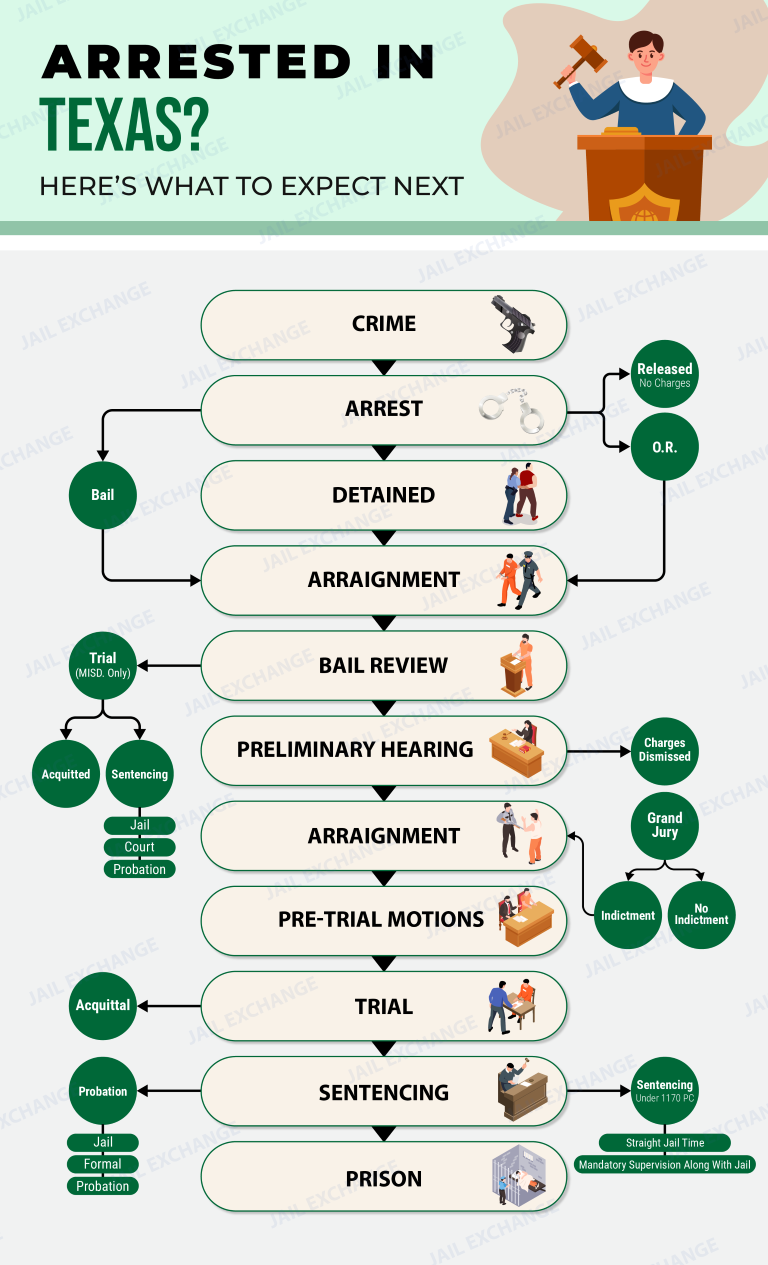
Information for this service is currently unavailable.
GettingOut / ViaPath Trust & Commissary Deposits
Provider: GettingOut (Telmate) • Rebranding as ViaPath Technologies (myViaPath)GettingOut and ViaPath Technologies provide electronic inmate trust banking solutions that allow family and friends to transfer money directly into an incarcerated person's jail trust and commissary account. Deposited funds give inmates the financial balance needed to purchase food items, personal hygiene products, stationery, and over-the-counter medical goods from the jail store.
Important: Facility Banking Policies Vary Across Jails
Once a person is booked and moved to a housing unit, facilities do not always allow cash drop-offs or phone payments directly to the jail window. Some might and you should confirm this by calling the facility and asking. But if you do not register online and fund your loved one's trust account immediately, they may be forced to wait days or weeks for standard paper processing, leaving them without essential soap, clean undergarments, basic medical sundries or snacks.
Step-by-Step Instructions to Deposit Trust Funds
- Confirm the inmate's legal first and last name, date of birth, and assigned jail booking identification number.
- Navigate to www.gettingout.com or the updated my.viapath.com portal.
- Sign into your verified profile and select Deposit Funds.
- Select the detention center where the inmate is currently housed.
- Choose Trust Account / Commissary and specify your deposit amount.
- Enter your credit or debit card billing information, review transaction fees, and submit payment.
- Save your digital receipt and confirmation number for your records.
What the Inmate Needs to Do
The inmate does not need an internet account to receive funds. Once the electronic transaction clears, the balance posts directly to their jail trust ledger according to facility accounting schedules. The inmate can review their updated balance at a dayroom pod kiosk or on their tablet and place orders on their regular commissary day.
Official Providers: GettingOut Website | myViaPath Portal
Customer Service Telephone: 1-866-516-0115 (GettingOut) • 1-877-650-4249 (ViaPath)
Support Hours: Monday – Friday, 7:00 AM – 11:00 PM CST; Saturday – Sunday, 8:00 AM – 7:00 PM CST
Supported Languages: English and Spanish
Other Services Provided by GettingOut / ViaPath
In addition to Trust Deposits, GettingOut and ViaPath provide several other communication and visitation options:
- Phone Calling Accounts: Prepay for phone calling credits so your loved one can call your telephone directly.
• Learn more on our website: Phone Calling Accounts Guide | • Visit official vendor page: ViaPath Phone Accounts - Two-Way Text Messaging: Send electronic messages and photos directly to an inmate's tablet or kiosk.
• Learn more on our website: Digital Messaging Guide | • Visit official vendor page: GettingOut Messaging - Remote Video Visits: Schedule and join live video visits from home using your computer or smartphone.
• Learn more on our website: Video Visitation Guide | • Visit official vendor page: GettingOut Video Visits - Inmate Tablets & Media: Fund tablet entertainment, music streaming, games, and news modules.
• Learn more on our website: Tablet Rentals & Content Guide | • Visit official vendor page: GettingOut Tablets
Deposit Money for an Inmate in the Johnson County Correctional Facility
The Easiest and Securest Way of Depositing Money for an Inmate
There are several methods for depositing money on an inmate's account:
1. To send money online to an inmate in the Johnson County Correctional Facility use gettingout / GTL / Viapath.

2. If you prefer to use your credit or debit card and deposit money over the phone, you can call them at 866-516-0115.
3. Deposit cash or use a debit or credit card using a dedicated kiosk for this purpose. The machine is located in the lobby or visitation area of the Johnson County Correctional Facility.
4. The Johnson County Correctional Facility may also allow you to *mail an inmate a money order or cashier’s check from a trusted source such as the Post Office, a local bank, or Western Union. The money order should be be made out to either the inmate or the Johnson County Sheriff's Office, with the inmate’s name and ID# on the memo line of the check. To confirm this option call the facility at 817-556-6000.
*When mailing a money order or cashier’s check, send it an envelope by itself. Never send it with a letter or photos for your inmate, unless the facility allows it. Never send personal checks or cash.
5. The Johnson County Correctional Facility has a reception desk that may accept cash, money orders or cashier checks. Call 817-556-6000 to find out the specific hours for drop off times.
Information for this service is currently unavailable.
GettingOut / ViaPath Inmate Phone Calling
Provider: GettingOut (Telmate) • Rebranding as ViaPath Technologies (myViaPath)GettingOut telephone services (operated under Global Tel*Link / Telmate and transitioning to ViaPath Technologies / myViaPath) allow incarcerated individuals to place outbound voice calls from housing-unit telephones and handheld tablets directly to approved family contacts. Funding a prepaid phone balance ensures calls connect to cellular devices and residential lines without carrier collect call blocks.
Important: Cell Carriers Automatically Block Jail Collect Calls
Inmate phone networks do not permit incoming calls, and wireless cell providers do not support traditional collect billing. While some residential landlines might allow direct carrier billing, mobile numbers require a funded prepaid account or inmate PIN debit balance, which you can verify with your phone provider. If you do not register online and add calling funds promptly, your loved one will receive an automated disconnect announcement when dialing your line.
Step-by-Step Instructions to Set Up and Fund Calling
- Visit www.gettingout.com or the updated my.viapath.com portal.
- Register your account using the primary 10-digit telephone number where you want to receive calls.
- Search for the facility and add the inmate using their full legal name or facility booking ID.
- Select Phone Deposits or AdvancePay from your dashboard.
- Select your deposit dollar amount and enter your debit or credit card billing details.
- Authorize payment, save your confirmation receipt, and confirm that your mobile phone allows calls from automated or unknown correctional numbers.
What the Inmate Needs to Do
The inmate approaches any housing-unit telephone or opens the phone application on their handheld tablet, enters their assigned PIN, and dials your 10-digit number. The system verifies that your account has an active prepaid balance and connects the call once you accept the automated prompt. All non-privileged conversations are recorded and monitored by the facility.
Official Providers: GettingOut Website | myViaPath Portal
Customer Service Telephone: 1-866-516-0115 (GettingOut) • 1-877-650-4249 (ViaPath)
Support Hours: Monday – Friday, 7:00 AM – 11:00 PM CST; Saturday – Sunday, 8:00 AM – 7:00 PM CST
Supported Languages: English and Spanish
Other Services Provided by GettingOut / ViaPath
In addition to Phone Calling, GettingOut and ViaPath provide several communication, financial, and visitation services:
- Two-Way Text Messaging: Send digital text messages and photos directly to an inmate's tablet or kiosk.
• Learn more on our website: Digital Messaging Guide | • Visit official vendor page: GettingOut Messaging - Remote Video Visits: Schedule and join live video visits from home using your computer or smartphone.
• Learn more on our website: Video Visitation Guide | • Visit official vendor page: GettingOut Video Visits - Inmate Tablets & Media: Fund tablet entertainment, music streaming, games, and news modules.
• Learn more on our website: Tablet Rentals & Content Guide | • Visit official vendor page: GettingOut Tablets - Inmate Trust & Commissary Deposits: Transfer funds directly into their jail trust ledger for commissary store purchases.
• Learn more on our website: Inmate Trust Deposits Guide | • Visit official vendor page: ViaPath Trust Deposits
GettingOut / ViaPath Inmate Messaging
Provider: GettingOut (Telmate) • Rebranding as ViaPath Technologies (myViaPath)GettingOut (a service of Global Tel*Link / Telmate) provides an instant two-way digital messaging and photo-sharing platform connecting families with incarcerated individuals via housing-unit kiosks and handheld tablets. The provider is actively rebranding as ViaPath Technologies (under the myViaPath platform); depending on the facility contract, local booking sheets and tablets may still refer to the service as GettingOut, GTL, or ViaPath, but both brand portals grant access to the same centralized messaging balance.
Important: Contact Authorization and Digital Mail Rules Vary
Inmate digital messaging rules are not uniform across all county detention centers. While some jails allow immediate two-way messaging upon registration, others require initial contact invitations or administrative ID verification, which you should verify directly with the facility. If you delay setting up an online profile and funding your Friends & Family messaging account, your loved one may face lengthy periods without direct family communication.
Step-by-Step Instructions to Register and Message an Inmate
- Visit www.gettingout.com or the newly branded my.viapath.com portal, or install the GettingOut / myViaPath mobile app.
- Create a user profile using your primary email address and 10-digit mobile phone number.
- Complete identity verification by uploading a clear photo of your government-issued driver's license or state ID and taking a verification selfie if requested.
- Search for the inmate by selecting the state, correctional facility, and their legal name or booking ID.
- Send an outside contact connection request to link your account to their tablet profile.
- Deposit funds into your 'Friends & Family Account' using a debit or credit card to cover message and photo-sharing costs.
- Compose your text message in the chat box, attach approved photos, and submit it for jail screening.
What the Inmate Needs to Do
The inmate powers on their assigned pod tablet or approaches a housing-unit kiosk and logs into the messaging application with their PIN. They accept your incoming contact invitation on the screen. Once approved by institutional monitors, incoming messages appear in their inbox, and the inmate types a reply directly on the screen.
Official Providers: GettingOut Website | myViaPath Portal
Customer Service Telephone: 1-866-516-0115 (GettingOut Support) • 1-877-650-4249 (ViaPath Support)
Support Hours: Monday – Friday, 7:00 AM – 11:00 PM CST; Saturday – Sunday, 8:00 AM – 7:00 PM CST
Supported Languages: English and Spanish
Other Services Provided by GettingOut / ViaPath
In addition to Two-Way Text Messaging, GettingOut and ViaPath provide several other communications and visitation options:
- Remote Video Visits: Schedule and join live web-based video visits from your computer or smartphone.
• Learn more on our website: Video Visitation Guide | • Visit official vendor page: GettingOut Video Visits - Inmate Tablet Rentals & Media: Fund tablet entertainment, music streaming, games, and news modules.
• Learn more on our website: Tablet Rentals & Content Guide | • Visit official vendor page: GettingOut Tablets - AdvancePay Phone Calling: Prepay for telephone calls so your loved one can dial your mobile phone directly.
• Learn more on our website: AdvancePay Phone Calling Guide | • Visit official vendor page: ViaPath ConnectNetwork Calling - Inmate Trust Deposits: Transfer funds directly into their jail trust account for commissary store purchases.
• Learn more on our website: Inmate Trust Deposits Guide | • Visit official vendor page: ViaPath Trust Deposits
GettingOut / ViaPath Inmate Tablets & Media
Provider: GettingOut (Telmate) • Rebranding as ViaPath Technologies (myViaPath)GettingOut provides specialized, secure handheld tablets for county jail inmates, offering access to messaging apps, telephone calling, legal research tools, eBooks, vocational training, and premium entertainment rentals. As part of GTL and Telmate's transition to ViaPath Technologies, tablet firmware and management platforms are moving to the myViaPath system.
Important: Tablet Feature Availability Varies by Facility
Jails manage tablet distribution according to individual facility contracts. While basic educational and legal materials are often provided without cost, access to music streaming, games, podcasts, and premium movies requires an active funded account. You should confirm the tablet rules with the facility directly. Registering and funding their media balance right away ensures your loved one has productive resources and recreation during their stay.
Step-by-Step Instructions to Fund Inmate Tablet Services
- Confirm that GettingOut / ViaPath handheld tablets are active at your loved one's specific detention facility.
- Navigate to www.gettingout.com or my.viapath.com.
- Sign into your verified user profile and link the inmate's legal name and booking ID number.
- Select Make a Deposit and choose either your Friends & Family Account (for messaging) or the inmate's personal Inmate Account (for entertainment and song rentals).
- Choose your deposit amount, review convenience fees, and complete payment with a credit or debit card.
- Notify your loved one that their tablet account balance has been funded.
What the Inmate Needs to Do
The inmate unlocks their assigned tablet or signs one out from the pod charging station using their biometric verification or PIN. Once logged in, their available balance appears on the screen, allowing them to download songs, stream educational content, and communicate with approved family members.
Official Providers: GettingOut Website | myViaPath Portal
Customer Service Telephone: 1-866-516-0115 (GettingOut) • 1-877-650-4249 (ViaPath)
Support Hours: Monday – Friday, 7:00 AM – 11:00 PM CST; Saturday – Sunday, 8:00 AM – 7:00 PM CST
Supported Languages: English and Spanish
Other Services Provided by GettingOut / ViaPath
In addition to Tablet Media & Rentals, GettingOut and ViaPath provide several other communication and account services:
- Two-Way Text Messaging: Send electronic letters and photos straight to the inmate's screen.
• Learn more on our website: Two-Way Text Messaging Guide | • Visit official vendor page: GettingOut Messaging - Remote Video Visits: Meet face-to-face over secure live video from home.
• Learn more on our website: Video Visitation Guide | • Visit official vendor page: GettingOut Video Visits - AdvancePay Phone Calling: Prepay for phone calling credits so your loved one can call your telephone directly.
• Learn more on our website: AdvancePay Phone Calling Guide | • Visit official vendor page: ViaPath ConnectNetwork Calling - Inmate Trust Deposits: Transfer cash directly into an inmate's jail ledger for commissary purchases.
• Learn more on our website: Inmate Trust Deposits Guide | • Visit official vendor page: ViaPath Trust Deposits
- Jail (Main): 817-556-6000
- Adult Probation: 817-556-6110
- Cleburne Police: 817-645-0972
- County Court: 817-556-6323
- District Attorney: 817-556-6802
- District Court: 817-556-6839
- Public Defender: 817-556-6330
- Sheriff: 817-556-6058
The Johnson County Correctional Facility serves the following cities and towns of Johnson County: Alvarado, Burleson, Cleburne, Crowley, Godley, Joshua, Keene and Mansfield.