
IAH (Polk) ICE Detention Center
IAH (Polk) ICE Detention Center
Jail Phone Number
936-967-8000How do you find someone who is detained in the IAH (Polk) ICE Detention Center?
This is an ICE Detention Center.
- Review the Jail Roster, or
- Call the IAH (Polk) ICE Detention Center at 936-967-8000
- Look up the offender's criminal charges
- Find out their bond, and
- View their public mugshot in the roster.
If you cannot find the mugshot of the offender that has been arrested, it is because Polk County or the state of Texas has recently changed their policy regarding publicly posting them in the jail roster. However, you can write the jail at the following address and request a copy of an inmate's mugshot be mailed or sent by email to you. Make sure to include your email address in all correspondence.
Mail to:
IAH (Polk) ICE Detention Center
3400 FM 350 South
Livingston, TX 77351
Attention: Media Relations - Inmate Mugshot Request
Mail, click on the link below, or call the facility at 936-967-8000 for the information you are looking for.
IAH (Polk) ICE Detention Center Inmate Search
How do I find out if someone was arrested in Polk County?
There are five ways to find out if someone was arrested in Polk County:
1. Look them up on the official jail inmate roster.
2. Look them up on vinelink.com, a national inmate tracking resource.
3. Call the jail at 936-967-8000. This is available 24 hours a day.
4. Write or visit the jail and request information.
You can reach them at:
IAH (Polk) ICE Detention Center
3400 FM 350 South
Livingston, TX 77351
5. Do a search online using this person’s name, the town or city you think they were arrested in, and the crime you think they were arrested for. Sometimes the local newspaper, police department or sheriff’s office will have a daily police blotter published on their website.
What information is included in jail booking records and the jail roster?
Jail booking records, also known as the jail roster, typically include the following information:
• Full name of the inmate
• Inmate's physical characteristics (age, sex, height, weight, etc.)
• Inmate’s mugshot(s)
• Booking number, Inmate ID#, Jacket #, etc.
• Booking date and time
• Charges or offense details – the applicable statute
• Bond or bail amount, if applicable
• Court date, if set, plus the court name and location
• Previous arrests in this jurisdiction, conviction details, and sentence
- Note that not all this information will be included. Most booking records and jail inmate rosters contain only the basic information such as name, date of arrest and the criminal charge.
- The amount and quality of the information depends on the state’s laws and the jail’s policies.
How often are jail booking records and rosters updated?
Most jails update their records at least once per day. Some booking information is updated as often as every 15 minutes in the roster. From the time a person is first arrested until when they are booked in the jail, it can be as short as a couple of hours, up to 24 hours, or even longer if they were arrested during a major event such as a protest or riot in which hundreds of people were arrested at the same time.
How do I find an inmate in the IAH (Polk) ICE Detention Center?
There are seven ways to find an inmate in Polk County or the IAH (Polk) ICE Detention Center:
1. Look them up on the official jail inmate roster.
2. Look them up on vinelink.com, a national inmate tracking resource.
3. Call the jail at 936-967-8000. This is available 24 hours a day.
4. Call local police departments in Polk County. Sometimes the local jails will hold recent arrestees for up to 72 hours before transporting them the IAH (Polk) ICE Detention Center.
5. Check with the jails in neighboring counties and look up their rosters. It is always possible they were arrested there instead of Polk County.
6. Write or visit the jail and request information.
IAH (Polk) ICE Detention Center
3400 FM 350 South
Livingston, TX 77351
7. Do a search online using this person’s name, the town or city you think they were arrested in, and the crime you think they were arrested for. Sometimes the local newspaper, police department or sheriff’s office will have a daily police blotter published on their website as well.
How do I find an inmate in a Texas state prison?
You can find an inmate in the Texas Department of Corrections by searching for them on the State Prison Locator, Vinelink.com (a nationwide inmate locator resource), or by calling the Department of Corrections.
How do I find an inmate in federal prison?
- The United States Bureau of Prisons maintains an up-to-date inmate locator where you can look up any inmate that has been in federal prison from 1982 to the present day.
- If they are currently in custody, you can see what institution they are in.
- If they are in transport, meaning they are being shuttled from one prison to another, that information will not be available. If they are no longer in custody, it will list their discharge date.
- Other information provided is their BOP Registry Number (inmate ID#), their race, age and release date.
- If they are in custody, there are links to how to visit them, send them money, communicating with them and sending the prison a concern you may have about them.
How do I find a detainee in an ICE facility?
- The US Immigration and Custom’s Enforcement maintains an up-to-date online detainee locator of all foreign detainees aged 18 and older that are in the custody of ICE.
- When searching by name, a detainee's first and last names are required and must be an exact match. When inputting a hyphenated last name into the Online Detainee Locator System, include the hyphen for the locator to find the individual (e.g., Doe-Smith).
- You can also search by using an A-number (Alien Registration Number) if you have it at the same link. The A-Number must be exactly nine digits long. If the A-Number has fewer than nine digits, add zeros at the beginning.
- You are also required to select the detainee's correct Country of Birth from the drop-down menu provided on the page.
NOTE: If an alien is arrested for a state crime, you will still be able to locate them in the police jail or the county jail where they were arrested. If it was a misdemeanor crime, they would do their time in the IAH (Polk) ICE Detention Center or the county jail where they were arrested and convicted.
If they were convicted of a Texas state felony and sent to state prison, and not deported, then you can locate them in the Texas state prison system.
How do I find an inmate in juvenile detention?
In the United States, a juvenile is a person under the age of 18. If a juvenile is arrested for a crime, it is unlikely that their name will be publicly listed on an inmate search page or detention center roster, or will be released to the public. Only the juvenile’s parents or legal guardians will be given that information.
If the crime is a serious felony such as Capital Murder, some states will release their name to the public, either when they are first arrested or after they are convicted. However, in general, it is unlikely that an inmate who is a juvenile will have their name released in any public way.
How can I see if someone is in jail or prison in Polk County or the state of Texas?
For online searches, if you want to see if someone is in jail in Polk County.
If you want a list of all the other county jail inmate searches in Texas.
If you want a list of all the county jails in the United States.
If you want to look up an inmate in any of the Texas state prisons. To look up the prisons in Texas.
How do I get information on someone in jail in Polk County?
If you want detailed information on a particular inmate in in jail in Polk County, and you can’t find it online in the jail inmate roster, your only other option is to either call the jail at 936-967-8000, go to the jail in person and ask, or write them at:
IAH (Polk) ICE Detention Center
3400 FM 350 South
Livingston, TX 77351
That said, most jails will limit the amount of information that they give to the public about an inmate in their roster because the offender is considered innocent until proven guilty, and thus is afforded a certain amount of privacy.
Once an offender is convicted, you are far more likely to find out information about them.
If you are good at using Google, you can dig into a person’s past and learn as much information about anyone as someone in the media can.
You can also search a website that has all the public records about people. One of the best online websites we found will cost you only $1.00.
Who can I call to find an inmate in Polk County?
To find an inmate in custody or ask about their roster in Polk County call 936-967-8000 24 hours a day.
Does the jail or prison have to keep the inmate in the county or state where they are charged or convicted?
No. Even though 99.9% of all pre-trial and convicted inmates are kept in the state where they were arrested and/or convicted, they can be kept in any US jail or prison that will have them. This is seen in circumstances where a jurisdiction is overcrowded, or an inmate is moved for their safety. That said, a person must stand trial where they were arrested unless the presiding judge or prosecuting attorney agrees to move the offender’s trial to a different jurisdiction if it is likely they will not get a fair trial.
What if I can’t find an inmate and I know they are in custody in Polk County?
If you know an inmate is in custody in Polk County, and you can’t find them, it can mean one of several things:
1. Either you or the jail has the spelling of the inmate’s name inputted incorrectly.
2. The jail has not yet updated their booking information or roster.
3. The inmate has already been released.
4. The inmate has either been arrested or is being housed in another jail.
5. The inmate is underage; therefore, it is illegal to post their information, or the inmate you are trying to find had their age incorrectly listed as someone under age 18.
I know the person was arrested and in jail, but my search in the roster comes back as “no record found.” What happened?
Same answer as that above. If you know an inmate is in custody in Polk County, but your search comes back in the roster as “no record found.”, it can mean one of several things:
1. Either you or the jail has the spelling of the inmate’s name wrong.
2. The jail has not yet updated their booking information or roster.
3. The inmate has already been released.
4. The inmate has either been arrested or is being housed in another jail.
5. The inmate is underage; therefore it is illegal to post their information, or the inmate you are trying to find had their age incorrectly listed as someone under age 18.
I was released from jail in Polk County, but my record still shows. When will it go away?
If your record of arrest and booking is still showing online, even though you were released, it is because some jails allow that information to remain public indefinitely. Unfortunately, even though the charges against you may have been dropped, many jails will not erase that information from their public records voluntarily.
In a situation like this your only option will be to get an attorney and request they petition the court to force the jail to remove this information. That said, if you were in fact found guilty of the crime you were arrested for, it is unlikely they will remove the information surrounding your arrest and conviction.
An inmate’s family member just died; how can I let them know right away?
The death of a family member is one of the few times, if not the only time, that a jail will take a message for an inmate. Because of the sensitivity of the tragic news, when a family member has died, the news will be transmitted by a member of the clergy, a counselor or someone who is very high ranking within the jail.
Jail management understands that a sudden death of a loved one could cause a violent emotional response that jeopardizes the safety of staff or other inmates.
An inmate’s family member just died; will they be allowed to attend the funeral?
The death of a family member is one of the few times, if not the only time, that a jail will allow an inmate, whether it pre-trial or post-conviction, to be allowed outside of the jail. Even if they are allowed outside the jail, they will have to have at least two armed escorts. An inmate attending a funeral is an extraordinary cost, use of staff and potential danger to the public. That is why it is rarely allowed.
This is not always the case though, and whether an inmate can attend a funeral depends on the inmate’s security classification, whether the jail has the staff to handle it, official jail policy, whether or not the inmate has an attorney that can push the right people, including the judge overseeing the inmate’s case, etc.
What determines whether an inmate is placed in low or high security facilities?
An inmate’s security classification depends on the following:
1. The inmate’s current crime.
2. The inmate previous crimes.
3. The inmate’s history for violence within the walls of the facility.
4. The inmate’s gang affiliation.
5. The jail's current distribution of inmates.
What information is available about an inmate?
The information that a jail or court releases publicly about an inmate depends on the laws in the state, the policy of the jail, and the sheriff’s or warden’s individual decision.
Jail booking records and rosters can include more or less, the following information:
• Full name of the inmate
• Inmate's physical characteristics (age, sex, height, weight, etc.)
• Inmate’s mugshot(s)
• Booking number, Inmate ID#, Jacket #, etc.
• Booking date and time
• Charges or offense details – the applicable statute
• Bond or bail amount, if applicable
• Court date, if set, plus the court name and location
• Previous arrests in this jurisdiction, conviction details, and sentence
What is vinelink.com?
Vinelink, which you will see referenced when discussing public information about offenders and inmates, is a national public roster that both allows the public to look up and see the person’s status, plus be able to track their movements, whether it involves being transferred from one facility to another or being released from custody.
The tracking feature is especially helpful for those who are victims of, or witnesses to, a crime and fear that the release of an offender may be dangerous to them or someone close to them.
Anyone can register with Vine to receive automated notifications via email, text or phone. It is available in 48 states and 2,900 jails and prisons.
Here is a short video explaining why it started and how it works.
How do I find old Polk County jail and inmate records from years ago?
To find jail records that go back many years really depends on how far you want to go back, however you would need to send a written request to the county sheriff as follows:
Polk County Sheriff
Att: Jail Records
3400 FM 350 South
Livingston, TX 77351
Let them know the inmate’s name, any aliases, date of birth, the date range that the inmate may have been incarcerated, the crime they were charged with/convicted of, and any other helpful information you can think of.
How can I have my jail record sealed?
To have your jail records sealed, you will have to have the crime you were convicted of expunged. You should know up front that not all crimes are eligible for expungement.
1. Hire a lawyer that specializes in expungement.
2. If your crime is eligible, they will contact the District Attorney's office in the judicial district where you were charged or convicted.
3. They will file a petition with the court where you were charged or convicted.
4. The entire process may take 1-2 years.
Where can I get Prison records from the state of Texas?
To get prison records from the state of Texas, you will need to send a written request to the state prison system in Texas.
Let them know the inmate’s name, any aliases, date of birth, the date range that the inmate may have been incarcerated, the crime they were charged with/convicted of, the name of the facility you believe they were incarcerated in, plus any other helpful information you can think of.
For inmate services and facility information such as:
- Directions
- Booking Process
- Visiting an Inmate
- Sending Money
- Mailing
- Emailing or Texting
- Receiving phone calls
- Bail Bond Information
- Court Information
Click the links above, or the button below.
Polk County Bail, Bonds and Release
Every arrest here, whether a deputy, a DPS trooper or a city patrol officer made it, is booked at the Sheriff's county jail, which stands at 1733 North Washington Avenue, Livingston, TX 77351. When staffing rules leave too few beds, some people get moved for a while to the Angelina County Jail, 2311 East Lufkin Avenue, Lufkin, TX 75901, or to a jail in Louisiana. The answers below explain the magistrate's role, paying at the window, and holds that keep people inside even after paying.
The Sheriff's current inmate search lists everyone currently held. Our Jail Roster page deals with custody from start to finish. Turn there to track down a person, see new bookings and open warrants, read the charges, find mugshots, get a free lawyer or reclaim property.
Call the jail at 936-327-6822 with their legal name and birthday handy. Put three questions to staff: Is bail set yet? How much, charge by charge? Does any other hold stand in the way? Our criminal court page picks up from there.
1. Polk County magistrates and the 48-hour rule
Everything starts with a magistrate, which in Texas means a judge with power to set bail. Justices of the peace count, and this county has four precincts of them (Tex. Code Crim. Proc. art. 2A.151). Before 48 hours pass, the person must stand before one. Some magistrates hear it in a courtroom. Others connect to the Polk jail by camera.
During that hearing:
- The charge is named and rights are explained, including silence.
- Anyone who wants a free lawyer can say so and get help with the form.
- A public safety report on past arrests is reviewed first in Class B cases and higher.
- Bail and any release rules are decided, using the lightest terms that still protect people (Tex. Code Crim. Proc. art. 17.028).
A possible mental illness spotted by jail staff must be reported to the magistrate inside 12 hours. Jail staff at 936-327-6822 know when the hearing is.
↑ Back to the question list2. Bond choices a magistrate can give
Texas recognizes two forms. A bail bond is secured with cash or a surety's signature. A personal bond rests on the signature of the accused alone (Tex. Code Crim. Proc. art. 17.01). Locally, that looks like this:
- Cash bond. Family members hand over the whole sum themselves. It may be refunded when the case closes.
- Surety bond. A county-approved bondsman guarantees the full amount. The bondsman keeps whatever fee you paid.
- Personal bond. Nobody pays up front. Under the Sheriff's own rules here, only a judge may approve this pre-trial release.
- Fine-only cases. The magistrate can free someone with no bond at all and hand them a written court date.
Personal bonds are ruled out for many violent charges, for felons caught with guns and in some protective order cases (Tex. Code Crim. Proc. art. 17.03). Repeat drunk drivers, and DWI arrests with a child passenger, must use an ignition interlock while out on bond. Our page on Texas bail rules statewide explains those limits at length.
↑ Back to the question list3. How is a bail figure worked out here?
Each figure is set for one person. The magistrate in a Polk case weighs these questions (Tex. Code Crim. Proc. art. 17.15):
- Is the amount enough to make a no-show unlikely?
- Would the amount become a punishment? The law forbids that.
- How serious is the charge, and was a weapon or violence involved?
- What is the person's real ability to pay?
- Could release endanger the victim, officers or the public?
- What does their record show, including any missed court dates? Citizenship status is also weighed.
State law sets just one pair of caps. They kick in when an arrest without a warrant is not checked for probable cause fast enough. A misdemeanor arrestee must then be freed by the 24th hour, with bail of $5,000 at most. For a felony arrestee, it is the 48th hour and $10,000 at most. If even that cannot be paid, a personal bond replaces it. For the bond that was actually set, ring the jail at 936-327-6822.
↑ Back to the question list4. Where do I post a cash bond on North Washington Avenue?
Cash bonds are taken at the control room window in the jail, 1733 North Washington Avenue, Livingston, TX 77351. A bondsman turns in surety paperwork to the Sheriff's Office in that same building. Work through it this way:
- Call 936-327-6822. Write down the bond on each charge, and check that the window is ready to accept it.
- Get a cashier's check or money order for that exact total. Staff do not make change.
- Before buying it, find out whose name goes on the payee line.
- Pack a driver's license or another state or federal photo ID.
- At the window, hand over the payment, sign where staff point and hold on to the receipt.
After the bond is accepted, the person is given a court date and released. Holding a warrant from some other Texas county? That bond can be posted at this window as well. Bring a money order or cashier's check for all of it, and staff will name the payee then.
↑ Back to the question list5. Do the courts or police stations take bond money?
For someone held here, the money goes through the jail window, and courtrooms handle the case afterward. Questions on a felony bond belong with the District Clerk, 101 W Mill Street, Suite 216, Livingston, TX 77351, 936-327-6814. That office is open weekdays, 8 a.m. to 5 p.m. For a Class A or B case, phone the County Court at Law, 101 W. Mill, Suite 157, Livingston, TX 77351, 936-327-6856.
Class C tickets are fine-only cases. In justice and city courts, the usual release is a personal bond (Tex. Code Crim. Proc. art. 45A.107). If a fine is too much, the judge can allow payments over time, community service hours or a waiver. Fines and court costs can be paid at the jail window at any hour, holidays included. The County Clerk also takes fines and criminal court costs on the county's online payment page.
↑ Back to the question list6. Money orders, cashier's checks and what gets refused
Any nationally known money order or cashier's check works for a cash bond, as long as it covers the bond in full. Keep these points in mind before the trip:
- Staff turn away personal checks.
- Exact amounts only, since the window gives no change back.
- The payer needs photo ID: a driver's license, or another card issued by Texas or the federal government.
- For fines and court costs, traveler's checks are fine too.
- A bondsman's fee goes straight to that bondsman, never to the jail.
Never slip cash into an envelope for the jail. When in doubt about what to carry, call 936-327-6822 first.
↑ Back to the question list7. How are Polk County bondsmen licensed?
This county formed its own Bail Bond Board in August 2006, under Occupations Code 1704.052. That board licenses local bondsmen and hears complaints about them. You can see the approved bondsmen on the Sheriff's bail bonds page. Board meetings fall on the third Friday of January, April, July and October, in Room 111 at the Judicial Center, 101 West Mill Street, Livingston, TX 77351. Send questions or complaints through the Sheriff's Office at 936-329-9005.
Texas law adds these protections:
- Fees are not capped by Texas law, so compare a few bondsmen.
- Get a receipt, in writing, for every dollar, title or item you give a bondsman.
- Hunting for customers in the jail is off limits for bondsmen.
- Ask for collateral in writing once the cases or payment plan are finished. It must come back inside a month.
- If the person's own defense attorney is already on the case, that attorney may post the bond.
State law (Tex. Code Crim. Proc. art. 17.19) makes a bondsman tell the client's lawyer before handing the client back to jail, and file an affidavit with the court.
↑ Back to the question list8. Other holds that outlast a bond
A bond answers for one case only. Ask about these too:
- Out-of-county warrants. A magistrate here can take bail for a warrant from another county and send the bond along (Tex. Code Crim. Proc. art. 15.18). The person waits until that paperwork moves.
- Family violence. If further violence seems likely, release is delayed four hours after bond. A magistrate may lengthen that wait by up to 48 hours, but only in writing.
- Parole. When a parolee is accused of a violation, a blue warrant holds them until the hearing.
- Probation. A new case can lead the probation office to seek revocation. The office serving the 258th and 411th District Courts is at 1102 Martin Luther King Drive, Livingston, TX 77351, 936-327-6872.
- Immigration. A detainer from ICE stands apart from state bail and is not lifted by it.
Before paying, ask the jail at 936-327-6822 to list each hold on the person.
↑ Back to the question list9. No-bail holds under the Texas Constitution
They are rare. Almost everyone has a constitutional right to bail. The constitution (Tex. Const. art. I, §11) has long carved out capital cases backed by strong proof. Three other groups can also be held without bail, though that takes a district judge and a hearing. One is people with two earlier felony convictions. Another is people accused of a felony committed while on felony bond. The last is people who broke a safety condition.
Then came Proposition 3, which voters statewide approved on November 4, 2025. It is now Tex. Const. art. I, §11d. Its targets are a handful of violent crimes. It names indecency with a child, aggravated kidnapping and murder. It also covers aggravated robbery, capital murder, some aggravated assaults, aggravated sexual assault and human trafficking.
- The prosecutor must make the case at a hearing. Showing that the person would likely run is enough to deny bail.
- So is clear and convincing proof that no bail would keep the victim, officers and community safe.
- Only the state's lawyer can start this. If bail is granted anyway, the judge owes a written explanation.
Prosecutors gained a new tool in 2025 as well: an appeal when bail on certain violent charges seems too low to them. The District Attorney's Office, 101 West Mill, Suite 247, Livingston, TX 77351, 936-327-6868, prosecutes felonies here.
↑ Back to the question list10. Getting a bond reduced in the 258th, 411th or Court at Law
Judges can lower bail for good cause. Usually the lawyer asks in a written motion, and a hearing follows. Families can help in three ways:
- Collect proof of work, where the person lives, who depends on them and what money is really there. Bail may never be oppressive.
- Propose rules aimed at the judge's concerns, say a curfew, or staying away from the accuser.
- Count the days in jail. When the state drags its feet, the jailed person is owed release, either on a personal bond or on a smaller bail. Felony cases allow the state 90 days. For misdemeanors that could bring more than half a year in jail, it is 30. Lesser jailable misdemeanors get 15 days, and a Class C gets 5 (Tex. Code Crim. Proc. art. 17.151). A few exceptions exist.
File felony requests with the District Clerk at 936-327-6814. For misdemeanors, the County Court at Law takes them; its number is 936-327-6856.
↑ Back to the question list11. Court-appointed lawyers for people who cannot pay
Asking for a free lawyer starts with the magistrate, who explains the process and helps with the form. Without an on-the-spot appointment, the paperwork travels to the appointing authority within 24 hours. In Polk, a county under 250,000, the deadline for naming the lawyer falls at the end of the third working day (Tex. Code Crim. Proc. art. 1.051). The lawyer should then reach out within about one working day.
- Judges here pick private lawyers from approved lists. The County Court at Law keeps lists for misdemeanor, juvenile and mental health cases.
- Income, debts and people at home are weighed. Posting bond, by itself, cannot be the reason to deny a lawyer.
- The written plan judges follow is on the state's county indigent defense plans list.
- The Texas Indigent Defense Commission, 209 West 14th Street, Room 202, Austin, TX 78701, 512-936-6994, oversees the plans.
Missed the chance at the hearing? Ask the court with the case for a lawyer at any point.
↑ Back to the question list12. Courtrooms and clerks across Polk County
Nearly every criminal court shares the Judicial Center, 101 West Mill Street, Livingston, TX 77351. Use the suite numbers:
- 258th District Court (felonies), Suite 286, 936-327-6847
- 411th District Court (felonies), Suite 279, 936-327-6848
- District Clerk (felony files), Suite 216, 936-327-6814, weekdays 8 a.m. to 5 p.m.
- County Court at Law (misdemeanors that carry jail), Suite 157, 936-327-6856
- Justice of the Peace, Precinct 1, Suite 152, 936-327-6841
Class C cases are also heard here:
- Precinct 2, 14115 U.S. Highway 190 W, Onalaska, TX 77360, 936-646-3674
- Precinct 3, 201 W Ben Franklin, Corrigan, TX 75939, 936-398-4114
- Precinct 4, 602 E Church Street, Suite 135, Livingston, TX 77351, 936-327-6865
- City municipal court, 200 W Church Street, Livingston, TX 77351, 936-327-9322
The two district courts also serve San Jacinto and Trinity counties. Federal charges go to the Ward R. Burke U.S. Courthouse, 104 North Third Street, Lufkin, TX 75901, 936-632-2739.
↑ Back to the question list13. Refund of a cash bond, and forfeiture
If every court date is kept and the case wraps up, the court here signs a refund order. State law (Tex. Code Crim. Proc. art. 17.02) sends the refund to the receipt holder, less any fee. Keep the receipt somewhere safe.
- The clerk may hold back up to 5 percent, never above $50. That fee only applies when the case ends in guilt or deferred adjudication.
- The deposit can also settle the defendant's own fines and costs.
- Missing court lets the judge order the bond forfeited (Tex. Code Crim. Proc. art. 22.02).
- A felony bondsman owes nothing if the defendant is locked up again inside 270 days. For a misdemeanor bondsman, the window is 180 days.
- Failing to appear is its own crime (Penal Code 38.10), ranked by how serious the first charge was.
Call the District Clerk, 936-327-6814, about felony refunds. Misdemeanor refunds go through the County Court at Law, 936-327-6856.
↑ Back to the question list14. Debit card refunds and property pickup
At release during normal business hours, the leftover account balance is paid on a debit card. Anything mailed in after they leave goes back to the sender's address. Balance details go only to the person in custody. Others need a written request or a subpoena.
Wallets, keys, phones and clothes taken at booking stay with the jail. Call 936-327-6822 to set a pickup time. Ask, too, if the owner must sign papers letting you collect. Bring photo ID to 1733 North Washington Avenue, Livingston, TX 77351. Our jail money page covers deposits too.
↑ Back to the question list15. Polk County federal cases and the Lufkin court
Polk's federal cases are heard in Lufkin. That court belongs to the Eastern District of Texas, and its judges sit in the Ward R. Burke U.S. Courthouse, 104 North Third Street, Lufkin, TX 75901, 936-632-2739.
- The first federal hearing ends with a choice by a magistrate judge: release under conditions, or detention until trial (18 U.S.C. 3142). No bondsman is involved.
- Who holds a federal defendant before trial? The U.S. Marshals Service. Many of them wait in county jails that hold federal prisoners by contract. Its main Eastern District office: 211 West Ferguson Street, 4th Floor, Tyler, TX 75702, 903-590-1370.
- After a prison sentence, search the Federal Bureau of Prisons inmate locator.
16. ICE detainers after a Polk bond is paid
Paying the bond does not cancel the detainer. What usually follows:
- A detainer comes first. Immigration officers send the Polk jail a Form I-247A request.
- Under it, the jail is asked to hold the prisoner up to 48 hours after they would otherwise be released, so ICE can come for them (8 CFR 287.7(d)).
- Texas jails must follow the detainer (Tex. Code Crim. Proc. art. 2A.060). Still, a U.S. citizen, or someone lawfully in the country who can show it, must be let go. Since 2017, local officials in Texas may not block immigration enforcement. A 2025 law adds one more duty: by December 1, 2026, counties that operate a jail must apply for ICE's 287(g) program.
- Certain appointed magistrates cannot release anyone with a detainer on bail.
- ICE chooses the destination. One facility is inside the county: the IAH Polk Adult Detention Facility, 3400 FM 350 South, Livingston, TX 77351. Its detainee information line, 936-967-1700, is answered 8 a.m. to 4 p.m.
- Search the ICE Online Detainee Locator by name, date of birth and birth country.
17. TDCJ time after a felony sentence
Both state jails and prisons belong to TDCJ. Lower-level state jail felonies are served in the first, and heavier felonies in the second. Until TDCJ picks them up, people wait in the county lockup. First comes intake, where TDCJ sorts people, and then a unit assignment. The Sheriff's Office arranges moves to state jail, boot camp and treatment programs.
- The TDCJ inmate search works with three keys. One is a SID number. Another is the TDCJ number, and the last is a surname with a first initial. It is refreshed on working days only, so new arrivals may take a while to show.
- Visits and mail differ at each unit. Look them up in our Texas prison directory.
18. When a Polk County child is arrested
A Texas juvenile case covers what a person did between ages 10 and 16. From 17 on, the adult courts and the Polk jail take over. Children do not get adult bail. Here is what happens instead:
- Officers must alert a parent quickly. The child goes to a juvenile office, not the adult jail.
- Within two working days, a detained child must go before a judge. A lawyer is assigned first, and the judge rules on release.
- For certain serious felonies, a youth who is 14 or older may face certification to adult court (Tex. Fam. Code §54.02).
The County Court at Law hears juvenile matters here. Call that court at 936-327-6856 or the Sheriff's Office at 936-327-6810 for the child's location and hearing date.
↑ Back to the question listIAH (Polk) ICE Detention Center Visitation Schedule
IAH (Polk) ICE Detention Center ON-SITE (at the jail) VIDEO VISITATION SCHEDULE
3400 FM 350 South
Livingston, TX 77351
936-967-8000
Schedule Video Visits online with NCIC
- Ask IAH (Polk) ICE Detention Center whether a video visit made at the jail is free.
- NCIC shows the length of a video visit when you schedule it.
- Visitation schedule subject to change.
- Ask IAH (Polk) ICE Detention Center how many visits a person is allowed.
- Ask IAH (Polk) ICE Detention Center how many visitors are allowed at one session.
- All visits must be scheduled ahead of time; the NCIC calendar shows which time slots are open.
The NCIC calendar shows the open visit times when you schedule.
IAH (Polk) ICE Detention Center REMOTE (at home) VIDEO VISITATION SCHEDULE

- All visits must be scheduled ahead of time; the NCIC calendar shows which time slots are open.
- Visitation Schedule subject to change.
The NCIC calendar shows the open visit times when you schedule.

NCIC Video Visitation provides a secure online platform that enables families and loved ones to conduct scheduled face-to-face video visits with incarcerated individuals from home. Using an internet-connected smartphone, tablet, or personal computer equipped with a webcam, visitors can connect directly without traveling to the facility.
Important: Advance Registration and Visitor Clearance Required
Detention centers do not permit unscheduled or unverified video sessions. Correctional facilities require prospective visitors to submit government-issued photo identification and receive administrative clearance before booking an appointment, an approval process that can take up to 48 hours depending on facility staffing. You should verify your visitor approval status with the facility prior to scheduling. If you do not register well in advance, you will miss your loved one's scheduled visiting window for the week.
Step-by-Step Instructions to Register and Schedule a Video Visit
- Visit NCIC Scheduling and sign into your account.
- Register your visitor profile and upload a clear photograph of your government-issued ID (driver's license or passport) for facility background review.
- Wait for email notification confirming facility visitor approval.
- Select Video Visitation, choose the detention facility, and select the inmate.
- Browse the available schedule calendar, select an open time slot, and pay the visitation fee using a credit or debit card.
- Log into the website or mobile app 10 minutes prior to the start time on a device with a functioning camera, microphone, and reliable high-speed internet connection.
What the Inmate Needs to Do
The inmate receives a visitation notification on their housing unit video kiosk or terminal. At the appointed time, they log in with their PIN and sit before the terminal. Inmates and visitors must strictly observe jail dress and conduct rules; sessions are monitored by staff and will terminate immediately upon any violation.
Official Provider: NCIC Official Website
Customer Service Telephone: 1-800-943-2189
Support Hours: 24 hours a day, 7 days a week, 365 days a year
Supported Languages: English and Spanish
Other Services Provided by NCIC Inmate Communications
In addition to Remote Video Visitation, NCIC provides calling and digital messaging services at participating facilities:
- Prepaid Phone Calling Accounts: Prepay for phone calling credits so your loved one can call your telephone directly.
• Learn more on our website: Prepaid Calling Accounts Guide | • Visit official vendor page: NCIC Prepaid Calling - Inmate Messaging Services: Send electronic messages and photos directly to an inmate's housing unit terminal.
• Learn more on our website: Inmate Messaging Guide | • Visit official vendor page: NCIC Messaging
Polk County Courts for Criminal Charges
Someone arrested in Polk and still waiting on a judge usually sleeps at the Sheriff's county jail, 1733 North Washington Avenue, Livingston, TX 77351. When guard numbers run low, some ride over for a stretch to the Angelina County Jail, 2311 East Lufkin Avenue, Lufkin, TX 75901, or to a jail across the Louisiana line. This guide follows a Polk charge from the magistrate's warnings to the sentence.
Open the Sheriff's jail lookup to find out if your person still sits behind the walls on North Washington. Our Inmates in Custody page sorts out Polk custody questions, from who was booked overnight and on what charge to mugshots, warrants, appointed lawyers and getting property back.
Felony charge? The District Clerk picks up at 936-327-6814. For a Class A or B, ring the County Court at Law at 936-327-6856 instead, and write down both the cause number and when court meets next. Getting someone home comes first for many families, and our Polk bond guide covers that.
1. Which Polk County court takes a felony, a Class A or a ticket?
Texas splits charges by the worst punishment allowed. Here is how that split lands in Polk:
- Felonies: the 258th District Court or the 411th, with files kept on Mill Street by the District Clerk.
- Class A or B, the misdemeanors that can bring jail time: Polk's County Court at Law. That Mill Street courtroom also hears appeals out of JP and city courts.
- Class C, which can only cost money: a JP court or a municipal judge.
- Appeals: after Polk, a criminal case may go up to an intermediate court and then to the state's Court of Criminal Appeals.
Lots of felony files open in front of a JP acting as magistrate, then wait. A district judge gets the file once grand jurors indict.
↑ Back to the question list2. Suites and buildings for each Polk County court
Six offices share the Judicial Center, 101 West Mill Street, Livingston, TX 77351. Match the suite to the office:
- 258th District Court, Suite 286, 936-327-6847
- 411th District Court, Suite 279, 936-327-6848
- District Clerk, Suite 216, 936-327-6814, weekdays 8 a.m. to 5 p.m.
- County Court at Law, Suite 157, 936-327-6856
- District Attorney, Suite 247, 936-327-6868
- JP Precinct 1 (justice court), Suite 152, 936-327-6841
Class A and B papers go on file with the County Clerk, whose desk answers at 936-327-6805. Call there to learn its office location and hours.
Precincts 2 to 4 keep their own buildings:
- Precinct 2, 14115 U.S. Highway 190 W, Onalaska, TX 77360, 936-646-3674. Its mail goes to P.O. Box 1417, Onalaska, TX 77360.
- Precinct 3, 201 W Ben Franklin, Corrigan, TX 75939, 936-398-4114
- Precinct 4, 602 E Church Street, Suite 135, Livingston, TX 77351, 936-327-6865
San Jacinto and Trinity counties also send cases to the 258th and 411th, so those dockets stay crowded.
↑ Back to the question list3. Livingston's city court and other town tickets
The county seat runs a municipal court at 200 W Church Street, Livingston, TX 77351, 936-327-9322. Window hours:
- Monday: 8 a.m. to noon, then 1 to 7 p.m. The judge is in from 5 to 6 p.m.
- Tuesday, Wednesday and Thursday: 8 a.m. to noon, then 1 to 5 p.m. On Thursday the judge is also in from 9 to 11 a.m.
- Friday: 8 a.m. to noon, then 1 to 3 p.m.
Tickets written in Corrigan, Onalaska, Goodrich or another town print the court's name right on them. A smudged or lost ticket? Phone the Sheriff's Office at 936-327-6810 to track down the right desk. Short on cash? Those fine-only judges can split a fine into payments, trade it for hours of community service, or drop it. A Polk judge must hold a hearing before jailing anyone for an unpaid fine.
↑ Back to the question list4. The magistrate visit after an arrest
Polk gets 48 hours from the arrest to put the person in front of a magistrate. Tex. Code Crim. Proc. art. 15.17 lets that meeting be live or through a video hookup. In Polk, as everywhere in Texas, the magistrate then explains:
- the accusation;
- that hiring a lawyer is allowed, or a free one can be appointed if money is short;
- the right to keep quiet, since words spoken can come up at trial;
- the right to counsel while police ask questions, and to end the questioning whenever they choose;
- in a felony case, the option of an examining trial, where a judge checks whether the proof holds up.
The bail amount usually comes from this same magistrate. Ask the jail at 936-327-6822 when the session will be.
↑ Back to the question list5. Steps in a Polk County Class A or B case
These cases start in the County Court at Law, usually on a paper called an information that the prosecutor files.
- Arraignment: the accused is identified and pleads. A defense lawyer may skip it by signing a waiver.
- Pretrial settings: evidence changes hands and plea offers get discussed.
- Plea or trial: with a deal, the judge announces whether to follow it. If the judge refuses it, the plea may be withdrawn.
Maximums from the Penal Code:
- Class C: $500 fine, never jail
- Class B: 180 days behind bars, a $2,000 fine, or both together
- Class A: a full year behind bars, a $4,000 fine, or both together
Deferred adjudication pauses things before any guilty finding is entered. After up to two years of meeting conditions, the judge dismisses the charge. Ordinary misdemeanor probation can't pass two years either.
↑ Back to the question list6. From grand jury to sentence in a felony
- Magistrate warnings and a bail amount, inside 48 hours.
- If the defense wants it, an examining trial before indictment.
- Grand jury, in a closed room. An indictment takes nine votes or more.
- Arraignment before the 258th or 411th.
- Pretrial hearings and plea offers.
- A trial or a guilty plea, then sentencing.
Felony levels and their time:
- State jail felony: anywhere from 180 days to two full years, served in one of the TDCJ state jails, with a possible $10,000 fine
- Third degree: at least two years in prison, at most ten
- Second degree: at least two years, at most twenty
- First degree: at least five years, at most 99 or life
A $10,000 fine can ride along with any prison level, too. Old felony convictions may bump the case up a level. Deferred adjudication on a felony has a ten-year ceiling. When someone sits in jail and prosecutors aren't ready within 90 days, the court generally has to give a personal bond or cut the bail.
↑ Back to the question list7. Extra rules when the charge is violent
Serious violent charges follow tighter rules:
- Bail may be refused. Texas voters approved Proposition 3, now Tex. Const. art. I, §11d, in November 2025. Covered charges in Polk and statewide: murder and capital murder, as well as aggravated kidnapping, robbery and sexual assault, trafficking, and some others. Only the prosecutor can ask. At a hearing, the State must prove the accused may flee or may hurt people.
- Personal bonds (release on a signed promise) aren't available for many violent charges.
- Capital murder: two sentences exist for adults, death and life without parole. For a teen who was 17 or younger then, life is the only option.
- Family violence: a Polk magistrate may issue an emergency protective order the same day as the warnings. Most run 61 to 91 days. They stretch further if someone used a weapon or caused a serious injury.
- Victims must be told before release, and they can ask to hear about every hearing.
These files go through the District Attorney's Office, Suite 247 of the Judicial Center, 101 West Mill, Livingston, TX 77351, 936-327-6868.
↑ Back to the question list8. Who charges the case in Polk County, and who defends it for free?
The District Attorney's Office, Suite 247 at 101 West Mill, Livingston, TX 77351, 936-327-6868, brings felony charges. To learn who handles a misdemeanor for the State, phone the County Court at Law at 936-327-6856.
No money for a lawyer? Under the county's written plan, judges pick private attorneys from approved lists. The Court at Law keeps separate lists for misdemeanors, juveniles and mental health.
- Ask the magistrate for one during those first warnings. Within 24 hours, that request has to land with the appointing judge.
- Since Polk is smaller than 250,000 people, the judge then has until the end of working day three to name a lawyer.
- The judge weighs income, debts and the people you support. Posting bail does not by itself rule you out.
- Read the plan on the state's indigent defense plan site.
9. Finding a cause number or next setting
Try the state's re:SearchTX records site, and registering costs nothing. It lists which court has a case, the cause number, the indictment or information, and judgments. For upcoming hearing dates, go to the court itself:
- Felony settings: District Clerk, 936-327-6814
- Class A and B settings: County Court at Law, 936-327-6856
- Class C settings: the JP or municipal court whose name sits on the ticket
Spell the defendant's name right and keep their birth date handy when you phone. Juvenile and sealed records stay closed to the public.
↑ Back to the question list10. Is there a Polk County warrant out? Steps to clear it
The Sheriff runs a Warrants Division that answers at 936-329-9016, weekdays 8 a.m. to 5 p.m. Its deputies serve warrants countywide, while town officers serve them inside city limits. Look through the Sheriff's Wanted List and the DPS Texas 10 Most Wanted fugitives page too. Whichever judge signed it can confirm it as well. Clearing a warrant starts with a lawyer, either hired or appointed by a judge. After that, walk in and surrender at the jail, 1733 North Washington Avenue, Livingston, TX 77351, or let the lawyer arrange a new setting with that judge. The District Clerk files felony warrant papers at 101 W Mill Street, Suite 216, Livingston, TX 77351, 936-327-6814.
↑ Back to the question list11. Lufkin's federal court for Polk arrests
A federal charge from this corner of East Texas is heard by the Eastern District's Lufkin Division. Hearings are at the federal courthouse named for Ward R. Burke, 104 North Third Street, Lufkin, TX 75901, 936-632-2739.
- First comes a hearing on detention under 18 U.S.C. 3142, where a federal judge in Lufkin weighs sending the accused home on conditions against keeping them locked up.
- Before any federal trial, the U.S. Marshals Service picks where the prisoner is housed. Its Eastern District office: 211 West Ferguson Street, 4th Floor, Tyler, TX 75702, 903-590-1370.
- Federal prosecutors keep a Lufkin office at 415 South 1st Street, Suite 201, Lufkin, TX 75901. Reach them through Beaumont at 409-839-2538.
- The Federal Public Defender's Eastern District headquarters: Plaza Tower, 110 North College Avenue, Suite 1122, Tyler, TX 75702, 903-531-9233.
- After a federal sentence, search for the person on the BOP locator run by the Bureau of Prisons.
12. ICE holds on a Polk jail inmate
The Texas charge goes on even with an immigration hold. The hold matters at release time:
- The detainer arrives on a federal form, I-247A.
- Under 8 CFR 287.7(d), it asks the jail to keep the prisoner up to 48 hours after they would otherwise be released.
- Texas law makes jails honor these requests (Tex. Code Crim. Proc. art. 2A.060). Proof to the jail of citizenship, or of a lawful right to be in the U.S., ends the hold.
- Afterward ICE may take the person to the IAH Polk Adult Detention Facility, 3400 FM 350 South, Livingston, TX 77351, 936-967-1700, or somewhere farther.
- Search the ICE Online Detainee Locator by name, birth date and birth country.
GC 752 (2017) forbids cities and counties from limiting immigration enforcement. Next, the 2025 law S.B. 8 says that by Dec. 1, 2026, each Texas county that keeps a jail needs a 287(g) agreement signed with ICE.
↑ Back to the question list13. Polk County sentences served with TDCJ
Both kinds of state lockup, state jails and prisons, belong to TDCJ. A Polk sentence on a state jail felony is spent inside a TDCJ state jail. Anything above that level means prison. After sentencing, the defendant waits on North Washington for TDCJ to pick them up for intake and a unit. The Sheriff's Office also arranges trips to state jail, boot camp, SAFPF and ISF programs.
- Search prisoners with the TDCJ inmate search.
- Browse units in our Texas prisons hub.
- Adult probation for the two district courts: 1102 Martin Luther King Drive, Livingston, TX 77351, 936-327-6872.
14. Teens 10 to 16 in juvenile court
In Polk, juvenile cases go to the County Court at Law, which hears them for kids whose alleged offense came at ages 10 to 16. At 17, Texas handles the person as an adult.
- A parent has to hear from officers promptly once a child is in custody.
- If the child stays locked up, a detention hearing in front of the judge comes within two working days. Arrests late in the week (Friday or Saturday) cut it to one. Before that hearing opens, the child gets a lawyer.
- Juvenile records are confidential.
- From age 14 or 15, a youth charged with some grave felonies can be certified and tried with adults (Tex. Fam. Code §54.02).
Ask about the child's hearing by calling the Court at Law at 936-327-6856. Staff there can say who handles the child's file.
↑ Back to the question list15. Help for victims of a crime in Polk
Texas gives crime victims a list of rights in Tex. Code Crim. Proc. art. 56A.051. A victim of a Polk crime may, for example:
- have the judge think about their safety while setting bail;
- request notice of each court hearing;
- give a written or spoken impact statement about the harm done.
Texas IVSS-Counties sends free alerts when an offender gets out. Sign on at ivss-counties.tdcj.texas.gov. Prefer the phone? Dial 866-268-8959, any time of day. When the offender moves to state prison, TDCJ Victim Services answers at 800-848-4284. Up to $50,000 toward counseling, medical bills and lost wages may come from a fund that the Texas Attorney General's office runs. Apply for victim compensation online or at 800-983-9933. On felony cases, the District Attorney's Office takes victims' calls at 936-327-6868.
↑ Back to the question list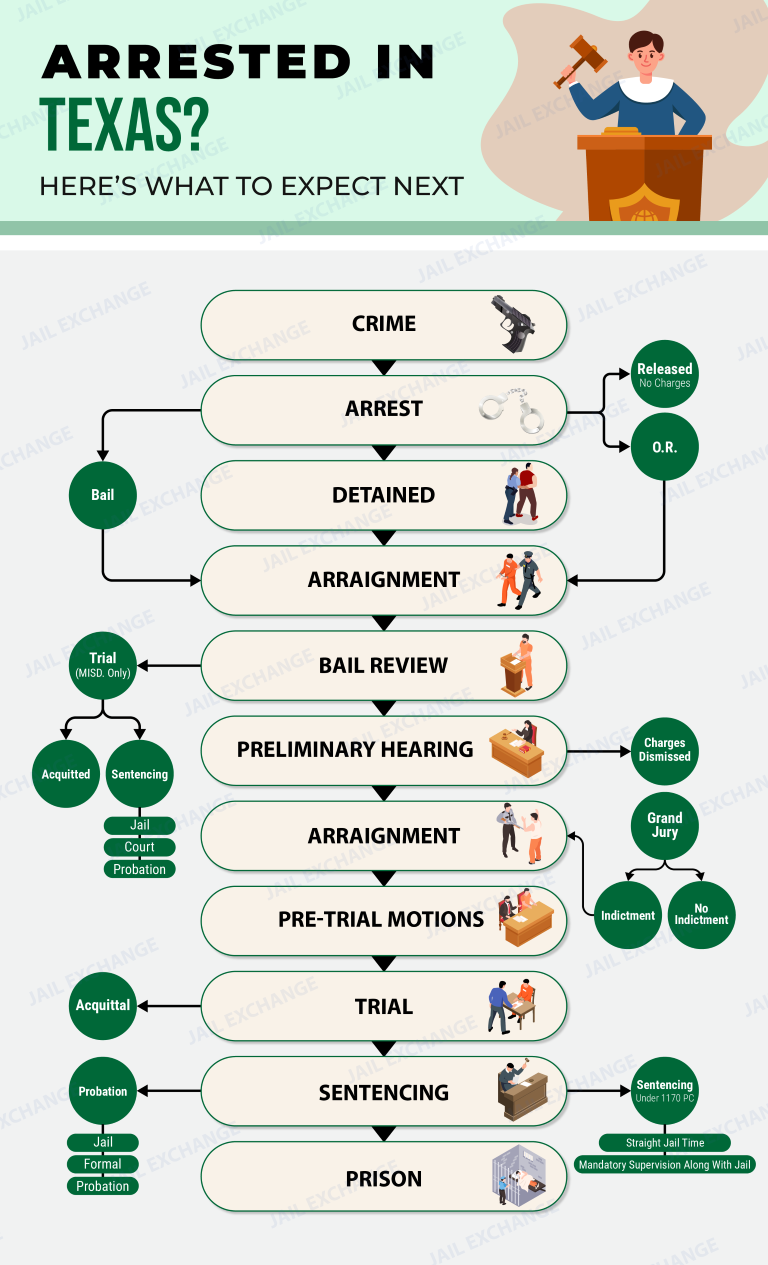

Tiger Commissary provides specialized food service and commissary solutions for county jails and regional detention centers. The online ordering portal allows friends and family members to purchase pre-approved snack boxes, meat and seafood pouches, hygiene items, writing supplies, and clothing packages delivered directly to an incarcerated loved one.
Important: Package Cutoff Deadlines and Spending Limits Vary
Detention centers do not manage care package distribution under identical rules. While some facilities allow weekly web orders, others limit deliveries to bi-weekly or monthly windows, and spending limits vary from jail to jail. You should verify the facility's active cutoff schedule and order allowances by calling them directly. If an order is submitted after the weekly processing deadline, delivery will be held until the following cycle, leaving your loved one waiting an extra cycle for fresh supplies and personal toiletries.
Step-by-Step Instructions to Place a Tiger Commissary Order
- Obtain the inmate's legal first and last name, date of birth, and assigned facility booking ID number.
- Navigate to orders.tigercommissary.com on your computer or mobile device.
- Select your state and detention center from the facility directory.
- Search for the inmate to unlock the jail's approved product catalog and view active ordering balances.
- Select allowable food packs, snack items, personal hygiene products, and apparel up to the facility's order limit.
- Proceed to checkout, enter your debit or credit card billing information, and submit payment.
- Save your digital receipt and confirmation number for tracking purposes.
What the Inmate Needs to Do
The inmate does not need an internet account to receive care packages. Tiger Correctional Services fulfills the order in tamper-evident security packaging and delivers it directly to the jail commissary department. Facility staff inspect the shipment and deliver the items during regular housing unit distribution, where the inmate signs the delivery roster.
Official Provider: Tiger Commissary Official Website
Customer Service Telephone: 1-877-844-3726
Support Hours: Monday – Friday, 8:00 AM – 5:00 PM CST
Supported Languages: English and Spanish
Other Services Provided by Tiger Correctional Services
In addition to Package Ordering, Tiger Correctional Services operates electronic trust and banking solutions:
- Web Deposits & Inmate Trust: Send money directly into an inmate's jail trust account for independent canteen purchases.
• Learn more on our website: Inmate Trust Deposits Guide | • Visit official vendor page: Tiger Web Deposits
Buy Commissary for an Inmate in the IAH (Polk) ICE Detention Center
IAH (Polk) ICE Detention Center Inmate Commissary - Sending Money or Purchasing Commissary for an Inmate
IAH (Polk) ICE Detention Center allows inmates to purchase commissary. Ask the jail what its commissary sells; snacks and hygiene items are common.
You can buy commissary for an inmate using an online service called Tiger Services.

Call the facility at 936-967-8000 to ask whether there is a limit on how much an inmate can spend on commissary.
Tiger Commissary's site shows whether friends and family can order commissary for an inmate at this jail.
Scroll down for information on the IAH (Polk) ICE Detention Center's service they use for you being able to purchase commissary items online and have them shipped directly to the inmate.
You can also go to our Inmate Money page for information on how to send money to an inmate.
NCIC Inmate Communications provides secure electronic banking solutions that allow family members and friends to transfer funds directly into an incarcerated person's jail trust and commissary account. Deposited funds give your loved one the financial balance needed to purchase snacks, hygiene items, correspondence materials, and over-the-counter medication from the jail commissary.
Important: Facility Deposit Rules and Window Intake Vary
Once a person is booked and moved to a housing unit, facilities do not always allow cash drop-offs or phone payments directly to the jail window. Some might and you should confirm this by calling the facility and asking. But if you do not register online and fund your loved one's trust account immediately, they may be forced to wait days or weeks for standard paper processing, leaving them without essential soap, clean undergarments, basic medical sundries or snacks.
Step-by-Step Instructions to Register and Deposit Funds
- Confirm the inmate's legal first and last name, date of birth, and assigned booking or inmate ID number.
- Navigate to account.ncic.com on your computer or mobile device.
- Click Create Account or sign into your existing profile.
- Select Inmate Trust Deposits from the service menu.
- Select the state and facility where the inmate is currently housed.
- Locate the inmate to confirm their active housing status matches the facility roster.
- Enter your deposit dollar amount, review calculated convenience fees, and enter your debit or credit card billing details.
- Submit payment and save your digital confirmation receipt for your records.
What the Inmate Needs to Do
The inmate does not need an internet account to receive funds. Once the electronic transaction clears, the balance posts directly to their facility accounting balance in the jail's internal system. The inmate can review their updated balance at a dayroom pod kiosk or on their trust sheet and place orders on their regular commissary day.
Official Provider: NCIC Official Website
Customer Service Telephone: 1-800-943-2189
Support Hours: 24 hours a day, 7 days a week, 365 days a year
Supported Languages: English and Spanish
Other Services Provided by NCIC Inmate Communications
In addition to Inmate Trust Deposits, NCIC provides several other communication, tablet, and visitation services:
- Prepaid Phone Calling Accounts: Prepay for phone calling credits so your loved one can call your telephone directly.
• Learn more on our website: Prepaid Calling Accounts Guide | • Visit official vendor page: NCIC Prepaid Calling - Inmate Tablets & Digital Media: Discover educational programs, phone access, and entertainment offered on facility tablets.
• Learn more on our website: Tablet Programs Guide | • Visit official vendor page: NCIC Tablet Services - Remote Video Visitation: Schedule and join live face-to-face video visits from your computer or smartphone.
• Learn more on our website: Video Visitation Guide | • Visit official vendor page: NCIC Video Visits - Inmate Messaging Services: Send electronic messages and photos directly to an inmate's terminal.
• Learn more on our website: Inmate Messaging Guide | • Visit official vendor page: NCIC Messaging
Deposit Money for an Inmate in the IAH (Polk) ICE Detention Center
Immigration bond money is a separate matter, handled by ICE. What follows is only for putting funds on a detainee's account at the IAH (Polk) ICE Detention Center, 3400 FM 350 South in Livingston, which holds people for Immigration and Customs Enforcement.
Mail a cashier's check or money order to:
Attention: Inmate Deposit
IAH (Polk) ICE Detention Center
3400 FM 350 South
Livingston, TX 77351
On the memo line, write the person's name and ID number. ICE's online detainee locator will give you the ID. Don't put cash in the envelope.
Once funds arrive, they go to the processing area and onto the detainee's account, and the processing officer writes a receipt for everything received.
Three details stay unpublished: the payee name, any online deposit company, and whether there's a kiosk. Detainee information at 936-967-1700 (8 a.m. to 4 p.m.) or the center at 936-967-8000 will give them to you. Have the detainee's complete name, birth date and A-number ready.
The IAH Polk Adult Detention Facility on FM 350 South near Livingston holds adults for U.S. Immigration and Customs Enforcement (ICE) in Polk County. It is not the Polk County Jail, and its mail rules come from ICE. Before writing, confirm the person is held here with the ICE detainee locator.
Mail for a detainee:
Inmate's Full Name & Detainee A#
IAH – Secure Adult Detention Facility
3400 FM 350 South
Livingston, TX 77351
- The A-number: ICE requires the last four digits of the detainee's A-number (their file number) on every letter, next to their full name.
- Sender: Your own name and address must be on the envelope.
- Screening: Incoming mail is opened and checked for contraband, but it is not read when opened.
- Cash: Do not mail cash to a detainee.
- Packages: Only items needed for travel or release are allowed, and an ICE Deportation Officer must approve them. Contact the Facility Warden at the Livingston address before you ship anything.
- Transfers: When someone leaves or is moved, only their legal mail is forwarded.
- Writing tips: Use blue or black ink, and skip drawings, glitter, confetti and perfume.
- Bond money: An immigration bond is not mailed here. It is paid at an ICE bond office, by money order made out to the U.S. Department of Homeland Security.
For detainee information, ICE gives 936-967-1700 (8 a.m. to 4 p.m.). Urgent messages for a detainee go to 936-967-8000.
NCIC Inmate Communications provides telecommunications services that allow incarcerated individuals to place outbound voice calls from dayroom telephones to family and friends. Because correctional facilities do not permit incoming phone calls, establishing an NCIC prepaid calling account connects calls directly to your cell phone or landline without being blocked by wireless carriers.
Important: Mobile Phones Automatically Block Inmate Calls
Cellular phone carriers automatically reject standard collect calls originating from jail phone systems. While some residential landlines might permit direct monthly billing, mobile devices and internet-based telephone lines require an active prepaid calling balance, which you can verify by checking with your provider. If you do not register online and fund an NCIC account right away, your loved one will receive an automated disconnect announcement when attempting to call your number.
Step-by-Step Instructions to Register and Fund an Account
- Visit account.ncic.com or call NCIC customer care at 1-800-943-2189.
- Click Create Account and register using the primary 10-digit telephone number where you want to receive calls.
- Select the state and correctional facility where your loved one is currently detained.
- Search for and add the inmate using their full legal name or booking ID number.
- Select your deposit dollar amount and enter your debit or credit card billing details.
- Submit payment and ensure your mobile phone settings allow calls from automated or unfamiliar correctional numbers.
What the Inmate Needs to Do
The inmate dials your 10-digit number from any dayroom telephone and keys in their assigned PIN. The automated system verifies that your phone number has an active prepaid balance and prompts you to press a digit to accept the call. All personal telephone conversations are recorded and monitored by facility staff.
Official Provider: NCIC Official Website
Customer Service Telephone: 1-800-943-2189
Support Hours: 24 hours a day, 7 days a week, 365 days a year
Supported Languages: English and Spanish
Other Services Provided by NCIC Inmate Communications
In addition to Prepaid Phone Calling, NCIC provides several other digital communication and visitation services at participating facilities:
- Remote Video Visitation: Schedule and join live face-to-face video visits from home using your computer or smartphone.
• Learn more on our website: Video Visitation Guide | • Visit official vendor page: NCIC Video Visits - Inmate Messaging Services: Send electronic messages and photos directly to an inmate's housing unit terminal.
• Learn more on our website: Inmate Messaging Guide | • Visit official vendor page: NCIC Messaging
NCIC Inmate Messaging allows friends and family members to exchange electronic text messages and digital photos directly with an incarcerated loved one. Messages are delivered electronically to housing unit terminals and tablets within hours, avoiding the lengthy transit times associated with physical postal mail.
Important: Electronic Messaging Screening Rules Differ
Inmates cannot receive incoming phone calls, and traditional postal mail rules differ across correctional agencies. While some facilities still allow regular handwritten letters, many jails have transitioned to digital-only mail scanning or restrict postal delivery, which you can verify by checking facility rules. If you do not register online and purchase messaging credits immediately, your loved one may face lengthy periods without direct written contact from family.
Step-by-Step Instructions to Register and Send Messages
- Go to account.ncic.com and sign in or create a user profile.
- Select Messaging from your dashboard options.
- Select your state and detention center, then search for the inmate using their full legal name or booking ID.
- Purchase a messaging credit bundle using a debit or credit card.
- Type your message in the composition window and attach approved JPEG photos if permitted by the facility.
- Submit your message to the facility's screening queue.
What the Inmate Needs to Do
All electronic correspondence is screened by facility staff before delivery. Once approved, messages appear in the inmate's inbox on their housing unit terminal or tablet. The inmate opens the message, reads your note, and types an electronic reply using their available credits.
Official Provider: NCIC Official Website
Customer Service Telephone: 1-800-943-2189
Support Hours: 24 hours a day, 7 days a week, 365 days a year
Supported Languages: English and Spanish
Other Services Provided by NCIC Inmate Communications
In addition to Inmate Messaging, NCIC provides calling and video visitation services at participating facilities:
- Prepaid Phone Calling Accounts: Fund a calling balance tied directly to your phone number.
• Learn more on our website: Prepaid Calling Accounts Guide | • Visit official vendor page: NCIC Prepaid Calling - Remote Video Visitation: Schedule and join live face-to-face video visits from your computer or smartphone.
• Learn more on our website: Video Visitation Guide | • Visit official vendor page: NCIC Video Visits
NCIC Inmate Communications deploys secure, corrections-grade handheld tablets to incarcerated individuals in county detention centers. Operating on a secure internal wireless network, these devices allow inmates to conduct remote video visits, make voice telephone calls, send electronic messages, stream music, read eBooks, and access self-help and educational resources directly from their housing pods.
Important: Tablet Hardware Deployment and Rental Rules Vary
Detention centers do not manage tablet distribution identically. While some agencies issue individual personal tablets to every detainee at booking, others utilize shared pod docking stations or restrict tablet use to specific dayroom hours, which you should confirm with the facility directly. Although core educational and legal resources are generally provided free of charge, sending messages, listening to music, or making phone calls from the tablet requires an active balance funded by outside contacts.
Step-by-Step Instructions to Support and Fund NCIC Tablets
- Verify that NCIC handheld tablets are active at your loved one's specific detention facility.
- Navigate to account.ncic.com on your computer or mobile device.
- Sign into your verified user account and link the inmate's legal name and booking ID number.
- Select Tablet Media / Messaging or Inmate PIN Debit to add funds to their available balance.
- Specify your deposit dollar amount, review convenience fees, and enter your credit or debit card billing details.
- Submit payment, save your confirmation receipt, and notify your loved one that their device balance is available.
What the Inmate Needs to Do
The inmate unlocks their assigned tablet using their PIN or biometric login. Their available balance appears on the screen, allowing them to download songs, read digital books, write messages, and communicate with approved family members. Devices are returned to charging carts during quiet hours and shift counts for overnight recharging.
Official Provider: NCIC Official Website
Customer Service Telephone: 1-800-943-2189
Support Hours: 24 hours a day, 7 days a week, 365 days a year
Supported Languages: English and Spanish
Other Services Provided by NCIC Inmate Communications
In addition to Tablet Services, NCIC provides several other communication, financial, and visitation options:
- Prepaid Phone Calling Accounts: Prepay for phone calling credits so your loved one can call your telephone directly.
• Learn more on our website: Prepaid Calling Accounts Guide | • Visit official vendor page: NCIC Prepaid Calling - Remote Video Visitation: Schedule and join live face-to-face video visits from your computer or smartphone.
• Learn more on our website: Video Visitation Guide | • Visit official vendor page: NCIC Video Visits - Inmate Messaging Services: Send electronic messages and photos directly to an inmate's terminal or tablet.
• Learn more on our website: Inmate Messaging Guide | • Visit official vendor page: NCIC Messaging - Inmate Trust & Commissary Money Deposits: Send canteen funds directly into an incarcerated person's jail trust account.
• Learn more on our website: Trust Deposits Guide | • Visit official vendor page: NCIC Trust Deposits
Polk County County Jails
Polk County Juvenile Facilities
- Jail (Main): 936-967-8000
The IAH (Polk) ICE Detention Center serves the following cities and towns of Polk County: Corrigan, Goodrich, Livingston and Onalaska.