
Stonewall County Jail
Stonewall County Jail
Jail Phone Number
940-989-3333Stonewall County Inmate Search: Tracing an Arrest From Booking to Release
Anyone arrested in this county is booked by the Sheriff's Office, whose lockup is the Stonewall County Jail, 128 Town Square Ln, Aspermont, TX 79502. The state counted 10 beds there in mid-2022 and nobody inside, so a prisoner may sit in a jail in another county instead. Below you'll find how to track someone down, plus mugshots, visits, mail, money, warrants, court dates and the agencies that make arrests.
Open the official jail search before anything else. A statewide backup is Texas IVSS-Counties, a no-charge state tool that replaced Texas VINE. Put a full legal name into each one. Websites can lag behind what really happened, and a quick call clears that up.
Your fastest source is the Sheriff's Office at 940-989-3333. Ask three things: the building, the charges and any bond figure. Our bail page picks up from there.
Read inmate search answers
 Read inmate search answers
1. Searching for a prisoner, step by step
Go in this order:
- Pull up the official jail search. Type the surname first. If it finds nobody, test spelling variations, or a last name used before marriage.
- Repeat the name on Texas IVSS-Counties. Because it spans county jails all over Texas, it can catch a prisoner who was boarded out.
- Ring the Sheriff's Office, 940-989-3333. Spell the legal name and offer a birth date. Ask about the building, the booking charges and bond.
- Keep notes: jail name and number, every charge, and which court got the case.
Brief written questions may be sent to jailadmin@stonewallcountytx.org, the email the Sheriff's Office posts. For an arrest made this morning, though, a call wins.
↑ Back to the question list2. No match online? Next moves
A blank screen doesn't prove a release. Paperwork after an arrest can run for hours before a name appears. The record might use a different spelling. Or the person may have posted bond, been let go by a magistrate, or been shipped to a jail in some other county.
A different agency could be holding them too. Troopers book into county jails, but federal agents may use a federal holding spot. Anyone under 17 heads to a youth center rather than the adult jail.
Call the Sheriff's Office at 940-989-3333 with the birth date ready. If staff find no booking here, ask who arrested the person, then contact that agency.
↑ Back to the question list3. Stonewall County Jail, or one outside the county?
A single small adult lockup is run by the Sheriff's Office, the Stonewall County Jail. It is listed at the county courthouse, 128 Town Square Ln, Aspermont, TX 79502, phone 940-989-3333.
The Texas Commission on Jail Standards counted 10 beds in that jail in June 2022, with zero people held there that day. That makes it likely that some prisoners are boarded in a neighboring county's jail by agreement. Placements can shift from week to week; the Sheriff's Office knows today's location.
Once you know the building, get that jail's own phone. Its rules on visits, deposits and mail are the ones that apply, not the home county's.
↑ Back to the question list4. Getting Stonewall County mugshots and booking photos
Booking photos are requested in writing from the Sheriff's Office, using the Texas Public Information Act. Address the letter to P.O. Box 388, Aspermont, TX 79502, or email jailadmin@stonewallcountytx.org. Texas generally treats basic facts about an arrest as public (Gov't Code §552.108(c)). News outlets follow the same route.
Commercial mugshot sites face limits in Texas (Bus. & Com. Code ch. 109). If one of them wants $150 or more to delete a photo, it must correct wrong or partial details free of charge. Expunged and nondisclosed records can't be published there at all.
An immigration booking picture can be sought through ICE's records request page. Federal mugshots in general stay unpublished; one exception is the Marshals Service, which may publish one while chasing a fugitive.
↑ Back to the question list5. Free notice the moment a release or move is logged
Register on Texas IVSS-Counties, or use its phone line, 866-268-8959. It costs nothing, keeps your details private, and works day or night in English and Spanish.
After you sign up, a message goes out when the prisoner walks free or is shifted to a different jail. Crime victims rely on it to plan for safety. Relatives use it to know when to head over and give someone a ride home.
Notices sometimes arrive after the fact. When release seems close, phone the Sheriff's Office too before making the drive.
↑ Back to the question list6. Bond and release in brief
Inside two days, a magistrate holds a hearing, frequently on a video link from the jail. At that hearing the person learns their rights, is asked whether they want an appointed lawyer, and gets a bail amount for every charge.
There are three ways out on bond. Pay the whole amount in cash; hire a licensed bondsman, who keeps a fee; or, with the magistrate's OK, get out on a personal bond, a signed promise with no cash up front. Some violent offenses bar a personal bond. Paying bond won't free someone who also has an ICE detainer or a warrant from a different county.
The Sheriff's Office can say what the bond is and where it is paid. For each stage, from that first hearing to refunds of cash bonds, see our bail and release page.
↑ Back to the question list7. Learning what they're accused of
When you call the Sheriff's Office, ask staff to list the booking charges. A prosecutor may later change them when the case is filed.
Once filed, the official charge sits with the combined District and County Clerk, whose counter is in the courthouse at 128 Town Square Ln, Aspermont, TX 79502, 940-989-2272. Counter hours run Monday to Thursday from 8:00 a.m. to 4:30 p.m., and Friday from 8:00 a.m. to noon, with a lunch break from noon to 1:00 p.m. Ticket cases are with the Justice of the Peace, 940-989-2213.
Many Texas courts put filed charges and judgments on re:SearchTX, which asks only for a free account. For old convictions, DPS sells a name-based conviction search.
↑ Back to the question list8. Appointed counsel for Stonewall County defendants
Tell the magistrate if there's no money for an attorney, then complete the request. This county shares an appointment plan with three neighbors. The 39th District Judge rules on felony requests; the County Judge handles misdemeanor ones.
Many eligible cases land with the Caprock Regional Public Defender, whose staff work at Texas Tech School of Law, 3311 18th St., Lubbock, TX 79409, 806-742-4312. Relatives may phone to ask if it was assigned.
For statewide questions about appointed lawyers, contact the Texas Indigent Defense Commission, 209 West 14th Street, Room 202, Austin, TX 78701, 512-936-6994. Hiring private counsel instead is always an option.
↑ Back to the question list9. Seeing them in person or by video
Phone the Sheriff's Office at 940-989-3333 before you drive in. Find out where the person is housed, which days allow visits and whether a sign-up is needed. If they are in another county, follow that jail's schedule and dress code.
By state rule, every prisoner is entitled to no fewer than two noncontact visits weekly. Twenty minutes is the shortest allowed, and one slot each week must fall after working hours or on Saturday or Sunday. A jail may get approval to offer video in place of in-person lobby visits (Gov't Code §511.009).
Carry a valid photo ID, and expect to lock up your phone and purse before going in. Our visitation page has more tips.
↑ Back to the question list10. Funding a prisoner's account
Funds on the books let a prisoner buy food, soap and calling time. Before you send anything, ask the Sheriff's Office at 940-989-3333 what it takes, for example a money order or a payment at the front desk. Note the payee name, and any booking number staff provide.
If the person is housed in another county, send the money to that jail instead. Never slip cash into an envelope. Deposit methods in general are on our sending money page. What prisoners can shop for is on our commissary page.
↑ Back to the question list11. Phone calls, tablets and messages
In Texas county jails, prisoners usually call out through a contracted phone system, and families open a prepaid account with that company. Expect calls to be recorded, apart from protected calls with a lawyer.
Ask the Sheriff's Office, 940-989-3333, which vendor runs the phones and whether tablets or messages are available. When the person is held elsewhere, ask that jail. Read more on our inmate phone page; messaging is covered on our jail email page.
↑ Back to the question list12. Letters: address and rules
Check the address by calling 940-989-3333 before you write. Mail for the Sheriff's Office itself goes to P.O. Box 388, Aspermont, TX 79502. Ask if prisoner letters use that box, and how to write the name and any booking number on the envelope.
Letters aren't rationed: state jail rules allow any number. Mail from an attorney is only unsealed while the prisoner looks on. Staff may search other mail for contraband, so send plain paper and plain envelopes.
Photos, books and common reasons for rejected mail are covered on our inmate mail page.
↑ Back to the question list13. Collecting keys, wallets and other belongings
Personal items taken during booking, like a phone, keys, a wallet and street clothes, go into storage until release. Most people leave the jail with their own things. If family needs something sooner, such as car keys, the prisoner may have to sign it over first.
Set up a pickup by calling the Sheriff's Office at 940-989-3333, and bring photo ID. Evidence is a separate matter; it is held for the case, and only a court or the prosecutor can release it. Belongings of a person boarded in another county may be stored at that jail.
↑ Back to the question list14. Injuries, illness and medicine behind bars
Let the jail know at once. Phone the Sheriff's Office at 940-989-3333 and explain the injury or illness, the medicines and the prescribing doctor. Ask what you may drop off and whether bottles need pharmacy labels.
If the jail brushes off a serious concern, contact the Texas Commission on Jail Standards. That agency licenses and inspects lockups in every Texas county. Its complaints and inquiries page takes reports online. The phone is 512-463-5505, and email goes to info@tcjs.state.tx.us. Keep a log of dates and what staff told you.
↑ Back to the question list15. Stonewall County warrants: checking and clearing
Warrant arrests across the county are made by sheriff's deputies. Phone 940-989-3333 to learn if one is open, or ask at the clerk's window in the courthouse. For the state's most-sought fugitives, check DPS's Texas 10 Most Wanted.
Before acting on a warrant, get a lawyer. Your attorney can set up a voluntary surrender, or contact the judge's office that signed it to seek a new hearing date. District and county court warrants are handled through the District and County Clerk, 128 Town Square Ln, Aspermont, TX 79502, 940-989-2272. For a missed ticket, contact the Justice of the Peace, 940-989-2213.
↑ Back to the question list16. Stonewall County court dates: where to look
Call whichever office has the case. The District and County Clerk, 940-989-2272, tracks dates in felony and jailable misdemeanor cases. The Justice of the Peace, 940-989-2213, keeps settings on fine-only tickets. Both offices are inside the courthouse at 128 Town Square Ln, Aspermont, TX 79502.
Because the 39th District Court rides a four-county circuit, check with the clerk on local hearing days. To understand the courts, the lawyers and each hearing along the way, see our criminal court page.
↑ Back to the question list17. Federal arrests: Abilene court and the Marshals
Federal prosecution for crimes in this county takes place in the Abilene Division of the Northern District of Texas, at 341 Pine Street, Room 2008, Abilene, TX 79601, 325-677-6311.
A federal magistrate judge weighs release before trial, at what's called a detention hearing (18 U.S.C. 3142). Between arrest and sentencing, the Marshals Service keeps custody, frequently renting space in county jails. Ask their Abilene office, 341 Pine Street, Room 207, Abilene, TX 79601, 325-672-2147, which jail has the person.
Once someone is sentenced to federal prison, use the BOP inmate locator, which searches by name or register number.
↑ Back to the question list18. ICE holds: what happens and where to search
Step by step, a typical ICE hold:
- ICE, short for Immigration and Customs Enforcement, puts a Form I-247A detainer on file with the lockup.
- Jailers may then hold the prisoner for up to 48 hours after they would otherwise be released, giving ICE time to arrive (8 CFR 287.7(d)).
- Officers from ICE pick the person up and transfer them to a detention facility, possibly in another state.
- Find them through the ICE Online Detainee Locator. With an A-number, search by that; lacking one, a name with birth country works.
In Texas, a jail has no choice about honoring a detainer (CCP art. 2A.060). A 2017 statute, Gov't Code §752.053, bars city or county policies that hold back immigration enforcement. Separately, under a 2025 law, sheriffs who keep jails were given until December 1, 2026, to request 287(g) partnerships. The nearest ICE office is the Dallas Field Office, 8101 N. Stemmons Freeway, Dallas, TX 75247, 972-367-2200.
↑ Back to the question list19. TDCJ: tracing a state prison transfer
Following a felony sentence, a prisoner stays in county custody until a bed opens in the state prison system, TDCJ. First comes an intake unit, where staff assess the person. A permanent unit is picked later, matched to risk and needs.
The TDCJ inmate lookup takes a name or a TDCJ number. Only current prisoners appear, and updates happen on working days, so a new transfer may not show yet. Our Texas state prisons page lists the units one by one.
↑ Back to the question list20. When a child aged 16 or younger is arrested
In Texas, an offense committed between a 10th and a 17th birthday goes through juvenile law (Tex. Fam. Code §51.02). From 17 on, the courts treat a person as an adult. Kids aren't held in the adult jail. Officers have to reach a parent promptly, and the child may go to a juvenile detention center.
After a lawyer is appointed, the detention hearing must happen quickly, usually within two working days (Tex. Fam. Code §54.01). Appointments in youth cases follow the county's juvenile board plan. Phone the Sheriff's Office at 940-989-3333 to find out where the child is.
Statewide, youth detention centers are listed by the Texas Juvenile Justice Department, 1711 San Jacinto Blvd, Austin, TX 78701, 512-490-7130.
↑ Back to the question list21. Agencies that make Stonewall County arrests
Deputies with the Sheriff's Office cover every part of the county, Aspermont included. For non-emergency help, call 940-989-3333. The office is in the courthouse at 128 Town Square Ln, Aspermont, TX 79502. In an emergency, dial 911.
DPS troopers, part of the Texas Department of Public Safety, also work the roads through the county and make arrests. If a trooper was involved, deputies can say which jail booked the prisoner and which DPS office to call.
Federal agents or ICE officers may also make an arrest in the county. For those, follow the federal and ICE answers above.
↑ Back to the question listStonewall County Bail and Release
Arrests in this county go through the Sheriff's Office, which runs a single small lockup, the Stonewall County Jail, listed at the courthouse, 128 Town Square Ln, Aspermont, TX 79502. In 2022 the state counted 10 beds there and zero prisoners, so your person could be sitting in a jail in another county. Read on for the magistrate, the kinds of bond, paying, holds and getting money back.
Begin with the official jail search. Texas also offers Texas IVSS-Counties, the free statewide custody check that replaced Texas VINE. Questions about the arrest and time behind bars belong on our Inmates in Custody page: checking if someone is held, new bookings, public defenders, warrants, mugshots, charges and collecting property.
Today, ring the Sheriff's Office at 940-989-3333. On that call, pin down three things: which jail, which charge, and whether a magistrate has fixed bond. Once a judge has the file, our court page takes over.
1. Who decides bond after a Stonewall County arrest?
A magistrate. In Texas that job can fall to a JP, the County Judge, a district judge and several others (CCP art. 2A.151). Within two days of being picked up, the person has to see one. Seeing the magistrate over a video screen from the jail is allowed (CCP art. 15.17).
Stonewall's Justice of the Peace keeps its office in the courthouse, 128 Town Square Ln, Aspermont, TX 79502, 940-989-2213. It shares the county's notice of magistrates, so staff there can say who is covering this week.
During that short hearing, expect:
- a reading of the charge, along with the rights to silence and to counsel;
- an offer of a court-paid lawyer, and help finishing that form;
- a bond picked for this person alone, with the lightest terms that still keep people safe.
From Class B upward, the magistrate reads a public safety report before choosing. Old cases and skipped court dates show up in it. You won't find a risk score in it, or a suggested bond (CCP art. 17.022).
↑ Back to the question list2. Which kinds of bond exist in Texas?
Texas law divides release into two families, bail bonds and personal bonds. Here is each option, said simply:
- Personal bond. Under CCP art. 17.03, it's the person's own written word that they'll return; no cash goes down.
- Cash bond. The full amount gets parked with the court as a deposit.
- Surety bond. A licensed bondsman, or another approved surety, stands behind the whole amount. Their fee never comes back.
- Court date only. On a fine-only ticket, a magistrate may simply give a written date to appear and skip the bond.
Personal bonds are off-limits for a set of charges. Among them: many violent crimes, a convicted felon carrying a gun and some protective order violations. Burglary charges are special: like organized crime and some drug felonies, they need the trial court's OK before any personal bond. A repeat DWI, or one with a child in the car, brings a bond rule requiring an ignition interlock device.
Curious about the bigger statewide rules? Read our Texas bail laws page.
↑ Back to the question list3. What could the dollar amount be?
Texas has no master price chart for bail. Each magistrate sizes the bond to the case, and any local schedule must bend to the same law. The statute's checklist boils down to six questions (CCP art. 17.15):
- Will this amount get the person to come back?
- Has it grown so big that it crushes them?
- How serious was the offense, and was anyone hurt?
- How much money can this person actually raise?
- Who needs protecting, from the victim to the deputies?
- What past record turns up, and what is the person's citizenship?
Dollar caps appear in just one place. Picture a warrantless arrest where no probable cause ruling comes in time: the release bond then can't pass $5,000 on a misdemeanor or $10,000 on a felony (CCP art. 17.033).
Texas court forms showing set bail can be searched on the state's TOPICs portal. To hear the actual bond on each charge, call the Sheriff's staff at 940-989-3333.
↑ Back to the question list4. How is bond posted through the Sheriff's Office?
The Sheriff's Office lists the courthouse, 128 Town Square Ln, Aspermont, TX 79502, as its street address and P.O. Box 388, Aspermont, TX 79502, for mail. A phone call comes first:
- Ring 940-989-3333. Have a birth date ready, and spell the legal name for whoever answers.
- Find out which building holds them today. If it's a jail elsewhere, ask where that bond is paid.
- Jot down every charge, its bond and the court behind it.
- Ask which kinds of money the office takes. For a money order, ask which office name to write as payee.
- Have staff check for holds from anywhere else.
- Show up with a photo ID and leave with a receipt.
Written questions can be emailed to jailadmin@stonewallcountytx.org. Before a sheriff or jailer takes bail, the law has them pull the person's criminal history. On violent charges a jailer may not name the amount; only a magistrate can (CCP art. 17.20).
↑ Back to the question list5. Does the Aspermont courthouse take bond money?
Stonewall runs one combined office that wears both hats, District Clerk and County Clerk. Felony files, misdemeanor files and any cash bond money held by the court all pass through its counter.
- Office: District and County Clerk, 128 Town Square Ln, Aspermont, TX 79502; mail to Drawer P at the same town and ZIP
- Phone: 940-989-2272
- Open: 8:00 a.m. to 4:30 p.m. Monday through Thursday, and 8:00 a.m. to noon on Friday, with a lunch break from noon to 1:00 p.m.
Before making the trip, phone first to confirm this clerk will accept a deposit for your case, and which payment types. The JP court handles Class C matters at 940-989-2213, and there a personal bond is the usual way home (CCP art. 45A.107).
↑ Back to the question list6. Paying the bond: what forms of money count?
Cash, money orders, checks and cards are not always treated the same at the jail and at the clerk's window. Two quick calls settle it:
- Sheriff's Office: 940-989-3333
- District and County Clerk: 940-989-2272
Guard your money with a few habits. Bring the exact sum. Keep cash out of envelopes. Look over the receipt before you walk away and make sure it carries your name, because a refund on cash bail goes to the receipt's named person (CCP art. 17.02). Any bondsman owes you a written receipt for cash or goods you give, too.
↑ Back to the question list7. How do bondsmen operate in Stonewall County?
Texas makes counties set up a bail bond board once they pass 110,000 residents. Below that size, forming one is optional (Tex. Occ. Code §1704.051). Where no board exists, Texas law lets the sheriff keep a posted list of approved sureties who file yearly money statements (CCP art. 17.141). Ask the Sheriff's Office which sureties it will honor.
- Bondsman fees have no state cap. Compare a few and get each quote written down.
- Recruiting clients while inside a jail building is off limits for any surety (Tex. Occ. Code §1704.304).
- Got a pickup title or other collateral tied up? After the cases close, send the bondsman a written request. Their deadline to hand it back is 30 days from that letter.
- The person's own hired lawyer can sign as the surety on that case.
- To drop a client, a surety notifies the defense lawyer, then files a sworn surrender paper (CCP art. 17.19).
8. Paid in full, but release is blocked: why?
A bond only settles its own case. Watch for these extras:
- Another county's warrant. If a different county wants the person, a magistrate here can still set bail and send the bond paperwork over there (CCP art. 15.18).
- Parole. State parole can keep someone behind bars until a hearing on the claimed violation.
- Probation. A new arrest may bring a probation warrant too. Adult probation for this area runs through the Haskell CSCD, 1301 N. First St., Haskell, TX 79521, 940-864-3627.
- Family violence. Where more violence looks likely, the person sits 4 hours past posting bond. A magistrate may stretch that by as much as 48 more hours with a written order (CCP art. 17.291).
- ICE. An immigration detainer survives bond; see the ICE question below.
- Mental health. Within 12 hours of spotting signs of mental illness, the jail must alert the magistrate, and a mental health check may be ordered (CCP art. 16.22).
Every hold on file can be read to you by the Sheriff's Office at 940-989-3333.
↑ Back to the question list9. Can bail be refused outright?
Only in a few set cases. Under the state constitution, a capital charge with strong proof has long been the main case where bail can be withheld (Tex. Const. art. I, §11). Narrower exceptions cover a felony arrest that happens while already bonded on another felony, violating a protective order, or breaking a condition set for someone's safety.
In November 2025, Texans voted yes on Proposition 3 (Tex. Const. art. I, §11d). Its list includes trafficking, aggravated robbery, aggravated kidnapping, murder, capital murder, aggravated sexual assault and a handful more violent crimes. The prosecutor has to ask for a hearing and prove flight risk, or prove danger by clear and convincing evidence. If that proof succeeds, bail must be denied. Granting bail anyway requires the judge's written reasons.
Starting in 2025, a prosecutor who thinks bail on a listed violent charge was set too low may appeal it, and the accused waits in jail for the answer (CCP art. 44.01). These offices bring such requests:
- Felonies: the 39th District Attorney, 940-864-2072, P.O. Box 193, Haskell, TX 79521
- Other cases: the County Attorney's office, 128 Town Square Ln, Aspermont, TX 79502, 940-989-2608
10. Is a smaller bond possible?
Often. A defense lawyer can ask the judge handling the case, by written motion, to reduce it. The judge may lower it or set different rules. Pay stubs, a lease, relatives nearby and an honest list of savings all help, since the law ties bail to what someone can pay.
Delay can force the issue too. A felony prosecution that isn't trial-ready in 90 days means a personal bond or reduced bail. Misdemeanor limits depend on the jail time at stake: 30 days if it tops 180 days, 15 days if it doesn't, and 5 days for a charge with only a fine (CCP art. 17.151). A few people fall outside this rule.
The combined clerk at 940-989-2272 holds both felony and misdemeanor files and can explain how a bond hearing gets on the calendar.
↑ Back to the question list11. Who gets a free lawyer in Stonewall County?
Anyone who can't pay for one may ask. Stonewall uses a single appointment plan together with Haskell, Kent and Throckmorton counties, and the four-county plan is posted on the state commission's site.
- At the 48-hour hearing, the person tells the magistrate they need an appointed lawyer. The magistrate has to assist with the paperwork.
- Felony requests route to the 39th District Judge, misdemeanor ones to the County Judge.
- Paperwork has one day to reach whoever appoints lawyers (CCP art. 15.17).
- Stonewall is far below 250,000 people. That leaves the judge three working days from receiving it to pick a defense lawyer for the person (CCP art. 1.051).
- Then, within one working day of the appointment, the lawyer should start trying to reach the client.
The plan sends qualifying cases, before anyone else, to the Caprock Regional Public Defender's office at Texas Tech School of Law, 3311 18th St., Lubbock, TX 79409, 806-742-4312. A case where death is possible goes to a regional capital defense office (806-696-3740, P.O. Box 2097, Lubbock, TX 79408), separate from Caprock.
↑ Back to the question list12. Where are the Stonewall County courts?
- Stonewall County Courthouse, 128 Town Square Ln, Aspermont, TX 79502, main number 940-989-3393. Three offices here matter: the County Court (it tries Class A and B charges), the JP's office for Class C tickets, and the combined clerk.
- 39th District Court (felonies). A single district judge covers Haskell, Kent, Stonewall and Throckmorton counties. Reach the court at 940-864-2661. Felony papers from this county stay with the clerk at the courthouse just listed.
- Federal cases: U.S. District Court, Abilene Division, 341 Pine Street, Room 2008, Abilene, TX 79601, 325-677-6311.
Our court page lays out how felony, misdemeanor and Class C cases each move.
↑ Back to the question list13. How do cash deposits come back, or get forfeited?
When a case wraps up and the person showed up every single time, the deposit returns to whoever the receipt names. The clerk can keep a fee, 5% and never more than $50, but only when the case ended in deferred adjudication or a guilty result. Money left on deposit may also be applied to fines or court costs the person still owes (CCP art. 17.53). With the case fully closed, call the clerk at 940-989-2272 for the free "Motion to Release Funds" form.
A no-show changes the math:
- The court signs a judgment nisi, a first ruling that the bond is lost (CCP art. 22.02).
- Sometimes the surety is let off (CCP art. 22.13). That happens when the missing person is back in jail fast enough. The window is 180 days in a misdemeanor case and 270 in a felony case.
- Skipping court on purpose is its own offense (Tex. Penal Code §38.10), graded by the first charge. A ticket case makes it Class C. A jail misdemeanor makes it Class A. A felony makes it a third-degree felony.
14. Getting back belongings and jail account cash
Anything removed at booking stays boxed at the jail until release day. Before driving in, call the Sheriff's Office at 940-989-3333. Ask how any leftover balance is returned and when a family member may pick up keys, a wallet or a phone.
Bring ID with your picture on it. When you're fetching items for another person, check whether that person has to sign off first. If they were housed in another county, their things may be stored there. For deposit rules in general, our inmate money page helps.
↑ Back to the question list15. Bail on a federal charge from Stonewall
A federal case from Stonewall lands in Abilene, at the federal court's division office, 341 Pine Street, Room 2008, Abilene, TX 79601, 325-677-6311. That office is one piece of the Northern District of Texas.
- Federal court skips bondsmen. A U.S. magistrate judge weighs release conditions against custody at what is called a detention hearing (18 U.S.C. 3142).
- Until a federal trial, defendants answer to the U.S. Marshals Service (Abilene office: 341 Pine Street, Room 207, Abilene, TX 79601, 325-672-2147).
- Federal detainees are often housed in a county jail under a Marshals contract, so ask the Marshals which one.
- After sentencing, search the Federal Bureau of Prisons inmate locator.
16. Will a Texas bond end an immigration hold?
No. A Texas bond and an immigration hold are separate things:
- First comes paperwork. Immigration agents (ICE) send the jail Form I-247A, the detainer itself.
- With a detainer in place, the person can stay locked up for up to 48 hours after they would otherwise be released (8 CFR 287.7(d)).
- Texas jails must honor these detainers, unless papers prove U.S. citizenship or some other lawful status (CCP art. 2A.060). Another state law, from 2017, forbids any city or county rule that slows down immigration enforcement. Senate Bill 8 (2025) reaches this jail too. Before December 1, 2026, each Texas county that keeps prisoners owes ICE a 287(g) request.
- ICE officers then collect the person. The Dallas Field Office handles this part of the state: 8101 N. Stemmons Freeway, Dallas, TX 75247, 972-367-2200.
- Use the ICE Online Detainee Locator. Search by A-number. No number? Then enter their full name and choose the country they were born in.
17. Where does a Stonewall County felony sentence get served?
The type of felony decides the place. State jail felonies mean time at a state jail facility. Higher felonies (Tex. Penal Code §12.34) are served in a prison of TDCJ, the Texas Department of Criminal Justice. Once the judge pronounces sentence, the person usually remains in a county cell while waiting for TDCJ transport. At intake, staff test each newcomer and later assign a unit that fits.
- Try the TDCJ inmate search. You'll need a last name, or one of two ID numbers: TDCJ or SID. New data appears on working days only.
- Want to know about a unit before a visit? Our Texas state prisons page describes them one by one.
18. Is it different for a child under 17?
Yes. If the offense came after a 10th birthday but before a 17th, Texas sends the case to juvenile court. Once 17, it's adult court (Tex. Fam. Code §51.02). For youngsters, release follows a different route:
- Officers must tell a parent right away. The child goes to a spot the juvenile board picked, like a processing office or detention center.
- A lawyer is named for the child before a judge reviews detention, which happens by the second working day (Tex. Fam. Code §54.01).
- The judge may release the child to family, with or without conditions.
Stonewall's youth cases follow a separate juvenile board plan. For where a youngster was taken, phone the Sheriff's Office at 940-989-3333. Youth facilities statewide are overseen by the Texas Juvenile Justice Department, 1711 San Jacinto Blvd, Austin, TX 78701, 512-490-7130.
↑ Back to the question listStonewall County Jail Inmate Visitation
Friends and Family – A published visiting schedule is not available for Stonewall County Jail. Call 940-989-3333 to get the days and times from staff. Many facilities cite privacy, security, and times that differ by inmate or housing unit.
Have the inmate's full name and date of birth, your identification, and a booking number when you have one. The first chance to visit is often 48 hours to a week after intake; ask when the person will be eligible. Be clear about your identity and your relationship, and keep the conversation respectful and to the point.
Ask staff about what you can wear and which items are allowed in, whether you should plan on an in-person visit, a video visit, or both, the allowed length of the visit, how much advance time is needed to schedule, and the visiting days and times. Also ask if an approved visitor list is required and how you get placed on it, what ID to have with you, and if a child can come along and what is required.
The items that follow are usual at many jails. Confirm them when you call. Plan to leave electronics, jewelry, and carrying bags behind, either locked in the car or in a locker on site. A visitor application and a background check are typically required at some facilities before you can visit. Most jails may have visits cancelled without notice, including during a lockdown or a facility count.
Dress modestly: most jails turn away tank tops, sleeveless shirts, short skirts or shorts, as well as revealing or see-through clothing, gang colors or offensive prints, hats, and sunglasses, and they require shoes. A minor is often allowed only with a parent or guardian, and a birth certificate or proof of legal guardianship may be requested. Plan to arrive at least 15 minutes before your scheduled visit, because a late arrival can cancel it.
Most jails will end a visit if you are disruptive, and you can even be permanently barred from future visits.
Stonewall County Criminal Court Guide
Every local criminal case here runs through the courthouse at 128 Town Square Ln, Aspermont, TX 79502. Fine-only matters go to the Justice of the Peace, Class A and B charges with the County Court, and felonies with the 39th District Court, which this county shares with three neighbors. The Sheriff's Office runs the small Stonewall County Jail at that same address, though some prisoners may be boarded elsewhere.
See if someone is held through the official jail search. A second route is Texas IVSS-Counties, which is free. It checks custody and sends alerts. Questions about the arrest go to our Jail Roster page: mugshots, warrants, fresh bookings, who sits in custody, charges, appointed defenders and getting property back.
Felony papers and misdemeanor papers sit with one combined District and County Clerk, 940-989-2272. Ask there for the cause number, the assigned judge and the coming setting. To work on getting out first, see our bail page.
1. Felony or misdemeanor: which Stonewall County court?
Texas courts divide the work by the size of the possible punishment. In this county that means three courts:
- Justice of the Peace for Class C offenses, which carry a fine of no more than $500 and never jail.
- County Court: misdemeanor grades A and B, the ones that carry possible jail. The County Judge presides; Texas gives every county a court like this under its constitution.
- 39th District Court for every felony level, the lowest being a state jail felony.
After a trial, an appeal goes to an intermediate court first. The final word on Texas criminal cases belongs to the Court of Criminal Appeals, seated in Austin.
↑ Back to the question list2. Courthouse offices on Town Square Ln
Most offices you'll need sit inside the Stonewall County Courthouse, 128 Town Square Ln, Aspermont, TX 79502. Its main switchboard is 940-989-3393.
- District and County Clerk: 940-989-2272; mailing address Drawer P, same town and ZIP. Counter hours: Monday to Thursday, 8:00 a.m. to 4:30 p.m.; Friday, 8:00 a.m. to noon. Lunch closes the counter from noon to 1:00 p.m. each day.
- Justice of the Peace: 940-989-2213; mailing address P.O. Box 389, same town and ZIP.
- County Court: reached through the courthouse switchboard listed above.
- 39th District Court: the four-county felony court, 940-864-2661. Felony files from this county are kept by the clerk in this same building.
Phone the JP office for its hours before stopping in.
↑ Back to the question list3. Does Aspermont have its own city court?
Fine-only tickets written in this county can be handled by the Justice of the Peace, at the courthouse, 128 Town Square Ln, Aspermont, TX 79502, 940-989-2213. Besides Class C cases, that court takes small claims and evictions, and its judge can serve as a magistrate.
Texas lets each incorporated town run a municipal court for its own tickets, sharing fine-only cases with justice courts. So read the ticket closely. If it names a city court, dial the number printed on it. If it names no court, or the print is hard to read, the JP office can point you to the right place.
↑ Back to the question list4. The 48-hour magistrate hearing, step by step
Two days at most can pass between the arrest and a magistrate hearing. Video links from the lockup are common. Expect this sequence:
- The charge is read out loud.
- Rights are listed: hiring a lawyer, silence, a lawyer during questioning, ending an interview at any point, and in felonies an examining trial. Any statement can later be used as evidence, the magistrate warns (CCP art. 15.17).
- Can't afford counsel? Say so; the magistrate supplies the appointed-lawyer form and walks through it.
- Bail is set; our bail page walks through the types.
An examining trial is a felony probable cause hearing held before indictment. It is the accused person's choice (CCP art. 16.01), and bail can be looked at again there. After an indictment comes back, the chance for one ends.
↑ Back to the question list5. Misdemeanor path: DWI, theft, assault
The County Court, inside the courthouse, hears Class A and B charges. They are normally charged by an "information," which is a prosecutor's written accusation, not a grand jury's. To learn who is handling a particular misdemeanor, ring the County Attorney's Office, 940-989-2608.
- Arraignment. The court makes sure it has the right person and hears the plea. A lawyer may waive it on paper.
- Settings before trial. Lawyers swap evidence. Sometimes the prosecutor makes an offer.
- Plea. In open court, the County Judge says whether the agreement will be followed (CCP art. 26.13). If the judge turns it down, the person may take the plea back.
- Trial. Without a deal, the case goes to trial.
Possible punishment under Penal Code chapter 12:
- Class A: a fine as high as $4,000, a year or less in the county lockup, or a mix.
- Class B: as many as 180 days behind bars in county jail, a fine as high as $2,000, or a mix.
- Class C: a fine capped at $500, with no jail.
Deferred adjudication or probation may be offered in place of jail. On a misdemeanor, either can last as long as two years.
↑ Back to the question list6. What steps does a Stonewall County felony take?
All felonies here go to the 39th District Court. Because one district judge covers four counties, hearing dates follow that judge's travel calendar. Prosecution is handled by the 39th District Attorney. The path:
- Magistrate: rights, lawyer request and bail inside two days.
- Examining trial, an optional probable cause hearing the defense can request.
- Grand jury. What happens in the room stays secret. Under CCP art. 20A.301, at least nine of its members must vote yes for an indictment.
- Arraignment on the indictment, then pretrial settings.
- Plea or jury. A plea agreement ends many cases. Others are tried.
Felony sentence ranges, by tier:
- The lowest tier, a state jail felony, means 180 days minimum and two years maximum behind state jail walls, with any fine capped at $10,000.
- Prison tiers climb from there. Third-degree cases range from two years to ten. For a second-degree case, the span is two years to twenty. First-degree cases start at five years and reach 99 or life. A fine up to $10,000 may be added in each.
- Prior felony records can push the punishment upward (Tex. Penal Code §12.42).
For felonies, the deferred adjudication term can't exceed ten years. Those who finish it walk away with a dismissal instead of a conviction.
↑ Back to the question list7. Murder, robbery and other violent felonies
These cases run through the same 39th District Court, but each stage carries more weight.
- Release is tougher. A personal bond is barred on many violent charges. Texas voters added Proposition 3 to the constitution in late 2025 (Tex. Const. art. I, §11d). In murder cases, aggravated robbery cases and some similar charges, bail is refused once prosecutors persuade the judge, after a hearing, that release risks flight or harm to others.
- Longer ranges. First-degree felonies allow 5 to 99 years or life, with a fine of up to $10,000.
- Capital murder. Adults convicted face death, if prosecutors ask for it, or life with no parole. Teens under 18 at the offense receive life (Tex. Penal Code §12.31).
- Defense in death cases. A regional office for capital cases takes those clients: 806-696-3740, P.O. Box 2097, Lubbock, TX 79408, mailing only.
Most murder charges can't end in deferred adjudication.
↑ Back to the question list8. Which offices prosecute and defend Stonewall County cases?
Charges come from two offices:
- 39th District Attorney, the felony prosecutor for Haskell, Kent, Stonewall and Throckmorton counties: P.O. Box 193, Haskell, TX 79521, 940-864-2072.
- County Attorney, in the courthouse at 128 Town Square Ln, Aspermont, TX 79502, 940-989-2608. Its mail goes to P.O. Box 367 in that same town.
On the defense side, a person without money for a lawyer asks the magistrate for one. The four counties share an appointment plan. Under it, the 39th District Judge appoints in felonies and the County Judge in misdemeanors. Appointments here lean first on the Caprock Regional Public Defender; it works out of Texas Tech School of Law, 3311 18th St., Lubbock, TX 79409, 806-742-4312.
Questions about how appointments work statewide go to the Texas Indigent Defense Commission, 209 West 14th Street, Room 202, Austin, TX 78701, 512-936-6994.
↑ Back to the question list9. Tracking down a cause number or setting
For the next setting, call whichever office holds the file:
- Felony, Class A or Class B: the District and County Clerk, 940-989-2272
- Ticket cases: the JP's office, 940-989-2213
A cause number speeds things up; otherwise give the legal name and birth date.
On the web, Texas courts feed filed criminal cases into re:SearchTX, open to anyone who registers for free. Members of the public see index details and a few documents, like the indictment or judgment, but no hearing calendar. Copies run $1 for the first 10 pages. For a fee, past convictions statewide can be checked with the DPS conviction search.
↑ Back to the question list10. Warrant check and clearing one in Stonewall County
Deputies with the Sheriff's Office handle warrant arrests all over this county. Phone 940-989-3333 to ask whether any warrant is active, or ask the clerk at the courthouse. DPS posts its Texas 10 Most Wanted list of fugitives statewide.
To clear one, bring a lawyer into it early. Counsel may plan a voluntary surrender at the courthouse, or ask the issuing judge's staff for a fresh court date. Felony and Class A or B warrants come from the courts served by the District and County Clerk, 128 Town Square Ln, Aspermont, TX 79502, 940-989-2272. Ticket warrants go back to the JP, 940-989-2213.
↑ Back to the question list11. Federal charges and the Abilene courthouse
Federal prosecutors file cases from this county in Abilene, at the U.S. Courthouse, 341 Pine Street, Room 2008, Abilene, TX 79601, 325-677-6311. This is the Northern District of Texas courthouse for the Abilene Division.
- Prosecution: the district's U.S. Attorney, whose main office is 1100 Commerce Street, 3rd Floor, Dallas, TX 75242, 214-659-8600. Abilene branch phone: 325-271-6700.
- Defense: the district's Federal Public Defender, main office 525 South Griffin Street, Suite 629, Dallas, TX 75202, 214-767-2746, or a private lawyer the court appoints.
- Release: a U.S. magistrate judge holds a hearing on whether the accused stays locked up before trial (18 U.S.C. 3142).
- Custody: U.S. Marshals Service, Abilene office, 341 Pine Street, Room 207, Abilene, TX 79601, 325-672-2147. Before trial, many federal prisoners stay in county jails that hold them by contract.
- After a prison sentence: the Federal Bureau of Prisons inmate locator.
12. ICE detainers and a pending state case
The state charge keeps moving even with an ICE hold on file. What changes is the release day.
- U.S. Immigration and Customs Enforcement (ICE) files a hold request, Form I-247A, with the lockup.
- Holding can continue for up to 48 hours after they would otherwise be released (8 CFR 287.7(d)).
- Texas jails must comply with detainers (CCP art. 2A.060). Showing citizenship or legal presence ends the hold. A 2017 law also outlaws local limits on immigration enforcement. Under a 2025 law, any sheriff running a jail was told to apply for 287(g) cooperation with federal immigration agents; the deadline is December 1, 2026.
- North Texas is covered by ICE's Dallas Field Office, 8101 N. Stemmons Freeway, Dallas, TX 75247, 972-367-2200.
- Search for detained people with the ICE Online Detainee Locator.
Pleas carry extra risk for non-citizens. Judges accepting guilty or no-contest pleas have to warn first, out loud and in writing, about removal, denied reentry and lost chances at citizenship (CCP art. 26.13). Get the defense lawyer's view on immigration effects first.
↑ Back to the question list13. From sentencing to a TDCJ unit
The felony level picks the place. Lowest-grade felony time happens in a state jail; prison takes third-degree cases and up. TDCJ, the state prison system, oversees both. Following the sentence, people usually stay in county custody, then pass through TDCJ intake for assessment before being placed at a unit.
- The TDCJ inmate search only shows people who are now in a TDCJ facility. Updates there trail by a day or more.
- For background on Texas units, browse our Texas state prisons page.
14. Juvenile court for youths 10 through 16
Juvenile court handles offenses committed by kids aged 10 through 16 (Tex. Fam. Code §51.02). Officers notify a parent promptly. A lawyer is appointed, and a judge reviews the child's detention by the second business day (Tex. Fam. Code §54.01). With certain grave felonies, prosecutors can ask to try a youth of 14 or more as an adult; a full hearing decides (Tex. Fam. Code §54.02).
A juvenile board plan governs these cases, and the JP office has posted a 2025 youth diversion plan. The Sheriff's Office, 940-989-3333, can say where a youth was taken and which office has the case. Statewide, youth detention centers sign up on a registry kept by the Texas Juvenile Justice Department, 1711 San Jacinto Blvd, Austin, TX 78701, 512-490-7130.
↑ Back to the question list15. Help for crime victims in Stonewall County
Under CCP art. 56A.051, a victim, or close relatives in a death case, can expect a number of rights. Three that matter early:
- Safety is weighed by the magistrate who sets bail.
- On request, victims are told when hearings are scheduled or changed.
- Victims may tell the judge, in writing or aloud, how the crime affected them, and the court weighs it when sentencing.
Medical care, counseling and lost wages can be paid, up to $50,000, by Crime Victims' Compensation through the Texas Attorney General. Phone 800-983-9933 or use the online application.
Custody change alerts come free and confidential through Texas IVSS-Counties, or by phone around the clock at 866-268-8959. In a felony case, questions can go to the 39th District Attorney at 940-864-2072.
↑ Back to the question list16. Probation through the Haskell CSCD
Adult probation for Haskell, Kent, Stonewall and Throckmorton counties is supervised by one department, the Haskell CSCD, 1301 N. First St., Haskell, TX 79521, 940-864-3627.
In Texas law, probation is called community supervision. Most felonies allow up to 10 years of it. A misdemeanor allows up to two. Deferred adjudication works a bit differently. If every term is met, the case ends in dismissal with no conviction.
↑ Back to the question list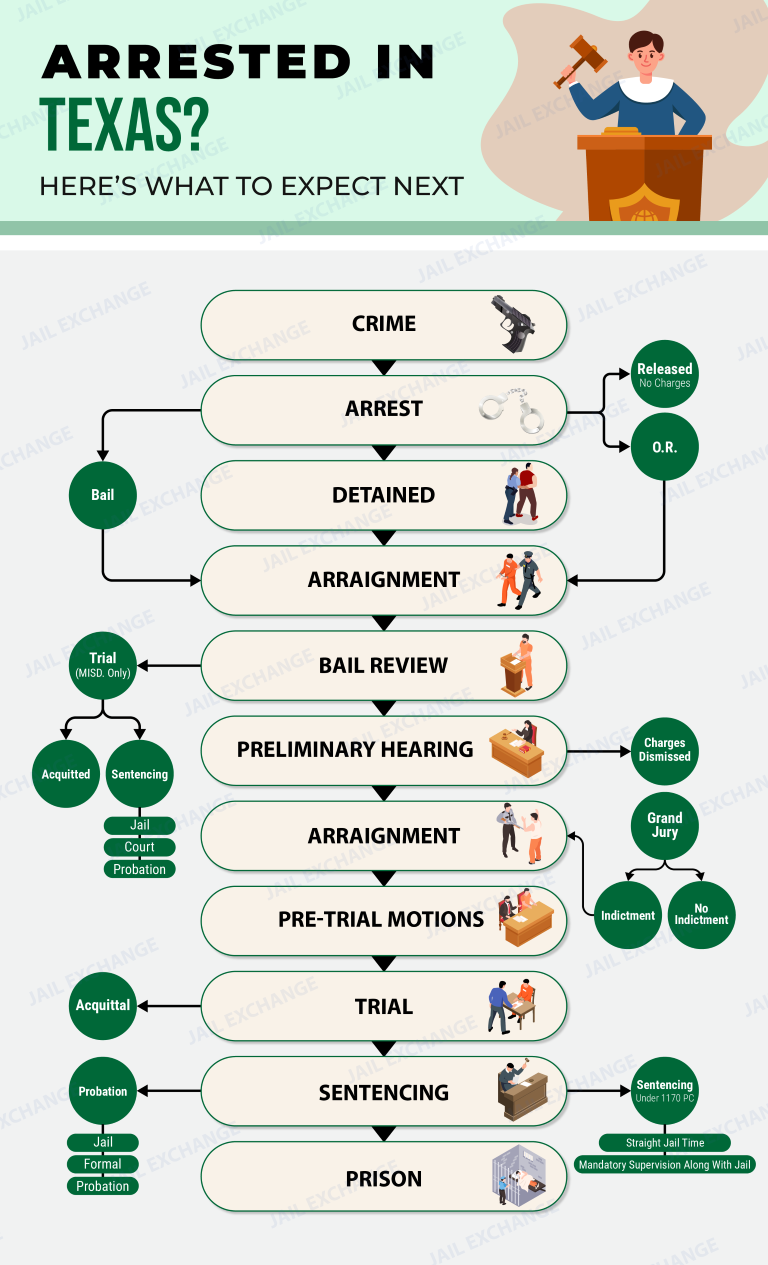
Information for this service is currently unavailable.
Aspermont's Stonewall County Jail lists one deposit method, a mailed money order. Here is how to send it:
- Pay to the person, or to the Stonewall County Sheriff's Office.
- Memo line: the person's name and ID.
- Envelope: the money order alone, addressed to Stonewall County Jail, PO Box 388, Aspermont, TX 79502.
Cash and personal checks should never go to that box. An online deposit company, a kiosk or a front-desk payment may or may not exist; Stonewall County keeps those details off its public pages, so a call to 940-989-3333 is how you find out. Expect to be asked for the person's complete name and birth date, and jot down any booking number staff read to you.
Moved to another county's jail? Then the money goes to that jail instead.
The Stonewall County Jail in Aspermont is a ten-bed jail run by the Stonewall County Sheriff's Office at the courthouse square. It is very small, and the state counted no one held there in 2022, so a person arrested in Stonewall County may be kept in another county's jail. Check the custody search before you mail anything.
Letters, reading material and money orders:
Inmate's Full Name & Inmate ID#
Stonewall County Jail
PO Box 388
Aspermont, TX 79502
- Money orders: Payable to the inmate or to the Stonewall County Sheriff's Office, with the person's name and ID number on the memo line, mailed by itself. Never put cash or a personal check in the mail to Aspermont.
- Envelope: The person's full name and inmate ID number above the box number, and your name and address in the top left corner. Any letter that comes without a return address will most likely be thrown away.
- Ink and paper: Blue or black ink. No felt marker, crayon or colored ink, and no drawings.
- Loose items: Leave out glitter and confetti, and skip perfume and lipstick.
- Greeting cards: Pick a simple card that does not play music.
- Books, magazines and newspapers: Each one has to be new and sent from its publisher. Aspermont does not take hardcovers.
- Who may not write: A co-defendant, anyone held in a jail or prison, or a person the court has barred from contact.
Letters are delivered on weekdays with no limit on how many a person may get.
Information for this service is currently unavailable.
Information for this service is currently unavailable.
Information for this service is currently unavailable.
Stonewall County County Jails
Nearby counties
- Jail (Main): 940-989-3333
The Stonewall County Jail serves the following cities and towns of Stonewall County: Aspermont.