
Shelby County Juvenile Detention
Shelby County Juvenile Detention
Juvenile
205-669-3990Shelby County Juvenile Information for Families
What this center is: a short-term juvenile detention center, not a long-term placement. Children stay here while their case is pending in juvenile court, or after the judge's decision until the next step is set. Longer placements and Department of Youth Services commitments are served elsewhere.
When a child under 18 is arrested in Shelby County and not released to a parent, the child goes to the county's regional juvenile center at 222 McDow Road, Columbiana, AL 35051, 205-669-3990. This 34-bed center is open around the clock and is kept separate from the adult jail. It holds youth whom the juvenile court has ordered held while their case is pending, so a detained child stays in the county until the judge rules. The center is a regional one. If your child was arrested in a nearby county, call the center and ask whether your child is held here. Placement details are kept private to protect the minor.
Here is what to expect. A juvenile court intake officer decides whether your child comes home. If not, a judge holds a hearing within 72 hours, weekends included. A court-appointed lawyer is assigned at intake, and there is no bail to pay. Your child's name will not appear on any public list. Call the center or Juvenile Court Services at 205-669-3831 to confirm where your child is.
While detained, your child gets a wellness check from a mental health professional, attends classes taught by Shelby County Board of Education teachers, and earns phone calls and weekend visits from parents, grandparents and guardians through good behavior. The family questions below explain each step.
Read inmate search answers
 Read inmate search answers
1. My child was arrested. How do I find out where they are?
Call the detention center at 205-669-3990 or Juvenile Court Services at 205-669-3831 (weekdays 8:00 AM–4:30 PM). Give your own name and relationship, plus your child's full name and birth date. Staff will usually talk only with a parent or legal guardian. Depending on the charge, police may release a child at the scene and file a petition later, or take the child to detention.
↑ Back to the question list2. What about medicine and mental health?
A nurse handles screenings, sick call and medicine, and staff give common over-the-counter remedies. To continue a prescription, bring it in the pharmacy's original container, with an intact label showing your child's name and dosing directions. Every child gets a wellness screening, and a mental health professional (the Juvenile Court Liaison, working with Central Alabama Wellness) sees children as needed. On the first visit, a parent may be asked to sign a consent for medical, dental and mental health care.
↑ Back to the question list3. Are boys and girls housed together?
They are in the same building but in separate pods. Every child booked in has detention rights read and explained by staff.
↑ Back to the question list4. Will my child go to school?
Yes. Shelby County Board of Education teachers hold daily classes in the facility. They work with your child's own school to get the right assignments, then grade them and report the grades when your child is released. The county says schooling starts once a child has been held more than three days.
↑ Back to the question list5. Why isn't my child on any roster?
Children never appear on the sheriff's inmate list or any public search. Alabama law makes juvenile court files and detention records confidential (Ala. Code §12-15-133), and juvenile hearings are closed to the public (§12-15-129).
↑ Back to the question list6. Does my child have a lawyer?
Yes. The county says a court-appointed attorney is assigned at intake. You may hire your own lawyer instead. That lawyer should file a notice of appearance before the court date.
↑ Back to the question list7. Who decides whether my child comes home?
A juvenile court intake officer decides, based on the charge and your child's situation. If release is approved, the center or the intake officer will call you with the day and time. Alabama law starts from release to a parent unless there is a clear risk (§12-15-128). If a hearing is needed, the intake officer or probation officer will tell you when to come to court. A detained child must have that hearing within 72 hours, weekends and holidays counted (§12-15-207).
↑ Back to the question list8. What can I bring or send?
Very little. Clothing and hygiene items are provided, and children may not have money, gifts or snacks. Their property is inventoried at intake and kept until release. Letters are welcome. See the mail section.
↑ Back to the question list9. Could my child end up in adult court or the adult jail?
Only in serious cases. Some 16- and 17-year-olds facing grave charges start in adult court (§12-15-204), and a prosecutor may ask to transfer a child 14 or older (§12-15-203). Those youth can be moved to the adult Shelby County Jail, where adult rules apply.
↑ Back to the question listShelby County Juvenile Release and Bail
Juvenile release in Alabama is not bought with a bond. For a child held at the juvenile center, a juvenile court intake officer, and if needed a judge within 72 hours, decides whether the child goes home and under what conditions. Money, bondsmen and phone deposits play no part. Stay reachable by phone, because the release call comes from the center or the intake officer.
If your child is charged as an adult, adult bail rules apply. Here is how release works.
1. Can I post bail for my child?
No. Alabama juvenile court doesn't use money bail. A child is released to a parent unless the intake officer or judge finds, by clear and convincing evidence, that no one can supervise the child, that the child is a serious danger to others or themselves, that the child has missed court before, or that the child is accused of having a pistol or short-barreled gun (Ala. Code §12-15-128).
↑ Back to the top of the questions2. Can release come with conditions?
Yes. The court or intake officer may limit travel, contacts or where your child lives, or require electronic or phone monitoring (§12-15-128(c)). Missing court or breaking those conditions can bring your child back into detention.
↑ Back to the top of the questions3. Who sets the release time?
The court does. The detention staff say they hold children at the court's direction and don't make decisions about the case or set release times. Ask Juvenile Court Services at 205-669-3831. When release is approved, the center or the intake officer calls you with the day and time.
↑ Back to the top of the questions4. What happens if my child is charged as an adult?
Youth charged in adult court, either under §12-15-204 at 16 or 17 or by transfer under §12-15-203, follow adult bail rules and may be moved to the Shelby County Jail.
↑ Back to the top of the questionsShelby County Family Visits and Phone Calls
This is a temporary detention center, so your child is usually here only while the case is in court or until a placement opens. If your child moves to a longer placement, the visiting rules there will be different.
Phone Calls
Visits are on weekends only, and each lasts 30 minutes:
| DAY | TIME |
| Saturday | 9:00 AM – 11:00 AM and 1:00 PM – 5:00 PM |
| Sunday | 9:00 AM – 11:00 AM and 1:00 PM – 5:00 PM |
Book First – Every visit needs an appointment. Parents and guardians call 205-669-3990 to ask for a time. Before you dial, have your child's full name and date of birth handy.
When Visits Happen
At the Door
- Bring nothing for your child: visitors may not hand over any item.
- Anyone who seems impaired by alcohol or drugs, or acts uncooperative, is turned away.
- Staff can search you and your belongings.
- Don't drive or walk around the grounds to look for your child through a window or on the recreation yard.
- Come 15 minutes early and dress modestly (no tank tops, sleeveless shirts, short skirts or shorts). Staff may refuse a visit to anyone who breaks the policy.
- Show photo ID before every visit and sign the visitor log.
- No smoking anywhere in the building.
Visits start out non-contact. A child earns a contact visit by gaining points in the center's behavior program, and the privilege can be taken away after poor behavior.
A child who hasn't been to court yet may not get a visit on the first weekend.
Your child can call you, but you can't call in to your child. To ask about a calling account, call times, approved numbers or any cost, call the center at 205-669-3990 and ask. That is kept private to protect the minor.
- A child gets an initial phone call to you while being booked in.
- After that, weekly calls to a parent or guardian are earned through the point system. Staff place the call, listen in, and can end it if it turns inappropriate.
- The county's FAQ says calls to parents happen on Tuesday evenings.
- Calls to boyfriends, girlfriends or anyone not approved are not allowed.
Contact or Behind Glass
Who Is Allowed
- Parents, grandparents and legal guardians, with proof of the relationship.
- The juvenile court can stop visits, and no child is made to see a visitor against their wishes.
- Parents who live apart may book separate visits.
- Anyone else, including brothers and sisters, needs special permission from the JPO. Siblings generally come only with a parent.
- No more than two visitors at a time, approved by the juvenile probation officer (JPO).
Staff talk with parents and guardians about a child's care. For the court case, call Juvenile Court Services at 205-669-3831. The county's visitation policy dates from 2020, so confirm the hours when you call 205-669-3990.
Shelby County Juvenile Court for Families
The Juvenile Court of Shelby County is a division of District Court. It handles delinquency cases (acts that would be crimes for an adult), children in need of supervision (truancy, running away, being ungovernable) and dependency matters for children under 18. Juvenile Probation and Court Services is at the Shelby County Courthouse, 112 N. The county lists the Honorable Erin B. Every case starts with an intake officer. Main St., Suite 1G, Columbiana, 205-669-3831. Welborn as Juvenile Court Judge. Hearings are closed to the public, and the aim is accountability together with help for the child and family.
If your child is at the juvenile center (205-669-3990), expect a call about a detention hearing within 72 hours. Below are common questions about the juvenile court process.
Detention or placement? This is a short-term detention center. A judge's release or placement order usually ends your child's stay. Commitment to the Department of Youth Services means time at a DYS program, not at this center.
1. Where is juvenile court held?
Detention hearings and other juvenile hearings are held at the Shelby County Courthouse, 112 North Main Street, Columbiana, AL 35051, in Courtroom 1A or another room the court assigns. A juvenile probation officer brings a detained child over from the center. The Juvenile Probation and Court Services office is in the same courthouse, Suite 1G (mail: P.O. Box 1253), at 205-669-3831, open weekdays 8:00 AM to 4:30 PM.
↑ Back to the question list2. How are fines or restitution paid?
Pay all court-ordered money to the Circuit Clerk on the first floor of the courthouse. Pay in cash in person, or mail a cashier's check or money order to Court Clerk, P.O. Box 1096, Columbiana, AL 35051. Include the case number, and don't mail cash or personal checks. Probation officers can't take payments.
↑ Back to the question list3. What can the judge decide?
If the state proves the charge beyond a reasonable doubt, the judge can send your child home with conditions, order probation, or place the child with the Alabama Department of Youth Services (§12-15-215). The county says outcomes range from diversion programs to residential commitment. Probation has no set length; the officer recommends closing the case once your child shows steady progress.
↑ Back to the question list4. When does the court meet on my child's case?
To learn the date, time and courtroom, call Juvenile Court Services at 205-669-3831 or the center and ask. Hearing dates are kept private to protect the minor. The intake officer or your child's juvenile probation officer will call you with the date and time. For a detained child, the first hearing must happen within 72 hours, weekends and holidays included (Ala. Code §12-15-207). The county warns that waits can be long because of case volume, so plan ahead for younger children or school pickups.
↑ Back to the question list5. What should we wear, and how should we act in court?
Dress with respect. The county asks visitors not to wear hats, sunglasses, T-shirts with violent, profane or drug images, worn or holey jeans, sagging pants, or revealing muscle shirts or tank tops. Be on time, throw away gum, stand when the judge enters, and never interrupt. Anyone dressed inappropriately can be sent out, and the case may be reset. Disrupting court can bring a contempt finding, which can mean jail time or a fine.
↑ Back to the question list6. What is a juvenile probation officer, and why does my child have one?
A probation officer is assigned to every child once a delinquency or CHINS petition is filed, and that doesn't mean your child is on probation. The officer interviews the child, parents and police, assesses risk and any harm to the victim, recommends services or consequences to the judge, and builds a plan with your family. Be open and honest with the officer.
↑ Back to the question list7. Can my child's record be sealed later?
Yes. The county's process requires your child to be at least 18, with the case closed for at least two years and no adult charges or convictions since. Call 205-669-3831 to set an appointment. A motion is filed, and the judge decides at a hearing.
↑ Back to the question list8. When can a child in Shelby County be tried as an adult?
Some cases skip juvenile court entirely. A child 16 or older charged with a capital offense, a Class A felony, a felony involving a deadly weapon, a felony causing death or serious physical injury, or drug trafficking is charged and tried as an adult (Ala. Code §12-15-204).
Transfer is possible from age 14. The prosecutor files a motion in the Shelby County juvenile court in Columbiana, a probation officer writes a study of the child, and the judge holds a hearing that weighs the offense, the child's record and past treatment, demeanor, maturity and the community's interest (Ala. Code §12-15-203). The law bars transfer when the child appears committable because of intellectual disability or mental illness.
One lasting effect: once a youth is convicted, or found a youthful offender, in adult court, any later charge goes to adult court too (Ala. Code §12-15-203(i), §12-15-204(b)). A youth charged as an adult can be held in an adult jail rather than at the Shelby County Regional Juvenile Detention Facility (Ala. Code §12-15-208(c)).
In adult court, a youth charged with a crime committed as a minor can ask to be treated as a youthful offender. The youth must agree to an investigation and to a trial without a jury, and the judge decides (Ala. Code §15-19-1). Youthful offender status is not a criminal conviction, and the records are not open to the public (Ala. Code §15-19-7). For a felony, probation is limited to three years and custody to three years or less (Ala. Code §15-19-6). Ask your child's lawyer early, because adult bail rules apply once the case is in adult court.
↑ Back to the question list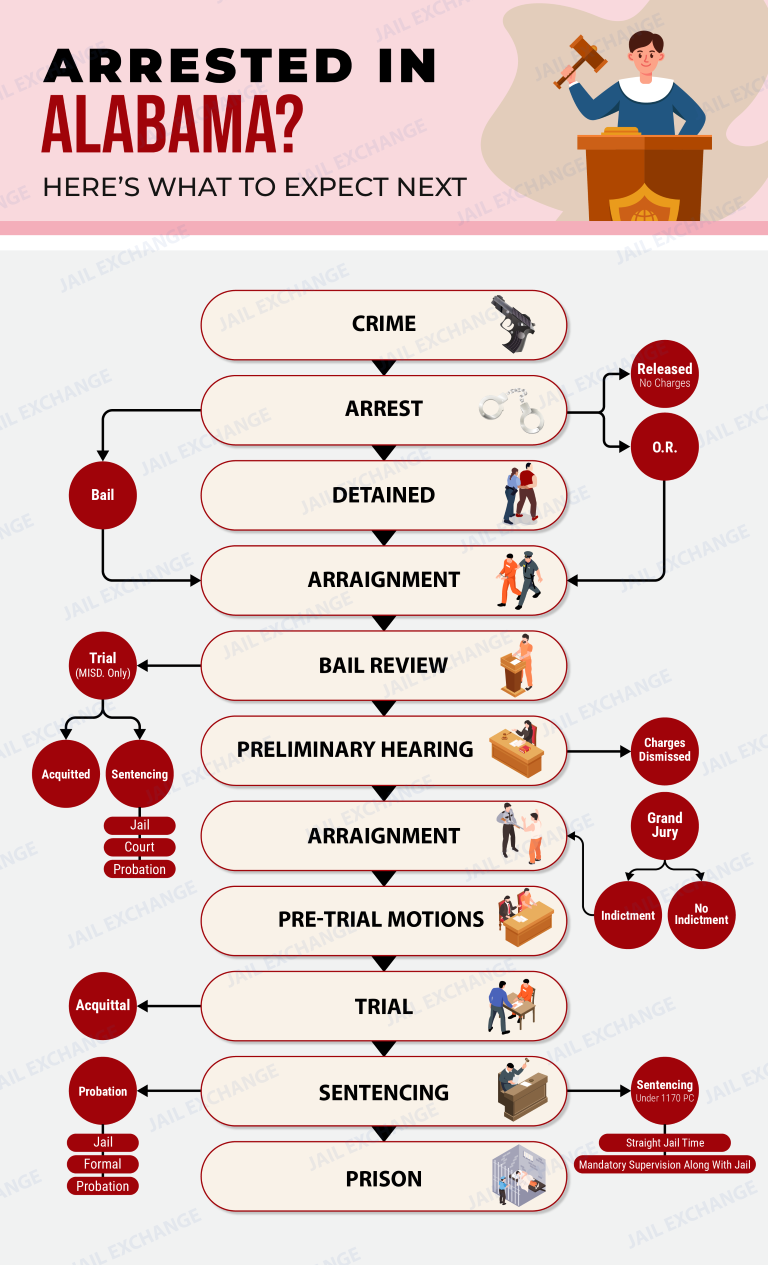
Information for this service is currently unavailable.
Information for this service is currently unavailable.
Shelby County Family Mail
A child here can receive mail from family and friends. Every letter is opened and inspected before it is handed over. Questions go to 205-669-3990.
Where to Send It
Resident's Full Name
Shelby County Regional Juvenile Detention Facility
222 McDow Road
P.O. Box 736
Columbiana, AL 35051
Keep It to Paper
- Books: call the center before you send any book and ask whether books are accepted, how they must be sent and which kinds are allowed. That is kept private to protect the minor. Shelby County Board of Education teachers run classes and supply assignments, and reading material usually comes from the center.
- Clothing and hygiene items are provided, so don't send them unless staff ask.
- Don't send money. Detained youth are not allowed to have it.
- Don't mail gum, candy, stickers or pictures. The county says these can't be sent.
- Children may not keep personal items in their rooms.
- Magazines and newspapers are not accepted.
Information for this service is currently unavailable.
Information for this service is currently unavailable.
Information for this service is currently unavailable.
Shelby County County Jails
- Juvenile: 205-669-3990
The Shelby County Juvenile Detention serves the following cities and towns of Shelby County: Alabaster, Calera, Chelsea, Columbiana, Harpersville, Helena, Montevallo, Pelham, Sterrett, Thorsby, Vincent and Wilsonville.