
Lewisville Juvenile Treatment Center
Lewisville Juvenile Treatment Center
Physical Address
750 Lafayette Co. Rd 16Lewisville, AR 71845
Lafayette County Juvenile Information for Families
What kind of center this is: a Division of Youth Services (DYS) residential treatment center, not a detention center. Only youth a juvenile judge has committed to DYS come here. It serves youth ages 13 to 17 with less serious offenses. It closed in 2020 and reopened in 2024 as a DYS treatment center. For a moderate or high risk assessment, DYS aims for six to nine months of treatment at most; for a low one, three months at most. When needed, the center may hold a youth up to age 21 (DYS family guide).
Youth committed by a juvenile judge to the Arkansas Division of Youth Services may be placed at the Lewisville Juvenile Treatment Center, 750 Lafayette Co. Rd 16, Lewisville, AR 71845, 870-921-8073.
The center takes youth committed by juvenile courts in any Arkansas county.
Children never appear on a public roster. The questions below explain each step.
Read inmate search answers
 Read inmate search answers
1. How can I locate my child after a DYS commitment?
Youth committed by a juvenile judge to the Arkansas Division of Youth Services may be placed at the Lewisville Juvenile Treatment Center, 750 Lafayette Co. Rd 16, Lewisville, AR 71845, 870-921-8073. Call 870-921-8073 or the Division of Youth Services at 501-682-8654. The child's treatment team writes a plan and refers the child to a treatment center or a DYS group home (DYS family guide). After a judge commits a child to DYS, the child is usually driven to the DYS Admissions and Records unit at the Arkansas Juvenile Assessment and Treatment Center near Alexander, or to an approved county juvenile detention center to wait for a bed. Ask for your child's case manager after giving your name, how you are related, and your child's full name and date of birth.
↑ Back to the list of questions2. Can my child get mail from me?
Yes. The mailing address and mail rules are in the mail section of this page.
↑ Back to the list of questions3. What happens while my child is in treatment?
Youth go to school every weekday, with high school, GED, career and vocational classes, plus therapy groups, counseling and recreation (DYS family guide). Call 870-921-8073 to ask about your child's school work, medicine or counseling. That information is kept private to protect the minor.
↑ Back to the list of questions4. Who do I call?
Call the center at 870-921-8073 and ask for your child's case manager. On weekdays, 8:00 AM to 4:30 PM, parents may call the case manager. The main Division of Youth Services office number is 501-682-8654. The juvenile court in the committing county answers questions about the court order.
↑ Back to the list of questions5. How long until my child comes home?
Your child's risk assessment, treatment plan and the judge's progress review set the length of stay. After the plan is complete, the judge decides on going home, usually with an aftercare plan. In extended juvenile jurisdiction (EJJ) cases, the final decision belongs to the committing judge (DYS family guide). Every 60 to 90 days, the treatment team reviews progress. DYS has to go over the aftercare terms with your child and you before release (Ark. Code 9-35-436).
↑ Back to the list of questions6. Why can't I find my child in an inmate search?
We never show the names of youth held in juvenile treatment centers; that protects children. Call 870-921-8073 or the Division of Youth Services directly. Details are kept private to protect the minor, so staff share them with a parent or guardian.
↑ Back to the list of questions7. Can my child call me, and can I call my child?
Within 24 hours of arriving, your child may call a legal guardian or approved immediate family member; after that, one call a week from the case manager's office goes to family on the approved phone log made at intake. Staff will work out the call time with you. In a family emergency, staff try to have your child call you back right away. On weekdays, 8:00 AM to 4:30 PM, parents may call the case manager about progress or to leave a message. Call 870-921-8073 to ask how calls work for your child. These details are kept private to protect the minor.
↑ Back to the list of questions8. When are visits, and who is allowed?
When visits happen:
- Saturday and Sunday: two-hour visits, starting from 8:00 AM to noon or from 1:00 to 5:00 PM
- Can't make those times? Call your child's case manager to set a visit on another day. Your child isn't able to set up a visit for you.
Hours can change, so call 870-921-8073 before you go.
Who may visit: Up to four visitors at a time (children under 12 don't count toward the four). Only immediate family may visit: mother, father, sisters, brothers, step-family and legal guardians. Girlfriends, boyfriends and family friends can't visit. Clergy or your child's pastor may visit any day. A visit can be accepted or refused by your child.
When you arrive:
- During a visit you can't give your child anything, including stamps, batteries, phone cards, magazines, pictures, letters or other items.
Parents and guardians can call 870-921-8073 to ask whether they are on the child's approved visitor list. Staff share this by phone with a parent or guardian only, since it is kept private to protect the minor.
↑ Back to the list of questions9. What counties does the center serve?
Placement of committed youth from any Arkansas county is up to DYS, based on age, gender, risk and treatment needs. The case remains with the juvenile court of the county that committed the child.
↑ Back to the list of questions10. What if my child faces adult charges?
Call your child's lawyer first. In Arkansas, a 16- or 17-year-old accused of any felony can be charged directly in adult (criminal) court, and so can a 14- or 15-year-old accused of capital murder, first-degree murder, kidnapping, aggravated robbery, rape, first-degree battery or a terroristic act (Ark. Code 9-35-412(c)). For some other serious offenses at 14 or 15, the state can ask the juvenile judge for a transfer to adult court or for extended juvenile jurisdiction (Ark. Code 9-35-412(b)). Once the case is in adult court, adult release and bail rules apply, and a youth facing felony charges there may be held in an adult jail (Ark. Code 9-35-425(b)).
↑ Back to the list of questionsLafayette County Juvenile Release and Bail
A youth at a DYS treatment center is there under a juvenile court commitment, so release works through DYS and the judge, not bail.
Here is how release works.
1. Is there bail for a youth committed to DYS?
Bail doesn't apply. Release depends on finishing the treatment plan and length of stay, and then on the judge's decision (DYS family guide). Other parts of the case, such as probation and unpaid restitution, can matter too. Ask your child's case manager about the release plan.
↑ Back to the question list2. How does aftercare work?
It is supervision after a youth leaves DYS, when the judge may order the youth to follow a DYS aftercare plan. The youth gets the terms in writing, and DYS explains them to the youth and the parent or guardian before release (Ark. Code 9-35-436).
↑ Back to the question list3. What if my child faces adult charges?
Any felony charge against a 16- or 17-year-old can be filed in adult (criminal) court. So can charges of rape, kidnapping, capital murder, first-degree murder, aggravated robbery, first-degree battery or a terroristic act against a 14- or 15-year-old (Ark. Code 9-35-412(c)). A youth facing felony charges in adult court may be held in an adult jail (Ark. Code 9-35-425(b)). When a 14- or 15-year-old faces certain other serious charges, the state can request a transfer to adult court or ask that the child be treated as an extended juvenile jurisdiction offender (Ark. Code 9-35-412(b)). In that case, adult release and bail rules govern. Talk with your child's lawyer right away.
↑ Back to the question listLafayette County Juvenile Court for Families
A youth at the Lewisville Juvenile Treatment Center (870-921-8073) stays there because a juvenile court ordered a commitment; that court handles questions about its order.
Here is how the juvenile court process works.
1. Which court placed my child here?
The juvenile division of the circuit court in your home county committed your child to DYS, and that court keeps the case. That court handles questions about the order, review hearings or release. It is listed in the Arkansas Judiciary directory at arcourts.gov/directories.
↑ Return to the question list2. Will my child have a lawyer?
Yes. Arkansas gives every child in a delinquency case the right to a lawyer at every stage, and police, the intake officer and the judge must each explain that right to you and your child. The court appoints a lawyer when the family doesn't hire one, and it can order a parent who can afford it to pay some or all of the cost (Ark. Code 9-35-410).
↑ Return to the question list3. What hearings come next?
Your child's treatment team checks progress every 60 to 90 days, and going home is the judge's decision (DYS family guide). Breaking an aftercare rule after release can lead the prosecutor or DHS to file a petition in the committing court. For a detained youth, that hearing must happen within 14 days (Ark. Code 9-35-436).
↑ Return to the question list4. What if the case goes to adult court?
Two paths lead to adult court. The direct path: the prosecutor files there for a 16- or 17-year-old accused of any felony, or for a 14- or 15-year-old accused of rape, kidnapping, aggravated robbery, first-degree battery, a terroristic act, capital murder or first-degree murder (Ark. Code 9-35-412(c)). The transfer path: for some other serious offenses at 14 or 15, the state asks the juvenile judge to move the case or to treat the child as an extended juvenile jurisdiction offender (Ark. Code 9-35-412(b)). In adult court, adult release and bail rules govern, and a youth facing felony charges can be held in an adult jail (Ark. Code 9-35-425(b)). Your child's lawyer should hear from you right away.
↑ Return to the question listWhere to Call
- Lewisville Juvenile Treatment Center: 750 Lafayette Co. Rd 16, Lewisville, AR 71845, 870-921-8073
- Division of Youth Services: 700 Main Street, Little Rock, AR 72203, 501-682-8654
- Your county's juvenile court: the circuit court of the county that committed your child. Look up its address and phone in the Arkansas Judiciary directory at arcourts.gov/directories.
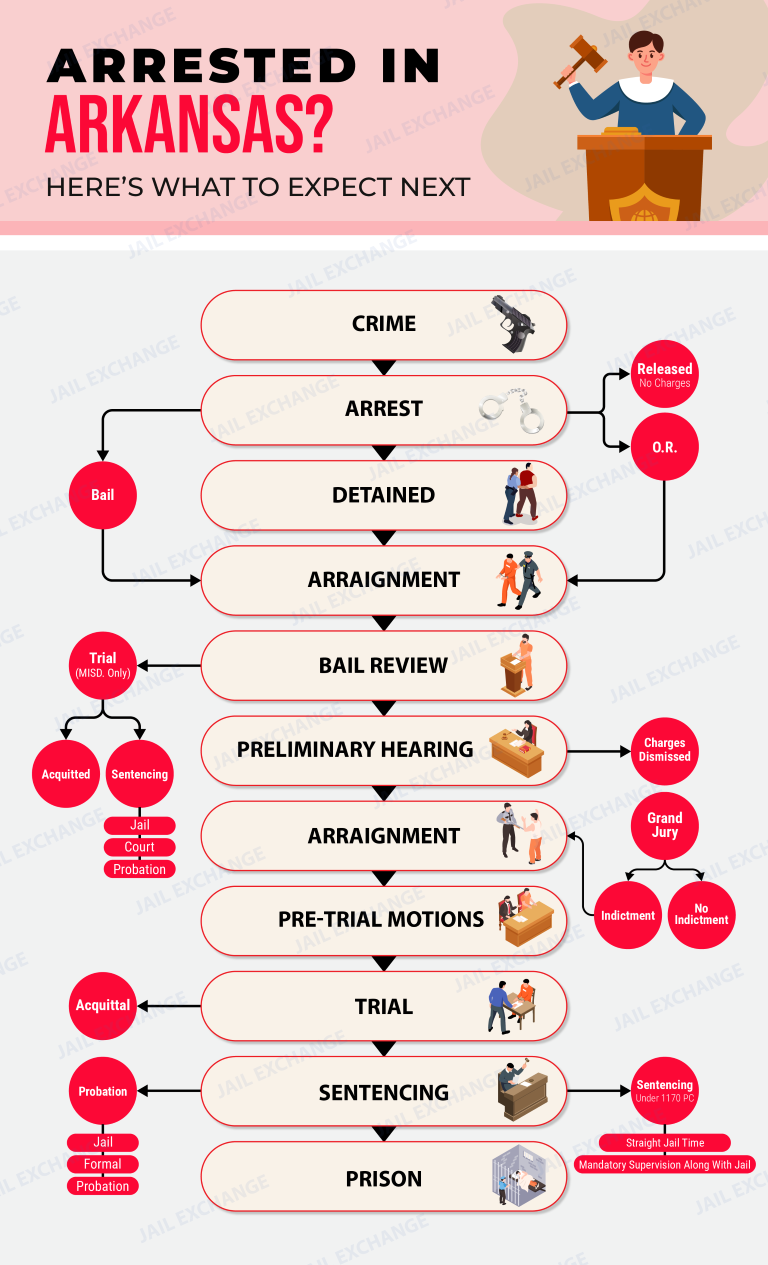
Information for this service is currently unavailable.
Information for this service is currently unavailable.
Information for this service is currently unavailable.
Information for this service is currently unavailable.
Information for this service is currently unavailable.
Information for this service is currently unavailable.
Lafayette County County Jails
Lafayette County Juvenile Facilities
- Juvenile: 870-921-8073
The Lewisville Juvenile Treatment Center serves the following cities and towns of Lafayette County: Lewisville and Stamps. At times this facility may also house inmates arrested in the following counties: Arkansas County, Ashley County, Baxter County, Benton County, Boone County, Bradley County, Calhoun County, Carroll County, Chicot County, Clark County, Clay County, Cleburne County, Cleveland County, Columbia County, Conway County, Craighead County, Crawford County, Crittenden County, Cross County, Dallas County, Desha County, Drew County, Faulkner County, Franklin County, Fulton County, Garland County, Grant County, Greene County, Hempstead County, Hot Spring County, Howard County, Independence County, Izard County, Jackson County, Jefferson County, Johnson County, Lawrence County, Lee County, Lincoln County, Little River County, Logan County, Lonoke County, Madison County, Marion County, Miller County, Mississippi County, Monroe County, Montgomery County, Nevada County, Newton County, Ouachita County, Perry County, Phillips County, Pike County, Poinsett County, Polk County, Pope County, Prairie County, Pulaski County, Randolph County, St. Francis County, Saline County, Scott County, Searcy County, Sebastian County, Sevier County, Sharp County, Stone County, Union County, Van Buren County, Washington County, White County, Woodruff County and Yell County.