
Putnam County Correctional Facility
Putnam County Correctional Facility
Jail Phone Number
845-225-4300Putnam County Inmate Search: Who Is Held in Carmel and How to Reach Them
Every adult arrested in this county by deputies, town police, village police or state troopers is booked into one place, the Putnam County Correctional Facility. It is run by the Sheriff's Office at 3 County Center, Carmel, NY 10512. Last night's bookings, this morning's releases and recent transfers can take a while to appear. Here you'll see how to search, where court dates show up and which number to dial.
Begin with the official inmate lookup and enter the person's last name. Statewide, VINE offers another custody check by name. Felony cases with a future court date appear on the state's WebCrims search, and town or village cases can be checked by calling that court.
Then confirm what you find by calling the Sheriff's main line, 845-225-4300. The deputy who answers can confirm custody, read the charges and say if a judge set bail, so keep the person's exact name and birth date close by. Our bail page explains getting someone released, and each courthouse with its phone is listed in our court guide.
Read inmate search answers
 Read inmate search answers
1. Step by step: checking the Putnam County jail
A quick search and one phone call answer most questions. Work through this list:
- Open the inmate lookup and type the last name. Try the first name too if the list is long.
- Write down any booking details you see, such as a date or number.
- Call the Sheriff's Office at 845-225-4300. Offer the legal name, any other names the person goes by, and their birthday.
- Ask three things: Is the person here? What are the charges? Has a judge set bail or a court date?
- Write down the name of the court that will hear the case. Every later step depends on it.
Staff may not give out medical or personal details by phone. Keep your questions to custody, charges, bail and the next date.
↑ Back to the question list2. No match? Reasons a name won't appear
When a name is absent, there is usually a simple reason:
- Still at a police station. Town or village officers may be finishing paperwork before the drive to Carmel.
- Waiting for arraignment. The person may be in front of a local judge right now.
- Sent home with a ticket. Many people get an appearance ticket and never reach the jail (CPL 150.20).
- Already released. Most people charged with a misdemeanor go home after arraignment.
- Moved. Once someone is shipped to a different county, a prison or a federal agency, the local listing drops them.
- Under 18. Teens go to youth facilities, never to the adult jail.
- Spelling. Retry the lookup under a nickname, a maiden name or an alternate spelling.
For an answer you can trust, phone the Sheriff's Office at 845-225-4300. If you know which department made the arrest, call that department too.
↑ Back to the question list3. Other jails to try across the county line
Adults charged here are held in the county's own jail in Carmel, 3 County Center, Carmel, NY 10512, 845-225-4300. Someone arrested in a neighboring county, though, would be held by that county. Check these if the arrest happened near a border:
- Dutchess County Justice and Transition Center (north), 150 North Hamilton Street, Poughkeepsie, NY 12601, 845-486-3900.
- Westchester County Jail (south), run by that county's Department of Correction on the Grasslands Campus, Valhalla, NY 10595, 914-231-1000.
- Orange County Correctional Facility (west, across the Hudson), 110 Wells Farm Road, Goshen, NY 10924, 845-291-7713.
- Rockland County Sheriff's Office Correctional Facility (southwest, across the river), 55 New Hempstead Road, New City, NY 10956, 845-638-5600.
An arrest across the state line in Connecticut follows that state's rules, so reach out to the police department that made that arrest.
↑ Back to the question list4. Can families see a booking photo?
Usually not. New York's records law calls the release of a booking photo an invasion of privacy. Release is allowed for a genuine law enforcement purpose, such as locating a suspect (Public Officers Law § 89(2)(b)(viii)).
- News outlets and others can ask the Sheriff's Office through a records request. Call 845-225-4300 to learn how.
- For a photo held by immigration authorities, file a request through the ICE FOIA page.
- Arrest pictures from federal agencies are seldom public, though the Marshals sometimes publish one while hunting a fugitive.
Old photos on private websites may be out of date. The jail and the courts are the only places with current custody facts.
↑ Back to the question list5. Signing up for VINE custody notices
This free statewide service was built for crime victims. Anyone may use it, though, to check a person's custody status and current facility.
- Go to VINELink or call 888-846-3469.
- Search by name. Adding a birth date narrows the results.
- Choose the matching record, then register to get a call, a text or an email whenever custody status changes.
Registration stays private, so the prisoner never learns who signed up. If no record turns up, ask the Sheriff's Office about custody instead. For someone already in a state prison, the corrections department also runs a victim notification form for parole and release news.
↑ Back to the question list6. Getting out after a Putnam County arrest
Since 2020, judges in New York have had to free most defendants facing misdemeanors or felonies that involved no violence. Those people leave on a pledge or under supervision. Bail or remand applies only to what the law calls "qualifying offenses," such as violent felonies and some family violence charges (CPL 510.10(4)).
- A local judge decides at the arraignment, often within about a day.
- Any bail order has to give a choice of three or more payment forms, and one must be an unsecured or partly secured bond (CPL 520.10).
- The county's Pre-Trial Release program, run by Probation at 40 Gleneida Avenue, Carmel, NY 10512, 845-808-1111, supervises people a judge sends home with conditions.
The Sheriff's Office warns that scammers phone families pretending to be police and asking for bail money. Our bail and release guide covers where to pay, bond agents and refunds.
↑ Back to the question list7. Which crimes is the person accused of?
There are four good ways:
- Ask the jail. Booking staff at 845-225-4300 can read the charges.
- Read the papers. The defendant gets the written charges at arraignment, so ask them or their lawyer.
- Call the court. The town or village court that held the arraignment has the file.
- Search WebCrims. Once a felony reaches County Court, WebCrims shows the charges and next date.
Charges can change. Prosecutors may raise, lower or drop them, and a grand jury may vote different counts. Here is what the labels mean. A felony is a grave crime that may lead to years in a state prison. A misdemeanor is smaller, punished by no more than 364 days in a local jail. A violation is a minor offense, not a crime at all.
↑ Back to the question list8. Free defense for someone in the jail
Every defendant without money for a lawyer is given one at the arraignment. Sitting in jail alone makes a person presumptively eligible.
The Legal Aid Society defends people in this county at 12 Fair Street, Carmel, NY 10512, 845-225-8466. Family members can call with the defendant's name and court to find the assigned lawyer.
- Eligibility is the judge's decision, though Legal Aid often screens the person and makes a recommendation.
- A spouse's income does not count, and child support is not treated as the parent's money.
- When Legal Aid can't represent someone because of a conflict, a private attorney is appointed and the county pays (County Law § 722).
The lawyer works for the defendant. They may not share details with family unless the client agrees.
↑ Back to the question list9. Putnam County jail visiting hours and rules
Regular visits happen at the jail, 3 County Center, Carmel, NY 10512. Questions go to 845-225-4300.
- Mondays and Thursdays: 2:00 to 4:30 p.m. and 6:30 to 9:00 p.m.
- Fridays: 9:00 to 11:30 a.m., 12:30 to 3:00 p.m., and 4:00 to 4:30 p.m.
- No visits on Saturdays, Sundays or legal holidays. When a holiday lands on a Monday, Thursday or Friday, that day's visits move to the Wednesday of the same week.
- Thanksgiving week: Monday and Tuesday use the Monday and Thursday hours, and Wednesday uses the Friday hours.
Each person gets one 15-minute visit within 24 hours of arriving. After classification, they get two hours a week in four 30-minute blocks, which can be combined. Unused time is lost at week's end, and a visit that ends early still uses its whole block. Lawyer, professional and clergy visits don't count against that time.
- Visitors may come two adults and two children at a time, seated in the order they arrive.
- Sign in at the window 15 minutes early. Visits start on the half hour, and nobody enters the room at 3:30 p.m.
- Anyone 18 or older shows an unexpired photo ID issued by a government, for example a passport, military ID or New York license.
- A child must come with a parent or guardian who proves the relationship with a certified birth certificate or school photo ID. Any other adult needs a notarized form SOJ999, which the jail approves or denies within 7 days.
- Expect a metal detector and mouth checks. Hooded tops and flip-flops are not allowed.
- Nothing may be passed. A hug or handshake is allowed only at the start and end.
Orders of protection are enforced at visits. More tips are on our visiting page.
↑ Back to the question list10. Adding money to an inmate's account
A jail account covers snacks, hygiene items and similar small purchases. By county rule, the commissary fund exists to benefit the people held at the jail.
Ask the Sheriff's Office at 845-225-4300 which deposit methods the jail accepts today, whether fees apply, and what name and number to use. Then follow these safety rules:
- Never put cash in an envelope.
- Pay only through a method the jail itself names.
- Keep every receipt until the person is released.
Our pages on sending money and the jail store explain how accounts usually work.
↑ Back to the question list11. Can they call, text or email from jail?
Under state jail rules, a newly admitted person may place phone calls and must be informed of that right (9 NYCRR 7002.8). The rule sheet handed out at intake also covers how the phones work (9 NYCRR 7002.9).
- Each county picks its own phone provider and rates. Ask the Sheriff's Office at 845-225-4300 how to set up an account.
- Assume others can hear a jail call. Never talk about the case on one.
Our guides on inmate phone service and electronic messages explain the usual setup steps.
↑ Back to the question list12. Writing letters to someone in the Putnam County jail
State rules set no cap on the number of letters going in or out (9 NYCRR 7004.1). Address the envelope with the recipient's full name, followed by the Sheriff's address:
3 County Center, Carmel, NY 10512
- Put your own full name and return address on the envelope.
- Call 845-225-4300 to ask whether a booking or inmate number must be added.
- Officers can open everyday letters to check for banned items. To read one, they need a written order that states why (9 NYCRR 7004.3).
- Envelopes from a lawyer or a court are unsealed only while the recipient watches (9 NYCRR 7004.4).
- Anyone who can't afford supplies receives stationery and postage for two or more letters weekly (9 NYCRR 7004.2).
Never mail cash, stamps or anything sticky. See our mail guide for more.
↑ Back to the question list13. Picking up belongings after release
The jail stores wallets, phones, keys and clothes taken at booking. They are usually returned when the person walks out.
- If you need something sooner, call 845-225-4300 and ask how a family member can collect it.
- Bring a photo ID. The person in custody may need to sign a release first.
- Ask about refunding money still on their jail account.
Help after release is available nearby. Delancey Street Foundation, 100 Turk Hill Road, Brewster, NY 10509, 845-278-6181, runs a free two-year live-in program for people with past drug use or felony records. St. Christopher's Inn, 21 Franciscan Way, Garrison, NY 10524, 845-335-1000, offers long-term addiction treatment.
↑ Back to the question list14. Medical or mental health care behind bars
Health care at the jail carries accreditation from a national correctional health group, earned first in 2005 and renewed since. New York law puts officers on the hook for the physical and psychiatric care of people they hold (Civil Rights Law § 28).
- Call the jail at 845-225-4300. Share the person's name, the health problem and any medicine they take.
- Ask for extension 41990 if you need the county Co-Response Team, which links people in crisis to treatment.
- If someone is in emotional crisis outside the jail, call or text 845-225-1222 any hour, or dial 988.
State law also limits solitary confinement. It is off limits, except in narrow cases, for anyone aged 21 and under or 55 and over, and for pregnant people or people with disabilities. Serious concerns can go to the New York State Commission of Correction, Alfred E. Smith State Office Building, 80 South Swan Street, Albany, NY 12210, 518-485-2346.
↑ Back to the question list15. Checking Putnam County warrants by phone
Deputies, local officers and troopers can all arrest someone on a warrant. Call the Sheriff's Office at 845-225-4300 and ask whether a warrant is active, or call the court that handled the case. The State Police run a Wanted and Missing page for the whole state. WebCrims won't list a case stalled by a warrant, so phone rather than search. To clear it, the person should turn themselves in, with a lawyer beside them, at the issuing court. Or phone that court and request a new appearance date. County Court warrants are handled by the clerk at 20 County Center, Carmel, NY 10512, 845-208-7800.
↑ Back to the question list16. Looking up the next hearing date
Court dates are set at each hearing, and the defendant gets a slip with the next one. Families can find dates three ways:
- WebCrims lists County Court felony cases that have a future date. Search with the name and county.
- Phone the local court on a town or village case, with the defendant's name and birthday handy.
- Ask the defense lawyer, who will know about any change.
For County Court, the clerk's number is 845-208-7800, weekdays 9:00 a.m. to 5:00 p.m. All nine town and village courts, with phones and street addresses, are in our criminal court guide.
↑ Back to the question list17. Tracking someone held on a federal charge
Federal prosecutions from these towns land in White Plains, at the U.S. courthouse, 300 Quarropas Street, White Plains, NY 10601, 914-390-4100. A judge weighs detention at the first appearance itself (18 U.S.C. 3142).
- Pretrial federal defendants are in Marshals custody, and that office can say where they are housed. Call 500 Pearl Street, Suite 400, New York, NY 10007, 646-563-9800.
- Some federal prisoners stay in local jails under deals with the Marshals, so check with both.
- Federal Defenders of New York, 81 Main Street, Suite 124, White Plains, NY 10601, 914-428-7124, represents people who can't pay.
- Once a sentence begins, search the Federal Bureau of Prisons inmate locator.
18. Finding someone ICE has taken into custody
If immigration officers want someone who is in the jail, expect this sequence:
- The jail receives Form I-247A, which is how ICE lodges a detainer.
- Staff are asked to hold the person up to 48 hours after they would otherwise be released (8 CFR 287.7(d)).
- ICE agents take custody at the jail if they arrive in time.
- The person is processed through ICE's New York office, 26 Federal Plaza, 9th Floor, Suite 9-110, New York, NY 10278, 212-436-9315. ICE also holds people upstate at its Buffalo (Batavia) Service Processing Center, 4250 Federal Drive, Batavia, NY 14020, 585-344-6500.
- Search the ICE Online Detainee Locator by name and country of birth.
New York sets limits on local help. Wells v DeMarco, a 2018 appellate decision, ruled out civil immigration arrests by local officers acting under state law. Since August 25, 2026, Executive Law § 170-k has barred local 287(g) agreements. Civil Rights Law § 28 protects people going to and from court against civil immigration arrests made without a judicial warrant or order.
↑ Back to the question list19. Locating a person sent to state prison
Sentences over one year are generally served under the Department of Corrections and Community Supervision (DOCCS). A reception center comes first, with medical screening and a security review. A longer-term prison is picked after that.
- Open the DOCCS Incarcerated Lookup.
- Type the DIN, the state ID number, when you know it. If not, search by the exact last name with the birth year.
- The record shows the current prison and release dates.
The lookup goes offline for a short time each night near midnight. Without internet, call DOCCS at 518-457-5000 on business days. Its office is Building #4 at 1220 Washington Avenue, Albany, NY 12226. Our New York state prisons page profiles each prison.
↑ Back to the question list20. Help when the arrested person is a teenager
Under Raise the Age, the Carmel jail never houses anyone younger than 18. Youths go to juvenile detention instead. A parent gets a call right away whenever officers take a child into custody (Family Court Act § 305.2).
- Police may question a child only at a site the courts approve, or at home if a parent agrees. Questioning at such a site is recorded on video.
- The child must be told of the right to stay silent and to have a free lawyer.
- Misdemeanor cases go to probation intake. Felony charges against a 16- or 17-year-old are heard first in a Youth Part at County Court.
To find where a youth is held, call Probation at 40 Gleneida Avenue, Carmel, NY 10512, 845-808-1111. Family Court is at 20 County Center, Carmel, NY 10512, 845-208-7805.
↑ Back to the question list21. Police agencies that make arrests in Putnam County
The county has no county police force. Four local departments patrol their own towns or villages, and the Sheriff and State Police cover everyone else. Use these non-emergency numbers; dial 911 for emergencies.
Countywide
- Sheriff's Office Road Patrol, 24/7 across the county: 3 County Center, Carmel, NY 10512, 845-225-4300.
- New York State Police, Troop K, Brewster station: 1672 Route 22, Brewster, NY 10509, 845-298-0398.
- Troop K headquarters: 2541 Route 44, Salt Point, NY 12578, 845-677-7300.
Towns and villages with their own police
- Town of Carmel, including Mahopac: Town of Carmel Police Department, 60 McAlpin Avenue, Mahopac, NY 10541, 845-628-1300.
- Town of Kent: Kent Police Department, 40 Sybil's Crossing, Kent Lakes, NY 10512, 845-225-5646.
- Village of Brewster: Brewster Police Department, 208 Main Street, Brewster, NY 10509, 845-278-1895.
- Village of Cold Spring: Cold Spring Police Department, reached through the Village of Cold Spring, 85 Main Street, Cold Spring, NY 10516, 845-265-3407.
No local department: deputies and the Brewster troopers respond
- Town of Patterson
- Town of Philipstown, outside Cold Spring village
- Town of Putnam Valley
- Town of Southeast, outside Brewster village
- Village of Nelsonville
Putnam County Bail and Release
A sweeping bail reform took hold in New York on January 1, 2020, and it was amended in 2020, 2022 and 2023. Every adult arrested anywhere in Putnam County is booked into the county jail that the Sheriff's Office runs at 3 County Center, Carmel, NY 10512. Judges must now send home almost everyone facing a misdemeanor or a felony that involved no violence. Read on to see who can still be held and how bail gets paid.
Start with the official inmate lookup, which shows whether your person is being held. The JailExchange Jail Roster page handles the arrest and every stage of custody: locating a loved one, new bookings, open warrants, charges, public defenders and collecting property. The visiting rules sit on a separate page.
Next, phone the Sheriff's main line, 845-225-4300, and ask about custody, the charges or a bail figure. Courtroom steps are traced in our court guide.
1. Who rules on bail after a Putnam County arrest?
A judge makes that call. The first court date is the arraignment. The charges are read, and the judge rules on release. Statewide court guidance says families can usually expect it about 24 hours after the arrest.
In this county, the arraignment judge is normally a local justice serving the town or village where the alleged crime took place. Those local judges can handle a felony at this early stage, with one limit. They may not free a person facing a class A felony, the most severe grade, or a person with two prior felony convictions (CPL 530.20(2)). A County Court judge decides those, at 20 County Center, Carmel, NY 10512, 845-208-7800.
Plenty of arrests never reach the bail stage. On most minor charges, New York requires police to issue an appearance ticket instead, nicknamed a desk appearance ticket. The person walks out of the station with a date to show up in court (CPL 150.20).
↑ Back to the question list2. Which four outcomes can a New York judge choose?
In court papers, the judge's release ruling is named a securing order. New York allows four kinds (CPL 500.10, 510.10):
- Recognizance. The person simply pledges to come back. Nobody pays anything.
- Conditions. Going home under court-set rules, for instance checking in with the county's Pre-Trial Release program. The person can't be billed for these rules.
- Bail. Money or a bond held to make sure the person returns.
- Remand. Staying locked up without any bail. The law saves this for certain serious felonies.
If a judge does set bail, the written order names at least three payment forms (CPL 520.10). The judge must make one of the three either an unsecured bond or a partly secured bond. With an unsecured bond, the signer pays nothing today but owes the whole sum after a missed court date. A partly secured bond asks for a deposit, but never more than 10% of the bail (CPL 500.10(18)).
Ankle monitors are limited to some people, such as those facing a felony or a domestic violence misdemeanor. Each order runs 60 days at most before a judge takes a fresh look (CPL 510.40(4)).
↑ Back to the question list3. Typical bail figures for Putnam County charges
New York courts use no bail chart. A judge picks an amount for each case and must think about whether the person can pay it without real hardship (CPL 510.10(1)). The bigger question is whether bail is allowed at all. Here is how the law sorts charges (CPL 510.10(4)):
- Violations and most misdemeanors: release is required, so no money bail.
- Most nonviolent felonies: release is required here too.
- Violent felonies listed in Penal Law § 70.02, such as first-degree robbery: bail or remand is possible.
- Class A felonies: bail or remand is possible, and only County Court can release.
- Family violence: strangling a family member or breaking an order of protection that guards a family member can bring bail.
- Listed sex crimes and sex trafficking: bail-eligible.
- A charge that a death was caused: bail-eligible.
- Bail jumping, escape, or a felony while on probation or parole: bail-eligible.
- A new charge that harmed someone or involved a gun while out on a similar case: bail-eligible.
- Third-degree gun possession: bail-eligible.
State figures show the real picture. In 2024, town and village judges statewide sent 75% of defendants home on a pledge alone and another 5% home under rules. They set bail in 13% of cases and refused it in 7%. To learn the figure in a single case, phone the court where the arraignment took place.
↑ Back to the question list4. Steps for posting bail at the Carmel jail
The sheriff holding a prisoner may take cash bail under New York law. Once staff see proof it was paid, the statute says the person "must be forthwith released" (CPL 520.15). Forthwith just means at once. Whoever pays fills out and signs a form. Use these steps:
- Phone the Sheriff's Office at 845-225-4300. The jail shares its address, 3 County Center, Carmel, NY 10512.
- Spell out the person's name, letter by letter, along with their birthday. Find out how much bail is owed and on which case.
- Ask which of the judge's allowed forms the jail will accept, what hours it takes bail, and how to fill in the payee on a check.
- Carry a photo ID, plus payment to the penny.
- Keep the original receipt safe for the refund.
The Sheriff's Office warns of a phone scam. Someone posing as an officer demands money to free a relative. Hang up, then dial the Sheriff's number above yourself.
↑ Back to the question list5. Is bail ever paid at the courthouse?
It can be. The same law, CPL 520.15, allows cash bail to be paid at the court whose judge set it. For a felony already in County Court, the clerk works at 20 County Center, Carmel, NY 10512, 845-208-7800. The office keeps weekday hours of 9:00 a.m. to 5:00 p.m., closed on state holidays.
If bail came from a town or village justice, call that court before going. Many local courts keep short office hours, and some meet only at night. Ask three things before you drive over:
- Is the clerk taking bail today, and until what time?
- Which payment forms did the judge allow?
- Will the court tell the jail right away once you pay?
Someone still held at a town or village police station? Phone that department and ask where the money should go.
↑ Back to the question list6. Cash, card or bond: what payment is taken?
New York law defines bail as cash, a bail bond, or a payment by credit card (CPL 500.10(9)). The judge's order lists the forms allowed in that case, so read it closely. If the order gives only an amount and no form, bail can be posted as an unsecured bond (CPL 520.10(2)(a)).
- Call 845-225-4300 before you leave home and ask which payments the jail takes right now.
- Bring cash in the exact amount if cash is allowed. Staff may not make change.
- Never mail cash, and never pay anyone who calls you asking for bail money.
- Cash bail refunds come later by check, made out to the person named on the receipt.
The Probation Department's Pre-Trial Release program is a choice judges use in place of money. A judge may send a person home under probation supervision, an ankle monitor, or both. Probation is at 40 Gleneida Avenue, Carmel, NY 10512, 845-808-1111.
↑ Back to the question list7. What should you know before hiring a bail agent?
Anyone selling bail bonds in New York needs a state license from DFS, the Department of Financial Services. Look the agent up with the bail agent license search before you sign.
State law caps the agent's charge, known as the premium (Insurance Law § 6804). The cap is 10% of the first $3,000, then 8% of the part from $3,000 to $10,000, then 6% of anything above that. So a $5,000 bond costs at most $460, and a $20,000 bond costs at most $1,460.
- Agents normally keep the premium. Still, the whole premium comes back within 14 days if the jail never releases the defendant, or the court lets them go with no money bail.
- Added fees are not allowed. The few exceptions include the cost of catching a person who skipped court on a warrant.
- Collateral is property the agent holds as a backup. DFS says it should be reasonable, around a tenth of the bond.
- Once the agent receives paperwork closing the bond, collateral is due back inside 45 days.
- You have a right to signed receipts for every dollar.
Charitable bail groups can also pay cash bail for someone. File any complaint with DFS online.
↑ Back to the question list8. Why might they stay locked up after posting bail?
Each bail order covers a single case. These are the usual reasons a person still isn't let out:
- A second case or a warrant. Another charge, in this county or elsewhere, needs its own release order.
- Probation. Breaking probation rules can bring a hold. The county Probation Department is at 40 Gleneida Avenue, Carmel, NY 10512, 845-808-1111.
- State parole. Parole is run by the state prison agency (DOCCS), The Harriman State Campus, Building #4, 1220 Washington Avenue, Albany, NY 12226, 518-457-5000.
- Immigration. An ICE detainer is a separate request, covered further down this page.
- A federal hold. Federal cases follow their own release rules.
Before you hand over money, phone the jail at 845-225-4300 and ask staff to list each hold and open case.
↑ Back to the question list9. Can a judge deny bail outright?
Only for a qualifying felony, meaning one of the serious crimes named in CPL 510.10(4). Holding someone without bail is called remand. For every other charge, the judge must release the person or set bail.
The judge must look at the person's history, the charge, any past missed court dates, any gun use, past order of protection violations, and their money situation (CPL 510.10(1)). The reasons have to be stated on the record or put in writing. In 2023, lawmakers dropped an older rule that made judges pick the "least restrictive" choice.
Before a local court releases someone on a felony, the District Attorney must get a chance to speak (CPL 530.20(2)). That office is at 40 Gleneida Avenue, Carmel, NY 10512, 845-808-1050.
↑ Back to the question list10. How can a family push for lower bail?
Talk to the defense lawyer first. Then collect papers that prove strong ties to home:
- A pay stub or a letter from a boss.
- A lease, a bill or anything that shows a home address.
- Names of family members who will help with rides and reminders.
- An honest budget showing what the household could put up.
When a case sits in a town or village court, the defense can ask a County Court judge to review bail. Only one such request is allowed (CPL 530.30). The County Court clerk is at 20 County Center, Carmel, NY 10512, 845-208-7854.
Deadlines can force a release as well. There is also a clock (CPL 180.80). Anyone locked up on a felony complaint wins release once 120 hours pass, or 144 hours when the span covers a weekend or holiday. The clock stops if a preliminary hearing begins or the grand jury votes, and a few other exceptions apply.
↑ Back to the question list11. Who gives free lawyers in Putnam County?
The Legal Aid Society at 12 Fair Street, Carmel, NY 10512, 845-225-8466, helps people who can't pay. It takes criminal cases and Family Court matters.
State rules say people who qualify must have a lawyer at the arraignment (Executive Law § 832(4)). The judge decides who qualifies. State guidelines treat two groups as likely eligible: people sitting in jail, and households earning less than 2.5 times the federal poverty figure. Money a husband or wife earns is left out. A lawyer can be assigned right away while the paperwork is checked.
Legal Aid may have to step aside, as when two people in one case each need counsel. Then ask the judge to name a different lawyer. Every county must have a plan for this (County Law § 722).
↑ Back to the question list12. Where are the courthouses for Putnam County cases?
Felonies end up in the main courthouse in Carmel. Local courts hear everything else and the first steps of felonies. This county has no city courts.
- Supreme and County Court: 20 County Center, Carmel, NY 10512, 845-208-7800. Weekdays 9:00 a.m. to 5:00 p.m.
- Family Court: 20 County Center, Carmel, NY 10512, 845-208-7805.
- Carmel Town Court: 60 McAlpin Avenue, Mahopac, NY 10541, 845-628-1500.
- Kent Town Court: 25 Sybil's Crossing, Kent Lakes, NY 10512, 845-225-1606.
- Patterson Town Court: 1144 Route 311, Patterson, NY 12563, 845-878-1080.
- Philipstown Town Court: 238 Main Street, 2nd Floor, Cold Spring, NY 10516, 845-265-2951.
- Putnam Valley Town Court: 265 Oscawana Lake Road, Putnam Valley, NY 10579, 845-526-3050.
- Southeast Town Court: 1360 Route 22, Brewster, NY 10509, 845-279-8939.
- Brewster Village Court: 50 Main Street, Brewster, NY 10509, 845-279-4020.
- Cold Spring Village Court: Village of Cold Spring, 85 Main Street, Cold Spring, NY 10516, 845-265-9070.
- Nelsonville Village Court: 258 Main Street, Nelsonville, NY 10516, 845-265-2500.
- U.S. District Court (federal crimes), Brieant courthouse, 300 Quarropas Street, White Plains, NY 10601, 914-390-4100.
13. Refund or forfeit: what happens to posted cash?
By law, posted cash still belongs to the payer unless a judge forfeits it (CPL 520.15). Courts in this judicial district follow these rules:
- A dismissal or an acquittal on every count means a full refund.
- After a conviction, the court keeps 3%, called poundage (General Municipal Law § 99-m).
- Only the payer listed on the receipt can collect, by showing the clerk that original slip and a photo ID.
- Refunds are paid by check only.
A skipped court date puts the money at risk. Without a good excuse, the judge declares the bail forfeited (CPL 540.10). A judge can undo the forfeiture if the person comes back with a good reason before the case ends. On cash bail, the county mails the payer a written notice first. Anyone hoping to recover forfeited bail has one year to ask (CPL 540.30).
For a felony refund, call the County Court clerk at 845-208-7800. For a local case, call the town or village court that took the bail.
↑ Back to the question list14. Collecting leftover jail money and personal items
Plan for property before release day. Phone the jail at 845-225-4300 and ask:
- How is money left on the person's jail account paid back?
- Can a family member pick up clothes, keys or a phone, and when?
- Must the owner sign a release so a relative can collect for them?
Pickups happen at the Sheriff's building, 3 County Center, Carmel, NY 10512. Take photo ID along. Our page on jail account deposits explains how accounts usually work, and our commissary page covers store orders.
↑ Back to the question list15. Federal charges from Putnam County: who decides release?
Federal charges brought here are filed at the Southern District's courthouse in White Plains, 300 Quarropas Street, White Plains, NY 10601, 914-390-4100. The clerk is open weekdays from 8:30 a.m. to 5:00 p.m.
- Detention is decided at the defendant's first federal court date. A short delay is allowed, up to 5 days if the defense asks or 3 days if the government asks, not counting weekends (18 U.S.C. 3142).
- The judge can release the person, set conditions, or order them held until trial.
- Pretrial federal prisoners stay under U.S. Marshals Service control. Call that agency at 500 Pearl Street, Suite 400, New York, NY 10007, 646-563-9800, to learn where someone is held.
- Federal Defenders of New York helps people who can't pay, at 81 Main Street, Suite 124, White Plains, NY 10601, 914-428-7124.
- After a prison sentence, search the Federal Bureau of Prisons inmate locator.
16. Does paying bail end an immigration detainer?
No. A detainer is a separate request from Immigration and Customs Enforcement (ICE). Here is how it works:
- First, a Form I-247A from ICE reaches the jail, asking staff to keep the person.
- That request covers up to 48 hours after they would otherwise be released (8 CFR 287.7(d)).
- When ICE steps in, its agents collect the person from the jail.
- ICE's regional office for this county sits in Manhattan at 26 Federal Plaza, 9th Floor, Suite 9-110, New York, NY 10278, 212-436-9315. Detainees from the Hudson Valley can end up far upstate, at the Buffalo (Batavia) Service Processing Center, 4250 Federal Drive, Batavia, NY 14020, 585-344-6500.
- Type the full name and birth country into the ICE Online Detainee Locator.
State law sets limits for county jails. People ex rel. Wells v DeMarco (2018) came from a state appeals court. Its holding: New York statutes give sheriffs and local police no authority over civil immigration arrests. Executive Law § 170-k, a 2026 law, voided all local 287(g) deals with ICE on August 25, 2026. Civil Rights Law § 28 adds a shield around courthouses: no civil immigration arrest of someone heading to, sitting in or coming home from a case, without a judicial warrant or court order.
↑ Back to the question list17. Which state agency takes over after a long sentence?
Prison terms longer than a year are usually served with the Department of Corrections and Community Supervision (DOCCS). Until the county declares the person ready for transfer, they wait in the county jail. From then, DOCCS has ten business days to accept them.
First comes a reception center, where staff run medical exams and tests and set a custody level. Only then is a permanent prison chosen. Each person gets a DIN, an ID number that stays the same for that sentence.
- Use the DOCCS Incarcerated Lookup with a DIN, or try the last name plus the year of birth.
- No computer? Phone DOCCS during business hours at 518-457-5000. Its main office is The Harriman State Campus, Building #4, 1220 Washington Avenue, Albany, NY 12226.
- Read facility profiles in the JailExchange New York state prisons section.
18. Arrested teens under 18: what changes?
Under New York's Raise the Age law, most 16- and 17-year-olds no longer face adult court. Teens accused of a misdemeanor go to the probation office for intake rather than to a courtroom. A felony case opens in County Court's Youth Part, and many of those move over to Family Court. Nobody under 18 may be kept in a jail that houses adults.
When officers take a child into custody, a parent must be told at once (Family Court Act § 305.2). A teen who is not sent home gets a Family Court hearing fast: by the next court day, and never past 72 hours (Family Court Act § 307.3).
- Probation handles youth cases at 40 Gleneida Avenue, Carmel, NY 10512, 845-808-1111. Call to learn where the youth is held.
- Family Court is at 20 County Center, Carmel, NY 10512, 845-208-7805.
Putnam County Correctional Facility Inmate Visitation
Friends and Family – Online listings for Putnam County Correctional Facility do not include a visiting schedule. Staff share that information only by phone, at 845-225-4300. In New York, many jails mention privacy, security, and per-inmate or per-unit scheduling.
A Simple Plan
Have the full name and date of birth, your identification, and a booking number if one was provided. Until the person has been booked for 48 hours, and in some jails a week, a visit may not be available; ask about eligibility. Say who you are and how you know the person, then ask for the schedule in a calm, specific way.
Ask staff about whether kids are permitted on a visit and what they will need, how far ahead the visit must be scheduled, if an application or background check must be completed before a visit, current visiting days and time slots, and what identification the jail accepts from visitors.
Also ask what to wear and what you are allowed to carry in, how much visiting time you are given, whether you should plan on an in-person visit, a video visit, or both, and whether a sign-up or approved-visitor step is required and how to get added.
Standard Practices at Most Jails
Use the list below as a guide to what most jails expect, then confirm the rules at Putnam County Correctional Facility.
- Leave phones, smartwatches, jewelry, purses, and bags in the car or in a locker.
- Typical rules allow a vehicle search on jail property, so leave illegal items out of your car.
- Most jails require that any child remain with a responsible adult and be watched the entire time.
- Most jails will refuse a visit if a visitor appears to be under the influence of drugs or alcohol.
Video or scheduled visits at Putnam County Correctional Facility in Putnam County, New York are handled through GettingOut (ViaPath).
If a video visit is available, GTL/ViaPath (GettingOut) is the vendor already listed for this facility.
GettingOut / ViaPath Remote Video Visits
Provider: GettingOut (Telmate) • Rebranding as ViaPath Technologies (myViaPath Visits)

GettingOut Video Visitation allows friends and family members to conduct live, face-to-face video visits with incarcerated loved ones using a personal computer, laptop webcam, or the mobile application. Telmate and GTL operate under ViaPath Technologies, and the visiting service is transitioning from GettingOut Visits to myViaPath Visits; users may encounter either brand name depending on whether their county jail has completed the platform update.
Important: Advance Background Clearance Required
Detention centers do not permit unapproved drop-in video visitation. All visitors must submit valid government photo identification and pass administrative screening before an appointment can be booked, a review that can take up to 48 hours depending on facility staffing. You should verify your visitor approval status with the facility in advance. If you do not register ahead of time, you will miss your loved one's scheduled visiting slots for the week.
Step-by-Step Instructions to Schedule a Video Visit
- Open the GettingOut / myViaPath Visits app or go to www.gettingout.com / my.viapath.com.
- Register your profile and upload clear photographs of your government ID and a verification photo.
- Wait for the facility to issue visitor approval (you will receive an email confirmation).
- Select Schedule Visit, pick your detention facility, and select the inmate.
- Choose an available 25- or 30-minute time slot from the calendar and pay the visitation fee using a credit or debit card.
- Sign into the app or website 10 minutes prior to the start time on a device with a functioning camera, microphone, and stable internet connection.
What the Inmate Needs to Do
The inmate receives a schedule alert on their housing unit video kiosk or personal tablet. At the appointed time, they log in with their PIN and sit in front of the terminal. Inmates must follow institutional dress and conduct rules; corrections staff actively monitor sessions and will terminate any call immediately if rules are broken.
Official Providers: GettingOut Visits | myViaPath Visits
Customer Service Telephone: 1-866-516-0115 (GettingOut) • 1-877-650-4249 (ViaPath)
Support Hours: Monday – Friday, 7:00 AM – 11:00 PM CST; Saturday – Sunday, 8:00 AM – 7:00 PM CST
Supported Languages: English and Spanish
Other Services Provided by GettingOut / ViaPath
In addition to Remote Video Visits, GettingOut and ViaPath provide several other communication and financial options:
- Two-Way Text Messaging: Send electronic messages and photos straight to the inmate's screen.
• Learn more on our website: Two-Way Text Messaging Guide | • Visit official vendor page: GettingOut Messaging - Inmate Tablet Rentals & Content: Provide funds for educational modules, music streaming, and news.
• Learn more on our website: Tablet Rentals & Content Guide | • Visit official vendor page: GettingOut Tablets - AdvancePay Phone Calling: Keep a funded prepaid balance to receive calls directly on your phone.
• Learn more on our website: AdvancePay Phone Calling Guide | • Visit official vendor page: ViaPath ConnectNetwork Calling - Inmate Trust Deposits: Transfer money directly into their jail trust account for canteen goods.
• Learn more on our website: Inmate Trust Deposits Guide | • Visit official vendor page: ViaPath Trust Deposits
Putnam County Criminal Court Guide
Every criminal charge in Putnam County begins in one of nine small town and village justice courts. Felonies then climb to the Supreme and County Court building at 20 County Center, Carmel, NY 10512. Adults kept behind bars while a case moves are housed at the county jail, which the Sheriff operates from 3 County Center, Carmel, NY 10512. Below, we trace each stage a case passes through in these courts.
To check custody, try the official inmate lookup. The JailExchange Inmate Search follows each arrest into the jail: who is held right now, fresh bookings, active warrants, the criminal charges, public defenders and property pickup.
With a felony case, your first call goes to the court clerk at 845-208-7800, weekdays from 9:00 a.m. to 5:00 p.m., closed state holidays. If your person may be locked up, phone the Sheriff at 845-225-4300 and ask about custody. For release rules and what they cost, open our bail page.
1. Misdemeanor or felony: which court hears it?
New York sorts crimes by weight, and the weight decides the courtroom.
- Violations are minor offenses, not crimes. Fifteen days behind bars is the ceiling for one (Penal Law § 70.15).
- Misdemeanors are lesser crimes. Class A can mean up to 364 days in the county jail. Class B tops out at three months.
- Felonies are the grave crimes that can send someone to a state prison. They run from class A, the worst, down to class E.
Town and village courts decide violations and misdemeanors. They also handle a felony's opening stages, like the arraignment and a preliminary hearing. After an indictment by the grand jury, the felony shifts up to County Court, the only court here that holds felony trials. This county has no city court.
↑ Back to the question list2. Where is the Putnam County courthouse in Carmel?
The upper courts share one building in the county seat. Hours are weekdays, 9:00 a.m. to 5:00 p.m.
- Supreme and County Court: 20 County Center, Carmel, NY 10512, 845-208-7800. Alternative number: 845-208-7854. Felony trials, sentencing and bail reviews happen here. So do the Drug Court and the Veterans Treatment Court, which trade jail for supervised treatment in some cases.
- Family Court: 20 County Center, Carmel, NY 10512, 845-208-7805. The clerk's window is on the second floor. It hears youth cases and family offense petitions.
- County Clerk: 40 Gleneida Avenue, Room 100, Carmel, NY 10512, 845-808-1142. This office keeps county records, including filed judgments.
Appeals from this county go to the Appellate Division, Second Department. The state also posts 9th District Supreme Court calendars online.
↑ Back to the question list3. Which town and village courts serve Putnam County?
Six towns and three villages each run a justice court. Call before you go, since several meet only on set evenings.
- Carmel Town Court (covers Mahopac): 60 McAlpin Avenue, Mahopac, NY 10541, 845-628-1500.
- Kent Town Court: 25 Sybil's Crossing, Kent Lakes, NY 10512, 845-225-1606. Office open Monday to Thursday, 8:00 a.m. to 4:00 p.m. Traffic court sits Wednesday and Thursday evenings from 5:00 p.m.
- Patterson Town Court: 1144 Route 311, Patterson, NY 12563, 845-878-1080. Office open weekdays, 9:00 a.m. to 5:00 p.m. Traffic conferences start at 5:00 p.m.
- Philipstown Town Court: Town Hall, 238 Main Street, 2nd Floor, Cold Spring, NY 10516, 845-265-2951.
- Putnam Valley Town Court: 265 Oscawana Lake Road, Putnam Valley, NY 10579, 845-526-3050.
- Southeast Town Court: 1360 Route 22, Brewster, NY 10509, 845-279-8939. Court meets Tuesdays and Thursdays. The office is open Monday, Wednesday and Friday, 9:00 a.m. to 4:00 p.m. That line takes no messages, so call back if nobody answers.
- Brewster Village Court: 50 Main Street, Brewster, NY 10509, 845-279-4020. Open Monday to Thursday, 8:00 a.m. to 5:30 p.m., closed Fridays.
- Cold Spring's village justice works out of the village offices at 85 Main Street, Cold Spring, NY 10516, 845-265-9070.
- Nelsonville Village Court: 258 Main Street, Nelsonville, NY 10516, 845-265-2500. Criminal cases are called on each month's second Wednesday, 4:30 p.m. Traffic matters follow on the fourth Monday at 6:00 p.m.
To double-check any local court's details, use the state's town and village court directory.
↑ Back to the question list4. What goes on at an arraignment?
The arraignment is the defendant's first moment before a judge. Statewide court guidance puts it roughly a day after the arrest in most cases. Expect this order:
- The judge makes sure the defendant has the written charges.
- Counsel is present. A person without money for a lawyer gets one free at this hearing (Executive Law § 832(4)).
- The judge issues a securing order. On most charges, that sends the person home, either on a pledge or with rules attached.
- For a misdemeanor, the defendant usually pleads not guilty and gets a new date.
- For a felony, the case waits for a preliminary hearing or a grand jury.
People who got an appearance ticket instead of a cell simply report to the local court on the ticket's date (CPL 150.20). Skipping it risks a bench warrant.
↑ Back to the question list5. How do DWI and petty theft cases move here?
Charges like a first drunk driving arrest or shoplifting are usually misdemeanors. Such cases remain with the local justice where the incident occurred. Here is roughly how one moves:
- Arraignment and a release decision.
- Discovery. The DA's evidence must reach the defense in 20 calendar days for a jailed client, or 35 days for one at home (CPL 245.10).
- Talks and motions. Plenty of cases close with a reduced plea, or get thrown out.
- Trial, if the case doesn't settle.
Prosecutors face a deadline (CPL 30.30). Readiness is due in 90 days on a class A misdemeanor. On a class B, the window is 60 days.
Possible sentences:
- Class A: a jail term as long as 364 days plus a fine up to $1,000, or two to three years of probation (Penal Law §§ 65.00, 80.05).
- Class B: three months at most, with a fine capped at $500.
- Violation: 15 days and $250 at the very most. Most violation convictions are sealed (CPL 160.55).
- Conditional discharge: the person avoids jail but must obey court rules for a year (Penal Law § 65.05).
6. Steps in a Putnam County felony case
Felony cases begin with a written felony complaint at a town or village court. Unless dismissed, they wrap up in County Court.
- Arraignment before a town or village justice.
- Time limit. Jail on a felony complaint can last 120 hours, or 144 across a weekend or holiday. After that the defendant goes home, unless a hearing has begun or an indictment was voted (CPL 180.80).
- Grand jury. Citizens hear the prosecutor's evidence in private and decide whether to indict. The defendant may ask to testify by giving written notice first (CPL 190.50(5)).
- County Court arraignment on the indictment.
- Discovery, motions and plea talks. A six-month readiness deadline applies to felony prosecutors (CPL 30.30).
- Trial or plea, then sentencing.
Maximum prison terms by class (Penal Law § 70.00): class A carries life. Class B carries 25 years, class C 15, class D 7, and class E 4. Fines can reach $5,000 or double the defendant's gain (Penal Law § 80.00). Some people whose crime grew out of addiction can be steered into Judicial Diversion and treatment in Drug Court.
↑ Back to the question list7. Are violent felonies handled any differently?
Yes, in three main ways.
- Set prison terms. Each violent felony brings a fixed sentence, then post-release supervision (Penal Law § 70.02). For class B the term falls between 5 and 25 years, and for class C between 3.5 and 15. Class D spans 2 to 7, and class E spans 1.5 to 4.
- Bail is on the table. Because these crimes qualify under CPL 510.10(4), a judge may set bail or remand the defendant.
- Orders of protection. When the alleged victim is a relative, the court can bar contact for the life of the case (CPL 530.12).
Examples of violent felonies include first-degree robbery, second-degree burglary and second-degree assault. The District Attorney's Office has a Sex Crimes Bureau and a Narcotics Bureau for those kinds of cases.
↑ Back to the question list8. Who prosecutes and who defends in Putnam County?
The elected District Attorney's Office handles the state's side of every criminal case, from 40 Gleneida Avenue, Carmel, NY 10512, 845-808-1050. Besides trial bureaus, it runs a Conviction Integrity Review unit for claims of actual innocence.
The Legal Aid Society gives free defense to people who can't afford a lawyer, at 12 Fair Street, Carmel, NY 10512, 845-225-8466.
- A free lawyer must be there for an eligible defendant at the arraignment.
- A defendant sitting in jail is presumed to qualify.
- If Legal Aid must step aside over a conflict, the judge picks an outside attorney through the county's plan (County Law § 722).
9. Where can families track a pending case?
Felony cases in County Court show up on WebCrims, the state's criminal case search. Choose the county, then enter the opening letters of the defendant's first and last names, two or more each.
WebCrims has limits. It shows open cases only, and only when a future date is set. It skips closed matters, sealed files and youthful offender cases. It also skips anything frozen by a warrant.
For a town or village case, phone that court with the defendant's full name and birth date. For County Court, dial the clerk at 845-208-7800. Federal case files are on PACER, which charges 10 cents a page with a $3 cap per document.
↑ Back to the question list10. Could there be a warrant, and how is it resolved?
Sheriff's deputies, town and village officers and state troopers all serve warrants here. Ask whether one is active by calling the Sheriff's Office at 845-225-4300, or the court named on the paperwork. Also scan the State Police Wanted and Missing list. Cases held up by a warrant drop off WebCrims, so a call gives the truest answer. Before most bench warrants for a missed date, the court first sends 48 hours' notice (CPL 510.50). To clear one, walk into the issuing court with a lawyer, or ring that court and arrange a time to surrender. County Court warrants go through the clerk at 20 County Center, Carmel, NY 10512, 845-208-7800.
↑ Back to the question list11. Federal charges: court, hearing and custody
Federal crimes in this area are prosecuted in the U.S. District Court for the Southern District of New York. Cases from the northern suburbs are sent to the White Plains courthouse, 300 Quarropas Street, White Plains, NY 10601, 914-390-4100.
- A magistrate judge opens the case by reading out the charges and deciding whether probable cause exists.
- Detention gets argued on the spot. Either side may seek a brief delay, capped at five days if the defendant asks and three if the government does (18 U.S.C. 3142(f)).
- Pretrial Services interviews the defendant and may supervise them after release. Its office is at 300 Quarropas Street, Room 449, White Plains, NY 10601, 914-390-4140.
- Anyone the judge keeps in custody goes to the U.S. Marshals, 500 Pearl Street, Suite 400, New York, NY 10007, 646-563-9800.
- Defendants who can't pay are represented by Federal Defenders of New York, 81 Main Street, Suite 124, White Plains, NY 10601, 914-428-7124.
Once a federal sentence is handed down, use the Federal Bureau of Prisons inmate locator to track the person.
↑ Back to the question list12. How does an ICE hold affect a Putnam County case?
The criminal case keeps going whatever immigration does. An immigration detainer only adds a second process:
- Immigration and Customs Enforcement, known as ICE, delivers a Form I-247A detainer to jail staff.
- It requests custody for up to 48 hours after they would otherwise be released (8 CFR 287.7(d)).
- Federal officers then arrive to collect the detainee.
- Cases from here are handled by ICE's office at 26 Federal Plaza, 9th Floor, Suite 9-110, New York, NY 10278, 212-436-9315. Detainees can be moved upstate, for example to the Buffalo (Batavia) Service Processing Center, 4250 Federal Drive, Batavia, NY 14020, 585-344-6500.
- Find a detainee through the ICE Online Detainee Locator.
State rules go further. In a 2018 case, Wells v DeMarco, a state court said local police and deputies may not make civil immigration arrests on their own. A 2026 law, Executive Law § 170-k, cancelled every 287(g) contract between local agencies and ICE as of August 25, 2026. Civil Rights Law § 28 also guards people with court business. They can't face a civil immigration arrest while traveling to court, while there, or while heading back, unless a judge has approved the arrest in a warrant or order.
↑ Back to the question list13. Serving a state prison term: what comes next?
When a judge imposes more than a year, the sentence is usually served with the Department of Corrections and Community Supervision (DOCCS). The sentenced person stays in the Carmel jail until the county clears them for transfer. Pickup by DOCCS has to happen inside ten business days.
At a reception center, staff do medical and dental exams, testing and a security rating. The person then moves to a general prison that fits those results. Each new prison term comes with a DIN, the state's ID number.
- Find someone on the DOCCS Incarcerated Lookup using the DIN or name and birth year.
- DOCCS also answers questions by phone during business hours, 518-457-5000, from 1220 Washington Avenue, Building #4, Albany, NY 12226.
- Learn about specific prisons on our New York state prisons page.
14. Teen defendants: Youth Part and Family Court
Raise the Age gave 16- and 17-year-olds facing felonies a label: adolescent offenders. Their cases start out in a special Youth Part of County Court. If the felony was nonviolent, it shifts to Family Court, unless prosecutors prove "extraordinary circumstances" inside 30 days (CPL 722.23). A violent felony gets a review within six days.
- Children from 12 to 17 whose conduct would be criminal for a grown-up may face a juvenile delinquency case in Family Court (Family Court Act § 301.2).
- Youths 13 to 15 accused of the gravest crimes, like murder, are juvenile offenders and can be tried in the Youth Part (CPL 1.20(42)).
- Defendants aged 16, 17 or 18 can be granted youthful offender treatment, which swaps the conviction for a sealed finding (CPL 720.10).
Probation handles youth intake at 40 Gleneida Avenue, Carmel, NY 10512, 845-808-1111. Family Court is at 20 County Center, Carmel, NY 10512, 845-208-7805. State law bars holding adolescent offenders anywhere that houses adults. Probation can say which youth facility has the teen.
↑ Back to the question list15. Support for crime victims in Putnam County
The District Attorney's Victim/Witness Program is free. Call 845-808-1050 or visit 40 Gleneida Avenue, Carmel, NY 10512.
- Domestic violence: the Putnam/Northern Westchester Women's Resource Center, 935 South Lake Boulevard #2, Mahopac, NY 10541, runs a 24-hour hotline at 845-628-2166.
- Crisis line: call or text the county crisis hotline any time at 845-225-1222, or dial 988.
- Costs: the state's Office of Victim Services can cover hospital, therapy or burial costs. Reach it toll free at 800-247-8035.
- Release alerts: register with VINE at 888-846-3469 or on VINELink.
Victims in family cases can ask the criminal court for an order of protection (CPL 530.12). Probation can also help file a family offense petition in Family Court.
↑ Back to the question list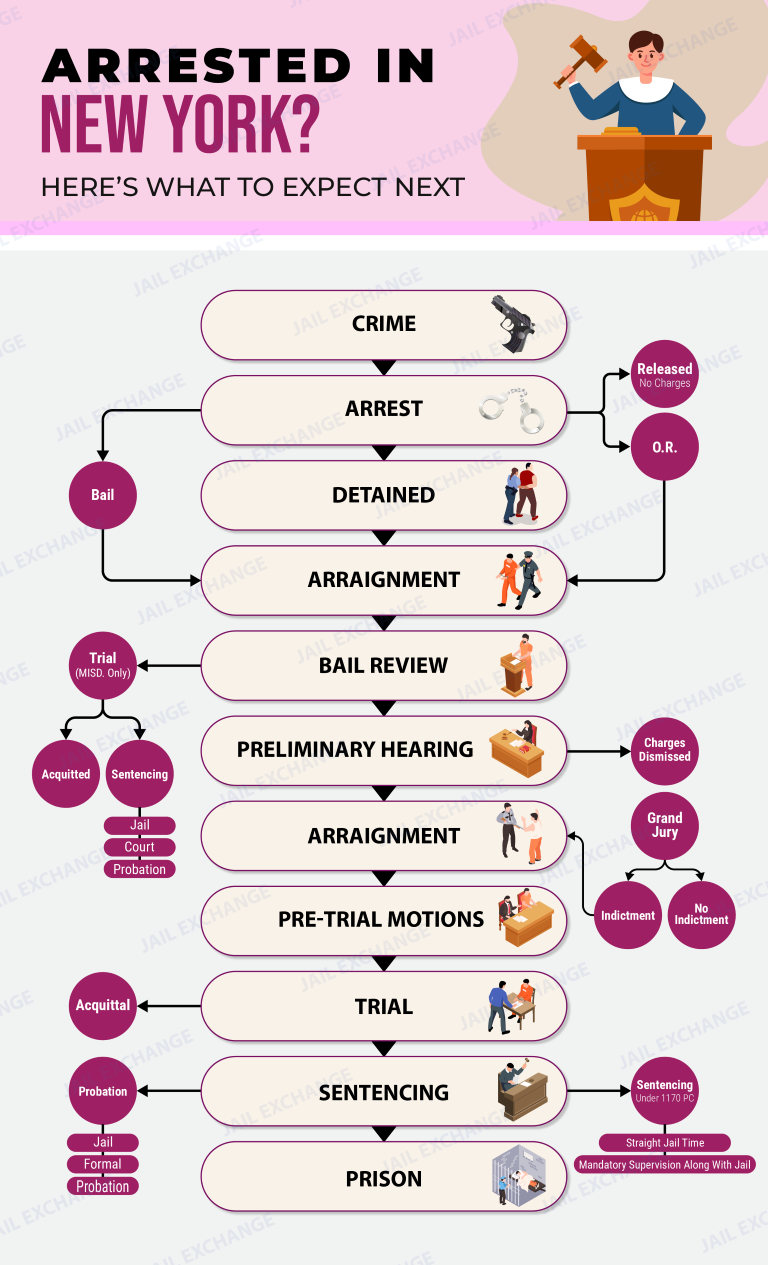

Access Securepak is an authorized correctional commissary care-package program that allows families to purchase customized food, snack, hygiene, apparel, and electronics packages sent directly to an incarcerated loved one. Every package is custom-packed to meet the strict security regulations of the specific jail or state prison.
Important: Delivery Schedules and Package Quotas
Jail package guidelines are not uniform across detention centers. Some facilities permit orders year-round, while others restrict deliveries to quarterly cycles or strict weekly deadlines that you should confirm with the facility directly. If you delay setting up your account, you risk missing the upcoming delivery cutoff, leaving your loved one waiting an extra cycle for fresh food, warm thermals, or personal toiletries.
Step-by-Step Instructions to Register and Access Service
- Visit the official Access Securepak online store at www.accesscatalog.com.
- Select the state and the specific jail or correctional institution from the dropdown menu.
- Enter the inmate's legal last name and inmate ID to verify their active housing and package eligibility.
- Browse the catalog of approved meats, cheeses, ramen soups, cookies, toiletries, and clothing.
- Add items to your cart up to the facility's maximum weight or dollar limit (usually $50 to $125 per order).
- Check out using your debit or credit card and save the order confirmation tracking number.
What the Inmate Needs to Do
The inmate does not need to order anything themselves. Securepak ships the sealed package directly to the correctional facility's commissary warehouse. Jail staff inspect the box and deliver it to the inmate during regular pod commissary distribution, where the inmate signs for the package.
Official Provider: Access Corrections / Keefe Group Official Website
Customer Service Telephone: 1-800-546-6283
Support Hours: Monday – Friday, 8:30 AM – 11:30 PM EST; Saturday, 11:00 AM – 5:00 PM EST
Supported Languages: English and Spanish
Other Services Provided by Access Corrections / Keefe Group
In addition to Access Securepak (Commissary & Gift Packages), Access Corrections / Keefe Group provides several other communication, financial, and visitation services at participating correctional facilities:
- Inmate Trust Money Deposits: Send cash directly to their personal account so they can buy items independently.
• Learn more on our website: Inmate Trust Money Deposits Guide | • Visit official vendor page: Access Corrections / Keefe Group Inmate Trust Money Deposits - Digital Messaging & Photos: Send fast electronic letters and digital pictures to their tablet.
• Learn more on our website: Digital Messaging & Photos Guide | • Visit official vendor page: Access Corrections / Keefe Group Digital Messaging & Photos
Buy Commissary for an Inmate in the Putnam County Correctional Facility
Putnam County Correctional Facility Inmate Commissary - Sending Money or Purchasing Commissary for an Inmate
Putnam County Correctional Facility allows inmates to purchase commissary. Ask the jail what its commissary sells; snacks and hygiene items are common.
You can buy commissary for an inmate using an online service called Access Securepak.

Call the facility at 845-225-4300 to ask whether there is a limit on how much an inmate can spend on commissary.
Access Securepak's site shows whether friends and family can order commissary for an inmate at this jail.
Scroll down for information on the Putnam County Correctional Facility's service they use for you being able to purchase commissary items online and have them shipped directly to the inmate.
You can also go to our Inmate Money page for information on how to send money to an inmate.
Access Secure Deposits (Smart Deposit) allows families and friends to securely transfer money directly into an incarcerated person's jail trust account using a debit or credit card. Deposited funds become immediately available for your loved one to purchase essential hygiene goods, over-the-counter medication, food items, and writing materials from the facility commissary.
Important: Inmate Banking Policies Vary by Facility
Once a person is booked and moved to a cell, facilities do not always allow cash drop-offs or phone payments directly to the jail. Some might and you should confirm this by calling the facility and asking. But if you do not register online and fund your loved one's trust account immediately, they may be forced to wait days or weeks for standard paper processing, leaving them without essential soap, clean undergarments, basic medical sundries or snacks.
Step-by-Step Instructions to Register and Access Service
- Obtain the inmate's legal first and last name, date of birth, and official six- to ten-digit Booking or Inmate ID number.
- Visit the official Access Corrections portal at www.accesscorrections.com or download the Access Corrections mobile app.
- Select the state and the exact detention facility or county jail where the inmate is currently housed.
- Add the inmate as a contact and confirm their identity from the facility roster.
- Enter your debit or credit card billing information, choose your deposit amount, review the facility processing fee, and submit your payment.
- Save and print your transaction confirmation number for verification.
What the Inmate Needs to Do
The inmate does not need internet access to receive your deposit. Once approved, the funds post directly to their facility account balance. The inmate can verify their balance at the dayroom kiosk or on their trust statement and start ordering items on the next designated commissary day.
Official Provider: Access Corrections / Keefe Group Official Website
Customer Service Telephone: 1-866-345-1884
Support Hours: 24/7/365
Supported Languages: English and Spanish
Other Services Provided by Access Corrections / Keefe Group
In addition to Access Secure Deposits (Trust Money), Access Corrections / Keefe Group provides several other communication, financial, and visitation services at participating correctional facilities:
- Digital Messaging & Photos: Send digital letters and pictures straight to the inmate's kiosk or tablet.
• Learn more on our website: Digital Messaging & Photos Guide | • Visit official vendor page: Access Corrections / Keefe Group Digital Messaging & Photos - Commissary Care Packages: Order pre-approved food boxes, thermal clothes, and snack bundles directly to the jail.
• Learn more on our website: Commissary Care Packages Guide | • Visit official vendor page: Access Corrections / Keefe Group Commissary Care Packages
Deposit Money for an Inmate in the Putnam County Correctional Facility
In Carmel, the Putnam County Correctional Facility sits at 3 County Center, and the place to start when funding a commissary account there is an online deposit service.
- Web deposit by card: use Access Corrections.
- Phone deposit: dial 1-866-345-1884.
- Anything at the building or through the mail: the jail keeps quiet in public about a lobby kiosk, about money orders, and about the payee a money order would need. Put those questions to the facility at 845-225-4300, with the inmate's name and date of birth close at hand.
The Putnam County Correctional Facility is the Sheriff's jail at 3 County Center in Carmel. Letters from family, papers from a lawyer and anything a publisher ships all use the same address. Start with the full name the person was booked under.
Letters, legal papers and publications:
Putnam County Correctional Facility
3 County Center
Carmel, NY 10512
- Your address: Show your full name and mailing address at the upper left of the envelope. Mail without it will likely not reach the person and may be destroyed.
- Magazines and newspapers: News, special-interest and sports titles are fine when the publisher mails them. Titles with profanity, weapons, pornography or adult content get taken and are never delivered.
- Books: These must come straight from a publisher or a store. Staff dispose of any book that is very violent, pornographic or obscene.
- Packages: Only through the vendor listed on the jail's commissary page.
- Stamps: You can't send them. Inmates buy stamps through commissary, and those with no money get two or three each week.
- Writing tips: Write every letter to the Carmel jail in blue or black pen. Leave off felt markers, crayons, colored ink, lipstick, perfume, drawings, glitter and confetti. A greeting card for someone in Putnam's jail must be plain and play no music.
- Who may not write: Co-defendants, other inmates here or elsewhere, and anyone under a no-contact order.
- Read by staff: All mail is inspected, so assume every word is read. Drugs, weapons or other illegal items go to the Sheriff or District Attorney, and the jail has a zero-tolerance policy.
Staff in Carmel pass out letters Monday through Friday. You can also send money online or use electronic messages.
ViaPath AdvancePay Phone Calling Accounts
Provider: ViaPath Technologies • Formerly ConnectNetwork / Global Tel*Link (GTL)
AdvancePay is the primary prepaid telecommunications service operated by Global Tel*Link (GTL) and ConnectNetwork, which have unified under the corporate identity of ViaPath Technologies (and the myViaPath platform). By funding an AdvancePay account, telephone charges are deducted per minute whenever an incarcerated loved one calls your specific telephone number, preventing calls from being rejected by cellular carriers.
Important: Cell Carriers Automatically Block Jail Collect Calls
Inmate telephone networks do not permit incoming calls, and wireless cell providers automatically block traditional collect billing by default. While select traditional landlines may support operator billing, cell phones and internet-based lines require an active AdvancePay balance, which you can verify with your carrier. If you do not register your number online and add funds immediately, your loved one will hear an automated operator announcement stating your line is blocked from receiving correctional calls.
Step-by-Step Instructions to Open and Fund AdvancePay
- Visit web.connectnetwork.com or the updated my.viapath.com portal, or launch the ConnectNetwork / ViaPath mobile application.
- Click Sign Up and register using your primary 10-digit cellphone number and email address.
- Select Add Facility, pick your state, and choose the detention center or state prison where the inmate is held.
- Search for the inmate using their full legal name or facility booking ID number and link them to your contact directory.
- Select AdvancePay Phone and choose your deposit amount ($25, $50, or custom).
- Enter your debit or credit card billing details, accept the administrative transaction fee, and complete the payment.
- Check your phone settings to confirm that automated or unknown correctional numbers are not routed straight to spam.
What the Inmate Needs to Do
The inmate approaches any housing pod telephone, enters their assigned PIN and voice biometric recognition phrase, and dials your 10-digit number. ViaPath's automated operator confirms your active prepaid balance and connects the call. All personal telephone calls are subject to recording and monitoring by facility investigators.
Official Providers: ConnectNetwork Portal | myViaPath Portal
Customer Service Telephone: 1-877-650-4249 (Automated & Live Support)
Support Hours: Automated Service 24/7; Live Operators Monday – Friday, 8:00 AM – 10:00 PM EST
Supported Languages: English and Spanish
Other Services Provided by ViaPath Technologies (ConnectNetwork)
In addition to AdvancePay Phone Calling, ViaPath / ConnectNetwork provides several other communication, financial, and visitation services:
- ConnectNetwork Trust Fund Deposits: Transfer money directly into an inmate's jail trust account for commissary store purchases.
• Learn more on our website: Inmate Trust Deposits Guide | • Visit official vendor page: ConnectNetwork Trust Deposits - ViaPath PIN Debit Phone Calling: Give the inmate their own calling funds to contact any approved phone number independently.
• Learn more on our website: PIN Debit Phone Calling Guide | • Visit official vendor page: ViaPath PIN Debit Calling - ViaPath Messaging & Photo Sharing: Send digital messages, photos, and video attachments directly to their terminal.
• Learn more on our website: Digital Messaging Guide | • Visit official vendor page: ViaPath Messaging Services - GettingOut Video Visitation & Tablets: Schedule face-to-face remote video visits and manage handheld tablet communications.
• Learn more on our website: Remote Video Visitation Guide | • Visit official vendor page: GettingOut Video Visits
ViaPath PIN Debit Phone Calling Accounts
Provider: ViaPath Technologies • Formerly ConnectNetwork / Global Tel*Link (GTL)ViaPath PIN Debit (hosted on ConnectNetwork and myViaPath) provides incarcerated individuals with their own calling funds. Unlike AdvancePay (which only funds calls placed to your specific phone number), PIN Debit funds belong directly to the inmate, allowing them to call attorneys, bondsmen, employers, or extended family members across multiple approved telephone numbers.
Important: AdvancePay Only Funds a Single Phone Number
When someone is arrested, they often need to contact multiple people—including legal defense counsel, bail agents, employers, and relatives. If you only fund an AdvancePay account, your loved one will have no calling balance to dial anyone else, as rules and call authorizations vary by facility. Adding funds directly to ViaPath PIN Debit grants them the calling flexibility needed to handle critical legal and family arrangements without delay.
Step-by-Step Instructions to Fund a PIN Debit Account
- Sign into your account at web.connectnetwork.com or my.viapath.com.
- Click on PIN Debit under the communications menu.
- Select the state and facility, and link the inmate's booking identification number.
- Enter the deposit dollar amount and review the payment transaction fee.
- Enter your debit or credit card details and submit the payment.
- Notify your loved one that their personal PIN calling balance has been credited.
What the Inmate Needs to Do
The calling balance appears under the inmate's personal identification PIN. When they pick up any dayroom telephone or tablet, they select the 'PIN Debit' prompt from the automated menu to place calls to any approved number on their personal contact list.
Official Providers: ConnectNetwork Portal | myViaPath Portal
Customer Service Telephone: 1-877-650-4249
Support Hours: Automated Deposits 24/7/365; Live Agents Monday – Friday, 8:00 AM – 10:00 PM EST
Supported Languages: English and Spanish
Other Services Provided by ViaPath Technologies (ConnectNetwork)
In addition to PIN Debit Calling, ViaPath / ConnectNetwork provides several other communication, financial, and visitation services:
- AdvancePay Dedicated Phone Calling: Fund calls placed specifically to your personal phone number.
• Learn more on our website: AdvancePay Calling Guide | • Visit official vendor page: ConnectNetwork AdvancePay - ConnectNetwork Trust Fund Deposits: Deposit money for commissary food, hygiene supplies, and stationery.
• Learn more on our website: Inmate Trust Deposits Guide | • Visit official vendor page: ConnectNetwork Trust Deposits - ViaPath Messaging & Photo Sharing: Send digital messages and photos directly to their kiosk or tablet.
• Learn more on our website: Digital Messaging Guide | • Visit official vendor page: ViaPath Messaging Services - GettingOut Video Visitation & Tablets: Schedule face-to-face remote video visits from home.
• Learn more on our website: Remote Video Visitation Guide | • Visit official vendor page: GettingOut Video Visits
GettingOut / ViaPath Inmate Messaging
Provider: GettingOut (Telmate) • Rebranding as ViaPath Technologies (myViaPath)GettingOut (a service of Global Tel*Link / Telmate) provides an instant two-way digital messaging and photo-sharing platform connecting families with incarcerated individuals via housing-unit kiosks and handheld tablets. The provider is actively rebranding as ViaPath Technologies (under the myViaPath platform); depending on the facility contract, local booking sheets and tablets may still refer to the service as GettingOut, GTL, or ViaPath, but both brand portals grant access to the same centralized messaging balance.
Important: Contact Authorization and Digital Mail Rules Vary
Inmate digital messaging rules are not uniform across all county detention centers. While some jails allow immediate two-way messaging upon registration, others require initial contact invitations or administrative ID verification, which you should verify directly with the facility. If you delay setting up an online profile and funding your Friends & Family messaging account, your loved one may face lengthy periods without direct family communication.
Step-by-Step Instructions to Register and Message an Inmate
- Visit www.gettingout.com or the newly branded my.viapath.com portal, or install the GettingOut / myViaPath mobile app.
- Create a user profile using your primary email address and 10-digit mobile phone number.
- Complete identity verification by uploading a clear photo of your government-issued driver's license or state ID and taking a verification selfie if requested.
- Search for the inmate by selecting the state, correctional facility, and their legal name or booking ID.
- Send an outside contact connection request to link your account to their tablet profile.
- Deposit funds into your 'Friends & Family Account' using a debit or credit card to cover message and photo-sharing costs.
- Compose your text message in the chat box, attach approved photos, and submit it for jail screening.
What the Inmate Needs to Do
The inmate powers on their assigned pod tablet or approaches a housing-unit kiosk and logs into the messaging application with their PIN. They accept your incoming contact invitation on the screen. Once approved by institutional monitors, incoming messages appear in their inbox, and the inmate types a reply directly on the screen.
Official Providers: GettingOut Website | myViaPath Portal
Customer Service Telephone: 1-866-516-0115 (GettingOut Support) • 1-877-650-4249 (ViaPath Support)
Support Hours: Monday – Friday, 7:00 AM – 11:00 PM CST; Saturday – Sunday, 8:00 AM – 7:00 PM CST
Supported Languages: English and Spanish
Other Services Provided by GettingOut / ViaPath
In addition to Two-Way Text Messaging, GettingOut and ViaPath provide several other communications and visitation options:
- Remote Video Visits: Schedule and join live web-based video visits from your computer or smartphone.
• Learn more on our website: Video Visitation Guide | • Visit official vendor page: GettingOut Video Visits - Inmate Tablet Rentals & Media: Fund tablet entertainment, music streaming, games, and news modules.
• Learn more on our website: Tablet Rentals & Content Guide | • Visit official vendor page: GettingOut Tablets - AdvancePay Phone Calling: Prepay for telephone calls so your loved one can dial your mobile phone directly.
• Learn more on our website: AdvancePay Phone Calling Guide | • Visit official vendor page: ViaPath ConnectNetwork Calling - Inmate Trust Deposits: Transfer funds directly into their jail trust account for commissary store purchases.
• Learn more on our website: Inmate Trust Deposits Guide | • Visit official vendor page: ViaPath Trust Deposits
GettingOut / ViaPath Inmate Tablets & Media
Provider: GettingOut (Telmate) • Rebranding as ViaPath Technologies (myViaPath)GettingOut provides specialized, secure handheld tablets for county jail inmates, offering access to messaging apps, telephone calling, legal research tools, eBooks, vocational training, and premium entertainment rentals. As part of GTL and Telmate's transition to ViaPath Technologies, tablet firmware and management platforms are moving to the myViaPath system.
Important: Tablet Feature Availability Varies by Facility
Jails manage tablet distribution according to individual facility contracts. While basic educational and legal materials are often provided without cost, access to music streaming, games, podcasts, and premium movies requires an active funded account. You should confirm the tablet rules with the facility directly. Registering and funding their media balance right away ensures your loved one has productive resources and recreation during their stay.
Step-by-Step Instructions to Fund Inmate Tablet Services
- Confirm that GettingOut / ViaPath handheld tablets are active at your loved one's specific detention facility.
- Navigate to www.gettingout.com or my.viapath.com.
- Sign into your verified user profile and link the inmate's legal name and booking ID number.
- Select Make a Deposit and choose either your Friends & Family Account (for messaging) or the inmate's personal Inmate Account (for entertainment and song rentals).
- Choose your deposit amount, review convenience fees, and complete payment with a credit or debit card.
- Notify your loved one that their tablet account balance has been funded.
What the Inmate Needs to Do
The inmate unlocks their assigned tablet or signs one out from the pod charging station using their biometric verification or PIN. Once logged in, their available balance appears on the screen, allowing them to download songs, stream educational content, and communicate with approved family members.
Official Providers: GettingOut Website | myViaPath Portal
Customer Service Telephone: 1-866-516-0115 (GettingOut) • 1-877-650-4249 (ViaPath)
Support Hours: Monday – Friday, 7:00 AM – 11:00 PM CST; Saturday – Sunday, 8:00 AM – 7:00 PM CST
Supported Languages: English and Spanish
Other Services Provided by GettingOut / ViaPath
In addition to Tablet Media & Rentals, GettingOut and ViaPath provide several other communication and account services:
- Two-Way Text Messaging: Send electronic letters and photos straight to the inmate's screen.
• Learn more on our website: Two-Way Text Messaging Guide | • Visit official vendor page: GettingOut Messaging - Remote Video Visits: Meet face-to-face over secure live video from home.
• Learn more on our website: Video Visitation Guide | • Visit official vendor page: GettingOut Video Visits - AdvancePay Phone Calling: Prepay for phone calling credits so your loved one can call your telephone directly.
• Learn more on our website: AdvancePay Phone Calling Guide | • Visit official vendor page: ViaPath ConnectNetwork Calling - Inmate Trust Deposits: Transfer cash directly into an inmate's jail ledger for commissary purchases.
• Learn more on our website: Inmate Trust Deposits Guide | • Visit official vendor page: ViaPath Trust Deposits
Putnam County Juvenile Facilities
- Jail (Main): 845-225-4300
- Sheriff: 845-225-4300
The Putnam County Correctional Facility serves the following cities and towns of Putnam County: Brewster, Carmel, Cold Spring, Kent, Patterson, Philipstown, Putnam Valley and Southeast.