
Multnomah County Detention Center
Multnomah County Detention Center
Jail Phone Number
503-988-3689Multnomah County Inmate Search: Locating Someone in MCDC or Inverness Jail
Adults arrested anywhere in the county go through booking downtown at the Detention Center (MCDC), 1120 SW Third Avenue, Portland, OR 97204. Lower-risk people and jail workers live in the open dorms of Inverness Jail, 11540 NE Inverness Drive, Portland, OR 97220. Both jails hold men and women. The answers below cover searching, visits, money, mail, calls, warrants and every police agency in the area.
Start with Find an adult in custody, the Sheriff's lookup. Type the last and first name the way the person was booked. Note the person's SWIS ID number, or ask staff for it, because mail and money need it.
If the name does not appear, call the jail at 503-988-3689. Ask whether the person was booked, where they are housed and when court is. Our release and bail guide explains how to get them out.
Read inmate search answers
 Read inmate search answers
1. What steps find someone on the Multnomah County roster?
The Sheriff's Office runs one lookup for both adult jails. The District Attorney's office calls it a searchable list of people in jail in the county. Follow these steps:
- Open the Find an adult in custody search.
- Type the person's last name and first name. Try a shorter spelling if nothing shows.
- Copy the SWIS ID number if the record shows it. That is the jail's own number for the person.
- Keep the SWIS ID with your notes. You will need it to send mail, add money or set up a video visit.
The jail system is large. It is budgeted for 1,130 beds, and MCDC alone booked 19,396 people in the 2025 budget year. With that many people coming and going, a fresh arrest can take a while to appear. Staff at 503-988-3689 can confirm what the lookup shows.
↑ Back to the question list2. What could explain an empty search result?
An empty result is not proof of release. Think through these common reasons:
- Still being booked. Booking takes time. Wait a few hours and search again.
- A different spelling. The record uses the legal name given at booking. Try a middle name, a nickname spelling or a former last name.
- Already out. MCDC released 19,539 people in the 2025 budget year.
- Held by another county. Arrests near a county border can end up in a Washington, Clackamas or Columbia County jail.
- Under 18. Youth go to juvenile detention, which the adult lookup does not cover.
- A federal hold. Federal prisoners may sit in a jail outside the county.
Call the Detention Center at 503-988-3689 and spell the full name; have the birth date ready. For an arrest by deputies, the Sheriff's Law Enforcement Records Unit at 234 SW Kendall Court, Troutdale, OR 97060, 503-988-7300, can help.
↑ Back to the question list3. Which Multnomah County jail could be holding them?
The Sheriff's Office runs two adult jails, and the county runs one youth center:
- MCDC, 1120 SW Third Avenue, Portland, OR 97204, 503-988-3689. All booking and release happens here, in the Justice Center. It has 448 maximum-security beds plus an 18-bed booking area.
- Inverness Jail, 11540 NE Inverness Drive, Portland, OR 97220, 503-988-5060. This lower-security jail near the airport has about 1,037 dorm beds for low- and medium-risk people, plus those who work jobs inside the jail. Nobody is booked here.
- Donald E. Long Juvenile Detention Center, 1401 NE 68th Ave, Portland, OR 97213, 503-988-3460. For youth only.
Neighbor jails to call if the arrest was close to the edge of the county:
- Washington County Jail, 215 SW Adams Ave, Hillsboro, OR 97123, 503-846-2600 (24 hours)
- Clackamas County Jail, 2206 Kaen Road, Oregon City, OR 97045, 503-722-6777
- Columbia County Jail, 901 Port Ave, St. Helens, OR 97051, 503-366-4630
When the jail is too full, a county plan lets the Sheriff release some people early at 95 percent of capacity, based on risk (ORS 169.042-169.046). Their court date does not change.
↑ Back to the question list4. Are mugshots or booking photos ever shared?
Oregon keeps booking photos tightly held. Since HB 3273 (2021), police and jails generally may not hand out a mugshot. They can share one with the person in it, a victim, a party in the case, or the public when police have a reason, like tracking down a fugitive. A conviction from that arrest also opens the photo to release. The Sheriff's own policy follows that state law.
- Plan on finding the person by name and SWIS ID, not by a picture.
- Reporters can ask the Sheriff's Office at 503-988-4300.
- For an ICE photo, file a request for ICE records.
- Federal booking photos generally stay private, though the Marshals sometimes release one to find a fugitive.
The same law gives paid mugshot websites 30 days to remove a photo once asked, and they may charge $50 at most. If the case was dismissed or set aside, removal is due within seven days at no charge.
↑ Back to the question list5. Will anyone notify me of a release or move?
Yes. The Sheriff's Office uses VISOR, Oregon's version of VINE, which took over from VINELink on October 30, 2023. It is a free service of the Oregon Department of Corrections.
- It shows custody status in county jails and state prisons, so families can use it as a second search.
- A phone call, text or email tells you when the person leaves custody, changes facilities, escapes or dies.
- Signing up works with or without an account, and the person being tracked never learns of it.
- Help is available around the clock at 855-691-6246.
Victims of domestic violence can also use the DA's custody information page, which links a release notice form. Never count on an alert alone for your safety. Call 911 in an emergency.
↑ Back to the question list6. Does release in Multnomah County take money?
Oregon uses security release, the state's word for bail, and it has no bail bond companies. Many people with low-level, nonviolent charges are let go on a promise to return under the Presiding Judge's standing order. Others stay until arraignment. The deadline for that hearing is 36 hours, and Saturdays, Sundays and court holidays don't run that clock (ORS 135.010).
- If security is set, posting 10 percent of it, $25 at least, usually gets the person out (ORS 135.265).
- Pay in person at the Justice Center lobby at any hour, at the Inverness Jail lobby from 7 a.m. to 3 p.m., or online through TouchPay Online with MCSO Facility #297204.
- Only cash and credit cards are taken.
- The Sheriff never calls to demand payment for a release. Treat such calls as scams.
Ask the bail line at 503-988-3689 about the amount and any holds. Our bail and release page goes through refunds, holds and denial of release in full.
↑ Back to the question list7. Where are the charges listed?
Charges come into focus in stages. Police list the booking charges. Next, the District Attorney's office decides on the formal charges, and the judge reads those charges at arraignment.
- Call the jail at 503-988-3689 and ask for the booking charges.
- Watch the DA's Court Appearance List, a PDF posted by 5:00 p.m. each day.
- After the DA files, look the person up by name on OJD Records and Calendar Search, which is free.
- Call court Records at 971-274-0570 for case facts.
Expect changes: prosecutors can add counts, drop some or reduce them before the first hearing, so rely on the court record.
↑ Back to the question list8. Who supplies a lawyer to someone behind bars?
A defense lawyer is waiting in the arraignment courtroom, and the person can ask for an appointed lawyer there. They complete a sworn form about their money, and a court screener reviews it. A $20 fee usually applies, though the court may waive it. Being broke never means facing court alone.
- Metropolitan Public Defender, Multnomah Defenders Inc. and other offices take appointed cases.
- Under a federal order called Betschart, a person held in jail for a week after the first hearing, still unrepresented, generally must be released on conditions. The case continues.
- For a private lawyer, the Oregon State Bar runs a referral line at 503-684-3763.
- On a federal charge, the Federal Public Defender, 101 SW Main, Suite 1700, Portland, OR 97204, 503-326-2123, often steps in.
The person in custody makes the request in court. A relative can't sign up for them.
↑ Back to the question list9. What are the Multnomah County jail visiting rules?
Both jails offer in-person and video visits. Call 503-988-3689 before you leave home, because weekend staffing may affect social visits.
- Who may come: only people on the person's visitor list, children included. Up to 3 visitors at a time, and children count.
- What to bring: a current government photo ID for each adult. Minors need a parent, guardian or approved adult with proof, such as a birth certificate.
- How it works: arrive 30 to 60 minutes early, fill out a service request form for each visitor at the window, and wait. Visits are first come, first served and last up to 30 minutes.
- Dress code: chest, groin and buttocks covered, no hats or hoods, no gang or drug images, and closed-toe shoes for contact visits.
MCDC social visits: Tuesday, Wednesday and Thursday at 9:30 a.m.; Saturday at 9:00 a.m., 10:00 a.m., 1:00 p.m., 2:00 p.m. and 4:00 p.m.
Inverness social visits (since September 7, 2026): Monday, Tuesday, Thursday and Friday at 5:00 p.m. and 8:00 p.m.; Saturday at 9:00 a.m., 10:00 a.m., 1:00 p.m. and 2:00 p.m. None on Wednesday or Sunday.
Video visits can be made from home on a Windows or Mac computer with a webcam, or from lobby kiosks at both jails. Book at least 24 hours ahead. Visits are recorded, and the vendor's site lists prices. For kiosk visits, check in at the security desk 15 minutes early with photo ID. More tips are on our visiting guide.
↑ Back to the question list10. Which deposit options reach their jail account?
Deposits need the person's SWIS ID and the pay location code 297204. Every deposit carries a processing fee. Choose one of these ways:
- Lobby kiosks at the Justice Center (open 24 hours), the Inverness Jail lobby, and the fourth floor of the downtown courthouse, 1200 SW 1st Ave, Portland, OR 97204. They take cash, debit or credit cards.
- Online or by phone at 866-232-1899.
- By mail, only government, transfer or payroll checks, sent to the MCSO Fiscal Unit, 501 SE Hawthorne Blvd., Suite 350, Portland, OR 97214.
Cash, personal checks, cashier's checks and money orders sent by mail come back with the whole letter. The person can also send money out. They fill out a form, and staff issue a check, at most two times in 30 days and up to $500 each time. The person picking it up shows a government ID. See our guide to account deposits and our commissary page for what the money can buy.
↑ Back to the question list11. Are phone calls, texts and email allowed?
People in custody make outgoing calls only. Nobody outside can phone in to them.
- Calls to numbers on the jail's toll-free list cost nothing. Other calls are collect.
- The county budget pays for two free calls a week for each adult in custody.
- Calls last up to 15 minutes, are recorded, and can't be three-way calls.
- To stop calls from the jail, press 6 when one comes in.
- The phone provider's line is 800-844-6591.
At Inverness, phones run weekdays 8 to 11 a.m., 1 to 3 p.m., 4 to 6 p.m. and 8 to 11 p.m., and weekends 8 to 11 a.m. and 1 to 7 p.m. Ask the jail about messaging and email options. Our jail phone guide and jail email guide cover how these services usually work.
↑ Back to the question list12. Where do letters go, and what can be inside?
All personal mail goes to one address, whichever jail the person is in. Write it like this:
INMATE MAIL
Full booked name and SWIS ID
11540 NE Inverness Drive, Portland, OR 97220
- Use the first and last name the person was booked under.
- A return address is required. Mail without one is not delivered.
- Every letter is opened and checked.
- Never send cash, checks, stamps, sexual images or anything hard to search.
- Legal mail must say "LEGAL MAIL" on the address side. It is opened in front of the person.
- Only a publisher or an approved store may send books and magazines. No hardbacks or spiral books, nothing over 9 by 13 by 3 inches, and four items at a time.
Personal mail has to come by post; lobby officers can't accept it. Our jail mail guide has more tips.
↑ Back to the question list13. Who can collect their belongings, and where?
Belongings taken at booking are stored for the person. To release them to family, the person in custody must fill out a request form first. All of the property goes out together.
- Pick up at the security desk at MCDC, 1120 SW 3rd Ave, Portland, OR 97204, with a government photo ID.
- Pickup hours are weekdays 10:00 a.m. to 2:30 p.m. or 3:00 to 10:30 p.m., and weekends 7:30 a.m. to 2:30 p.m. or 3:00 to 10:30 p.m.
- Eyeglasses are the only item usually accepted from outside. Drop them off at either jail with your ID and mailing address.
- One shirt and one pair of pants can be swapped in after the person sends a form. Drop-off is at the same MCDC desk.
- Clothes for court go to the defense lawyer, arranged ahead of time.
Questions go to 503-988-3689.
↑ Back to the question list14. Will the jail treat an injury or illness?
County Corrections Health staff screen each person at booking and work with the Sheriff's Office on medical and mental health care in the jails. Oregon law requires jails to provide emergency medical and dental care (ORS 169.076). A jail may charge a health fee only if it gives needed care to everyone, money or no money (ORS 169.150).
- A jail may not accept someone who is unconscious (ORS 169.105).
- Call the jail at 503-988-3689 to report a known illness or needed medicine.
- Tell the defense lawyer as well, who can bring it up in court.
Oregon jails are inspected under state law, and many also take part in a voluntary Oregon Jail Standards review.
↑ Back to the question list15. Is a warrant out, and what resolves it?
Both the Sheriff's Office and city departments arrest people on warrants. The Sheriff's Law Enforcement Records Unit is at 234 SW Kendall Court, Troutdale, OR 97060, 503-988-7300. For a warrant check, phone the circuit court at 971-274-0545 and press 5, ready with a case number or a full name and birth date. Metropolitan Public Defender offers a free, private hotline at 503-414-5453. Check the official wanted pages: U.S. Marshals 15 Most Wanted, FBI Portland and Oregon DOC Most Wanted. Get a lawyer before you surrender. You can turn in at the Justice Center, the Troutdale Sheriff's Operation Center or a police precinct, though some are not staffed overnight. The Central Courthouse is 1200 SW 1st Ave, Portland, OR 97204.
↑ Back to the question list16. When and where is the next hearing?
Each hearing ends with the clerk naming the next date. To look it up later, use these:
- Hearings appear in OJD Records and Calendar Search, a free state site. Juvenile cases are left out.
- The circuit court posts calendars and live streams.
- Sign up for text reminders so a date is never missed.
- Call Criminal Operations at 971-274-0545, weekdays 8:30 to 10:30 a.m. or 1:30 to 4:00 p.m.
First hearings for people in jail happen on the third floor of the Justice Center, 1120 SW Third Avenue, Portland, OR 97204. Our court process guide explains each step after that.
↑ Back to the question list17. Who holds a person after a federal arrest?
Federal arrests here are handled by the District of Oregon's federal court in its Portland Division. The Mark O. Hatfield U.S. Courthouse is at 1000 SW Third Avenue, Suite 740, Portland, OR 97204, 503-326-8000.
- Before trial, the U.S. Marshals Service chooses the jail. Call its district office, 1000 SW 3rd Avenue, Room 401, Portland, OR 97204, 503-326-2209.
- Next comes a detention hearing (18 U.S.C. 3142). There a judge decides if the person may wait for trial at home.
- Pretrial housing is a contract jail or the detention center at FCI Sheridan, 27072 Ballston Road, Sheridan, OR 97378, 503-843-4442.
- After sentencing, search the Federal Bureau of Prisons inmate locator by name or BOP register number.
The Federal Public Defender, 101 SW Main, Suite 1700, Portland, OR 97204, 503-326-2123, defends many people charged in federal court.
↑ Back to the question list18. What if immigration officers take the person?
Immigration holds follow a set path:
- The process begins with an ICE detainer, Form I-247A, filed with the jail.
- The request seeks to keep the person up to 48 hours after they would otherwise be released (8 CFR 287.7(d)).
- Oregon limits that. Its sanctuary laws (ORS 181A.820-181A.829; HB 3265, 2021) bar Oregon officers and jails from honoring any immigration request that lacks a judge's signature. In practice, a detainer by itself generally can't keep someone in a county jail here, and the jail won't pass release times to ICE for enforcement.
- Should ICE take custody anyway, use the ICE Online Detainee Locator. The A-number works best; lacking that, type the name and country of birth.
- Call the ICE office in Portland, 4310 S Macadam Ave, Suite 300, Portland, OR 97239, 503-326-4165, weekdays 9 a.m. to 4 p.m. It reports to the Seattle Field Office, 12500 Tukwila International Boulevard, Seattle, WA 98168, 206-277-2000.
The Sheriff's Office posts immigration questions and answers in seven languages on its law enforcement page.
↑ Back to the question list19. How can I track someone moved to an Oregon prison?
Use the Oregon Offender Search, run by the Oregon Department of Corrections. Search by name. DOC says the results are a public service, not an official record.
- New prisoners first go through intake, which takes about 30 days. Personal visits are not allowed then, but calls and letters are.
- Letters during intake go to 24499 SW Grahams Ferry Road, Wilsonville, OR 97070, with the person's SID number.
- Questions go to DOC at 503-945-9090.
- Our Oregon state prisons guide lists each Oregon prison.
20. What if the person under 18 is in Multnomah County custody?
Youth are held in the Donald E. Long Juvenile Detention Center, 1401 NE 68th Ave, Portland, OR 97213. The adult lookup leaves them out, so call 503-988-3460.
- Visits are 30 minutes, seven days a week, from 9:00 to 11:30 a.m. and 1:30 to 5:00 p.m. Monday through Thursday add 6:30 to 8:00 p.m. They can be in person or virtual, set up ahead of time.
- Send letters by regular mail with the youth's name, in care of the center. Ask staff the exact format.
- Youth keep going to school inside, through the Multnomah Education Service District.
- Juvenile court sits in the same complex, 971-274-0800.
Youth committed to state custody end up with the Oregon Youth Authority, which runs five youth correctional facilities.
↑ Back to the question list21. Which Multnomah County police agency handled the arrest?
Knowing the agency helps when you need a police report or items taken during the arrest. One non-emergency number, 503-823-3333, reaches police dispatch across most of the county. Call 911 for emergencies.
Portland (about 640,623 people citywide, PSU estimate, July 1, 2025):
- Police Bureau (PPB) Central Precinct, in the Justice Center lobby, 1111 SW 2nd Ave., Portland, OR 97204, 503-823-0097, open 24/7
- East Precinct, 737 SE 106th Ave., Portland, OR 97216, 503-823-4800
- North Precinct, 449 NE Emerson, Portland, OR 97211, 503-823-5700
Gresham (115,739 people):
- Gresham Police Department, 1333 NW Eastman Parkway, Gresham, OR 97030, 503-618-2318, weekdays 8 to 4 with a noon hour closure
- Rockwood Public Safety Facility, 675 NE 181st Ave., Portland, OR 97230, 503-618-2041
Sheriff's Office towns and rural areas. Deputies patrol Troutdale (16,484 people), Fairview (11,046), Wood Village (5,220) and Maywood Park (830) under contract, plus unincorporated land from Sauvie Island to the Columbia River Gorge. The patrol base is the Troutdale Sheriff's Operation Center, 234 SW Kendall Court, Troutdale, OR 97060. The main office is at 501 SE Hawthorne Blvd, Suite 350, Portland, OR 97214, 503-988-4300. Its Transit Police and River Patrol units also make arrests.
Towns split with other counties.
- Lake Oswego Police, non-emergency dispatch at 380 A Avenue, Lake Oswego, OR 97034, 503-635-0238
- Milwaukie: ask the Sheriff's Office which department handled it
Other agencies.
- Oregon State Police: dial *OSP (*677) from a cell phone, or the Northern Command Center at 800-442-0776. The nearest patrol office is 8085 SE Deer Creek Lane, Milwaukie, OR 97222, 503-731-3020.
- Port of Portland Police at the airport, reached through the Port's 24-hour line at 7240 NE Airport Way, Portland, OR 97218, 503-460-4000
- PSU Campus Public Safety Office, staffed 24/7, non-emergency 503-725-4407
- FBI field office, 9109 NE Cascades Parkway, Portland, OR 97220, 503-224-4181, for federal arrests
Multnomah County Bail and Release
Arrests anywhere in the county lead to booking at the Multnomah County Detention Center (MCDC), 1120 SW Third Avenue, Portland, OR 97204, a maximum-security jail for high-risk people. Lower-risk people and jail workers sleep in the open dorms of Inverness Jail, 11540 NE Inverness Drive, Portland, OR 97220. Both hold men and women. Oregon calls bail "security release," and it has no bail bondsmen. This page shows who decides release, what the deposit costs, where to pay it and what can still hold someone.
First make sure the person is still inside. The Sheriff's Find an adult in custody lookup searches by name. Our Inmates in Custody page centers on custody: current bookings, active warrants, the charges, mugshot limits, appointed lawyers and property pickup.
Call the jail's bail line at 503-988-3689 now. Ask whether a judge has set security, what the 10 percent deposit comes to, and if any hold will block release. Our criminal court guide then walks you through the case itself.
1. After a Multnomah County arrest, who decides on release?
Two steps happen. Soon after booking, recognizance officers from the county's Department of Community Justice check the charge against the Presiding Judge's standing release order. They follow that order to the letter and use no personal judgment. Many people with low-level charges go home on a promise to come back. Others must wait for a judge.
A release assistance officer may also talk with the person in jail. That talk is voluntary, and the officer reports to the judge (ORS 135.235). For some crimes the officer also reaches out to the named victim.
The judge decides at arraignment, the first court hearing. For someone in jail it must happen within 36 hours, counting weekdays only and leaving out holidays (ORS 135.010). Arraignments take place in the third-floor courtrooms of the Justice Center, 1120 SW Third Avenue, Floor 3, Portland, OR 97204, 971-274-0750.
- Courtroom JC3 hears Class A and B felonies on weekdays at 9:00 a.m. and 2:00 p.m.
- Courtroom JC4 hears Class C felonies and misdemeanors for people still in jail.
- Courtroom JC1 hears misdemeanor cases for people who are already out.
A judge who holds off on deciding must hold the release hearing within 48 hours of arraignment, with five days as the outer limit (ORS 135.245).
↑ Back to the question list2. Which forms of release does Oregon allow?
Oregon starts from release on a promise to return. A judge adds rules or money only when they are needed, and must pick the least strict option that will still keep victims and neighbors from harm (ORS 135.245). The choices used in this county are:
- Own recognizance. A signed pledge to attend each hearing is all it takes to walk out (ORS 135.230).
- Conditional release. No money, but there are rules, such as no contact with someone, no alcohol or staying in the state.
- Security release. A set amount is ordered, and usually a tenth of it gets the person out.
- Pretrial monitoring. The county's Pretrial Services Program keeps track of the person with phone check-ins, office visits or an electronic monitor. Its line is 503-988-5042.
- Held until arraignment. Some charges mean the person stays in jail until the judge sees them.
A judge can mix these. For example, a person may post a deposit and also be told to stay away from a certain home.
↑ Back to the question list3. How much is security on common Multnomah County charges?
The county has no fixed price list. A judge sets an amount for each count, and the court can raise or lower it at any time. What the charge type does decide is whether money comes up at all. Under the Chief Justice's statewide release guidelines (ORS 135.233) and the county's standing release order, cases tend to fall into these groups:
- Released on a promise, no money: property and other nonperson misdemeanors, nonperson Class C felonies, and simple driving while suspended.
- Released with rules: DUII, many Class B felonies, and misdemeanors against a person outside the domestic violence group.
- Held for the judge: domestic violence, sex crimes, Measure 11 crimes, Class A felonies, felony stalking, failure to appear, escape and fleeing police.
- Held by the local order: selling or making fentanyl and big drug deals. Car theft or burglary also means a hold if the person was found guilty of one in the past 3 years.
- Held for missed court dates: since January 1, 2025, five or more missed dates in 3 years, or a missed-court warrant on a pending felony, can mean a hold.
When a judge does name a figure, divide it by ten to get the deposit. The floor is $25 (ORS 135.265). Security of $5,000 means a $500 deposit, and $40,000 means $4,000. For one person's exact amount, phone the court's accounting office at 971-274-0585 between 1:30 and 4:00 p.m. That line takes bail calls only.
↑ Back to the question list4. What happens when you post bail at the Justice Center lobby?
The Justice Center lobby, 1120 SW Third Avenue, Portland, OR 97204, takes bail around the clock, weekends and holidays included. It is the main booking and release jail for the whole county. Follow these steps:
- Call 503-988-3689. Spell out the person's name, then their birth date and the SWIS ID number if the lookup gave you one.
- Ask for the security amount on each count and the total deposit due.
- Ask whether a hold, a second case or a judge's review will stop release even after you pay.
- Bring cash or a credit card, the only two kinds of payment the court allows. Ask staff what ID to carry.
- Read the receipt before you leave. Whoever's name is printed there gets the refund check, mailed to the address it lists.
Release can take a while after you pay, since staff must finish the paperwork. Ask how long the wait may be.
↑ Back to the question list5. Can bail be paid at Inverness Jail, online or at the court?
Yes, two other ways work. The county says only these, plus the Justice Center lobby, are real ways to post bail.
Inverness Jail lobby. The second jail sits at 11540 NE Inverness Drive, Portland, OR 97220. Self-bail there runs daily from 7 a.m. to 3 p.m.
- Call 503-988-5060 to check the hours that day.
- Bring the person's name and SWIS ID and your cash or card.
- Keep the receipt with your other papers.
Online. The Sheriff's Office points to TouchPay Online for self-bail.
- Enter MCSO Facility number 297204 when the site asks for a location.
- Have the person's full name and SWIS ID ready.
- Pay by card and save the confirmation. Bank card fees are never refunded.
The court. The circuit court's own bail page sends people to the Sheriff's Office in the Justice Center to post security. Court staff can answer questions about a deposit already paid at 971-274-0585.
↑ Back to the question list6. Which payments are accepted, and which are turned away?
The court allows cash or credit card only. That leaves out personal checks, cashier's checks and money orders, so leave them at home. A bank's card fee is yours to keep paying and does not come back with the refund.
- Money already in the person's own jail account can be used toward their bail.
- The court may take part of the deposit to pay fines in the case, other Oregon court debts and past-due child support.
- Never mail cash to the jail. Mail with cash or money orders is sent back in full.
Watch out for scams. The Sheriff's Office and the Department of Community Justice never call to ask for payment, never bargain over a release and never sell a "GPS release program." If someone calls with an offer like that, hang up. Check any claim with the county's general line at 503-823-4000.
↑ Back to the question list7. Are there bail bond agents in Oregon?
No. Oregon has no bail bond companies and no bondsmen. A relative or friend hands the deposit to the Sheriff's Office directly. There is no fee to a company and no collateral to sign away. Anyone who asks for money to "buy" a release is not working for the jail or the court.
A family with land or other valuables has one more choice. Instead of the 10 percent cash deposit, the full security can be covered with cash or stocks and bonds. Oregon real estate also works if its value is at least twice the security. The owner must back it up with a sworn statement (ORS 135.265). Ask the Criminal Operations team at 971-274-0545 how to start that process.
↑ Back to the question list8. What holds can outlast a paid deposit?
Each deposit only covers the count it was set on. Before you pay, ask the jail at 503-988-3689 to read every hold on the person. Common holds include:
- An outside warrant. A different county or state can have its own claim on the person, and that court rules on it.
- A probation or parole hold. Adult supervision is run by the Department of Community Justice, West Campus, 421 SW 5th Ave., Portland, OR 97204, 503-988-3747.
- A charge that must see a judge first. Domestic violence and Measure 11 charges are examples.
- A second case. A new charge and an old warrant each need their own release.
- Federal or immigration holds. Ask about these by name when you call.
Release rules can also come with the deposit. If the case is about a bias crime, a sex offense or violence at home, Oregon bars any contact with the victim: no jail calls, no letters, no notes passed by friends (ORS 135.247, 135.250). Families should not carry messages back and forth.
↑ Back to the question list9. When may an Oregon judge deny release?
Oregon's Constitution allows holding someone without release on a charge of treason, murder or aggravated murder when the proof is evident (Or. Const. art. I § 14 and § 43; ORS 135.240). For a violent felony, release can also be denied after a hearing. First the judge has to find that letting the person out puts the victim or others at risk of being hurt or sexually abused.
In this county, the District Attorney asks for that kind of hearing, called preventive detention, as a separate step after arraignment. The office is at 1200 SW 1st Avenue, Suite 5200, Portland, OR 97204, 503-988-3162, open weekdays from 8 a.m. to 5 p.m.
A judge also hears from victims. Oregon gives them a voice in pretrial release decisions (Or. Const. art. I § 43).
↑ Back to the question list10. Can the deposit amount be lowered?
The court can lower, raise or change security whenever the facts change (ORS 135.285). The defense lawyer makes that request, not the family. Families can support it:
- Give the lawyer a clear picture of what you can pay and why the amount is out of reach.
- Collect pay stubs, a lease, or letters showing school or child care.
- Suggest rules that answer the judge's worry, like pretrial monitoring or staying with a relative.
- Keep the case number and next hearing date handy, so the lawyer can act in time.
The Chief Justice's statewide release guidelines (ORS 135.233) say conditions should not hinge on what a person can pay. To learn when a hearing is set, call the court at 971-274-0545. Phones are answered weekdays from 8:30 to 10:30 a.m. and 1:30 to 4:00 p.m.
↑ Back to the question list11. How is a public defender assigned in this county?
The person asks at the first court hearing. A defense lawyer is already in the arraignment courtroom and enters a not-guilty plea. To keep a lawyer, the person fills out an Affidavit of Eligibility, a sworn money form. It is handed in at the third-floor Court Check-In Window inside the Justice Center, 1120 SW Third Avenue, Portland, OR 97204. The window is open weekdays from 8:00 a.m. to 4:00 p.m.
- A court screener reviews the form. Expect a $20 fee in most cases; the court may excuse it.
- A judge may order the person to pay part of the cost later. Being broke does not cost anyone their lawyer.
- Appointed cases here go to law offices such as Metropolitan Public Defender and Multnomah Defenders Inc., under contracts with the Oregon Public Defense Commission (OPDC).
Oregon has too few public defenders. By the last day of 2025, roughly 2,500 Oregonians with open cases still had no appointed lawyer, and close to 160 of them sat in a jail. A federal ruling known as Betschart steps in after 7 days: someone jailed that long past the first hearing without a lawyer generally has to be released with conditions, while the charges stay open.
↑ Back to the question list12. Which Multnomah County courthouses hear criminal cases?
All state criminal cases go to the circuit court for the 4th Judicial District. It works from four buildings. Counters are open weekdays from 8 a.m. to 5 p.m.
- Multnomah County Courthouse (trials and most hearings), 1200 SW 1st Ave, Portland, OR 97204. Criminal Operations: 971-274-0545.
- Justice Center courtrooms (arraignments and probation hearings), 1120 SW Third Avenue, Floor 3, Portland, OR 97204, 971-274-0750.
- East County Courthouse, 18480 SE Stark Street, Portland, OR 97233, 971-274-0700.
- Juvenile Justice Center, 1401 NE 68th Avenue, Portland, OR 97213, 971-274-0800.
- Troutdale Municipal Court (city cases), office at 219 E. Historic Columbia River Highway, Troutdale, OR 97060, 503-674-7236.
- Federal cases: the Hatfield courthouse, 1000 SW Third Avenue, Suite 740, Portland, OR 97204, 503-326-8000.
13. When does the family see the deposit again?
When the case wraps up with no missed hearings, the clerk holds back 15 percent of the deposit, at least $5 and no more than $750. The balance is paid to whoever the receipt lists as the depositor (ORS 135.265). On a $1,000 deposit, $150 is kept and $850 comes back. On a $10,000 deposit, the $750 cap applies, so $9,250 comes back.
- The court mails the check to the address on the bail receipt. To change that address, send the court a written request.
- Fines, fees and other Oregon debts, including child support, can come out of the refund first.
- If a friend paid money into the person's jail account and that money was used for bail, the refund goes to the person who was arrested.
Missing court is costly. The judge can issue a warrant and forfeit the whole security amount, not just the 10 percent (ORS 135.280). On a $10,000 security with $1,000 posted, the person who posted could owe $10,000. There are 30 days to show the absence was not the person's fault. On top of that, skipping court is its own crime. The charge is a Class A misdemeanor, or a Class C felony if the skipped case was itself a felony (ORS 162.195, 162.205). Refund questions go to the court at 971-274-0585.
↑ Back to the question list14. How do they get leftover jail money and property back?
The person gets back any jail account balance when they walk out. Ask staff how that money will be handed over.
For belongings, the person in jail must fill out a release form first. Staff will not start it for you. Pickup is at the Facility Security Officer desk at MCDC, 1120 SW 3rd Ave, Portland, OR 97204. Bring a government photo ID. Desk hours are:
- Monday to Friday, 10:00 a.m. to 2:30 p.m. or 3:00 to 10:30 p.m.
- Saturday and Sunday, 7:30 a.m. to 2:30 p.m. or 3:00 to 10:30 p.m.
Property comes out all together, not piece by piece. Staff will give weather-ready clothes on request at release. Questions go to 503-988-3689. Our jail account money guide covers deposits and refunds in more detail.
↑ Back to the question list15. If a Multnomah County charge is federal, who sets release?
A federal arrest here puts the case before the federal court's Portland Division for the District of Oregon. Hearings happen in the Mark O. Hatfield U.S. Courthouse, 1000 SW Third Avenue, Suite 740, Portland, OR 97204, 503-326-8000, open weekdays from 7:00 a.m. to 5:00 p.m.
- Lawyers argue about jail or release at the first federal hearing, and the judge rules then. A lawyer can ask for a few more days (18 U.S.C. 3142).
- U.S. Pretrial Services meets with the defendant and sends the judge a report. Its office is at 1000 SW Third Avenue, Suite 440, Portland, OR 97204, 503-326-8500.
- Until trial, U.S. Marshals hold the defendant at a contract jail or at the detention center of FCI Sheridan, 27072 Ballston Road, Sheridan, OR 97378, 503-843-4442. Ask the Marshals where: 1000 SW 3rd Avenue, Room 401, Portland, OR 97204, 503-326-2209.
- The Federal Public Defender takes many cases: 101 SW Main, Suite 1700, Portland, OR 97204, 503-326-2123.
Once a federal sentence is given, look the person up on the Federal Bureau of Prisons inmate locator.
↑ Back to the question list16. Will a paid deposit stop an ICE detainer?
No. The deposit covers the state charge and nothing else. An immigration request moves through these steps:
- First, ICE can hand the jail a detainer, written on Form I-247A.
- Its ask: a hold of up to 48 hours after they would otherwise be released (8 CFR 287.7(d)).
- Oregon law changes the next step. Under the state's sanctuary laws (ORS 181A.820-181A.829; HB 3265, 2021), police and jails here may not honor an ICE request that no judge has signed. So Oregon jails generally do not hold a person for ICE on a detainer by itself, and they do not share release details for immigration enforcement.
- ICE may still arrest the person somewhere else. In Oregon, ICE answers to its Seattle Field Office and has a Portland office at 4310 S Macadam Ave, Suite 300, Portland, OR 97239, 503-326-4165, open weekdays from 9 a.m. to 4 p.m.
- Search for a person ICE holds with the ICE Online Detainee Locator, using their name and country of birth.
17. Where is a long Oregon prison sentence served?
After a prison sentence, men and women alike first go to the Coffee Creek Correctional Facility intake center, 24499 SW Grahams Ferry Road, Wilsonville, OR 97070. Intake questions go to 503-570-2259. Testing and sorting take roughly a month. Men then leave for whichever prison DOC picks; women remain at Coffee Creek.
- Follow the person's location on the Oregon Offender Search.
- For general questions, the Oregon Department of Corrections answers at 503-945-9090.
- Our Oregon state prisons page covers each prison.
Probation and post-prison supervision are handled by the county's Department of Community Justice, a separate office from the jail.
↑ Back to the question list18. What if the Multnomah County arrest involves someone under 18?
Youth ages 12 to 17 are taken to youth detention rather than the adult jail. Here that means the Donald E. Long Juvenile Detention Center, 1401 NE 68th Ave, Portland, OR 97213, 503-988-3460. Call that number to confirm the youth is there and to learn the hearing time.
- The county's juvenile department handles the case, and the juvenile court meets in the same complex.
- A judge decides whether the youth goes home to a parent and under what rules.
- Measure 11 cases against youth 15 to 17 used to start in adult court. Under SB 1008 (2019), adult court now takes a judge's order after a waiver hearing.
- The District Attorney's Juvenile Unit is at the Donald E. Long Building, Room 2100, 1401 NE 68th Avenue, Portland, OR 97213, 503-988-3472.
State youth prisons are run by the Oregon Youth Authority.
↑ Back to the question listTo post bail, call (503) 988-3689 for instructions.
Self-bail can be posted through TouchPay Online (MCSO Facility #297204). Bail posted in person is only available at the Multnomah County Justice Center lobby from 8 a.m. to 10 p.m. daily.

Multnomah County Detention Center
(at the Justice Center)
1120 SW Third Ave.
Portland, OR 97204
ON-SITE INMATE VISITATION SOCIAL VISITS SCHEDULE
- All visitors must be present in the jail lobby to sign up.
- You must sign up 30 minutes before visits, although it is recommended to arrive at least 60 minutes ahead of planned visit.
- Visits are not guaranteed.
- Inmates detained at the Detention Center (Justice Center) cannot use Video Visitation at this time.
- 30 minute visits.
- Two visits per week maximum.
- Detention Center Visitation Rules.
| Downtown Detention Center Inmates |
TIME |
| TUESDAY | 9:30AM |
| WEDNESDAY | 9:30AM |
| THURSDAY | 9:30AM |
| SATURDAY | 9:00AM 10:00AM 1:00PM 2:00PM 4:00PM |
ON-SITE REMOTE VIDEO VISITATION - Inverness Jail Lobby Kiosks
Schedule online with Securus at least 24 hours in advance.

- Three visitors per Kiosk
- Arrive at least 15 minutes early
- Kiosk visits are $5.00 each and 20 minutes long.
- All visits must end by the times noted below.
| MONDAY | 9:00 AM - 11:00 AM 1:00 PM - 3:00 PM 4:00 PM - 5:30 PM |
| TUESDAY | 9:00 AM - 11:00 AM 1:00 PM - 3:00 PM 4:00 PM - 5:30 PM |
| WEDNESDAY | 9:00 AM - 11:00 AM 1:00 PM - 3:00 PM 4:00 PM - 5:30 PM |
| THURSDAY | 9:00 AM - 11:00 AM 1:00 PM - 3:00 PM 4:00 PM - 5:30 PM |
| FRIDAY | 9:00 AM - 11:00 AM 1:00 PM - 3:00 PM 4:00 PM - 5:30 PM |
| SATURDAY | 9:00 AM - 11:00 AM 1:00 PM - 3:00 PM 4:00 PM - 5:30 PM |
| SUNDAY | 9:00 AM - 11:00 AM 1:00 PM - 3:00 PM 4:00 PM - 5:30 PM |
PROFESSIONAL VISITING HOURS:
Monday – Friday
8:00 AM – 3:00 PM,
4:00 PM – 10:00 PM
Saturday & Sunday
8:00 AM – 3:00 PM,
4:00 PM – 10:00 PM

Securus Video Connect allows families to conduct scheduled face-to-face video visits with incarcerated loved ones from home. Using a computer with a webcam or the Securus mobile app, visitors can join live video sessions without traveling to the facility or waiting in jail visitor lobbies.
Important: Advance Registration and Visitor Clearance Required
Detention centers do not permit unscheduled or unverified video sessions. Correctional facilities require prospective visitors to submit government-issued photo identification and receive administrative clearance before booking an appointment, an approval process that can take up to 48 hours depending on facility staffing. You should verify your visitor approval status with the facility prior to scheduling. If you do not register well in advance, you will miss your loved one's scheduled visiting window for the week.
Step-by-Step Instructions to Register and Schedule a Video Visit
- Visit securustech.online or open the Securus mobile app.
- Register your account and upload a clear photograph of your government-issued ID (driver's license or passport) for facility background review.
- Wait for email confirmation indicating that facility administration has granted visitor approval.
- Select Schedule a Visit, choose your detention facility, and select the inmate.
- Browse the available schedule calendar, select an open 20- or 30-minute time slot, and pay the fee using a credit or debit card.
- Log into the website or app 10 minutes prior to the start time on a device with a functioning camera, microphone, and reliable high-speed internet connection.
What the Inmate Needs to Do
The inmate receives an alert on their housing unit video kiosk or personal tablet. At the scheduled time, they log in with their PIN and sit in front of the terminal. Inmates and visitors must strictly observe jail dress and conduct rules; sessions are monitored by staff and will terminate immediately upon any violation.
Official Provider: Securus Technologies Official Website
Customer Service Telephone: 1-800-844-6591
Support Hours: 24 hours a day, 7 days a week, 365 days a year
Supported Languages: English and Spanish
Other Services Provided by Securus Technologies
In addition to Securus Video Connect, Securus and its subsidiary JPay offer several other communication, financial, and visitation services:
- AdvanceConnect Prepaid Calling: Prepay for phone calling credits so your loved one can call your mobile phone directly.
• Learn more on our website: AdvanceConnect Calling Guide | • Visit official vendor page: Securus AdvanceConnect - Direct Bill Phone Calling: Establish an invoiced monthly billing account for qualified residential landlines.
• Learn more on our website: Direct Bill Phone Calling Guide | • Visit official vendor page: Securus Direct Bill - JPay Money Deposits (Trust & Canteen): Send money directly into an inmate's jail trust account for commissary store purchases.
• Learn more on our website: Money Deposits Guide | • Visit official vendor page: JPay Money Transfers - JPay Email Messaging & Photos: Send electronic letters, photos, and VideoGrams directly to their tablet or kiosk.
• Learn more on our website: Email Messaging Guide | • Visit official vendor page: JPay Email Services
Multnomah County Criminal Court Guide
State criminal cases here belong to the circuit court for Oregon's 4th Judicial District. Trials happen at the Multnomah County Courthouse, 1200 SW 1st Ave, Portland, OR 97204, and first hearings take place one block away in the Justice Center. Adults waiting for court are held at MCDC, 1120 SW Third Avenue, Portland, OR 97204; people rated low or medium risk are moved to the open dorms of Inverness Jail, 11540 NE Inverness Drive, Portland, OR 97220. MCDC is the maximum-security booking jail. Each jail holds both men and women.
Wondering if the person is still in custody? Search the Sheriff's adult custody lookup by name. For everything else about the arrest itself, from who is booked today and open warrants to charges, mugshot limits, public defenders and property, see our Inmate Lists page.
Your first call should go to Criminal Operations at 971-274-0545, answered weekdays 8:30 to 10:30 a.m. and 1:30 to 4:00 p.m. Ask them for the case number, then the courtroom and next hearing date. Money questions about getting out are covered on our release and security page.
1. Do felony and misdemeanor cases share one court here?
Both go to the same place. The circuit court is Oregon's trial court, and every county has one. This county has about 795,391 people (Census estimate, July 1, 2025). The 4th Judicial District covers it and no other county (ORS 3.012).
- Misdemeanors, like most DUII or theft charges, are filed in circuit court. Arraignments for people still in jail happen in courtroom JC4.
- Felonies are filed there too. Class A and B felonies are arraigned in courtroom JC3, and Class C felonies in JC4.
- City violations and some city crimes can go to a municipal court, such as Troutdale's.
- Federal crimes go to the federal court for the District of Oregon, Portland Division.
Charging decisions belong to the District Attorney. Call 971-274-0545 if you are not sure which courtroom has the case.
↑ Back to the question list2. Where are the Multnomah County criminal courthouses?
The circuit court uses four buildings. All counters are open weekdays from 8 a.m. to 5 p.m. Phone lines run 8:30 to 10:30 a.m. and 1:30 to 4:00 p.m.
- Multnomah County Courthouse, 1200 SW 1st Ave, Portland, OR 97204. Trials, hearings and the District Attorney's main office. Criminal Operations: 971-274-0545.
- Justice Center courtrooms, 1120 SW Third Avenue, Floor 3, Portland, OR 97204, 971-274-0750. Arraignments, probation hearings and the Court Check-In window.
- East County Courthouse, 18480 SE Stark Street, Portland, OR 97233, 971-274-0700.
- Juvenile Justice Center, 1401 NE 68th Avenue, Portland, OR 97213, 971-274-0800. Youth cases and the juvenile court.
Other useful court lines: Records at 971-274-0570, Collections at 971-274-0560, and Oregon Relay at 711.
↑ Back to the question list3. Do Troutdale, Gresham and other cities run their own courts?
One city court here is confirmed. Troutdale Municipal Court has its office at 219 E. Historic Columbia River Highway, Troutdale, OR 97060, and holds court at 234 SW Kendall Ct, Troutdale, OR 97060. Call 503-674-7236. The office is open weekdays from 8 a.m. to 5 p.m. Court meets the second and fourth Wednesday of each month, with criminal arraignments at 1:30 p.m.
Fairview Municipal Court closed in May 2021. The city still handles tickets written before then at Fairview City Hall, 1300 NE Village Street, Fairview, OR 97024, 503-665-7929. Newer Fairview tickets go to Troutdale's court or to circuit court.
The small part of Lake Oswego inside this county may use Lake Oswego Municipal Court, 380 A Avenue, Lake Oswego, OR 97034, 503-635-0217.
For these places, ask the city or the circuit court where a ticket goes:
- Portland, Gresham, Maywood Park and Milwaukie: call circuit court Criminal Operations at 971-274-0545.
- Wood Village: City Hall, 24200 NE Halsey, Wood Village, OR 97060, 503-667-6211.
City courts are run by the cities, not the state, so the state's online case search leaves them out.
↑ Back to the question list4. What happens at the first hearing in the Justice Center?
The first hearing is called an arraignment. For someone in jail, the limit is 36 hours, and only weekdays that aren't holidays count (ORS 135.010). Here it happens in the third-floor courtrooms at the Justice Center, 1120 SW Third Avenue, Floor 3, Portland, OR 97204.
- The judge reads out each charge and takes a plea (ORS 135.020).
- A defense lawyer assigned to the courtroom enters a not-guilty plea.
- The judge makes a release decision. Recognizance and release assistance officers have often met the person already.
- The clerk hands out the next court date before anyone leaves.
Family members may watch. Come 30 to 45 minutes early and tell the clerk at the Court Check-In window, up on the third floor, whose case you came for, so staff can point you to the right room. For hearing times, phone 971-274-0750.
↑ Back to the question list5. How do DUII, theft and drug possession cases move?
Many misdemeanor cases start with a citation, a written order to come to court, instead of a night in jail (ORS 133.055). People who are out of custody are arraigned in courtroom JC1. A Rapid Resolution docket also meets there on Tuesdays at 1:00 p.m.
Each misdemeanor class has its own jail cap. The top level, Class A, can bring up to 364 days. Class B tops out at 6 months, and Class C at 30 days. A violation, like many traffic tickets, brings a fine and never jail.
Drug possession changed on September 1, 2024 (HB 4002). It is now a special drug misdemeanor; jail can reach 180 days. Prosecutors usually must offer probation with treatment, and the charge can be dismissed once the person finishes it. Some people are steered to treatment, called deflection, before any charge is filed.
DUII cases may qualify for the county's DUII Intensive Supervision Program, a treatment court. Ask the defense lawyer early.
↑ Back to the question list6. How does a Multnomah County felony case move?
A felony case has more steps than a misdemeanor. Here is the usual path:
- Arraignment in the Justice Center. Class A and B felonies go to courtroom JC3 on weekdays at 9:00 a.m. and 2:00 p.m.
- Grand jury or preliminary hearing. The case moves forward by an indictment from a grand jury or by a judge finding probable cause. For someone held in jail, a preliminary hearing comes within five court days (ORS 135.070).
- Pretrial hearings at the courthouse, where lawyers trade evidence and talk about plea offers.
- Trial. A guilty verdict from a jury must be unanimous, a rule set by Ramos v. Louisiana in 2020.
- Sentencing, guided by Oregon's grid of crime seriousness and past record.
Maximum prison terms depend on the class. Class A carries as much as 20 years, Class B as much as 10, and Class C as much as 5. The county also runs a Justice Reinvestment program called MCJRP. Ask the lawyer whether the case could qualify.
↑ Back to the question list7. What changes for Measure 11 and violent charges?
Measure 11, passed by voters in 1994, sets mandatory minimum prison terms for serious crimes against people. Those sentences get no cut for good behavior. A few examples: 25 years for murder, and 90 months for first-degree assault or first-degree robbery.
- Expect the person to be held until a judge rules on release.
- Treason, murder and aggravated murder cases can be held without release when the proof is evident (ORS 135.240).
- For other violent felonies, the DA may ask for a separate preventive detention hearing.
- The court's STEP program takes some Measure 11 cases, such as first-degree assault and robbery, with treatment and close watch.
Victims have a right to be heard at release and sentencing. No-contact rules are strict. A person jailed on a domestic violence, sex or bias charge may not reach the victim, even by asking a relative to call (ORS 135.247).
↑ Back to the question list8. Which office prosecutes, and where do appointed lawyers come from?
The prosecutor. Each Oregon county elects its own District Attorney (ORS 8.610). The main office is at 1200 SW 1st Avenue, Suite 5200, Portland, OR 97204, 503-988-3162, open weekdays 8 a.m. to 5 p.m. A branch works inside the East County Courthouse, 18480 SE Stark Street, Gresham, OR 97233.
The defense. At arraignment, ask for a court-appointed lawyer. The money form is called an Affidavit of Eligibility, and it is turned in at the Court Check-In Window, Justice Center, 1120 SW Third Avenue, Floor 3, Portland, OR 97204. The window is open weekdays from 8 a.m. to 4 p.m.
- A court screener checks the money form. There is usually a $20 fee, which a judge can waive; the court may also set a later payment.
- Appointed cases go to offices such as Metropolitan Public Defender, Multnomah Defenders Inc. and, for youth, Youth, Rights & Justice. The Oregon Public Defense Commission (OPDC) pays for this work.
- Oregon is short on public defenders. A federal order known as Betschart covers anyone held a full 7 days past the first hearing while still unrepresented; such a person generally goes free on conditions. The case goes on.
For private help, the Oregon State Bar's referral line is 503-684-3763.
↑ Back to the question list9. Which free tools show the case and next hearing?
Several free tools cover state cases here:
- OJD Records and Calendar Search: free, with no sign-up. Search by name for basic case facts and events. It shows no documents and no juvenile cases.
- County court calendars and live streams, from the circuit court's own site.
- The DA's daily Court Appearance List, posted by 5:00 p.m. each day.
- Text message hearing reminders from the state courts.
- OJCIN OnLine, a paid service that shows the official case record.
If a website is down, every courthouse has free public computers. Staff can also give case facts by phone, but not legal advice. Call Records at 971-274-0570.
↑ Back to the question list10. How do I check for a Multnomah County warrant and clear it?
Sheriff's deputies and city officers serve warrants here. The Sheriff's main line is 503-988-4300. To ask about a warrant, call the court at 971-274-0545, choose option 5, and give a case number or full name and birth date. A free, private warrant hotline run by Metropolitan Public Defender takes calls at 503-414-5453. Three official wanted pages cover Oregon: Oregon DOC Most Wanted, FBI Portland, and 15 Most Wanted from the Marshals. To clear it, the person and a lawyer can plan a surrender at the Justice Center jail, 1120 SW Third Avenue, Portland, OR 97204, or someone can phone the issuing court to ask for a new date. The court's main building is 1200 SW 1st Ave, Portland, OR 97204.
↑ Back to the question list11. What happens if the case goes to federal court?
Federal charges here land in the District of Oregon's Portland Division. The clerk works from the Mark O. Hatfield U.S. Courthouse, 1000 SW Third Avenue, Suite 740, Portland, OR 97204, 503-326-8000. The building is open weekdays from 7 a.m. to 5 p.m.
- The U.S. Attorney's Office handles the prosecution: 1000 SW Third Ave, Suite 600, Portland, OR 97204, 503-727-1000.
- A detention hearing under 18 U.S.C. 3142 decides home versus jail for the months before trial.
- Pretrial custody rests with the Marshals, whose district office is at 1000 SW 3rd Avenue, Room 401, Portland, OR 97204, 503-326-2209. People may be held at a contract jail or at FCI Sheridan, 27072 Ballston Road, Sheridan, OR 97378, 503-843-4442.
- The Federal Public Defender, 101 SW Main, Suite 1700, Portland, OR 97204, 503-326-2123, defends many people who can't pay.
After sentencing, the Federal Bureau of Prisons inmate locator lists the federal prison holding them.
↑ Back to the question list12. Can immigration officers stop the state case?
No, the state charges keep moving on their own track. This is how a detainer plays out:
- Step one: ICE, the immigration agency, sends what it calls a detainer (Form I-247A).
- The request covers a hold of up to 48 hours after they would otherwise be released (8 CFR 287.7(d)).
- In Oregon, the sanctuary laws (ORS 181A.820-181A.829; HB 3265, 2021) stop local police and jails from acting on an immigration request without a judge's signature. In practice, Oregon jails generally won't extend anyone's stay because of an ICE detainer, and they keep release information away from immigration enforcement.
- That law also blocks civil immigration arrests in a courthouse; only a judge-signed warrant or order allows one.
- If ICE does take the person, look them up with the ICE Online Detainee Locator. The ICE office for this area is at 4310 S Macadam Ave, Suite 300, Portland, OR 97239, 503-326-4165.
Pleas carry immigration risks for people who are not citizens, so raise this with the defense lawyer before agreeing to any deal.
↑ Back to the question list13. Where is an Oregon prison sentence served?
The first stop for anyone sentenced to the Oregon Department of Corrections is intake at Coffee Creek Correctional Facility, 24499 SW Grahams Ferry Road, Wilsonville, OR 97070. Intake staff answer questions at 503-570-2259. The process lasts about 30 days. Men are then moved to a long-term prison, and women serve their time at Coffee Creek.
- Search by name on the Oregon Offender Search.
- The DOC main line is 503-945-9090.
- Our Oregon state prisons page has details on every prison in the system.
Probation is a different office. The county's Department of Community Justice supervises it from 421 SW 5th Ave., Portland, OR 97204, 503-988-3747.
↑ Back to the question list14. What happens when the accused in Multnomah County is under 18?
Youth ages 12 to 17 go through juvenile court, not adult court. Hearings take place at the Juvenile Justice Center, 1401 NE 68th Avenue, Portland, OR 97213, 971-274-0800. The court's juvenile page explains the steps.
- A youth who must be held stays at the Donald E. Long Juvenile Detention Center in the same complex, 1401 NE 68th Ave, Portland, OR 97213, 503-988-3460.
- The DA's Juvenile Unit works in Room 2100 of the Donald E. Long Building, 503-988-3472.
- Since SB 1008 (2019), Measure 11 charges against youth ages 15 to 17 start in juvenile court. Moving to adult court takes a waiver hearing and a judge's approval.
- The state's online search skips juvenile cases, so phone the court for dates.
Youth the judge commits to state care are placed with the Oregon Youth Authority.
↑ Back to the question list15. How does Oregon protect crime victims' rights?
Oregon's Constitution gives victims real rights (Or. Const. art. I §§ 42 and 43). Some rights apply without asking: victims can address the judge at a release hearing and at sentencing. Other rights, such as being told ahead of hearings or a release, start only once the victim requests them.
- The DA's Victims Assistance team helps with court dates and requests: 503-988-3222.
- The county's Victim and Survivor Services line is 503-988-7606.
- Sign up with VISOR for free alerts by phone, text or email if the person gets out, moves or escapes. Its 24-hour line is 855-691-6246.
- Crime Victims' Compensation from the Oregon Department of Justice can cover costs like medical bills, counseling and funerals: 800-503-7983.
Victims also have the right to get restitution from the person convicted and to refuse an interview with the defense.
↑ Back to the question list16. Which treatment courts serve Multnomah County?
Some cases can move to a treatment court. These courts mix close supervision, drug testing, treatment and regular check-ins with a judge. The circuit court here runs:
- START, the adult drug court
- DISP, the DUII Intensive Supervision Program
- Mental Health Court
- STEP, for certain Measure 11 cases
- Veterans Treatment Court
The defense lawyer decides with the client whether to ask for one. Learn more on the court's treatment courts page, or call Criminal Operations at 971-274-0545.
↑ Back to the question list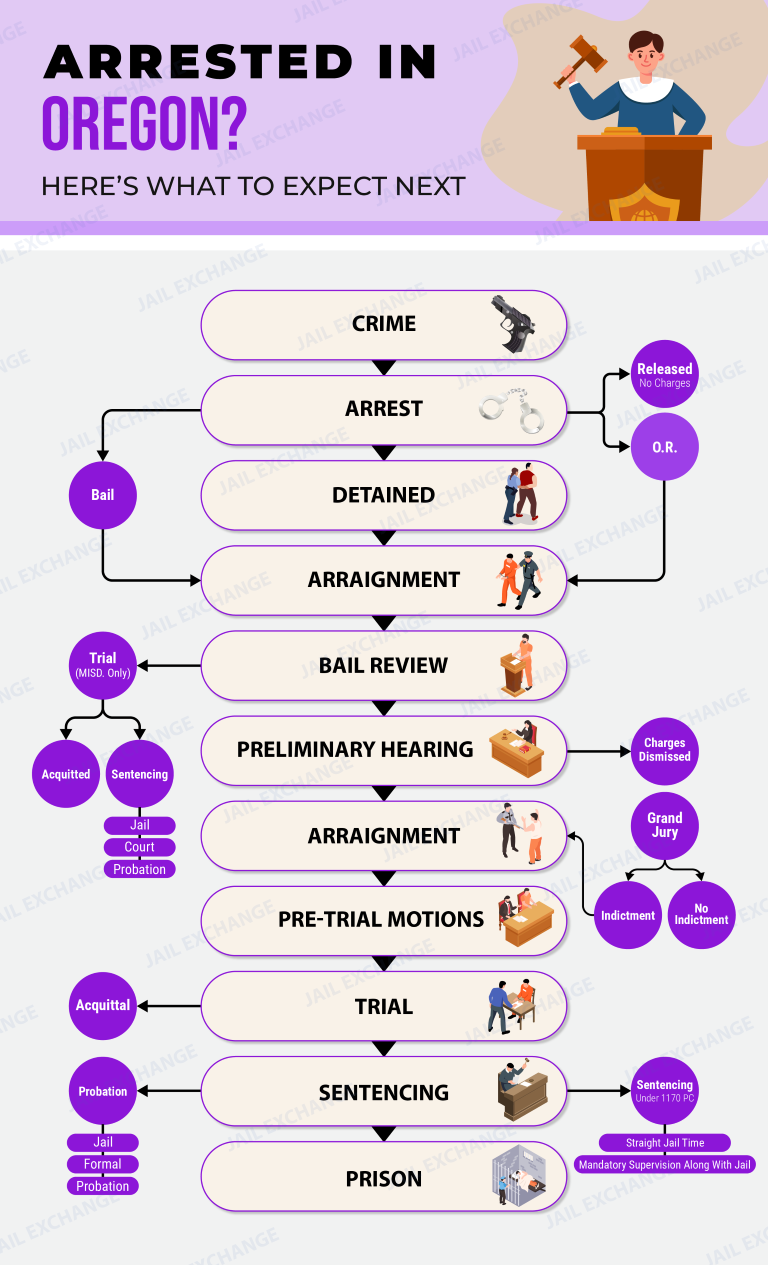
Information for this service is currently unavailable.
TouchPay Inmate Trust Money Deposits
Provider: TouchPay Direct • A ViaPath Technologies Company (GTL Financial)

TouchPay (operated by GTL Financial Services and part of ViaPath Technologies) provides payment processing solutions enabling family members to deposit funds directly into an incarcerated person's jail trust and commissary account. Deposited funds allow the inmate to purchase commissary food items, clothing, hygiene essentials, and medical sundries, or transfer balances to phone time.
Important: Facility Site IDs and Deposit Limits Vary
Once a person is booked and moved to a housing unit, facilities do not always allow cash drop-offs or phone payments directly to the jail window. Some might and you should confirm this by calling the facility and asking. In addition, each correctional agency requires a specific TouchPay Site ID number to route payments accurately. If you do not register online and fund your loved one's trust account immediately, they may be forced to wait days or weeks for standard paper processing, leaving them without essential soap, clean undergarments, basic medical sundries or snacks.
Step-by-Step Instructions to Register and Deposit Trust Funds
- Obtain the inmate's legal first and last name, date of birth, and assigned facility booking ID number, along with the jail's 3- to 5-digit TouchPay Site ID.
- Navigate to www.touchpayonline.com or dial automated phone payments at 1-866-232-1899.
- Select Trust Deposits and enter the facility Site ID or search by state and agency name.
- Confirm the inmate's profile matches the facility's active housing roster.
- Enter the deposit dollar amount, review convenience and transaction fees, and input your credit or debit card billing information.
- Submit payment and record your confirmation tracking number for your financial records.
What the Inmate Needs to Do
The inmate does not need an internet account to receive trust funds. Once authorized, funds post directly to their facility accounting balance in the jail's internal system. The inmate can review their updated balance at a dayroom kiosk terminal or on their trust receipt and place orders on their regular commissary distribution day.
Official Providers: TouchPay Official Website | ViaPath Technologies
Customer Service Telephone: 1-866-232-1899 (Automated & Live Support)
Support Hours: Automated Deposits 24/7/365; Live Support Monday – Friday, 8:00 AM – 7:00 PM CST
Supported Languages: English and Spanish
Other Services Provided by TouchPay (ViaPath Technologies)
In addition to Trust Money Deposits, TouchPay and ViaPath handle bail bonding and inmate telephone services:
- TouchPay Cash Bail & Bond Payments: Pay appearance bonds and release fees online 24/7 to expedite custody release.
• Learn more on our website: Cash Bail & Bonding Guide | • Visit official vendor page: TouchPay Bail Services - AdvancePay Phone Calling Accounts: Prepay for phone calling credits so your loved one can call your mobile phone directly.
• Learn more on our website: AdvancePay Calling Guide | • Visit official vendor page: ViaPath ConnectNetwork Calling
Deposit Money for an Inmate in the Multnomah County Detention Center
Facility number 297204 is the one thing to keep handy for the Multnomah County Detention Center (MCDC). The Multnomah County Sheriff's Office (MCSO) sends every account deposit through TouchPay, and TouchPay asks for that number.
- Type it into the TouchPay portal online.
- Read it out on a call to 1-866-232-1899.
- Or go to the TouchPay kiosk at the Justice Center, 1120 SW 3rd Ave. in Portland. It runs 24 hours and takes cash, debit or credit.
Each deposit comes with a processing fee. Mail is limited to government, transfer and payroll checks, sent to the MCSO Fiscal Unit, 501 SE Hawthorne Blvd., Suite 350, Portland, OR 97214. Cash, personal checks, cashier's checks and money orders are all refused.
The balance pays for commissary, fees and bail, and whatever remains goes home with the person at release. Money can flow the other way too: by filling out a form, someone in custody can release funds to you two times every 30 days, at most $500 each time. You pick up that check with photo ID.
The Multnomah County Detention Center sits downtown on SW Third Avenue in Portland, but its mail does not go there. The Sheriff's Office sends every letter for every adult in custody through the Inverness Jail, where staff open and inspect it before it travels downtown. Use the Inverness address below even when you know the person is housed at the Detention Center.
All mail, including legal mail and publications:
Inmate's Full Name & SWIS ID
INMATE MAIL
11540 NE Inverness Drive
Portland, OR 97220
- Addressing it: Write "Inmate Mail" at the top. Under it, use the first and last name the person was booked under, even if that isn't their real name, and their SWIS ID. You can find both on the inmate lookup.
- Return address: Mail without your return address is not delivered.
- What to write with: Pencil, ballpoint pen or colored pencil gets the fewest letters sent back.
- Money by mail: Don't do it. Cash, personal checks, cashier's checks and money orders are refused, and the whole letter comes back with them. Only government, transfer and payroll checks are taken, and those go to the Sheriff's Fiscal Unit, not to the jail. For anything else, send money online.
- Photos and cards: Keep each one at 8.5 by 11 inches or smaller. Polaroid-type photos and sexually explicit pictures are refused.
- Not allowed inside: Stamps, blank paper or cards, blank or stamped envelopes, padded or bubble envelopes, gift cards or bus passes, anything plastic, wood, stone or metal, glitter, glue, lipstick, perfume, and pages cut out of books. Newspaper and magazine clippings are fine.
- Books and magazines: Up to four per delivery, shipped straight from a publisher or an approved store, no bigger than 9 x 13 inches and 3 inches thick. Hardback, leather-bound and spiral-bound items are refused, and a person may keep only four at a time.
- Legal mail: Write LEGAL MAIL on the address side. It can come by U.S. Mail or a delivery company, or a lawyer or legal staff member can hand it to a Facility Security Officer with ID. It is searched in front of the person it's for.
- Eyeglasses: Prescription glasses are the one item the jails take for a person, and they are dropped off in person with your ID, not mailed.
Short notes reach people faster as electronic messages.
Securus AdvanceConnect is a prepaid calling account that links directly to your mobile phone or landline number, allowing you to receive outbound calls from an incarcerated individual. Because correctional phone systems never allow incoming calls, funding an AdvanceConnect balance ensures calls are accepted immediately without being blocked by cell carriers.
Important: Mobile Networks Block Inmate Calls Without Prepaid Funds
Correctional facilities do not allow collect billing to cell phones, and mobile carriers automatically block incoming collect calls from detention centers. While some residential landlines may allow direct billing, mobile phones and VoIP services require an active prepaid AdvanceConnect balance, which you can verify with your phone provider. If you do not register online and fund your account right away, your loved one will hear an automated error message stating that your number cannot accept calls.
Step-by-Step Instructions to Register and Fund AdvanceConnect
- Go to securustech.online or open the Securus mobile app.
- Select Sign Up and create your account using your 10-digit telephone number and email address.
- Search for your facility by state and agency name, then add the inmate using their full legal name or booking ID.
- Select AdvanceConnect under calling accounts.
- Choose your deposit amount, review convenience and transaction fees, and enter your credit or debit card billing details.
- Authorize payment and confirm that your mobile phone allows calls from automated or unknown correctional numbers.
What the Inmate Needs to Do
The inmate picks up any dayroom phone or logs onto their handheld tablet, dials your 10-digit number, and enters their assigned PIN. The automated system verifies that your AdvanceConnect account has an active balance and connects the call. All calls are subject to recording and monitoring by facility staff.
Official Provider: Securus Technologies Official Website
Customer Service Telephone: 1-800-844-6591
Support Hours: 24 hours a day, 7 days a week, 365 days a year
Supported Languages: English and Spanish
Other Services Provided by Securus Technologies
In addition to AdvanceConnect Prepaid Calling, Securus Technologies and its subsidiary JPay provide several other communication, financial, and visitation services:
- Direct Bill Phone Calling: Establish a monthly billed calling account for verified landline numbers.
• Learn more on our website: Direct Bill Phone Calling Guide | • Visit official vendor page: Securus Direct Bill - Securus Video Connect: Schedule and join live video visits from home using your computer or smartphone.
• Learn more on our website: Video Visitation Guide | • Visit official vendor page: Securus Video Connect - JPay Money Deposits (Trust & Canteen): Send money directly into an inmate's jail trust account for commissary store purchases.
• Learn more on our website: Money Deposits Guide | • Visit official vendor page: JPay Money Transfers - JPay Email Messaging & Photos: Send electronic messages, photo attachments, and VideoGrams directly to their tablet or kiosk.
• Learn more on our website: Email Messaging Guide | • Visit official vendor page: JPay Email Services
Securus Direct Bill is an invoiced telephone calling service designed for approved residential landlines, law offices, and commercial businesses. Instead of prepaying funds in advance, calls received from an incarcerated individual are billed directly to your account on a monthly itemized billing invoice.
Important: Direct Bill Requires Credit Approval and Qualifying Lines
Direct Bill is not available for mobile cell phones, internet VoIP numbers, or customers with poor or unestablished telephone credit history. Correctional facilities enforce strict telecommunications billing rules, which you can verify by calling Securus customer care. If your line does not meet credit approval standards, you must open an AdvanceConnect prepaid account instead to receive incoming calls from your loved one.
Step-by-Step Instructions to Set Up a Direct Bill Account
- Contact Securus customer service at 1-800-844-6591 or submit an application via securustech.net.
- Provide your billing name, service address, and qualifying residential or business landline telephone number.
- Submit to a standard credit evaluation performed by Securus to determine billing eligibility.
- Establish your authorized monthly credit limit upon approval.
- When your phone rings with a call from the detention center, follow the recorded operator instructions and press the requested key to accept charges.
- Pay your monthly billing invoice online, by phone, or through the mail.
What the Inmate Needs to Do
The inmate dials your phone number from any dayroom telephone and keys in their assigned PIN. The automated system verifies that your account is in good standing and has not exceeded its monthly spending ceiling before connecting the call. All non-privileged conversations are recorded and monitored.
Official Provider: Securus Technologies Official Website
Customer Service Telephone: 1-800-844-6591
Support Hours: 24 hours a day, 7 days a week, 365 days a year
Supported Languages: English and Spanish
Other Services Provided by Securus Technologies
In addition to Direct Bill Calling, Securus and its subsidiary JPay offer several other communication, financial, and visitation services:
- AdvanceConnect Prepaid Calling: Fund a prepaid calling account tied to your mobile phone number.
• Learn more on our website: AdvanceConnect Calling Guide | • Visit official vendor page: Securus AdvanceConnect - Securus Video Connect: Schedule and join live video visits from home using your computer or smartphone.
• Learn more on our website: Video Visitation Guide | • Visit official vendor page: Securus Video Connect - JPay Money Deposits (Trust & Canteen): Send money directly into an inmate's jail trust account for commissary store purchases.
• Learn more on our website: Money Deposits Guide | • Visit official vendor page: JPay Money Transfers - JPay Email Messaging & Photos: Send electronic letters, photos, and VideoGrams directly to their tablet or kiosk.
• Learn more on our website: Email Messaging Guide | • Visit official vendor page: JPay Email Services
Securus eMessaging provides a digital messaging service that allows family members to send electronic letters, digital photos, and eCards directly to an incarcerated loved one via handheld tablets and housing unit kiosks. Messages are screened electronically, delivering communication within hours instead of waiting days for postal mail delivery.
Important: Physical Mail Bans and Stamp Requirements Vary
Inmates cannot receive incoming phone calls, and traditional postal mail rules differ across correctional systems. While some jails continue to accept handwritten letters, many facilities have transitioned entirely to electronic messaging or digital mail scanning, which you can verify by checking facility rules. If you do not register online and purchase eMessaging stamps right away, your loved one may face lengthy periods without direct written contact from family.
Step-by-Step Instructions to Register and Send eMessages
- Go to securustech.online or open the Securus mobile app.
- Sign into your verified profile or create an account with your email and phone number.
- Select eMessaging from your service dashboard.
- Link the inmate to your account by selecting the facility and entering their legal name or booking ID.
- Purchase an eMessaging stamp book using a debit or credit card.
- Type your message in the editor, attach photos or eCards if permitted, and optionally include a prepaid reply stamp.
- Submit your message to the facility's screening queue.
What the Inmate Needs to Do
All electronic correspondence is screened by correctional staff before delivery. Once approved, the message arrives in the inmate's inbox on their assigned Securus tablet or housing unit kiosk. The inmate opens the message, views attached photos, and drafts an electronic reply using their available stamp balance.
Official Provider: Securus Technologies Official Website
Customer Service Telephone: 1-800-844-6591
Support Hours: 24 hours a day, 7 days a week, 365 days a year
Supported Languages: English and Spanish
Other Services Provided by Securus Technologies
In addition to eMessaging, Securus provides calling, video visitation, and trust money services:
- AdvanceConnect Prepaid Calling: Prepay for phone calling credits so your loved one can call your mobile phone directly.
• Learn more on our website: AdvanceConnect Calling Guide | • Visit official vendor page: Securus AdvanceConnect - Securus Video Connect: Schedule and join live video visits from home using your computer or smartphone.
• Learn more on our website: Video Visitation Guide | • Visit official vendor page: Securus Video Connect - JPay Money Deposits (Partner Trust Transfers): Send money directly into an inmate's jail trust account for commissary shopping.
• Learn more on our website: Money Deposits Guide | • Visit official vendor page: JPay Money Transfers
Securus Technologies (Aventiv) deploys secure, corrections-grade community tablets to incarcerated individuals across state prison systems and county jails. Operating over a private, encrypted facility network, these devices provide access to digital messaging (eMessaging), phone calls, educational courses, job search tools, eBooks, podcasts, and streaming music directly from housing units.
Important: Tablet Hardware Deployment and Rental Rules Vary
Detention centers do not manage tablet distribution identically. While some agencies issue individual personal tablets to every detainee at booking, others utilize shared pod docking stations or restrict tablet use to specific dayroom hours, which you should confirm with the facility directly. Although core educational and legal resources are generally provided free of charge, sending messages, listening to music, or making phone calls from the tablet requires an active balance funded by outside contacts.
Step-by-Step Instructions to Support and Fund Securus Tablets
- Verify that Securus handheld tablets are deployed at your loved one's specific facility.
- Log into your account at securustech.online or launch the Securus mobile app.
- Ensure the inmate is linked to your contact list using their legal name and booking ID number.
- Purchase eMessaging Stamps for digital messaging, fund an AdvanceConnect account for phone calls, or deposit funds into their Inmate Debit account for music and media.
- Review all transaction charges, complete payment with a credit or debit card, and save your confirmation receipt.
- Notify your loved one that funds have posted so they can access their media and communication apps.
What the Inmate Needs to Do
The inmate unlocks their assigned tablet using their facility PIN or biometric verification. They can access free rehabilitative and educational materials at no charge, or open communication and media applications to draft messages, place phone calls, or stream music using available balances. Devices are docked during quiet hours and shift changes for secure recharging and data synchronization.
Official Provider: Securus Technologies Official Website
Customer Service Telephone: 1-800-844-6591
Support Hours: 24 hours a day, 7 days a week, 365 days a year
Supported Languages: English and Spanish
Other Services Provided by Securus Technologies
In addition to Tablet Services, Securus provides calling, messaging, video visitation, and trust money transfers:
- eMessaging & Digital Mail: Send electronic messages, photo attachments, and eCards directly to an inmate's tablet.
• Learn more on our website: eMessaging Guide | • Visit official vendor page: Securus eMessaging - AdvanceConnect Prepaid Calling: Prepay for phone calling credits so your loved one can call your telephone directly.
• Learn more on our website: AdvanceConnect Calling Guide | • Visit official vendor page: Securus AdvanceConnect - Securus Video Connect: Schedule and join live video visits from home using your computer or smartphone.
• Learn more on our website: Video Visitation Guide | • Visit official vendor page: Securus Video Connect - JPay Money Deposits (Partner Trust Transfers): Send money directly into an inmate's jail trust account for commissary shopping.
• Learn more on our website: Money Deposits Guide | • Visit official vendor page: JPay Money Transfers
Multnomah County County Jails
Multnomah County Juvenile Facilities
- Jail (Main): 503-988-3689
- Arrest Warrants: 503-988-3235
- Juvenile: 503-988-3460
- Police: 503-823-3333
- Public Defender: 503-225-9100
- Sheriff: 503-988-4300
The Multnomah County Detention Center serves the following cities and towns of Multnomah County: Fairview, Gresham, Maywood Park, Portland, Troutdale and Wood Village.