
Miami-Dade County Boot Camp
Miami-Dade County Boot Camp
Jail Phone Number
786-263-5809Miami-Dade arrests: finding someone in county jail
Miami-Dade is Florida's largest county, and its jails are run by Miami-Dade Corrections and Rehabilitation.
Booking and many inmates are at Turner Guilford Knight Correctional Center (TGK) near Doral. Search Miami-Dade County Inmate Search or call 786-263-7000.
Families can also read our court process guide.
Read inmate search answers
 Read inmate search answers
1. Where are Miami-Dade inmates held?
TGK is at 7000 NW 41st Street, Miami, FL 33166. After booking, a person may be moved to another county jail, so check the roster. TGK: 786-263-7000. Miami-Dade Sheriff's Office: 305-743-7433.
↑ Back to the question list2. Searching Miami-Dade inmates
Miami-Dade County Inmate Search shows the facility, charges and bond. Search by name or booking number; Spanish and English spellings of names can differ, so try both. VINELink sends alerts.
↑ Back to the question list3. Bond in Miami-Dade
Miami-Dade is the Eleventh Judicial Circuit. Bond hearings run every day, within 24 hours of arrest, by video from the jail.
- ROR, released on a pledge.
- Cash: the whole bond, refunded through the clerk after the case, less costs.
- Surety: a bondsman's 10 percent, at least $100 per charge, nonrefundable.
Broward, Monroe, federal or probation holds can keep a person jailed. Missing court leads to a warrant. See our Miami-Dade bail guide.
↑ Back to the question list4. Did a Hialeah or Homestead warrant arrest send someone to TGK?
Possibly. Turner Guilford Knight on NW 41st Street is the usual intake for arrests on warrants made by Hialeah, Homestead, Doral and other city police. The clerk's office at the Gerstein Justice Building, 305-275-1155, can explain the case and the next court date. The Criminal Justice Online System will display a capias. Sheriff's deputies handle local name checks, while FDLE's statewide wanted database handles other agencies. For a warrant in your own name, a defense lawyer can book the surrender and file for bond. Corrections staff post visiting rules online.
↑ Back to the question list5. Public defender
The Eleventh Circuit Public Defender represents Miami-Dade clients found indigent. Florida's $50 application fee may be waived.
↑ Back to the question list6. Visiting
Each Miami-Dade jail has its own schedule, and many visits are by video. Call 786-263-7000 first. See visits and remote visits.
↑ Back to the question list7. Phones
Miami-Dade inmates call out only, through prepaid accounts families set up. Read phones, messages and tablets.
↑ Back to the question list8. Money
Deposits pay for commissary. Use the department's approved methods. See money and commissary.
↑ Back to the question list9. Mail
Find the right facility on the roster, then use name and booking number. Plain envelopes only. See mail rules.
↑ Back to the question list10. Miami-Dade juveniles
Miami-Dade youth under 18 face juvenile court. Those detained usually stay at the Miami-Dade Regional Juvenile Detention Center, 305-637-4500, and see a judge within 24 hours. Parents can call 305-743-7433.
↑ Back to the question list11. Medical
Phone 786-263-7000 about HIV medication, insulin, seizures, psychiatric needs or suicide risk.
↑ Back to the question list12. Federal cases in Miami
The U.S. District Court, Southern District of Florida, hears Miami-Dade federal cases in downtown Miami, 400 N. Miami Ave., Miami, FL 33128.
Miami magistrates hold initial appearances, and prosecutors can seek pretrial detention. The U.S. Marshals (786-988-6655) often place federal defendants at the Federal Detention Center in Miami or in county jails. Check the BOP locator.
↑ Back to the question list13. ICE detainers in Miami-Dade
- Booking prints at TGK are shared with DHS.
- ICE may lodge an I-247A detainer.
- Miami-Dade may keep a person for immigration agents up to 48 hours after they would otherwise be released (8 CFR 287.7(d)).
- F.S. 908.105: Miami-Dade's bond judge and prosecutors learn of the hold, and it goes into the court file.
- F.S. 907.041: an unauthorized alien facing a forcible felony in Miami-Dade can't be released before first appearance, where the judge presumes detention; the defense may argue otherwise.
- F.S. 908.11: Florida sheriffs running jails must have 287(g); ICE lists Miami-Dade under the Task Force Model.
- The Miami field office, 2805 SW 145th Ave., Miramar, FL 33027, 954-843-5800, is close by; families can also use ICE's locator.
14. State prison
After a prison sentence, the person stays in a county jail until FDC transport takes them to reception. Search FDC records; see Florida prisons.
↑ Back to the question list15. Miami-Dade mugshots online
Yes. The county's MDCR inmate search returns a mugshot for people now in custody. For past bookings, send a records request to Corrections or the sheriff (305-743-7433).
ICE photos come through ICE FOIA. Federal booking photos in Miami stay private unless Marshals post a fugitive notice.
↑ Back to the question list16. Miami-Dade police numbers
- Miami Police Department: 305-579-6111
- Hialeah Police Department: 305-687-2525
- Miami-Dade Sheriff's Office: 305-743-7433
Emergencies: 911.
↑ Back to the question listMiami-Dade County contacts
- Inmate search
- Miami-Dade County Inmate Search
- Jail
- Turner Guilford Knight Correctional Center, 7000 NW 41st Street, Miami, FL 33166, 786-263-7000
- Sheriff
- 305-743-7433
Miami-Dade County bail and bond: which jail, where release happens, and what to ask
Miami-Dade runs its jails through the county's Corrections and Rehabilitation Department, not the sheriff.
The Miami-Dade County jails are the Pre-Trial Detention Center, Metro West Detention Center, and the Turner Guilford Knight (TGK) Correctional Center. Miami-Dade has several jails, so start with Miami-Dade County Inmate Search to find the building and the bail.
The county's inmate information line, which gives bond amounts and status, is 786-263-7000. Pay attention to one detail: the county says everyone is released from TGK, not from the building where the person sleeps.
1. Which of the three Miami-Dade jails is my fiancé in?
Type the name into Miami-Dade County Inmate Search. The record shows where the person is held. People can be moved between buildings, so do not assume. The county says arrested people are first taken to TGK, and booking can take several hours.
A missing Miami-Dade name may mean booking is still underway. Try again later, then call the TGK information desk at 786-263-5550.
2. Where do they actually let him out?
The county's release page says people are released from Turner Guilford Knight Correctional Center, 7000 NW 41st Street, Miami, between 6 a.m. and 9 p.m. The county's arrest page says they come out in front of TGK, near the sign marked Inmate Release Area. Even after a bond is posted or a court clears the charges, release can take several hours. Call the release office at 786-263-5360 before you drive over.
3. Who do I call about the amount?
Look first at Miami-Dade County Inmate Search. If you need a person to explain it, the county names 786-263-7000 for bond amounts and inmate status, and the TGK information desk at 786-263-5550 for location, bond, and general questions.
4. Where are the three jails?
Pre-Trial Detention Center: 1321 NW 13th Street, Miami, FL 33125. Metro West Detention Center: 13850 NW 41st Street, Miami, FL 33178. TGK Correctional Center: 7000 NW 41st Street, Miami, FL 33166. The county lists these street addresses on its contact page. Mail rules can differ from them, so ask before you send anything.
5. Where is the bonding window, and what are its hours?
The county says people with bondable charges can bond out at any time, and that a cash bond is paid in full, in person at the facility, through a payment kiosk. Release itself happens only between 6 a.m. and 9 p.m. at TGK. The county pages do not give a window location or other payment types, so check the amount on Miami-Dade County Inmate Search and then call 786-263-5550 to ask where to pay. Know the full name, jail number, and bond amount before you go.
6. What do common charges cost under the statewide schedule?
Order AOSC25-69 sets Miami-Dade 2026 pre-hearing release from $150 for the lightest misdemeanor to $5,000 for a forcible third-degree felony.
A chief judge may set higher amounts, and Miami-Dade's own circuit may have done so. A Miami-Dade judge at first appearance may pick any amount, so go by the figure on the person's record.
7. What does a bail agent in Miami-Dade charge?
The Florida Department of Financial Services says a state bond premium is 10 percent of the bail the court sets, which is $500 on a $5,000 bail. After the agent frees your loved one, that fee is earned and you cannot ask for it back. If no release happens, the agent must refund it. Section 648.33 requires the agent to charge the rate filed with the state, no higher and no lower.
The county cannot recommend an agent, but its arrest page links to the state's licensee search. Check the license, ask for a written contract, and ask about collateral, which the state says should be returned within 21 days of the court discharging the bond.
8. When is the first hearing for someone arrested in Miami-Dade?
Florida Rule 3.130 puts the Miami-Dade hearing within 24 hours of arrest. Miami-Dade judges decide release and conditions, for example staying away from an alleged victim (Florida Statutes 903.047). The TGK information desk, 786-263-5550, may be able to tell you whether the person has been seen.
9. Can I use a house in Miami-Dade or elsewhere?
Possibly. Florida's bail law sets no single rule on location or equity, and the county pages say nothing about property bonds. Ask the court that set the bail and a lawyer. Recording a Miami-Dade bond creates a two-year lien against the land (section 903.26).
10. Why would someone have no bond?
A judge may not have decided yet. Section 903.011(6) makes some Miami-Dade arrestees wait for first appearance, including sex offenders and people accused of breaking an injunction.
Miami-Dade courts may refuse bail in capital or life cases if guilt is plain (Article I, section 14 of the Florida Constitution). A hold from another case also keeps a person in.
11. What if a city police department arrested my brother?
Miami-Dade has many city departments. Ask the Miami-Dade arresting agency for the location and report number, then recheck Miami-Dade County Inmate Search. Cities do not set bail; the court does.
12. Who represents my brother if we cannot hire a lawyer?
In Miami-Dade, the first hearing is where you ask for an appointed lawyer. The Eleventh Judicial Circuit Public Defender serves Miami-Dade; the TGK information desk at 786-263-5550 can explain how to reach that office. A Miami-Dade lawyer may push for smaller bail or release with conditions.
13. Where does the county send a teenager who is arrested?
The Miami Dade Regional Juvenile Detention Center, 3300 NW 27th Avenue, Miami, FL 33142, phone 305-637-4500, serves Miami-Dade and Monroe counties, according to the state Department of Juvenile Justice. A minor's file is confidential, so the adult search might list no one.
14. What is the risk if he skips a hearing?
A Miami-Dade no-show means a warrant and a lost bond. Under section 903.26 the clerk gives notice within five days, and money is due 60 days after notice. Section 903.28 can return nearly all of it when the defendant comes back within 90 days. Call the lawyer and agent that day.
15. When does bail money come back to me?
Once the case ends and the court cancels the bond, cash paid by someone other than an agent comes back minus unpaid costs and fees. A bail agent's fee does not. Keep your receipt and ask the Clerk of Court about refund steps.
16. What payment requests should make me suspicious?
Miami-Dade jails never want payment by gift card or app transfer. Hang up on pushy callers and dial the county line at 786-263-7000 yourself.
17. Can ICE keep someone in the Miami-Dade jail after bond is posted?
- An ICE detainer (Form I-247A) asks the Miami-Dade jail to hold someone longer.
- The Miami-Dade hold can last up to 48 hours past release.
- The Miami-Dade clock keeps running on weekends and holidays.
- Paying a Miami-Dade bond will not lift the detainer.
- Under F.S. 908.105, the Miami-Dade judge setting bond must hear about it.
- The Miami-Dade state attorney gets notice as well.
- Florida law (F.S. 908.11) puts the Miami-Dade sheriff in the 287(g) program.
- ICE lists these 287(g) models for Miami-Dade:
- Task Force Model
- After ICE takes a Miami-Dade inmate, use the online detainee locator.
Miami-Dade County bail contacts
- Jails
- Miami-Dade County jails, run by Miami-Dade Corrections and Rehabilitation
- Bond guide
- bail and bond help for the county jails
- Custody lookup
- Miami-Dade County Inmate Search
- Inmate information
- 786-263-7000; department headquarters, 3505 NW 107th Avenue, Doral, FL 33178
- Pre-Trial Detention
- 1321 NW 13th Street, Miami, FL 33125; 786-263-4110
- Metro West
- 13850 NW 41st Street, Miami, FL 33178; 786-263-5110
- TGK and release
- 7000 NW 41st Street, Miami, FL 33166; information desk 786-263-5550; release office 786-263-5360; release 6 a.m. to 9 p.m.
- Youth detention
- Miami Dade Regional Juvenile Detention Center, 3300 NW 27th Avenue, Miami, FL 33142; 305-637-4500
- Statewide schedule
- Supreme Court order AOSC25-69
Miami-Dade may revise posted figures and phone lines; the bond is the judge's decision. Confirm with Miami-Dade before you pay. This Miami-Dade page is not legal advice.
Miami-Dade County Boot Camp Remote Video Visitation (Video Visiting from Home)

- 24/7 Automated GTL Phone System and Customer Support - 800-483-8314
- GTL Inmate Phone System Customer Service - 877-650-4249
If you want to visit with an inmate remotely you must first be on an Inmate’s Approved Master Visitation List. Only the inmate can put you on this list.
Once you are sure you on this list, you can register and create an account with Global Tel*Link (GTL).
It takes about one full day to get your application processed and approved, and then you can schedule a remote video visit.
If you have any questions regarding this process should contact the MDCR Inmate Visitation directly at 786-263-4119.
REMOTE VISITATION SCHEDULE
| DAY | TIME |
| SUNDAY | 8:30AM - 9:00PM |
| MONDAY | 8:30AM - 9:00PM |
| TUESDAY | 8:30AM - 9:00PM |
| WEDNESDAY | 8:30AM - 9:00PM |
| THURSDAY | 8:30AM - 9:00PM |
| FRIDAY | 8:30AM - 9:00PM |
| SATURDAY | 8:30AM - 9:00PM |
Attorneys and Professional Visitors - Application to have Remote Video Visits
- Fill out and submit the Application via email to mdcrintroletter@miamidade.gov
- Register with GTL. Once your Professional Visitor Application is verified and approved, your status will be upgraded to Professional Visitor.
-
Please allow 2-3 business days for processing. Once your registration is approved, you will be able to schedule visits.
-
Attorneys and professional visitors with questions regarding this process should send an email to: mdcrintroletter@miamidade.gov.
Miami-Dade County Boot Camp Remote Video Visitation (Video Visiting from Home)
- 24/7 Automated GTL Phone System and Customer Support - 800-483-8314
- GTL Inmate Phone System Customer Service - 877-650-4249
If you want to visit with an inmate remotely you must first be on an Inmate’s Approved Master Visitation List. Only the inmate can put you on this list.
Once you are sure you on this list, you can register and create an account with Global Tel*Link (GTL).
It takes about one full day to get your application processed and approved, and then you can schedule a remote video visit.
If you have any questions regarding this process should contact the MDCR Inmate Visitation directly at 786-263-4119.
REMOTE VISITATION SCHEDULE
| DAY | TIME |
| SUNDAY | 8:30AM - 9:00PM |
| MONDAY | 8:30AM - 9:00PM |
| TUESDAY | 8:30AM - 9:00PM |
| WEDNESDAY | 8:30AM - 9:00PM |
| THURSDAY | 8:30AM - 9:00PM |
| FRIDAY | 8:30AM - 9:00PM |
| SATURDAY | 8:30AM - 9:00PM |
Attorneys and Professional Visitors - Application to have Remote Video Visits
- Fill out and submit the Application via email to mdcrintroletter@miamidade.gov
- Register with GTL. Once your Professional Visitor Application is verified and approved, your status will be upgraded to Professional Visitor.
-
Please allow 2-3 business days for processing. Once your registration is approved, you will be able to schedule visits.
-
Attorneys and professional visitors with questions regarding this process should send an email to: mdcrintroletter@miamidade.gov.
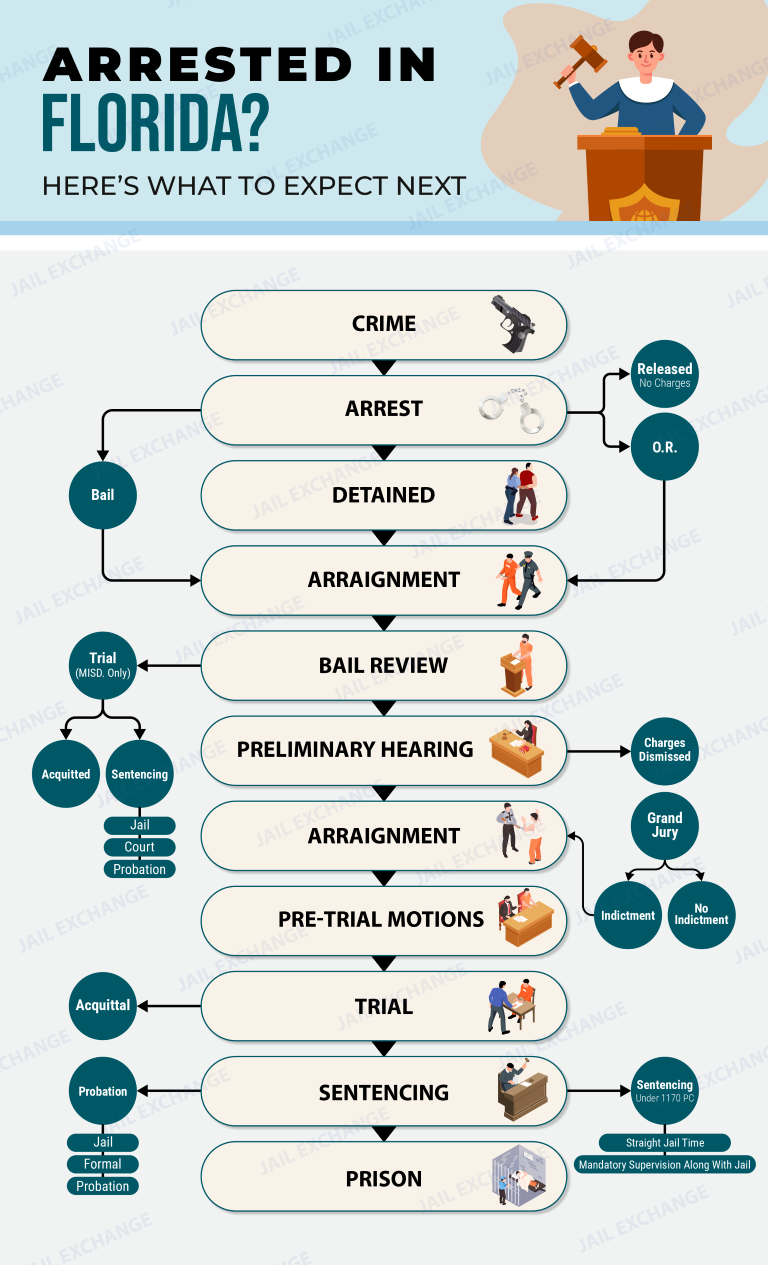
Miami-Dade Criminal Cases: What Happens and Where
Miami-Dade is the most crowded county in Florida, so its courts are big and busy. Still, the setup is easy to learn. There are two state trial courts. Miami-Dade County Court sorts out misdemeanors, criminal traffic offenses (DUI, hit-and-run with property damage) and local ordinance violations. Miami-Dade Circuit Court takes felonies plus juvenile delinquency, which is the court word for crimes by kids. The county forms the 11th Judicial Circuit all by itself; no other county is in it. Felony cases and many misdemeanor arraignments for people in jail are heard at the Richard E. Gerstein Justice Building, 1351 NW 12th St., Miami, FL 33125. County Court also meets at branch courthouses around the county. The Clerk of the Court and Comptroller’s main line is (305) 275-1155. Adults are held by Miami-Dade Corrections and Rehabilitation in three jails: Turner Guilford Knight (TGK) Correctional Center, Metro West Detention Center, and the Pre-Trial Detention Center beside the Gerstein building. See also our bail and bond page and our inmate lookup page.
Free case lookup: Miami-Dade isn’t on the shared records portal. The Clerk runs its own Criminal Justice Online System, where you can check felony and misdemeanor cases for free. Search with a case number or a defendant’s name; the site may ask you to set up a free account for some searches. It shows charges, hearing dates, bonds and outcomes. Sealed and expunged cases, juvenile records and other confidential material stay off the public view.
Federal court: Federal cases from here belong to the Southern District of Florida’s Miami Division. The main federal courthouse is the Wilkie D. Ferguson Jr. U.S. Courthouse, 400 North Miami Ave., Miami. A state case is a crime against Florida’s laws; a federal case is a crime against the nation’s laws or on property the U.S. government controls. Miami-Dade has a lot of that. Think PortMiami and Miami International Airport, where customs agents catch smuggled drugs, guns and cash. Think Homestead Air Reserve Base, Biscayne National Park, and the eastern part of Everglades National Park. Coast Guard crews also stop drug boats and migrant-smuggling trips offshore. Health care fraud cases are common here too. The Miccosukee Tribe has its reservation along the Tamiami Trail in western Miami-Dade, where tribal police work with state and federal officers. Pick a topic below.
1. Miami-Dade County Court charges: petit theft, DUI, resisting without violence, cannabis possession
A misdemeanor charge in Miami-Dade doesn’t always mean a ride to jail. Police can give a notice to appear, which works like a court ticket. Anyone booked into a Miami-Dade jail sees a judge at a bond hearing, also called first appearance, within a day of being taken in. The Gerstein building runs these hearings every day, weekends and holidays included. Since the start of 2026, Florida has a statewide bond chart (Supreme Court order AOSC25-69) that sets a minimum bond for release before that hearing. Some arrests, such as domestic violence, must wait for the judge. A bond is cash or a pledge that lets you wait for trial at home. A licensed bail bond agent may post it for a premium that Florida’s insurance department lists at 10%, and that money doesn’t come back.
At arraignment, the accused person pleads. Miami-Dade first-degree misdemeanors, like most petit thefts or nonviolent resisting, are punishable by up to 12 months in jail and a $1,000 fine. Lesser, second-degree misdemeanors stop at 60 days and $500. The Miami-Dade State Attorney’s Office has diversion programs for many first-time adults; finishing the requirements gets the charge dismissed.
The State Attorney for the 11th Circuit is elected countywide and prosecutes all state crimes here. The Miami-Dade Public Defender, also elected, can be appointed when a judge decides you can’t pay a lawyer. A conflict, like two co-defendants who blame each other, sends one of them to Criminal Conflict and Civil Regional Counsel. Through section 938.29, judges may order repayment for appointed counsel, with a minimum of $50 per misdemeanor case, and it creates a state lien to collect it. A misdemeanor is supposed to reach trial within 90 days of formal charges under Rule 3.191, unless the defense waives that. Six jurors hear the trial.
Under 18: Children accused of misdemeanors are sent to Circuit Court’s juvenile section. Miami-Dade police often use civil citation (section 985.12) for a first minor offense. The youngster puts in service hours or counseling sessions, and because no arrest happens, no arrest record exists.
2. Felonies at the Gerstein building: burglary, cocaine trafficking, organized fraud, stolen cars
Felonies are the crimes that can bring state prison time. In Miami-Dade, after the bond hearing, an assistant state attorney decides what to charge and files an information in Circuit Court. Arraignment follows at the Gerstein building, then discovery, where evidence like videos and lab reports is shared, and depositions, which are sworn interviews of witnesses.
Florida felony levels run from third degree up. Stealing a car is third degree, worth up to 5 years. Breaking into an occupied home is second degree, worth up to 15. First-degree felonies can bring 30, and some carry life. Cocaine and fentanyl trafficking come with mandatory minimum terms based on weight. The judge then scores the case on the Criminal Punishment Code worksheet. Points for the offense and any past convictions add up to the lowest legal sentence. In Florida prisons, inmates serve no less than 85% of their sentence.
Rule 3.191 starts a 175-day felony countdown at formal charging. In busy Miami courtrooms, the defense often waives it. Six jurors decide non-capital felony trials, but plea deals close out the large majority.
Under 18: Children the court orders held are taken by the Department of Juvenile Justice to the Miami-Dade Regional Juvenile Detention Center, 3300 NW 27th Ave., Miami. It is the state-run center for Miami-Dade youth. Within a day, a Miami-Dade juvenile judge holds a detention hearing deciding custody or home with conditions.
3. The most serious Miami cases: murder, carjacking, armed home invasion, sexual battery
Violent felonies run on the same track, with a few big differences. Prosecutors may seek pretrial detention, keeping a person jailed until trial. And whenever a gun shows up, section 775.087, nicknamed 10-20-Life, applies. If a gun was possessed during a crime like carjacking or home invasion, the minimum is 10 years. If it was fired, 20 years. If the shot killed or seriously hurt someone, 25 years and possibly life.
Because first-degree murder is a capital felony, the choices are death or life without parole. A 12-member jury hears the penalty phase, and since 2023 a death recommendation needs at least 8 votes. Florida’s condemned men are mostly at Union Correctional in Raiford, with condemned women at Lowell.
Victims in Miami-Dade lean on Marsy’s Law, the 2018 amendment found at Article I, Section 16(b). Miami-Dade victims can stay informed, attend court, and speak at bond hearings, pleas, and sentencing.
Under 18: Under section 985.557, prosecutors may choose a “direct file,” moving a teenager’s felony to adult court. Most felonies qualify once a youth turns 16. At 14 or 15, only grave crimes named in the statute count, such as murder, armed robbery, carjacking or sexual battery. No law has required a direct file since 2019. Section 985.56 adds one more path: indictment by grand jurors, open for children of every age when death or life is on the table.
4. How do I check a Miami-Dade warrant?
Most people look first at the clerk's Criminal Justice Online System, which lists each case with any capias. The Sheriff's Office holds Eleventh Circuit warrants and answers at (305) 743-7433; its warrants bureau confirms a name with a birth date. Counsel can arrange your surrender at Turner Guilford Knight, the county's intake jail. The clerk at the Justice Building on NW 12th Street handles new dates, and Hialeah, Homestead and Doral cases come through that court. Warrants from beyond the county are on FDLE's statewide wanted persons search.
Immigration holds. If ICE lodges a Miami-Dade detainer on someone:
- the Miami-Dade bond judge must be told (F.S. 908.105)
- Miami-Dade prosecutors are told as well
- Miami-Dade bond can still be granted
- the jail may hold them 48 more hours for ICE
- in Miami-Dade, weekends and holidays count
- a Miami-Dade forcible felony charge plus unlawful status in Miami-Dade means no release before first appearance (F.S. 907.041)
- at that point a Miami-Dade judge presumes detention, but the Miami-Dade defense can rebut it
Town courts. Looking for a Miami-Dade town court? There is none. Florida's 1972 Article V reform did away with Miami-Dade town courts, so Miami-Dade city ordinance cases go to Miami-Dade County Court.
Miami-Dade readers should use this page as background only, since it is not legal advice. Have a criminal defense attorney review your own facts, or call the Miami-Dade Clerk of the Court at (305) 275-1155 for help finding a case.
Check commissary rules with Miami-Dade Boot Camp
Miami-Dade Boot Camp is a court-ordered program, not a regular housing unit at TGK or Metro West. Before ordering snacks, personal items or a care package for someone in the program, call Boot Camp at 786-263-5810. Ask whether purchases are available during the person’s current phase and whether families can order anything. If they have moved to another county facility or to home monitoring, follow the rules for their current placement.
Check with Boot Camp before sending funds
Miami-Dade’s trust-account page lists lobby deposits at Pre-Trial, TGK and Metro West. It does not list a Boot Camp lobby deposit site. Call the program at 786-263-5810 to confirm the person is still there, whether an outside deposit can be credited to them while they are in the program, and which payment method and jail ID to use. Do not take cash or mail a payment to the Boot Camp address without confirmation.
The Miami-Dade County Boot Camp is a military-style program for convicted offenders ages 14 to 24, run by Miami-Dade Corrections and Rehabilitation. Young people under 18 in the program were sentenced as adults, and taking part is part of their sentence. Visits happen only at graduation and on family nights, so letters are the main way to keep in touch. MDCR sends personal mail through its digital mail center for scanning, while legal mail goes to the Boot Camp.
Personal letters:
Inmate's Full Name & Booking #
Miami-Dade Corrections and Rehabilitation Department
PO Box 20527
Tampa, FL 33622
Legal mail:
Inmate's Full Name & Booking #
Miami-Dade County Boot Camp
6950 NW 41st Street
Miami, FL 33166
- Name and number: Use the participant's full name, their booking number and the department's name. Staff give each participant their number and mailing address so they can share it with family.
- Why scanning: Letters are scanned because people have soaked paper in drugs, dried it and mailed it in.
- Your return address: Print it clearly with your full name, street, city, state and ZIP code.
- Paper rules: Plain white lined paper only. No greeting cards, postcards, colored paper or clippings.
- Photos: Polaroids, oversized prints and suggestive or swimsuit photos are not allowed.
- Money: Money orders, checks and cash in the mail are refused. Deposits are made online, by phone, or at an MDCR jail lobby kiosk.
- Contraband: Items that break the rules are either discarded or returned to whoever sent them.
- Reading material: MDCR does not accept books, magazines or newspapers by mail.
Use the inmate search to check that the person is still in the program before you write.

The Boot Camp Program is run by Miami-Dade Corrections and Rehabilitation (MDCR). The county lists its phone as 786-263-5810 but does not publish a street address or any phone rules of its own. MDCR's family guidance applies: calls are prepaid through Securus, and "Inmates cannot receive calls."
Ask Before You Pay
Call the program at 786-263-5810 to confirm how participants call home, with the person's full name and date of birth.
Securus
Inmate Phone System Customer Service: 1-800-844-6591. 24/7 automated line: 972-734-1111.
Boot Camp Program: 786-263-5810
MDCR Headquarters: 786-263-7000
Miami-Dade Corrections and Rehabilitation (MDCR), which runs the Boot Camp Program, uses Securus eMessaging for messages and photos to people in its custody, but the county doesn't say whether Boot Camp participants can use it. Call the program at 786-263-5810 before you buy anything and ask whether your loved one can receive eMessages there.
How MDCR's Securus eMessaging works where it is offered:
- Create a Securus Online account and add the person as a contact.
- Buy a book of eMessage stamps; the stamp price depends on the facility.
- Send the first message yourself. The person can only write back after you have messaged them.
- Attach up to 5 photos or 5 eCards; a 30-second VideoGram can be sent from the Securus app only.
Every message, photo and VideoGram is monitored and reviewed by MDCR, and stamps spent on a rejected message are not refunded. Securus customer service is 1-800-844-6591.
Letters are the sure way to reach a participant: personal mail goes to the person's full name and booking number, Miami-Dade Corrections and Rehabilitation Department, PO Box 20527, Tampa, FL 33622, by U.S. Mail.
No tablet program is published for the Miami-Dade County Boot Camp; Miami-Dade Corrections and Rehabilitation lists no tablets for Boot Camp participants and no tablet account for families to fund.
The Boot Camp is a structured program for sentenced offenders aged 14 to 24, and the county treats visits as a privilege granted at graduation and family night. Families keep in touch mainly by mail, sent to the person's full name and booking number at Miami-Dade Corrections and Rehabilitation Department, PO Box 20527, Tampa, FL 33622, and through calls the participant places on Securus prepaid service, since participants can't receive incoming calls.
Call the program at 786-263-5810 and ask whether participants have any tablet or electronic device access, and when the next family night is.
Miami-Dade County County Jails
Miami-Dade County Juvenile Facilities
Nearby counties
- Jail (Main): 786-263-5809
- Administration: 786-263-5809
- Adult Court: 305-275-1155
- Adult Probation: 305-377-7040
- Bail: 786-263-7000
- Booking: 786-263-4100
- Boot Camp: 786-263-5809
- Chaplains: 786-263-6150
- Community Corrections: 786-263-4899
- Drug Court: 305-548-5135
- Inmate Info: 786-263-7000
- Juvenile Court: 305-275-1155
- Juvenile Probation: 305-493-6071
- Police: 305-476-5423
- Pre-Trial -Checking In/Reporting: 786-263-6700
- Pre-Trial Services: 786-263-4100
- Public Affairs - Corrections: 786-263-6100
- Public Defender - Adults: 305-545-1600
- Public Defender - Juveniles: 305-638-6241
- Sheriff: 305-476-5423
- Traffic & Misdemeanor Court: 305-275-1111
- Visitation: 786-263-5809
- Work Release: 786-263-4899
The Miami-Dade County Boot Camp serves the following cities and towns of Miami-Dade County: Aventura, Bal Harbour, Bay Harbor Islands, Biscayne Park, Coral Gables, Cutler Bay, Doral, El Portal, Florida City, Hialeah, Hialeah Gardens, Homestead, Indian Creek, Key Biscayne, Medley, Miami, Miami Beach, Miami Gardens, Miami Lakes, Miami Shores, Miami Springs, North Bay Village, North Miami, North Miami Beach, Opa-locka, Palmetto Bay, Pinecrest, South Miami, Sunny Isles Beach, Surfside, Sweetwater, Virginia Gardens and West Miami.