
TGK Correctional Center
TGK Correctional Center
Jail Phone Number
786-263-5341Miami-Dade arrests: finding someone in county jail
Miami-Dade is Florida's largest county, and its jails are run by Miami-Dade Corrections and Rehabilitation.
Booking and many inmates are at Turner Guilford Knight Correctional Center (TGK) near Doral. Search Miami-Dade County Inmate Search or call 786-263-7000.
Families can also read our court process guide.
Read inmate search answers
 Read inmate search answers
1. Where are Miami-Dade inmates held?
TGK is at 7000 NW 41st Street, Miami, FL 33166. After booking, a person may be moved to another county jail, so check the roster. TGK: 786-263-7000. Miami-Dade Sheriff's Office: 305-743-7433.
↑ Back to the question list2. Searching Miami-Dade inmates
Miami-Dade County Inmate Search shows the facility, charges and bond. Search by name or booking number; Spanish and English spellings of names can differ, so try both. VINELink sends alerts.
↑ Back to the question list3. Bond in Miami-Dade
Miami-Dade is the Eleventh Judicial Circuit. Bond hearings run every day, within 24 hours of arrest, by video from the jail.
- ROR, released on a pledge.
- Cash: the whole bond, refunded through the clerk after the case, less costs.
- Surety: a bondsman's 10 percent, at least $100 per charge, nonrefundable.
Broward, Monroe, federal or probation holds can keep a person jailed. Missing court leads to a warrant. See our Miami-Dade bail guide.
↑ Back to the question list4. Did a Hialeah or Homestead warrant arrest send someone to TGK?
Possibly. Turner Guilford Knight on NW 41st Street is the usual intake for arrests on warrants made by Hialeah, Homestead, Doral and other city police. The clerk's office at the Gerstein Justice Building, 305-275-1155, can explain the case and the next court date. The Criminal Justice Online System will display a capias. Sheriff's deputies handle local name checks, while FDLE's statewide wanted database handles other agencies. For a warrant in your own name, a defense lawyer can book the surrender and file for bond. Corrections staff post visiting rules online.
↑ Back to the question list5. Public defender
The Eleventh Circuit Public Defender represents Miami-Dade clients found indigent. Florida's $50 application fee may be waived.
↑ Back to the question list6. Visiting
Each Miami-Dade jail has its own schedule, and many visits are by video. Call 786-263-7000 first. See visits and remote visits.
↑ Back to the question list7. Phones
Miami-Dade inmates call out only, through prepaid accounts families set up. Read phones, messages and tablets.
↑ Back to the question list8. Money
Deposits pay for commissary. Use the department's approved methods. See money and commissary.
↑ Back to the question list9. Mail
Find the right facility on the roster, then use name and booking number. Plain envelopes only. See mail rules.
↑ Back to the question list10. Miami-Dade juveniles
Miami-Dade youth under 18 face juvenile court. Those detained usually stay at the Miami-Dade Regional Juvenile Detention Center, 305-637-4500, and see a judge within 24 hours. Parents can call 305-743-7433.
↑ Back to the question list11. Medical
Phone 786-263-7000 about HIV medication, insulin, seizures, psychiatric needs or suicide risk.
↑ Back to the question list12. Federal cases in Miami
The U.S. District Court, Southern District of Florida, hears Miami-Dade federal cases in downtown Miami, 400 N. Miami Ave., Miami, FL 33128.
Miami magistrates hold initial appearances, and prosecutors can seek pretrial detention. The U.S. Marshals (786-988-6655) often place federal defendants at the Federal Detention Center in Miami or in county jails. Check the BOP locator.
↑ Back to the question list13. ICE detainers in Miami-Dade
- Booking prints at TGK are shared with DHS.
- ICE may lodge an I-247A detainer.
- Miami-Dade may keep a person for immigration agents up to 48 hours after they would otherwise be released (8 CFR 287.7(d)).
- F.S. 908.105: Miami-Dade's bond judge and prosecutors learn of the hold, and it goes into the court file.
- F.S. 907.041: an unauthorized alien facing a forcible felony in Miami-Dade can't be released before first appearance, where the judge presumes detention; the defense may argue otherwise.
- F.S. 908.11: Florida sheriffs running jails must have 287(g); ICE lists Miami-Dade under the Task Force Model.
- The Miami field office, 2805 SW 145th Ave., Miramar, FL 33027, 954-843-5800, is close by; families can also use ICE's locator.
14. State prison
After a prison sentence, the person stays in a county jail until FDC transport takes them to reception. Search FDC records; see Florida prisons.
↑ Back to the question list15. Miami-Dade mugshots online
Yes. The county's MDCR inmate search returns a mugshot for people now in custody. For past bookings, send a records request to Corrections or the sheriff (305-743-7433).
ICE photos come through ICE FOIA. Federal booking photos in Miami stay private unless Marshals post a fugitive notice.
↑ Back to the question list16. Miami-Dade police numbers
- Miami Police Department: 305-579-6111
- Hialeah Police Department: 305-687-2525
- Miami-Dade Sheriff's Office: 305-743-7433
Emergencies: 911.
↑ Back to the question listMiami-Dade County contacts
- Inmate search
- Miami-Dade County Inmate Search
- Jail
- Turner Guilford Knight Correctional Center, 7000 NW 41st Street, Miami, FL 33166, 786-263-7000
- Sheriff
- 305-743-7433
Miami-Dade County bail and bond: which jail, where release happens, and what to ask
Miami-Dade runs its jails through the county's Corrections and Rehabilitation Department, not the sheriff.
The Miami-Dade County jails are the Pre-Trial Detention Center, Metro West Detention Center, and the Turner Guilford Knight (TGK) Correctional Center. Miami-Dade has several jails, so start with Miami-Dade County Inmate Search to find the building and the bail.
The county's inmate information line, which gives bond amounts and status, is 786-263-7000. Pay attention to one detail: the county says everyone is released from TGK, not from the building where the person sleeps.
1. Which of the three Miami-Dade jails is my fiancé in?
Type the name into Miami-Dade County Inmate Search. The record shows where the person is held. People can be moved between buildings, so do not assume. The county says arrested people are first taken to TGK, and booking can take several hours.
A missing Miami-Dade name may mean booking is still underway. Try again later, then call the TGK information desk at 786-263-5550.
2. Where do they actually let him out?
The county's release page says people are released from Turner Guilford Knight Correctional Center, 7000 NW 41st Street, Miami, between 6 a.m. and 9 p.m. The county's arrest page says they come out in front of TGK, near the sign marked Inmate Release Area. Even after a bond is posted or a court clears the charges, release can take several hours. Call the release office at 786-263-5360 before you drive over.
3. Who do I call about the amount?
Look first at Miami-Dade County Inmate Search. If you need a person to explain it, the county names 786-263-7000 for bond amounts and inmate status, and the TGK information desk at 786-263-5550 for location, bond, and general questions.
4. Where are the three jails?
Pre-Trial Detention Center: 1321 NW 13th Street, Miami, FL 33125. Metro West Detention Center: 13850 NW 41st Street, Miami, FL 33178. TGK Correctional Center: 7000 NW 41st Street, Miami, FL 33166. The county lists these street addresses on its contact page. Mail rules can differ from them, so ask before you send anything.
5. Where is the bonding window, and what are its hours?
The county says people with bondable charges can bond out at any time, and that a cash bond is paid in full, in person at the facility, through a payment kiosk. Release itself happens only between 6 a.m. and 9 p.m. at TGK. The county pages do not give a window location or other payment types, so check the amount on Miami-Dade County Inmate Search and then call 786-263-5550 to ask where to pay. Know the full name, jail number, and bond amount before you go.
6. What do common charges cost under the statewide schedule?
Order AOSC25-69 sets Miami-Dade 2026 pre-hearing release from $150 for the lightest misdemeanor to $5,000 for a forcible third-degree felony.
A chief judge may set higher amounts, and Miami-Dade's own circuit may have done so. A Miami-Dade judge at first appearance may pick any amount, so go by the figure on the person's record.
7. What does a bail agent in Miami-Dade charge?
The Florida Department of Financial Services says a state bond premium is 10 percent of the bail the court sets, which is $500 on a $5,000 bail. After the agent frees your loved one, that fee is earned and you cannot ask for it back. If no release happens, the agent must refund it. Section 648.33 requires the agent to charge the rate filed with the state, no higher and no lower.
The county cannot recommend an agent, but its arrest page links to the state's licensee search. Check the license, ask for a written contract, and ask about collateral, which the state says should be returned within 21 days of the court discharging the bond.
8. When is the first hearing for someone arrested in Miami-Dade?
Florida Rule 3.130 puts the Miami-Dade hearing within 24 hours of arrest. Miami-Dade judges decide release and conditions, for example staying away from an alleged victim (Florida Statutes 903.047). The TGK information desk, 786-263-5550, may be able to tell you whether the person has been seen.
9. Can I use a house in Miami-Dade or elsewhere?
Possibly. Florida's bail law sets no single rule on location or equity, and the county pages say nothing about property bonds. Ask the court that set the bail and a lawyer. Recording a Miami-Dade bond creates a two-year lien against the land (section 903.26).
10. Why would someone have no bond?
A judge may not have decided yet. Section 903.011(6) makes some Miami-Dade arrestees wait for first appearance, including sex offenders and people accused of breaking an injunction.
Miami-Dade courts may refuse bail in capital or life cases if guilt is plain (Article I, section 14 of the Florida Constitution). A hold from another case also keeps a person in.
11. What if a city police department arrested my brother?
Miami-Dade has many city departments. Ask the Miami-Dade arresting agency for the location and report number, then recheck Miami-Dade County Inmate Search. Cities do not set bail; the court does.
12. Who represents my brother if we cannot hire a lawyer?
In Miami-Dade, the first hearing is where you ask for an appointed lawyer. The Eleventh Judicial Circuit Public Defender serves Miami-Dade; the TGK information desk at 786-263-5550 can explain how to reach that office. A Miami-Dade lawyer may push for smaller bail or release with conditions.
13. Where does the county send a teenager who is arrested?
The Miami Dade Regional Juvenile Detention Center, 3300 NW 27th Avenue, Miami, FL 33142, phone 305-637-4500, serves Miami-Dade and Monroe counties, according to the state Department of Juvenile Justice. A minor's file is confidential, so the adult search might list no one.
14. What is the risk if he skips a hearing?
A Miami-Dade no-show means a warrant and a lost bond. Under section 903.26 the clerk gives notice within five days, and money is due 60 days after notice. Section 903.28 can return nearly all of it when the defendant comes back within 90 days. Call the lawyer and agent that day.
15. When does bail money come back to me?
Once the case ends and the court cancels the bond, cash paid by someone other than an agent comes back minus unpaid costs and fees. A bail agent's fee does not. Keep your receipt and ask the Clerk of Court about refund steps.
16. What payment requests should make me suspicious?
Miami-Dade jails never want payment by gift card or app transfer. Hang up on pushy callers and dial the county line at 786-263-7000 yourself.
17. Can ICE keep someone in the Miami-Dade jail after bond is posted?
- An ICE detainer (Form I-247A) asks the Miami-Dade jail to hold someone longer.
- The Miami-Dade hold can last up to 48 hours past release.
- The Miami-Dade clock keeps running on weekends and holidays.
- Paying a Miami-Dade bond will not lift the detainer.
- Under F.S. 908.105, the Miami-Dade judge setting bond must hear about it.
- The Miami-Dade state attorney gets notice as well.
- Florida law (F.S. 908.11) puts the Miami-Dade sheriff in the 287(g) program.
- ICE lists these 287(g) models for Miami-Dade:
- Task Force Model
- After ICE takes a Miami-Dade inmate, use the online detainee locator.
Miami-Dade County bail contacts
- Jails
- Miami-Dade County jails, run by Miami-Dade Corrections and Rehabilitation
- Bond guide
- bail and bond help for the county jails
- Custody lookup
- Miami-Dade County Inmate Search
- Inmate information
- 786-263-7000; department headquarters, 3505 NW 107th Avenue, Doral, FL 33178
- Pre-Trial Detention
- 1321 NW 13th Street, Miami, FL 33125; 786-263-4110
- Metro West
- 13850 NW 41st Street, Miami, FL 33178; 786-263-5110
- TGK and release
- 7000 NW 41st Street, Miami, FL 33166; information desk 786-263-5550; release office 786-263-5360; release 6 a.m. to 9 p.m.
- Youth detention
- Miami Dade Regional Juvenile Detention Center, 3300 NW 27th Avenue, Miami, FL 33142; 305-637-4500
- Statewide schedule
- Supreme Court order AOSC25-69
Miami-Dade may revise posted figures and phone lines; the bond is the judge's decision. Confirm with Miami-Dade before you pay. This Miami-Dade page is not legal advice.
TGK Correctional Center Visitation: Securus and Professional Access
Turner Guilford Knight Correctional Center: 7000 NW 41st Street, Miami, FL 33166. Facility: 786-263-5341.
Book public video visits through Securus
Since October 1, 2026, Securus Video Connect is MDCR’s only video system. Create a new account; former ViaPath/GTL credentials do not transfer. This applies to family, friends and professionals.
- Confirm the person’s current facility and jail number before selecting them in Securus. Complete visitor registration and the required identity checks.
- The inmate must include you on the approved visitation list. Book an available appointment up to seven days ahead; same-day visits are not allowed. Use the reservation’s time and check the displayed duration, allowance and any price before confirming.
- If no appointment appears, call the Video Visitation Monitoring Center at 786-263-4118 or 786-263-4119. Have the inmate’s legal name, date of birth and booking date or jail number if known. Ask staff to resolve approval, housing eligibility and scheduling. Do not travel for a public walk-in visit without staff confirmation.
Video rules
Only registered visitors may appear. Log in on time; technical delays on your side do not extend the session. Stay properly dressed, with no underwear, swimwear, transparent clothing or nudity. Do not photograph or record the visit, display drugs, weapons or pornography, or involve another inmate. Visits are privileges and violations can end access.
Attorneys and professional visitors
Attorneys have 24/7 access, but visits after 10 p.m. should generally be limited to new bookings or trial preparation. Avoid delay-prone periods: 6–8:30 a.m., 2–4 p.m. and 10 p.m.–midnight, Eastern. Bring government photo ID and a current bar card; out-of-state counsel must be accompanied by a Florida Bar attorney. Approved associates need an introduction letter; court-appointed professionals need their order. Letters expire after six months.
TGK does not reserve professional interview rooms in advance. Interviews use private rooms when available, otherwise a partitioned booth. A non-record attorney normally receives one one-hour introductory visit, with further visits requiring approval. Wear covered shoes and non-revealing clothing, not inmate-style scrubs. No phones, smartwatches, storage devices or opaque briefcases. Permitted legal materials and inspected laptops/tablets follow MDCR’s device-acknowledgment procedure; no Wi-Fi or direct material exchange. Use legal mail or the designated drop box. Register separately for professional Securus video and confirm privileged status.
For any authorized on-site visit, bring ID and keys only except professional credentials/materials permitted above or staff-approved exceptions. No weapons, illegal drugs or contraband anywhere on jail property, including parked vehicles.
MDCR service instructions | Attorney and professional procedures

Securus Video Connect allows families to conduct scheduled face-to-face video visits with incarcerated loved ones from home. Using a computer with a webcam or the Securus mobile app, visitors can join live video sessions without traveling to the facility or waiting in jail visitor lobbies.
Important: Advance Registration and Visitor Clearance Required
Detention centers do not permit unscheduled or unverified video sessions. Correctional facilities require prospective visitors to submit government-issued photo identification and receive administrative clearance before booking an appointment, an approval process that can take up to 48 hours depending on facility staffing. You should verify your visitor approval status with the facility prior to scheduling. If you do not register well in advance, you will miss your loved one's scheduled visiting window for the week.
Step-by-Step Instructions to Register and Schedule a Video Visit
- Visit securustech.online or open the Securus mobile app.
- Register your account and upload a clear photograph of your government-issued ID (driver's license or passport) for facility background review.
- Wait for email confirmation indicating that facility administration has granted visitor approval.
- Select Schedule a Visit, choose your detention facility, and select the inmate.
- Browse the available schedule calendar, select an open 20- or 30-minute time slot, and pay the fee using a credit or debit card.
- Log into the website or app 10 minutes prior to the start time on a device with a functioning camera, microphone, and reliable high-speed internet connection.
What the Inmate Needs to Do
The inmate receives an alert on their housing unit video kiosk or personal tablet. At the scheduled time, they log in with their PIN and sit in front of the terminal. Inmates and visitors must strictly observe jail dress and conduct rules; sessions are monitored by staff and will terminate immediately upon any violation.
Official Provider: Securus Technologies Official Website
Customer Service Telephone: 1-800-844-6591
Support Hours: 24 hours a day, 7 days a week, 365 days a year
Supported Languages: English and Spanish
Other Services Provided by Securus Technologies
In addition to Securus Video Connect, Securus and its subsidiary JPay offer several other communication, financial, and visitation services:
- AdvanceConnect Prepaid Calling: Prepay for phone calling credits so your loved one can call your mobile phone directly.
• Learn more on our website: AdvanceConnect Calling Guide | • Visit official vendor page: Securus AdvanceConnect - Direct Bill Phone Calling: Establish an invoiced monthly billing account for qualified residential landlines.
• Learn more on our website: Direct Bill Phone Calling Guide | • Visit official vendor page: Securus Direct Bill - JPay Money Deposits (Trust & Canteen): Send money directly into an inmate's jail trust account for commissary store purchases.
• Learn more on our website: Money Deposits Guide | • Visit official vendor page: JPay Money Transfers - JPay Email Messaging & Photos: Send electronic letters, photos, and VideoGrams directly to their tablet or kiosk.
• Learn more on our website: Email Messaging Guide | • Visit official vendor page: JPay Email Services
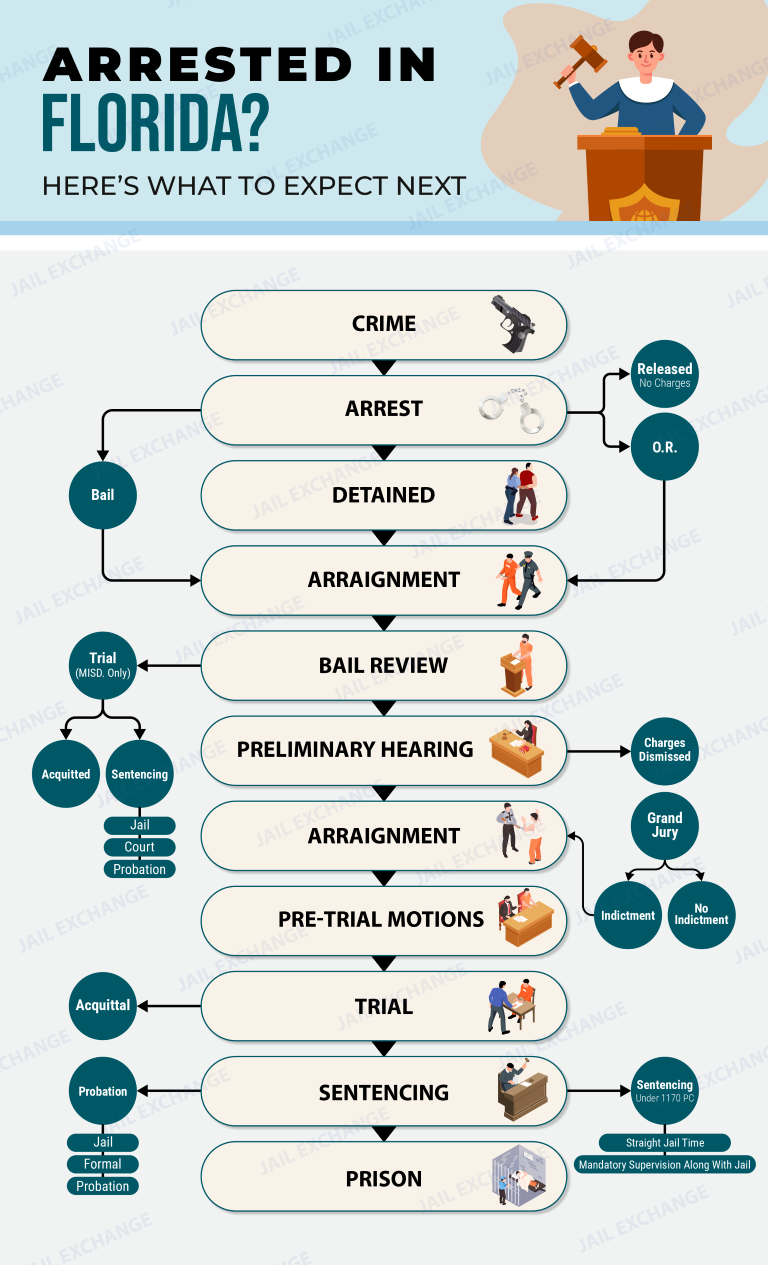
Miami-Dade Criminal Cases: What Happens and Where
Miami-Dade is the most crowded county in Florida, so its courts are big and busy. Still, the setup is easy to learn. There are two state trial courts. Miami-Dade County Court sorts out misdemeanors, criminal traffic offenses (DUI, hit-and-run with property damage) and local ordinance violations. Miami-Dade Circuit Court takes felonies plus juvenile delinquency, which is the court word for crimes by kids. The county forms the 11th Judicial Circuit all by itself; no other county is in it. Felony cases and many misdemeanor arraignments for people in jail are heard at the Richard E. Gerstein Justice Building, 1351 NW 12th St., Miami, FL 33125. County Court also meets at branch courthouses around the county. The Clerk of the Court and Comptroller’s main line is (305) 275-1155. Adults are held by Miami-Dade Corrections and Rehabilitation in three jails: Turner Guilford Knight (TGK) Correctional Center, Metro West Detention Center, and the Pre-Trial Detention Center beside the Gerstein building. See also our bail and bond page and our inmate lookup page.
Free case lookup: Miami-Dade isn’t on the shared records portal. The Clerk runs its own Criminal Justice Online System, where you can check felony and misdemeanor cases for free. Search with a case number or a defendant’s name; the site may ask you to set up a free account for some searches. It shows charges, hearing dates, bonds and outcomes. Sealed and expunged cases, juvenile records and other confidential material stay off the public view.
Federal court: Federal cases from here belong to the Southern District of Florida’s Miami Division. The main federal courthouse is the Wilkie D. Ferguson Jr. U.S. Courthouse, 400 North Miami Ave., Miami. A state case is a crime against Florida’s laws; a federal case is a crime against the nation’s laws or on property the U.S. government controls. Miami-Dade has a lot of that. Think PortMiami and Miami International Airport, where customs agents catch smuggled drugs, guns and cash. Think Homestead Air Reserve Base, Biscayne National Park, and the eastern part of Everglades National Park. Coast Guard crews also stop drug boats and migrant-smuggling trips offshore. Health care fraud cases are common here too. The Miccosukee Tribe has its reservation along the Tamiami Trail in western Miami-Dade, where tribal police work with state and federal officers. Pick a topic below.
1. Miami-Dade County Court charges: petit theft, DUI, resisting without violence, cannabis possession
A misdemeanor charge in Miami-Dade doesn’t always mean a ride to jail. Police can give a notice to appear, which works like a court ticket. Anyone booked into a Miami-Dade jail sees a judge at a bond hearing, also called first appearance, within a day of being taken in. The Gerstein building runs these hearings every day, weekends and holidays included. Since the start of 2026, Florida has a statewide bond chart (Supreme Court order AOSC25-69) that sets a minimum bond for release before that hearing. Some arrests, such as domestic violence, must wait for the judge. A bond is cash or a pledge that lets you wait for trial at home. A licensed bail bond agent may post it for a premium that Florida’s insurance department lists at 10%, and that money doesn’t come back.
At arraignment, the accused person pleads. Miami-Dade first-degree misdemeanors, like most petit thefts or nonviolent resisting, are punishable by up to 12 months in jail and a $1,000 fine. Lesser, second-degree misdemeanors stop at 60 days and $500. The Miami-Dade State Attorney’s Office has diversion programs for many first-time adults; finishing the requirements gets the charge dismissed.
The State Attorney for the 11th Circuit is elected countywide and prosecutes all state crimes here. The Miami-Dade Public Defender, also elected, can be appointed when a judge decides you can’t pay a lawyer. A conflict, like two co-defendants who blame each other, sends one of them to Criminal Conflict and Civil Regional Counsel. Through section 938.29, judges may order repayment for appointed counsel, with a minimum of $50 per misdemeanor case, and it creates a state lien to collect it. A misdemeanor is supposed to reach trial within 90 days of formal charges under Rule 3.191, unless the defense waives that. Six jurors hear the trial.
Under 18: Children accused of misdemeanors are sent to Circuit Court’s juvenile section. Miami-Dade police often use civil citation (section 985.12) for a first minor offense. The youngster puts in service hours or counseling sessions, and because no arrest happens, no arrest record exists.
2. Felonies at the Gerstein building: burglary, cocaine trafficking, organized fraud, stolen cars
Felonies are the crimes that can bring state prison time. In Miami-Dade, after the bond hearing, an assistant state attorney decides what to charge and files an information in Circuit Court. Arraignment follows at the Gerstein building, then discovery, where evidence like videos and lab reports is shared, and depositions, which are sworn interviews of witnesses.
Florida felony levels run from third degree up. Stealing a car is third degree, worth up to 5 years. Breaking into an occupied home is second degree, worth up to 15. First-degree felonies can bring 30, and some carry life. Cocaine and fentanyl trafficking come with mandatory minimum terms based on weight. The judge then scores the case on the Criminal Punishment Code worksheet. Points for the offense and any past convictions add up to the lowest legal sentence. In Florida prisons, inmates serve no less than 85% of their sentence.
Rule 3.191 starts a 175-day felony countdown at formal charging. In busy Miami courtrooms, the defense often waives it. Six jurors decide non-capital felony trials, but plea deals close out the large majority.
Under 18: Children the court orders held are taken by the Department of Juvenile Justice to the Miami-Dade Regional Juvenile Detention Center, 3300 NW 27th Ave., Miami. It is the state-run center for Miami-Dade youth. Within a day, a Miami-Dade juvenile judge holds a detention hearing deciding custody or home with conditions.
3. The most serious Miami cases: murder, carjacking, armed home invasion, sexual battery
Violent felonies run on the same track, with a few big differences. Prosecutors may seek pretrial detention, keeping a person jailed until trial. And whenever a gun shows up, section 775.087, nicknamed 10-20-Life, applies. If a gun was possessed during a crime like carjacking or home invasion, the minimum is 10 years. If it was fired, 20 years. If the shot killed or seriously hurt someone, 25 years and possibly life.
Because first-degree murder is a capital felony, the choices are death or life without parole. A 12-member jury hears the penalty phase, and since 2023 a death recommendation needs at least 8 votes. Florida’s condemned men are mostly at Union Correctional in Raiford, with condemned women at Lowell.
Victims in Miami-Dade lean on Marsy’s Law, the 2018 amendment found at Article I, Section 16(b). Miami-Dade victims can stay informed, attend court, and speak at bond hearings, pleas, and sentencing.
Under 18: Under section 985.557, prosecutors may choose a “direct file,” moving a teenager’s felony to adult court. Most felonies qualify once a youth turns 16. At 14 or 15, only grave crimes named in the statute count, such as murder, armed robbery, carjacking or sexual battery. No law has required a direct file since 2019. Section 985.56 adds one more path: indictment by grand jurors, open for children of every age when death or life is on the table.
4. How do I check a Miami-Dade warrant?
Most people look first at the clerk's Criminal Justice Online System, which lists each case with any capias. The Sheriff's Office holds Eleventh Circuit warrants and answers at (305) 743-7433; its warrants bureau confirms a name with a birth date. Counsel can arrange your surrender at Turner Guilford Knight, the county's intake jail. The clerk at the Justice Building on NW 12th Street handles new dates, and Hialeah, Homestead and Doral cases come through that court. Warrants from beyond the county are on FDLE's statewide wanted persons search.
Immigration holds. If ICE lodges a Miami-Dade detainer on someone:
- the Miami-Dade bond judge must be told (F.S. 908.105)
- Miami-Dade prosecutors are told as well
- Miami-Dade bond can still be granted
- the jail may hold them 48 more hours for ICE
- in Miami-Dade, weekends and holidays count
- a Miami-Dade forcible felony charge plus unlawful status in Miami-Dade means no release before first appearance (F.S. 907.041)
- at that point a Miami-Dade judge presumes detention, but the Miami-Dade defense can rebut it
Town courts. Looking for a Miami-Dade town court? There is none. Florida's 1972 Article V reform did away with Miami-Dade town courts, so Miami-Dade city ordinance cases go to Miami-Dade County Court.
Miami-Dade readers should use this page as background only, since it is not legal advice. Have a criminal defense attorney review your own facts, or call the Miami-Dade Clerk of the Court at (305) 275-1155 for help finding a case.

icare (operated by Aramark Correctional Services) is a specialized gift package and commissary program that allows family members to order brand-name snack bundles, confectioneries, hygiene kits, and freshly prepared hot meals sent directly to an incarcerated loved one. Every package is packed to adhere strictly to facility security regulations.
Important: Order Cutoffs and Delivery Windows Vary by Jail
Detention centers do not manage care package deliveries under identical schedules. While some facilities allow weekly orders, others restrict deliveries to bi-weekly or monthly distribution windows, and spending limits vary from jail to jail. You should verify the facility's active cutoff schedule and order allowances by calling them directly. If an order is submitted after the weekly processing deadline, delivery will be held until the following cycle, leaving your loved one waiting an extra cycle for fresh meals or personal snacks.
Step-by-Step Instructions to Place an icare Package Order
- Obtain the inmate's legal first and last name, date of birth, and assigned booking or inmate ID number.
- Visit www.icaregifts.com on your computer or mobile device.
- Select Find a Loved One and choose the state and detention facility.
- Search for the inmate using their ID number or legal last name to unlock the facility-specific catalog.
- Browse available fresh food items, snack packs, candy selections, and hygiene kits, adding items up to the facility's spending cap.
- Proceed to checkout, enter your debit or credit card billing details, and submit your order.
- Save your digital receipt and confirmation tracking number for your records.
What the Inmate Needs to Do
The inmate does not need an internet account to receive care packages. Aramark prepares the shipment in tamper-evident security packaging and delivers it directly to the facility commissary department. Staff inspect the delivery and distribute it during scheduled housing unit delivery rounds, where the inmate signs the delivery manifest.
Official Provider: icare Gifts Official Website
Customer Service Telephone: 1-888-439-5020
Support Hours: Monday – Friday, 8:00 AM – 9:00 PM EST; Saturday – Sunday, 9:00 AM – 5:00 PM EST
Supported Languages: English and Spanish
Other Services Associated with Aramark Corrections
Depending on individual facility agreements, additional trust funding and commissary services may be available:
- Inmate Trust Fund Deposits: Transfer funds directly to an inmate's jail trust account for independent commissary spending.
• Learn more on our website: Inmate Trust Deposits Guide | • Visit official vendor page: icare Inmate Services
Buy Commissary for an Inmate in the TGK Correctional Center
TGK Correctional Center Inmate Commissary - Sending Money or Purchasing Commissary for an Inmate
TGK Correctional Center allows inmates to purchase commissary. This can be snacks, hygiene products, stamps, stationary, clothing and even electronics.
You can buy commissary for an inmate using an online service called icare gifts.

There is a monthly limit of $200-300 on how much inmates can spend on commissary items.
This amount is subject to change so call the facility at 786-263-5341 in order to confirm the amount that cannot be exceeded.
Inmates have access to both an in-house commissary store, and commissary packages that can be purchased and shipped to the inmate by friends and family.
Scroll down for information on the TGK Correctional Center's service they use for you being able to purchase commissary items online and have them shipped directly to the inmate.
You can also go to our Inmate Money page for information on how to send money to an inmate.
TouchPay Inmate Trust Money Deposits
Provider: TouchPay Direct • A ViaPath Technologies Company (GTL Financial)

TouchPay (operated by GTL Financial Services and part of ViaPath Technologies) provides payment processing solutions enabling family members to deposit funds directly into an incarcerated person's jail trust and commissary account. Deposited funds allow the inmate to purchase commissary food items, clothing, hygiene essentials, and medical sundries, or transfer balances to phone time.
Important: Facility Site IDs and Deposit Limits Vary
Once a person is booked and moved to a housing unit, facilities do not always allow cash drop-offs or phone payments directly to the jail window. Some might and you should confirm this by calling the facility and asking. In addition, each correctional agency requires a specific TouchPay Site ID number to route payments accurately. If you do not register online and fund your loved one's trust account immediately, they may be forced to wait days or weeks for standard paper processing, leaving them without essential soap, clean undergarments, basic medical sundries or snacks.
Step-by-Step Instructions to Register and Deposit Trust Funds
- Obtain the inmate's legal first and last name, date of birth, and assigned facility booking ID number, along with the jail's 3- to 5-digit TouchPay Site ID.
- Navigate to www.touchpayonline.com or dial automated phone payments at 1-866-232-1899.
- Select Trust Deposits and enter the facility Site ID or search by state and agency name.
- Confirm the inmate's profile matches the facility's active housing roster.
- Enter the deposit dollar amount, review convenience and transaction fees, and input your credit or debit card billing information.
- Submit payment and record your confirmation tracking number for your financial records.
What the Inmate Needs to Do
The inmate does not need an internet account to receive trust funds. Once authorized, funds post directly to their facility accounting balance in the jail's internal system. The inmate can review their updated balance at a dayroom kiosk terminal or on their trust receipt and place orders on their regular commissary distribution day.
Official Providers: TouchPay Official Website | ViaPath Technologies
Customer Service Telephone: 1-866-232-1899 (Automated & Live Support)
Support Hours: Automated Deposits 24/7/365; Live Support Monday – Friday, 8:00 AM – 7:00 PM CST
Supported Languages: English and Spanish
Other Services Provided by TouchPay (ViaPath Technologies)
In addition to Trust Money Deposits, TouchPay and ViaPath handle bail bonding and inmate telephone services:
- TouchPay Cash Bail & Bond Payments: Pay appearance bonds and release fees online 24/7 to expedite custody release.
• Learn more on our website: Cash Bail & Bonding Guide | • Visit official vendor page: TouchPay Bail Services - AdvancePay Phone Calling Accounts: Prepay for phone calling credits so your loved one can call your mobile phone directly.
• Learn more on our website: AdvancePay Calling Guide | • Visit official vendor page: ViaPath ConnectNetwork Calling
Deposit Money for an Inmate in the TGK Correctional Center
Money for someone at the Turner Guilford Knight (TGK) Correctional Center goes into a trust account run by Miami-Dade Corrections. It can pay for commissary items, fees, or self-bonding.
- Phone deposit: Call TouchPay at 866-232-1899 any day and pay with a Visa or Mastercard credit or debit card.
- Web deposit: Go to TouchPay and use the same kinds of cards. If you type in your email, a receipt is sent to you.
- Kiosk in the TGK lobby: At 7000 NW 41st Street, Miami, the lobby kiosk takes cash plus credit and debit cards. This is the only way to deposit cash.
Every deposit needs facility number 233101, the person's name and their jail number. Do not mail money orders, checks or cash. For help, call 786-263-5341.
Turner Guilford Knight Correctional Center, known as TGK, is a Miami-Dade Corrections and Rehabilitation jail on NW 41st Street in Miami. If you want to write to someone here, send the letter to the department's digital mail center, not to TGK. The letter is scanned and shown to the inmate instead of being handed over on paper, a step jails take because people have mailed in paper soaked with drugs and dried. TGK's street address takes legal mail only.
Personal mail (scanned at the mail center):
Inmate's Full Name & Booking #
Miami-Dade Corrections and Rehabilitation Department
PO Box 20527
Tampa, FL 33622
Legal mail to TGK:
Inmate's Full Name & Booking #
TGK Correctional Center
7000 NW 41 Street
Miami, FL 33166
- Inmate's details: Their full name, booking number and the name "Miami-Dade Corrections and Rehabilitation Department" belong on the envelope. The jail search has the number.
- From line: Spell out your first and last name, street, city, state and ZIP.
- Mailing it: Send by U.S. Mail. Packages or letters from private carriers will not be accepted.
- What to write on: Lined white paper and a white envelope. Homemade envelopes, colored paper and anything glued are rejected.
- Photos: Leave out Polaroids and anything over 8 x 10. Pictures that show nudity, sex or swimsuits are not allowed.
- Money orders: Don't mail them. The jail rejects money orders, checks and cash in letters. Use online deposits, the phone line, or the kiosk in the TGK lobby, where cash is accepted.
- No reading material: Books, magazines, newspapers and religious materials can't be sent in.
- Also refused: Greeting cards, postcards, stamps, plastic cards, food, flowers, candy and clothing.
- From an attorney: Legal mail can be mailed or left in the TGK legal drop box, with the law firm, inmate name and jail number marked clearly. It is not forwarded if the person has moved to another jail.
Families can order gift packages from the commissary or send electronic messages.
TGK Correctional Center Phone Calls: Free at Booking, Prepaid After
Provider: Securus Technologies (Aventiv)Turner Guilford Knight Correctional Center, 7000 NW 41st Street in Miami, is where Miami-Dade Corrections books new arrests. The county says "loved ones have access to free phone calls throughout the booking process." After that, calls run through Securus.
After Booking
"Friends and family members can stay in touch with an inmate by setting up a prepaid collect calling service" "that allows an inmate to call your phone number using deposited funds." "Inmates cannot receive calls."
The 2024 Securus Contract
- The county's award memo (March 19, 2024) says that, at no charge to "rule abiding detainees," the contract includes "up to 90 minutes of phone calls per day," "two hours of video visitation per week" and "unlimited phone calls with their Attorneys."
- "The County will forego a commission paid to the County."
- The county's family page does not yet describe these free minutes. Ask Securus or the jail what applies today.
Numbers to Call
TGK Information Desk: 786-263-5550. Securus Inmate Phone System Customer Service: 1-800-844-6591. Have the person's full name and date of birth.
More From Securus
- Calls: AdvancePay prepaid account, online, app or phone.
• Guide: TGK Phones | • Securus: AdvancePay - Video: "Effective October 1, 2026, Securus Video Connect will become the sole system for video visitation."
• Guide: Video Visits - eMessages: "eMessages are paid for by purchasing a book of stamps."
• Guide: Messaging
Securus AdvanceConnect is a prepaid calling account that links directly to your mobile phone or landline number, allowing you to receive outbound calls from an incarcerated individual. Because correctional phone systems never allow incoming calls, funding an AdvanceConnect balance ensures calls are accepted immediately without being blocked by cell carriers.
Important: Mobile Networks Block Inmate Calls Without Prepaid Funds
Correctional facilities do not allow collect billing to cell phones, and mobile carriers automatically block incoming collect calls from detention centers. While some residential landlines may allow direct billing, mobile phones and VoIP services require an active prepaid AdvanceConnect balance, which you can verify with your phone provider. If you do not register online and fund your account right away, your loved one will hear an automated error message stating that your number cannot accept calls.
Step-by-Step Instructions to Register and Fund AdvanceConnect
- Go to securustech.online or open the Securus mobile app.
- Select Sign Up and create your account using your 10-digit telephone number and email address.
- Search for your facility by state and agency name, then add the inmate using their full legal name or booking ID.
- Select AdvanceConnect under calling accounts.
- Choose your deposit amount, review convenience and transaction fees, and enter your credit or debit card billing details.
- Authorize payment and confirm that your mobile phone allows calls from automated or unknown correctional numbers.
What the Inmate Needs to Do
The inmate picks up any dayroom phone or logs onto their handheld tablet, dials your 10-digit number, and enters their assigned PIN. The automated system verifies that your AdvanceConnect account has an active balance and connects the call. All calls are subject to recording and monitoring by facility staff.
Official Provider: Securus Technologies Official Website
Customer Service Telephone: 1-800-844-6591
Support Hours: 24 hours a day, 7 days a week, 365 days a year
Supported Languages: English and Spanish
Other Services Provided by Securus Technologies
In addition to AdvanceConnect Prepaid Calling, Securus Technologies and its subsidiary JPay provide several other communication, financial, and visitation services:
- Direct Bill Phone Calling: Establish a monthly billed calling account for verified landline numbers.
• Learn more on our website: Direct Bill Phone Calling Guide | • Visit official vendor page: Securus Direct Bill - Securus Video Connect: Schedule and join live video visits from home using your computer or smartphone.
• Learn more on our website: Video Visitation Guide | • Visit official vendor page: Securus Video Connect - JPay Money Deposits (Trust & Canteen): Send money directly into an inmate's jail trust account for commissary store purchases.
• Learn more on our website: Money Deposits Guide | • Visit official vendor page: JPay Money Transfers - JPay Email Messaging & Photos: Send electronic messages, photo attachments, and VideoGrams directly to their tablet or kiosk.
• Learn more on our website: Email Messaging Guide | • Visit official vendor page: JPay Email Services
Securus Direct Bill is an invoiced telephone calling service designed for approved residential landlines, law offices, and commercial businesses. Instead of prepaying funds in advance, calls received from an incarcerated individual are billed directly to your account on a monthly itemized billing invoice.
Important: Direct Bill Requires Credit Approval and Qualifying Lines
Direct Bill is not available for mobile cell phones, internet VoIP numbers, or customers with poor or unestablished telephone credit history. Correctional facilities enforce strict telecommunications billing rules, which you can verify by calling Securus customer care. If your line does not meet credit approval standards, you must open an AdvanceConnect prepaid account instead to receive incoming calls from your loved one.
Step-by-Step Instructions to Set Up a Direct Bill Account
- Contact Securus customer service at 1-800-844-6591 or submit an application via securustech.net.
- Provide your billing name, service address, and qualifying residential or business landline telephone number.
- Submit to a standard credit evaluation performed by Securus to determine billing eligibility.
- Establish your authorized monthly credit limit upon approval.
- When your phone rings with a call from the detention center, follow the recorded operator instructions and press the requested key to accept charges.
- Pay your monthly billing invoice online, by phone, or through the mail.
What the Inmate Needs to Do
The inmate dials your phone number from any dayroom telephone and keys in their assigned PIN. The automated system verifies that your account is in good standing and has not exceeded its monthly spending ceiling before connecting the call. All non-privileged conversations are recorded and monitored.
Official Provider: Securus Technologies Official Website
Customer Service Telephone: 1-800-844-6591
Support Hours: 24 hours a day, 7 days a week, 365 days a year
Supported Languages: English and Spanish
Other Services Provided by Securus Technologies
In addition to Direct Bill Calling, Securus and its subsidiary JPay offer several other communication, financial, and visitation services:
- AdvanceConnect Prepaid Calling: Fund a prepaid calling account tied to your mobile phone number.
• Learn more on our website: AdvanceConnect Calling Guide | • Visit official vendor page: Securus AdvanceConnect - Securus Video Connect: Schedule and join live video visits from home using your computer or smartphone.
• Learn more on our website: Video Visitation Guide | • Visit official vendor page: Securus Video Connect - JPay Money Deposits (Trust & Canteen): Send money directly into an inmate's jail trust account for commissary store purchases.
• Learn more on our website: Money Deposits Guide | • Visit official vendor page: JPay Money Transfers - JPay Email Messaging & Photos: Send electronic letters, photos, and VideoGrams directly to their tablet or kiosk.
• Learn more on our website: Email Messaging Guide | • Visit official vendor page: JPay Email Services
Securus eMessaging provides a digital messaging service that allows family members to send electronic letters, digital photos, and eCards directly to an incarcerated loved one via handheld tablets and housing unit kiosks. Messages are screened electronically, delivering communication within hours instead of waiting days for postal mail delivery.
Important: Physical Mail Bans and Stamp Requirements Vary
Inmates cannot receive incoming phone calls, and traditional postal mail rules differ across correctional systems. While some jails continue to accept handwritten letters, many facilities have transitioned entirely to electronic messaging or digital mail scanning, which you can verify by checking facility rules. If you do not register online and purchase eMessaging stamps right away, your loved one may face lengthy periods without direct written contact from family.
Step-by-Step Instructions to Register and Send eMessages
- Go to securustech.online or open the Securus mobile app.
- Sign into your verified profile or create an account with your email and phone number.
- Select eMessaging from your service dashboard.
- Link the inmate to your account by selecting the facility and entering their legal name or booking ID.
- Purchase an eMessaging stamp book using a debit or credit card.
- Type your message in the editor, attach photos or eCards if permitted, and optionally include a prepaid reply stamp.
- Submit your message to the facility's screening queue.
What the Inmate Needs to Do
All electronic correspondence is screened by correctional staff before delivery. Once approved, the message arrives in the inmate's inbox on their assigned Securus tablet or housing unit kiosk. The inmate opens the message, views attached photos, and drafts an electronic reply using their available stamp balance.
Official Provider: Securus Technologies Official Website
Customer Service Telephone: 1-800-844-6591
Support Hours: 24 hours a day, 7 days a week, 365 days a year
Supported Languages: English and Spanish
Other Services Provided by Securus Technologies
In addition to eMessaging, Securus provides calling, video visitation, and trust money services:
- AdvanceConnect Prepaid Calling: Prepay for phone calling credits so your loved one can call your mobile phone directly.
• Learn more on our website: AdvanceConnect Calling Guide | • Visit official vendor page: Securus AdvanceConnect - Securus Video Connect: Schedule and join live video visits from home using your computer or smartphone.
• Learn more on our website: Video Visitation Guide | • Visit official vendor page: Securus Video Connect - JPay Money Deposits (Partner Trust Transfers): Send money directly into an inmate's jail trust account for commissary shopping.
• Learn more on our website: Money Deposits Guide | • Visit official vendor page: JPay Money Transfers
Securus Technologies (Aventiv) deploys secure, corrections-grade community tablets to incarcerated individuals across state prison systems and county jails. Operating over a private, encrypted facility network, these devices provide access to digital messaging (eMessaging), phone calls, educational courses, job search tools, eBooks, podcasts, and streaming music directly from housing units.
Important: Tablet Hardware Deployment and Rental Rules Vary
Detention centers do not manage tablet distribution identically. While some agencies issue individual personal tablets to every detainee at booking, others utilize shared pod docking stations or restrict tablet use to specific dayroom hours, which you should confirm with the facility directly. Although core educational and legal resources are generally provided free of charge, sending messages, listening to music, or making phone calls from the tablet requires an active balance funded by outside contacts.
Step-by-Step Instructions to Support and Fund Securus Tablets
- Verify that Securus handheld tablets are deployed at your loved one's specific facility.
- Log into your account at securustech.online or launch the Securus mobile app.
- Ensure the inmate is linked to your contact list using their legal name and booking ID number.
- Purchase eMessaging Stamps for digital messaging, fund an AdvanceConnect account for phone calls, or deposit funds into their Inmate Debit account for music and media.
- Review all transaction charges, complete payment with a credit or debit card, and save your confirmation receipt.
- Notify your loved one that funds have posted so they can access their media and communication apps.
What the Inmate Needs to Do
The inmate unlocks their assigned tablet using their facility PIN or biometric verification. They can access free rehabilitative and educational materials at no charge, or open communication and media applications to draft messages, place phone calls, or stream music using available balances. Devices are docked during quiet hours and shift changes for secure recharging and data synchronization.
Official Provider: Securus Technologies Official Website
Customer Service Telephone: 1-800-844-6591
Support Hours: 24 hours a day, 7 days a week, 365 days a year
Supported Languages: English and Spanish
Other Services Provided by Securus Technologies
In addition to Tablet Services, Securus provides calling, messaging, video visitation, and trust money transfers:
- eMessaging & Digital Mail: Send electronic messages, photo attachments, and eCards directly to an inmate's tablet.
• Learn more on our website: eMessaging Guide | • Visit official vendor page: Securus eMessaging - AdvanceConnect Prepaid Calling: Prepay for phone calling credits so your loved one can call your telephone directly.
• Learn more on our website: AdvanceConnect Calling Guide | • Visit official vendor page: Securus AdvanceConnect - Securus Video Connect: Schedule and join live video visits from home using your computer or smartphone.
• Learn more on our website: Video Visitation Guide | • Visit official vendor page: Securus Video Connect - JPay Money Deposits (Partner Trust Transfers): Send money directly into an inmate's jail trust account for commissary shopping.
• Learn more on our website: Money Deposits Guide | • Visit official vendor page: JPay Money Transfers
Miami-Dade County County Jails
Miami-Dade County Juvenile Facilities
Nearby counties
- Jail (Main): 786-263-5341
- Administration: 786-263-5569
- Adult Court: 305-275-1155
- Adult Probation: 305-377-7040
- Bail: 786-263-7000
- Booking: 786-263-4100
- Boot Camp: 786-263-5809
- Chaplains: 786-263-6150
- Community Corrections: 786-263-4899
- Drug Court: 305-548-5135
- Inmate Info: 786-263-7000
- Juvenile Court: 305-275-1155
- Juvenile Probation: 305-493-6071
- Police: 305-476-5423
- Pre-Trial -Checking In/Reporting: 786-263-6700
- Pre-Trial Services: 786-263-4100
- Public Affairs - Corrections: 786-263-6100
- Public Defender - Adults: 305-545-1600
- Public Defender - Juveniles: 305-638-6241
- Sheriff: 305-476-5423
- Traffic & Misdemeanor Court: 305-275-1111
- Visitation: 786-263-5600
- Work Release: 786-263-4899
The TGK Correctional Center serves the following cities and towns of Miami-Dade County: Aventura, Bal Harbour, Bay Harbor Islands, Biscayne Park, Coral Gables, Cutler Bay, Doral, El Portal, Florida City, Hialeah, Hialeah Gardens, Homestead, Indian Creek, Key Biscayne, Medley, Miami, Miami Beach, Miami Gardens, Miami Lakes, Miami Shores, Miami Springs, North Bay Village, North Miami, North Miami Beach, Opa-locka, Palmetto Bay, Pinecrest, South Miami, Sunny Isles Beach, Surfside, Sweetwater, Virginia Gardens and West Miami.