
Dekalb County Detention Center
Dekalb County Detention Center
Dekalb County Detention Center
256-845-8565DeKalb County Inmate Search and Jail Help
Someone you love got arrested somewhere between Valley Head and Crossville, and now you need to find them. This page covers searching for them, charges, bond, visits, money, mail and release. Adults arrested anywhere across Sand Mountain and Lookout Mountain are booked at the 235-bed DeKalb County Detention Center, 2801 Jordan Road SW, Fort Payne, AL 35968.
Pull up the sheriff's inmate roster and enter a surname. Check that the listed age fits your person before relying on a hit, and copy the booking number down, because the jail asks for it on calls, deposits and mail.
Still stuck? Phone the detention center at 256-845-8565 giving the legal name and birthday. Ask if booking is complete and which charges were filed. Our bond help page walks through release options, and our court guide handles hearings.
Read inmate search answers
 Read inmate search answers
1. How do I search the DeKalb inmate roster?
On the sheriff's roster, type a surname, then scroll through the list of people now held at Jordan Road. Note the booking number when an entry gives one. When a name is common, check the age or birthday so you land on the right person.
Prefer a phone? The Sheriff's Office has a free app for the iPhone and one for Android that opens the same roster. If a page will not load, ring the detention line at 256-845-8565 and staff can look the person up. Write the booking number on something you will keep, since it speeds up almost every task that follows, from deposits to visits.
↑ Back to the question list2. Why is a recent arrest not showing yet?
Someone picked up an hour ago may need several hours to appear. Jordan Road booking involves prints, a photo, a background check and logging personal belongings, and the roster only updates once that work is done.
There are a few other reasons a name may not appear. The person might have been given a ticket and let go on the spot. A town officer may still be holding them at a station for a short while. Or they may already be out on bond. Before you panic, call the detention center at 2801 Jordan Road SW, Fort Payne, AL 35968, 256-845-8565. If you are unsure which agency made the arrest, the sheriff's dispatchers at 256-845-3801 can check booking for you at any hour.
↑ Back to the question list3. Where is the Jordan Road jail located?
The Sheriff's Office runs the detention center at 2801 Jordan Road SW, Fort Payne, AL 35968. With 235 beds, it ranks among the bigger jails in the northeast corner of Alabama. Nearly every adult arrested in the county passes through its doors, no matter which agency made the stop.
For a question about one inmate, the jail's own line, 256-845-8565, gets the quickest answer. The sheriff's main number, 256-845-3801, is answered 24 hours a day. The sheriff's administrative office keeps weekday hours of 8:00 a.m. to 4:00 p.m. The sheriff's FAQ answers many family questions, from bond types to deposits, and is worth reading before you drive up the mountain.
↑ Back to the question list4. Can I see DeKalb County mugshots?
Yes. The sheriff's current roster places mugshots beside the names of people held now, sorted with the newest bookings first. A face check like that settles most mix-ups between people sharing a name.
Some photos are handled more tightly. An ICE photo is released only after a FOIA filing with ICE that the agency approves. Federal Marshals photos stay sealed from the public and press, apart from cases where one helps catch a fugitive or escapee or warns of urgent danger. A news outlet seeking a county photo absent from the roster may phone the Sheriff's Office at 256-845-3801.
↑ Back to the question list5. Could the officer have just written a ticket?
Yes, that happens a lot with traffic stops and minor charges. Instead of a ride to jail, the person signs a citation and goes home with a court date printed on it. They will not appear on the jail roster in that case.
Tickets from Fort Payne police go to the city court at 100 Alabama Avenue NW, Fort Payne, AL 35967, 256-845-6728. Tickets from deputies and troopers usually go to District Court at the Grand Avenue courthouse. Missing that date is a real problem, because the judge can issue a warrant. If you are not sure which court is on the ticket, call the circuit clerk at 256-845-8525 and give the name and date of the stop.
↑ Back to the question list6. When will a judge first see the case?
Timing depends on how the arrest happened. A person arrested with no warrant must get a probable cause review within 48 hours, or the lowest bond becomes available. After a warrant arrest, someone left sitting in jail gets a hearing in no more than 72 hours.
Family violence arrests follow their own rule. The law makes the person wait up to a full day before bail is set. Whatever the charge, a judge at that first hearing reads the counts aloud, reviews bond, and may appoint a lawyer if the defendant cannot afford one. To find the date and courtroom, phone the circuit clerk at 300 Grand Avenue South, Suite 200, Fort Payne, AL 35967, 256-845-8525, and press 2 for the criminal desk.
↑ Back to the question list7. What kinds of bond can get someone out?
The sheriff lists four: a bonding company, a property bond, a cash bond, and release on the person's own signed promise. Amounts usually follow Alabama's bail chart, and Alabama layers its own fee of 3.5% plus $35 over that. Call the jail at 256-845-8565 to learn which type the judge allowed.
A few charges can mean no bail. After a hearing, Aniah's Law permits holding someone without bail on certain violent crimes. A change that began May 19, 2026 added two crimes to the list: attempted murder, and gunfire into a home, car or building with people in it. The circuit clerk keeps the court papers at 300 Grand Avenue South, Suite 200, Fort Payne, AL 35967, 256-845-8525. Our bond help page takes each option step by step.
↑ Back to the question list8. Which court handles a DeKalb charge?
District Court and Circuit Court both sit at the courthouse on Grand Avenue South in Fort Payne. District Court takes misdemeanors, traffic and the start of felony cases. Circuit Court takes felonies after indictment and holds jury trials.
City charges go to the town that wrote them. Fort Payne's court is at 100 Alabama Avenue NW, Fort Payne, AL 35967, with the magistrate at 256-845-6728. Rainsville's sits in City Hall, 70 McCurdy Avenue South, Rainsville, AL 35986, 256-638-6334. Collinsville, Henagar, Fyffe and several other towns run courts of their own. Our criminal court guide explains each stage, from the first hearing through trial and appeal.
↑ Back to the question list9. How can someone in jail get a lawyer?
Can't afford a defense? The defendant may request appointed counsel. Here, a judge assigns a private attorney after reading a sworn financial form the defendant signs about wages and bills. That usually happens at the first appearance.
Relatives help most by rounding up pay stubs and bills, and by urging the defendant to request counsel at the very start, well ahead of a plea. Hiring private counsel is always allowed instead. For the steps to request one, call the circuit clerk's criminal desk, option 2 at 256-845-8525. The Office of Indigent Defense Services, 100 North Union Street, Suite 680, Montgomery, AL 36104, 334-242-7059, runs Alabama's appointed-lawyer system.
↑ Back to the question list10. What do the charges listed on the roster mean?
Roster charges reflect booking, and they can shift after the prosecutor files. Felony convictions may mean prison terms beyond a year. Misdemeanors are capped at a year of county jail time. Alabama splits each group into classes, with Class A as the most serious.
To read the actual court papers, you can look at files at the courthouse at no cost: 300 Grand Avenue South, Suite 200, Fort Payne, AL 35967, 256-845-8525, open 8:00 a.m. to 4:00 p.m. on weekdays. Alacourt Access sells online searches for $9.99 a name. Booking charges are accusations, not convictions, so try not to read the legal wording as a final verdict.
↑ Back to the question list11. Who at the DeKalb jail hears about health problems?
Call the detention center at 2801 Jordan Road SW, Fort Payne, AL 35968, 256-845-8565, and request the supervisor on duty. Share the person's name and booking number, then explain the health problem, the medicine they take with the dose, and the name of their doctor or pharmacy.
Speak calmly and stick to facts, because staff need clear details to act. If the person has diabetes, seizures, a heart condition or a mental health need, say so plainly. Should they have been hurt during the arrest, take dated photos and notes of what you saw and give them to the defense lawyer. Call back later to make sure the message reached the medical team.
↑ Back to the question list12. How do video visits work at Jordan Road?
Visits here are done by video. You will need to register online first and then wait for jail staff to approve your account, which can take some time, so sign up early.
Each screen visit must be booked at least one day ahead. You can join from home using a phone or a laptop with a camera, so there is no need to drive to Fort Payne. Sign-up asks for the inmate's name, so keep the booking number nearby as well. Our remote visits page walks through the setup, and our visitation guide covers rules about dress, behavior and who may visit. Call the jail at 256-845-8565 if your approval seems stuck.
↑ Back to the question list13. Can family members talk by phone with an inmate?
People held at Jordan Road can dial out, though incoming calls to inmates are impossible. Calls run on prepaid accounts that a family member sets up and funds.
If you choose automatic payments, the fee is capped at three dollars. The commissary may also sell phone cards that the inmate can buy with money on their account. Save talk about the arrest itself for meetings with counsel. For account setup and rates, read our inmate phone page. For a problem with a call account, ask the detention center at 256-845-8565 which company to contact.
↑ Back to the question list14. What are the ways to deposit money?
The sheriff's FAQ lists several ways to send money that do not require a trip to Fort Payne:
- the online deposit site the sheriff links to
- the deposit phone line, 855-836-3364
- the kiosk in the jail lobby, which charges a fee
- a money order dropped in the box outside the detention center doors
Inmates may not keep cash, so never mail bills or hand them over. The balance pays for commissary items and calls, but it never counts toward a bond. Each money order should show the inmate's name and booking number. Our inmate money page compares the deposit methods. Call 256-845-8565 to ask about lobby kiosk hours.
↑ Back to the question list15. What mailing address does the DeKalb jail use?
Letters go straight to the jail, set up like this:
- Inmate's full name and ID number
- DeKalb County Detention Center
- 2801 Jordan Road SW, Fort Payne, AL 35968
Use the same address for book or magazine subscriptions. Every envelope should carry the inmate's legal name plus booking number, since mail with only a nickname can go astray. Add your own name and return address so anything sent back finds you. Never mail cash. Our jail mail guide lists what is usually allowed. If a letter bounces back, call the detention center at 256-845-8565 and ask what rule it broke before you try again.
↑ Back to the question list16. How long does release take, and when is property returned?
Paying bond starts the clock, but walking out takes longer. Jail staff must check for other holds, process the paperwork and return the person's things. Plan on a wait, and call the detention center at 2801 Jordan Road SW, Fort Payne, AL 35968, 256-845-8565, before you drive over, so you are not sitting outside for hours.
The property bag the person came in with is handed back at release, so they leave with their wallet, phone and clothes. Should a relative need to collect belongings during the stay, ask staff what written permission and ID the jail wants first. Money left on the inmate account is handled separately, so ask how a remaining balance gets paid out.
↑ Back to the question list17. Can I check whether someone has a DeKalb warrant?
Deputies at 2801 Jordan Road SW, Fort Payne, AL 35968 take warrant calls at 256-845-3801, and the sheriff's FAQ adds a warrant line, 256-845-8560. Anyone can browse the sheriff's wanted page. For people sought elsewhere in Alabama, check ALEA's wanted list. Court files are on Alacourt Access at $9.99 per name. Surrender with a lawyer by your side, and with bail sorted beforehand, is the smoothest route. Copies of warrant paperwork come from the circuit clerk, 300 Grand Avenue South, Suite 200, Fort Payne, AL 35967, 256-845-8525.
↑ Back to the question list18. What if the arrest is federal?
Federal agents such as the ATF, the Secret Service and the U.S. Marshals sometimes make arrests here. Those cases go to the federal court in Anniston, 1100 Gurnee Avenue, Anniston, AL 36201, 256-741-1533. Cases from this county moved there from Gadsden in December 2024. Clerk staff are not in Anniston every day, so the Birmingham clerk at 205-278-1700 is often the better call.
A magistrate judge holds a first hearing soon after booking, and pretrial services interviews the person. There is no bail chart; the judge sets conditions under the Bail Reform Act. Until sentencing, the Marshals may house the person in a nearby contract jail, and the county roster may list the Marshals as the holding agency. Reach the Marshals at 1729 5th Avenue North, Room 240, Birmingham, AL 35203, 205-829-6611. Once a prison term is imposed, the BOP locator tracks which federal prison they land in.
↑ Back to the question list19. How does an immigration hold play out here?
- Fingerprints taken at booking are shared, and ICE may then file a detainer.
- Paying the county bail does not lift it. The 48-hour hold only starts after the local case would let the person go.
- The 48 hours run straight through, counted from the release time.
- ICE officers usually come in person within that window. If they do not, the jail is supposed to release the person on the local case.
- Questions go to the ICE New Orleans Field Office, 181 James Drive W, St. Rose, LA 70087, 504-318-2360.
- ICE alone picks the next facility, and plans can shift.
- ICE's detainee locator finds people from an A-number together with the birth country, or by full name, birth date and home country.
20. When does someone move on to state prison?
Once a sentence tops twelve months, the state takes over rather than the county. Until the Alabama Department of Corrections has a bed, the person often waits at Jordan Road, sometimes for weeks.
When the move happens, they go first to a reception unit for intake. Intake staff weigh physical and mental health care, set a custody level and screen for gang ties. Placement follows at a prison suited to that review. The ADOC inmate search accepts a name or AIS number, and youthful offender cases do not show there. Our Alabama prison directory has a page for each state prison once you know where they landed.
↑ Back to the question list21. What happens to a teenager arrested in DeKalb?
Kids younger than 18 usually appear before the juvenile court inside the Fort Payne courthouse. Youth files stay sealed, and minors never land on the adult list.
A child the judge orders held stays in Anniston, at Coosa Valley Regional Juvenile Detention Center, 4625 McClellan Boulevard, Anniston, AL 36204, 256-237-2881, and sees a judge within three days. There is no money bail for children. Some 16- and 17-year-olds accused of major felonies go to adult court instead and can be held at Jordan Road. For the child's whereabouts and the next juvenile hearing, call the circuit clerk at 300 Grand Avenue South, Suite 200, Fort Payne, AL 35967, 256-845-8525, and ask for the juvenile desk.
↑ Back to the question list22. Is a call asking for bond money real?
Be careful. Scammers sometimes call families after an arrest, already knowing the name and the charge, and demand payment by gift card, payment app or barcode. The jail and the courts never take bond that way, so a demand like that is a scam every time.
Hang up and check the facts yourself. Look the person up on the roster, then call the Jordan Road detention desk at 256-845-8565 to confirm any bond amount. Then tell sheriff's dispatchers about the fake call at 256-845-3801. Never give a caller your bank or card numbers. If you already sent money, call your bank at once and keep the caller's number and any messages.
↑ Back to the question list23. Which agency arrested them, and which nearby jails matter?
The arresting agency decides where the person goes first. Fort Payne police work from their station on Gault Avenue South downtown, non-emergency 256-845-1414. Rainsville police answer at 256-638-2157. Henagar, Collinsville, Crossville, Ider, Geraldine, Fyffe, Sylvania and Valley Head have smaller forces or lean on deputies. State troopers cover Interstate 59 and Highway 35. Town officers may hold someone at a station briefly, but adults go on to Jordan Road for booking.
For arrests close to a county border, try these neighboring jails as well:
- Cherokee County Detention Center, 110 Cedar Bluff Road, Centre, AL 35960, 256-927-6435
- Jackson County Jail, 545 Parks Avenue, Scottsboro, AL 35768, 256-574-1884
- Etowah County Detention Center, 827 Forrest Avenue, Gadsden, AL 35901, 256-549-5408
- Marshall County Detention Center, 423 Blount Avenue, Guntersville, AL 35976, 256-582-2034
DeKalb County Bail and Bond Help
Here we sort out bond for a family whose loved one was jailed in DeKalb County: release types, money, courts and any holds that might slow a homecoming. Adults brought in by deputies, troopers or most town officers get booked at the DeKalb County Detention Center, 2801 Jordan Road SW, Fort Payne, AL 35968. The Sheriff's Office runs that jail.
Look on the sheriff's inmate roster first and jot down any booking number it gives. Our Inmate Search page covers who sits in custody today, fresh arrests, warrants, charges, mugshots and collecting belongings once someone walks out.
Then ring the detention center at 256-845-8565. Find out the bond type and the dollar figure per count, plus any other hold stacked on top. Our court guide for this county explains which bench has the case and what the coming hearing is for.
1. What should I do first after a DeKalb arrest?
Find out which agency put on the handcuffs. Deputies, state troopers and officers from towns like Fort Payne and Rainsville all patrol here, and that agency often decides which court controls the bond. Almost every adult still rides to Jordan Road for booking.
Phone the detention center at 2801 Jordan Road SW, Fort Payne, AL 35968, 256-845-8565. Have the person's legal name ready, along with the birthday. Then ask if booking has wrapped up, the bond attached to each count, and which window accepts payment. Jot the replies on paper along with the time of your call. Should the jail line ring busy late at night, try the sheriff's round-the-clock number, 256-845-3801; a dispatcher there can transfer you.
↑ Back to the question list2. Which four release types does the sheriff list?
The sheriff's FAQ spells out four routes out of the Jordan Road jail on a bond. The judge's written order says which of them fit a particular charge.
- Bonding company: a licensed agent posts it, and your family pays that agent for the service.
- Property bond: Alabama land backs up the pledge to return for every hearing.
- Cash bond: someone hands the whole sum to the court, and it may be refunded later.
- Own recognizance: the accused promises in writing to return, with nothing paid at the start.
Before paying a cent, have detention staff at 2801 Jordan Road SW, Fort Payne, AL 35968, 256-845-8565, confirm which route the order permits. Our Alabama bail laws page digs further into each type statewide.
↑ Back to the question list3. How much might bond be under Alabama's chart?
Alabama Rule 7.2 gives judges a recommended dollar window, sorted by how serious the offense class is. Think of it as a starting point. A judge in Fort Payne may set more or less once they weigh public safety, past convictions and how rooted the accused is in the community. Main rows of that chart:
- City ordinance case: $300 to $1,000
- Class C misdemeanor: $300 to $1,000
- Class B misdemeanor: $300 to $3,000
- Class A misdemeanor: $300 to $6,000
- DUI: $1,000 to $7,500
- Class D felony: $1,000 to $10,000
- Class C felony: $2,500 to $15,000
- Class B felony: $5,000 to $30,000
- Class A felony: $10,000 to $60,000
- Drug trafficking or manufacturing: $5,000 to $1,500,000
Open the full Rule 7.2 bail schedule for every row. Whatever figure the signed order lists for a count is the one that matters.
↑ Back to the question list4. Where is bond paid in Fort Payne?
That varies from case to case, so phone the jail before getting in the car. Staff at 2801 Jordan Road SW, Fort Payne, AL 35968, 256-845-8565, can tell you if this bond gets handled at the detention center or over at the courthouse.
For state cases the circuit clerk holds the court paperwork at the DeKalb County Courthouse, 300 Grand Avenue South, Suite 200, Fort Payne, AL 35967, 256-845-8525. That counter opens 8:00 a.m. to 4:00 p.m., Monday through Friday. The sheriff's front office out on Jordan Road keeps matching weekday hours. Nights and weekends, the jail is where to ask what it can accept, so dial the detention line before leaving home. Carry a photo ID plus the booking and case numbers when you have them.
↑ Back to the question list5. What payment types and fees should I plan for?
Ask jail staff at 256-845-8565 which kinds of payment they take on bonds before heading over, since that can shift from one case to the next. Get the full total from them as well. Alabama tacks a state fee of 3.5% plus $35 onto a bond, so what you owe can run slightly above the bond figure.
That kiosk standing in the jail lobby loads spending money onto an inmate account, and it adds a fee. Money put there will never post a bond. When paying by card, ask outright whether the charge goes to the court bond or just the inmate account. Save each receipt, and log the clerk's or jailer's name beside the date. Any bondsman's fee comes on top of all these amounts.
↑ Back to the question list6. How does a bonding company work here?
Licensed bonding companies write bonds for people locked up on Jordan Road. The agent guarantees the defendant's return to court, and your family buys that promise with a premium. Because that premium is the agent's pay, it stays gone even after the case ends. Some agents want collateral too, maybe a vehicle title, or a relative who co-signs.
Insist on a paper contract before signing anything. It ought to list the premium, any collateral, and the consequences if a hearing gets skipped. The Alabama Professional Bail Bonding Board can confirm whether an agent holds a valid license. Never wire money to a stranger who texts or phones out of nowhere, even one who knows the defendant's name. A legitimate agent meets you face to face or hands over a written receipt.
↑ Back to the question list7. Will DeKalb accept a property bond on land?
Yes. Among the sheriff's four release routes is a property bond. State law says whoever pledges it has to be an Alabama resident holding Alabama land. Their equity, meaning what the land is worth minus any mortgage, must equal or top the bond amount.
Since a judge must sign off, a property bond can move slower than cash or a bondsman. Take the deed and a current tax valuation to the circuit clerk at 300 Grand Avenue South, Suite 200, Fort Payne, AL 35967, 256-845-8525. Ask the criminal desk, which is option 2 on the phone menu, what else the judge needs to see. Pledged land can be lost if the defendant skips court, so weigh that risk carefully before signing over your acreage.
↑ Back to the question list8. What if a town officer made the arrest?
Charges written by a city or town usually remain with that town's court, which sets bond on its own warrant. Meanwhile the person may still be sitting at the county jail.
- Fort Payne Municipal Court: 100 Alabama Avenue NW, Fort Payne, AL 35967, magistrate's office 256-845-6728
- Fort Payne Police Department: station on Gault Avenue South downtown, 256-845-1414
- Rainsville Municipal Court: City Hall, 70 McCurdy Avenue South, Rainsville, AL 35986, 256-638-6334
- Rainsville Police Department: 256-638-2157
Collinsville, Crossville, Fyffe, Geraldine, Henagar, Ider, Lakeview, Mentone, Powell, Sylvania and Valley Head each have a town court too. Reach the right one through that town hall, or through the circuit clerk at 256-845-8525. Ask the town court how it takes payment on its bonds.
↑ Back to the question list9. Why is someone still held after a bond is paid?
One bond pays for one charge. Some other order may keep the person behind the fence anyway, for instance:
- a probation officer's or parole officer's hold
- a warrant out of another county, city or state
- a federal hold placed for the U.S. Marshals
- an ICE detainer
- a second local count carrying its own bond
Prior to paying, have detention staff at 2801 Jordan Road SW, Fort Payne, AL 35968, 256-845-8565, go through every hold and bond listed. Read them the booking number so they open the correct file. Once payment posts, release still needs time while jailers clear records and finish paperwork. Phone again before driving out for pickup, so you are not stuck idling in the parking lot half the night.
↑ Back to the question list10. Which DeKalb charges can be held without bail?
Alabama gives most defendants a right to bail, with a short list of exceptions. Capital murder may be held with no bail whenever the evidence is strong.
Under Aniah's Law, a person facing certain violent charges can be kept without bail, among them murder, robbery in the first degree and rape in the first degree, once a hearing is held at the prosecutor's request. Voters stretched that list in an amendment taking effect May 19, 2026, adding attempted murder plus gunfire into an occupied home, building or vehicle. Those hearings are requested by the 9th Judicial Circuit District Attorney, whose office covers Cherokee and DeKalb, 256-845-8550. Once a no-bail hold is ordered, neither a bondsman nor any sum of cash can free the person. Defense counsel may oppose the request during that hearing.
↑ Back to the question list11. Can a DeKalb bond be lowered?
Yes, through a lawyer's motion. Rule 7.4 lets a judge adjust the amount or other release conditions for good cause after the prosecutor and defense each respond. Motions land best with concrete facts: a steady job, a home address, relatives nearby, medical needs, and a real plan for making each court date.
There is a backstop as well. Anyone held more than 90 days before trial is owed a fresh circuit court review of release terms. Such a look carries no promise of a smaller figure. To locate the file and see which judge has it, phone the circuit clerk at 300 Grand Avenue South, Suite 200, Fort Payne, AL 35967, 256-845-8525. Clerks can explain filing steps, but arguing for a reduction is the defense lawyer's work.
↑ Back to the question list12. How can a defendant without money get a lawyer?
Anyone unable to hire counsel may ask the judge for an appointed one. In this county the judge assigns a private attorney to handle it. The defendant completes a sworn statement listing wages, debts and dependents, which the judge then reviews before ruling. Making bond is not proof that someone can pay for a defense, and Rule 6.3 allows a fresh look when finances shift.
To get the ball rolling, call the circuit clerk's criminal desk, option 2 at 256-845-8525, or speak up at the first court appearance. Appointed defense across Alabama falls under the Office of Indigent Defense Services, 100 North Union Street, Suite 680, Montgomery, AL 36104, 334-242-7059. Request counsel before signing any plea deal or waiving a hearing.
↑ Back to the question list13. What happens after a missed DeKalb court date?
Skipping court carries real weight. A judge may sign a fresh arrest warrant and begin pulling back the bond, a step known as forfeiture. When a bonding company wrote it, that agent may go hunting for the defendant, and pledged collateral is in danger.
Move quickly. Reach the lawyer first if there is one. Next, call the circuit clerk at 300 Grand Avenue South, Suite 200, Fort Payne, AL 35967, 256-845-8525, and learn what the court expects. Gather proof of why the date was missed, like a hospital discharge sheet or crash report. Rule 7.6 builds in notice plus a chance to respond before forfeiture turns final, so pass any court mail to the lawyer that same day. Surrendering alongside counsel tends to go smoother than an arrest on the roadside.
↑ Back to the question list14. When is a cash bond refunded?
Cash put up with the court generally returns after the case closes and the judge releases the bond. Rule 7.6(e) lets the court give back that deposit when it has served its purpose. Fines, court costs and other sums owed on the case often come out first, which can shrink the refund below what you put down.
A bondsman's premium works differently. That money is the agent's earnings and stays with the agent. Save your original receipt, and make sure the clerk has a good mailing address for whoever paid. Moved since then? Update it. With refund questions on a state case, phone the circuit clerk at 300 Grand Avenue South, Suite 200, Fort Payne, AL 35967, 256-845-8525, case number in hand.
↑ Back to the question list15. Is commissary money the same as bond money?
No. Money meant for snacks, phone time and canteen items lands on an inmate account and never applies to a bond. Per the sheriff's FAQ, you can add it several ways without a trip to Fort Payne:
- on the web deposit site that the sheriff's FAQ points to
- by calling the deposit line, 855-836-3364
- at the lobby kiosk inside the jail, where a fee applies
- with a money order slipped into the drop box outside the detention center doors
Inmates are not allowed to keep cash, so do not hand them bills. Each money order needs the inmate's full name plus booking number. Our inmate money page explains deposits step by step, and our commissary page shows what that balance can buy.
↑ Back to the question list16. How can I spot a bond scam?
Fraudsters sometimes ring relatives within hours of a booking. They might already know the name and charge, then insist the bond be settled immediately with a barcode, a phone app or store gift cards. Genuine bonds never get paid like that.
When such a call comes in, end it. Search the sheriff's roster on your own, then call the jail at 2801 Jordan Road SW, Fort Payne, AL 35968, 256-845-8565, to check the real bond. Report the scam attempt to the Sheriff's Office at 256-845-3801. Never recite bank or card numbers to a caller. If money already went out, contact your bank right away and save every text, number and receipt the caller sent.
↑ Back to the question list17. How do federal charges change release?
Federal cases ignore the state chart. Cases from this county go to the Eastern Division of Alabama's Northern District federal court, sitting at 1100 Gurnee Avenue, Anniston, AL 36201, 256-741-1533. Steps usually run in this order:
- Federal agents make the arrest, now and then collecting the person straight from the Jordan Road jail.
- A U.S. magistrate judge runs an early hearing.
- Pretrial services writes up work history, family ties and record.
- Prosecutors may seek detention all the way to trial.
- Any release comes with conditions from the judge rather than a dollar price.
Before trial, the U.S. Marshals Service picks where a federal prisoner is housed: 1729 5th Avenue North, Room 240, Birmingham, AL 35203, 205-829-6611.
↑ Back to the question list18. Does a DeKalb bond end an ICE hold?
Not by itself. An immigration detainer survives even after the state bond is covered. With Form I-247A, immigration agents can ask Jordan Road jailers to keep someone up to 48 extra hours past their usual release time so officers can collect them. That window only opens after the county bond is satisfied.
Immigration matters here run through ICE's New Orleans Field Office, 181 James Drive W, St. Rose, LA 70087, 504-318-2360. Brief stays inside Alabama often happen at the Baldwin County Corrections Center, the Etowah County Detention Center or the Pickens County Detention Facility, while longer cases may head out of state. When ICE takes over custody, try the ICE detainee locator, entering their A-number and birth country. For advice on what the detainer means for the family, talk with an immigration attorney.
↑ Back to the question list19. What happens when a minor is arrested?
Kids under 18 skip the adult bond system. Their matters go before the juvenile court at the Fort Payne courthouse, and those files are sealed, so a child never appears on the adult roster. A judge rules on release instead of setting a dollar amount.
If a judge here orders secure custody, the child goes to the Coosa Valley Regional Juvenile Detention Center, 4625 McClellan Boulevard, Anniston, AL 36204, 256-237-2881. To learn where the child is staying and when court meets, phone the circuit clerk at 300 Grand Avenue South, Suite 200, Fort Payne, AL 35967, 256-845-8525, and request the juvenile desk. A few 16- and 17-year-olds facing grave felonies get charged in adult court instead, and they may be housed at the Jordan Road jail.
↑ Back to the question list20. Where can I track a transfer to prison?
Someone may leave the county jail after sentencing or on a federal order. These free lookups help you follow them:
- State prison: the Alabama Department of Corrections inmate search finds a person from their name or six-digit AIS number.
- Federal prison: after sentencing, the federal inmate locator names the prison holding them. Earlier than that, try the Birmingham Marshals at 205-829-6611.
- Status alerts: on VINELink, choose Alabama, pick the right name and sign up to get word of a transfer or release by text or email.
- County jail: the sheriff's roster lists everyone still at Jordan Road.
Sentences longer than a year belong to state prison, yet the person frequently waits in Fort Payne for weeks until a state bed opens.
↑ Back to the question list21. Who can confirm a bond before I pay?
Amounts and holds shift, so call ahead of any payment. These offices answer most bond questions:
- Detention center: DeKalb County Detention Center, 2801 Jordan Road SW, Fort Payne, AL 35968, 256-845-8565, for the bond on file plus holds
- Sheriff's Office: same address, 24-hour line 256-845-3801, front office 8:00 a.m. to 4:00 p.m. on weekdays
- Circuit clerk: 300 Grand Avenue South, Suite 200, Fort Payne, AL 35967, 256-845-8525, for court orders and hearing dates
- Fort Payne city court: 100 Alabama Avenue NW, Fort Payne, AL 35967, 256-845-6728, for city warrants
Staff move faster when you open each call with the booking number and legal name.
↑ Back to the question listVisiting someone at DeKalb County Detention Center
Video from home through JailATM
Open JailATM, choose Video Call, and sign in or register. Select Alabama and DeKalb County Sheriff’s Office, then look up the person you want to see.
- Visit now: If your account offers Visit Now and a station is available, you can request an immediate video call. JailATM showed a free 15-minute call for some people. Check what your account offers before starting.
- Book ahead: Choose Schedule Video Visit, then Home. Pick a time offered for that person and review any charge before confirming. A free immediate call does not mean scheduled appointments are free.
Before going to the jail in Fort Payne
The Sheriff’s Office FAQ lists appointments Monday through Friday, 9:00 a.m. to 3:30 p.m. Central, with up to three visitors at once and a 30-minute limit per person in custody. The FAQ mentions a lobby booking kiosk. These are the sheriff’s posted limits for jail appointments, not the hours for JailATM at-home video.
Before traveling to 2801 Jordan Road SW, Fort Payne, AL 35968, call the jail at 256-845-8565 if you don’t have a confirmed on-site appointment. Ask whether the person can visit at a terminal or in person through a partition, how to arrange the visit, and where to check in. Have their full legal name, date of birth, and arrest or booking date if known.
For a public appointment at the jail, bring only your ID and keys unless staff say otherwise. Keep weapons, illegal drugs, and other contraband off jail grounds, including out of any vehicle parked there.
Attorney visits
Call 256-845-8565 to request confidential legal visitation. Ask which formats the jail authorizes, how to arrange a time, and what professional credentials to bring.
JailATM video from home
Open JailATM, choose Video Call, and select Alabama and DeKalb County Sheriff’s Office. Find the person you want to visit.
- Visit Now: If the option appears for that person and a station is available, you can request an immediate video call.
- Book ahead: If Schedule Video Visit is offered, select Home and review the available time and any charge before confirming.
The sheriff’s weekday jail appointments and lobby booking kiosk are separate from video from home. Call 256-845-8565 before traveling to confirm which visit format and check-in steps apply.
For other services, see the Inmate Trust Deposits Guide, Commissary Orders Guide, or Digital Messaging Guide. In JailATM, choose the relevant service rather than Video Call.
DeKalb County Criminal Court Guide
Below, we follow a criminal charge on Sand Mountain or Lookout Mountain from first hearing to verdict: the Fort Payne courthouse, town courts, penalties, warrants and finding a lawyer. Adults picked up anywhere between Valley Head and Crossville normally land at the DeKalb County Detention Center, 2801 Jordan Road SW, Fort Payne, AL 35968, while the case starts.
Before chasing a hearing date, see whether your person still shows on the roster kept by the sheriff. Our Inmates in Custody page additionally walks through recent arrests, charges, warrants, mugshots and getting property back after release.
Ring the circuit clerk first, at 256-845-8525; press 2 for the criminal desk. Read off the defendant's name and any case number, then request the hearing date, start time and courtroom. When a judge has set bond, our bail and bond page shows how families post it.
1. Which DeKalb court will hear the charge?
Here, the officer's agency usually steers a misdemeanor to its court. Tickets and charges written by a town's police go to that town's municipal court. Cases from deputies and state troopers go to District Court at the courthouse in Fort Payne.
- District Court: misdemeanors and traffic, plus the opening rounds of each felony
- Circuit Court: indicted felonies plus every jury trial
- Municipal courts: charges brought by a town's officers
- Juvenile court: nearly all cases involving someone under 18
District and town courts hold trials before a judge with no jury. Anyone convicted at that level gets 14 days to appeal upward to Circuit Court and demand a jury. Every one of these courts may assign counsel to a defendant too broke to hire one.
↑ Back to the question list2. Where are the state courts in Fort Payne?
State trial courts here, Circuit and District alike, hold session inside the courthouse on Grand Avenue South. One clerk's office, the circuit clerk, holds paperwork for each of them: 300 Grand Avenue South, Suite 200, Fort Payne, AL 35967, 256-845-8525. The office opens weekdays from 8:00 a.m. to 4:00 p.m.
The phone menu splits into divisions. Option 2 reaches the circuit criminal clerk, who can read off charges, hearing dates and any bond order. District criminal and traffic have their own staff in the same office. Juvenile matters sit with the civil and domestic relations team. The county clerk's website lists each division, the circuit court calendar and a records request form. Paper files at the courthouse can be looked at in person without a charge.
↑ Back to the question list3. Which town courts work in DeKalb County?
Many towns on Sand Mountain and Lookout Mountain run their own courts for city charges. Each one sets bond on its own warrants, so a person held at Jordan Road on a town warrant has to settle it with that town.
- Fort Payne Municipal Court: 100 Alabama Avenue NW, Fort Payne, AL 35967, magistrate 256-845-6728
- Rainsville Municipal Court: City Hall, 70 McCurdy Avenue South, Rainsville, AL 35986, 256-638-6334
- Other town courts: Collinsville, Crossville, Fyffe, Geraldine, Henagar, Ider, Lakeview, Mentone, Powell, Sylvania and Valley Head
For a smaller town, call its town hall, or ask the circuit clerk at 256-845-8525 which court has the case. A town court can also appoint a lawyer for a defendant who qualifies.
↑ Back to the question list4. What happens during the first few days?
Booking comes first: fingerprints, a photo and a records check at the Jordan Road jail. A magistrate or judge sets a bond, usually inside the Alabama Rule 7.2 ranges. A domestic violence arrest carries a 24-hour wait before bail can be set.
When a person is still locked up, two clocks start. Someone arrested with no warrant must get a probable cause review within 48 hours. An arrest on a warrant brings a court appearance inside 72 hours. During that appearance, the judge reviews bond and can name a lawyer for a defendant short on funds.
Later, at arraignment, the person enters a plea, most often not guilty at that stage. That is also a good moment to ask for a free lawyer. Call the circuit clerk at 256-845-8525 to learn when each step is set.
↑ Back to the question list5. How do misdemeanor cases move forward here?
Common misdemeanors in this county include driving while revoked, third-degree theft of services, reckless endangerment and DUI. Most are heard in District Court or a town court before a judge alone.
- Class A: a maximum of twelve months locked up, and fines reaching $6,000, for charges such as reckless endangerment and third-degree domestic violence
- Class C: up to three months in jail
- First DUI: a fine of $600 to $2,100 and up to 12 months in jail
These cases wrap up through dismissal, diversion, a plea carrying fines and probation, or a bench trial. Following a guilty verdict, the defendant has 14 days to carry the case up to Circuit Court, where a jury hears it fresh, and appointed counsel can stay on. Court files are with the circuit clerk at 300 Grand Avenue South, Suite 200, Fort Payne, AL 35967, 256-845-8525.
↑ Back to the question list6. How does a DeKalb felony reach a jury?
Every felony starts in District Court. At that opening hearing the judge looks at bond and assigns counsel when the defendant lacks money. While the file sits in District Court, defense counsel can request a preliminary hearing, where the judge decides whether there is enough proof, called probable cause, to go on.
Next the District Attorney presents the evidence to grand jurors drawn from the county. An indictment from them sends everything up to Circuit Court. There it goes through arraignment, discovery, where each side shares evidence, then motions, and finally a plea deal or a jury trial. Serious cases can take many months. Felony defendants who cannot post bond wait at the detention center at 2801 Jordan Road SW, Fort Payne, AL 35968, 256-845-8565.
↑ Back to the question list7. What sentences can a felony bring?
Alabama sorts felonies into classes, and the class sets the sentence range. A few common examples from cases filed here:
- Possession of a controlled substance: Class D, up to five years
- Chemical endangerment of a child with no injury: Class C
- Second-degree burglary: Class B, 2 to 20 years
State sentencing standards often point nonviolent Class C and D cases toward probation, drug court or community corrections instead of prison. The Habitual Felony Offender Act raises sentences for people with past felonies. Someone who was under 21 when the crime happened can ask for youthful offender status. If granted, the record is closed to the public and the sentence cannot go past three years. A defense lawyer can explain which of these fits.
↑ Back to the question list8. How are violent felony charges treated differently?
Charges such as capital murder, or rape or assault in the first degree, bring tougher release rules and longer sentences. The accused stays at the Jordan Road jail while the judge decides on release.
Under Aniah's Law, the DA may ask a judge to hold a no-bail hearing on certain charges. That list covers murder, plus robbery and rape in the first degree. An amendment that took effect May 19, 2026 added attempted murder. It also added shooting at a building or car with people inside.
- First-degree rape: Class A, punished by 10 to 99 years or by life
- First-degree assault: Class B
- Capital murder: death or life without parole
Serious violent cases in Fort Payne often wait well over a year for trial.
↑ Back to the question list9. Who prosecutes criminal cases in DeKalb?
The 9th Judicial Circuit's District Attorney brings state charges here. That single office covers both Cherokee and DeKalb counties. You can reach it at 256-845-8550.
The DA's office presents felony cases to the grand jury, makes plea offers, and asks for the no-bail hearings that Aniah's Law allows. A defendant should not talk about the facts of the case with the prosecutor's office without a lawyer present. City charges stay in that town's municipal court, while Anniston hears the federal ones. For the case number and the court that has it, call the circuit clerk at 300 Grand Avenue South, Suite 200, Fort Payne, AL 35967, 256-845-8525.
↑ Back to the question list10. How is a defense lawyer appointed in DeKalb?
The county works with private lawyers whom the judge appoints case by case. A defendant who cannot pay fills out a sworn statement about income, bills and family. The judge reads it and decides, often at the first appearance or arraignment.
To start, ask the circuit clerk's office at 300 Grand Avenue South, Suite 200, Fort Payne, AL 35967, 256-845-8525, how to request appointed counsel. Rule 6.3 allows a second review if the family's finances rise or fall. The state Office of Indigent Defense Services oversees the program from 100 North Union Street, Suite 680, Montgomery, AL 36104, 334-242-7059. Hiring a private attorney instead remains an option the whole way through. Ask for a lawyer before any plea, and before agreeing to skip a preliminary hearing.
↑ Back to the question list11. Where can I see a hearing date or case file?
There are three good ways to check a state case from this county:
- Phone: the circuit clerk at 256-845-8525. Press 2 for circuit criminal, or ask for district criminal or traffic.
- In person: files can be read free at the courthouse, 300 Grand Avenue South, Suite 200, Fort Payne, AL 35967, weekdays 8:00 a.m. to 4:00 p.m.
- Online: Alacourt Access sells statewide case searches. Choose the county; a name search costs $9.99 and includes one case.
Write down the case number when you find it, since every office asks for it. Settings get moved around, so confirm again about two days ahead. For a city charge, call that town's court instead.
↑ Back to the question list12. How do I check on a DeKalb County warrant?
The Sheriff's Office handles county warrants out of 2801 Jordan Road SW, Fort Payne, AL 35968, with deputies answering 256-845-3801 around the clock. The sheriff's FAQ also gives a warrant line, 256-845-8560. Photos of people being sought fill the sheriff's Most Wanted page, and ALEA's fugitive search covers the rest of the state. The case behind a warrant, and the court that issued it, show on Alacourt Access. Counsel can arrange a planned turn-in at Jordan Road with bond lined up ahead of time.
↑ Back to the question list13. Where do federal cases from DeKalb go?
Since a federal law in December 2024 (Pub. L. 118-179) closed the Gadsden division, cases from here belong to the Northern District of Alabama, which hears them in its Eastern Division courtroom at 1100 Gurnee Avenue, Anniston, AL 36201, 256-741-1533. Clerk staff are not in Anniston daily, so papers get filed with the Birmingham clerk's office, 1729 5th Avenue North, Birmingham, AL 35203, 205-278-1700.
Typical federal charges include drug conspiracies, gun possession by a barred person, fraud and crimes inside Little River Canyon National Preserve. A magistrate judge handles the first hearing and detention. Release follows the Bail Reform Act, not a cash chart. Under the Speedy Trial Act, the deadlines are 30 days to indict and 70 days to start trial, though judges often grant more time. With no parole, federal prisoners serve roughly 85 percent. Any appeal is decided by the Eleventh Circuit in Atlanta. The U.S. Marshals, Room 240 in that same Birmingham building, 205-829-6611, decide where a federal prisoner is housed before trial.
↑ Back to the question list14. What does an ICE detainer change?
A detainer from ICE leaves the state charges alive; they keep moving through the local courts. Sent on Form I-247A, it requests that jailers keep a person as much as 48 hours past state release, giving immigration officers time for pickup.
- Field office: ICE New Orleans Field Office, 181 James Drive W, St. Rose, LA 70087, 504-318-2360
- Short-stay jails in Alabama: Baldwin County Corrections Center, 200 Hand Avenue, Bay Minette, AL 36507; Etowah County Detention Center, 827 Forrest Avenue, Gadsden, AL 35901; and Pickens County Detention Facility, 188 Cemetery Street, Carrollton, AL 35447
- Locator: the ICE Online Detainee Locator, searchable with an A-number and birth country
A guilty plea can change someone's immigration case, so anyone under a detainer ought to consult an immigration attorney first.
↑ Back to the question list15. How are juvenile cases handled in DeKalb?
The juvenile court meets at the Fort Payne courthouse. Juvenile probation officers screen each case. They can send the child home, set up an informal plan, or file a formal petition. A child ordered held usually goes to Anniston. The facility there, Coosa Valley Regional Juvenile Detention Center, sits at 4625 McClellan Boulevard, Anniston, AL 36204, 256-237-2881.
Under Ala. Code § 12-15-207, any detained youngster is owed a detention hearing inside 72 hours. There is no money bail; the judge decides on release. The child can have a lawyer, free if the family qualifies. Results can be informal adjustment, probation, or being committed to DYS, the Alabama Department of Youth Services. Under § 12-15-204, juvenile court is bypassed when a teen of 16 or 17 stands accused of a capital crime, a Class A felony, a felony with a deadly weapon, drug trafficking, or a felony causing death or serious injury; their cases open directly in adult court. After a transfer hearing, those 14 or older may also be tried as adults (§ 12-15-203). For the juvenile desk, call the circuit clerk at 256-845-8525.
↑ Back to the question list16. How do I find the person before court?
Check custody first, since people move between jails and prisons. These lookups are free:
- County jail: the sheriff's inmate roster lists who is held at Jordan Road.
- State prison: the Alabama Department of Corrections inmate search works by name or AIS number.
- Federal prison: people already sentenced appear in the federal inmate locator; before that, call the U.S. Marshals at 205-829-6611.
- Alerts: VINELink sends a text or email when someone is moved or released. Pick Alabama, then search the name.
To check custody by phone, call the detention center at 2801 Jordan Road SW, Fort Payne, AL 35968, 256-845-8565.
↑ Back to the question list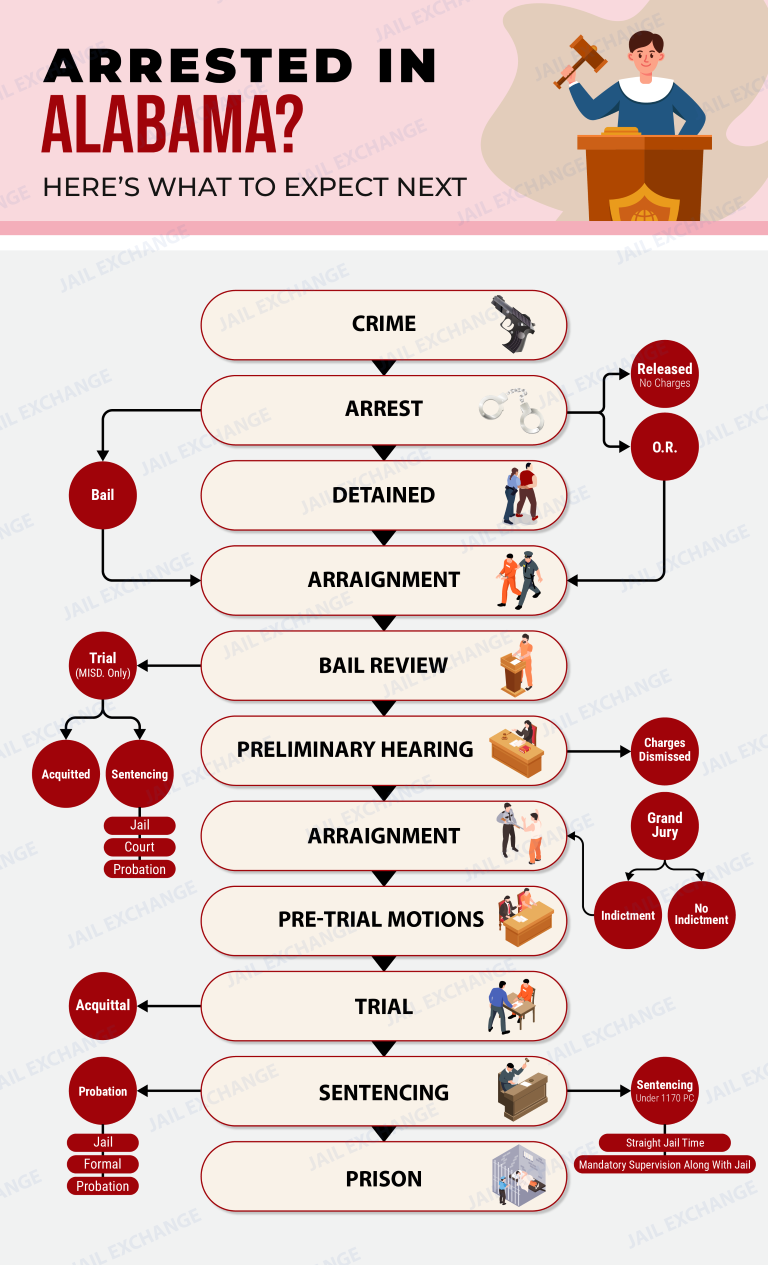

JailATM Commissary Ordering allows family members to purchase pre-approved snack boxes, meat and cheese selections, hygiene bundles, and seasonal gift care packages sent directly to an incarcerated loved one. Each package is tailored to comply with local facility security rules, ensuring items clear intake smoothly without being rejected at the loading dock.
Important: Package Deadlines and Delivery Windows Vary
Detention centers do not all follow identical package distribution schedules. Some facilities allow weekly orders while others restrict shipments to bi-weekly or monthly windows, and spending limits differ widely across institutions. You should confirm the facility's active cutoff schedule and order allowances by calling them directly. If an order is placed after the weekly processing deadline, it will be held until the following distribution cycle, leaving your loved one waiting an extra cycle for fresh supplies.
Step-by-Step Instructions to Place a Commissary Package Order
- Confirm the inmate's legal first and last name, date of birth, and assigned booking identification number.
- Navigate to deposits.jailatm.com/webdeposits/ and sign into your account.
- Select Commissary Packs or Gift Packs from the service menu.
- Choose your state and detention center to open the jail's authorized product catalog.
- Search for the inmate to link the order to their active housing record.
- Browse available food bundles, hygiene kits, and clothing options, adding items up to the facility's allowed spending limit.
- Enter your billing details, complete checkout with a credit or debit card, and save your confirmation receipt.
What the Inmate Needs to Do
The inmate does not need an active online account to receive care packages. JailATM fulfills the order in tamper-evident security containers and delivers it directly to the facility commissary department. Jail staff inspect the shipment and deliver the items during regular housing unit commissary distribution, where the inmate signs for receipt.
Official Provider: JailATM Official Website
Customer Service Telephone: 1-877-810-0914
Support Hours: Monday – Friday, 8:00 AM – 5:00 PM CST
Supported Languages: English and Spanish
Other Services Provided by JailATM
In addition to Commissary Gift Packs, JailATM provides several other communication, financial, and visitation services at participating facilities:
- Inmate Trust & Commissary Money Deposits: Send money directly into an inmate's jail trust account for independent commissary spending.
• Learn more on our website: Inmate Trust Deposits Guide | • Visit official vendor page: JailATM Trust Deposits - Digital Messaging & Picture Sharing: Send electronic messages and photos directly to an inmate's housing unit kiosk.
• Learn more on our website: Digital Messaging Guide | • Visit official vendor page: JailATM Messaging - Remote Video Visitation: Schedule and join live video visits from home using your computer or smartphone.
• Learn more on our website: Video Visitation Guide | • Visit official vendor page: JailATM Video Visits
Buy Commissary for an Inmate in the Dekalb County Detention Center
Dekalb County Detention Center Inmate Commissary - Sending Money or Purchasing Commissary for an Inmate
Dekalb County Detention Center allows inmates to purchase commissary. This can be snacks, hygiene products, stamps, stationary, clothing and even electronics.
You can buy commissary for an inmate using an online service called Jail ATM.
Questions? Call Jail ATM at 877-810-0914.
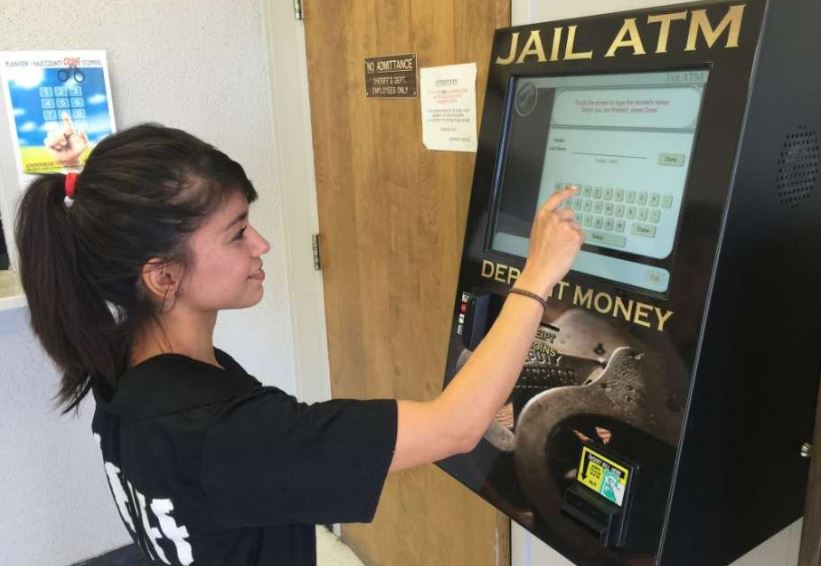
There is a monthly limit of $200-300 on how much inmates can spend on commissary items.
This amount is subject to change so call the facility at 256-845-8565 in order to confirm the amount that cannot be exceeded.
Inmates have access to both an in-house commissary store, and commissary packages that can be purchased and shipped to the inmate by friends and family.
Scroll down for information on the Dekalb County Detention Center's service they use for you being able to purchase commissary items online and have them shipped directly to the inmate.
You can also go to our Inmate Money page for information on how to send money to an inmate.
JailATM provides a secure electronic payment portal that allows friends and family members to deposit funds directly into an incarcerated person's jail trust and commissary account. Deposited money provides the financial balance needed for your loved one to purchase personal hygiene items, snacks, over-the-counter medical sundries, and correspondence supplies from the facility commissary.
Important: Facility Deposit Rules and Window Intake Vary
Once a person is booked and moved to a housing unit, facilities do not always allow cash drop-offs or phone payments directly to the jail window. Some might and you should confirm this by calling the facility and asking. But if you do not register online and fund your loved one's trust account immediately, they may be forced to wait days or weeks for standard paper processing, leaving them without essential soap, clean undergarments, basic medical sundries or snacks.
Step-by-Step Instructions to Register and Deposit Funds
- Obtain the inmate's legal first and last name, date of birth, and assigned facility booking ID number.
- Navigate to deposits.jailatm.com/webdeposits/ on your computer or mobile device.
- Click Sign In or Register to set up your verified user account using your email address and password.
- Select the state and the detention facility where the inmate is currently housed.
- Search for the inmate using their ID number or legal last name to confirm an exact roster match.
- Enter your desired deposit dollar amount and review the calculated transaction and convenience fees.
- Input your debit or credit card billing details, complete payment authorization, and save your digital receipt.
What the Inmate Needs to Do
The inmate does not need an internet account to receive funds. Once the electronic transaction clears, the balance posts directly to their jail trust ledger according to facility accounting schedules. The inmate can review their updated balance at a dayroom pod kiosk or on their weekly trust statement and place orders on their regular commissary day.
Official Provider: JailATM Official Website
Customer Service Telephone: 1-877-810-0914
Support Hours: Monday – Friday, 8:00 AM – 5:00 PM CST
Supported Languages: English and Spanish
Other Services Provided by JailATM
In addition to Trust & Commissary Money Deposits, JailATM provides several other communication, store, and visitation services at participating facilities:
- Commissary Gift Packs & Store Ordering: Order pre-approved snack boxes, food packages, and hygiene bundles sent directly to the jail.
• Learn more on our website: Commissary Gift Packs Guide | • Visit official vendor page: JailATM Store Orders - Digital Messaging & Picture Sharing: Send electronic messages and photos directly to an inmate's housing unit kiosk.
• Learn more on our website: Digital Messaging Guide | • Visit official vendor page: JailATM Messaging - Remote Video Visitation: Schedule and join live video visits from home using your computer or smartphone.
• Learn more on our website: Video Visitation Guide | • Visit official vendor page: JailATM Video Visits
Deposit Money for an Inmate in the Dekalb County Detention Center
Nobody held in the Dekalb County Detention Center in Fort Payne is allowed to keep cash, so the DeKalb County Sheriff's Office puts money on an account for them. Here is how to add it.
- Drop box: Leave a money order in the drop box just outside the Detention Center doors at 2801 Jordan Road SW. Staff empty it Monday through Friday and post the money.
- By mail: Mail the money order to Dekalb County Detention Center, 2801 Jordan Road SW, Fort Payne, AL 35968. Make it out to the person's full name, and call 256-845-8565 to confirm.
- What goes on it: Every money order must show the person's name and inmate number, plus your name and return address.
- Lobby kiosk: A deposit kiosk sits in the Detention Center lobby. It charges a convenience fee.
- By phone: Call 1-855-836-3364 to make a deposit.
All mail for the DeKalb County Detention Center goes to the building on Jordan Road in Fort Payne, on paper. Letters, legal mail, books and money orders all use one address. You can also leave a money order in the drop box outside the Detention Center, which is emptied on weekdays.
Letters, legal mail, publications and money orders:
Inmate's Full Name & Inmate Number
Dekalb County Detention Center
2801 Jordan Road SW
Fort Payne, AL 35968
- Snacks and care packages: These can't be mailed from home. Order them through commissary instead.
- Greeting cards: They have to be plain. Musical cards are never allowed.
- Money orders: Don't send cash or a personal check. Get a money order from the post office or a bank. It must show the inmate's name and inmate number, along with your own name and return address. Make it payable to the inmate's full name, with their inmate number on the memo line. If you are unsure, call 256-845-8565 to confirm. The lobby kiosk is another option, though it charges a fee, or you can send money online.
- Return address: Up in the top left corner, put your name and mailing address. If they're missing, the mail most likely won't be delivered.
- Books, magazines and newspapers: These must be new and mailed by a publisher or a store. Hardcovers are not allowed, and neither is anything very violent, sexual or obscene. Staff take magazines with adult content.
- Nothing extra: Don't draw on the envelope or postcard, and don't tuck glitter, confetti or anything else inside.
- Ink: Use blue or black ink. Crayons and felt markers are not allowed.
If a letter feels too slow, inmates can also get electronic messages.

NCIC Inmate Communications provides telecommunications services that allow incarcerated individuals to place outbound voice calls from dayroom telephones to family and friends. Because correctional facilities do not permit incoming phone calls, establishing an NCIC prepaid calling account connects calls directly to your cell phone or landline without being blocked by wireless carriers.
Important: Mobile Phones Automatically Block Inmate Calls
Cellular phone carriers automatically reject standard collect calls originating from jail phone systems. While some residential landlines might permit direct monthly billing, mobile devices and internet-based telephone lines require an active prepaid calling balance, which you can verify by checking with your provider. If you do not register online and fund an NCIC account right away, your loved one will receive an automated disconnect announcement when attempting to call your number.
Step-by-Step Instructions to Register and Fund an Account
- Visit account.ncic.com or call NCIC customer care at 1-800-943-2189.
- Click Create Account and register using the primary 10-digit telephone number where you want to receive calls.
- Select the state and correctional facility where your loved one is currently detained.
- Search for and add the inmate using their full legal name or booking ID number.
- Select your deposit dollar amount and enter your debit or credit card billing details.
- Submit payment and ensure your mobile phone settings allow calls from automated or unfamiliar correctional numbers.
What the Inmate Needs to Do
The inmate dials your 10-digit number from any dayroom telephone and keys in their assigned PIN. The automated system verifies that your phone number has an active prepaid balance and prompts you to press a digit to accept the call. All personal telephone conversations are recorded and monitored by facility staff.
Official Provider: NCIC Official Website
Customer Service Telephone: 1-800-943-2189
Support Hours: 24 hours a day, 7 days a week, 365 days a year
Supported Languages: English and Spanish
Other Services Provided by NCIC Inmate Communications
In addition to Prepaid Phone Calling, NCIC provides several other digital communication and visitation services at participating facilities:
- Remote Video Visitation: Schedule and join live face-to-face video visits from home using your computer or smartphone.
• Learn more on our website: Video Visitation Guide | • Visit official vendor page: NCIC Video Visits - Inmate Messaging Services: Send electronic messages and photos directly to an inmate's housing unit terminal.
• Learn more on our website: Inmate Messaging Guide | • Visit official vendor page: NCIC Messaging
NCIC Inmate Messaging allows friends and family members to exchange electronic text messages and digital photos directly with an incarcerated loved one. Messages are delivered electronically to housing unit terminals and tablets within hours, avoiding the lengthy transit times associated with physical postal mail.
Important: Electronic Messaging Screening Rules Differ
Inmates cannot receive incoming phone calls, and traditional postal mail rules differ across correctional agencies. While some facilities still allow regular handwritten letters, many jails have transitioned to digital-only mail scanning or restrict postal delivery, which you can verify by checking facility rules. If you do not register online and purchase messaging credits immediately, your loved one may face lengthy periods without direct written contact from family.
Step-by-Step Instructions to Register and Send Messages
- Go to account.ncic.com and sign in or create a user profile.
- Select Messaging from your dashboard options.
- Select your state and detention center, then search for the inmate using their full legal name or booking ID.
- Purchase a messaging credit bundle using a debit or credit card.
- Type your message in the composition window and attach approved JPEG photos if permitted by the facility.
- Submit your message to the facility's screening queue.
What the Inmate Needs to Do
All electronic correspondence is screened by facility staff before delivery. Once approved, messages appear in the inmate's inbox on their housing unit terminal or tablet. The inmate opens the message, reads your note, and types an electronic reply using their available credits.
Official Provider: NCIC Official Website
Customer Service Telephone: 1-800-943-2189
Support Hours: 24 hours a day, 7 days a week, 365 days a year
Supported Languages: English and Spanish
Other Services Provided by NCIC Inmate Communications
In addition to Inmate Messaging, NCIC provides calling and video visitation services at participating facilities:
- Prepaid Phone Calling Accounts: Fund a calling balance tied directly to your phone number.
• Learn more on our website: Prepaid Calling Accounts Guide | • Visit official vendor page: NCIC Prepaid Calling - Remote Video Visitation: Schedule and join live face-to-face video visits from your computer or smartphone.
• Learn more on our website: Video Visitation Guide | • Visit official vendor page: NCIC Video Visits
NCIC Inmate Communications deploys secure, corrections-grade handheld tablets to incarcerated individuals in county detention centers. Operating on a secure internal wireless network, these devices allow inmates to conduct remote video visits, make voice telephone calls, send electronic messages, stream music, read eBooks, and access self-help and educational resources directly from their housing pods.
Important: Tablet Hardware Deployment and Rental Rules Vary
Detention centers do not manage tablet distribution identically. While some agencies issue individual personal tablets to every detainee at booking, others utilize shared pod docking stations or restrict tablet use to specific dayroom hours, which you should confirm with the facility directly. Although core educational and legal resources are generally provided free of charge, sending messages, listening to music, or making phone calls from the tablet requires an active balance funded by outside contacts.
Step-by-Step Instructions to Support and Fund NCIC Tablets
- Verify that NCIC handheld tablets are active at your loved one's specific detention facility.
- Navigate to account.ncic.com on your computer or mobile device.
- Sign into your verified user account and link the inmate's legal name and booking ID number.
- Select Tablet Media / Messaging or Inmate PIN Debit to add funds to their available balance.
- Specify your deposit dollar amount, review convenience fees, and enter your credit or debit card billing details.
- Submit payment, save your confirmation receipt, and notify your loved one that their device balance is available.
What the Inmate Needs to Do
The inmate unlocks their assigned tablet using their PIN or biometric login. Their available balance appears on the screen, allowing them to download songs, read digital books, write messages, and communicate with approved family members. Devices are returned to charging carts during quiet hours and shift counts for overnight recharging.
Official Provider: NCIC Official Website
Customer Service Telephone: 1-800-943-2189
Support Hours: 24 hours a day, 7 days a week, 365 days a year
Supported Languages: English and Spanish
Other Services Provided by NCIC Inmate Communications
In addition to Tablet Services, NCIC provides several other communication, financial, and visitation options:
- Prepaid Phone Calling Accounts: Prepay for phone calling credits so your loved one can call your telephone directly.
• Learn more on our website: Prepaid Calling Accounts Guide | • Visit official vendor page: NCIC Prepaid Calling - Remote Video Visitation: Schedule and join live face-to-face video visits from your computer or smartphone.
• Learn more on our website: Video Visitation Guide | • Visit official vendor page: NCIC Video Visits - Inmate Messaging Services: Send electronic messages and photos directly to an inmate's terminal or tablet.
• Learn more on our website: Inmate Messaging Guide | • Visit official vendor page: NCIC Messaging - Inmate Trust & Commissary Money Deposits: Send canteen funds directly into an incarcerated person's jail trust account.
• Learn more on our website: Trust Deposits Guide | • Visit official vendor page: NCIC Trust Deposits
DeKalb County Juvenile Facilities
- Dekalb County Detention Center: 256-845-8565
- Court: 256-845-8525
- Dekalb County Sheriff's Office: 256-845-3801
- Juvenile Court: 256-845-8525
The Dekalb County Detention Center serves the following cities and towns of DeKalb County: Collinsville, Fort Payne, Geraldine, Hammondville, Henagar, Mentone, Rainsville, Sylvania and Valley Head.