
Clark County Jail
Clark County Jail
Jail Phone Number
870-246-2222Arkadelphia arrests and the Clark County Jail
Clark County is home to Arkadelphia, with two universities and Interstate 30 running through. The sheriff runs the Clark County Jail downtown, and when it is full some people are boarded in other counties. Use the Clark County custody search on VINELink to check custody status.
This page covers lookups, bond, court, visits, calls, money, mail, medical needs, holds and transfers. VINELink opens the statewide notification search: choose Arkansas and enter the full name. Clark jail names are not posted on a county roster, so a fresh booking may take time to appear. If the person was moved to another county, the case still stays in Arkadelphia.
Your first call is the sheriff's office at 870-246-2222. Ask whether your loved one is still held in Arkadelphia, what the charges and bond are, and when the first court date is set. Getting someone out is covered on our bail page, and hearings on our court process guide.
Read inmate search answers
 Read inmate search answers
1. Location of the jail
The Clark County Jail is at 406 South 5th Street in Arkadelphia, AR 71923. Interstate arrests by state troopers usually end up here too.
↑ Back to the question list2. Online search
For Clark, start on VINELink (Clark County). Then phone the Clark jail.
VINELink (Clark County) opens the statewide notification search. Enter the name to see whether they're in custody. Call for bond details.
↑ Back to the question list3. Judge review
Arkansas law gives 48 hours for a judge to find cause on a warrantless arrest. First appearance should come promptly after that.
↑ Back to the question list4. Courts in Arkadelphia
Clark County District Court handles misdemeanors; circuit court handles felonies. See Clark court process.
↑ Back to the question list5. Bond
Families either cover the entire sum in cash or bring in a licensed bondsman, who charges a fee of ten percent. Call 870-246-2222 for the amount first. See Clark bail.
↑ Back to the question list6. Free attorney
In Arkadelphia, the judge asks about income and bills at first appearance. If a lawyer isn't affordable, the district public defender is appointed, and the person may pay a small fee later. The judge can name a public defender for someone who can't afford counsel.
↑ Back to the question list7. Can someone at the Clark County Jail have warrants from other places?
Yes, and it's good to know before posting bond. Ring the sheriff's office at 870-246-2222 to check for warrants or detainers on the booking. Searching Search ARCourts, Arkansas's case search, can also surface cases filed in other counties. A lawyer can then coordinate with each court so bond is set on everything at once. Felony case questions go to the Circuit Clerk in Arkadelphia at 870-246-4281. Having the person's full legal name and date of birth ready makes the warrant check quicker, and it helps staff tell apart people who share a common name.
↑ Back to the question list8. Visiting
The Clark County jail sets visiting by housing area, so days differ from inmate to inmate. Have the person's full name ready when you call, and arrive early for the ID check. Call to learn visit days and rules. Bring a photo ID. More at visits and remote visits.
↑ Back to the question list9. Phones
Inmates in Arkadelphia can't get calls from outside, so relatives fund an account to receive theirs. Rates and fees come from the jail's phone contract, not the sheriff. Prepaid accounts let inmates call you. See phones, messages, tablets.
↑ Back to the question list10. Commissary deposits
Cash on a Clark County inmate's books pays for snacks, hygiene items, stamps and paper. Ask the Arkadelphia jail whether it accepts cash at the lobby, online deposits or money orders. See deposit methods and commissary.
↑ Back to the question list11. Mail to Arkadelphia
Clark County jail staff inspect every envelope. Send plain letters and photos without anything glued, taped or sprayed on them, and use a return address. Use their full name and the jail address. See mail rules.
↑ Back to the question list12. Youth arrests
Minors go to juvenile court, not the adult jail. The sheriff can tell you where they're held.
↑ Back to the question list13. Medical
The Arkadelphia jail can only give medicines it has verified. When you call, give the drug name, dose and the pharmacy or doctor so staff can check it. Phone the jail so medical staff hear about prescriptions or risks.
↑ Back to the question list14. Before going to the jail
Clark County bookings, bonds and visit days change quickly, so a short call can save a trip to Arkadelphia. Spell the name the way it appears on the person's driver's license. Call 870-246-2222 to check custody, bond and visiting.
↑ Back to the question list15. Who handles federal charges from Clark County?
It often begins when the Secret Service, the U.S. Marshals, the ATF, or IRS agents carry out the arrest. A federal case is filed in Arkansas's Western District, Hot Springs Division, at the federal building in Hot Springs: 100 Reserve Street, Room 347, Hot Springs, AR 71901. The Hot Springs office is not staffed; call the clerk's office at 833-853-0345. Pretrial services also interviews the person and sends a report for the court. Often by the next weekday, the person appears before a magistrate judge. The federal system doesn't use a bail table. The magistrate decides if they stay locked up at a bail hearing, using federal bail law.
During the case, the Marshals often hold the person in the Arkadelphia jail. Check the county inmate list first, where a Marshals hold might appear. This district's Marshals office knows where a federal prisoner is held: 479-289-7470 and 479-424-5000 (you can call either), 30 South 6th Street, Room 243, Fort Smith, AR 72901. Following sentencing to prison, a prisoner moves into a BOP prison. Track them through the federal inmate locator by register number.
↑ Back to the question list16. ICE hold: the steps at the jail
- Jail prints are run through federal databases that ICE uses. Then ICE might file a detainer.
- Posting the bond doesn't erase the detainer.
- With the detainer, jail staff may keep them at most 48 hours longer than usual. A holiday does not freeze the clock.
- ICE agents usually collect them at the Arkadelphia jail during the hold. Deadline passed? Then the request has expired and staff must let them leave.
- This county falls under the St. Rose, Louisiana, field office; its phone is 504-318-2360, and its address is 181 James Drive W, St. Rose, LA 70087.
- ICE's web search, the detainee locator, tells their current center; it needs the A-number and birth country. ICE also offers a name search when the number is unknown, which needs date of birth, the country they were born in and first and last name.
- ICE alone picks where they go next.
17. From the Arkadelphia jail to state prison: the steps
The state's prison system, the ADC, takes anyone given a felony prison term. First, they remain in the Arkadelphia jail until the ADC sends for them. The ride lands them at intake, where they get checked in. At intake, officers look at gang connections, their medical and mental health and their risk level. Their final step is a prison that suits their rating.
The ADC online lookup shows their unit once they arrive. The Arkansas prison guide covers each unit.
↑ Back to the question list18. Booking photos at the Arkadelphia jail: who can get one
ICE pictures come out just through an ICE records request, and only if the agency agrees. Unreleased booking photos come from the sheriff's office; media may call 870-246-2222. Federal mugshots are kept private. The federal system keeps these photos back; the U.S. Marshals step in only to find someone who escaped, if there is an immediate safety need, or when release helps track them down or alert neighbors.
↑ Back to the question list19. Clark County police and sheriff
- Arkadelphia Police: 870-246-4545
- Caddo Valley Police: 870-246-6357
- Amity Police: 870-342-5822
- Clark County Sheriff's Office jail: 870-246-2222
Gurdon, Okolona and rural areas use the sheriff.
↑ Back to the question listClark County contacts
- Roster
- VINELink (Clark County)
- Jail
- Clark County Jail, 406 South 5th Street, Arkadelphia, 870-246-2222
Call before you visit.
Clark County bail and bond: an old, full jail in Arkadelphia
The Clark County Jail, also called the Detention Center, is part of the Sheriff's Office at 406 South 5th Street, Arkadelphia. The building dates to 1985 and often runs full, and part of the population is boarded in other counties. So ask where your person actually is before paying. This page covers bond amounts, payment, bondsmen, court dates and refunds.
Check custody first with the Clark County custody search on VINELink. Our Clark County Inmate Search page covers the rest of an arrest: who is in custody, charges, holds, visits and getting a public defender. The case stays in Clark County courts wherever the person is housed.
Your first step is a call to the sheriff's office and jail at 870-246-2222. Ask where the person is held, the charges, whether bond is set and who accepts payment, and write down the booking number. The circuit clerk answers at 870-246-4281. Hearing steps are on our Clark County court guide.
1. Does Arkadelphia have my person, or another county?
Ask directly. In May 2026 the sheriff told the quorum court that nine of the 44 prisoners on his roster were housed outside Clark County, with trips to and from other jails almost every day. Call 870-246-2222, give the full name, and request the facility's name and phone. The roster may show someone as a Clark County prisoner even when that person sits in a neighboring jail.
↑ Back to the question list2. My sister was arrested. Where do women go?
The sheriff has said women prisoners are placed in jails in Prescott or Murfreesboro. Begin with 870-246-2222 and ask which of the two. Then call that jail for its own visiting and money rules.
↑ Back to the question list3. Why is this jail so packed?
By the sheriff's account it is the oldest and smallest among its neighbors. The state suggests no more than 35 prisoners to avoid understaffing, yet the count has run well past its rating of 49. Convicted prisoners waiting for state prison beds also take space. County officials, the state jail standards office, and the sheriff are working on a long-term fix, so rules can shift from month to month.
↑ Back to the question list4. Does crowding decide who gets out?
It can. The sheriff said beds go first to people charged with serious or violent crimes and those facing parole revocation, while others may be offered house arrest or ankle monitoring. The judge and sheriff decide that on the facts, so do not count on it. It is a reason to have a lawyer ask for release conditions at the first hearing.
↑ Back to the question list5. What do I do to post the money?
Phone 870-246-2222 and ask what to bring. A cash bond can be taken by the jail, by the sheriff's office, or, in some cases, by the circuit clerk at 401 Clay Street, 870-246-4281. Cash, cashier's checks and money orders cause the fewest problems. Ask about cards. Get a receipt, and check that the case number is on it.
↑ Back to the question list6. Can I come in on a night or weekend?
The jail phone is staffed around the clock. Evening and weekend bond acceptance is not posted anywhere, so ask the jail before you drive, and note the officer's name and the time you called. The clerk keeps ordinary courthouse hours.
↑ Back to the question list7. Which court, district or circuit?
District court takes misdemeanors and traffic. The district court, 870-246-9552, runs departments in Arkadelphia, Amity, Caddo Valley, and Gurdon. Felonies go to the Ninth Judicial Circuit East in Arkadelphia. Find out which court holds the case before calling a lawyer.
↑ Back to the question list8. How long before the first hearing in Clark County?
Rule 8.1 asks for a first appearance without unnecessary delay, normally inside two to three days. With some prisoners housed elsewhere, ask whether the hearing is by video or in person. A weekend arrest often waits for the next court day. District court, 870-246-9552, can give the date.
↑ Back to the question list9. What number should I expect on the bond?
The jail reads it from your person's record, and that is the only reliable source. A judge sets it, so ask the jail what it says for each charge.
↑ Back to the question list10. Cash or bondsman?
A bondsman takes 10 percent of the bond under Arkansas Code 17-19-101 and following, and you never get it back. Cash is paid back when the case closes, provided no hearing was missed. If you can cover the full amount, cash costs less. If not, hire a state-licensed bondsman and get the contract in writing, including collateral and co-signer duties.
↑ Back to the question list11. Could a property bond work?
Yes, but the judge who set the amount must approve it, not the jail. Owners need clear title or enough equity, and each owner signs. The land generally must be inside Arkansas. Ask the clerk, 870-246-4281, whether the court takes land outside Clark County and what filing costs apply.
↑ Back to the question list12. Why would bond be denied?
The Arkansas Constitution, Article 2, Section 8, reserves outright denial of bail for capital cases where the evidence is plain. Ark. Rule of Criminal Procedure 9.6 lets the court hold someone arrested for a new felony while out on bond for another. Holds from parole or from another county's warrant block release too. Ask what kind of hold it is.
↑ Back to the question list13. Can the sheriff change the figure?
That power belongs to the judge. The sheriff's office follows the court's order. A lawyer must ask the judge, who weighs the Rule 9.2 factors: charge, record, work, family, and past court attendance. Under Rule 9.3 the judge may add conditions, such as reporting or monitoring, in place of a high figure.
↑ Back to the question list14. Who gives free legal help?
The Ninth District East Public Defender office in Arkadelphia serves Clark County at 870-246-2300. Use the first hearing to request a free lawyer from the judge. Income is the main test, and an appointed lawyer may then push for a smaller bond.
↑ Back to the question list15. Where are juveniles held?
Not at the Clark County jail. The sheriff told the quorum court in May 2026 that juveniles go to Yell County, in Dardanelle. Ask the circuit clerk, 870-246-4281, for the hearing time and the facility. Youth get a detention hearing in the juvenile division instead of a cash bond, and the records are closed.
↑ Back to the question list16. What about missed court, refunds, and scams?
Missing a date in Clark County can mean an arrest order and a forfeited bond, so phone the clerk at once and have a lawyer seek a fresh date. Posted cash comes back when everything is over, minus what the court is owed in fines, costs and restitution. A bondsman's fee is not. Commissary deposits are not bail. If a caller demands gift cards, dial 870-246-2222 yourself.
↑ Back to the question list17. Which Clark County court is handling the case, and where is it?
Circuit court sits at the Arkadelphia courthouse, while district court is split into departments. Find the one that matches the charge:
- Clark County Circuit Court (felonies, juvenile division, appeals): 401 Clay Street, Arkadelphia, AR 71923 · circuit clerk 870-246-4281
- District Court, Arkadelphia Department (misdemeanors, traffic and first appearances, Gurdon cases included): Arkadelphia, AR 71923 · 870-246-9552
- District Court, Caddo Valley Department: 137 Malvern Road, Arkadelphia, AR 71923 · 870-246-8283
- District Court, Amity Department: Amity, AR 71921. Ask the Arkadelphia department for its number and court days.
Clark County makes up the whole 9th Judicial Circuit–East, so its circuit judge and prosecutor handle only this county.
↑ Back to the question list18. My relative was arrested by federal officers near Arkadelphia. What should I expect?
The 5th Street jail and local bondsmen play no part in a federal bond. Clark County is assigned to the Hot Springs Division of the U.S. District Court for the Western District of Arkansas, which holds court at the federal courthouse in Hot Springs, 100 Reserve Street, Hot Springs, AR 71901, 833-853-0345. A typical federal case runs in this order:
- An agency such as the FBI, DEA or ATF files a complaint, or a grand jury hands up an indictment.
- A U.S. magistrate judge holds the first appearance, which may take place in another city.
- Pretrial Services asks about the person's home, job and history.
- If prosecutors seek detention, the judge holds a hearing on it, normally within several days.
- Federal release carries conditions, such as supervision and staying in the district.
Because the Clark County jail is often full, federal prisoners may be held elsewhere. The U.S. Marshals choose the jail: U.S. Marshals Service, 30 South 6th Street, Fort Smith, AR 72901, 479-289-7470 or 479-424-5000 (call either).
↑ Back to the question list19. Will ICE be able to hold someone after their Clark County bond is paid?
It may ask to. A detainer under 8 CFR 287.7 asks the jail to give ICE notice and keep the person as long as 48 hours after release, counting weekends and holidays. Arkansas law does not prevent the jail from honoring it.
The Clark County case still moves forward, and missing those dates can bring a warrant. ICE in Arkansas is managed by the ICE New Orleans Field Office, 181 James Drive W, St. Rose, LA 70087, 504-318-2360. Detainees are often sent on to Louisiana centers such as:
- LaSalle ICE Processing Center: 830 Pinehill Road, Jena, LA 71342 · 318-992-1600
- Pine Prairie ICE Processing Center: 1133 Hampton Dupre Road, Pine Prairie, LA 70576 · 337-599-2400
When the person is with ICE, the ICE Online Detainee Locator System (https://locator.ice.gov/odls/) finds them by A-number with birth country. Without the number, use the full name and birth country.
↑ Back to the question list20. How do I track a Clark County prisoner who was sent to another jail or prison?
Clark County often houses people in other counties, and women and juveniles are placed outside the county. These searches can help:
- Clark County jail: Clark County Inmate Search. Put in the name, pick the matching entry and read the charges, bond and booking date. The roster may list a person who is actually held in another county.
- VINE: VINELink (https://vinelink.vineapps.com/). Choose Arkansas and search the name. The result shows whether the person is held and which facility has them, which helps track transfers. Free release alerts by phone or text are offered.
- Federal Bureau of Prisons: Federal Bureau of Prisons Inmate Locator (https://www.bop.gov/inmateloc/). Search a register number, or a name with race, sex and age. Many pretrial federal prisoners are not listed, so call the Marshals at 479-289-7470 or 479-424-5000 (call either).
- Arkansas Division of Correction: Arkansas Division of Correction Inmate Search (https://apps.ark.org/inmate_info/). Search an ADC number or last name for the unit, photo and parole date.
21. Before the trip to Arkadelphia, who will double-check bond and court dates?
At a crowded jail, housing and bond rules can shift, so call before you go. The jail at 870-246-2222 is staffed 24 hours, and the deputy can name the jail holding the person and the payments it accepts. The circuit clerk at 870-246-4281 confirms felony dates, and district court at 870-246-9552 confirms misdemeanor and traffic dates.
↑ Back to the question list22. Which police phone do I use?
Arkadelphia Police, 870-246-4545; Caddo Valley Police, 870-246-6357; Amity, 870-342-5822. Get the report number and arresting officer, then follow the case through district court. After booking, the sheriff controls where the person is housed.
↑ Back to the question listClark County bond contacts
- County jail: Clark County Jail, 406 South 5th Street, Arkadelphia, AR 71923; 870-246-2222
- Bond help: Arkadelphia jail bond rules
- Sheriff's office: 406 South 5th Street; 870-246-2222
- Circuit clerk: 401 Clay Street, Arkadelphia, AR 71923; 870-246-4281
- District court: Arkadelphia; 870-246-9552
- City police: Arkadelphia 870-246-4545; Caddo Valley 870-246-6357; Amity 870-342-5822
- Public defender: Ninth District East, Arkadelphia; 870-246-2300
- Juvenile: Juveniles are sent to Yell County; ask the circuit clerk, 870-246-4281
Housing arrangements, fees, and hours change often at a crowded jail. Hours, fees, and where prisoners sleep can change. The sheriff's office or circuit clerk can confirm your case details first. This is general family help, not legal advice.
Visiting Someone at Clark County Jail
Clark County Jail is at 406 S. 5th Street, Arkadelphia, AR 71923. If you are hoping to visit from home, check the person’s City Tele Coin options first. If you want to visit at the jail, confirm a time for that person before leaving for Arkadelphia.
Check for a video visit from home
- Sign in at City Tele Coin and choose Clark County Ar when adding a contact.
- Find the person by legal name, then check whether their contact offers video. A phone or messaging option does not establish that video is available.
- If video appears, review the session options and price before adding funds. If it doesn’t, ask the jail whether the person is eligible for remote visits rather than buying credit for another service.
Arrange a visit in Arkadelphia
Contact the jail at 870-246-2222 for the person’s visiting day and time. Ask whether an appointment or visitor approval is required and whether you will use a public video terminal or a visiting room. Have the person’s legal name and, if known, date of birth and booking or arrest date ready.
For a confirmed on-site visit, carry photo ID and keys only unless staff approve something else. Keep weapons, illegal drugs and other contraband out of the jail and off its grounds, including the parking lot.
Confidential legal visits
Counsel should call 870-246-2222 to arrange a private visit. Ask which professional hours apply, where to check in, and which identification, legal materials or equipment staff allow.

City Tele-Coin Video Visitation provides a secure online platform that enables families and friends to conduct live, face-to-face video visits with incarcerated loved ones from home. Using an internet-connected smartphone, tablet, or personal computer equipped with a webcam, visitors can connect directly without traveling to the correctional facility.
Important: Advance Registration and Visitor Clearance Required
Detention centers do not permit unscheduled or unverified video sessions. Correctional facilities require prospective visitors to submit government-issued photo identification and receive administrative clearance before booking an appointment, an approval process that can take up to 48 hours depending on facility staffing. You should verify your visitor approval status with the facility prior to scheduling. If you do not register well in advance, you will miss your loved one's scheduled visiting window for the week.
Step-by-Step Instructions to Register and Schedule a Video Visit
- Visit www.citytelecoin.com or launch the CTC Customer app.
- Register your visitor profile and upload a clear photograph of your government-issued ID for background review.
- Wait for email notification confirming facility visitor approval.
- Select Video Visitation, choose the detention facility, and select the inmate.
- Browse the available schedule calendar, select an open time slot, and pay the visitation fee using a credit or debit card.
- Log into the website or mobile app 10 minutes prior to the start time on a device with a functioning camera, microphone, and stable high-speed internet connection.
What the Inmate Needs to Do
The inmate receives a visitation notification on their housing unit video kiosk or tablet. At the appointed time, they log in with their PIN and sit before the terminal. Inmates and visitors must strictly observe jail dress and conduct rules; sessions are monitored by staff and will terminate immediately upon any violation.
Official Provider: City Tele-Coin Official Website
Customer Service Telephone: 1-800-682-0707
Support Hours: Monday – Friday, 7:00 AM – 7:00 PM CST; Saturday, 8:00 AM – 5:00 PM CST
Supported Languages: English and Spanish
Other Services Provided by City Tele-Coin (CTC)
In addition to Remote Video Visitation, City Tele-Coin provides calling, messaging, and account services:
- Inmate Phone Calling Accounts: Prepay for phone calling credits so your loved one can call your telephone directly.
• Learn more on our website: Phone Calling Accounts Guide | • Visit official vendor page: CTC Phone Calling - Chirp Messaging Devices: Exchange digital text messages and photos directly with handheld units.
• Learn more on our website: Chirp Messaging Guide | • Visit official vendor page: CTC Chirp Devices - Inmate Trust & Account Deposits: Send money directly into an inmate's jail trust account for independent canteen shopping.
• Learn more on our website: Inmate Trust Deposits Guide | • Visit official vendor page: CTC Trust Deposits
Navigating a Criminal Case in Clark County
Clark County, home to Arkadelphia’s two universities and a long stretch of Interstate 30, runs its criminal courts out of the county seat. The Clark County Circuit Court handles felonies, district court appeals and the juvenile division from the courthouse at 401 Clay Street, Arkadelphia, AR 71923. Arrests are held at the Clark County Jail.
Anyone still held between hearings may show up in the Clark County custody search on VINELink. Our Clark County Inmate Search page covers the rest of an arrest: who is in custody, charges, holds and visits. Clark County forms the 9th Judicial Circuit–East on its own, with one circuit judge and one elected Prosecuting Attorney.
To reach the circuit clerk, call 870-246-4281 and ask for the next felony hearing date and courtroom. Misdemeanors, traffic citations and first appearances go to the Clark County District Court in Arkadelphia, 870-246-9552. Posting bond is covered on our bail and bond page.
1. When the charge is a misdemeanor: theft under the felony threshold, first DWI, battery, trespass
College students, travelers on I-30 and longtime residents all pass through Clark County’s district court on misdemeanor charges. The department that hears a case depends on where the offense took place and which agency filed it. Most start with a ticket. Someone who is jailed must be brought to a judge promptly, and release on a signature or small bond is the norm.
Under Arkansas law, the highest penalties for misdemeanors are a year in jail and $2,500 for Class A, 90 days and $1,000 for Class B, and 30 days and $500 for Class C. Theft of property worth up to $1,000 counts as a Class A misdemeanor, and so does battery in the third degree. Simple trespass is Class C. Going into a building someone occupies makes it Class B. A first DWI is penalized under its own section of the code: 24 hours to a year in jail, $150 to $1,000 in fines, an alcohol education program and losing the license for a time, though an interlock device is often allowed instead. Underage drivers face separate, lower blood-alcohol limits.
District court judges try cases without juries. A defendant can appeal a conviction to Clark County Circuit Court within 30 days and get a new trial there, where a jury may be requested. A public defender may be appointed for an indigent defendant facing jail, and Arkansas judges may set a user fee depending on income. Most cases end with a fine, probation, a suspended sentence or completion of classes.
When a minor is accused of a misdemeanor, the case is usually referred to the juvenile division of Clark County Circuit Court in Arkadelphia. Intake staff and the prosecutor often offer diversion to first offenders; if the youth completes the required classes, community service or restitution, the case closes without an adjudication. Traffic and some minor offenses involving teens, such as curfew or tobacco violations, can be handled in district court.
↑ Back to the question list2. Clark County felonies, from burglary and big thefts to drug sales and a repeat DWI
After a felony arrest, the person stays in sheriff's custody, sometimes in a boarding jail, until the first appearance. At that hearing a judge confirms probable cause, which must be done within 48 hours after an arrest without a warrant, sets bail and considers appointing a public defender. Arkansas’s constitution makes bail available for every offense except capital crimes where the proof is evident. Bail bondsmen operating in the county are licensed by the Professional Bail Bond Company and Professional Bail Bondsman Licensing Board.
The 9th District–East Prosecuting Attorney files felony charges by information in circuit court, since Arkansas seldom convenes grand juries. An arraignment follows, and then the case is set for pretrial hearings. Rule 28.1 requires trial within 12 months of arrest or charge, excluding certain delays. Twelve jurors hear a felony trial, and in Arkansas the jury generally sets the sentence if it convicts.
Arkansas uses five felony grades. The mildest, Class D, has a 6-year ceiling, and Class C a 3-to-10-year window. Class B and Class A widen to 5–20 and 6–30 years, while the top grade, Class Y, means somewhere between 10 and 40 years or else life. A Clark County judge can add a fine of as much as $10,000 at the two lowest grades and $15,000 at Class A or B. Burglarizing a residence is graded B; burglarizing a commercial building is graded C. Theft becomes a felony when property is worth more than $1,000. Delivery charges get their class from the substance and amount. The fourth DWI in a ten-year span is charged as a felony. Most felony cases are resolved by plea, often with probation or drug court for first offenders.
A youth's felony usually starts in juvenile court, and if the youth is held, a detention hearing must come within 72 hours. Arkansas law, Ark. Code 9-27-318, gives the prosecutor discretion to file any felony against a youth aged 16 or older in adult court, and a transfer hearing may follow. Juvenile court can impose probation, treatment or commitment to the Division of Youth Services, and extended juvenile jurisdiction is available for serious offenders.
↑ Back to the question list3. Violent Clark County cases such as killings, rape and armed robbery
The steps in a violent felony case mirror other felonies, but release is much harder. A capital defendant can be held without bail when the evidence is strong, and judges commonly set high bonds for other violent charges. Arkansas law allows only death or life without parole for capital murder, while rape, aggravated robbery and first-degree murder are Class Y felonies. Indigent capital defendants receive two qualified defense lawyers.
Crimes committed on or after January 1, 2025, fall under the Protect Arkansas Act of 2023. For crimes on its full-term list, which includes capital murder, rape and aggravated robbery, no early release is allowed, and those convicted of second-degree murder, manslaughter and certain other offenses must serve at least 85% before release. Arkansas’s most recent execution was in 2017. As of April 2026, 23 men were under a death sentence, and a 2025 law added nitrogen hypoxia as an execution method alongside lethal injection.
Victims are owed timely word of hearings and release. Arkansas law also lets them attend, talk things over with the prosecutor, address the judge at sentencing and collect restitution. The prosecutor’s victim-witness coordinator can help, and the Crime Victims Reparations program may help with certain costs. A year or longer is common for these cases.
Clark County teenagers accused of the most serious crimes may be tried as adults. A 14- or 15-year-old charged with capital murder, first-degree murder, rape, aggravated robbery, kidnapping or another listed offense can be prosecuted in the criminal division, and youths 16 and older can be charged there for any felony. A detained youth is entitled to a transfer hearing within 30 days, and transfer requires clear and convincing evidence. Arkansas can't seek death against someone who was 17 or younger at the time, and a 2017 state law means even a juvenile capital murder conviction eventually leads to a parole hearing.
↑ Back to the question list4. Clark County court addresses and phone numbers
Circuit court is in Arkadelphia, and district court has three departments:
- Clark County Circuit Court: 401 Clay Street, Arkadelphia, AR 71923, circuit clerk 870-246-4281
- District Court, Arkadelphia Department (also Gurdon cases): Arkadelphia, 870-246-9552
- District Court, Caddo Valley Department: 137 Malvern Road, Arkadelphia, AR 71923, 870-246-8283
- District Court, Amity Department: Amity, AR 71921
Circuit court handles felonies, juvenile cases and appeals. District court hears misdemeanors and traffic and holds first appearances after felony arrests.
Clark County, home to Arkadelphia’s two universities and a long stretch of Interstate 30 between Little Rock and Texarkana, runs its criminal courts out of the county seat. The Clark County Circuit Court is responsible for felony prosecutions, appeals from district court and the juvenile division. Its clerk is located in the courthouse at 401 Clay Street, Arkadelphia, AR 71923, (870) 246-4281. Clark County is a judicial circuit unto itself, the 9th Judicial Circuit–East, meaning one circuit judge and one elected Prosecuting Attorney for the 9th Judicial District–East.
Misdemeanors, traffic cases and first appearances belong to the Clark County District Court:
- Arkadelphia Department (which also handles Gurdon cases), Arkadelphia, AR 71923: (870) 246-9552
- Caddo Valley Department, 137 Malvern Road, Arkadelphia, AR 71923: (870) 246-8283
- Amity Department, Amity, AR 71921: (870) 342-5822
Public defenders for the 9th District–East, paid for by the state through the Arkansas Public Defender Commission, represent defendants who cannot afford an attorney.
Select a category for a description of how that sort of case typically goes.
This is a general sketch of Clark County's criminal courts. It isn't legal advice, so bring any pending charge to a defense lawyer, or phone the Clark County Circuit Clerk at (870) 246-4281 with questions on getting a public defender.
The circuit clerk at 870-246-4281 can confirm a felony court date. District court, reached at 870-246-9552, can confirm misdemeanor and traffic settings.
↑ Back to the question list5. How can I find out about a warrant in Clark County?
Call the sheriff's office in Arkadelphia at 870-246-2222; deputies there serve warrants across the county and can confirm one. For court records, the statewide case search at Search ARCourts lets you search circuit and many district court cases by name. If a warrant is out, a defense attorney can often arrange for you to turn yourself in at the jail on South 5th Street with bond set. The Circuit Clerk handles felony cases and can be reached at 870-246-4281. Bring a photo ID along.
↑ Back to the question list6. Clark County charges that go to federal court
For federal purposes, Clark County is in the Hot Springs Division of the U.S. District Court for the Western District of Arkansas, which sits at the United States Courthouse, 100 Reserve Street, Hot Springs, AR 71901. The Hot Springs office is unmanned, so the court asks the public to call (833) 853-0345. State and federal crimes differ mainly in who made the rule and whose interests are at stake. A shoplifting at a Caddo Valley store, a dorm-room assault or a burglary in Gurdon violates Arkansas law and is handled by the 9th District–East prosecutor. Federal prosecutors step in when Congress has made the conduct a crime or a federal interest is harmed, such as large drug shipments moving along I-30, firearms trafficking, possession of a gun by someone previously convicted of a felony, financial aid or federal benefits fraud, bank robbery, or offenses on U.S. Army Corps of Engineers property at DeGray Lake.
Federal cases from this county often grow out of drug traffic on Interstate 30, felons with guns or fraud against federal programs. They are heard in the Hot Springs Division of the U.S. District Court for the Western District of Arkansas, at the federal courthouse in Hot Springs, 100 Reserve Street, Hot Springs, AR 71901, 833-853-0345.
- A U.S. magistrate judge conducts the opening hearing.
- Pretrial Services hands the judge a background report.
- The prosecutor can ask that the defendant stay jailed, which leads to a detention hearing.
- A grand jury indictment comes before any felony trial.
- The U.S. Marshals have custody of federal prisoners: U.S. Marshals Service, 30 South 6th Street, Fort Smith, AR 72901, 479-289-7470 or 479-424-5000 (call either).
One arrest can lead to charges in Arkadelphia and in federal court. Each case is handled separately.
↑ Back to the question list7. How to look up a Clark County inmate
- Clark County jail: Clark County Inmate Search. A surname search lists charges and when the person was booked.
- VINE: VINELink (https://vinelink.vineapps.com/). Select Arkansas, search the name, and see which jail holds the person. Alerts are free.
- Federal Bureau of Prisons: Federal Bureau of Prisons Inmate Locator (https://www.bop.gov/inmateloc/). Search a name or register number.
- Arkansas Division of Correction: Arkansas Division of Correction Inmate Search (https://apps.ark.org/inmate_info/). Look up a state prisoner by name or ADC number.
8. ICE detainers and where Clark County detainees are taken
ICE files a detainer to ask the Arkadelphia jail for as much as 48 extra hours of custody past release, counting weekends and holidays. The county case is not dropped because of it.
The ICE New Orleans Field Office, 181 James Drive W, St. Rose, LA 70087, 504-318-2360 covers Arkansas, and many detainees are moved to Louisiana:
- LaSalle ICE Processing Center: 830 Pinehill Road, Jena, LA 71342 · 318-992-1600
- Pine Prairie ICE Processing Center: 1133 Hampton Dupre Road, Pine Prairie, LA 70576 · 337-599-2400
Search the ICE Online Detainee Locator System (https://locator.ice.gov/odls/) with an A-number. The fallback is the full name with birth country.
↑ Back to the question list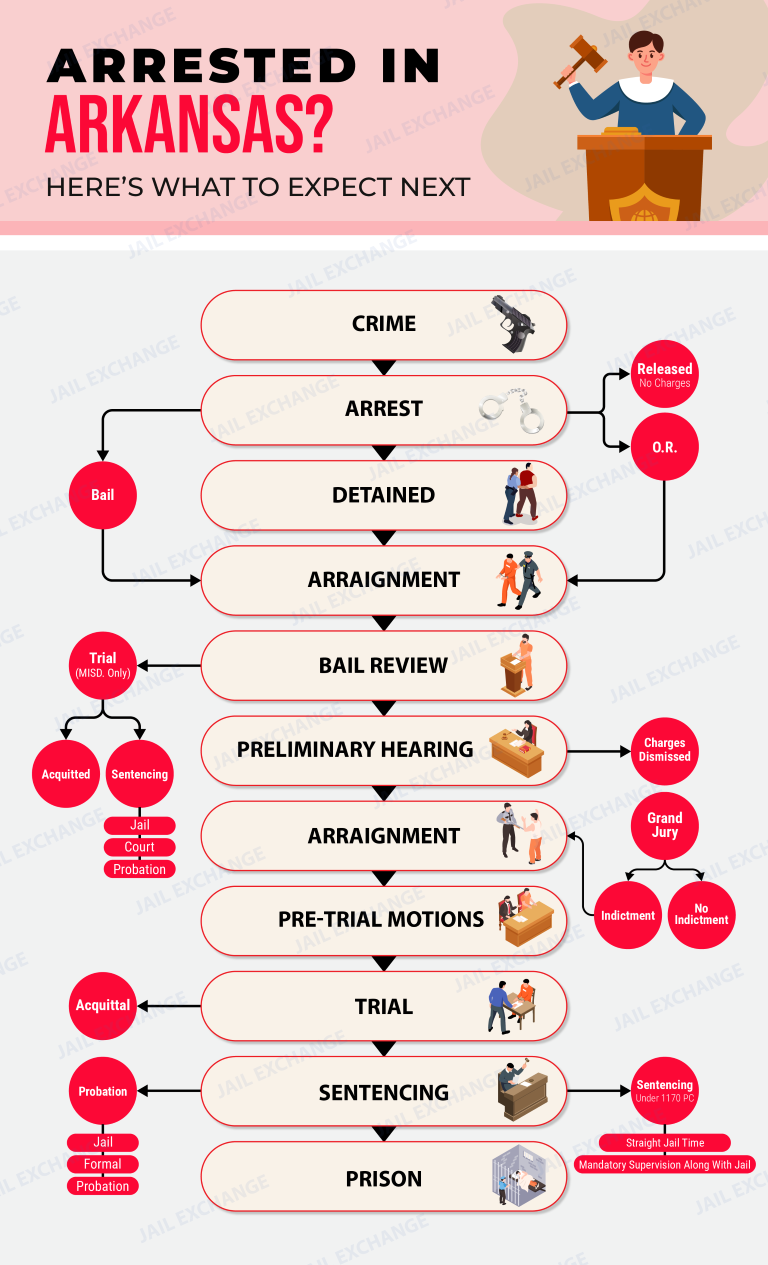

Tiger Commissary provides specialized food service and commissary solutions for county jails and regional detention centers. The online ordering portal allows friends and family members to purchase pre-approved snack boxes, meat and seafood pouches, hygiene items, writing supplies, and clothing packages delivered directly to an incarcerated loved one.
Important: Package Cutoff Deadlines and Spending Limits Vary
Detention centers do not manage care package distribution under identical rules. While some facilities allow weekly web orders, others limit deliveries to bi-weekly or monthly windows, and spending limits vary from jail to jail. You should verify the facility's active cutoff schedule and order allowances by calling them directly. If an order is submitted after the weekly processing deadline, delivery will be held until the following cycle, leaving your loved one waiting an extra cycle for fresh supplies and personal toiletries.
Step-by-Step Instructions to Place a Tiger Commissary Order
- Obtain the inmate's legal first and last name, date of birth, and assigned facility booking ID number.
- Navigate to orders.tigercommissary.com on your computer or mobile device.
- Select your state and detention center from the facility directory.
- Search for the inmate to unlock the jail's approved product catalog and view active ordering balances.
- Select allowable food packs, snack items, personal hygiene products, and apparel up to the facility's order limit.
- Proceed to checkout, enter your debit or credit card billing information, and submit payment.
- Save your digital receipt and confirmation number for tracking purposes.
What the Inmate Needs to Do
The inmate does not need an internet account to receive care packages. Tiger Correctional Services fulfills the order in tamper-evident security packaging and delivers it directly to the jail commissary department. Facility staff inspect the shipment and deliver the items during regular housing unit distribution, where the inmate signs the delivery roster.
Official Provider: Tiger Commissary Official Website
Customer Service Telephone: 1-877-844-3726
Support Hours: Monday – Friday, 8:00 AM – 5:00 PM CST
Supported Languages: English and Spanish
Other Services Provided by Tiger Correctional Services
In addition to Package Ordering, Tiger Correctional Services operates electronic trust and banking solutions:
- Web Deposits & Inmate Trust: Send money directly into an inmate's jail trust account for independent canteen purchases.
• Learn more on our website: Inmate Trust Deposits Guide | • Visit official vendor page: Tiger Web Deposits
Buy Commissary for an Inmate in the Clark County Jail
Clark County Jail Inmate Commissary - Sending Money or Purchasing Commissary for an Inmate
Clark County Jail allows inmates to purchase commissary. Ask the jail what its commissary sells; snacks and hygiene items are common.
You can buy commissary for an inmate using an online service called Tiger Services.

Call the facility at 870-246-2222 to ask whether there is a limit on how much an inmate can spend on commissary.
Tiger Commissary's site shows whether friends and family can order commissary for an inmate at this jail.
Scroll down for information on the Clark County Jail's service they use for you being able to purchase commissary items online and have them shipped directly to the inmate.
You can also go to our Inmate Money page for information on how to send money to an inmate.
Tiger Correctional Web Deposits allow family members to send money directly into an incarcerated person's jail trust and commissary ledger. Deposited funds give your loved one the financial balance required to independently buy food items, hygiene supplies, writing materials, and medical copays from the facility store.
Important: Facility Deposit Rules and Window Intake Vary
Once a person is booked and moved to a housing unit, facilities do not always allow cash drop-offs or phone payments directly to the jail window. Some might and you should confirm this by calling the facility and asking. But if you do not register online and fund your loved one's trust account immediately, they may be forced to wait days or weeks for standard paper processing, leaving them without essential soap, clean undergarments, basic medical sundries or snacks.
Step-by-Step Instructions to Register and Deposit Funds
- Confirm the inmate's legal first and last name, date of birth, and assigned booking or inmate ID number.
- Visit orders.tigercommissary.com on your computer or phone.
- Select Deposit Money or Web Deposits from the service dashboard.
- Select the state and facility where the inmate is currently detained.
- Search for the inmate to confirm their active housing status matches the facility roster.
- Enter your deposit dollar amount and review the calculated transaction and convenience fees.
- Input your debit or credit card billing details, complete payment, and save your digital receipt.
What the Inmate Needs to Do
The inmate does not need an internet account to receive funds. Once the electronic transaction clears, the balance posts directly to their jail trust ledger according to facility accounting schedules. The inmate can review their updated balance at a dayroom pod kiosk or on their weekly trust statement and place orders on their regular commissary day.
Official Provider: Tiger Commissary Official Website
Customer Service Telephone: 1-877-844-3726
Support Hours: Monday – Friday, 8:00 AM – 5:00 PM CST
Supported Languages: English and Spanish
Other Services Provided by Tiger Correctional Services
In addition to Trust Web Deposits, Tiger Correctional Services provides direct care package delivery:
- Tiger Commissary Web Package Ordering: Order pre-approved snack boxes, food packages, and clothing directly to the jail.
• Learn more on our website: Commissary Package Ordering Guide | • Visit official vendor page: Tiger Commissary Packages
Deposit Money into an Inmate's Account
Someone at the Clark County Jail in Arkadelphia can get money online, by mail, or possibly at the jail. The same online store also lets you order items for them.
- Online: Go to Tiger Commissary, choose Arkansas and Clark County Jail, and see which services are offered.
- At the jail: Call 870-246-2222 to find out if there is a kiosk for cash or card deposits and where it is.
- Money order by mail: Buy one at the post office, a bank or Western Union. Make it out to the person's full name and call to confirm. Mail it to their full name and inmate ID, Clark County Jail, 406 South 5th Street, Arkadelphia, AR 71923.
Cash should never go in the mail.
The Clark County Jail is in the sheriff's building on South 5th Street in Arkadelphia, and letters for inmates are delivered there on paper. A single address covers personal letters, legal mail and anything to read. Mail is handed out Monday through Friday, and there is no cap on how many letters someone can receive.
Letters, legal mail and reading material:
Inmate's Full Name & Inmate ID #
Clark County Jail
406 South 5th Street
Arkadelphia, Arkansas 71923
- Off-limits writers: An inmate can't trade letters with a co-defendant, someone locked up anywhere else, or a person covered by a no-contact order.
- Ink: Use only a blue or black pen. Crayons, felt markers, colored ink and lipstick are refused.
- Return address: Fill in your name and mailing address at the top left, or the letter will probably be destroyed instead of delivered.
- Keep the envelope clean: Don't draw on it, spray perfume on it, or slip in glitter, confetti or anything else.
- Books, newspapers and magazines: All of them have to be new and come straight from the publisher. Hardcovers are turned away every time.
- Greeting cards: Choose a plain card that doesn't play a tune.
- Stamps: They can't be mailed in. The inmate buys them from commissary.
- Packages: Only the jail's approved commissary vendor may ship a package to an inmate.
The jail enforces mail rules strictly, and a violation can cost the inmate their mail privileges.
City Tele-Coin (CTC) provides telecommunications services that allow incarcerated individuals to place outbound calls from housing-unit telephones directly to approved outside phone numbers. Because correctional facilities do not permit incoming calls, opening and funding a CTC prepaid phone account ensures calls connect without carrier restrictions or operator blocks.
Important: Mobile Phones Automatically Block Inmate Collect Calls
Mobile cellular carriers automatically block collect calls originating from jail phone systems. While select traditional residential landlines might allow direct operator billing, cellular and internet-based phone numbers require an active City Tele-Coin prepaid account, which you can verify by checking with your provider. If you do not register online and fund your phone balance immediately, your loved one will hear an automated operator recording stating that your phone number cannot accept calls.
Step-by-Step Instructions to Set Up and Fund Phone Calling
- Go to www.citytelecoin.com or download the CTC Customer app.
- Register your account using the primary 10-digit cellphone number where you want your loved one to call.
- Select the detention center where the inmate is currently located.
- Search for and add the inmate to your approved contact list by full legal name or booking ID.
- Select your deposit dollar amount and enter your debit or credit card billing details.
- Authorize payment, save your confirmation number, and confirm that your mobile phone does not filter automated correctional phone lines as spam.
What the Inmate Needs to Do
The inmate dials your 10-digit number from any dayroom telephone and enters their assigned PIN. The automated system verifies that your phone number has an active prepaid balance and prompts you to accept the call. All personal telephone conversations are recorded and monitored by facility investigators.
Official Provider: City Tele-Coin Official Website
Customer Service Telephone: 1-800-682-0707
Support Hours: Monday – Friday, 7:00 AM – 7:00 PM CST; Saturday, 8:00 AM – 5:00 PM CST
Supported Languages: English and Spanish
Other Services Provided by City Tele-Coin (CTC)
In addition to Phone Calling Accounts, City Tele-Coin provides several other communication, financial, and visitation services:
- Remote Video Visitation: Schedule and join live video visits from home using your computer or smartphone.
• Learn more on our website: Video Visitation Guide | • Visit official vendor page: CTC Video Visits - Chirp Messaging Devices: Exchange digital text messages and photos directly with handheld units.
• Learn more on our website: Chirp Messaging Guide | • Visit official vendor page: CTC Chirp Devices - Inmate Trust & Account Deposits: Send money directly into an inmate's jail trust account for independent canteen shopping.
• Learn more on our website: Inmate Trust Deposits Guide | • Visit official vendor page: CTC Trust Deposits
City Tele-Coin (CTC) provides telecommunications, remote video visitation, and digital tablet solutions for county jails and regional correctional facilities across the southern United States. Opening a prepaid account ties calling minutes and video credits directly to your phone number and mobile app, ensuring your incarcerated loved one can place outbound calls without carrier blocks.
Important: Cell Networks Automatically Block Collect Inmate Calls
Inmate phone networks do not permit incoming telephone calls, and cellular carriers do not support traditional collect billing from detention centers. While select traditional landlines may support direct monthly carrier billing, wireless smartphones and VoIP lines require an active prepaid calling balance, which you can verify by checking with your telephone service provider. If you do not register online and fund your phone account right away, your loved one will receive an automated disconnect announcement when dialing your number.
Step-by-Step Instructions to Register and Fund a Phone Account
- Visit www.citytelecoin.com or download the CTC mobile app.
- Click Create Account and register using your primary 10-digit telephone number and email address.
- Select the state and facility where the inmate is currently housed.
- Locate the inmate using their legal first and last name or facility booking ID number.
- Choose your deposit amount ($25, $50, or custom amount) and enter your credit or debit card billing information.
- Authorize payment, save your confirmation number, and confirm that your mobile phone does not filter automated correctional phone lines as spam.
What the Inmate Needs to Do
The inmate dials your 10-digit telephone number from any dayroom telephone or tablet and keys in their assigned PIN. The automated system verifies that your phone number has an active prepaid balance and connects the call once you press the prompted number to accept. All personal telephone calls are recorded and monitored by facility investigators.
Official Provider: City Tele-Coin Official Website
Customer Service Telephone: 1-800-682-0707
Support Hours: Monday – Friday, 7:00 AM – 7:00 PM CST; Saturday, 8:00 AM – 5:00 PM CST
Supported Languages: English and Spanish
Other Services Provided by City Tele-Coin (CTC)
In addition to Prepaid Phone Calling, City Tele-Coin offers video visitation and messaging options at participating facilities:
- Remote Video Visitation: Schedule and join live video visits from home using your computer or smartphone.
• Learn more on our website: Video Visitation Guide | • Visit official vendor page: CTC Video Visits - Digital Inmate Messaging: Send electronic messages and photos directly to an inmate's housing unit tablet or kiosk.
• Learn more on our website: Digital Messaging Guide | • Visit official vendor page: CTC Messaging
City Tele-Coin offers Chirp handheld messaging units that enable incarcerated individuals to send and receive text messages and digital photo attachments directly from their housing areas. Families use the CTC mobile app or web portal to send electronic correspondence, avoiding long transit delays and physical mailroom processing backlogs.
Important: Device Rental and Digital Mail Guidelines Vary
Inmates cannot receive incoming telephone calls, and physical postal mail policies differ widely across jurisdictions. While some detention centers allow paper letters, many facilities utilizing City Tele-Coin restrict physical correspondence or mandate electronic Chirp messaging, which you can verify by checking facility rules. If you do not register online and purchase messaging credits immediately, your loved one may face lengthy periods without direct written contact from family.
Step-by-Step Instructions to Register and Message a Chirp Device
- Go to www.citytelecoin.com or download the CTC Customer app.
- Register your account using your primary 10-digit mobile number and email address.
- Select your state and the facility where your loved one is housed.
- Add the inmate to your contact directory by full legal name or facility booking ID.
- Navigate to Messaging / Chirp and purchase a bundle of messaging credits using a credit or debit card.
- Compose your text message, attach approved JPEG photos if permitted, and submit your transmission for electronic screening.
What the Inmate Needs to Do
All electronic correspondence is screened by facility security staff before delivery. Once approved, the message transmits wirelessly to the inmate's assigned Chirp device. The inmate opens the message, views the attachment, and types an electronic reply using their available message balance.
Official Provider: City Tele-Coin Official Website
Customer Service Telephone: 1-800-682-0707
Support Hours: Monday – Friday, 7:00 AM – 7:00 PM CST; Saturday, 8:00 AM – 5:00 PM CST
Supported Languages: English and Spanish
Other Services Provided by City Tele-Coin (CTC)
In addition to Chirp Messaging Devices, City Tele-Coin offers several communication, banking, and visitation services:
- Inmate Phone Calling Accounts: Prepay for phone calling credits so your loved one can call your telephone directly.
• Learn more on our website: Phone Calling Accounts Guide | • Visit official vendor page: CTC Phone Calling - Remote Video Visitation: Schedule and join live video visits from home using your computer or smartphone.
• Learn more on our website: Video Visitation Guide | • Visit official vendor page: CTC Video Visits - Inmate Trust & Account Deposits: Deposit funds directly into an inmate's jail trust account for independent canteen shopping.
• Learn more on our website: Inmate Trust Deposits Guide | • Visit official vendor page: CTC Trust Deposits
City Tele-Coin provides secure handheld wireless tablets designed specifically for correctional housing pods. Operating on a secure internal network, these devices allow incarcerated individuals to exchange digital messages, make telephone calls, conduct remote video visits, stream approved music, read eBooks, and access self-help legal research materials from their living quarters.
Important: Tablet Hardware Deployment and Feature Rules Vary
Correctional agencies do not manage tablet access under identical contracts. Some facilities provide tablets to every inmate at no hardware cost, while other institutions require daily rental fees or limit tablet use to dayroom hours, which you can verify by checking facility rules. While educational and legal databases are typically free, accessing music, premium games, or outside communications requires an active balance funded by family members.
Step-by-Step Instructions to Fund Tablet Services
- Confirm that City Tele-Coin tablets are active at your loved one's specific detention facility.
- Navigate to www.citytelecoin.com or launch the CTC Customer app.
- Sign into your verified user profile and link the inmate's legal name and booking ID number.
- Select Tablet Media / Messaging and choose your deposit amount.
- Review transaction fees and complete payment with a credit or debit card.
- Notify your loved one that funds have been credited to their media profile.
What the Inmate Needs to Do
The inmate unlocks their assigned tablet using their PIN or biometric scan. Their available balance appears on the screen, allowing them to download songs, read digital books, write messages, and communicate with approved family members.
Official Provider: City Tele-Coin Official Website
Customer Service Telephone: 1-800-682-0707
Support Hours: Monday – Friday, 7:00 AM – 7:00 PM CST; Saturday, 8:00 AM – 5:00 PM CST
Supported Languages: English and Spanish
Other Services Provided by City Tele-Coin (CTC)
In addition to Inmate Tablets & Media, City Tele-Coin offers several core communication channels:
- Chirp Messaging Devices: Send two-way digital text messages and photos directly to handheld units.
• Learn more on our website: Chirp Messaging Guide | • Visit official vendor page: CTC Chirp Devices - Remote Video Visitation: Schedule and join live video visits from home using your computer or smartphone.
• Learn more on our website: Video Visitation Guide | • Visit official vendor page: CTC Video Visits - Inmate Phone Calling Accounts: Prepay for phone calling credits so your loved one can call your telephone directly.
• Learn more on our website: Phone Calling Accounts Guide | • Visit official vendor page: CTC Phone Calling
- Jail (Main): 870-246-2222
- Bail Bonds: 870-246-4281
- Circuit Court: 870-246-4281
- County Court Clerk: 870-246-4491
- District Court: 870-246-9552
- Sheriff: 870-246-2222
The Clark County Jail serves the following cities and towns of Clark County: Arkadelphia, Gurdon and Okolona.